What Height to Cut Your California Lawn Through Winter
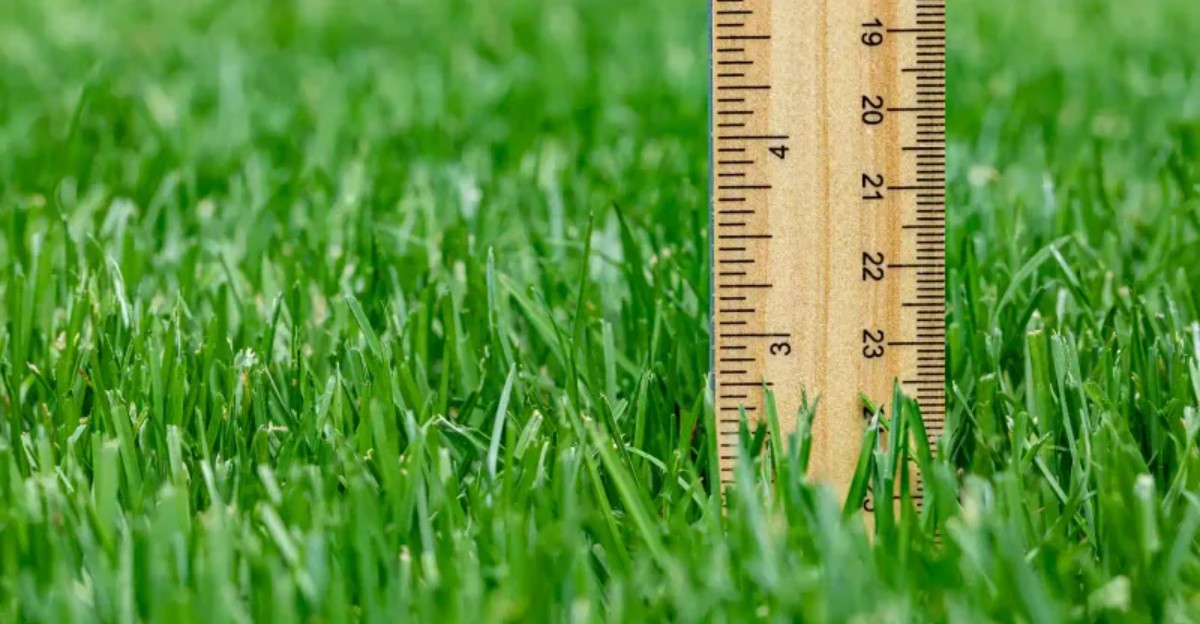
Some California lawns grow hardest when the rest of the country is shoveling snow. Fescue and ryegrass love cool, damp weather, so January can mean real growth in many yards.
I learned the hard way that a winter lawn still cares about its haircut. One low, lazy pass before the holidays left my yard thin, patchy, and full of weeds by March.
Funny thing is, the right number depends on what kind of grass you have. A blade setting that helps one lawn can quietly stress another one growing two streets away.
How low is too low when the days get short and the soil stays cold and wet? A small turn of one knob on your mower may decide how your yard looks next spring. Which setting is yours?
Your Grass Type Holds the Secret to the Right Mower Setting
Two lawns can sit on the same street and need totally different winter care. The big divide comes down to cool-season grass versus warm-season grass.
Cool-season types include tall fescue, perennial ryegrass, and Kentucky bluegrass. They stay green and keep growing through mild, rainy months, so they still need regular mowing.
Warm-season types include Bermuda, St. Augustine, zoysia, and kikuyu. Most of them slow down and turn tan once nights get chilly, especially in inland areas.
Not sure which one you have? Look closely at a few blades. Tall fescue has wide, coarse blades with visible ridges, while Bermuda is fine and spreads with wiry runners above and below the ground.
St. Augustine is easy to spot thanks to its thick, flat blades and chunky runners. Kikuyu looks similar to Bermuda but feels tougher and grows aggressively in coastal Southern California yards.
A quick trick works well in December. If your lawn looks bright green while the neighbor’s yard is straw-colored, you probably have a cool-season grass.
Many California lawns are blends, too. Knowing what is growing helps you pick a height that fits instead of guessing and hoping for the best.
Tall Fescue Lawns Look Best Between 2.5 and 3.5 Inches
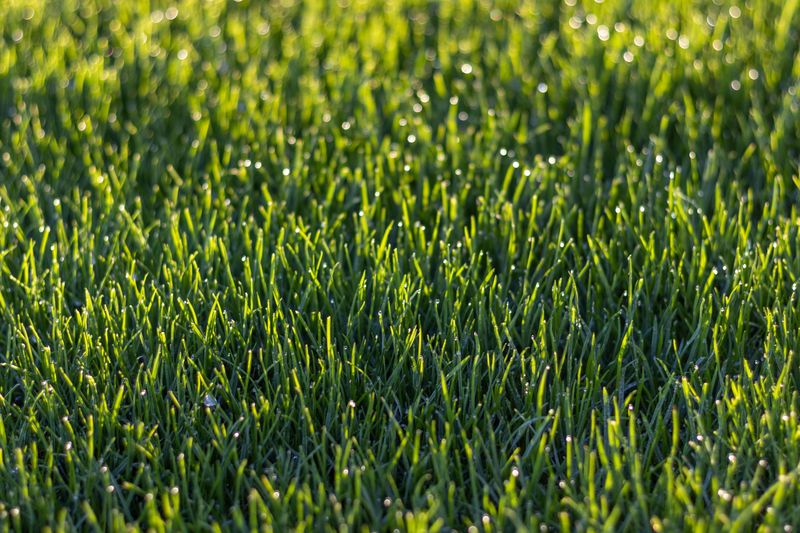
Most UC lawn guides point to a sweet spot for cool-season grass. Keep tall fescue somewhere around 2.5 to 3.5 inches through the winter months.
Perennial ryegrass and Kentucky bluegrass do well a bit lower, roughly 1.5 to 2.5 inches. Fescue blends, which are very common across the state, lean toward the taller end.
Why not shorter? Grass makes its food from its leaves. With lower sun angles and shorter days, a taller blade gives each plant more surface to soak up light.
Height also helps the roots. Grass that keeps more leaf usually grows deeper roots, and that means better footing when spring arrives.
Going too tall has its own trouble, though. Once fescue flops past about 4 inches, it can lie down and mat, holding moisture near the base of the plant.
My own fix was simple. I set my mower to 3 inches in November and left it there until spring. The lawn stayed thick and soft all season.
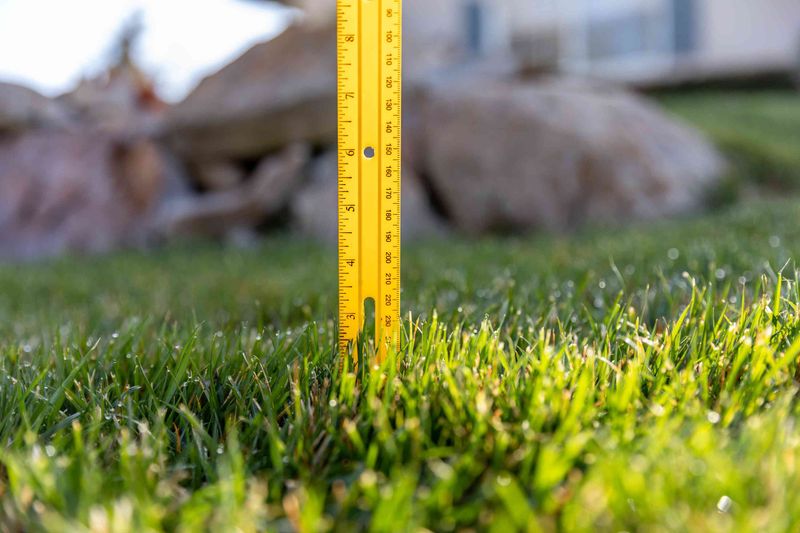
Check your mower’s height settings with a ruler, since deck numbers can be misleading. Measure from a flat surface to the bottom edge of the blade.
Dormant Bermuda Grass Can Mostly Skip the Mower
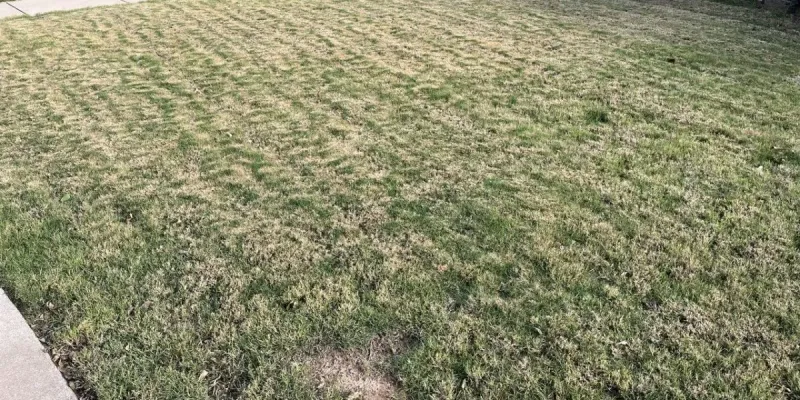
Golden-brown Bermuda in January is resting, not failing. Warm-season grasses go dormant when soil temperatures fall, and growth nearly stops.
During that pause, there is usually very little to cut. Many homeowners in inland valleys can park the mower for weeks at a time.
Coastal yards are a different story. In milder spots like San Diego or parts of Los Angeles, Bermuda and kikuyu may stay semi-green and keep creeping slowly, so an occasional trim helps.
If you do mow, keep the setting where it was in fall. For common Bermuda that is often around 1 to 1.5 inches, and St. Augustine usually sits higher, around 2 to 3 inches.
Leaving dormant grass a touch taller adds a little cover over the crowns. That crown is the growing point near the soil, and it is what wakes up in spring.
Broadleaf weeds may pop up while the grass naps. Mowing them can keep seed heads from forming, but hand-pulling is often easier on a quiet lawn.
Fair warning, a brown lawn tempts people to water more. Dormant turf needs far less, so let winter rain handle most of the work.
Scalping a Sleepy Lawn Invites Weeds and Cold Damage
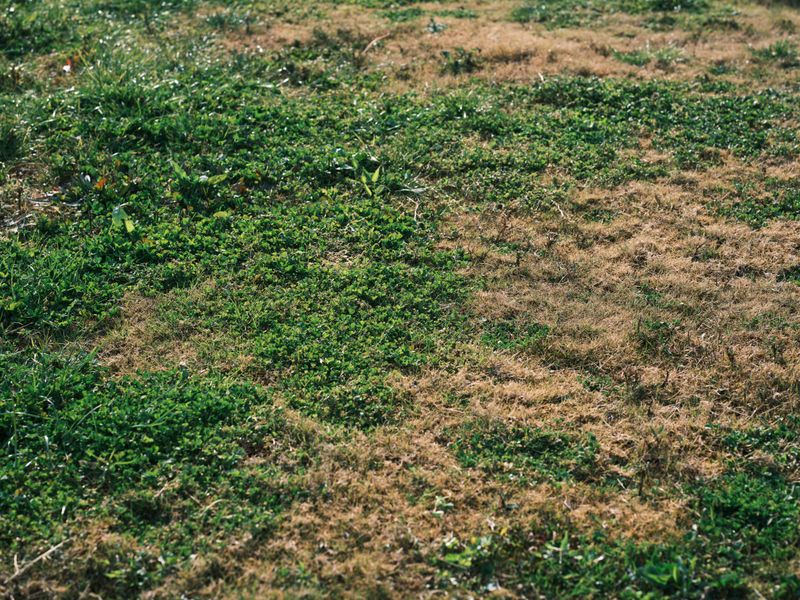
Guilty as charged on this one. I once dropped my mower deck way down, figuring a short cut would mean fewer mowings over winter.
The result was ugly. Bare soil showed through, and by February the gaps were full of annual bluegrass, chickweed, and other cool-weather weeds.
Scalping means cutting so low that you remove most of the green leaf and expose stems or soil. It stresses any grass, but it hits hardest when growth is slow and recovery takes weeks.
Exposed crowns face colder air and frost in inland and foothill areas. Open soil also gives weed seeds the light they need to sprout.
Some warm-season lawns do get a deliberate low cut, but timing matters. That kind of lowering is usually done in spring as growth resumes, or in fall right before overseeding, not in the middle of winter.
Bumpy yards make scalping easy by accident. Mower wheels drop into dips, and the blade shaves the high spots bare.
Raise the deck a notch if you see brown stripes after mowing. Filling low spots with a thin layer of soil also helps over time.
The One-Third Rule Keeps Winter Grass Happy
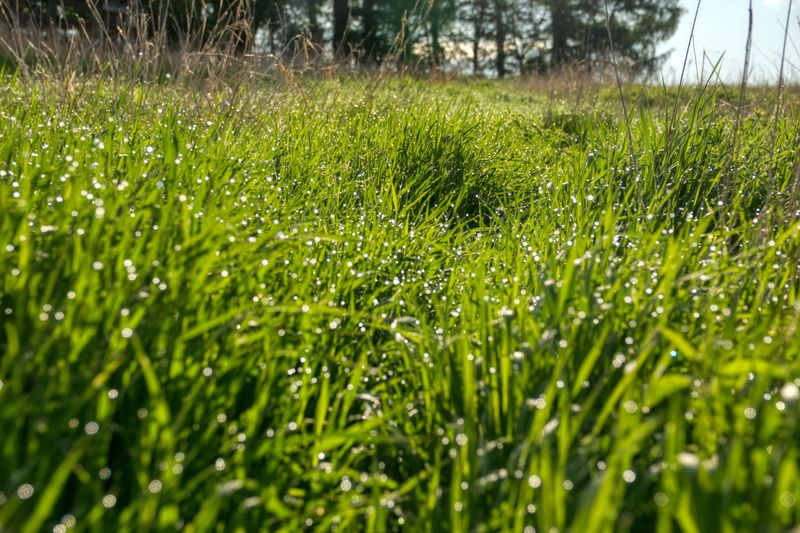
Turf experts love one simple guideline. Remove no more than one-third of the blade in a single mowing.
So if your fescue sits at 3 inches, mow when it reaches about 4 inches. Cutting more than that at once shocks the plant and slows root growth.
Winter makes this easier, honestly. Cool-season grass grows slower in cold weather, so many yards need mowing only every 10 to 21 days.
Let the grass set the schedule, not the calendar. A week of warm, sunny weather after rain can bring a growth spurt, while a cold snap may stall things for weeks.
Got a lawn that got away from you during a rainy stretch? Bring it down gradually over two or three mowings instead of one big chop.
Sharp blades matter just as much as height. Dull blades tear grass tips, leaving ragged brown ends that lose moisture and invite disease.
Winter is a great time to sharpen, since mowing is slower anyway. A clean blade every season or after roughly 20 to 25 hours of use is a solid habit.
Wet or Frosty Grass Deserves a Day Off

California winters bring most of the year’s rain, and soggy lawns are part of the deal. Mowing right after a storm causes more trouble than it solves.
Wet clippings clump into heavy mats that smother the grass below. They also gum up the mower deck and can leave uneven, chewed cuts.
Heavy mowers on saturated soil press it down, too. Compacted soil squeezes out air, and grass roots struggle to breathe and spread.
Frost is another reason to wait. Frozen blades break easily, and walking or rolling over them often leaves brown footprints that show for days.
Frost is common in the Central Valley, high desert, and foothills, and less common along the coast. Wait until midday, when the lawn has thawed and dried.
A quick test helps. Walk across the grass in regular shoes, and if your shoes come back soaked or you leave squishy prints, mowing can wait.
Mid to late afternoon on a dry, sunny day usually gives the cleanest cut. Your mower will thank you, and so will your back.
Overseeded Ryegrass Wants Its Own Winter Trim
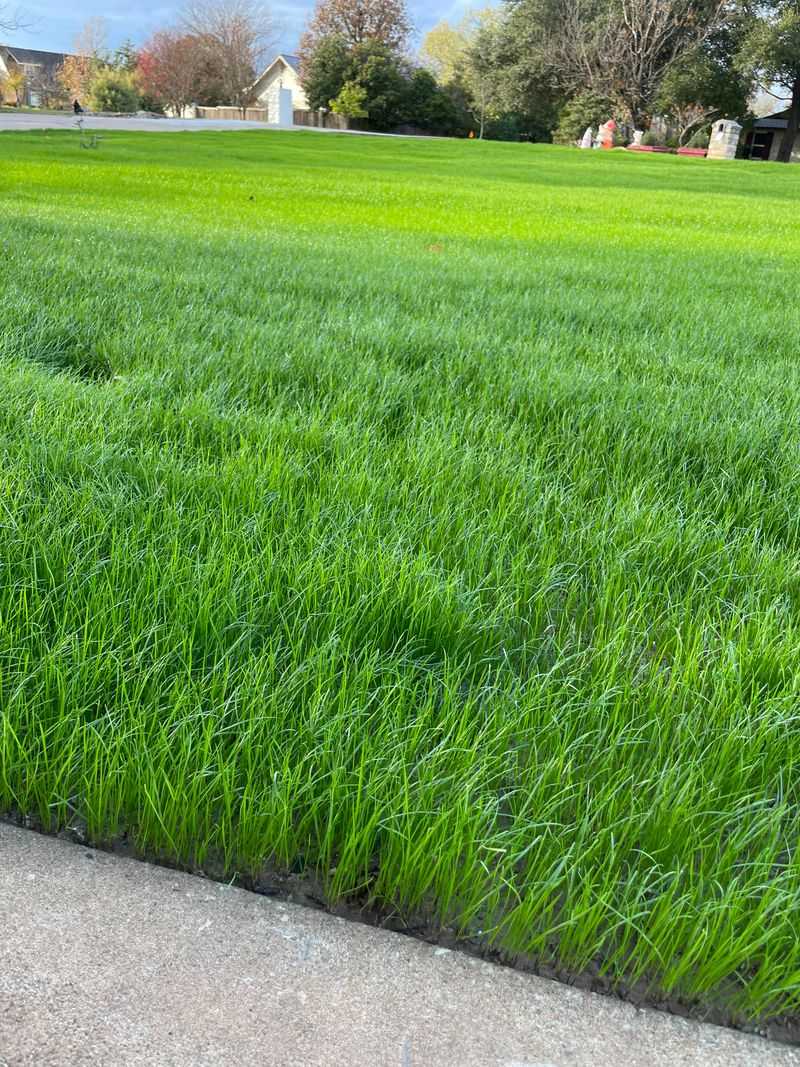
Some folks hate the tan look of dormant Bermuda. Their fix is overseeding with perennial ryegrass in fall for a green winter carpet.
That ryegrass behaves like a cool-season lawn. It grows actively through winter, so it needs regular mowing even while the Bermuda underneath sleeps.
Aim for about 1.5 to 2.5 inches for overseeded ryegrass. That keeps it dense without letting it shade the Bermuda too heavily come spring.
Wait until new ryegrass seedlings are a few inches tall before the first mowing. Young blades pull up easily, so a sharp blade and dry grass help a lot.
Spring brings a handoff. As days warm, slowly lowering the mowing height helps the Bermuda get sunlight and take back over.
Overseeding has trade-offs worth weighing. It uses more winter water and fertilizer, and the ryegrass can compete with Bermuda during the spring changeover.
I’m a sucker for a green yard in February, I admit. Still, many California homeowners happily skip overseeding and accept a few tan months to save water and effort.
A Smart Winter Mowing Plan Pays Off in a Spring Lawn
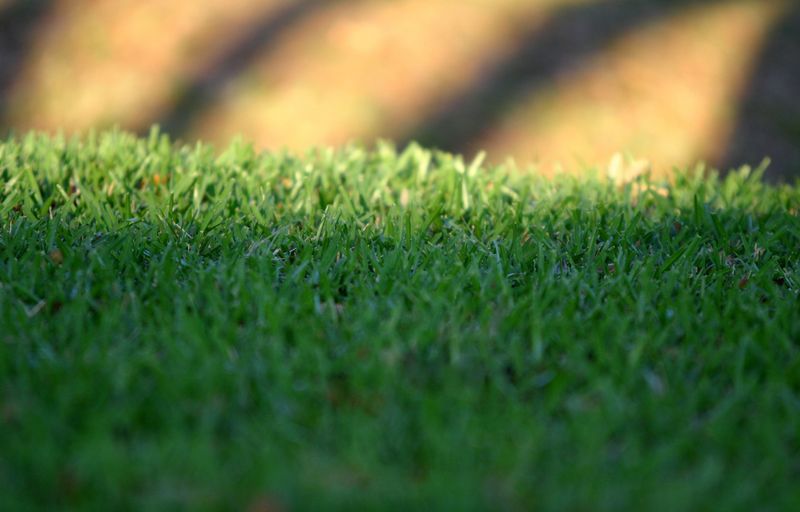
Spring lawns are mostly built in winter. The height you choose now affects root depth, weed pressure, and how fast the grass greens up.
Start with a quick checklist. Identify your grass, set the right height, sharpen the blade, and mow only when the lawn is dry.
Leave the clippings on the lawn when they are short and scattered. Grasscycling returns nutrients to the soil and is encouraged by UC Cooperative Extension.
Rake up fallen leaves, though. Thick leaf piles block light and hold moisture against the grass, which can lead to yellow patches.
Watch your sprinklers as well. Winter rain often covers lawn needs, and many California water districts limit or discourage irrigation right after storms.
Take notes on how your yard responds. A shady side may need a slightly taller setting, while a sunny slope might dry out faster between rains.
Small changes add up. A few extra notches on the mower and a bit of patience can give you thicker turf, fewer weeds, and an easier start when warm weather rolls back around.