Who Pays When a Neighbor’s Tree Falls Into Your Alabama Yard
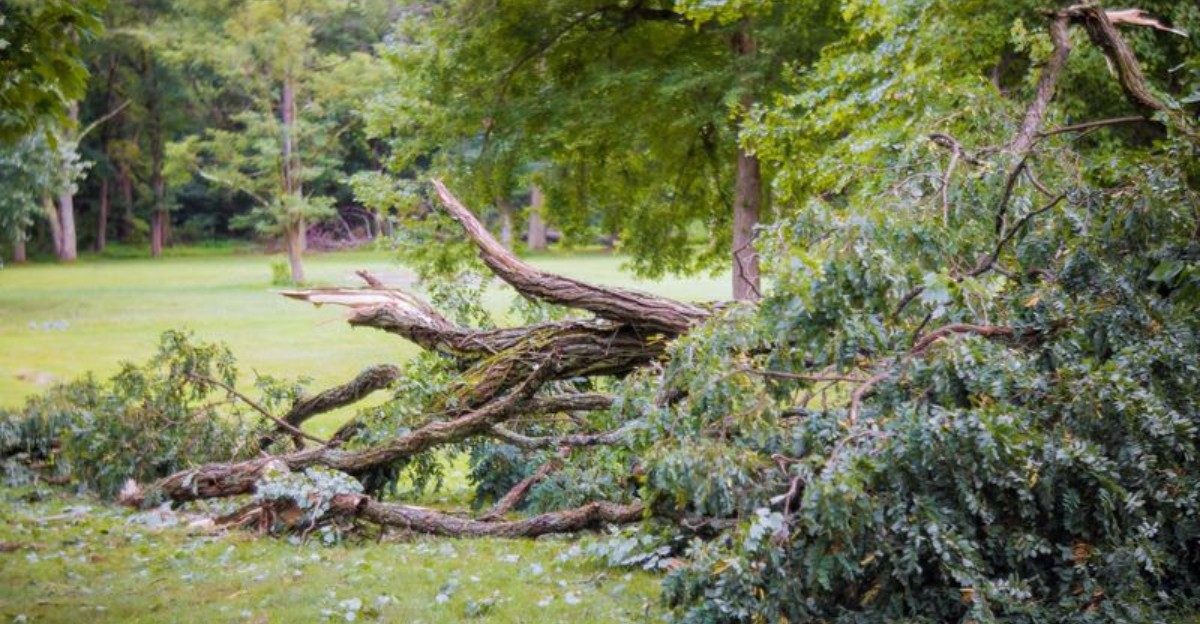
A neighbor’s tree can crush your fence, and the bill may still land in your own mailbox. That rule surprised me the first time I read it, and it surprises most folks I mention it to.
In Alabama, storms do a lot of the deciding. Spring tornado outbreaks, summer thunderstorms, and Gulf hurricanes send oaks and pines toppling every year. Many of those trees were standing tall and healthy the day before.
You might notice how fast the blame game starts after a big blow in Alabama. Phones buzz, tempers rise, and somebody mutters about lawyers before the sawdust settles. I get it, because a giant trunk across your garden feels personal.
The real answer often hinges on one small detail that most people overlook. It has less to do with whose yard the tree grew in than you might think. That detail often decides who writes the check.
The Spot Where That Trunk Grew Matters Less Than You Expect
Most homeowners assume the tree’s birthplace settles the argument. It feels fair, after all. If the oak grew in their yard, it seems like their problem.
Courts in Alabama, like most states, look at something else first. They ask what made the tree fall and whether anyone could have reasonably seen it coming. Location takes a back seat to cause and condition.
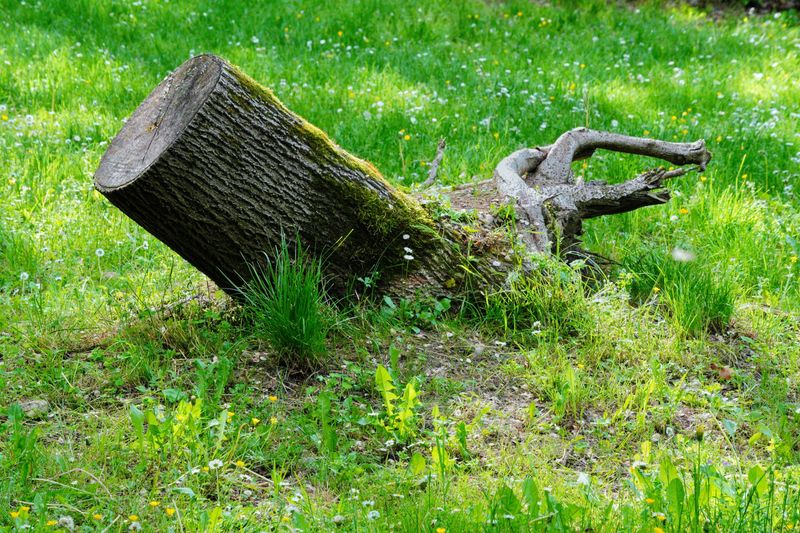
That shift catches people off guard. I have heard neighbors argue for an hour over survey lines while the real question sat ignored in the splintered stump between them.
Two big categories shape nearly every case. The first is a sudden natural event, such as a tornado, straight-line winds, ice, or a lightning strike, hitting a tree that looked sound. The second is a tree with obvious problems that the owner ignored.
Which bucket your situation lands in usually decides who pays. A healthy pine snapped by a summer squall is treated very differently from a hollow oak that leaned for years.
Before you call anyone, take a slow walk around the stump and broken trunk. Look for rot, hollow spots, fungus, or bare branches. Those clues will matter more than the fence line in every conversation that follows.
Healthy Trees Toppled by Storms Usually Fall on Your Own Insurance
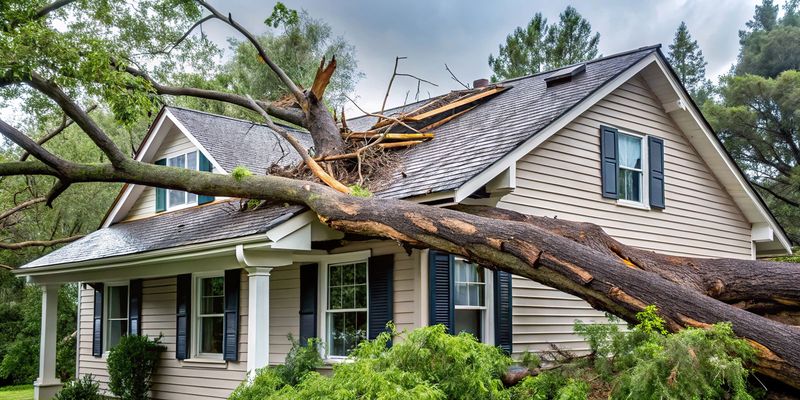
Call it bad luck with a legal name. When a healthy tree comes down from wind, lightning, or ice, people often call it an Act of God, and your neighbor usually is not liable.
So who covers the damage? Your own homeowner’s policy is the first stop for harm to your house, garage, shed, or fence.
It does not matter that the tree grew next door. I know that sounds backward. Still, the logic holds up.
Nobody could have prevented a sound tree from snapping in 70 mph winds, so the law does not hold the owner liable for nature’s mood swings.
Your deductible applies, which stings. Many Alabama policies also carry a separate wind or hurricane deductible, often a percentage of your dwelling coverage, especially near the coast in Mobile and Baldwin counties.
Here are smart first moves after a storm topple: Photograph the tree, the stump, and every bit of damage before anything gets moved. Call your insurance company quickly and ask about your specific deductibles.
Keep receipts for tarps or emergency repairs. Staying calm with your neighbor also pays off. You will likely live beside each other long after the adjuster leaves.
A Rotten Or Leaning Oak Can Shift the Bill Next Door
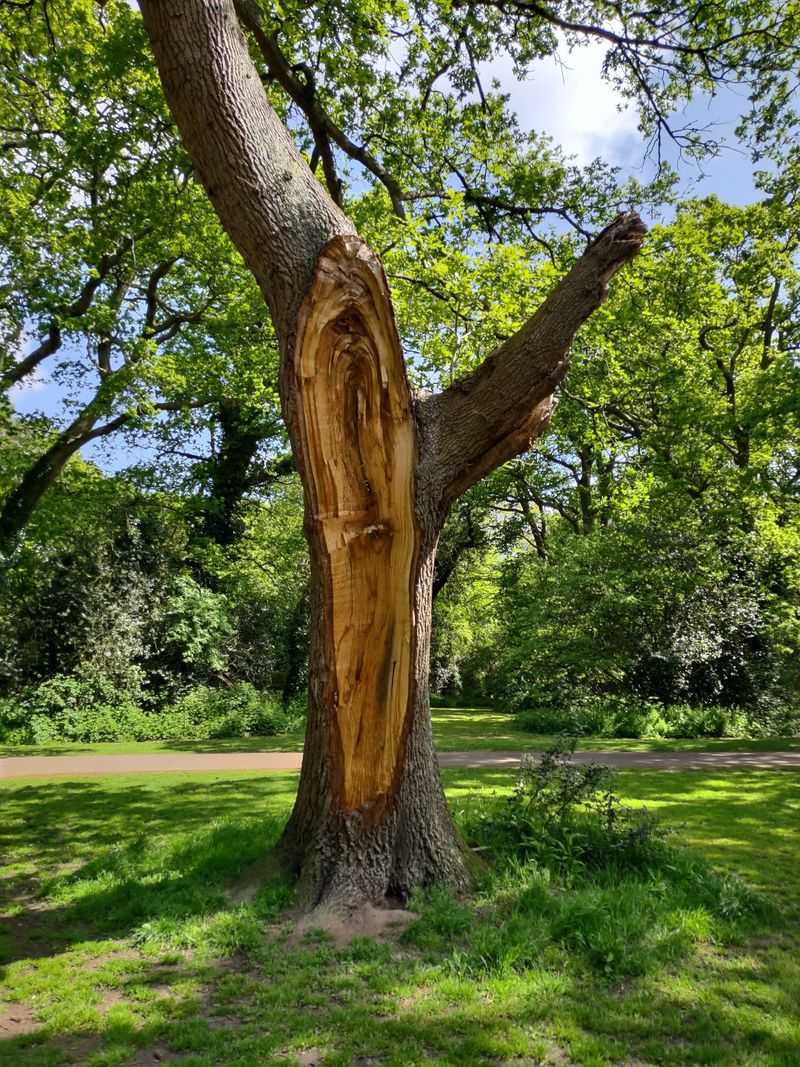
Now the story flips. If your neighbor’s tree was visibly hazardous and they ignored it, the Act of God shield can fall away, and negligence enters the picture.
What counts as hazardous? Think of a trunk with a big hollow cavity, mushrooms or conks sprouting from the base, deep cracks, or large bare limbs. A heavy lean toward your house that grew worse over time also raises red flags.
The key phrase lawyers use is knew or should have known. Your neighbor does not need to be a tree expert. But if a reasonable person would spot the problem from the yard, they may be expected to act.
I find this part fascinating. A tree can look fine to one person and frightening to another, so proof becomes everything. Obvious decay helps a claim, while hidden internal rot often does not.
If negligence is shown, your neighbor may owe for repairs, often through their own liability coverage. Your insurer might also chase their insurer and try to recover your deductible.
Laws vary with facts, and each case is judged on its details. For serious damage, a quick chat with a local attorney can clear up a lot of confusion.
Dated Photos and a Friendly Letter Build a Stronger Case
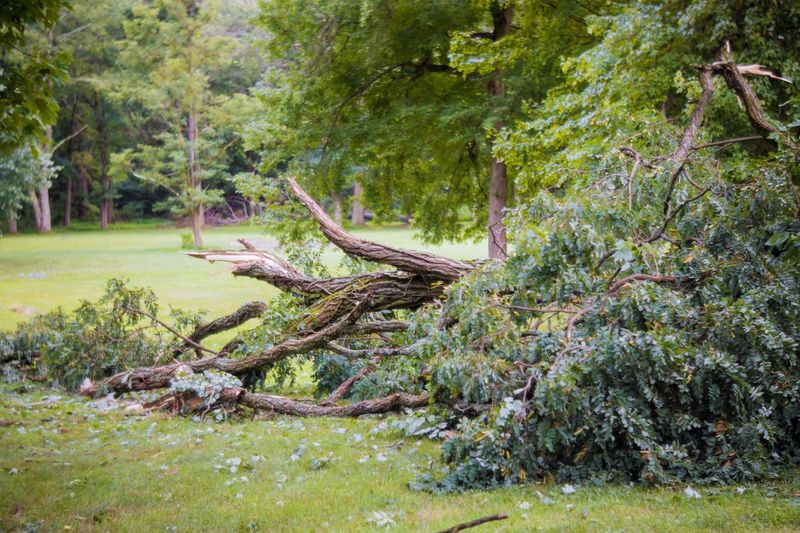
My phone’s camera roll has become my favorite yard tool. A few dated pictures can settle arguments that words alone cannot.
Proving negligence usually means showing two things. The tree was clearly dangerous, and your neighbor knew about it or reasonably should have. Paper trails make both points far easier.
Start with photos taken over weeks or months. Capture cracks, lean, missing bark, dropped limbs, or fungus.
Your phone stamps the date automatically, which helps later. Next, put your worry in writing. A polite email, text, or letter works fine.
Something simple like: “I noticed your oak by the fence has a large split, and I am worried it could fall on my roof.”
An arborist report adds serious weight. A certified arborist can assess the tree and note defects in plain language.
Many offer inspections for a modest fee, and that document carries authority with insurers.
Keep everything in one folder, digital or paper. If the tree ever lands on your property, you will be glad you treated a little extra effort today like an insurance policy of its own.
Your Homeowner’s Policy Has Limits on Tree Debris Cleanup
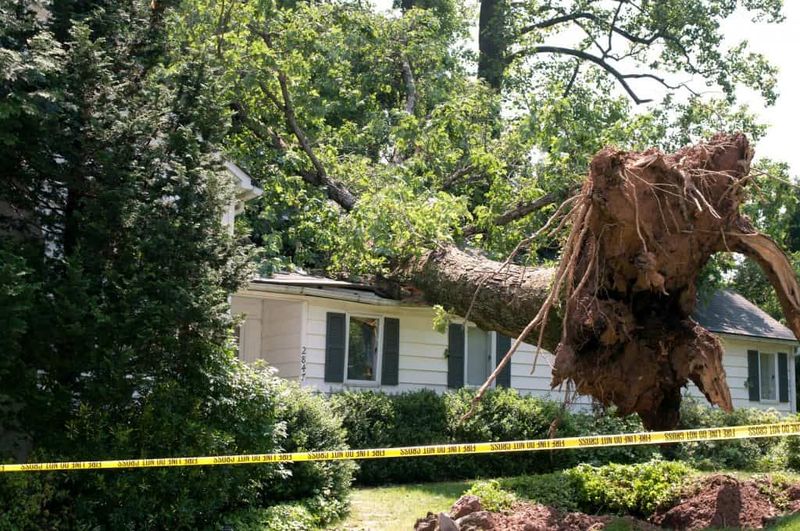
Surprise number two hides in the fine print. Insurance often pays for the dented roof but not much for hauling away the giant trunk.
Many standard homeowner policies cap tree debris removal, often somewhere between a few hundred dollars and about a thousand per tree or per event. Some set a total limit per claim.
There is another catch. Removal coverage usually kicks in only when the tree damaged a covered structure, like your house, garage, or fence.
If a big pine simply falls across your lawn and hits nothing, you may be paying for cleanup yourself.
A few policies also cover removal when a tree blocks your driveway or a wheelchair ramp. Ask your agent directly, because wording differs from one company to the next.
Tree removal is pricey across the state, and storm demand pushes prices higher. Large oaks near homes can run well into four figures.
So spend ten minutes with your declarations page this week. Look for debris removal, tree coverage, and wind deductibles.
Write down your agent’s number somewhere other than your phone. When the power goes out after a storm, that little sticky note feels like gold.
Boundary Trees Straddling the Fence Line Belong to Both of You
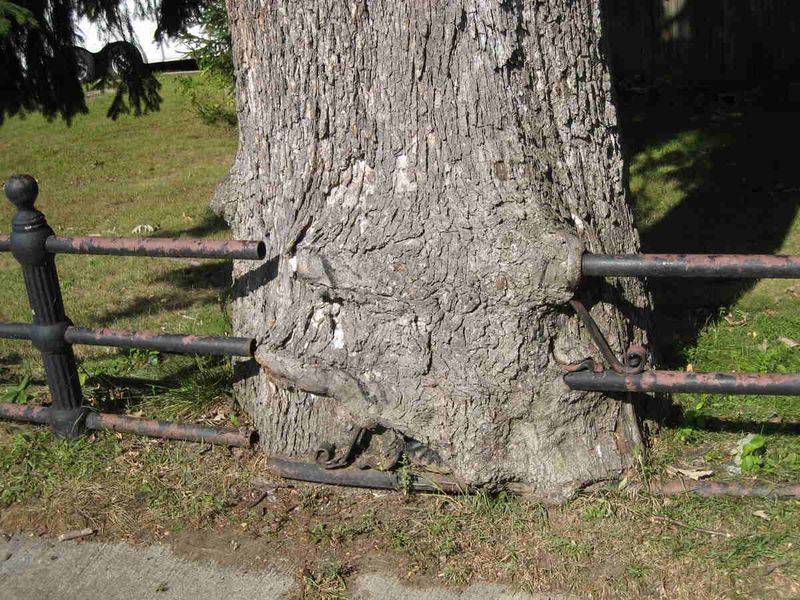
Some trees refuse to pick a side. When a trunk grows right across the property line, it is usually treated as a boundary tree owned by both neighbors.
Shared ownership brings shared rules. Generally, neither of you can cut it down without the other’s agreement. Removing a boundary tree on your own could expose you to a damage claim.
If that shared tree falls, the cleanup and care costs are often split. Damage to each home, though, typically runs through each owner’s own insurance, following the same storm or negligence rules as other trees.
How do you know the trunk sits on the line? A recent property survey is the honest answer. Old fences wander, and many sit a few feet off the true boundary.
I suggest treating a boundary tree like a shared driveway. Talk about pruning, inspections, and eventual removal before trouble shows up. Splitting an arborist visit costs less than splitting a lawsuit.
Put any agreement in writing, even a simple signed note. Future buyers of either home will appreciate the clarity. Your future self, standing beside a cracked trunk after a storm, will appreciate it even more.
Overhanging Limbs Can Be Trimmed Back to Your Side of the Line
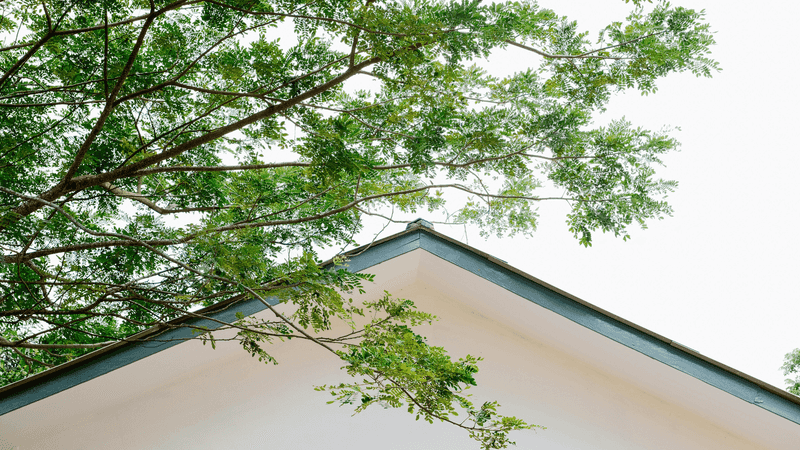
Plenty of folks feel stuck staring at a heavy limb hanging over their roof. You actually have more options than you might guess.
Alabama law generally allows a self-help right, though you should confirm current rules before trimming. You can trim branches and roots that cross onto your property, up to the property line, at your own expense.
Permission from your neighbor usually is not required. There are firm limits, though. You cannot step onto their land without permission to do the work.
You also cannot cut so heavily that the tree declines or becomes unstable, or you could owe them for the harm.
Root cutting is especially tricky. Slicing major roots close to the trunk can weaken a tree’s grip on the soil, making it more likely to topple later, possibly toward you.
A certified arborist knows how much a tree can safely lose. Most recommend removing no more than about a quarter of the canopy in one season.
Pros also carry insurance, which protects you if a limb lands wrong. A heads-up to your neighbor before the bucket truck arrives keeps things friendly. Offering them the firewood never hurts, either.
A Friendly Chat Over the Fence Prevents Most Tree Fights
Some of the best tree advice I ever got came from a retired forester. He said the cheapest repair is the conversation you have before the storm.
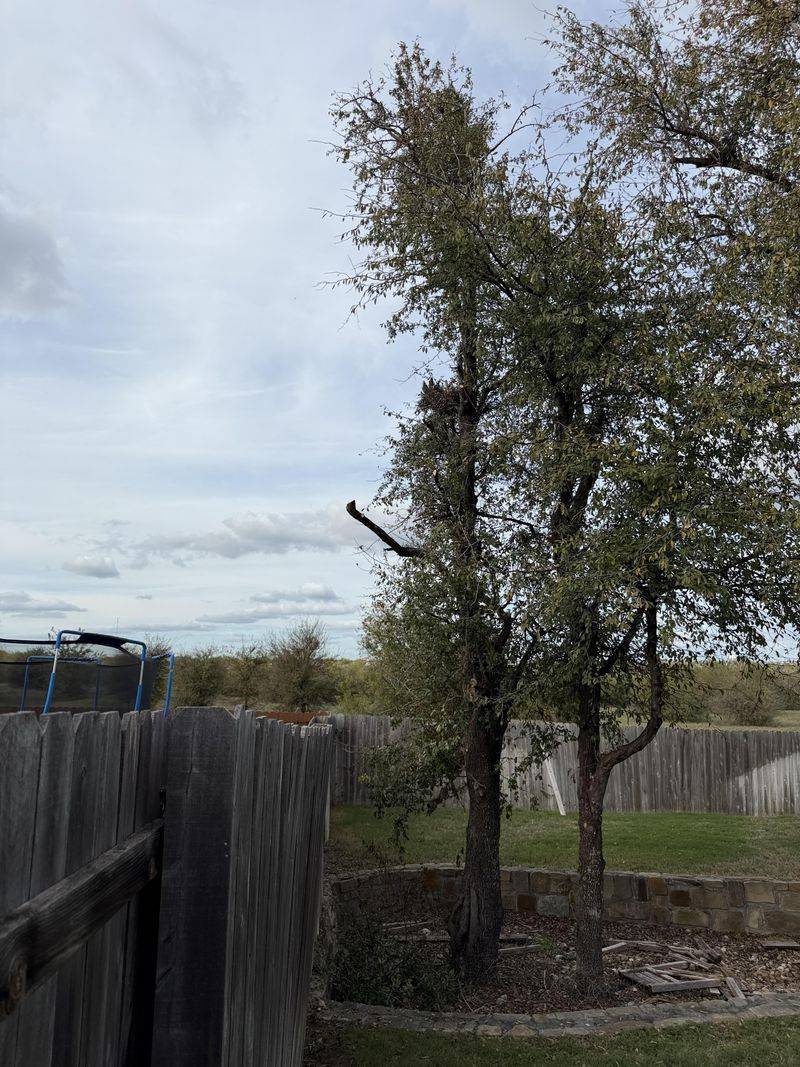
Start friendly and specific. Point out the crack, the lean, or the bare limb, and share why it worries you. Most neighbors simply have not noticed what you see from your side.
Offer solutions, not demands. You might suggest splitting the cost of an arborist inspection. Sometimes a little pruning or cabling solves the problem without removing a beloved shade tree.
If talks stall, keep things calm and documented. Send a written note with photos and save it. That record matters if the tree later causes damage.
A few more next steps worth taking: Inspect your own trees each spring before tornado season and again ahead of hurricane season. Check whether your city has tree or nuisance ordinances, since rules differ between places like Birmingham, Huntsville, and Mobile.
Review your insurance once a year. Healthy trees cool Alabama summers and lift property values. With a bit of attention and goodwill, you can keep that shade overhead and the bills far away from your mailbox.