The Secret To Spring Tulips In Alabama Starts In An Unexpected Spot In Your Kitchen
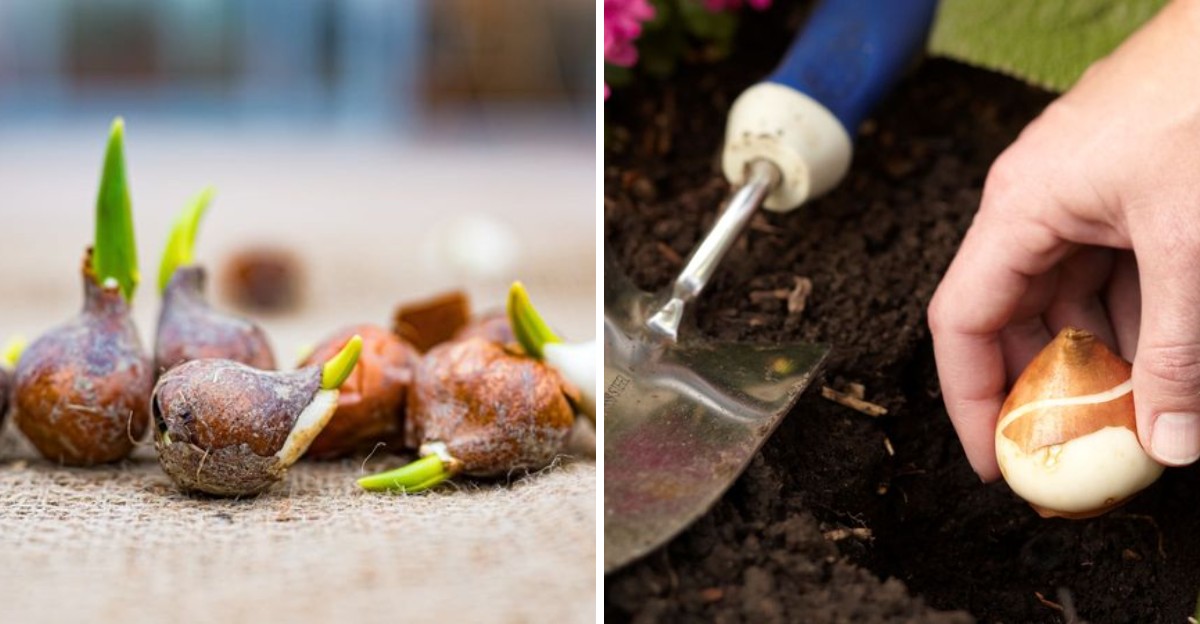
Tulips you plant straight from the bag often underperform in Alabama. Check the thermostat, not your thumb.
Dutch bulbs expect weeks of steady cold before they build tall stems. January warm spells confuse that internal clock.
You end up with short foliage and blooms hugging the soil. Hyacinths respond to chilling the same way.
Luckily, you can fake a proper winter inside your kitchen. Slip the bulbs into paper bags and park them in the refrigerator. Growers call this pre-chilling, and it works. Apples, though, can upset the plan.
Ripening fruit releases ethylene gas, which disrupts the flower bud tucked inside each bulb. So you need a fruit-free zone and a calendar reminder.
Chill too briefly, and blooms hesitate. Plant too late, and warm soil hurries thin growth. With smart timing, you can grow Alabama tulips with tall, vivid blooms.
A Cold Nap In The Refrigerator
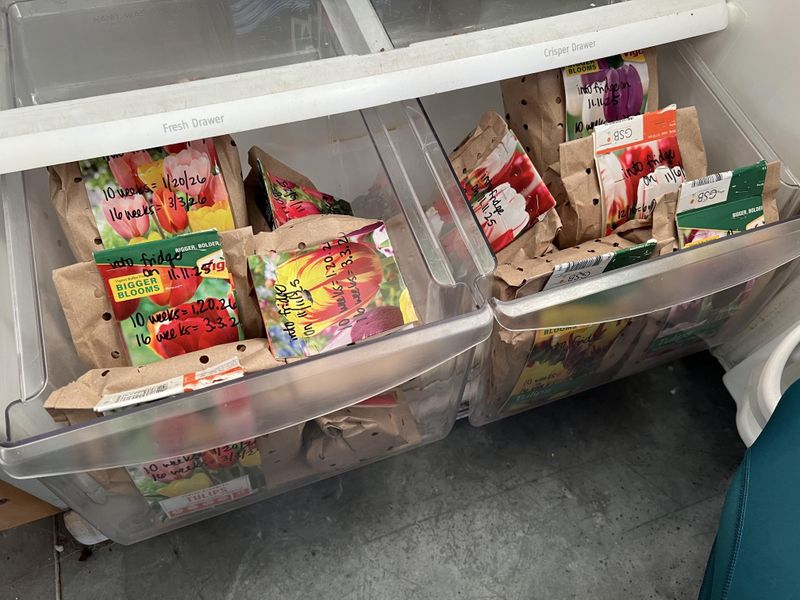
Your refrigerator can do a job that Alabama winters struggle to finish. Tulip bulbs need a long cold stretch, and that humming appliance delivers it on schedule.
Gardeners call this process pre-chilling, and it mimics the long, cold winters of the tulip’s native Central Asian mountains. Inside each bulb, the cold triggers changes that prepare the flower stem.
Without enough chill, the bulb gets confused about the season. It may send up leaves with no bloom, or a flower that sits low near the soil.
The ideal temperature range sits between 35 and 45 degrees Fahrenheit. Most home refrigerators hover right around there, which makes them a handy stand-in for winter.
Start by buying firm, healthy bulbs in late summer from a garden center or trusted catalog. Some sellers even offer bulbs that are already pre-chilled for Southern buyers.
If yours are not pre-chilled, place them in a paper bag or mesh sack. Plastic bags trap moisture, and damp bulbs can grow mold quickly.
Write the start date on the bag with a marker so nobody forgets. A sticky note on the fridge door works as a friendly reminder too.
Families with a spare garage fridge have an extra advantage here, as long as a thermometer confirms it stays between 35 and 45 degrees.
Think of the whole process as tricking the bulbs into believing they spent winter somewhere snowy. The method is simple, inexpensive, and well suited to Deep South gardens.
Southern Winters That Run Too Warm
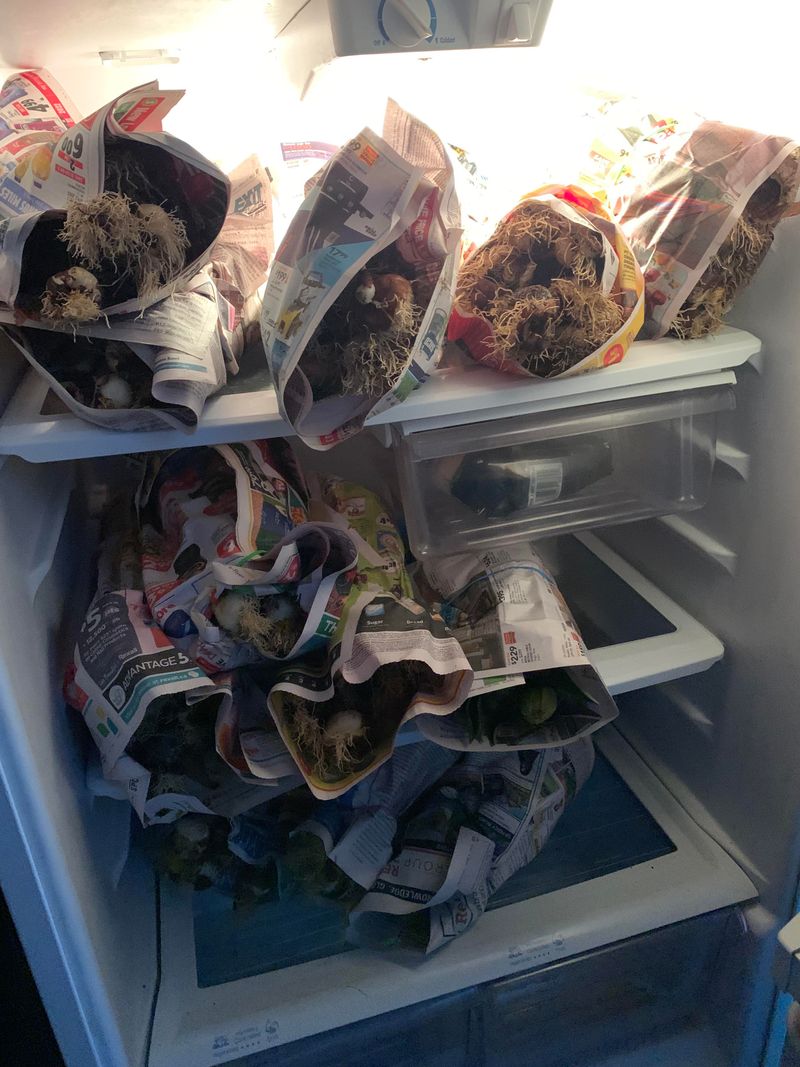
Ask any Alabama gardener about January, and you might hear stories of seventy-degree afternoons. Warm spells like these feel lovely, but they confuse spring bulbs.
Tulips first grew wild in the mountains of Central Asia, where winters are harsh and long. Their internal clocks expect months of steady cold before spring arrives.
Alabama soil seldom stays cold long enough to satisfy that need. Even in the northern part of the state, winter temperatures bounce up and down.
Garden experts call this needed cold period the chilling requirement. Tulips generally need about 10 to 14 weeks of cool conditions to bloom their best.
A steady fridge makes up for that gap because it stays cold without sudden warm snaps. Outdoor cold interrupted by frequent warm spells is far less effective.
Your Alabama Garden Changes Every Week. Your Plan Should Too.
Gardening in Alabama changes quickly throughout the season. Every Friday you’ll receive a simple weekly plan showing exactly what to plant, prune, fertilize, harvest, and protect so you never miss the right timing.
Southern gardeners in Mobile or Montgomery face the biggest challenge. Coastal and central areas get mild winters that feel more like a long autumn.
Folks up near Huntsville have slightly better luck, yet chilling still helps. The extra cold gives blooms taller stems and stronger colors.
Many Southerners treat tulips as annuals for this reason. They enjoy one bright spring show, then plant fresh bulbs the next fall.
That approach is common and practical, and it saves plenty of worry. Gardeners in warm climates across the world use the same plan with great success.
So when your neighbor wears a T-shirt at Christmas, give your bulbs a little sympathy. They evolved for long, cold winters, not sweet tea on the porch.
The Ten To Fourteen Week Countdown
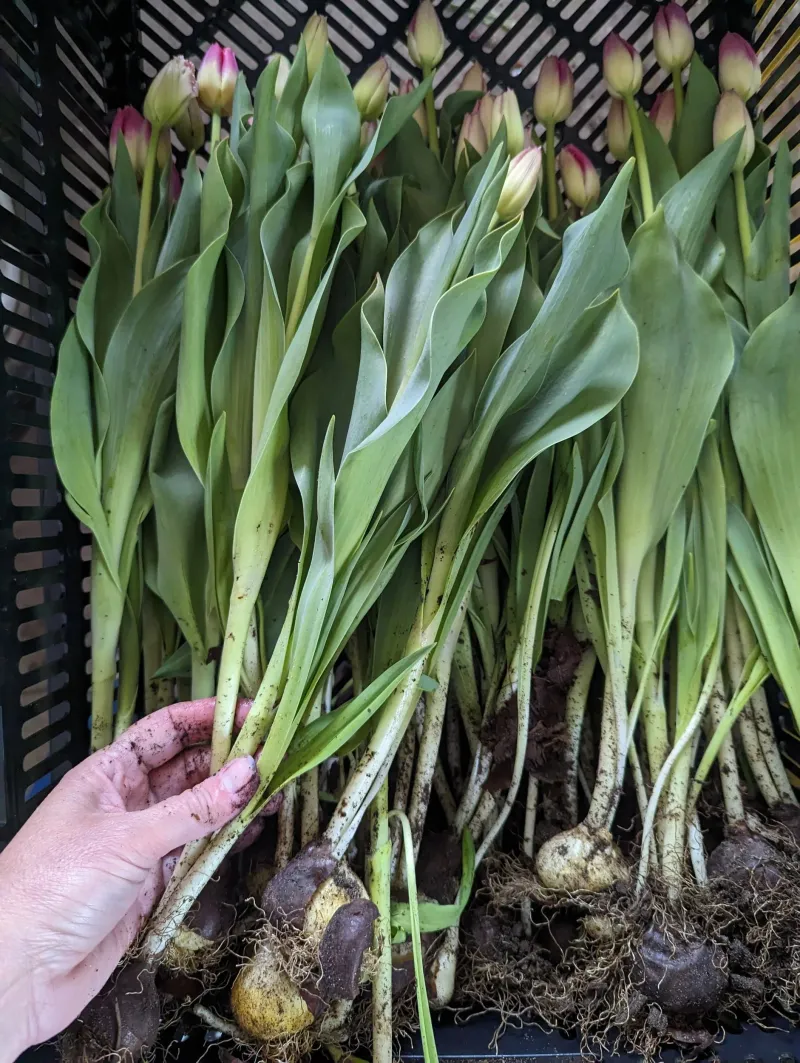
Patience is the secret ingredient here, and a calendar is your best tool. Tulip bulbs need about ten to fourteen weeks of steady fridge time.
Counting backward makes planning easy. If you want to plant in late December, start chilling between mid-September and mid-October.
Grab a pencil and mark three calendar dates. Circle the start date, the halfway point, and the planting day.
Shortening the time can lead to shorter, less sturdy stems. Bulbs pulled after four weeks may bloom low or not at all.
Leaving them in much longer than sixteen weeks can cause issues too. Some bulbs start sprouting in the dark, which wastes stored energy.
Check the bag once every two weeks. Look for soft spots, mold, or any sour smell that seems off.
Remove any soft bulbs right away so mold does not spread. Healthy bulbs should feel firm, like a small onion from the grocery store.
A little dryness on the papery skin is perfectly normal. That thin brown coat protects the living bulb inside, so leave it in place.
Store the bulbs toward the back of a lower shelf, where temperatures stay steady. The door shelves warm up each time someone grabs the milk.
Kids can help with the countdown by crossing off each week. Turning it into a family project makes the long wait feel shorter.
By the time the holidays roll around, your bulbs will be ready. They make a surprising early Christmas present for your garden beds.
Apples And The Trouble With Ethylene
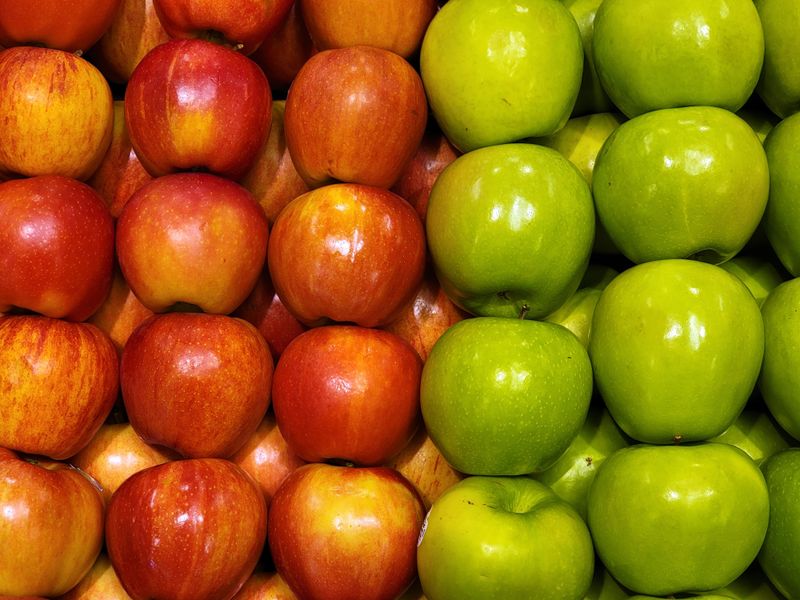
That shiny bowl of apples can quietly work against your spring flowers. Fruit gives off an invisible gas called ethylene as it ripens.
Ethylene is the same gas that turns green bananas yellow on your counter. Farmers even use it on purpose to ripen tomatoes before they reach stores.
For tulip bulbs, though, that gas is unwelcome. It can interfere with the tiny flower bud already forming deep inside each bulb.
The result shows up in spring. You may see healthy green leaves but no flower, or a bloom that stays small and dry.
Apples are among the top ethylene producers, and pears, bananas, and avocados release plenty too. Even a single forgotten apple can affect bulbs in a closed crisper drawer.
Clear out one drawer and dedicate it to bulbs only. Keep fruit on another shelf, preferably sealed in bags or containers.
A spare fridge in the garage makes this even easier, if its temperature stays steady. Many gardeners keep one just for bulbs, seeds, and summer drinks.
Vegetables like carrots and lettuce are much safer neighbors. They give off very little ethylene, so they can share space without much worry.
Label the bulb bag clearly so family members know it isn’t food. Tulip bulbs can upset stomachs, and nobody wants a mix-up with onions.
Pets should stay away from the bulbs as well. Dogs love to dig and chew, and tulip bulbs are toxic to pets.
Think of your fridge as a peaceful waiting room for flowers. Keeping the fruit away helps every bulb wake up ready to bloom.
Late December Planting In Alabama Soil
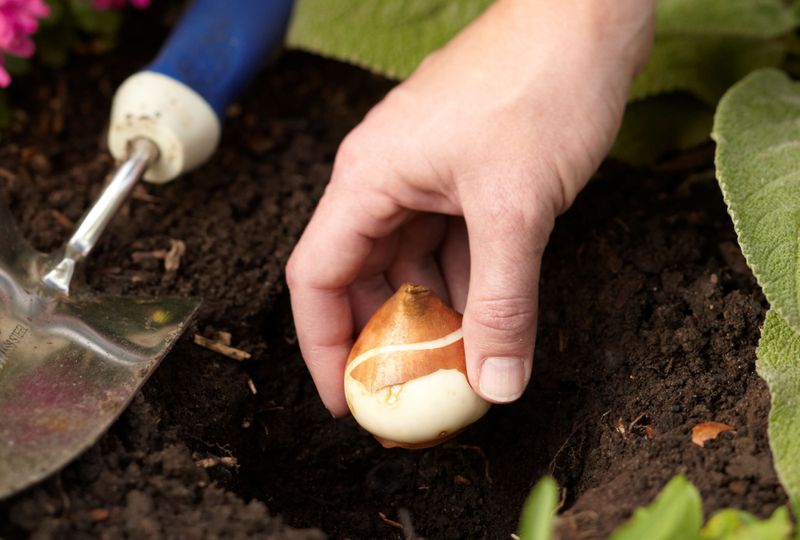
Picture this: while neighbors hang holiday lights, you are outside with a trowel and a bag of bulbs. Late December through early January is the sweet spot for planting tulips in Alabama.
Planting too early lets warm soil reduce the benefit of chilling. Waiting until the ground cools keeps the bulbs on track for spring.
Choose a sunny spot that gets at least six hours of light each day. Tulips also need soil that drains well after heavy rain.
Alabama red clay can hold water like a sponge. Mix in compost or pine bark to loosen it and help extra water escape.
Dig holes about six to eight inches deep, roughly three times the bulb’s height. Set each bulb with the pointed end facing up toward the sky.
Space them four to six inches apart for a full, cheerful look. Planting in clusters creates a bigger splash of color than single rows.
Cover the bulbs with soil and water them well once. After that, let winter rain handle most of the work.
A layer of pine straw on top helps keep the soil cool. It also blocks weeds and looks tidy in a Southern garden bed.
Move the bulbs from the fridge straight to the ground if possible. Letting them sit in a warm kitchen for days can reverse their progress.
Containers work great too, especially for small yards or apartment patios. Just make sure each pot has drainage holes at the bottom.
Spring Blooms And A Plan For Next Year
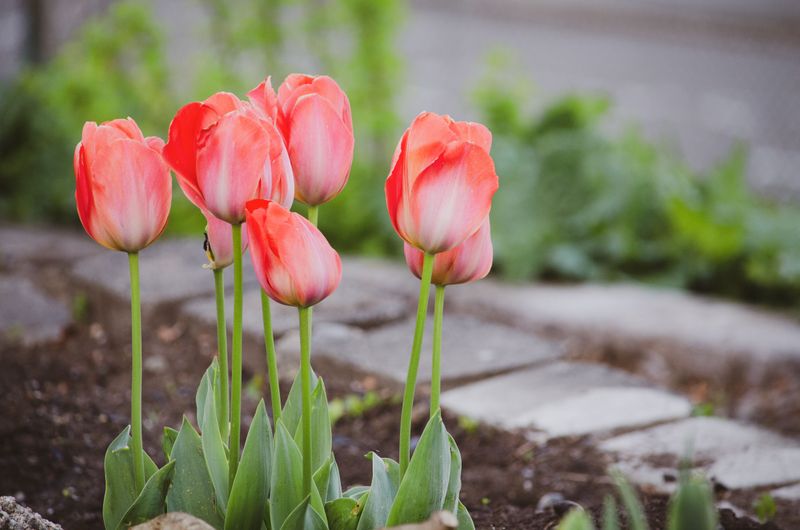
A first bright cup of red or yellow poking up in March feels thrilling. All those weeks of fridge space suddenly feel well worth it.
Most chilled tulips in Alabama bloom from late February through early April. The exact timing depends on your spot in the state and the weather.
Cut a few stems for a kitchen vase to enjoy the colors indoors. Snip them early in the morning when the flowers are still closed.
After blooming, the flowers will fade as the weather warms. Many Alabama gardeners simply pull the bulbs and add them to the compost pile.
Tulips seldom rebloom well in hot Southern summers. Treating them like colorful annuals saves frustration and makes room for summer plants.
Keep a simple garden journal to track what worked. Note the chilling start date, planting date, and first bloom date each season.
Write down which varieties performed best too. Darwin hybrids and single late tulips often handle Southern gardens better than frilly kinds.
Shop for new bulbs in late summer before popular colors sell out. Order extras in case a few turn soft in storage.
Clear out the fruit drawer in September so the bulbs have a safe home. Setting reminders on your phone helps keep the whole schedule on track.
Share extra blooms with neighbors who doubt tulips can grow down South. Their surprised faces make a sweet reward for all that patience.
With a little planning, next spring can look even brighter. Your fridge might just become one of your most useful garden tools.