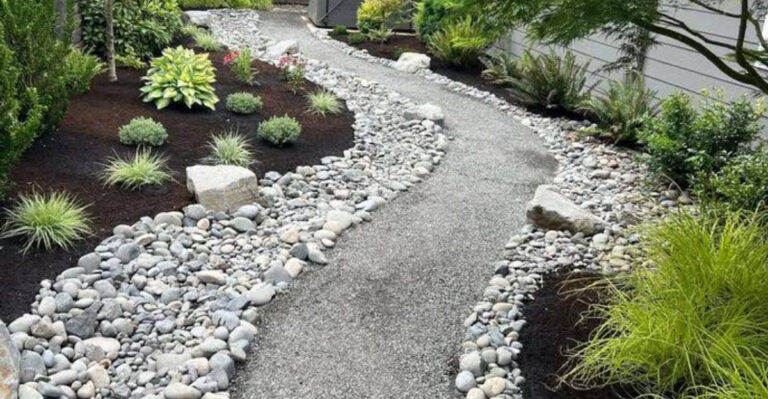
Moss Again? What Your Washington Yard Is Trying to Tell You
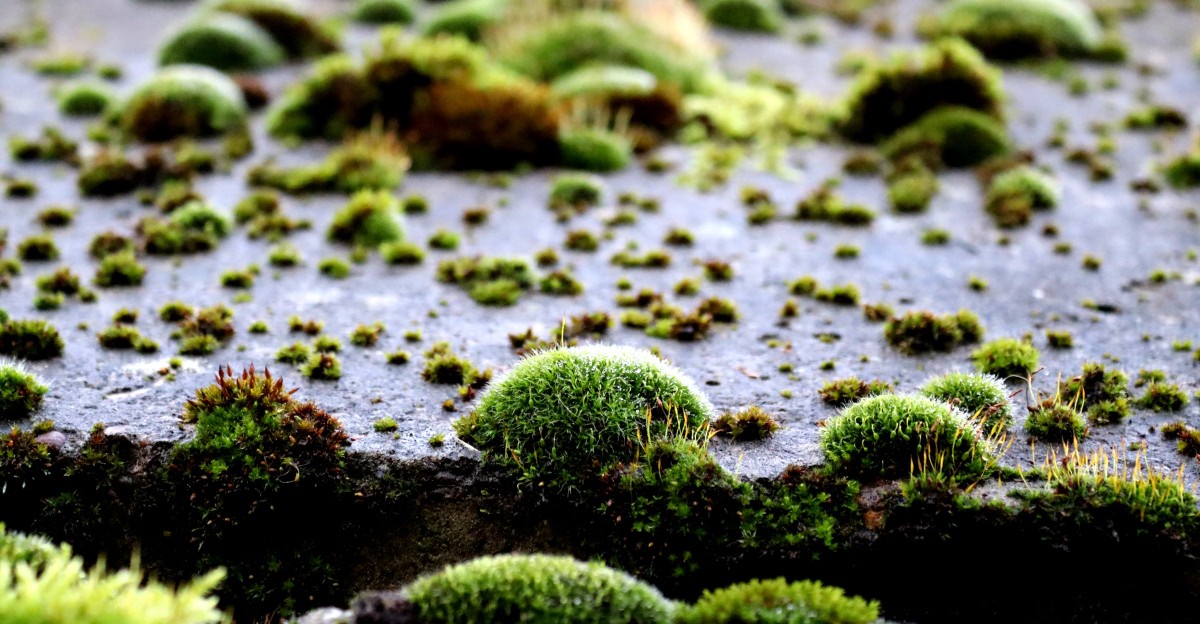
Some of the oldest plants on Earth are quietly moving into your front lawn, and they need no roots at all to do it. They drink water straight through their leaves.
I raked out a whole wheelbarrow of the green fluff last spring. By November, the same spots looked soft and plush again, as if I had done nothing.
Turns out the stuff was not the real problem. It was more like a sticky note left by the yard itself, pointing at shade, soggy ground, and tired soil.
Western Washington winters, with their long gray drizzle and mild temperatures, make that note very easy to write, and it shows up often in a western Washington lawn.
You might notice it hugging the north side of the house or spreading under the big maple first. Your lawn has been talking all along, and the moss is its message. Start listening.
Those Spongy Green Patches Are Filling a Gap Your Grass Left Behind
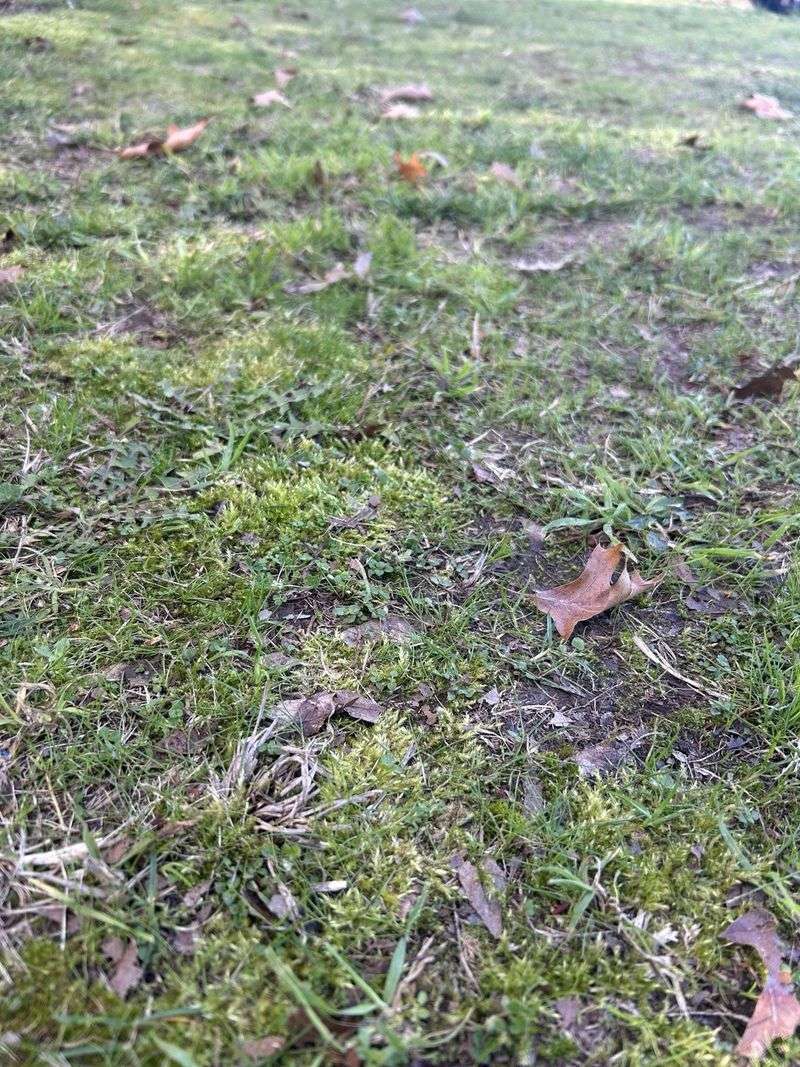
Moss is a squatter, not a bully. It rarely pushes healthy grass out of the way. Instead, it moves into thin, weak spots where the turf has already given up ground.
That changes how you should look at the problem. When moss shows up again and again, it is pointing at conditions that favor it over grass.
Washington State University Extension describes moss as a sign of an underlying issue, not the cause of a poor lawn.
Moss also has a clever survival trick. It has no true roots, just tiny anchors called rhizoids, so it can live on hard, wet, or nutrient-poor soil where grass roots struggle. It soaks up rain right through its leaves and grows actively during cool, damp months.
West of the Cascades, those cool, damp months last a long time. Grass slows down in winter while moss keeps quietly spreading. By spring, it can look like it appeared overnight.
So before reaching for any product, walk your yard and map where the moss grows thickest. Note the shade, the soggy corners, and the spots where kids and dogs pack down the soil.
That simple map becomes your repair plan, and it tells you more than any bag at the store ever could.
Shady Corners Under Big Trees Hand Moss the Advantage
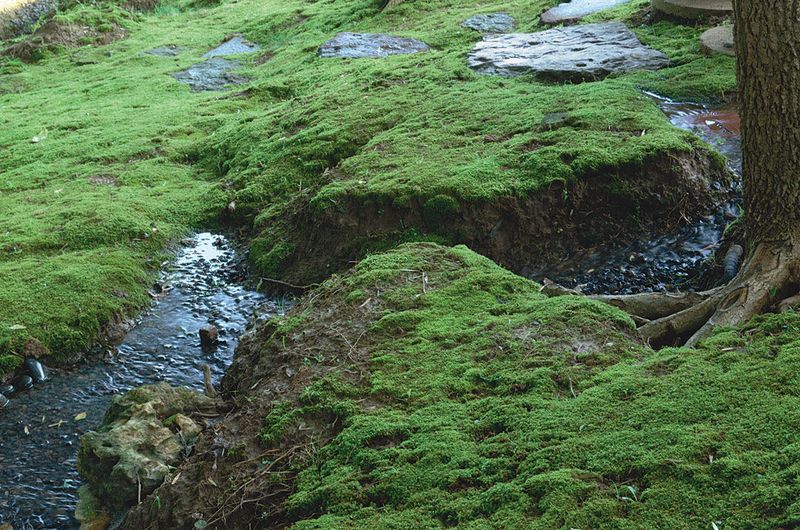
Grass is a sun lover at heart. Most lawn grasses need around four to six hours of direct sun each day to stay thick. Under tall firs, cedars, and maples, many Washington yards fall far short of that.
Moss, on the other hand, handles low light like a champ. It happily fills in wherever grass thins from too little sun. In my yard, the mossiest strip sits in the shadow of the garage, and it was no coincidence.
You have a few smart choices here. Thinning or raising the lower limbs of trees can let more light reach the ground. A certified arborist can help with large trees, so you avoid harming them or yourself. Overseeding with shade-tolerant grasses can also help.
Fine fescues are often recommended for shady Pacific Northwest lawns because they handle lower light better than many other types. Sometimes the honest answer is that grass is the wrong plant for that spot.
In deep shade, consider mulch, a woodland bed, or native groundcovers such as kinnikinnick in brighter edges or sword fern under trees. Plenty of gardeners even keep the moss and enjoy its soft, velvety look.
Soggy, Packed-Down Soil Is a Welcome Mat for Moss
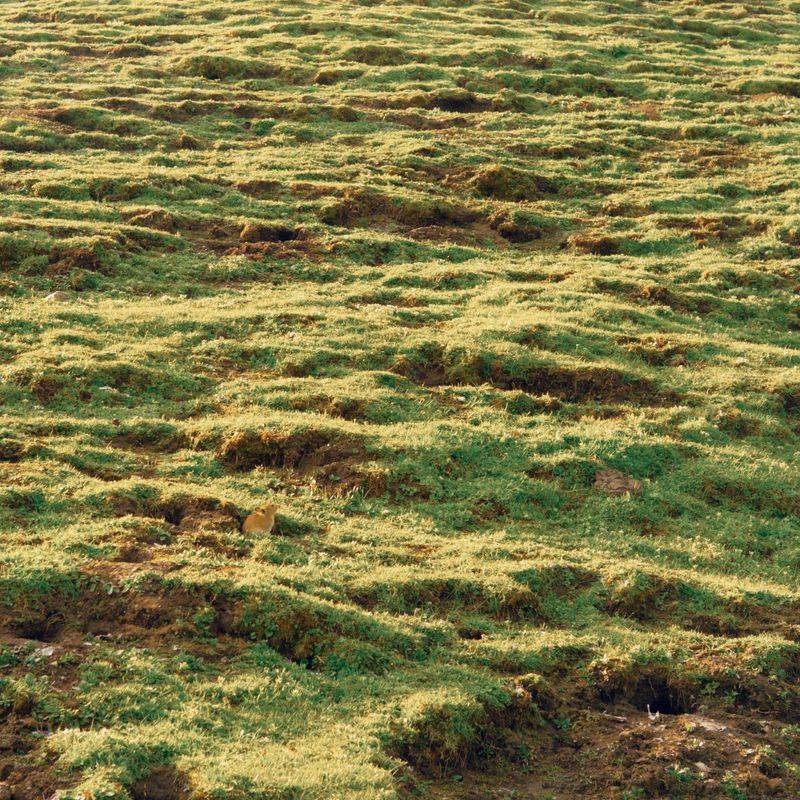
Step on your lawn after a rainy week. If water squishes up around your shoe or puddles stay for hours, you have found one of moss’s favorite clues.
Compacted soil squeezes out the tiny air spaces that grass roots need. Water cannot drain well, so the surface stays wet. Moss thrives on that constant moisture, while grass roots sit shallow and stressed.
Common culprits are easy to spot. Footpaths, play areas, places where cars parked during a project, and heavy clay soils all tend to pack down. New homes often have thin topsoil over compacted fill, which makes the problem worse.
Core aeration is a solid fix. The machine pulls out small plugs of soil, letting air and water reach roots again.
Early fall or spring, when grass is actively growing, are good times to do it in western Washington.
For truly low, wet spots, think bigger. Gently regrading, adding a rain garden, or improving drainage may work better than fighting moss every single year.
After I aerated a stubborn corner and topdressed it with compost, the grass finally rooted deeper, and the moss had far less room to spread.
A Simple Soil Test Reveals Acidic Ground and Hungry Grass
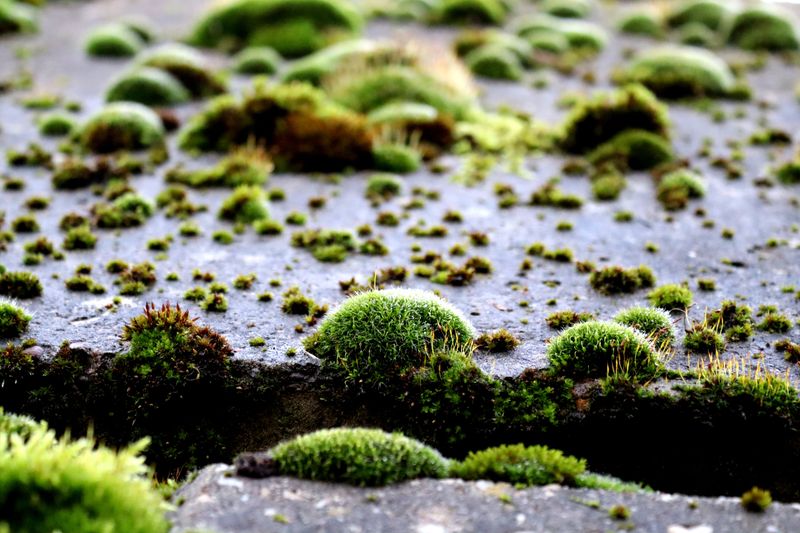
Guessing is expensive. A soil test costs little and tells you exactly what your lawn is missing. Many soils west of the Cascades lean acidic, thanks to heavy rainfall that washes away calcium and other nutrients over time. Grass generally prefers a pH around 6.0 to 7.0.
When soil drops much lower, grass grows weakly, and moss gains an easy edge. Low fertility matters too. Lawns short on nitrogen tend to thin out, leaving bare openings for moss.
A test shows your pH plus key nutrients, so you know whether lime, fertilizer, or both make sense.
WSU Extension offices can point you to soil testing labs and explain how to read results. To collect a good sample, take several small cores from across the lawn, about four to six inches deep.
Mix them in a clean bucket and send a portion to the lab. One quick warning comes from experience. Liming without testing can push pH too high, which creates a different set of problems.
Moss itself tolerates a wide pH range, so lime alone rarely solves anything. Think of the test as your lawn’s checkup, the starting point for every other fix in this list.
Raking Out Moss Works Best in Fall or Early Spring
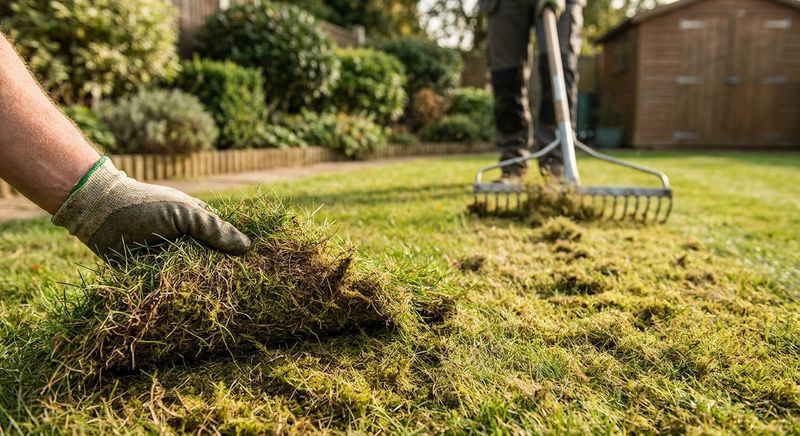
Grab a sturdy rake and some patience. Physical removal gives you fast, satisfying results, and you can watch the moss pile up in fluffy green heaps.
Timing matters. Fall and early spring are good windows in western Washington, since grass is actively growing and can recover. Those months also give you time to overseed the bare patches you uncover.
For small areas, a stiff garden rake or a special thatch rake works well. Larger lawns may need a power rake or dethatcher, which you can rent from many hardware stores. Set it so it pulls out moss without tearing up healthy grass roots.
Some gardeners treat moss first and rake afterward. Iron-based products, like ferrous sulfate, turn moss dark brown or black within days.
Once it changes color, raking it out becomes easier. Follow label directions closely, and sweep sidewalks and patios, since iron can leave rust-colored stains on concrete.
Here comes the honest part. Raking clears the stage, but it does not change the conditions that invited moss in.
Without fixing shade, drainage, or soil, the patches often return within a season or two. Use this step as a reset, not the final answer.
Thick, Well-Fed Grass Is Your Best Moss Blocker
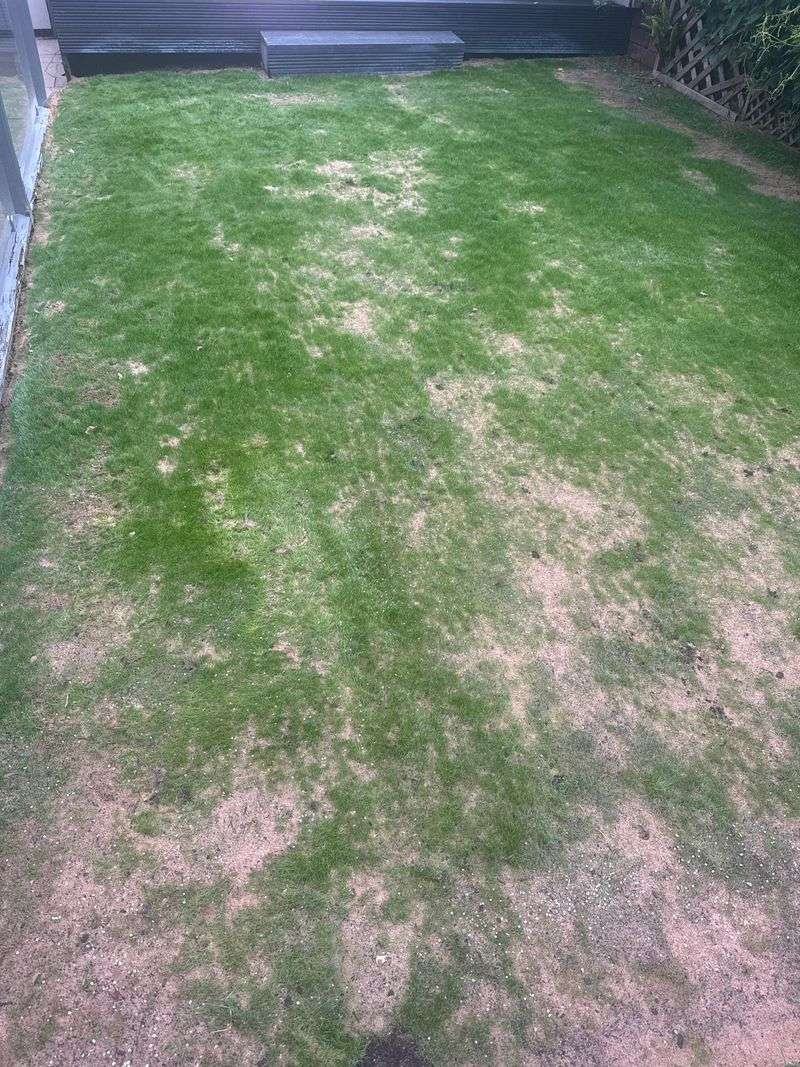
Dense turf is the quiet hero of moss control. When grass blades crowd together, moss struggles to find bare soil and light.
Fertilizing based on your soil test is a strong first move. Western Washington lawns often benefit from feeding in late spring and again in fall, with a slow-release product helping steady growth.
Too much nitrogen at once can cause weak, floppy growth and runoff, so moderate amounts work better.
Mowing habits matter more than most folks realize. Cutting grass too short, often called scalping, weakens roots and opens gaps.
Keeping cool-season grass around two and a half to three inches tall helps it shade the soil and hold its ground.
Overseeding thin areas adds new blades where moss would otherwise sneak in. Choose a seed blend suited to the Pacific Northwest, such as perennial ryegrass and fine fescue mixes.
Early fall is usually ideal, since soil is still warm and rain returns. I once spent a whole summer chasing moss with sprays. The next year, I focused only on mowing higher and overseeding in September.
That simple change did more than any bottle, and my neighbors kept asking what I had done differently.
Gentler Moss Treatments Help Protect Pets and Local Streams
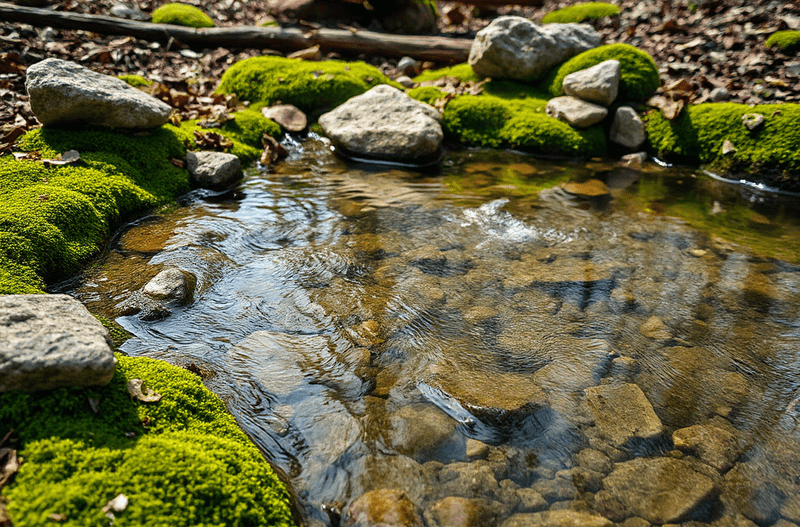
Puget Sound and the rivers that feed it are close neighbors to many lawns. Anything spread on grass can wash into storm drains during heavy rain, which is why local agencies such as King County encourage careful product choices.
Soap-based moss controls, made from potassium salts of fatty acids, are often considered a lower-risk option. They dry out moss on contact and break down fairly quickly. As with any product, read the label and keep pets and kids off until it is dry.
Iron-based products also work, but they can stain hardscapes and should not be overapplied. Use only what the label calls for, and sweep stray granules off driveways so they stay out of gutters.
Skip homemade tricks like bleach or large amounts of vinegar. They can harm surrounding plants, affect soil life, and travel where you do not want them.
Zinc-based roof moss products deserve extra care too, since zinc can be harmful to fish and aquatic life.
The kindest treatment of all is fixing the lawn’s underlying conditions. Better light, drainage, and soil reduce how often you need any product, which protects your pets, your soil, and the salmon streams down the road.
Letting a Moss Garden Thrive Might Be the Smartest Move
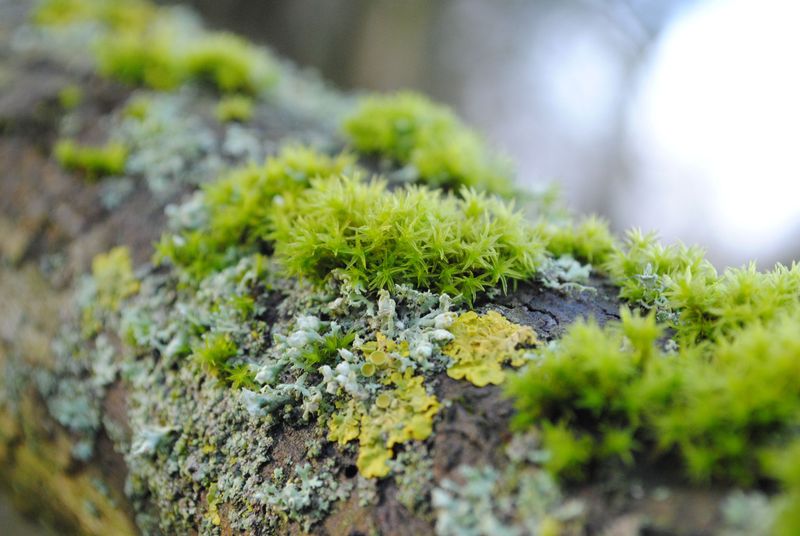
Japanese gardeners have treasured moss for centuries. Kyoto’s famous Saiho-ji, often called the Moss Temple, holds over one hundred kinds. Maybe your yard has been nudging you toward the same idea.
In deep shade or wet ground, moss can outperform grass every time. It needs no mowing, no fertilizer, and very little water during our rainy months. It stays green much of the year and feels wonderful under bare feet.
A moss garden also fits the Pacific Northwest style beautifully. Pair it with sword ferns, deer ferns, or oxalis in shady spots, and add a few stepping stones for a forest-floor look. Rake fallen leaves gently so they do not smother the moss.
Keep in mind that moss handles light foot traffic, not soccer games. Place paths where people walk often, and leave grass in sunny play areas where it can truly thrive.
Your best next step is simple. Walk the yard this weekend and sort each area into three groups, places to fix, places to replant, and places to let go.
Once you stop fighting every patch, your lawn and your weekends both get a lot more relaxed and enjoyable.