When to Prune Crape Myrtles in North Carolina Without Ruining Them
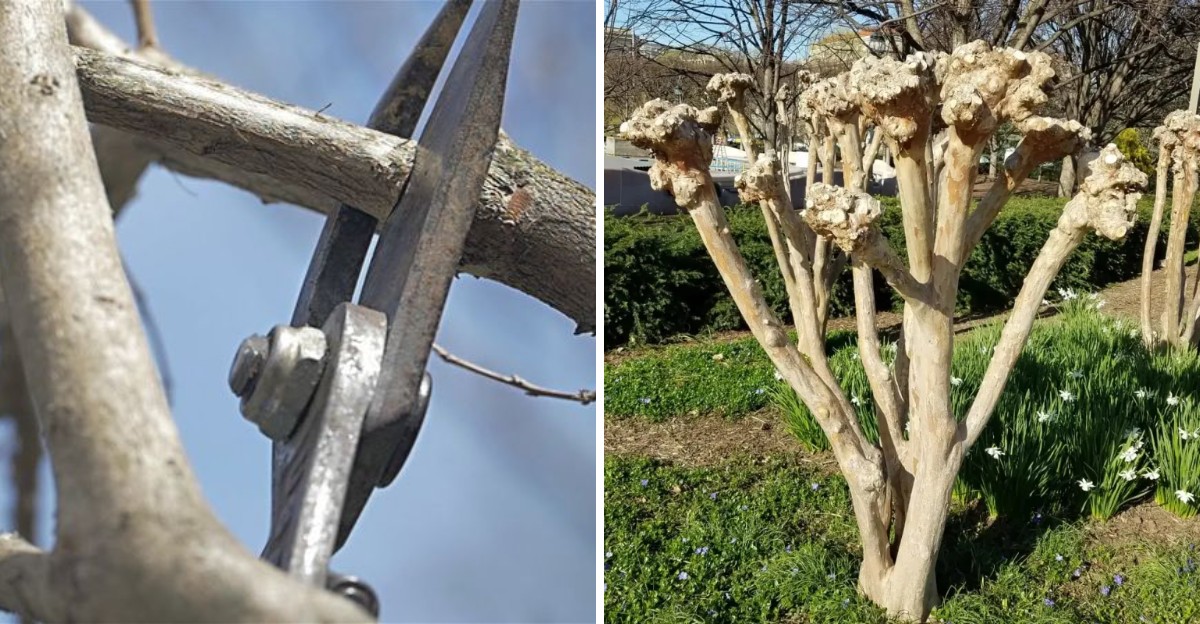
Extension experts at NC State advise against a popular winter pruning habit known as topping, which means chopping trunks back to bare stubs. I used to think those stubs along shopping center parking lots were the correct way to do things.
I learned the hard way that I had it backward. Those knobby fists at the top of bare trunks are scars, not signs of good care. Worse, the thin shoots that sprout from them often flop over once heavy summer blooms arrive.
You have probably driven past rows of these sad stumps in North Carolina and wondered who decided this was normal. I get it, because I once owned the loppers to prove it.
The fix turns out to be gentler, easier, and cheaper than the habit. The right timing and a few small cuts make all the difference.
The Calendar Holds the Secret to Happy Crape Myrtle Branches
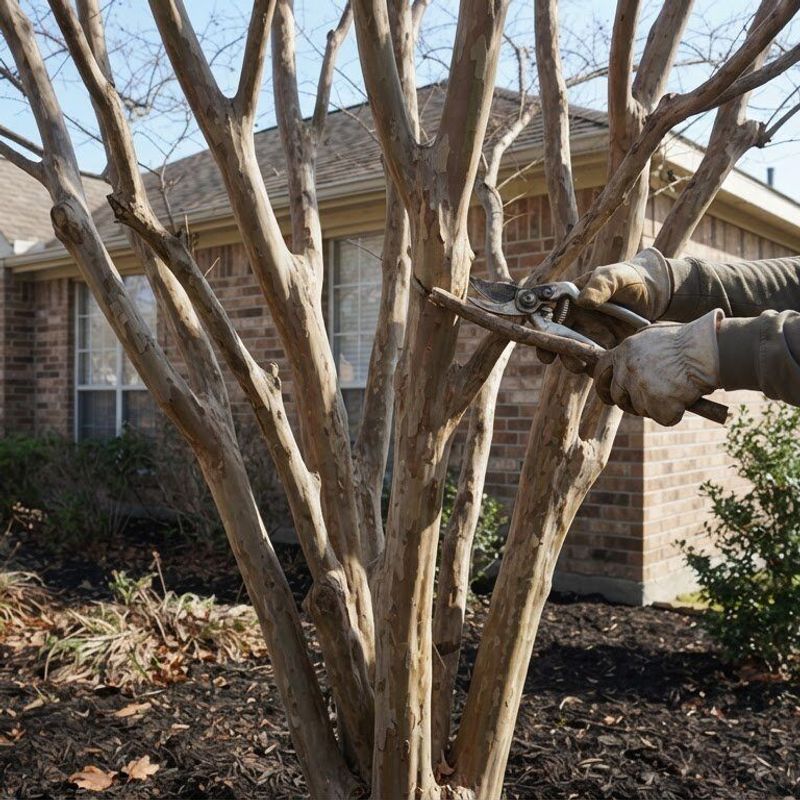
Bare branches tell the whole story in late winter. Once the leaves drop and the tree settles into dormancy, you can see every limb, crossing twig, and crowded spot without a single leaf in the way.
NC State Extension points gardeners toward late winter for crape myrtle pruning, generally February into early March across most of the state. That window lands right before new spring growth kicks off. Cuts made now close up fast once the sap starts moving, and the tree pours fresh energy into healthy shoots.
Crape myrtles bloom on new wood, which means this year’s flowers form on stems that grow this spring. Prune in late winter, and you lose nothing. Those summer clusters of pink, red, white, or lavender still arrive right on schedule.
I like to circle a mild, dry day on my calendar for this job. Wet wood and freezing fingers make for sloppy cuts. A sunny afternoon in February feels like a small gift after weeks of gray skies.
Mountain gardeners can wait a little longer, maybe into mid-March, since spring arrives later at higher elevations. Coastal folks can often start a bit earlier. Watch your own tree, not just the date.
Fall Pruning Can Leave Tender Crape Myrtle Shoots Exposed to Frost
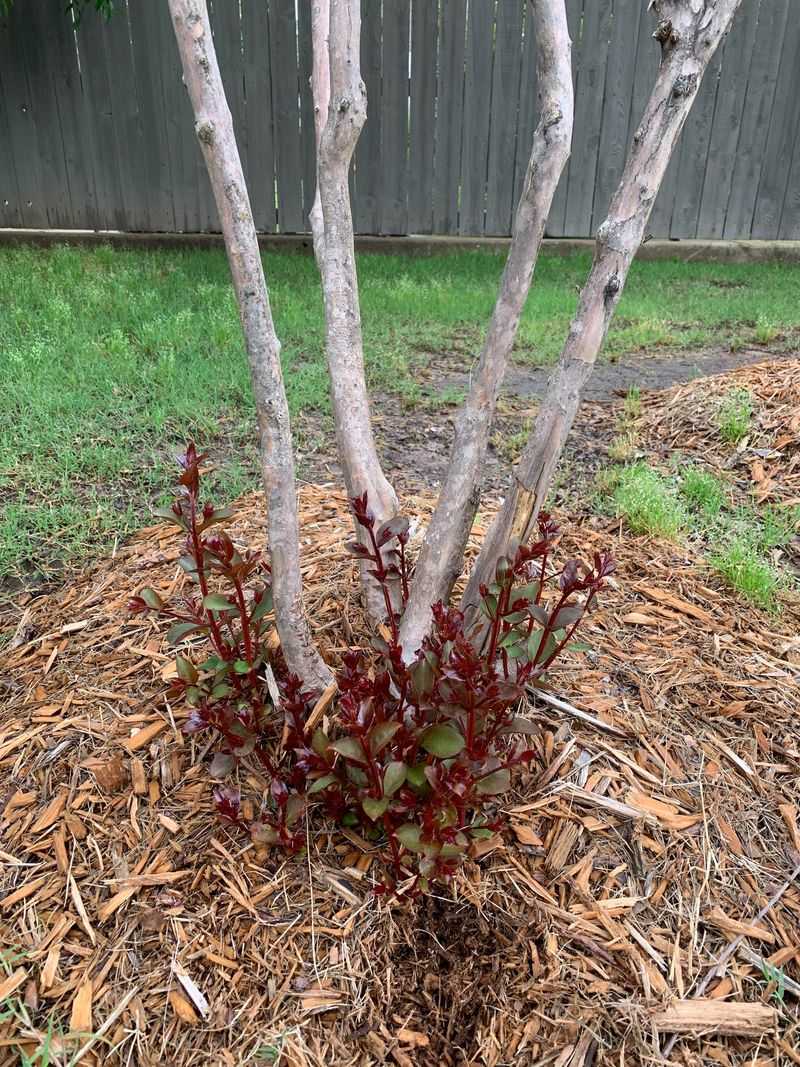
Autumn feels like cleanup season, so the urge to grab the pruners is strong. Hold that thought. Cutting crape myrtles in late summer or fall can wake up buds that should be resting.
Those buds push out soft new stems, and they have little time to toughen before the first hard freeze. Cold snaps can brown those tips and damage the wood below. Across the Piedmont, first frosts often show up in late October or early November, so the margin is slim.
Early winter cuts carry their own risk. Pruning in November or December leaves fresh wounds open through the coldest stretch of the year. Some newer or less hardy types may suffer more cold injury when trimmed too soon.
Summer is not a great choice for heavy cutting either. Hot, dry July weather already stresses trees, and big cuts add to the strain.
Light summer touches are fine, though. Snipping off spent flower clusters right after the first bloom can sometimes coax a smaller second round. Just keep it to tiny stems near the tips.
The takeaway is simple. Save serious work for late winter and let your tree rest the rest of the year.
Those Knobby Crape Myrtle Stubs Are a Telltale Sign of Topping
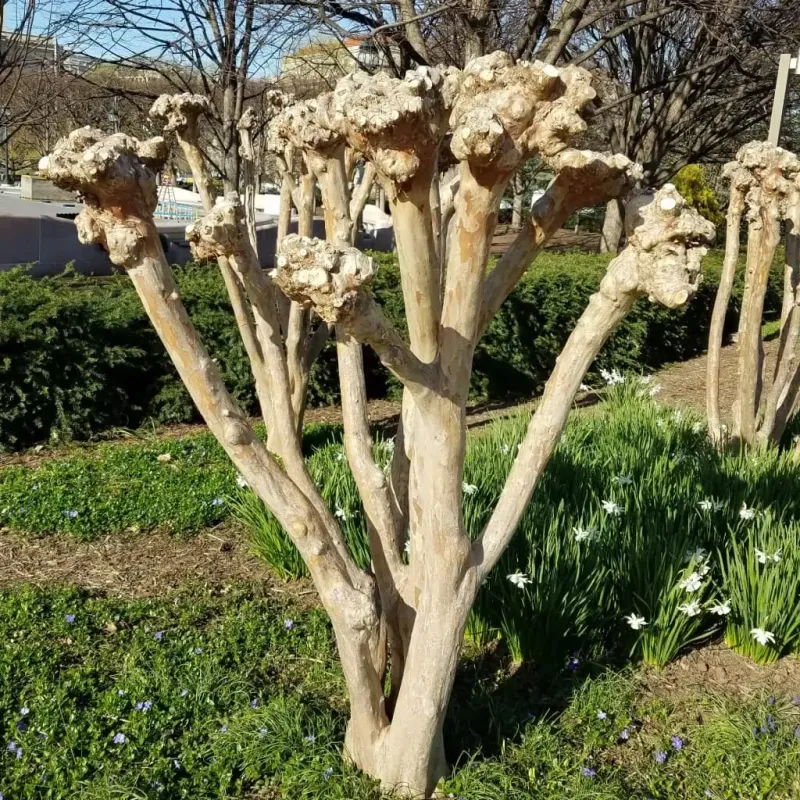
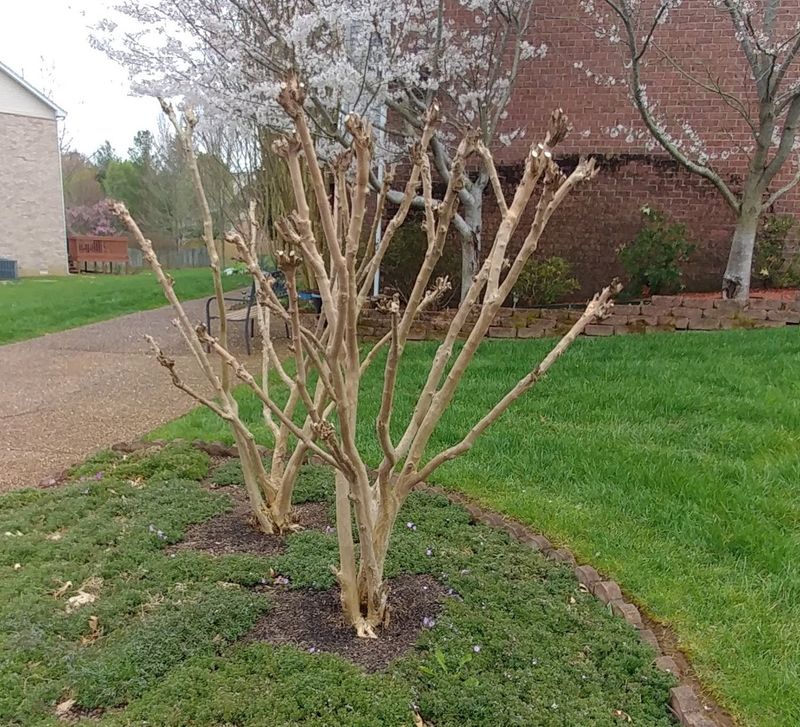
Gardeners call this habit topping, and it leaves lasting scars for a reason. Someone saws every trunk back to the same height, often just a few feet tall, and repeats the job year after year.
Over time, swollen knobs form at each cut. People call them knuckles, and honestly, they look like a row of clenched fists poking at the sky. You see them along highways, at fast food restaurants, and in plenty of neighborhood yards.
Why does it keep happening? Mostly habit. Landscape crews see others do it, homeowners copy the crews, and the cycle rolls on. Some folks also believe topping creates more flowers.
NC State Extension and many arborists push back on that idea. Topped trees may produce larger flower heads, but often on fewer, weaker stems, and bloom time can be delayed. The graceful branching and smooth, peeling bark get hidden behind ugly scars.
Fun fact: crape myrtles came to the United States from Asia in the late 1700s and quickly became a Southern favorite. They have earned better treatment than a yearly buzz cut.
Once you notice those knuckles, you will spot them everywhere. And you might start wincing a little, too.
Skinny Crape Myrtle Sprouts Often Sag Under Heavy Summer Blooms

Watch a topped crape myrtle in June and you will see something odd. Dozens of skinny shoots burst out right below each cut, like a cowlick that refuses to lie flat.
Arborists call these water sprouts. They grow fast, but their connection to the trunk tends to be weak. The tree is scrambling to replace the leaves it lost, so it trades strength for speed.
Then summer arrives. Big flower clusters load up the ends of those thin stems, and a single thunderstorm can bend them toward the ground. Some snap outright. Ice storms in winter can cause even more breakage.
There is a health cost as well. Heavy cutting stresses the plant, and stressed trees often have a harder time with problems like powdery mildew and aphids. Aphids leave sticky honeydew, which leads to black sooty mold on leaves.
I once spent a whole August propping up droopy branches with bamboo stakes. My neighbors thought I was building a fort. Looking back, the real problem started months earlier with my loppers.
Healthy crape myrtles with natural branching rarely need that kind of rescue. Their sturdy limbs hold flowers upright and shrug off most summer storms.
A Graceful Vase Shape Shows Off That Peeling Crape Myrtle Bark
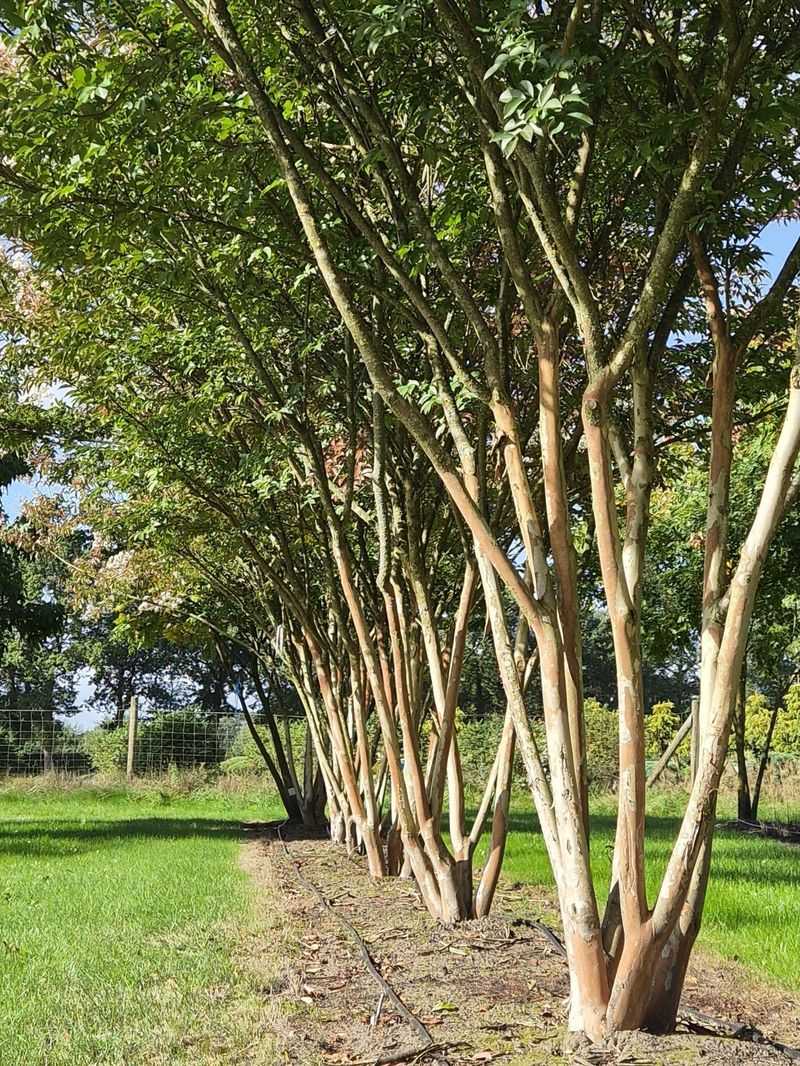
Some of the prettiest crape myrtles in the state have barely been touched. Their trunks rise in a loose vase shape, and their bark peels away in patches of cinnamon, tan, and gray.
That bark is a winter showstopper. Many gardeners overlook it because topped trees hide it behind knuckles and clutter. Let the trunks grow naturally, and you get year-round beauty, not just summer color.
With multi-stemmed trees, start by choosing three to five strong main trunks. Pick ones that are spaced evenly and lean slightly outward. Remove the extras at ground level while the tree is still young.
Next, lift the canopy slowly. Over a few seasons, take off low side branches along the lower part of the trunks. Going gradually keeps the tree balanced and avoids shocking it.
A good pruning goal is an open center. Sunlight and air should move easily through the middle of the tree. Better airflow helps leaves dry quickly after rain, which can reduce powdery mildew trouble.
Call me sentimental, but a well shaped crape myrtle glowing in January sun is one of my favorite sights. It feels like the tree is thanking you for leaving it alone.
Snip Crape Myrtle Suckers and Crossing Branches the Smart Way
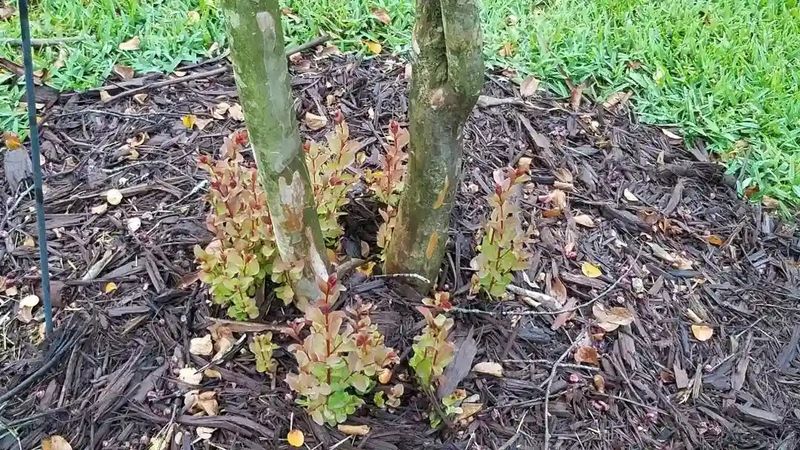
Good pruning starts at the base of the tree. Suckers, those leafy little shoots popping up around the trunk, can be removed any time of year. Pull or clip them low so they don’t steal energy.
Next, scan the canopy for problem limbs. Look for broken branches, weak twigs, and any that cross and rub against each other. Rubbing bark creates open wounds, which can invite insects and disease.
Then remove branches growing inward toward the center. Shoots aimed back into the tree crowd the middle and block airflow. You want limbs reaching outward.
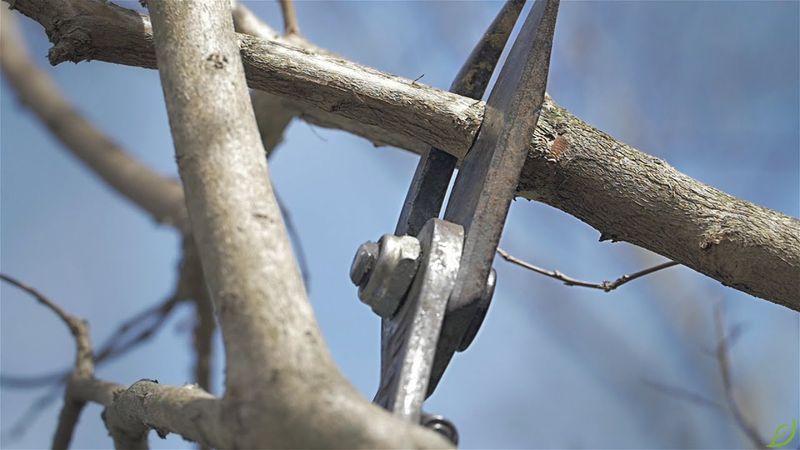
How you cut matters as much as what you cut. Prune back to a side branch or the trunk, never leaving a stub hanging out. Look for the slightly swollen ring at the base of a branch, called the branch collar, and cut just outside it.
That collar holds special tissue that helps the tree seal the wound. Cutting into it slows healing.
Use clean, sharp bypass pruners for small stems and a pruning saw for bigger ones. Wiping blades with rubbing alcohol between trees is a smart habit. Sharp tools make smooth cuts that close faster.
Pencil-Sized Crape Myrtle Twigs Are Usually the Only Cuts You Need
Not going to lie, I used to think yearly pruning was required. Most established crape myrtles in North Carolina actually need very little attention once their shape is set.
A light tidy up each late winter usually does the trick. Remove old seed heads if you like, along with thin, weak twigs and any branches rubbing together. Plenty of gardeners skip seed head removal and the tree does just fine.
A handy rule I follow is the pencil test. If a branch is thicker than a pencil, pause before cutting. Many experts suggest avoiding cuts on limbs much bigger than your thumb on mature trees.
If you keep reaching for a saw, something bigger is going on. Either the tree is getting too large for its spot, or the pruning has drifted into topping territory.
Birds also appreciate a lighter touch. Some, like goldfinches, may nibble seeds left on the branches during winter.
Step back often while you work. Walk across the yard, look at the whole tree, then decide on the next cut. Small, careful snips add up. It is much easier to remove another twig later than to undo a cut you regret.
Picking the Right Size Crape Myrtle Saves Years of Heavy Pruning
Most topping starts at the garden center. Someone plants a variety that grows 25 feet tall under a window, then spends years chopping it back to fit.
Crape myrtles come in a huge range of sizes. Dwarf types stay a few feet tall, semi-dwarf kinds reach roughly 5 to 12 feet, and tree forms can tower 20 feet or more. Check the plant tag for mature height and width before buying.
The U.S. National Arboretum bred many popular varieties, often named after Native American tribes like Natchez, Muskogee, and Tuscarora. Natchez, with its white blooms and cinnamon bark, is well known for strong resistance to powdery mildew. Mildew-resistant choices help a lot in humid summers.
Already have a giant squeezed into a tight space? Consider moving it to a roomier spot during the dormant season, or replacing it with a smaller type. A struggling tree is not worth years of annual topping.
Overgrown, previously topped trees can also be retrained. Choose a few healthy sprouts from each knuckle and remove the rest, repeating over a couple of winters.
Pick the right plant, prune in late winter, and keep cuts small. Your summer blooms will take care of the rest.