These 8 Strong Scents Could Be Drawing Coyotes Into Your Michigan Yard
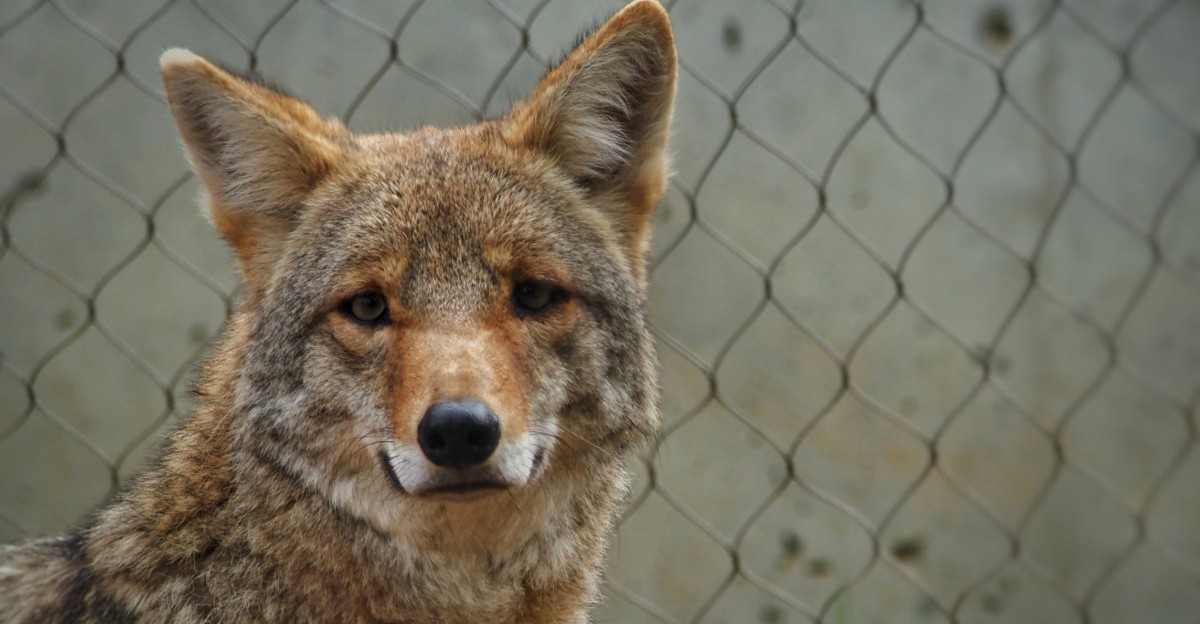
A wild canine roaming Michigan neighborhoods can catch the smell of food from surprisingly far away, sometimes miles across town. Its nose is so sharp that a single greasy grill or open trash bag works like a dinner bell.
These clever animals eat nearly anything, from mice and rabbits to fallen apples and leftover barbecue scraps. They now live across every corner of Michigan, including suburbs where yards are packed with tempting smells.
I have to admit that some of my favorite garden habits turned out to be open invitations. You might notice a few of your own routines on this list, and that is perfectly okay.
Most of these smells are easy to fix once you know where they hide in the yard. So which everyday scent do you think is quietly sending signals to the wild neighbors after dark?
1. Grill Grease And Meat Scraps Call Coyotes To The Patio
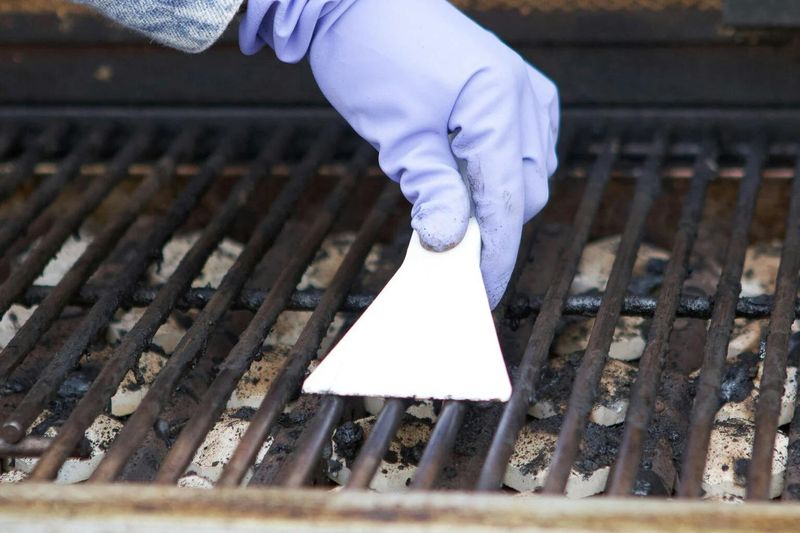
Summer cookouts leave behind a smell that lingers long after the burgers are gone and the guests head home. That sticky grease in your grill tray can float across the neighborhood like a free sample stand.
Coyotes are opportunistic scavengers, so meat smells signal an easy meal packed with calories they would love to grab. Raw scraps, fish skins, and bones become even more tempting once they start to rot and smell stronger.
Personally, I used to toss chicken bones into the outdoor trash and think nothing of it at night. Now I bag them tightly and keep them in the garage until garbage pickup morning arrives each week.
You can cut this attraction quickly by scraping your grill grates while they are still warm after cooking dinner. Empty the grease cup often, because that small container holds one of the strongest smells in your whole yard.
Fish cleaning is another sneaky problem, especially for anglers who fillet their catch on a backyard table or dock. Wrap the leftover parts well and freeze them until trash day, so the odor stays locked away from curious noses.
Wildlife experts warn that coyotes drawn in by meat may also view small pets as possible prey nearby. Keeping cats indoors and walking small dogs on a leash adds an extra layer of safety after sunset.
A clean grill rarely makes headlines, but it quietly tells passing coyotes there is nothing worth checking here tonight. I love how such a tiny chore can make the whole patio feel calmer and safer.
2. Open Trash Cans And Compost Piles Tempt Hungry Coyotes
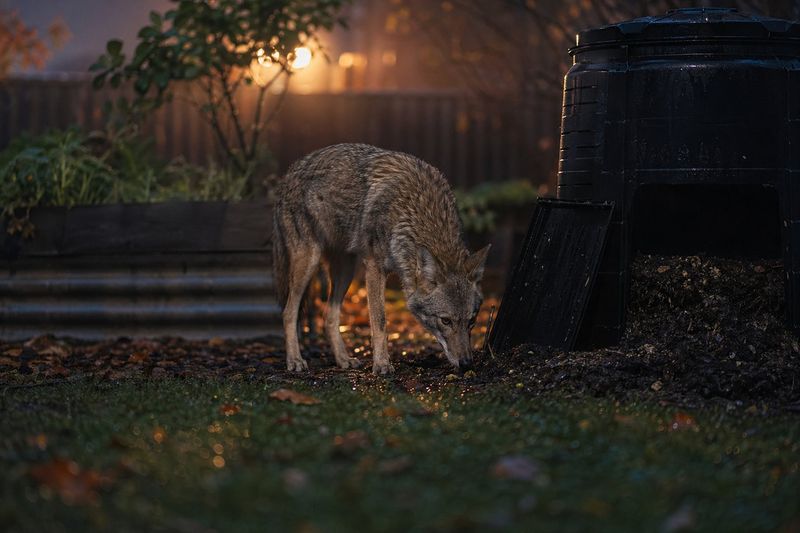
Researchers have found that coyotes visit compost piles far more often than nearby natural areas, sometimes eight times more often. That surprised me, because I always pictured my compost bin as a quiet, earthy gardening helper.
Food scraps and rotting organic matter give off rich smells that a coyote nose can pick up easily. An open trash can is basically a buffet with no doorman, and hungry animals figure that out fast.
The biggest trouble comes from meat, dairy, and eggs tossed into compost, since those odors travel far and strong. Stick with fruit peels, coffee grounds, leaves, and grass clippings, and your pile will smell much less interesting.
A closed compost bin with a secure lid works better than an open heap sitting at the yard edge. Turning the pile often and burying fresh scraps under brown leaves also helps hide the most tempting smells.
For garbage, choose sturdy cans with locking lids and store them in a garage or shed whenever possible. Even sealed bins can leak some odor, so rinsing them out with soapy water every few weeks really helps.
Set your trash out on the morning of pickup instead of the night before, when coyotes are most active. Personally, I find this habit also keeps raccoons from turning my driveway into a messy breakfast scene.
Wildlife officials note that easy garbage meals can make coyotes lose their natural caution around people over time. A locked lid sounds simple, but it keeps these wild neighbors wild and wary, right where they belong.
3. Fallen Apples And Pears Under Backyard Fruit Trees
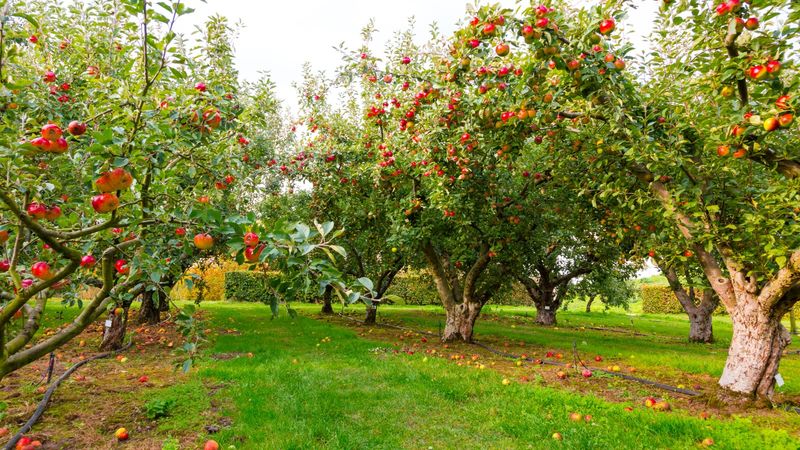
Nobody warned me that my sweet old apple tree would become a late summer snack bar for coyotes. These clever animals are omnivores, and they happily munch on ripe fruit for quick and easy calories.
Apples, pears, and blackberries all count, especially when they drop to the ground and start softening in the sun. As fruit ferments, the sugary smell grows stronger and drifts across the yard on warm evening breezes.
Michigan gardeners grow plenty of fruit, so this attraction shows up in many backyards from late summer into fall. Once a coyote finds a reliable fruit pile, it may return night after night to check for more.
You need to gather fallen fruit every day or two during the peak season, even when it feels tedious. A rake and a bucket make the job quick, and the bruised fruit can go into a covered bin.
Picking fruit as soon as it ripens on the branch also reduces how much ends up on the ground. I like to share extra apples with neighbors, which feels much nicer than feeding the local wildlife crew.
Berry bushes deserve attention too, since overripe blackberries drop quietly and are easy to miss under thick canes. A quick walk along the row each evening helps you spot those squishy, fragrant leftovers before sunset.
Fruit trees are a wonderful part of any garden, and you certainly do not need to remove them. A little tidy harvesting simply keeps the sweet perfume of autumn from becoming a nightly coyote announcement.
4. Spilled Birdseed Under Feeders Brings Mice And Coyotes
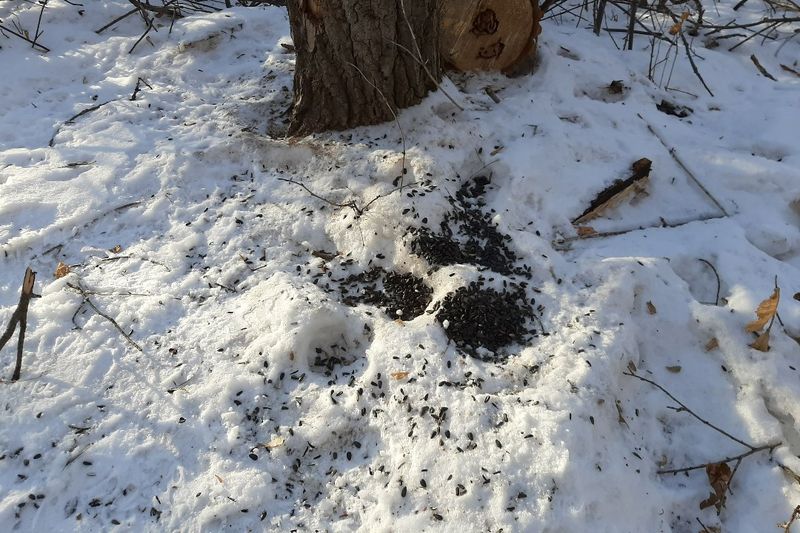
Feeding cardinals and chickadees feels like the most innocent hobby around, until you look under the feeder. That scattered seed pile on the ground draws a whole chain of hungry visitors you never invited.
Mice, rats, and squirrels love spilled seed, and those small mammals happen to be favorite coyote meals. So the feeder does not just feed birds, it can set up a busy rodent hunting ground right outside.
Coyotes may also nibble the seeds themselves, though seed offers them far less nutrition than a plump mouse does. Either way, the spot becomes a place worth checking during their nightly rounds through the neighborhood.
What surprises me most is how much seed falls when birds pick through mixes for their favorite sunflower bits. Choosing hulled seeds or a single seed type often reduces waste, since birds toss out less of the mix.
A wide seed tray under the feeder catches much of the mess before it reaches the grass below. Sweeping or raking the area every few days keeps leftovers from piling up and smelling like an easy meal.
Some Michigan wildlife officials suggest pausing bird feeding if coyotes start showing up regularly around your home. Many birds will simply visit natural food sources nearby, then return happily when the feeders go back up.
I still love watching birds at my window, so I just feed smaller amounts and clean up more often. That small change keeps my feathered friends happy without turning the lawn into a rodent restaurant at night.
5. Dog And Cat Food Bowls Left On The Porch
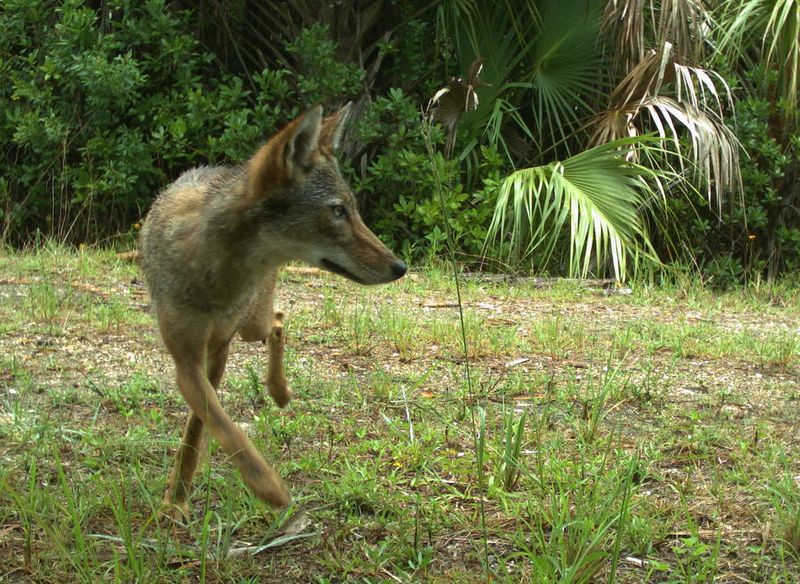
Kibble might look boring to us, but to a coyote it smells like a rich, reliable meal waiting nearby. A bowl left on the porch overnight sends out a steady signal that this house hands out snacks.
Wildlife experts list pet food as one of the most direct coyote attractants found around homes and yards. It is easy to reach, packed with protein, and usually sits in the same spot every single evening.
Many Michigan families feed outdoor dogs or porch cats, and I completely understand why that routine feels convenient. Still, coyotes learn patterns quickly, and a full bowl after dark teaches them to come back often.
The simplest fix is feeding pets indoors, or offering meals outside only while you stay nearby and watch. Once your pet finishes eating, bring the bowl inside and wipe up any crumbs left behind on the porch.
Store bags of pet food in a garage, basement, or sealed plastic bin rather than on an open deck. Those big paper sacks leak smell easily, and a determined animal can tear one open in minutes.
Water bowls are less of a problem, though food residue around the rim can still carry a tasty smell. Rinsing them daily keeps things fresh for your pets and less interesting for any wandering wild visitors.
Habituated coyotes may grow bolder around people, which is not good for them or for your family. Personally, I would rather keep my porch boring at night, so everyone stays safer and the wildlife stays wary.
6. Unscooped Dog Poop And Urine Spark Coyote Curiosity
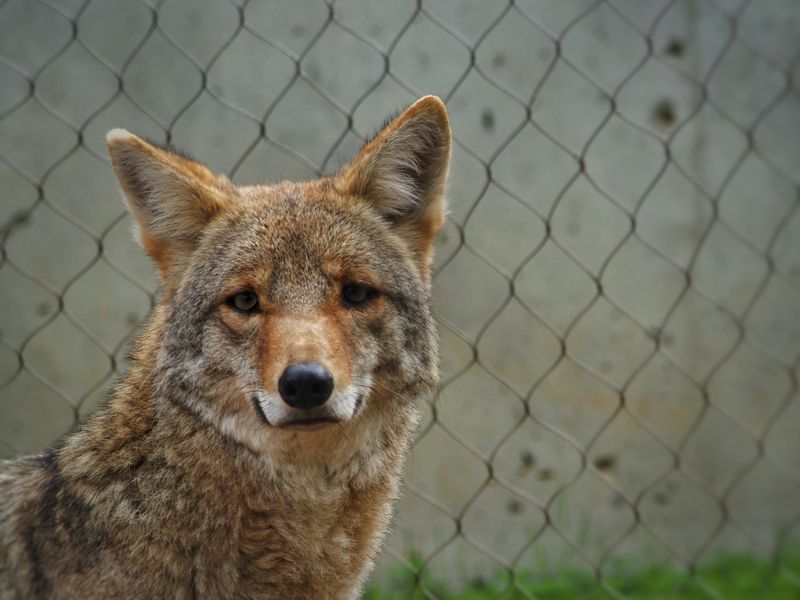
Your dog leaves messages all over the yard, and coyotes are surprisingly eager to read every single one. They are not hunting for a meal here, but they are very curious about who lives nearby.
Coyotes are territorial canines, so the scent of another dog prompts them to investigate the area closely. Urine marks and piles of poop act like neighborhood news posts, announcing a rival or a possible companion.
Wildlife sources describe this as adding to the scent map of your yard, making it seem worth exploring. On its own, pet waste may not draw a visit, but combined with food smells it adds extra interest.
Here in Michigan, plenty of backyards host dogs, so this situation is incredibly common and nothing to feel embarrassed about. You just need a regular scooping routine to keep the yard from becoming a canine message board.
I try to pick up after my dog every day, especially along fence lines where marking tends to pile up. Bagging the waste and placing it in a lidded trash can keeps the odor contained until pickup day.
Watering heavily used urine spots now and then can dilute the smell, and it helps your grass recover too. Brown patches often bounce back faster when you rinse them, so the lawn and your nose both benefit.
Supervising your dog outside after dark adds another layer of protection from any curious coyote checking those scents. A short leash walk at night is a simple habit that brings real peace of mind.
7. Roadside Carrion And Buried Pets Draw Scavenging Coyotes
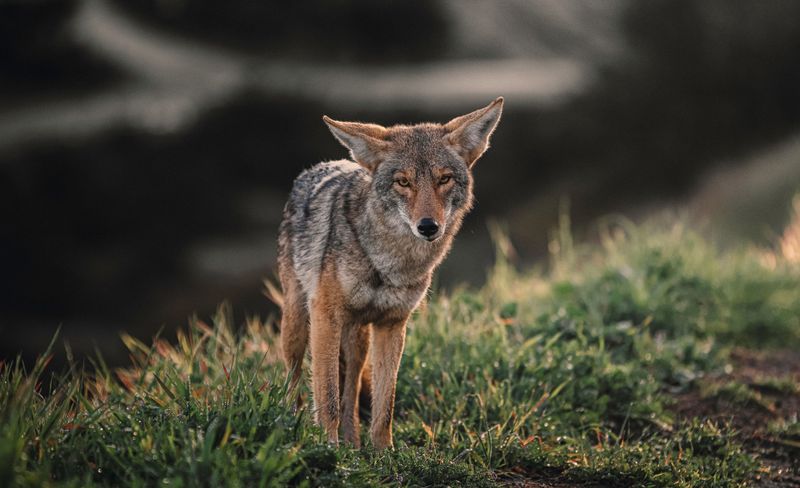
Coyotes are nature’s cleanup crew, and their noses can track down carrion from remarkable distances across open ground. That talent keeps ecosystems tidy, but it can also lead them straight into your backyard.
Small animals like mice, birds, or squirrels sometimes pass away in yards, hidden under shrubs or tucked beside sheds. As they decompose, the strong odor becomes a powerful draw for scavengers looking for an easy meal.
I have to admit, I once found a rabbit under my hedge only after noticing a strange smell for days. Now I walk the yard edges every week, checking quiet corners where small creatures might settle.
Wear gloves when you remove an animal, then double bag it and place it in a lidded outdoor trash can. Your local animal control office can also help with larger animals found along roads or near your property.
Buried pets need special care, because coyotes are known to dig up shallow graves that still carry scent. Experts often suggest burying beloved pets at least three feet deep, then covering the spot with heavy stones.
Some Michigan communities have rules about home pet burial, so checking your local ordinance first is a smart move. Pet cremation services are another gentle option that removes this worry for many grieving families.
Carrion along nearby roads can also bring coyotes through your neighborhood, even if your yard stays spotless. Reporting larger roadside animals to your road commission helps reduce this draw for everyone living on the street.
8. Fish Emulsion And Bone Meal Fertilizer In Garden Beds
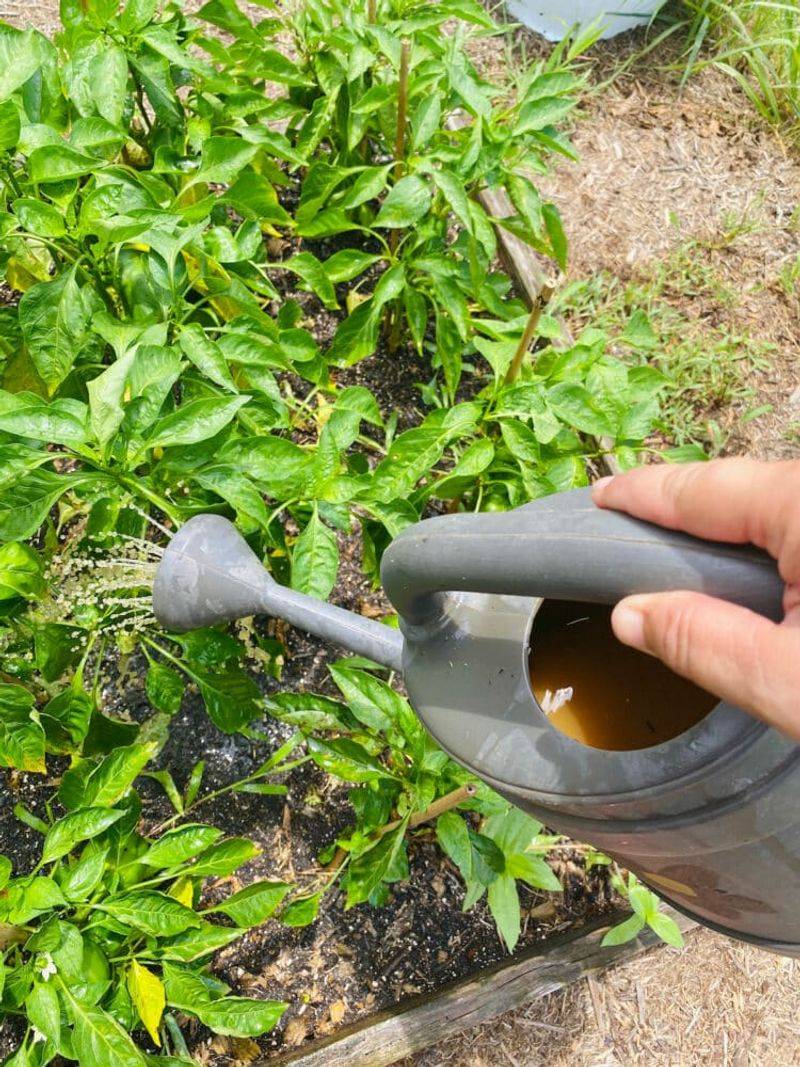
Anyone who has opened a bottle of fish emulsion knows that smell hits like a low tide on a hot day. Our tomatoes love it, but coyotes and other carnivores find that fishy perfume very hard to ignore.
Fish oil and smoked fish scents are even used by trappers as coyote lures, which tells you plenty. Fish meal and bone meal give off similar animal odors that suggest something tasty might be buried below.
Gardeners across Michigan rely on these organic fertilizers, and I use them myself for hungry vegetables like peppers. The trouble starts when a curious nose follows the scent and starts digging up freshly planted beds.
You can lower the risk by mixing granular bone meal or fish meal deep into the soil, not sprinkling it. Watering well right after application also helps push the smell down where it is harder to detect.
Liquid fish emulsion fades faster when diluted properly, so follow label directions rather than adding an extra splash. Applying it in the morning gives the odor all day to fade before coyotes start roaming at night.
Plant based options like alfalfa meal, kelp, or well aged compost feed plants without that strong animal aroma. Switching a few beds to these choices might calm the digging while keeping your garden growing strong.
Personally, I save fish fertilizer for container plants on my deck, where wild diggers rarely bother to wander. That simple shift lets me keep the benefits without waking up to craters in my carrot rows.