State Law Protects Most Snakes In Georgia Yards And Harming One Is A Misdemeanor
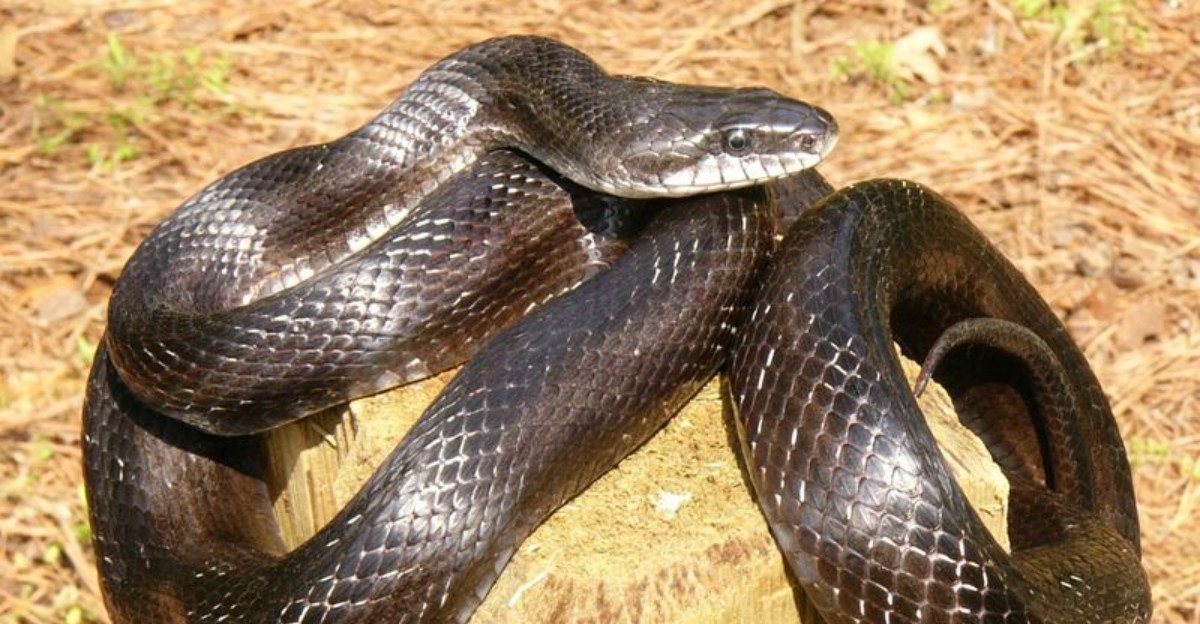
Swinging a hoe at the wrong garden visitor could earn you a court date and a fine of up to $1,000. That rule is real, and it has been on the books in Georgia for years.
I used to think the scariest thing in my tomato patch was blossom end rot. Then I learned that roughly 40 of the scaly visitors gliding past my mulch are protected by law.
Only a small handful carry venom, and most of the rest are busy eating the mice and slugs that chew up our hard work.
You need to know which ones are which before panic takes over. I find the whole thing a little thrilling, like discovering your yard has a secret security team on the payroll.
What exactly does the law say, and what should you do when one shows up near the hose bib?
1. That Snake Sunning On Your Garden Path Has Legal Backup
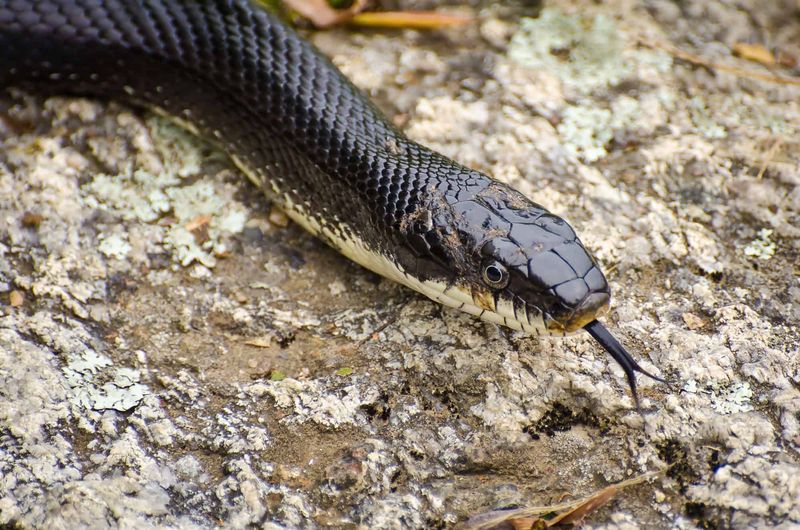
Most folks are shocked when they hear it. The snake curled on your stepping stones is probably protected by state law, and hurting it can count as a crime.
Under Georgia wildlife law, nonvenomous snakes are treated as protected wildlife. The Georgia Department of Natural Resources says it is illegal to harm or keep these native snakes without proper permission.
Since nearly every snake you meet in a typical yard is nonvenomous, that covers a lot of ground.
Breaking the rule is generally handled as a misdemeanor. Local reporting and DNR guidance point to penalties that can include a fine of up to $1,000 and, in serious cases, up to 12 months in jail.
That is a steep price for one swing of a shovel.
I like how this law flips the usual script. Instead of asking whether a snake deserves to stay, it asks you to prove it is dangerous before acting.
The protection exists for a solid reason. Snakes keep rodent numbers in check, and many species have lost habitat to roads and new subdivisions.
Lawmakers decided the harmless majority should not pay for the reputation of a few venomous cousins.
So the next time you spot one, pause first and identify it second.
2. Only Seven Venomous Snake Species Call Georgia Home
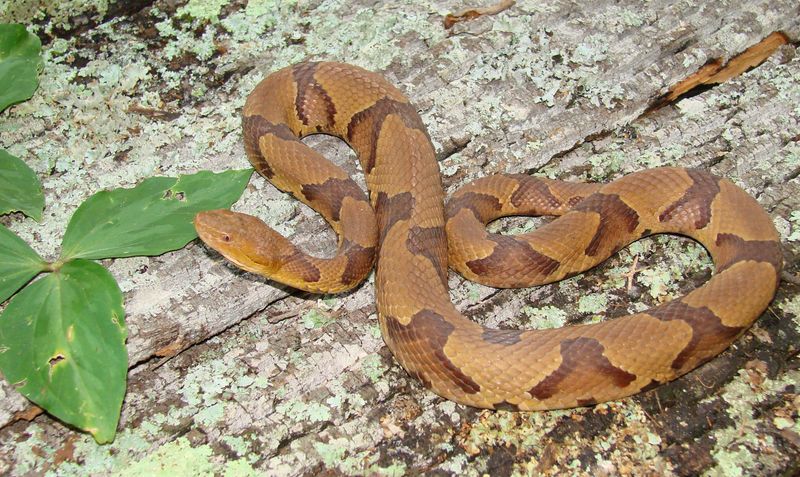
Numbers can calm nerves fast. According to Georgia DNR, Georgia has 47 native snake species, seven of which are venomous.
The venomous group includes the copperhead, northern cottonmouth, Florida cottonmouth, eastern diamondback rattlesnake, timber rattlesnake, pigmy rattlesnake, and eastern coral snake.
Copperheads turn up most often in suburban yards, especially in leaf litter and along wooded edges.
Cottonmouths stick close to water, and the coral snake is shy and mostly found in the southern half of the state.
The general state protection for native nonvenomous snakes does not extend to these seven species.
Still, the DNR encourages people to leave them alone whenever possible, since most bites happen when someone tries to grab or strike at a snake.
Here is a quirky fact I love sharing. The old rhyme about coral snake colors works for local species, but it is unreliable elsewhere, so learning real field marks beats memorizing poems.
You can build confidence by studying photos from the Georgia DNR or UGA’s Savannah River Ecology Lab. Focus on head shape, body pattern, and habitat together rather than one single clue.
Once you know the short list, the long list of harmless neighbors stops feeling so mysterious. That knowledge alone can keep you on the right side of the law.
3. Harmless Water Snakes Often Get Mistaken For Cottonmouths
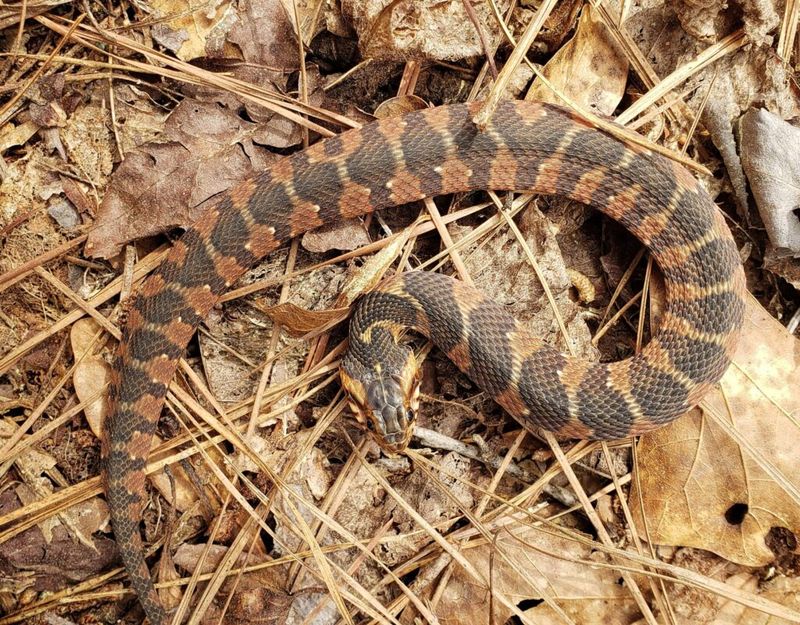
Ask any wildlife biologist about mistaken identity and you will hear one story again and again. Water snakes get blamed for being cottonmouths all the time.
Several harmless species, such as the banded water snake, northern water snake, and brown water snake, live around ponds, creeks, and lake edges. They are thick-bodied, dark, and can act grumpy when cornered.
To a startled gardener, that looks a lot like trouble.
Behavior offers helpful hints. Water snakes usually flee quickly into the water and swim with mostly the head above the surface.
Cottonmouths may display a white-lined open mouth when threatened, but swimming posture alone is not a reliable way to distinguish them from nonvenomous water snakes.
Personally, I treat every dark snake near water as a mystery until I get a clear look from a safe distance. Snapping a zoomed photo and comparing it with DNR guides works wonders.
The legal piece matters here. Harming a water snake because you assumed it was venomous can still be a misdemeanor, since the law protects the actual species, not your guess.
A backyard pond can host these helpful swimmers for years without a single problem. Give them room and they will usually ignore you.
4. Rat Snakes And Kingsnakes Work The Night Shift For Your Vegetables
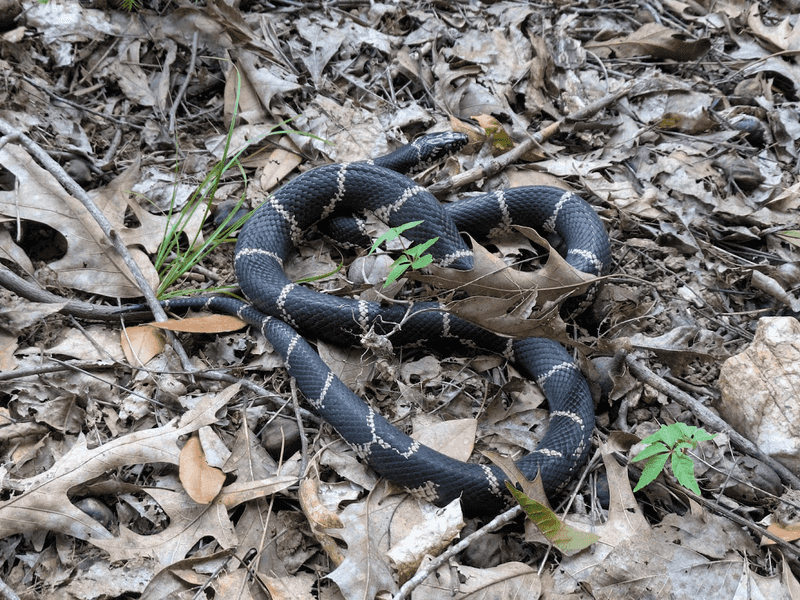
Mice in the compost, voles under the beans, slugs on the lettuce. Your garden has plenty of freeloaders, and snakes happen to love eating them.
Rat snakes are champion rodent hunters, climbing sheds and trees to reach mice and rats. Garter snakes and small brown snakes snack on slugs, worms, and insects.
Eastern kingsnakes go a step further by eating other snakes, including venomous copperheads.
I can’t imagine hiring a better crew for free. They do not nibble tomatoes, dig up bulbs, or chew on irrigation lines.
UGA Extension notes that snakes help keep rodent populations balanced, which can reduce damage to stored seed, mulch, and young plants.
Fewer rodents can also mean fewer of the pests and diseases rodents carry around a property.
One fun bit of history: kingsnakes earned their royal name partly because they overpower other snakes. Their resistance to pit viper venom lets them tackle prey most predators avoid.
Spotting one of these helpers is a sign your yard supports a healthy food web. That is something to celebrate rather than fear, especially if you have been battling rodents all season.
5. A Garden Hose Can Move A Snake Without Breaking Any Rules
Calm wins every snake standoff. Most snakes want nothing to do with you and will slip away if you simply step back.
Start by keeping at least several feet of distance. Keep kids and pets indoors until the visitor leaves, and avoid trying to pick it up, even with a stick.
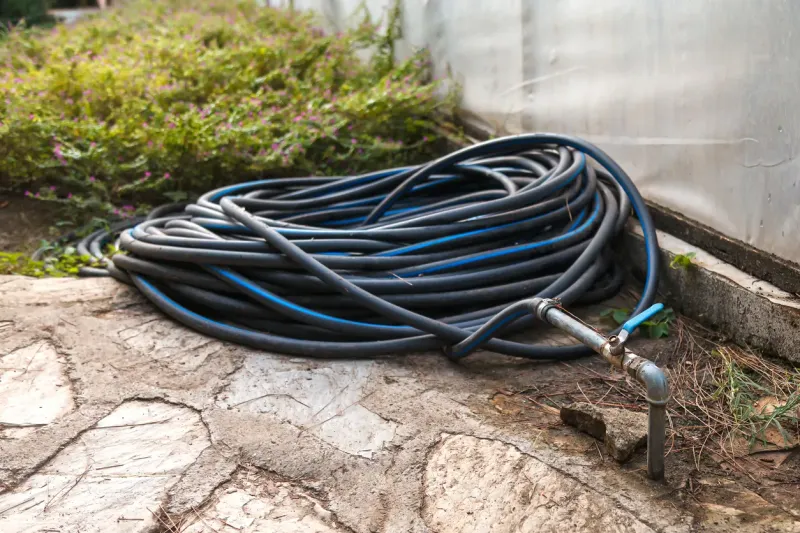
If the snake sits somewhere inconvenient, like your back steps, a light spray from a garden hose often nudges it along. The water startles without injuring, which keeps you within the law for protected species.
Snakes indoors call for a different trick.
Open a nearby door, place a towel to block other routes, and give it a quiet exit path.
You need a professional when a venomous snake sits near a doorway, playground, or pet area. Licensed wildlife removal companies and some local animal control offices handle these calls safely.
Avoid glue traps, poisons, and smoke. They cause needless suffering, can catch birds and lizards, and may violate wildlife rules.
I keep the DNR wildlife resources phone number saved in my contacts. That one small step turns a frantic moment into a simple call for advice.
6. Eastern Indigo Snakes Carry Even Stronger Federal Protection
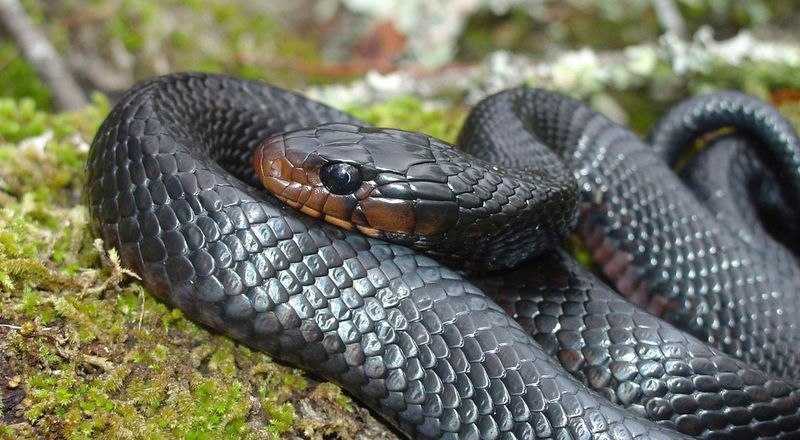
Glossy, blue-black, and sometimes longer than eight feet, the eastern indigo snake looks like it slid out of a storybook. It is the longest native snake in the United States.
This impressive species is listed as threatened under the federal Endangered Species Act and is also protected by the state.
Harming one can bring federal penalties on top of state charges.
Indigos mostly live in south Georgia, often in longleaf pine and wiregrass habitats. They frequently shelter in gopher tortoise burrows during cooler months, which ties their future to another protected animal.
The southern hognose snake is another species with special state status. Known for flattening its neck and playing possum when nervous, it has become rare in many sandy areas it once called home.
Georgia DNR and partners have released captive-raised indigos into protected lands to rebuild populations. That kind of effort shows how seriously wildlife experts take these reptiles.
If you live near sandhills or pine flatwoods, you might be lucky enough to see one. Snap a photo from a distance and consider reporting the sighting to DNR biologists, since every record helps them track these remarkable snakes.
7. Tidy Woodpiles And Sealed Foundations Keep Snakes At A Distance
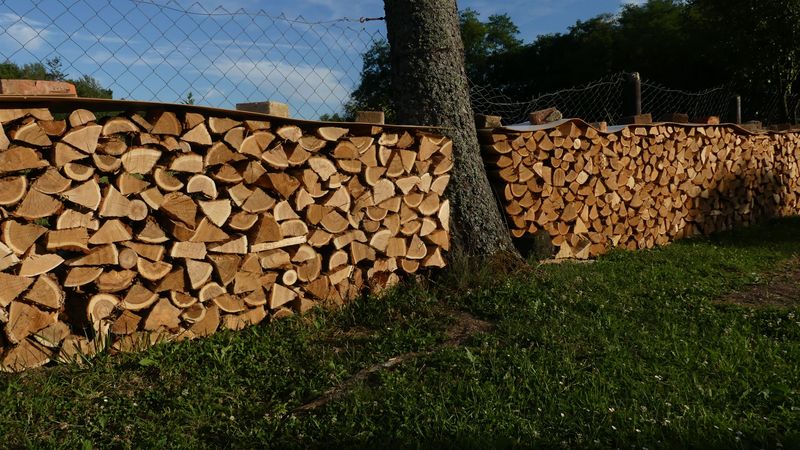
Shelter and snacks are what draw snakes close to houses. Remove those two things near your doors, and visits usually drop.
Store firewood on racks off the ground and away from the house. Move brush piles, rock stacks, and old boards to the far edges of your property instead of beside the porch.
Rodents are the real magnet. Keep birdseed in sealed metal cans, clean up spilled feed, and secure garbage lids so mice have less reason to move in.
Seal gaps around foundations, crawl space vents, and utility lines with hardware cloth or caulk. A quarter inch opening is enough for young snakes and small mice.
Keep grass mowed near the house, especially during warm months when snakes are most active. Taller plantings and mulch beds can stay farther out where wildlife habitat makes sense.
Skip the snake repellent products.
University researchers, including UGA Extension, report that commercial repellents and mothballs show little proven benefit, and mothballs are not labeled for this use.
Personally, I like keeping a wild corner at the back of my yard. Snakes get a safe spot to hunt, and my patio stays comfortably quiet.
8. Learning Your Local Snakes Is The Smartest Move You Can Make
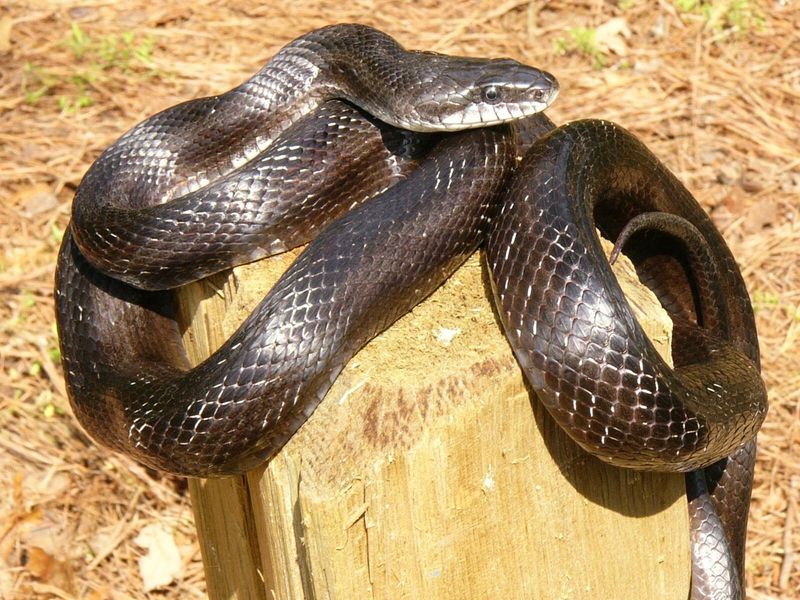
Knowledge beats a shovel every time. The more snakes you can name, the fewer scary moments you will have outdoors.
Free resources make this easy. The Georgia DNR Wildlife Resources Division, UGA’s Savannah River Ecology Lab, and county Extension offices offer photo guides and identification tips for every native species.
Try practicing with the most common yard visitors first. Rat snakes, garter snakes, DeKay’s brown snakes, ring-necked snakes, and copperheads cover a large share of backyard sightings.
A smartphone camera with zoom is your best tool. Photograph the snake from a safe distance, then compare it with trusted guides or post it to a regional identification group run by experts.
Teach children a simple rule. Look, step back, and tell an adult, without touching any snake they find.
Remember the core legal point.
Nonvenomous native snakes are protected, while the seven venomous species are not covered by that protection, though leaving them alone is still the safest choice.
I believe a yard with snakes is a yard with balance. Learn who lives there, respect their role, and you may start looking forward to the next rustle in the leaves.