The Compact Native Shrub New York Gardeners Are Choosing Over Arborvitae
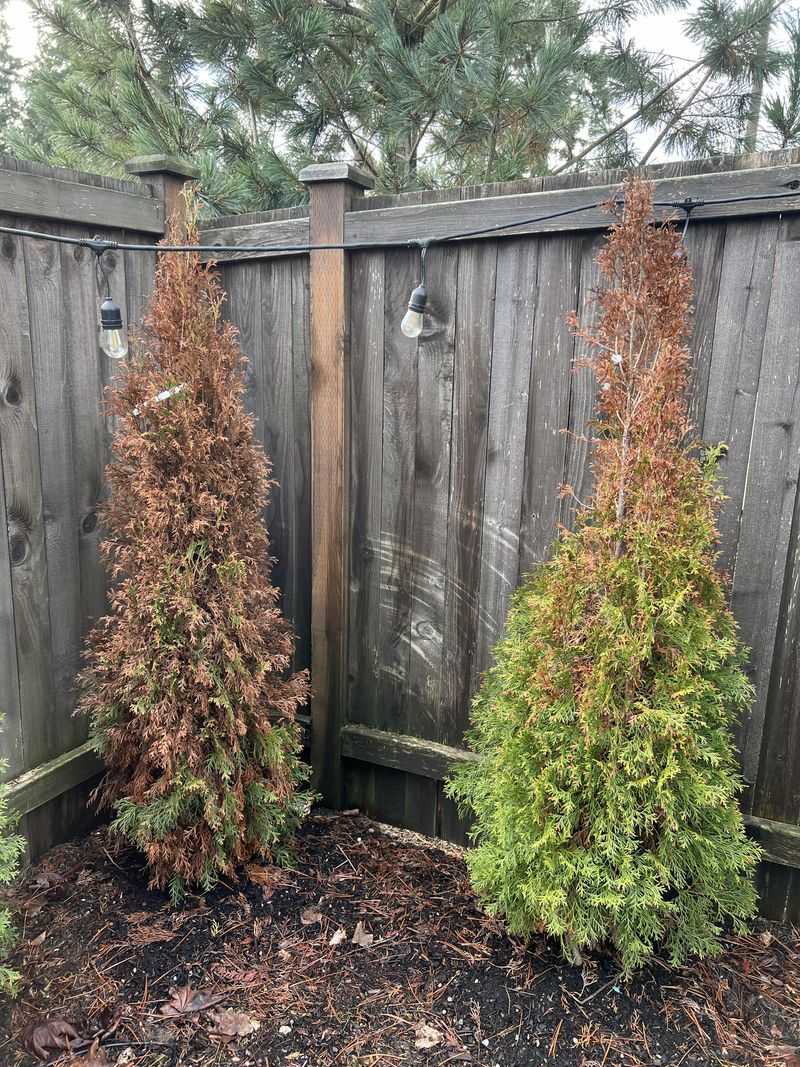
Deer can strip an arborvitae hedge so cleanly that it ends up looking like a giant green lollipop. Wildlife experts even call that bare lower trunk a browse line.
I used to think winter burn was the worst thing a privacy screen could face. Then I saw a whole row chewed bare up to about five feet in one snowy February. You might notice the same sad pattern along streets all over New York.
Turns out a tidy, glossy shrub has been growing wild in New York’s coastal swamps and sandy pine barrens for ages. It stays green all year, handles soggy soil, and feeds songbirds in the dead of… well, the coldest weeks.
Deer mostly leave it alone too, which feels almost unfair. We planted the snack bar, and we had a native hedge waiting all along.
That Chewed Arborvitae Hedge Is Sending You A Message
White-tailed deer treat arborvitae like a winter salad bar. When snow covers the ground and other food gets scarce, those soft, flat sprays of foliage become one of the easiest meals around.
Cornell Cooperative Extension lists American arborvitae among the shrubs deer browse most heavily. In many suburbs, the herds are large enough that a hedge can lose most of its lower foliage in a single cold season.
The result is that familiar look of bare trunks topped with a fluffy green crown. I spent two winters wrapping my own row in burlap and netting. It worked, sort of, but it looked like a crime scene tape project and took a whole Saturday each fall.
Repellent sprays help too, though rain and snow wash them off. You end up reapplying them again and again just to stay ahead of hungry visitors.
Arborvitae generally does not regrow from old, bare wood. Once those lower branches are stripped, they rarely fill back in, so the damage tends to stick around for years.
So the frustration is real and well documented. Many gardeners simply want a screen that does its job without a nightly security system attached.
Inkberry Holly Is The Glossy Native Stepping In
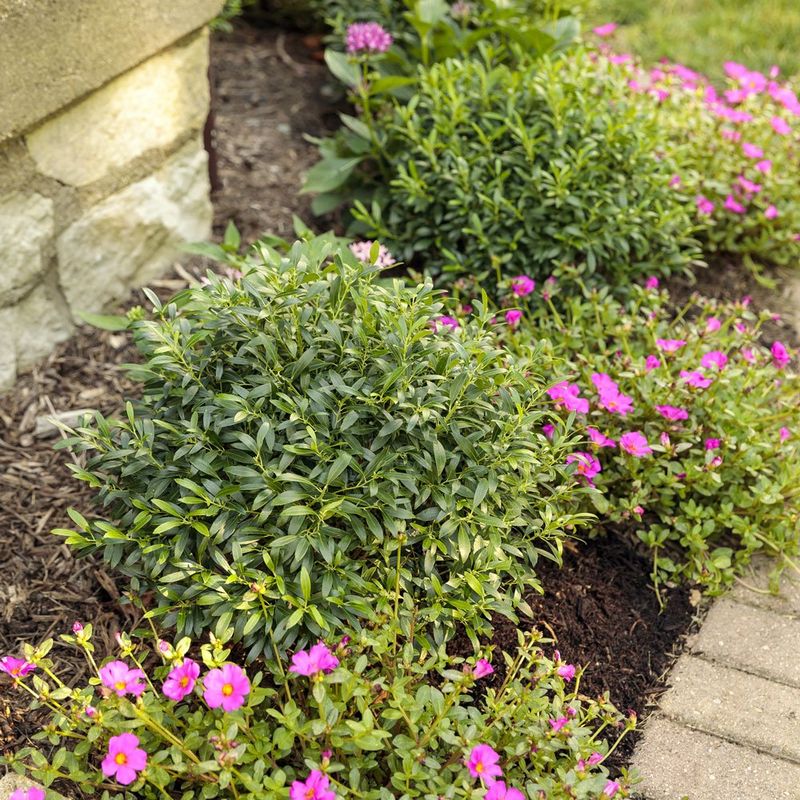
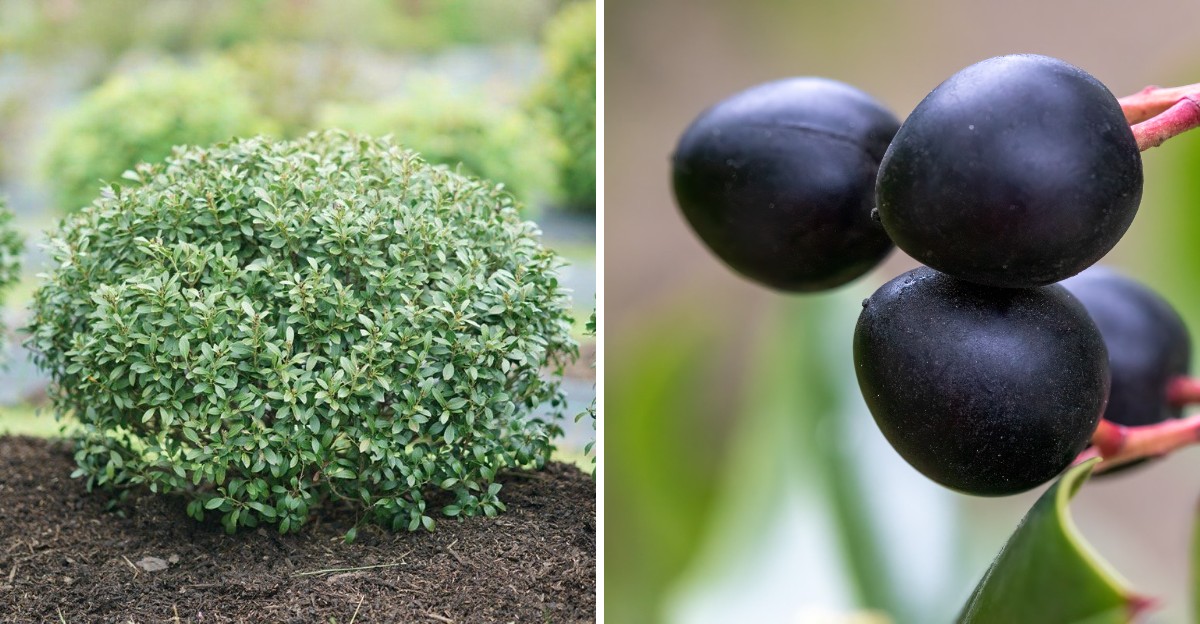
Meet the shrub quietly winning over landscapers from Long Island to the Hudson Valley. Inkberry holly, known to botanists as Ilex glabra, is a broadleaf evergreen native to the eastern United States, including coastal New York.
Unlike the prickly hollies you hang at the holidays, inkberry has smooth, small, spineless leaves. They stay a deep, shiny green through the year, giving you that solid screen without the scratches.
Deer usually pass it by. No plant is fully deer-proof, and hungry herds will nibble almost anything in a hard winter, but inkberry ranks among the less favored choices in Rutgers deer resistance ratings.
The compact varieties make it especially handy. ‘Shamrock’ and ‘Gem Box’ stay tidy and rounded, often in the two to four foot range, while ‘Densa’ and ‘Compacta’ grow a little larger.
That size makes inkberry a great match for foundation plantings, low hedges, and border edges. For a taller privacy wall, the straight species can reach six to eight feet over time.
Hardy in USDA zones 4 through 9, it covers nearly the whole state. Upstate gardeners in the coldest pockets should pick a site sheltered from harsh winter wind.
Arborvitae Struggles Go Way Beyond Hungry Deer
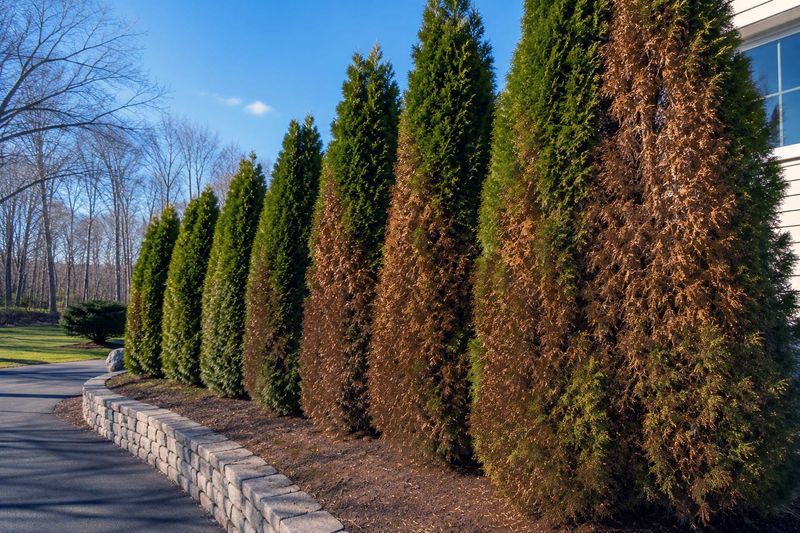
Browsing is only part of the story. Arborvitae carries a whole list of headaches that tend to show up once a hedge is a few years old, and New York gardeners run into them again and again.
Bagworms are a big one. Those little spindle-shaped cases dangling from branches hold caterpillars that can strip foliage quickly in summer if nobody notices.
Spider mites love hot, dry weather and leave plants looking dull and speckled. Fungal problems can also cause browning tips and patchy dieback, especially in crowded rows with poor airflow.
Winter burn is another common complaint. Cold, dry winds pull moisture from the foliage while the ground is frozen, so roots cannot replace it, and the plant turns bronze or brown by March.
In a hard New York winter, that damage can show up on nearly every plant in a row. Planting along a driveway or busy road adds salt spray to the mix.
Arborvitae generally handles road salt poorly, while inkberry shows good salt tolerance in coastal settings, including along New York’s shoreline.
None of this means arborvitae is a bad plant. It just needs the right site, steady moisture, and regular checkups to look its best.
If you would rather spend summer weekends enjoying the yard instead of inspecting branches, a sturdier native can save a lot of effort and money.
Black Inkberry Fruit Feeds Birds Through The Cold Months
Here is my favorite surprise about inkberry. That plain-looking shrub is actually a busy little wildlife cafe.
In late spring, it opens tiny white flowers that most people barely notice. Native bees notice, though, and the blossoms are a known nectar source for honey production in parts of the Southeast, where gallberry honey is prized.
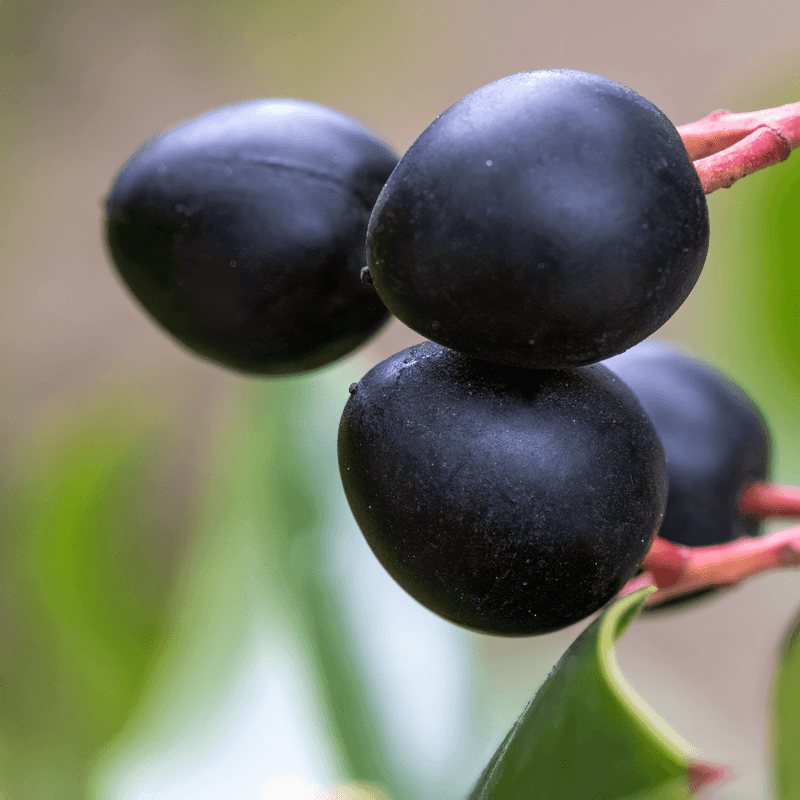
Female plants follow up with small, round black fruits. They often hang on well into winter, offering food when many other options have vanished.
Birds such as mockingbirds, thrushes, and bluebirds will feed on them, especially later in the season. Small mammals and other wildlife may snack on them as well.
Dense evergreen branches also give birds a safe place to hide from hawks and shelter from icy wind. A thick inkberry planting can feel surprisingly lively on a gray January morning.
As a native plant, inkberry is part of the local food web in a way many imported shrubs are not. The Mt. Cuba Center and other native plant groups often recommend it for this reason.
A quick reminder though: the berries are not for people. Keep them away from curious kids and pets, since holly fruits can upset stomachs.
Plant Inkberry Shrubs Where The Soil Stays Moist
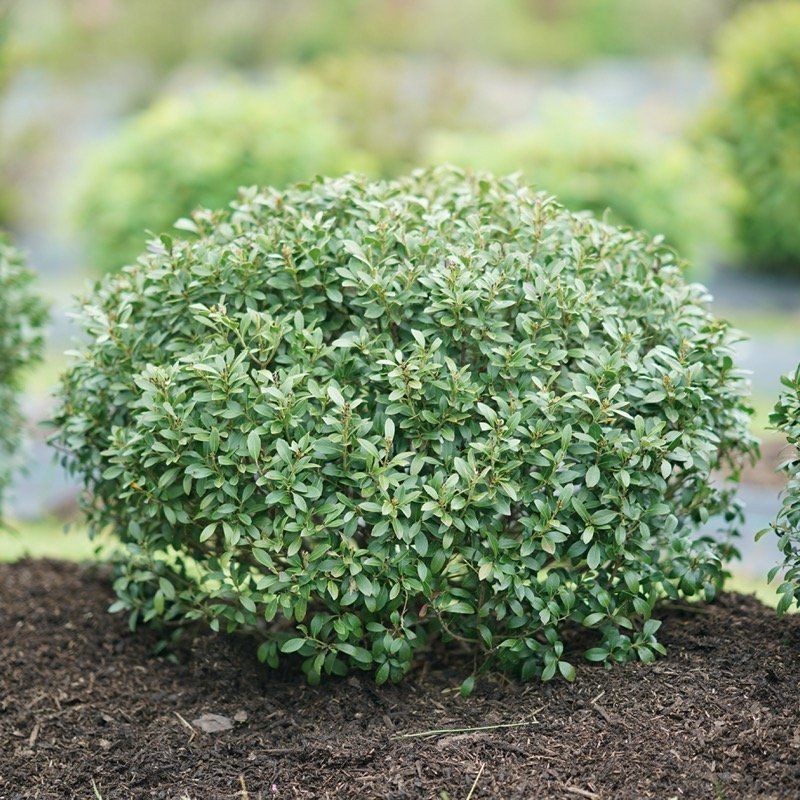
Soggy corner by the downspout? That spot many plants hate might be perfect for inkberry. In the wild, this shrub grows in wet pine barrens, bog edges, and coastal thickets.
It handles moist and even occasionally wet soil better than most evergreens, though it also adapts to average garden beds.
Aim for full sun to part shade. Plants in deep shade tend to get open and leggy, so give them at least a few hours of direct light each day.
Soil pH matters more than people expect. Inkberry prefers acidic soil, and in alkaline ground the leaves may turn yellow from iron deficiency, so a simple soil test from your local Cornell Cooperative Extension office is worth it.
Spring and early fall are the best planting windows in most of New York. Dig a hole about twice as wide as the root ball, but no deeper, and water deeply afterward.
Here is the part people skip. Inkberry plants are male or female, so you need a male nearby for the females to produce berries.
One male can often serve several females. Ask your nursery, since many compact cultivars are sold as one sex or the other.
Light Pruning Keeps Your Inkberry Hedge Full At The Base
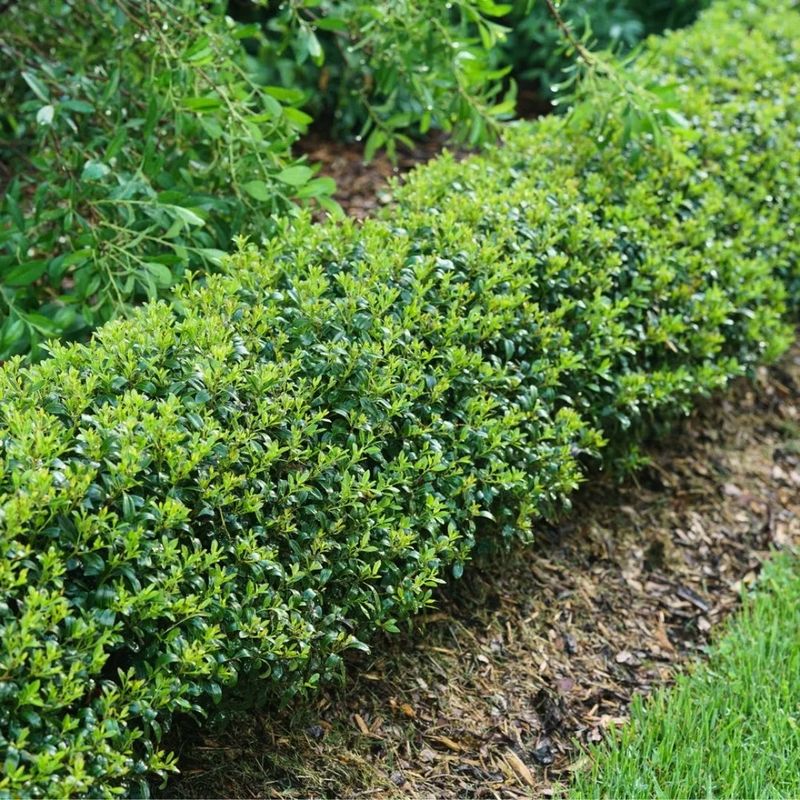
Honestly, inkberry asks for very little. Once the roots settle in after a season or two, it mostly takes care of itself.
The one habit to watch is legginess. Older plants sometimes lose leaves near the bottom, especially in too much shade, leaving bare stems underneath.
A little trimming fixes that. Prune in early spring before new growth, or lightly after it flushes out, cutting back to just above a leaf or side branch.
Inkberry also handles hard renewal pruning well. If an old shrub gets scraggly, you can cut some of the oldest stems near the ground and let fresh shoots fill in.
Skip heavy shearing late in summer. Tender new growth may not harden off before cold weather and could get damaged.
Mulch is your friend here. Two to three inches of shredded bark or pine needles helps hold moisture around the shallow roots, just keep it a few inches from the stems.
Water during dry spells for the first couple of years. After that, inkberry generally rides out normal summers with little extra help.
Fertilizer is rarely needed. If leaves turn yellow, check soil pH first before reaching for a bag of plant food.
Mix Inkberry With Other Native Evergreens For A Layered Screen
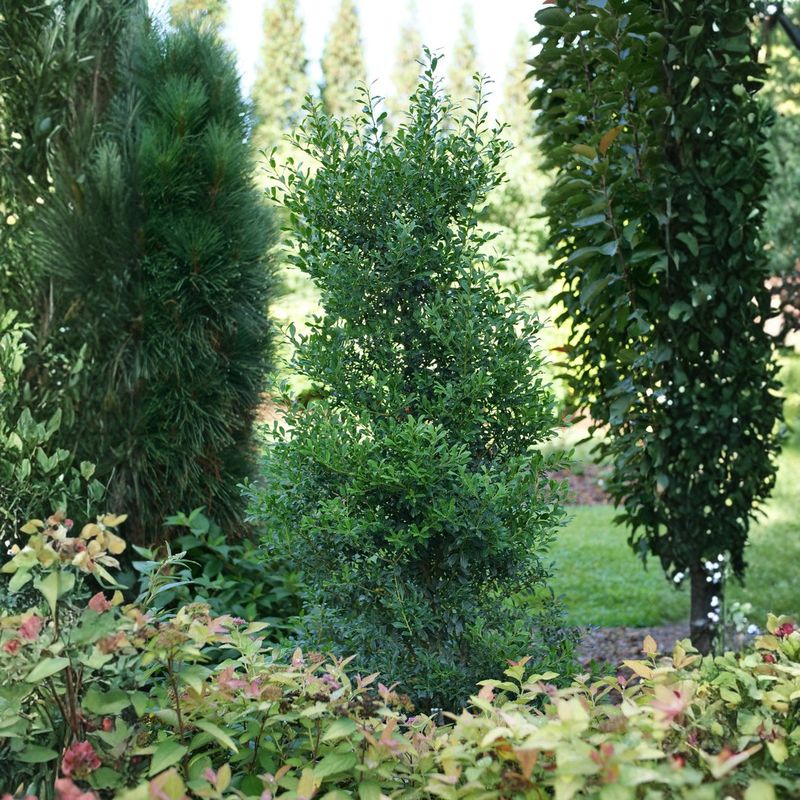
A single shrub rarely solves every problem, and that is fine. The smartest screens I have seen use a mix of natives working together.
Since compact inkberry stays fairly low, pair it with taller natives for real privacy. Eastern red cedar handles dry, sunny spots and grows tall, while American holly adds height and bright red berries.
Mountain laurel loves acidic soil like inkberry does, and its spring flowers are stunning. Keep in mind it does best in part shade with good drainage.
Mixing plants also spreads out risk. If one species runs into a pest or a bad winter, the whole screen does not fail at once.
Before you buy, skip invasive shrubs like burning bush and Japanese barberry. Both are regulated in New York, and native options do the same job better.
Start small if your budget is tight. A few inkberry plants along the front of an existing arborvitae row can soften those bare browsed trunks right away.
Over time, you can swap in more natives as older plants decline. You get a greener, more forgiving yard, and the birds get a better neighborhood too.