Why Texas Fig Trees Need Special Care Before Their First Winter
A fig tree can lose every branch above ground to a hard freeze and still push up fresh shoots from its roots by May. Nobody warned me about that trick, and it changed how I think about winter.
Believe it or not, the same tree that shrugs off a brutal Texas summer can stumble badly in its very first cold season. Young wood is thin, roots are shallow, and the plant has no stored reserves yet.
I used to assume a sapling would toughen up on its own. Then a single February freeze turned my brand-new tree into a row of brown sticks.
So what separates a sad, stubby trunk from a thriving tree loaded with sweet fruit next summer? The answer starts with a few simple moves you can make this fall.
1. Those Skinny First-Year Fig Branches Hide a Cold-Weather Weakness
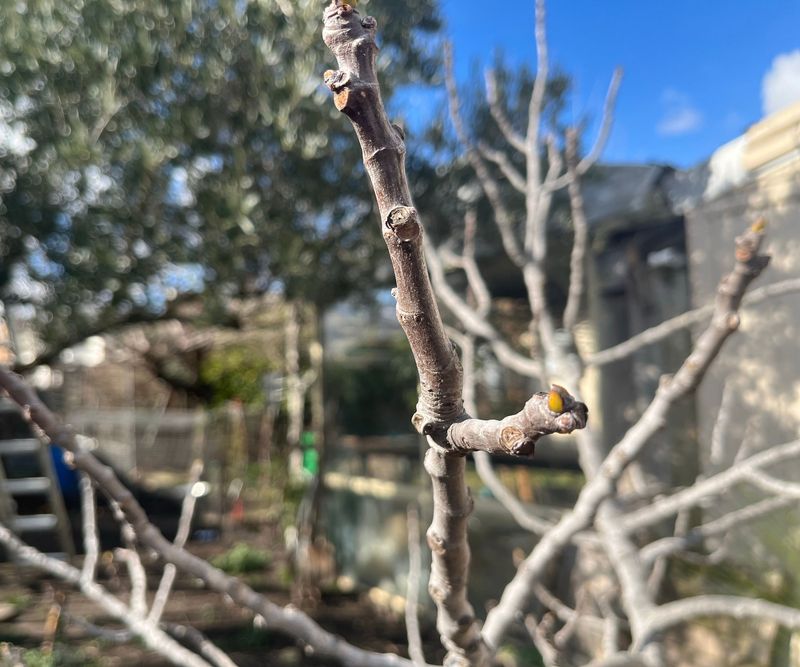
Grab a young fig branch and give it a gentle squeeze. You will notice it feels soft and a little green compared to the gray, sturdy limbs on an older tree.
That softness matters a lot. Young fig wood has not fully hardened, or lignified, so it holds more water and handles ice crystals poorly.
Texas A&M AgriLife notes that common figs can suffer serious damage when temperatures drop into the low teens or below, and young plants often struggle at even milder readings.
Roots tell a similar story. A tree planted this year has a small, shallow root system with very little stored energy to fall back on after a cold snap.
Mature figs have years of reserves tucked away in thick trunks and wide roots. A first-year plant is basically running on a tiny savings account.
Personally, I find this the most surprising part of growing figs here. A plant from the warm Mediterranean handles our 100-degree days with ease, yet one blue norther can set it back a full season.
Knowing this weakness helps you plan smart protection. The goal is simple: keep the roots safe and give that tender wood the best possible chance through its first winter.
2. A Thick Mulch Blanket Around the Fig Root Zone Comes First
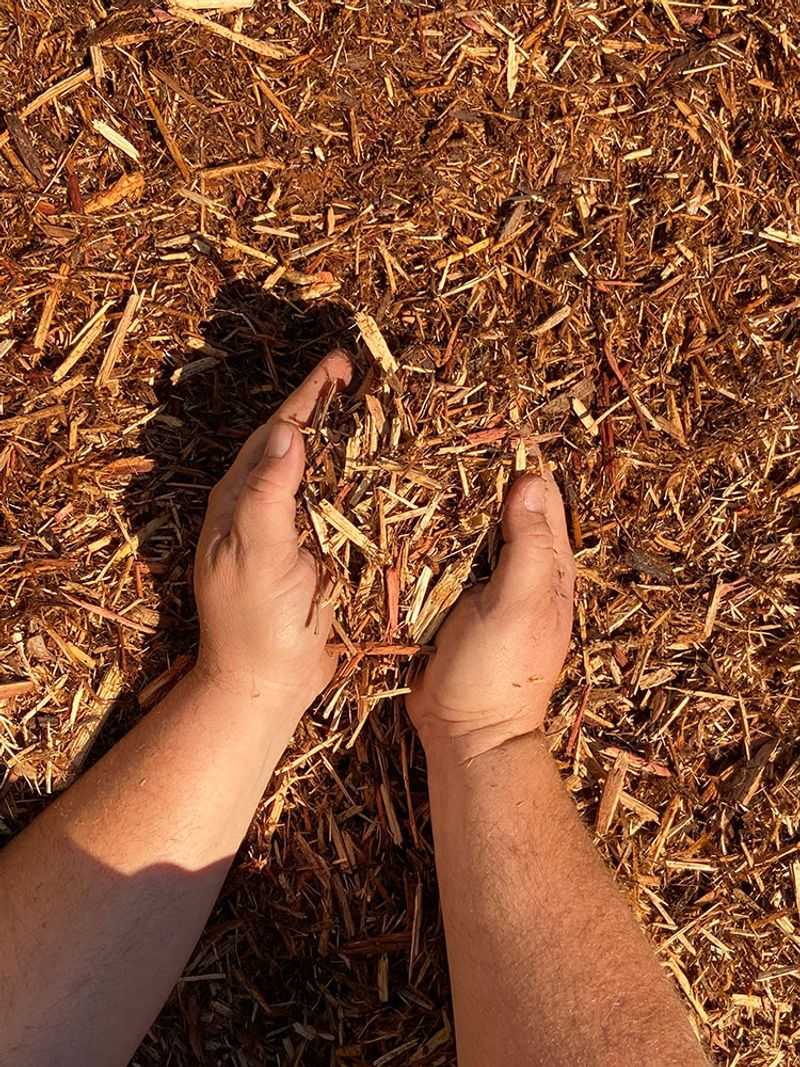
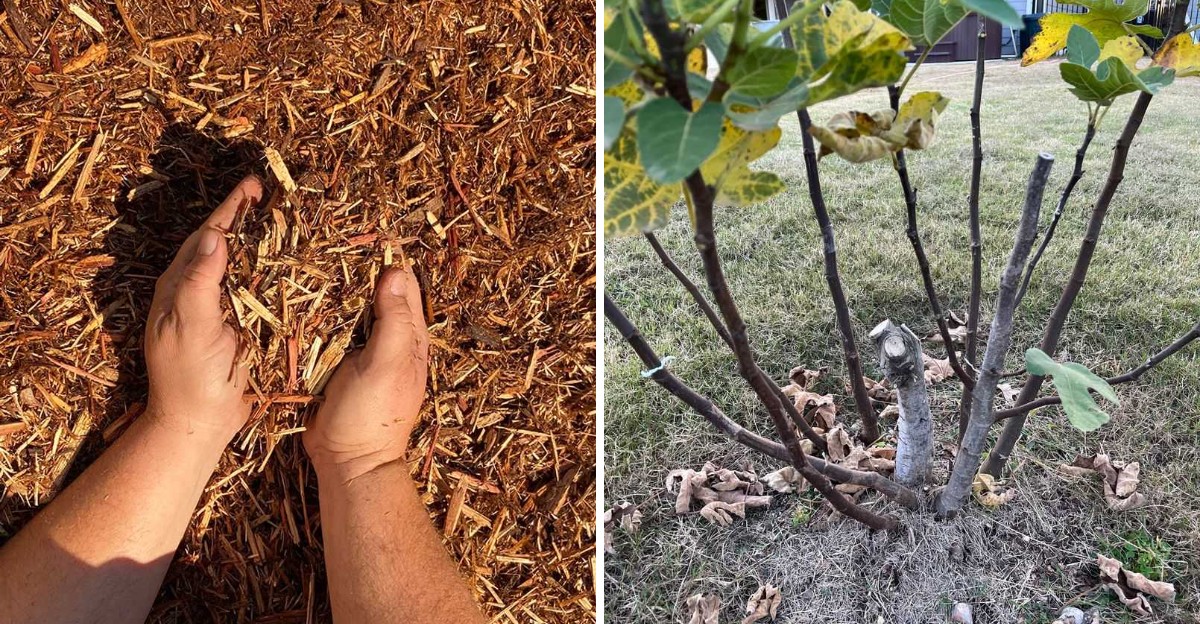
If you only do one thing this fall, mulch your fig. Roots are the insurance policy, because a fig with healthy roots can regrow even when the top takes a beating.
Spread 4 to 6 inches of organic mulch across the root zone, ideally out to the edge of the branches. Shredded hardwood, pine straw, wheat straw, or chopped leaves all work well.
Mulch acts like a cozy quilt for the soil. It slows heat loss on frosty nights and keeps soil temperatures steadier during those wild Texas swings from 75 degrees to 25 in a day.
Leave a gap of a few inches around the trunk itself. Mulch piled against bark holds moisture and invites rot, insects, and even rodents looking for a winter snack.
I like adding the mulch after the first light frost, once the soil has cooled a bit. Mulching too early in a warm fall can keep the ground cozy enough to delay dormancy.
Extra tip from my own beds: check the mulch layer in January. Wind and rain often thin it out, and a quick top-up takes five minutes.
3. Watering Your Fig Before a Freeze Actually Helps
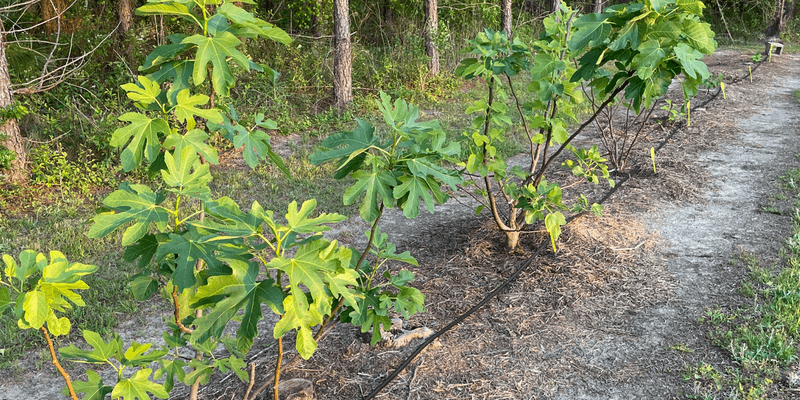
Sounds odd, right? Watering ahead of a cold front is one of the oldest tricks Texas gardeners use, and it works for a real reason.
Moist soil holds and releases heat better than dry soil. Dry roots also lose moisture fast in cold, windy weather, which adds stress on top of the chill.
Aim for soil that feels damp, not soggy, a day or two before a hard freeze arrives. A slow, deep soak at the base of the tree usually does the trick.
Fall watering needs a lighter hand overall, though. As days shorten, ease back on irrigation so the tree gets the signal to slow down and drop its leaves.
Skip fertilizer from late summer onward too. A dose of nitrogen in September can spark soft new shoots right when the tree should be toughening up.
Winter droughts are common across much of the state, especially in West and Central regions. If a month passes with no rain, give your dormant fig a deep drink on a mild afternoon.
Your finger is the best moisture meter. Poke it two inches into the soil and let that guide you.
4. Wrap Bare Fig Branches in Burlap, Not Plastic
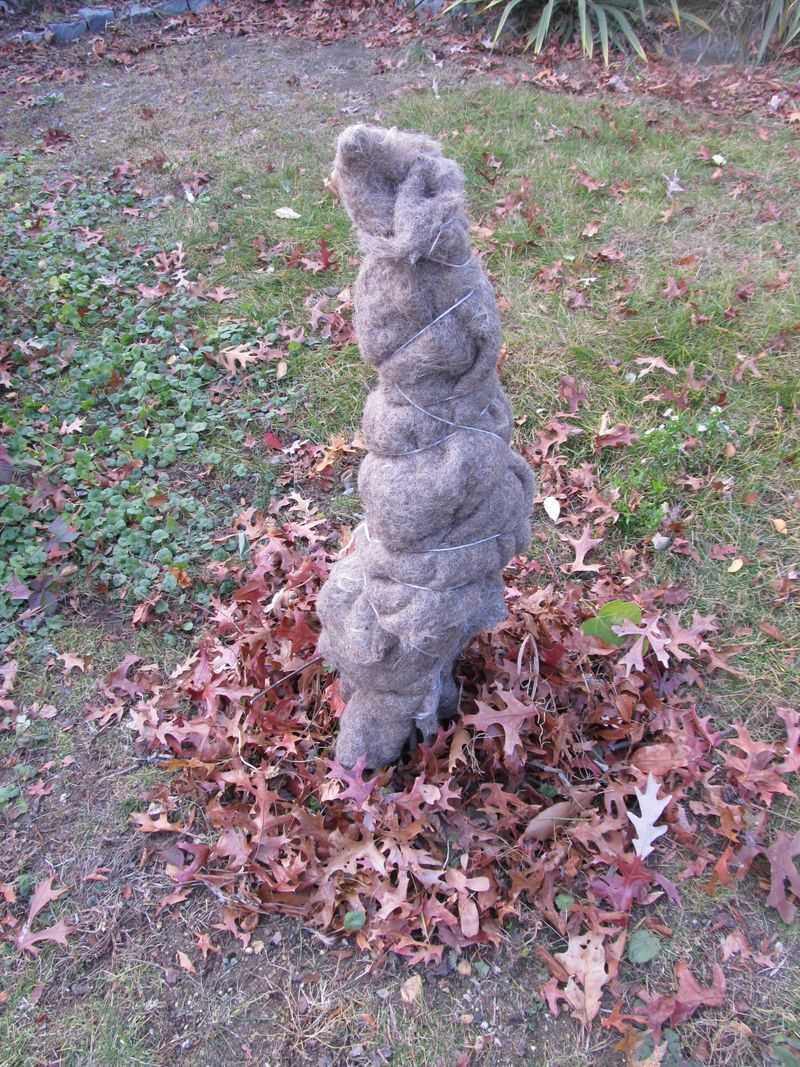
Once the leaves fall, a little fabric goes a long way. Frost cloth, burlap, or an old bedsheet can shield thin branches from biting wind and frost.
Drape the cover all the way to the ground and weigh down the edges with bricks or soil. Heat rises from the earth at night, and a ground-level seal traps it around the tree.
For extra-cold forecasts, try a cage. Circle the fig with chicken wire or a tomato cage, then stuff the space with dry leaves or straw for fluffy, air-filled insulation.
Plastic sheeting is the one material to skip against branches. It conducts cold right through, and on sunny days it can cook the tree underneath.
Some gardeners tuck a strand of old-fashioned incandescent holiday lights inside the cover for a bit of gentle warmth. Keep bulbs from touching fabric, and use outdoor-rated cords.
Small trees make this job easy. A three-foot fig is simple to bundle up, while a ten-footer is a weekend project.
Uncover on mild, sunny days so the tree can breathe. A covered fig left sealed for weeks may develop mold.
5. Timing Your Fig Cover-Up Matters More Than You Think
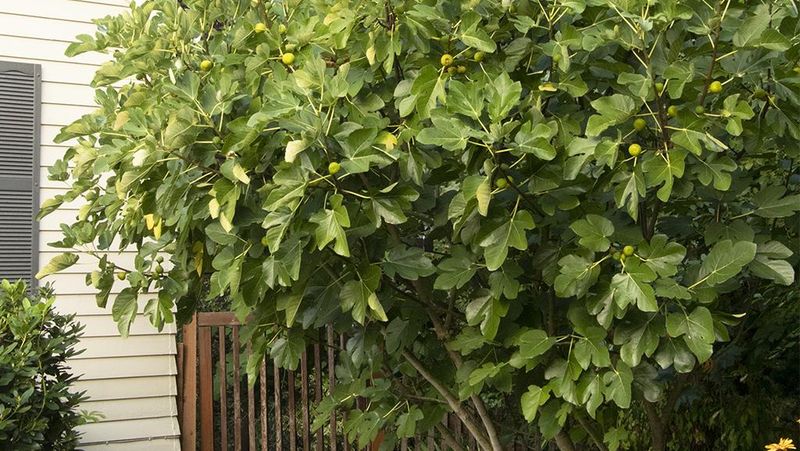
Watch the leaves. Your fig will tell you when it is ready for winter gear by turning yellow and dropping its foliage.
Dormancy is the fig’s natural cold armor. A tree that has shut down handles freezing temperatures far better than one still actively growing.
Rushing protection is a common slip. Wrapping a leafy fig during a warm November spell can trap heat and moisture, slow dormancy, and encourage fungus.
Timing shifts a lot across the state. Panhandle gardeners may see hard freezes by early November, while folks near Houston or the Rio Grande Valley sometimes wait until January for real cold.
Keep a weather app handy and pay attention to forecasts in the low 20s or below. Light frost rarely troubles a dormant fig, but a hard freeze deserves a cover.
The most dangerous moment often arrives in spring. A late freeze after new buds open can scorch tender leaves and set back the season.
Hold on to your covers until your area’s average last-frost date passes. Then remove them gradually over a week or so.
6. A Sunny South-Facing Wall Gives Fig Trees a Warm Edge
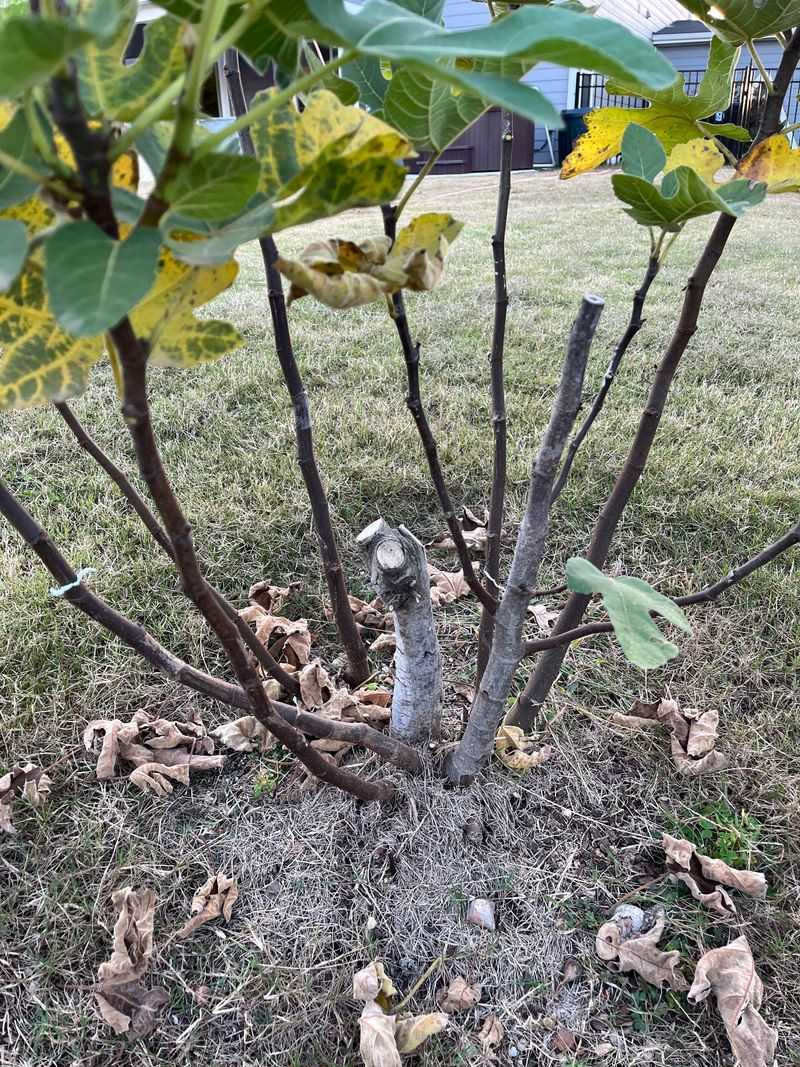
My favorite fig in town grows against an old brick wall, and it is no accident. Walls soak up sun all day and release warmth back out after dark.
Planting on the south or east side of a house, fence, or garage creates a cozy microclimate. That spot can run a few degrees warmer than an open yard on a cold night.
Wind protection matters too. Those dry northern fronts that sweep across the plains pull moisture and heat from bare branches fast.
Good drainage is part of a great location. Figs dislike soggy roots, and cold, wet soil in winter adds stress to a young plant.
Low spots in the yard deserve a second look. Cold air sinks and settles in dips, so a fig planted at the bottom of a slope may sit in a frost pocket.
Already planted in a tough spot? A young fig can often be moved during dormancy while its roots are still small.
Choose carefully now and you will save yourself plenty of bundling chores in future winters.
7. Potted Fig Trees Get an Easy Pass Into the Garage
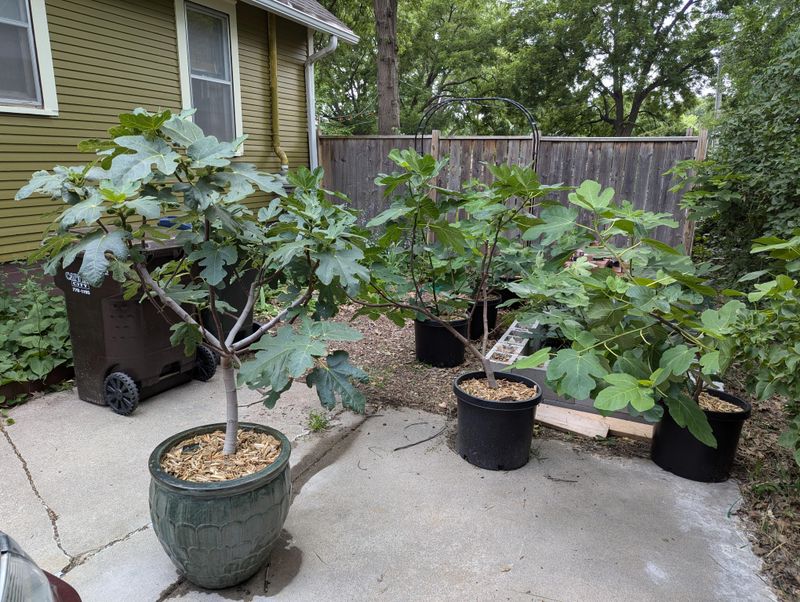
Container growers, you hold a secret advantage. A potted fig can simply roll indoors when the weather turns nasty.
Roots in pots are more exposed than roots in the ground. Cold air surrounds the container from every side, so pot-grown figs often need shelter sooner.
An unheated garage or shed is ideal. The tree stays dormant there, protected from hard freezes but cool enough to rest.
Avoid bringing it into a warm living room. Indoor heat can wake the fig up early, leading to weak, pale shoots that struggle later.
Darkness is fine while the tree is leafless. Water lightly about once a month, just enough to keep the soil from drying out.
A plant dolly with wheels makes moving heavy pots much easier on your back. I learned that one the hard way.
Fun fact: gardeners in chilly northern states grow figs this way for decades, storing them every winter. If it works in Michigan, it will work in Amarillo.
Once spring frosts pass, ease the fig back outside over a week so the new leaves adjust to sunshine.
8. Fresh Fig Shoots in Spring Prove the Effort Pays Off
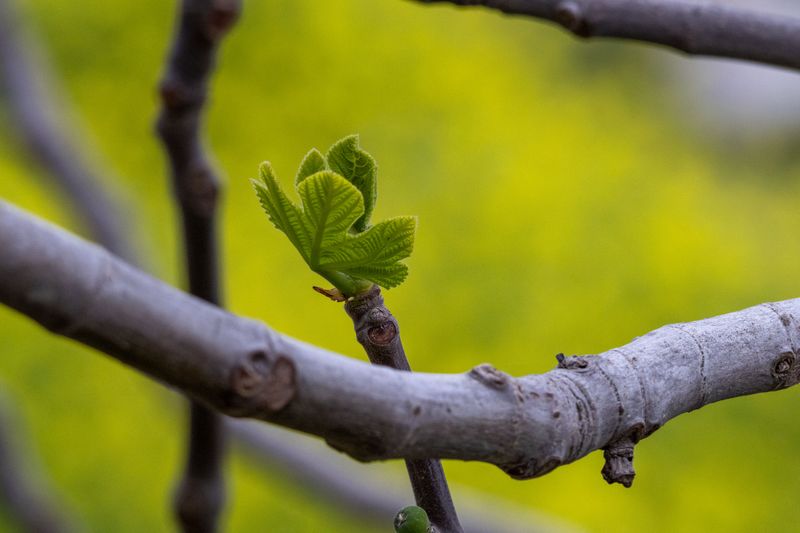
Even with great care, a rough winter might brown some branch tips. Hold off on panic and grab your pruners later rather than sooner.
Wait until new growth appears in spring before cutting anything. Scratch the bark with a fingernail, and green tissue underneath means that branch is still alive and well.
Trim only the brittle, brown sections back to healthy wood. Cutting too early can remove branches that would have leafed out just fine.
Figs are remarkably forgiving. Thanks to those protected roots, many bounce back from freeze damage with fresh shoots from the base.
Variety choice helps in future years too. Texas A&M AgriLife often recommends cold-tolerant types such as Celeste, Texas Everbearing, and Alma for much of the state.
Celeste, nicknamed the sugar fig, has a long Southern history. Its closed eye also helps keep out insects and rain.
Next fall, your tree will be bigger, tougher, and better stocked with energy. Each passing year usually means less fuss and more fruit.
I truly believe those first-winter efforts are the best gift you can give a fig, and summer will thank you sweetly.