Tree Of Heaven Virginia Homeowners Should Remove Now
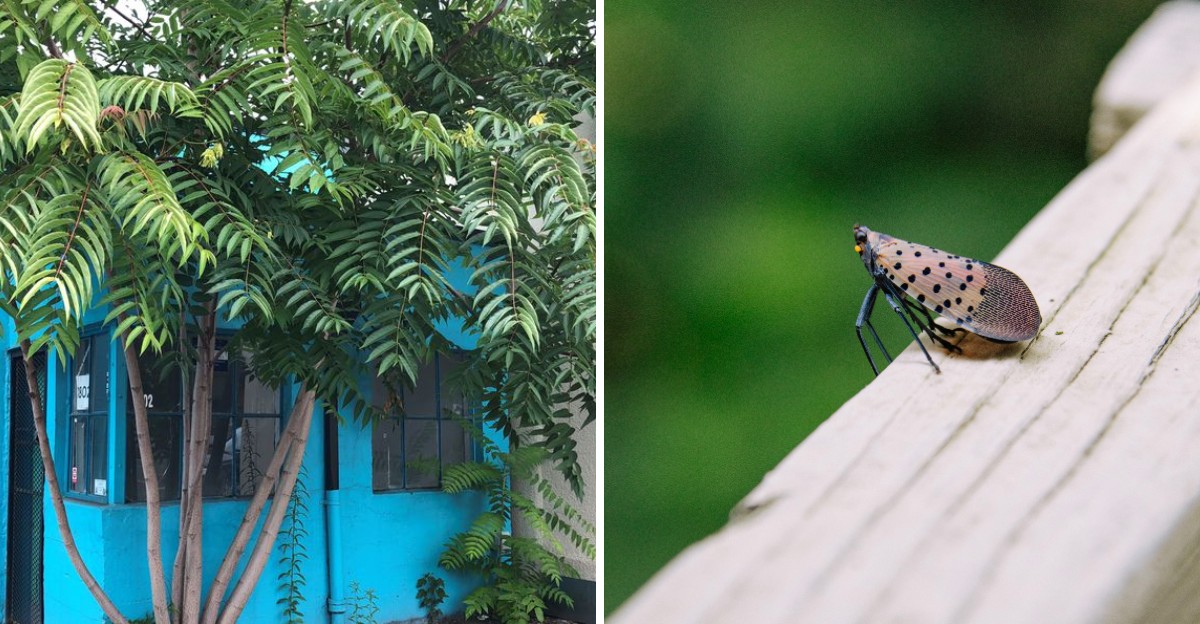
One fast-growing tree can send up new shoots as far as 50 feet from its trunk. Cut it down, and it often answers with dozens of fresh sprouts instead of one.
I learned this the hard way along my back fence in Virginia. A single skinny sapling turned into a thicket in two summers, and the crushed leaves smelled like rancid peanut butter.
You might notice these trees along Virginia roadsides, in alleys, or squeezed beside a garage. They grow in cracked pavement and poor soil with almost no help at all.
The roots and leaves also release a natural chemical that holds back nearby plants. On top of that, a hungry invasive insect treats this tree like its favorite diner.
Taking back your yard means beating a tree that fights back underground, and it can be done.
That Stinky Backyard Tree With a Heavenly Name Has a Secret
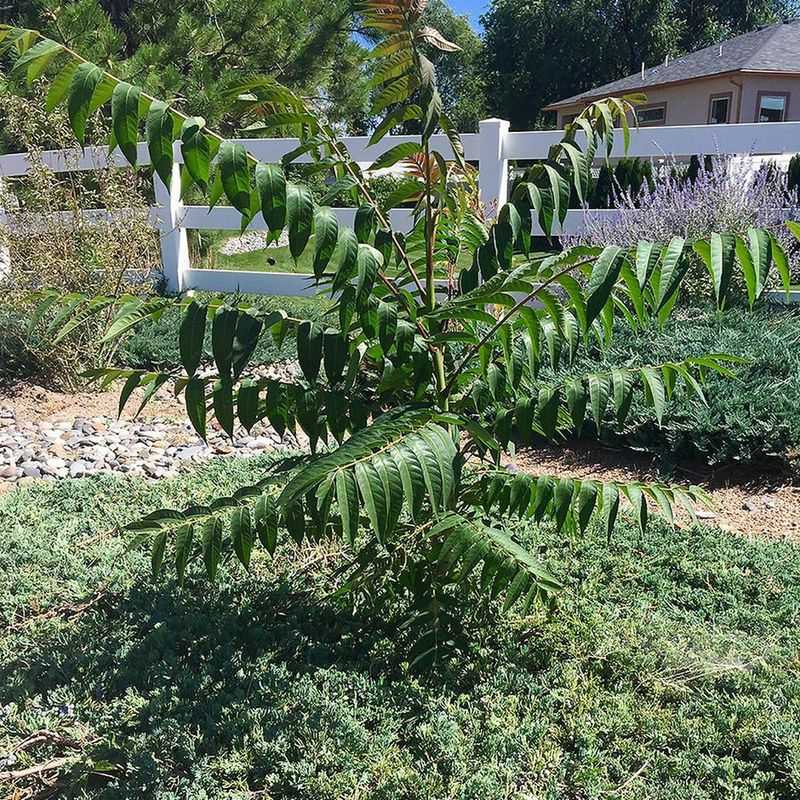
Gardeners have a funny nickname for this tree, and it is not a compliment. Many folks call Ailanthus altissima the stink tree, because crushed leaves and male flowers give off a smell some compare to rotten peanut butter.
Tree of heaven is native to China and Taiwan. It arrived in the United States in the late 1700s, first in Philadelphia, as an ornamental shade tree. People loved how fast it grew, which turned out to be the problem.
Today it shows up across Virginia, from city alleys in Richmond to fields in the Shenandoah Valley. The Virginia Department of Conservation and Recreation lists it as a highly invasive species.
It thrives in disturbed spots like roadsides, fence lines, and forest edges. A single female tree can produce hundreds of thousands of winged seeds in a year.
Those seeds drift on the wind and sprout wherever they land. Meanwhile, the roots send up new shoots that quietly build a dense grove.
So that leafy tree near your shed may look harmless. In truth, it is spreading, crowding, and preparing to take more ground every season. Knowing what you have is the first real step toward getting your yard back.
Spotted Lanternflies Love Feeding on Tree of Heaven
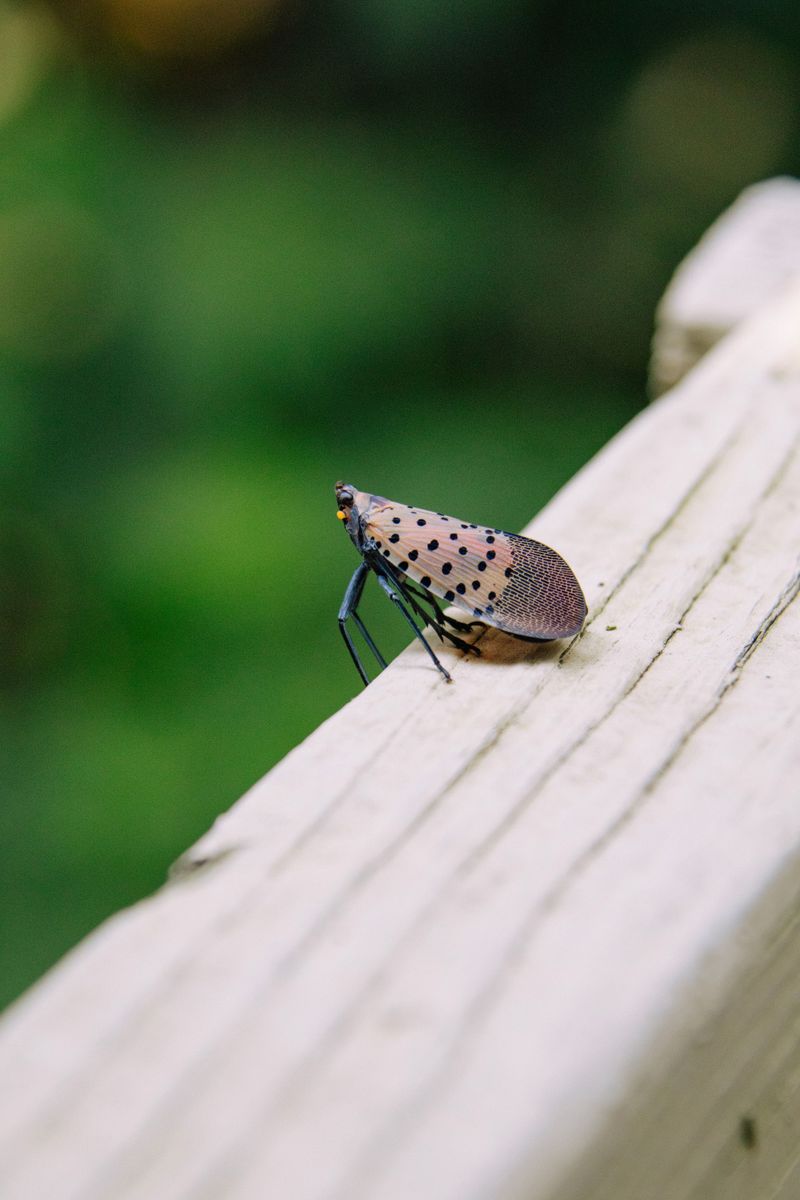
Spotted lanternflies are the biggest reason Virginia experts urge action. This planthopper from Asia strongly prefers tree of heaven as its main host, especially as it matures into an adult.
The pest was first found in Virginia in Frederick County in 2018. Since then, it has spread to many counties and cities across the state.
Virginia Cooperative Extension notes that grapevines are among the hardest-hit crops, which matters a lot for local vineyards.
Lanternflies suck sap from plants and leave behind sticky honeydew. That sugary goo grows black sooty mold on patios, cars, and plants below. Nobody wants a sticky deck all summer.
Removing tree of heaven helps reduce food and gathering spots for these insects. Some land managers leave one or two male trees as trap trees, treated with a systemic insecticide by trained professionals.
For most homeowners, though, removal is the simpler goal. If you see a lanternfly, squash it and report it if your area asks for reports. Check the Virginia Department of Agriculture and Consumer Services website for current quarantine rules.
Some regions require permits for moving certain items, like firewood or outdoor equipment, out of affected zones.
Chopping Down Ailanthus Usually Makes the Thicket Worse
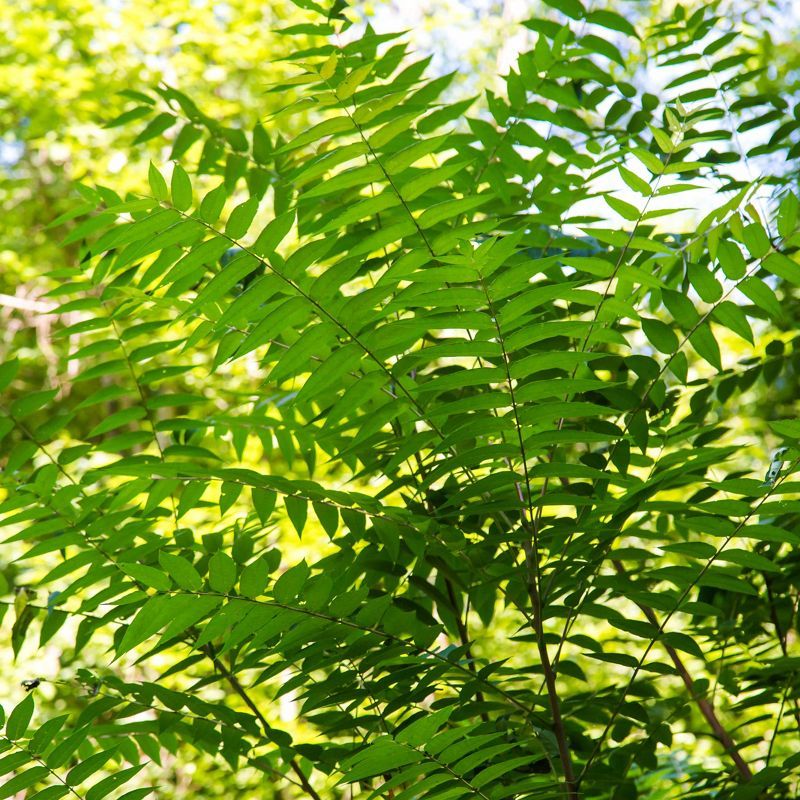
Grabbing a chainsaw feels satisfying. Sadly, with tree of heaven, that move often backfires in a big way.
When you cut the trunk, the tree responds by pushing up new sprouts from the stump and spreading roots. Extension specialists at Penn State describe this as a stress response that can turn one tree into a cluster of many.
Those sprouts can grow several feet in a single season. The better plan is to treat the standing tree with a systemic herbicide first. That product travels down into the roots, where the real trouble lives.
Penn State Extension recommends waiting at least 30 days after treatment before cutting the tree down.
Small seedlings are a different story. If a sprout is only a few inches tall, you can often pull it by hand after a soaking rain. Grip low and ease out the whole root, since leftover pieces may regrow.
Mowing a patch over and over can slow it down, but it rarely solves things alone. Think of the roots as a bank account the tree keeps drawing from. Your job is to drain that account, not just trim the branches above it.
Late Summer Into Fall Is When Herbicide Reaches the Roots
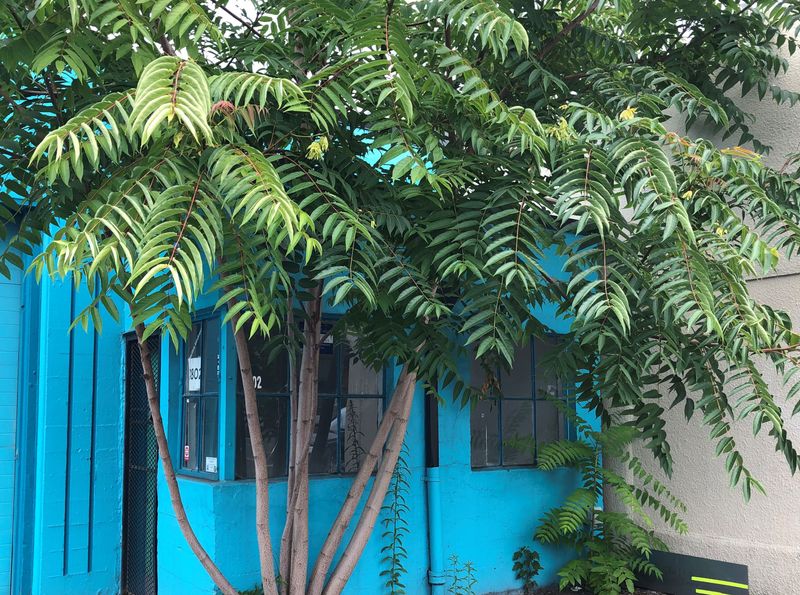
Timing can make or break your effort. In late summer and early fall, tree of heaven moves sugars from its leaves down to its roots for storage.
That flow carries systemic herbicide along for the ride. Many extension guides suggest treating from about mid-July until the leaves start changing color in fall. In Virginia, that window often stretches into early October, depending on your region.
Spring treatments are not useless, but they often only hurt the top growth. The roots stay strong and send up new shoots later. Treat in the right season, and you hit the whole system.
Winter has its own uses. Once leaves drop, you can study your yard and map where the trees and sprouts grow.
Basal bark treatments are also labeled for use during the dormant season with some products.
Mark your calendar now for next July. Walk your property in late spring to note every sprout, then plan your treatments for summer.
A little planning makes the work feel far less overwhelming. Trees already treated last fall can usually be cut once the herbicide has had time to work.
Hack-and-Squirt and Basal Bark Methods Work on Bigger Trunks
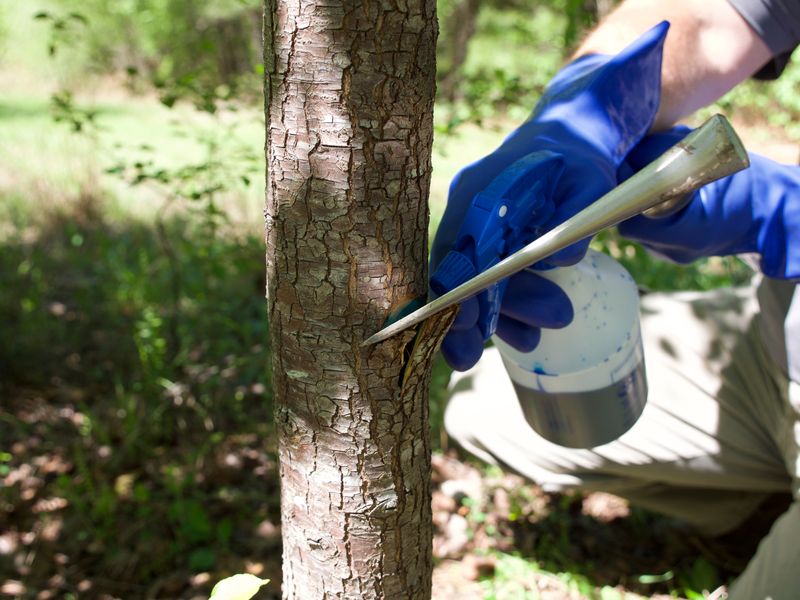
Bigger trees call for smarter tools. Two methods stand out in extension guides for trunks too large to pull.
The hack-and-squirt method uses a hatchet to make downward angled cuts around the trunk. You then apply herbicide into each fresh cut right away. Leave a strip of uncut bark between hacks so the tree keeps moving fluid toward its roots.
Basal bark treatment works well on stems under about six inches across. You spray an oil-based herbicide mix on the lower 12 to 18 inches of bark, all the way around. No cutting is needed, which is handy near fences or sheds.
Foliar spraying suits small trees or dense young patches you can reach without hitting your favorite shrubs. Common active ingredients include glyphosate and triclopyr, and some guides also mention imazapyr.
Follow the label exactly, because the label is the law. Wear gloves, long sleeves, and eye protection. Sap from this tree can irritate skin for some people.
For very large trees near your house or power lines, hire a certified arborist or licensed applicator. Paying a pro can save you a headache and a damaged roof.
Those Little Leaf Bumps Help You Tell It From Sumac and Walnut
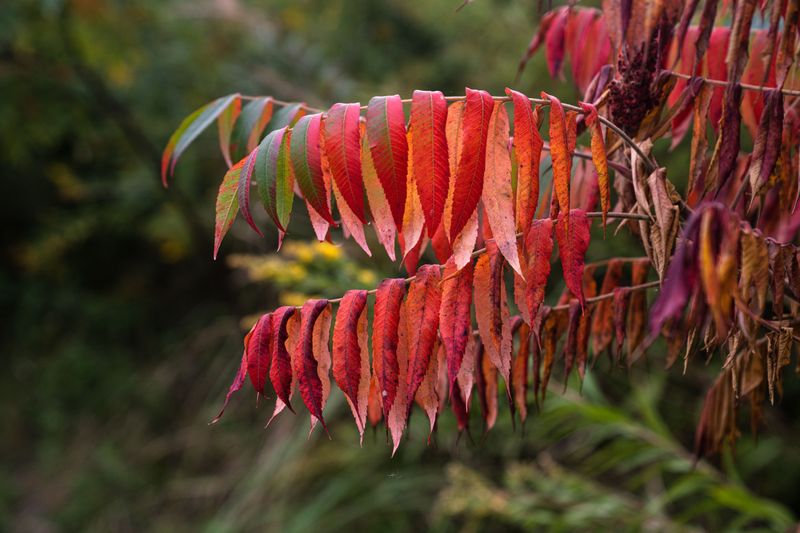
Lots of good trees get pulled by mistake. Tree of heaven has native lookalikes, so a quick check keeps you from removing a friend.
Start with the leaves. They are long and compound, often one to three feet, with many leaflets.
Each leaflet has mostly smooth edges, plus one to a few small bumps near the base called glands.
Staghorn and smooth sumac have toothy edges all the way along. Black walnut leaflets are finely toothed too, and walnut makes round green nuts.
Crush an Ailanthus leaf, and that famous funky smell usually settles it. Bark gives clues as well. Young trunks look smooth and gray, sometimes with pale streaks. Older trees develop light lines that some people say look like cantaloupe skin.
Females grow big clusters of papery winged seeds, called samaras. They turn from green to yellow, orange, or reddish in late summer and hang on into winter. Males have no seeds but produce the strongest flower odor in early summer.
Snap a few clear photos and compare them with Virginia Cooperative Extension guides. Your local extension office can help confirm a tricky ID.
Root Suckers Will Keep Popping Up for a Few Seasons
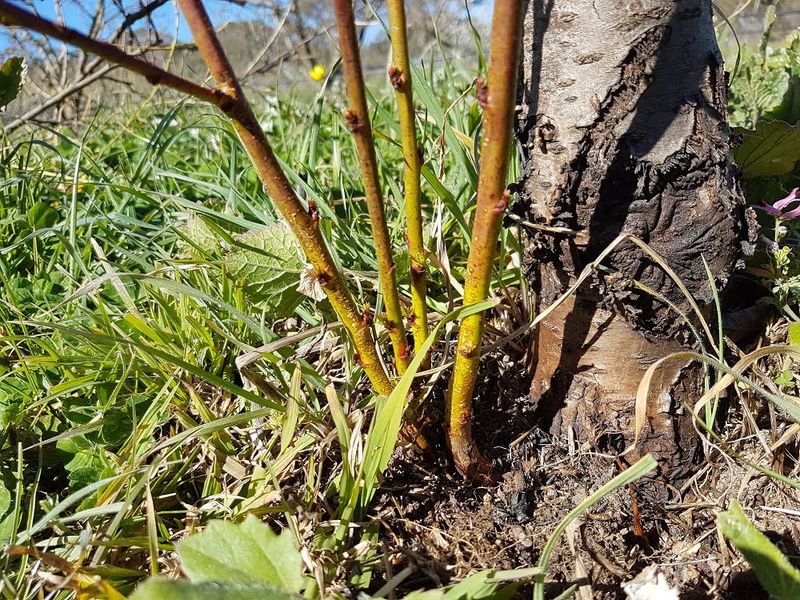
Patience is the secret weapon here. Even after a solid treatment, you will likely see stray sprouts for a while.
Tree of heaven roots can spread widely, and new shoots may appear far from the original trunk. Many extension resources say control often takes two or more years of follow-up.
That is normal, not a sign you failed. Walk your yard each spring and again in midsummer. Look along fences, under shrubs, and at the edges of beds.
Young suckers are easy to spot because they grow fast and have those long, feathery leaves.
Treat small sprouts during the right season with a careful foliar spray or pull tiny ones by hand. Keep a simple notebook or phone notes with dates and locations. Over time you will see fewer sprouts each year.
Talk to your neighbors too. A big seed-producing tree next door can reseed your yard every fall.
Sharing what you learned might turn one cleanup project into a whole street effort, and that works far better than going solo.
Redbuds and Persimmons Can Fill That Empty Spot Beautifully
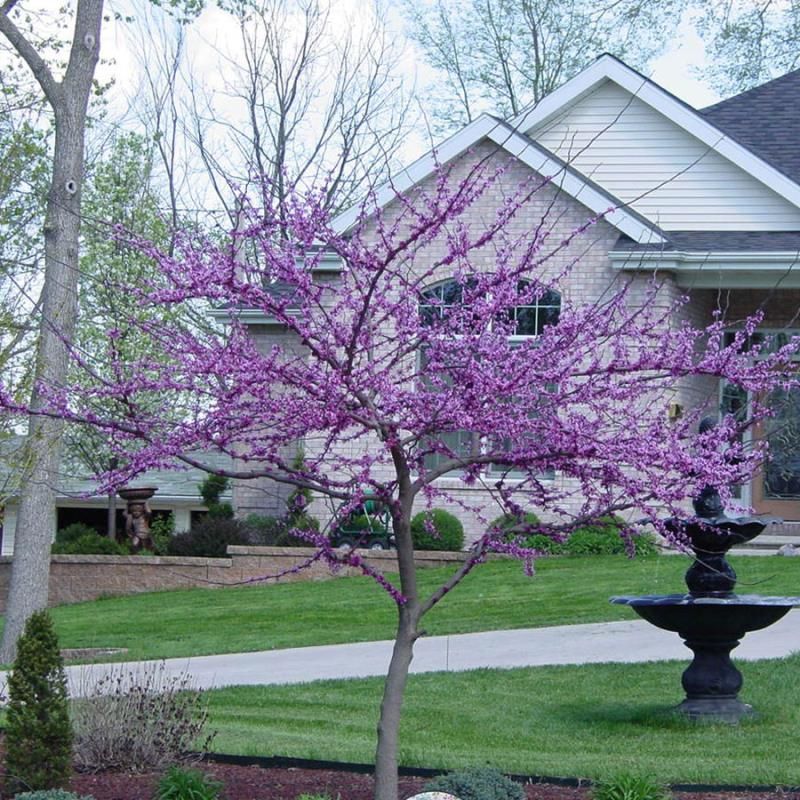
Bare ground is an open invitation for weeds. Once the tree of heaven is gone, fill that space with plants that belong in Virginia.
Eastern redbud brings bright pink blooms in early spring and heart-shaped leaves after. Common persimmon offers chunky bark and sweet fall fruit that wildlife love. Winged sumac, a native relative of the lookalikes, puts on fiery red fall color.
Other strong choices include serviceberry, flowering dogwood, and black gum. Match your pick to your sun, soil, and space. Plant Virginia Natively, a regional campaign, has free guides for different parts of the state.
Allelopathic chemicals from the old tree can linger in soil for a time. Many gardeners wait a season, add compost, or start with tough native grasses and perennials first. Mulch helps hold moisture and block fresh seedlings.
Fall is often a great planting season in Virginia, since cooler air and warm soil help roots settle in. Water new plants well through their first year.
In a few seasons, that troublemaker spot can become a bird-friendly corner you actually enjoy.