Can You Make Your Virginia Neighbor Cut A Tree That Blocks Your View
Virginia law gives you no automatic right to a pretty view. Not the mountains, not the bay, not even that sunset you bought the house for.
I learned this after a friend’s ridge view slowly disappeared behind a neighbor’s fast-growing pines. She was sure a statute had her back. It did not, and Virginia courts mostly side with the person who planted the tree.
Trees still spark real fights, though. Roots crack patios, limbs hang over roofs, and a leaning trunk can keep you awake during storms. You might notice the rules change fast once actual damage enters the picture.
So who gets to grab the pruning saw, and how far can they reach? The answer depends on a property line you cannot see, a few local rules, and one famous court case. Know which side of that line you stand on before you pick up the saw.
A Towering Backyard Oak Usually Wins the View Fight
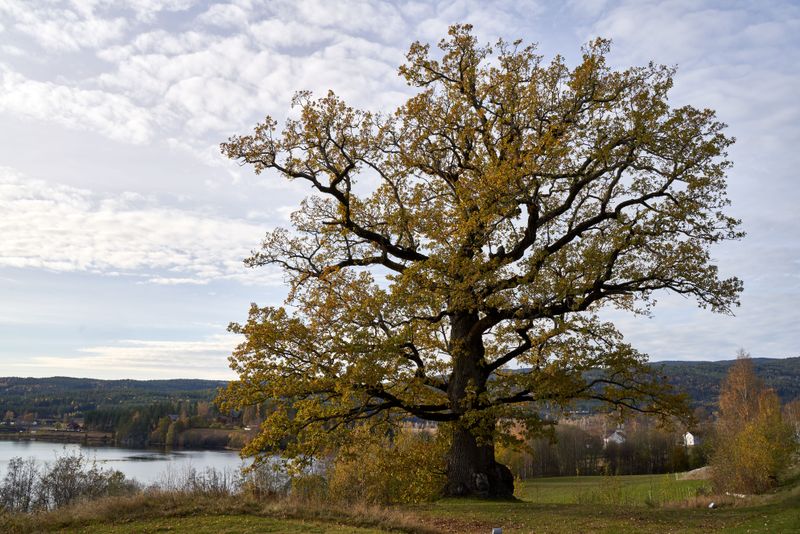
Ask most homeowners and they will swear a view comes with the deed. It usually does not. Courts in Virginia follow the old common law rule that you have no built-in right to light, air, or scenery from your neighbor’s land.
That means a neighbor can let an oak, pine, or maple grow as tall as it wants on their side. Blocking your mountain view, shading your tomato bed, or hiding the lake is not enough to make them cut it.
Judges generally treat those things as part of living near trees. I find this frustrating too, especially when a view adds real value to a home. Still, the logic makes sense.
Your neighbor paid for their land, and growing trees on it is a normal, lawful use. There are a few exceptions, and they matter. A recorded view easement, a deed restriction, an HOA rule, or a tree that causes actual physical harm can shift the balance.
Without one of those, your best tools in Virginia are trimming what crosses your line and asking nicely.
So before you call a lawyer, pull out your deed and closing papers. That stack of paperwork may hold your only real leverage.
Trimming Overhanging Branches Stops Right at the Property Line
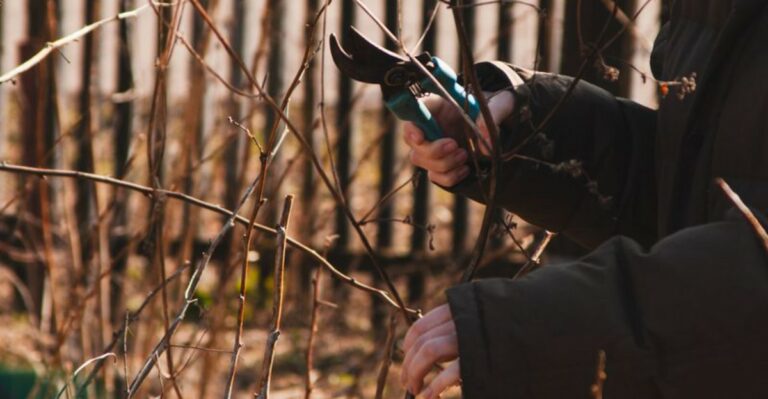
Virginia lets you play tree barber, within limits. Branches and roots that cross onto your property can be cut back to the boundary line, at your own cost, without asking permission first.
Lawyers call this self-help, and the state Supreme Court confirmed it in a 2007 case. The catch is that you only get your side. You cannot step onto the neighbor’s yard, lean a ladder against their trunk, or top the tree from above their land.
If the view problem comes from the part of the tree growing on their property, self-help will not fix it.
Smart trimming also protects the tree. Arborists follow ANSI A300 pruning standards, cutting just outside the branch collar instead of leaving ugly stubs. Removing too much canopy at once can stress a tree and invite decay.
A few practical moves help a lot. Get a survey or find your property pins so you know where the line actually sits. Tell your neighbor before work starts, even though permission is not required.
Hire an insured, ISA-certified arborist for anything above shoulder height. Late winter is a great time for most pruning, since leaves are off and you can see the branch structure clearly.
Tree Roots Cracking Your Foundation Change Everything
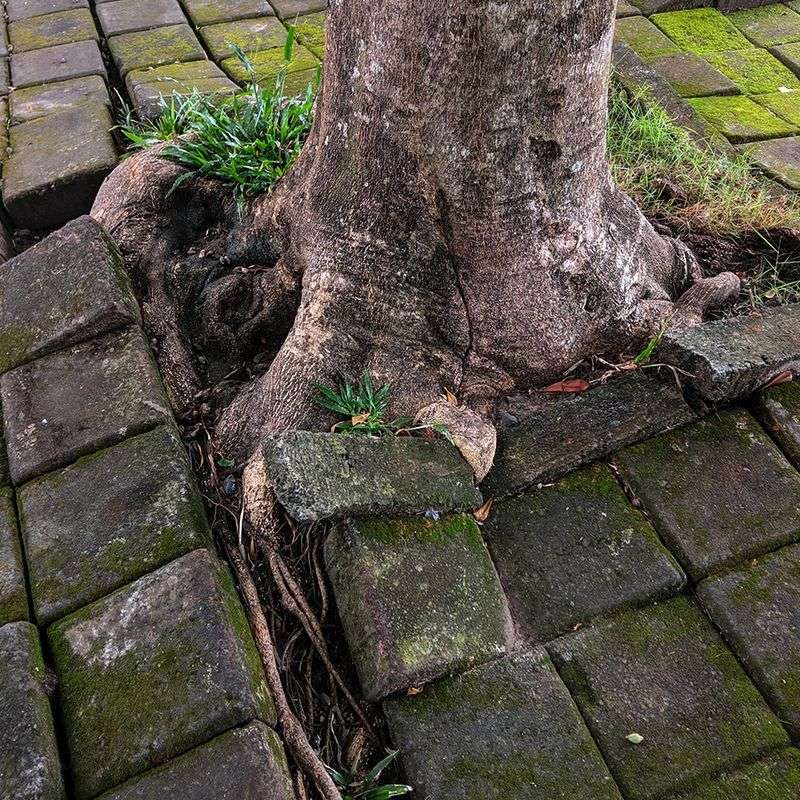
A Fairfax County homeowner once watched a neighbor’s sweet gum push its roots into his retaining wall, foundation, and pipes. That dispute, Fancher v. Fagella, reached the Supreme Court of Virginia in 2007 and rewrote the rules.
The court said encroaching trees can be a nuisance when they cause actual harm or pose an imminent danger of actual harm.
Notice what counts as harm. Cracked walls, lifted pavers, clogged sewer lines, and limbs scraping a roof all count as real damage.
Shade, falling leaves, sticky sap, and a blocked sunset generally do not amount to actual harm.
Once actual harm shows up, you can ask a court for an injunction that orders the owner to prune or remove the tree. You may also seek money for repairs. The judge still weighs the details, so nothing is automatic.
Documentation wins these disputes. Take dated photos of cracks and roots, save plumber invoices, and get a written arborist report linking the damage to that specific tree.
I like keeping a simple folder for this. Months later, those receipts and photos tell the story far better than memory, and they show you took the problem seriously from the start.
That Chainsaw Could Cost You Triple the Tree’s Value
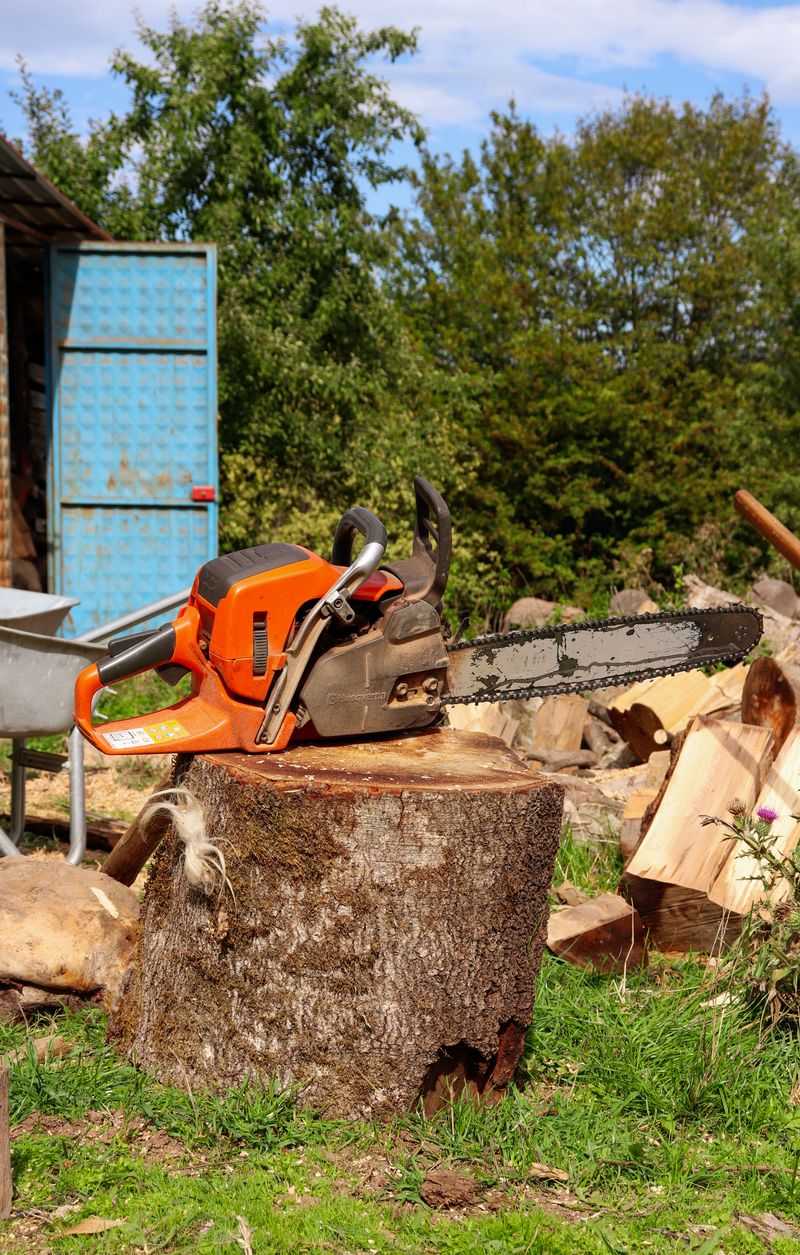
One overenthusiastic afternoon with a pole saw can turn expensive fast. Cutting past your property line, or pruning so hard that the neighbor’s tree declines and has to come down, opens the door to a lawsuit.
State law allows the tree owner to recover three times the value of timber cut from their land without permission.
Appraisers may value a mature shade tree differently than firewood. Appraisers sometimes use replacement cost methods for mature trees, and a big healthy oak can be worth thousands of dollars.
Triple that, add repair and legal bills, and the view suddenly looks very pricey. Topping is the classic mistake. Lopping the crown flat to open a view leaves big wounds, weak regrowth, and a tree more likely to fail in storms.
Extension arborists warn against it for good reason. A few rules keep you safe. Stay on your side of the line with every single cut. Avoid removing more than about a quarter of the living canopy in one season.
Skip cutting large structural roots near the trunk, since that can weaken the whole tree. When in doubt, pause and call a certified arborist. A short consultation costs far less than a court date.
HOA Covenants and Deed Restrictions Might Cap Tree Height
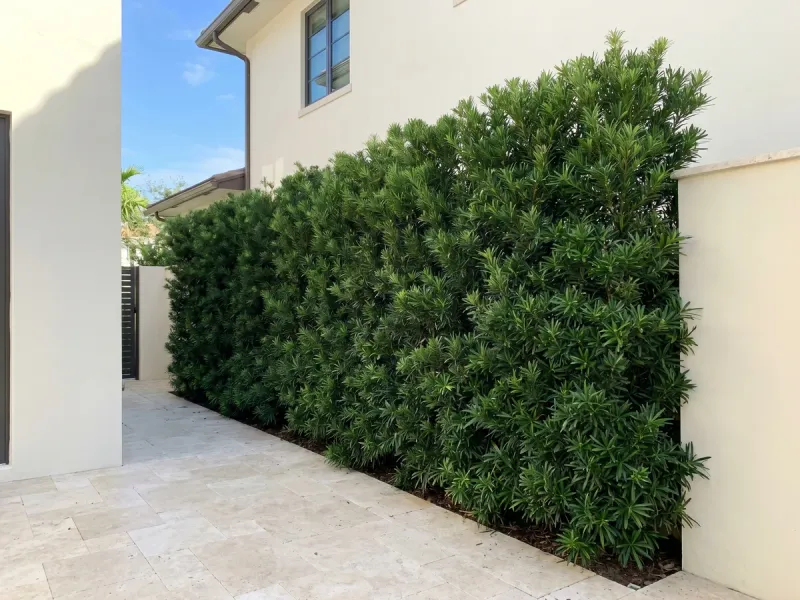
Your strongest card might be hiding in a thick binder from closing day. Homeowners associations often have covenants, conditions, and restrictions that limit tree height, require approval before planting, or protect shared views.
Some older neighborhoods also have deed restrictions recorded with the county. Those private rules can do what state law will not. If a covenant caps hedges at eight feet or protects water views, the HOA board may enforce it with notices and fines.
In some cases, owners can sue each other directly to enforce the restriction. A view easement is another possibility. It is a written agreement, usually recorded in land records, that bars building or planting above a certain height.
They are rare, but they do show up on waterfront and hillside lots. Local rules deserve a quick check too.
Many counties and cities have tree conservation or replacement ordinances, but those mostly protect trees during development rather than protect your view.
Broad view ordinances that force neighbors to trim are uncommon here, so ask your local zoning office before counting on one.
Read the fine print slowly. One sentence about plant height could settle the whole argument.
A Leaning, Hollow Tree Trunk Is a Different Story
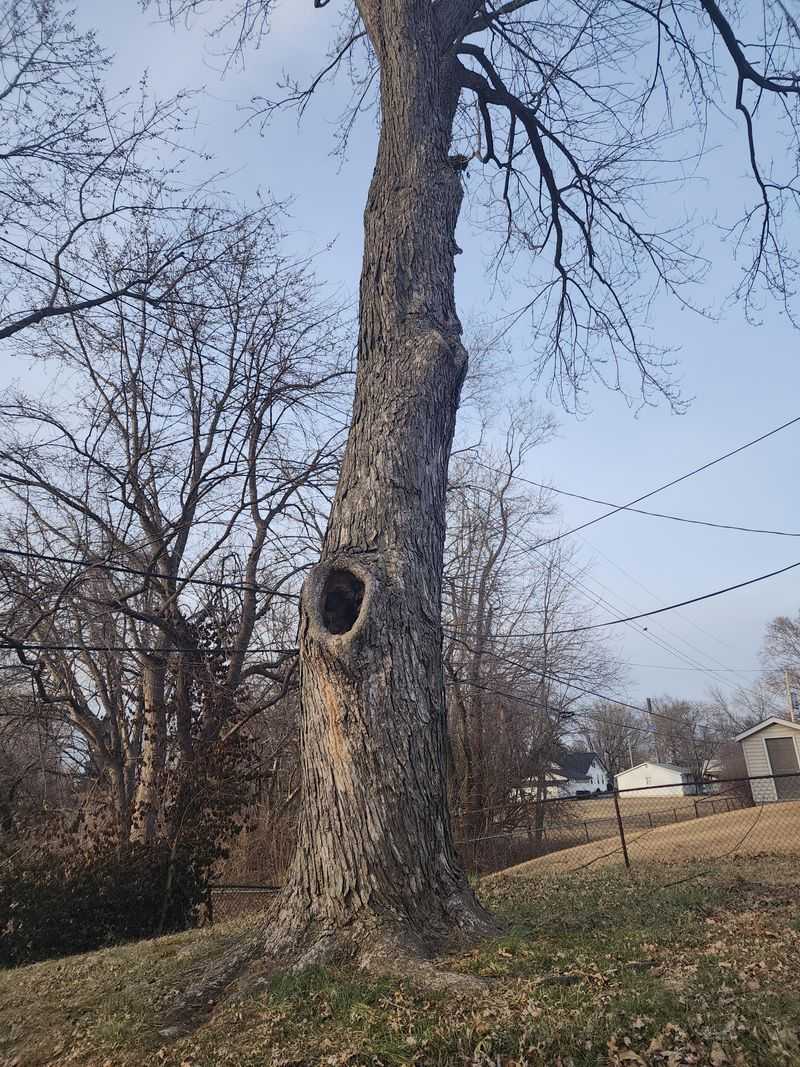
A tall tulip poplar with a deep crack, mushrooms at the base, or a sudden lean is no longer just a view problem. It may be a hazard, and hazards bring different rules.
Under the 2007 court ruling, an imminent danger of actual harm can support a nuisance claim.
Storm timing matters here. If a healthy tree falls in a hurricane or ice storm, insurers and courts usually treat it as an act of nature.
Your own homeowners policy typically covers damage to your house, whoever owns the tree.
Things shift when the owner knew, or should have known, the tree was failing. Written notice helps establish that.
A polite letter with photos and an arborist’s hazard assessment puts the neighbor on record.
Watch for warning signs like large hollow cavities, peeling bark with no new growth, or bare branches in midsummer. Soil heaving on one side of the trunk is another red flag.
Fungal conks or mushrooms near the root flare often point to internal decay. Once you spot trouble, act sooner rather than later. Sharing the arborist report gives everyone a fair chance to fix things before the next big wind rolls through.
A Friendly Chat Over the Backyard Fence Is Better Than a Courtroom
Most tree fights start with a misunderstanding, not malice. Plenty of folks honestly have no idea their maple now hides your sunset. A calm knock on the door fixes more of these than any lawyer ever could.
Bring something to offer. You might propose splitting the cost of a professional crown thinning, which lets light and sightlines through without hurting the tree. Many neighbors happily agree when they are not stuck with the whole bill.
Crown raising is another gentle compromise. Removing a few lower limbs can open up a view of the water or hills while keeping the tree healthy and the shade intact.
If talking stalls, try mediation before court. Virginia has community mediation centers around the state, and many offer low-cost or free sessions for neighbor disputes. A trained mediator keeps the conversation on solutions instead of old grudges.
Keep a written record either way. Follow up each chat with a short, friendly email summarizing what you agreed on.
If things ever escalate, that paper trail shows a judge you acted in good faith. Keeping the peace has value of its own, too. You will likely share that fence line for years.
Planting a Small Native Redbud Now Protects Views Later
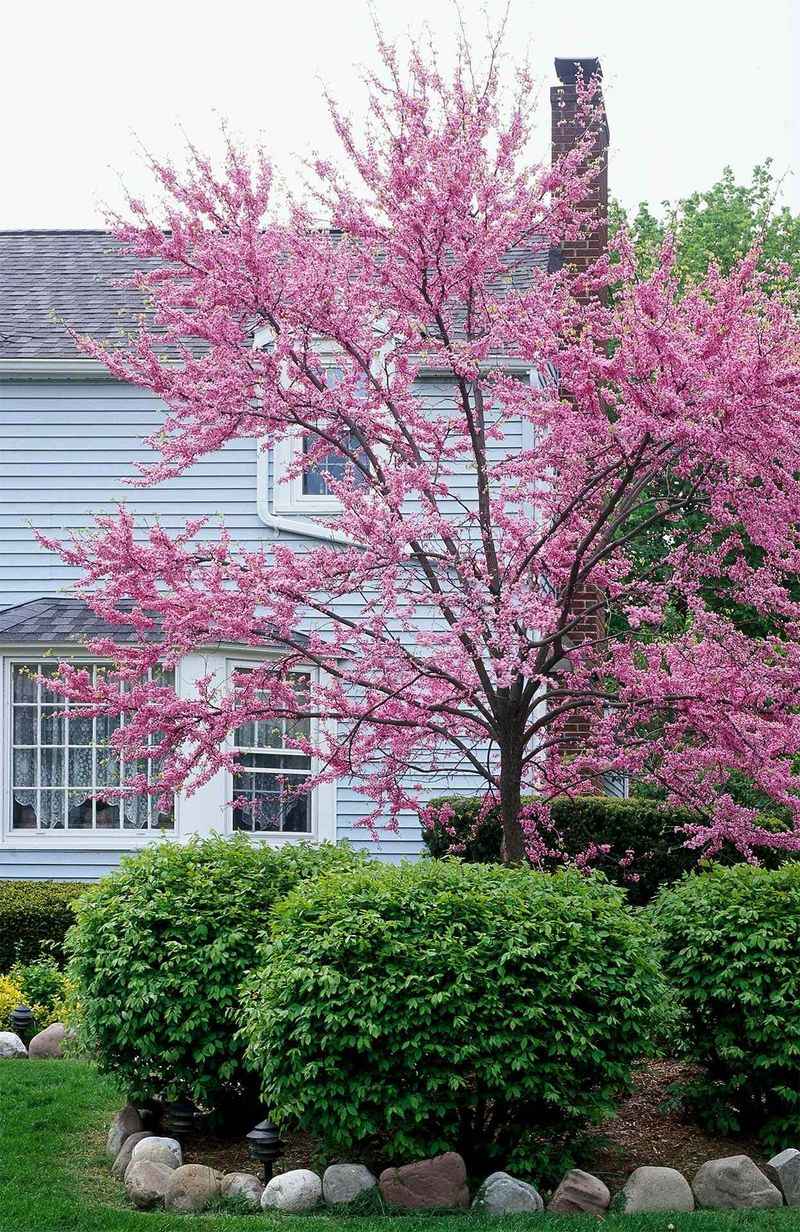
The neighbor’s pine that blocks your view today was a cute little seedling once. Smart planting now keeps you from becoming the neighbor with the problem tree later.
Check mature size before buying anything. Native small trees like eastern redbud, flowering dogwood, and serviceberry usually top out between 15 and 30 feet, so they frame a view instead of swallowing it.
Fringetree and American hornbeam are other well-behaved choices. Spacing matters just as much. Plant large shade trees far enough from the property line that their mature canopy stays mostly on your side.
Keep big species well away from foundations, septic fields, and sewer lines. Skip Bradford pear and tree of heaven, which the state Department of Conservation and Recreation lists as invasive. They spread fast and cause headaches for everyone nearby.
Fall is a prime planting season across most of the state, since cool air and warm soil help roots settle in. Spring works too if you keep up with watering.
The big takeaway is simple. You rarely can force a neighbor to remove a tree for a view, but you can trim your side, protect your property, and plant wisely for the future.