The Best Plants For Rooms Without Windows In Virginia Homes
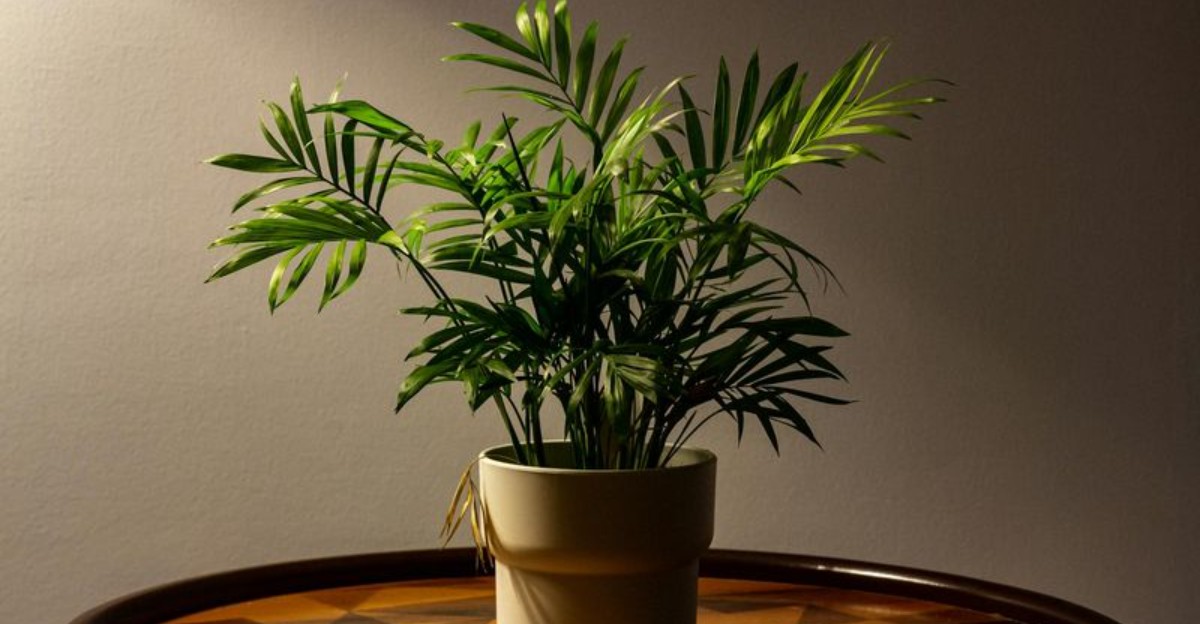
That windowless bathroom or basement office doesn’t have to feel like a cave. A few tough plants can bring it to life without a single sunbeam.
Plenty of Virginia homes have tucked-away rooms that never see daylight. As winter days get shorter, even rooms with windows start to feel a little gloomy.
A touch of green can lift your mood, soften hard corners, and make a plain space feel alive. Not every plant can handle life under a ceiling fixture, though.
Some sulk, some stretch toward the nearest lamp, and some quietly fade away. The right picks, paired with a few smart habits, can turn that dark corner into a cozy retreat.
Some of these plants practically thrive on neglect, and one simple tool can change the whole game for any room in your house.
1. ZZ Plant Thrives On Neglect And Office Lighting
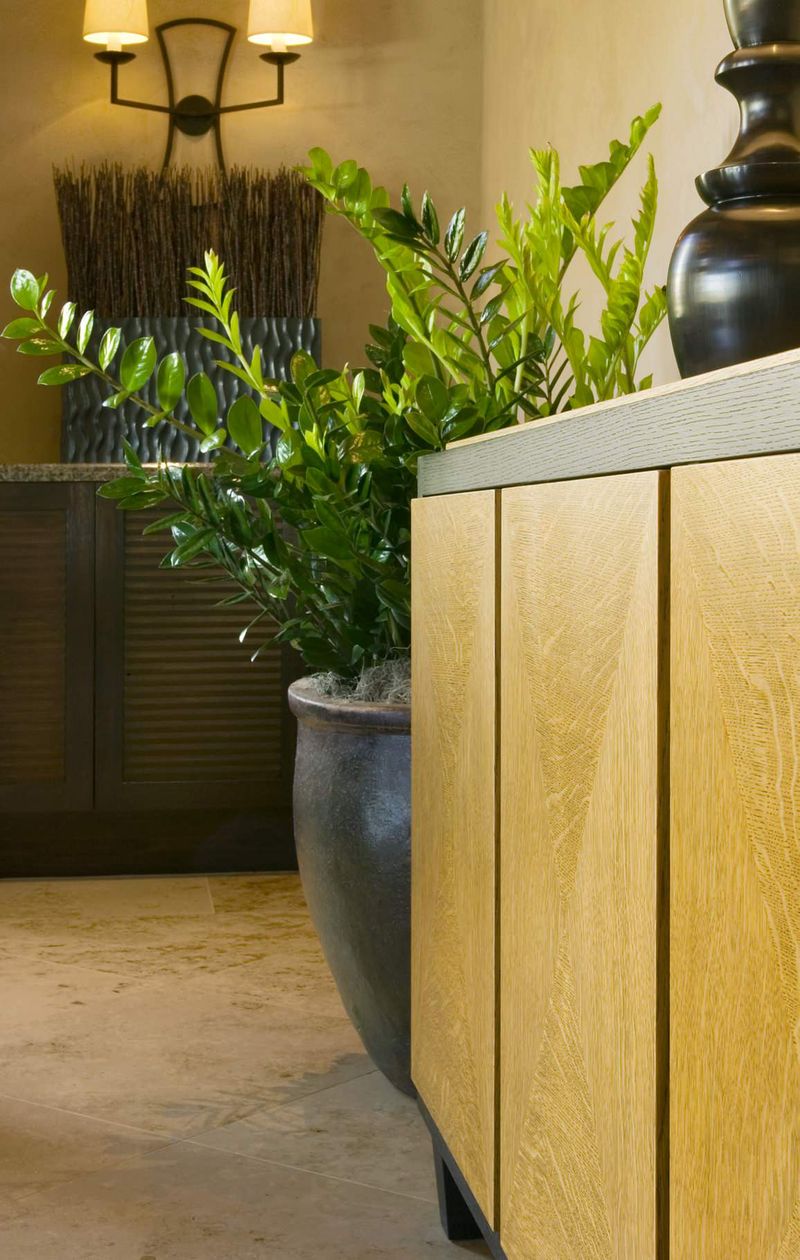
Forget to water for three weeks, and a ZZ plant barely notices. Its shiny, waxy leaves look polished even when you have been busy.
The secret hides below the soil line. Thick underground rhizomes store water like tiny potatoes, helping it ride out dry spells.
Office lighting suits it well. Fluorescent tubes or LED ceiling panels give it enough energy to stay green and steady.
Plenty of homeowners keep one in a basement office or interior hallway. It handles those spots better than most leafy plants.
Watering is where people stumble. Wait until the soil feels dry most of the way down, then soak it and let it drain.
Soggy soil is its biggest enemy. Rhizomes can rot quickly when water sits too long in the pot.
Growth will be slow in dim rooms, and that is normal. Brighter indirect light makes stems sturdier and leaves fuller over time.
Give the pot a quarter turn every few weeks. Stems lean toward the nearest light source, so rotating keeps the shape balanced.
Dust can build up on those glossy leaves. A damp cloth wipe each month helps the plant soak up every bit of available light.
Fun fact: the ZZ plant comes from eastern Africa, where droughts are common. Its tough habits were built for hard times.
Keep it away from curious pets and small kids. The sap can irritate skin and upset stomachs if chewed.
2. Snake Plant Stands Tall In The Dimmest Corners
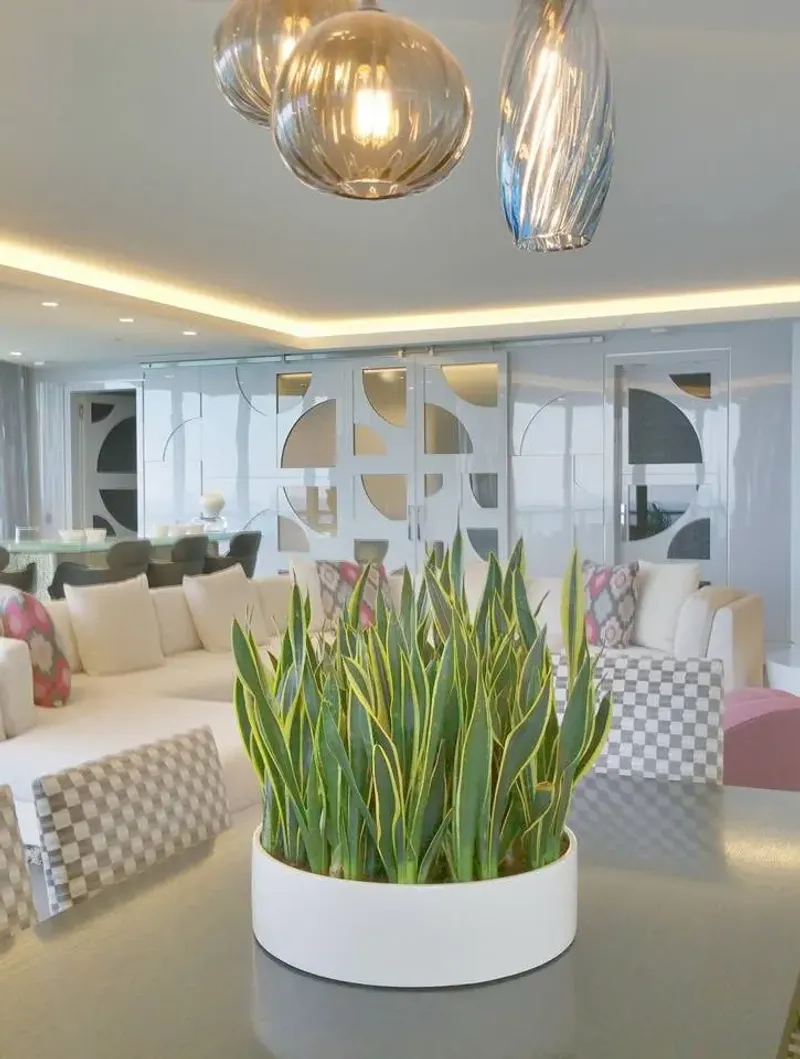
Picture a row of green swords standing guard in a shadowy corner. That bold, upright look makes the snake plant a favorite for tricky rooms.
Few houseplants adapt as well to different lighting. It handles north-facing rooms and spaces lit mostly by lamps without much fuss.
Even truly windowless areas can work. Steady artificial light from ceiling fixtures or lamps keeps it going for long stretches.
Still, low light has a trade-off. Leaves may lose some color, and new growth can come in slower and floppier.
Water is the real danger in dim spaces. Let the soil dry out fully before giving it another drink.
During winters, you might water only once a month. Cooler indoor air and low light slow the plant down quite a bit.
Your Virginia Garden Changes Every Week. Your Plan Should Too.
Gardening in Virginia changes quickly throughout the season. Every Friday you’ll receive a simple weekly plan showing exactly what to plant, prune, fertilize, harvest, and protect so you never miss the right timing.
A terracotta pot is a smart pick. Clay breathes and pulls extra moisture away from the roots.
Use a gritty cactus or succulent mix rather than regular potting soil. Faster drainage helps prevent mushy roots and yellow leaves.
Here is a quirky bit of trivia. Some folks call it mother-in-law’s tongue because of those sharp, pointed leaves.
Snake plants also make handy bedroom picks. Their tidy, vertical shape fits narrow spaces beside dressers or closets.
If a leaf tips over, check the roots first. Too much water is usually the cause, not too little light.
Keep it out of reach of pets, though, since chewing the leaves can upset their stomachs.
3. Pothos Keeps Trailing Even Under Basic Ceiling Lights
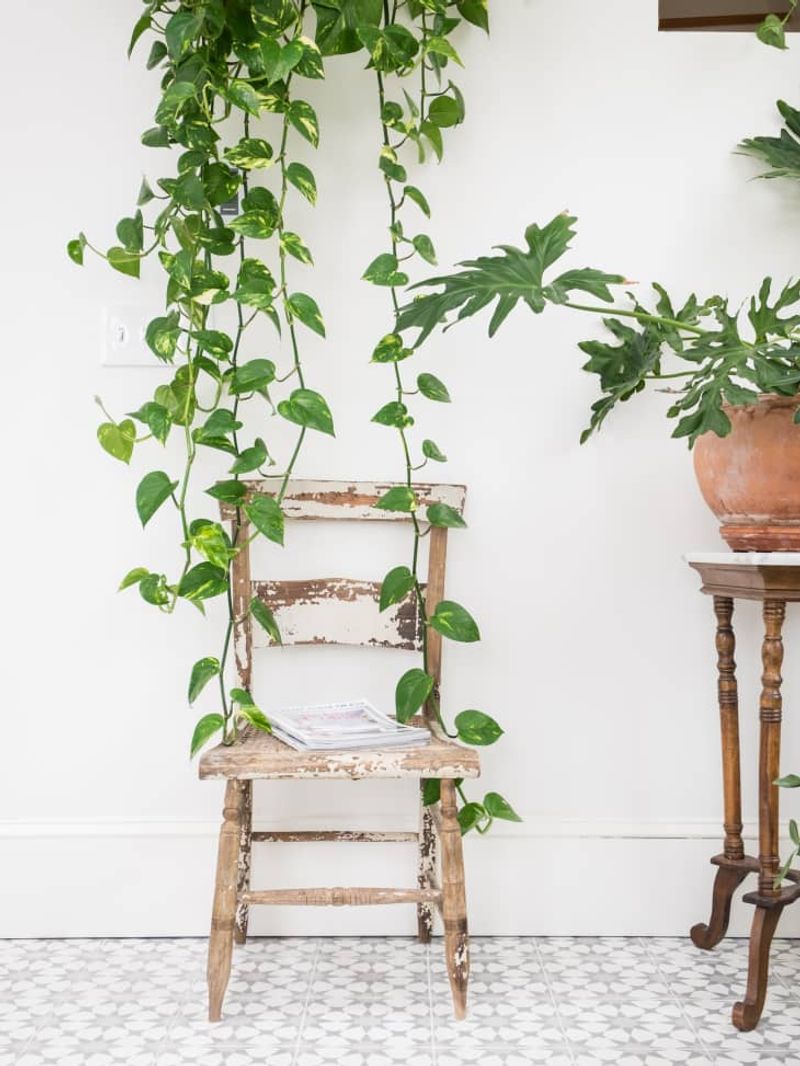
Long green vines spilling over a bookshelf can make any room feel cozier. Pothos pulls off that look with very little effort.
Bright indirect light is its happy place. Yet it can get by under ordinary room lights if they stay on long enough.
Aim for about eight to twelve hours of light each day. A bathroom light switched on for ten minutes will not cut it.
Watch the leaf colors closely. Variegated types like Golden or Marble Queen may fade to plain green in very low light.
Solid green varieties handle dimness a little better. Jade pothos is a solid pick for darker rooms.
Total darkness is a different story. Like every plant, pothos needs some usable light to make food.
Many families hang pothos in kitchens and finished basements. The trailing vines soften shelves, cabinets, and plain walls.
Water when the top inch or two of soil feels dry. Droopy leaves usually mean it is thirsty and ready for a drink.
Leggy vines with big gaps between leaves signal a need for more light. Trim them back to encourage bushier growth.
Those cuttings are a bonus. Drop them in a glass of water, and roots often appear within a couple of weeks.
One caution matters for pet owners. Pothos leaves can upset cats and dogs, so hang them out of reach.
4. Cast Iron Plant Lives Up To Its Tough Name
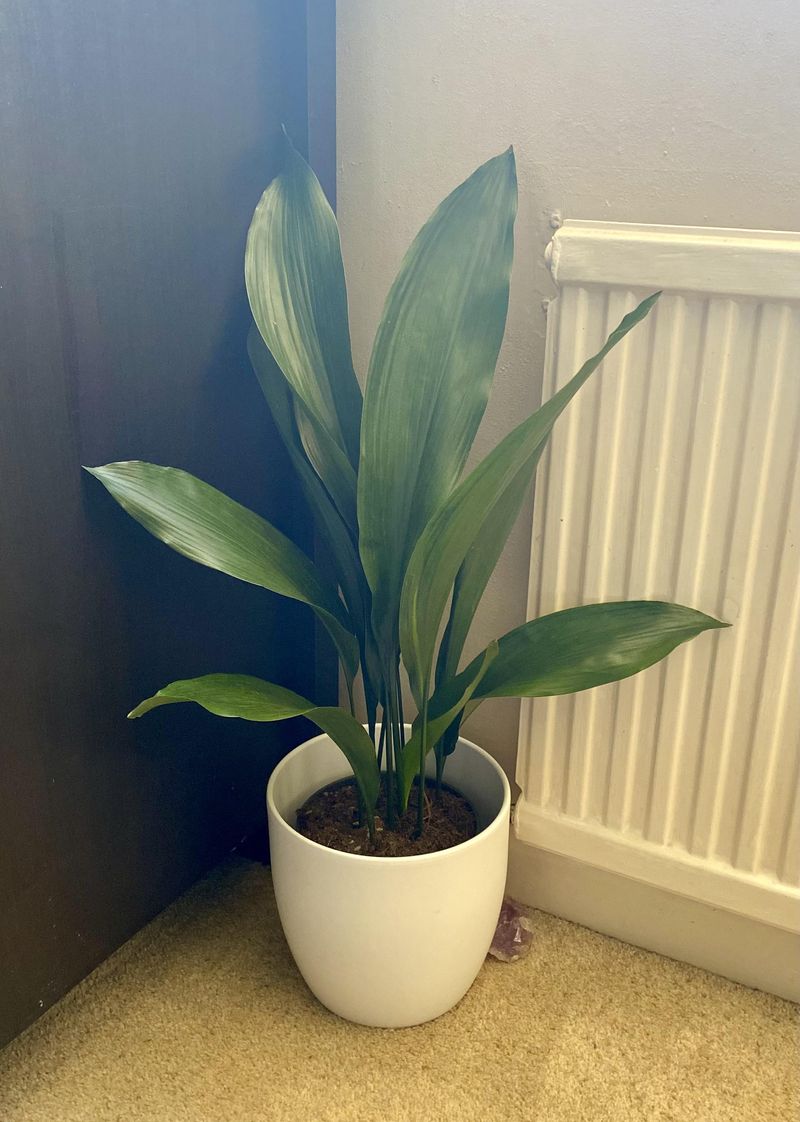
Victorian homes were dark, smoky, and drafty. The cast iron plant thrived in those parlors anyway, earning its sturdy nickname.
Deep shade does not scare it. Dry air and shifting temperatures rarely bother it either.
Hallways, landings, and larger windowless bathrooms suit it nicely. Its broad, dark leaves add a calm, classic feel.
Growth is slow and steady. You might see just a few new leaves each year, but they last a long time.
Here is an easy placement test. Set it where you can comfortably read a book without turning on a lamp.
Darker than that, and it may need help from a ceiling fixture or grow light. Too bright, and direct sun can scorch its leaves.
Water only when the top two inches of soil feel dry. Soggy roots are one of the few things it truly dislikes.
Virginia homes with drafty entryways can still host one happily. Cool spots near doors rarely slow it down.
Feed it lightly in spring and summer. A diluted houseplant fertilizer every couple of months is plenty.
Dusty leaves look dull and block light. Wipe them gently with a soft, damp cloth to keep that deep green shine.
Price can be higher than other plants because it grows slowly. Think of it as an investment that may outlast your furniture.
Bonus for pet owners: the cast iron plant is non-toxic to cats and dogs.
5. Chinese Evergreen Adds Color Where Sunlight Never Reaches
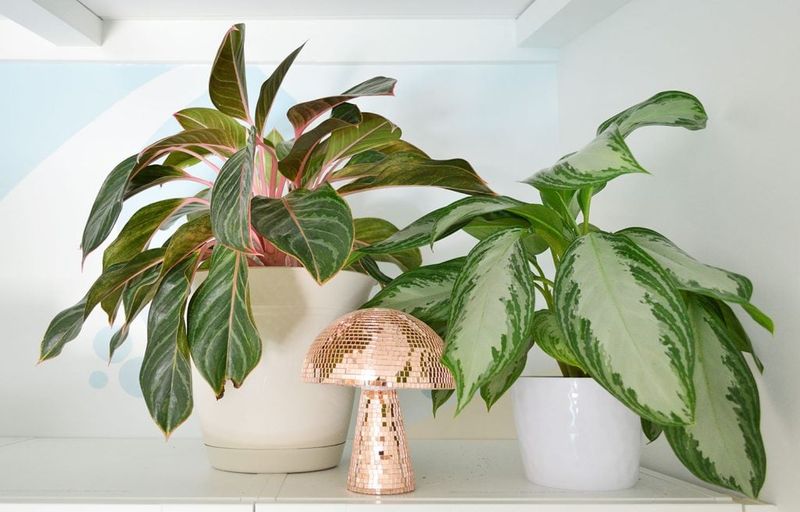
Silver swirls, deep green stripes, and even blushes of pink make Chinese evergreen a little piece of living art. It brings color to spots that feel flat and gray.
Low to medium indirect light works well. Standard office lighting can keep it looking healthy too.
Variety choice matters a lot here. Dark green types like Maria handle the dimmest rooms better than almost any common houseplant.
Flashier types need more help. Pink and silver varieties want brighter indirect light to keep their bold patterns.
For a true windowless room, start with a darker variety. Save the pink beauties for spaces near a strong lamp or grow light.
Windowless offices and north-facing rooms are great matches. A pot on a desk instantly makes work feel less dreary.
Match your watering to the light level. Less light means the soil stays wet longer, so check before pouring.
Overwatering in dim conditions is a common problem. Yellow lower leaves often mean the roots are sitting too wet.
Chinese evergreen likes warmth. Keep it away from cold vents and chilly floors during the winter months.
Fun fact: people in parts of Asia have long seen it as a symbol of good luck. Many gift it for new homes or businesses.
Keep it away from pets that like to chew. The leaves can cause mouth irritation.
6. Heartleaf Philodendron Forgives Almost Every Mistake
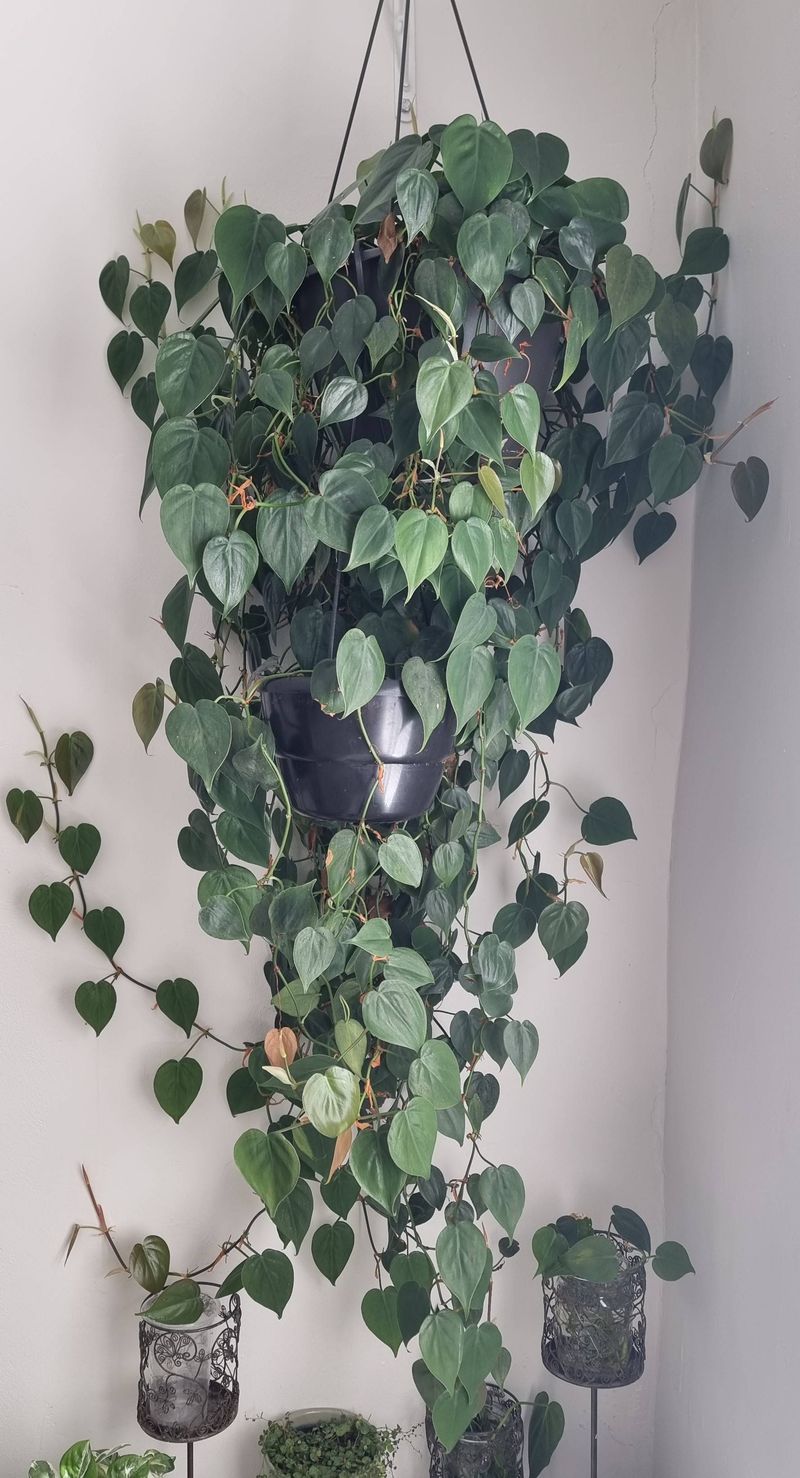
Every plant lover has a first plant, and for many, it is a heartleaf philodendron. Soft, heart-shaped leaves make it easy to love from day one.
Beginners get plenty of second chances with this one. It handles low light better than many other indoor vines.
You can let it trail from a high shelf or train it up a small trellis. Both styles look lovely in small spaces.
Windowless bathrooms with bright vanity lights are often a good fit. Shower steam adds humidity that this tropical vine enjoys.
Watering is simple. Let the top inch of soil dry out, then water until it drains from the bottom.
Leaves send clear messages. Yellowing usually means too much water, while wilting means it wants a drink.
A drooping philodendron often perks up within hours after watering. That quick bounce-back makes it very encouraging for new growers.
Long, bare stems hint at too little light. Pinch back the tips to make the plant fuller and bushier.
Plenty of apartments have interior rooms with no outside walls. A heartleaf vine can make those spaces feel warm and lived-in.
Trimmed pieces root easily in water. Share them with friends or tuck them back into the pot for extra fullness.
Keep it out of reach of pets. The leaves contain compounds that can irritate the mouth.
7. Peace Lily Can Still Bloom Without A Window
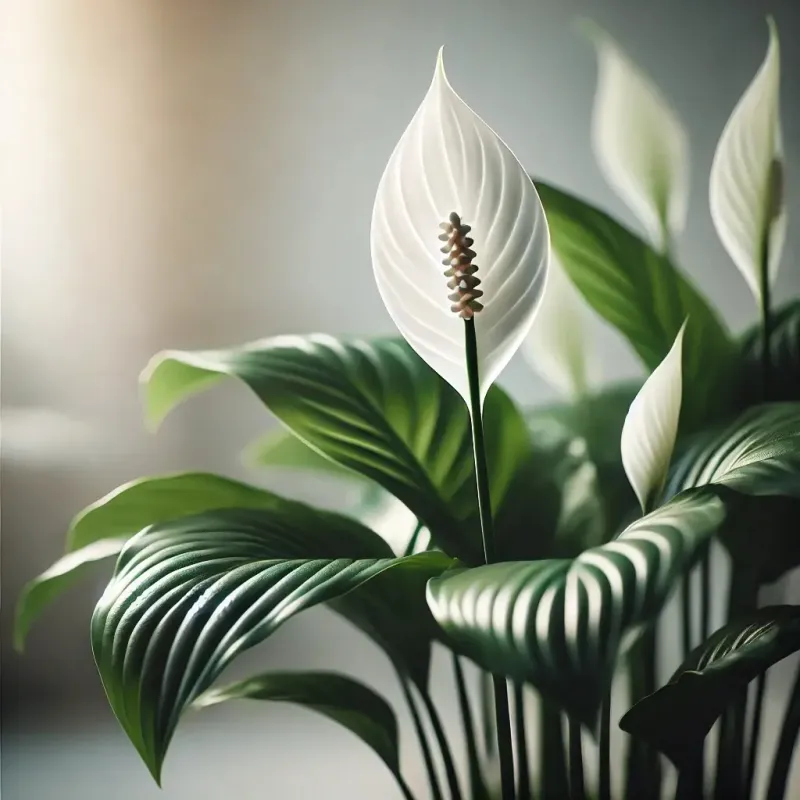
White flowers in a room with no window sounds like a magic trick. The peace lily makes it surprisingly possible.
Shade and indirect light suit this elegant plant. It can even get by under fluorescent office lights.
Blooms are the tricky part. A slightly brighter spot, still away from direct sun, encourages more flowers.
Placing it near a strong lamp can help. Some growers in Virginia use a small grow light to keep the white blooms coming.
Peace lilies are dramatic about thirst. Leaves droop sharply when dry, then lift back up after a good drink.
Aim for soil that stays lightly moist. Overwatering, though, can lead to root problems.
Leaf colors offer helpful clues. Yellow leaves can mean too much light, and brown streaks point to sun scorch.
Brown leaf tips often come from dry air or tap water minerals. Filtered or rainwater can help keep tips looking clean.
Dry winter heating homes can bother this tropical plant. A pebble tray with water nearby adds a bit of helpful moisture.
Here is a fun detail. That white bloom is actually a leafy hood called a spathe, wrapped around tiny true flowers.
Pet owners should place it carefully. Chewing the leaves can irritate the mouths of cats and dogs.
8. Parlor Palm Brings Tropical Vibes To Windowless Spaces
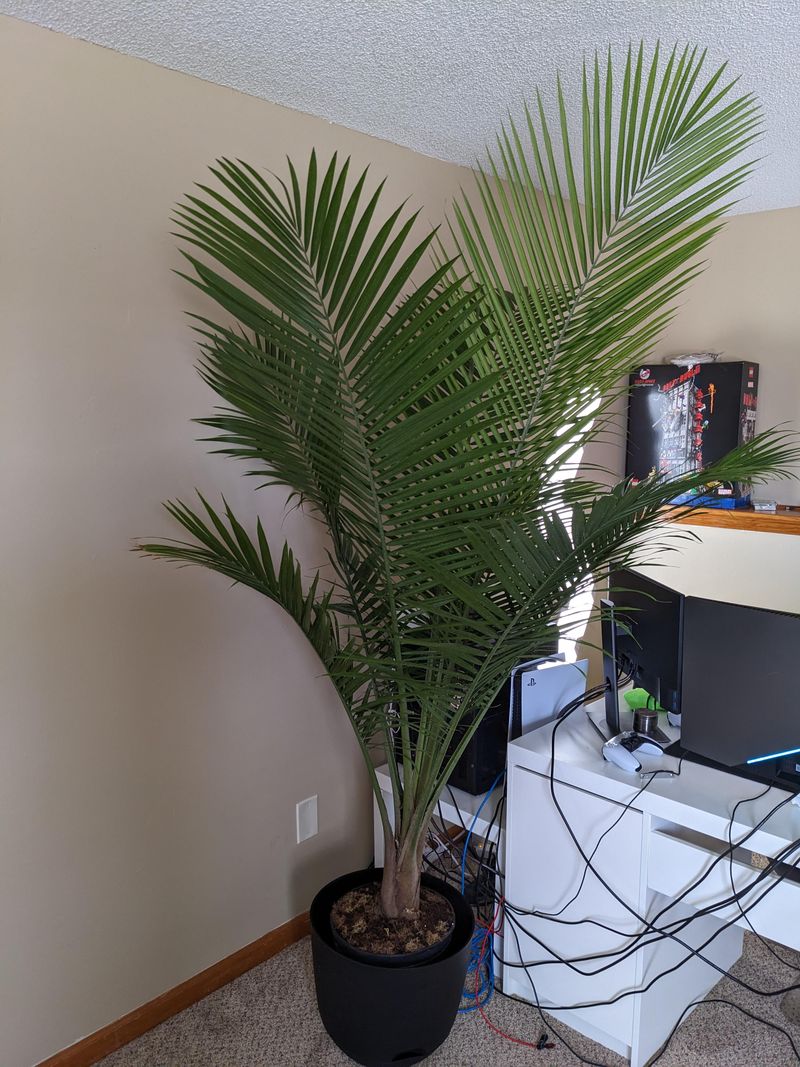
Feathery fronds that sway a little when you walk by can make a room feel like a beach getaway. The parlor palm delivers that relaxed mood indoors.
Most palms crave bright sun. This one handles lower light far better than its cousins.
In a truly windowless room, extra help goes a long way. An LED grow light running ten to fourteen hours daily keeps it thriving.
Bright, indirect light is its true favorite. Direct sunlight can burn those delicate leaves, so shade is fine.
Keep the soil consistently moist but not soggy. Too much water can cause the roots to break down.
Brown frond tips may appear when indoor air gets dry. Grouping it with other plants helps raise humidity around the leaves.
Pet owners have a reason to cheer here. Parlor palms are non-toxic, making them a safe pick around cats and dogs.
Their slow, compact growth suits smaller rooms. Many stay under four feet tall indoors for years.
The name comes from Victorian times, when these palms decorated fancy parlors. They were a status symbol back then.
Families in Virginia often set one in a basement den or windowless playroom. It adds a soft, tropical touch without any risk to pets.
Spider mites sometimes visit in dry winter air. Rinse the fronds in the shower now and then to keep pests away.
Even The Toughest Plant Needs Some Light To Survive
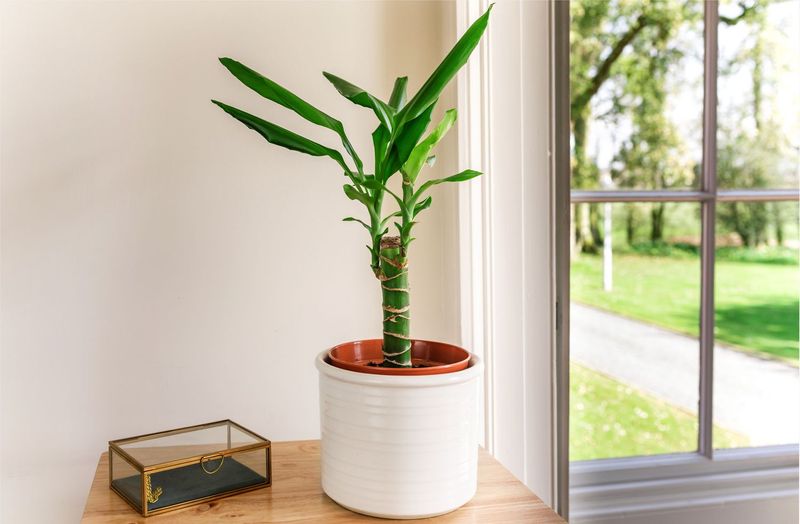
Low-light tolerant does not mean no-light tolerant. Even the hardiest plant on this list runs on light for fuel.
Plants use light for photosynthesis. Through it, they turn water and carbon dioxide into the energy they need to grow.
Without enough light, plants slowly use up their stored energy. Growth stalls, and the plant gradually declines.
Shade-loving plants have clever tricks. Many grow larger, thinner leaves or pack in extra chlorophyll to catch every bit of light.
Those tricks have limits, though. A closet with the door shut will still leave even a ZZ plant starving.
Watch for warning signs. Leggy stems, smaller new leaves, and pale color all hint at a light shortage.
Flowering plants may stop blooming entirely. A peace lily that skips flowers for months is often asking for more light.
Fertilizer will not fix the problem. Nutrients help, but light stays the main source of energy for every plant.
A simple test can help. If you need a lamp to read comfortably in a room, your plant likely needs extra light too.
Many Virginia basements and interior rooms fall into that category. Lights switched on only at night may not be enough.
Try keeping room lights on for longer stretches. Ten or more hours a day can make a noticeable difference.
A Simple LED Grow Light Turns Any Room Into A Plant Haven
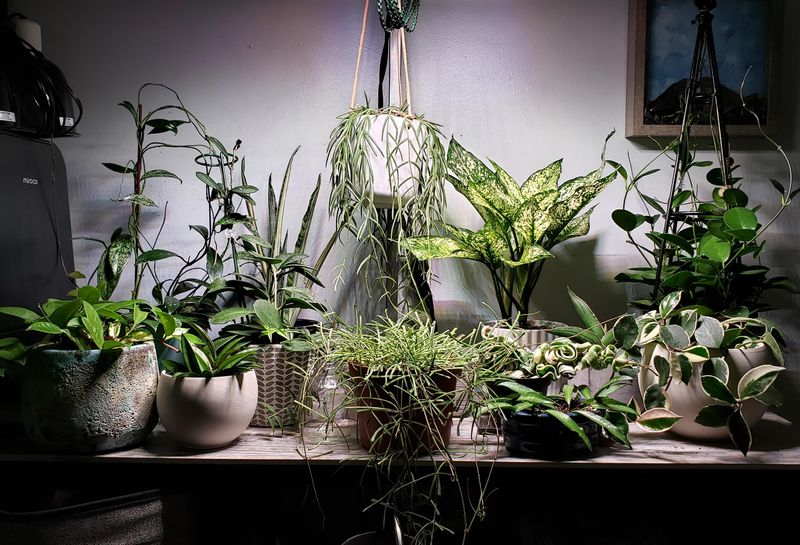
Think of a grow light as a portable sunbeam you can plug into the wall. Suddenly, the darkest room in the house becomes fair game for plants.
LED grow lights work as a stand-in for natural sunlight. They let houseplants grow well all year, even with no window nearby.
Energy use stays low, which is nice for your power bill. They also last a long time and give off little heat.
Low heat matters more than you might think. Leaves can sit fairly close without getting scorched.
Look for a full-spectrum bulb or panel. Full spectrum copies sunlight and covers every stage of plant growth.
Colors play different roles. Blue light supports leafy growth and roots, while red light helps plants flower.
Many modern options glow a natural white. They blend into home decor better than the old purple lights.
A plug-in timer is a game changer. Set it for ten to fourteen hours daily, and your plants get a steady routine.
Consistency helps plants settle into healthy rhythms. It also means you never have to remember flipping a switch.
Clip-on lamps fit desks, while bar lights mount neatly under shelves. Even a basic screw-in bulb in a regular lamp can work.
Gardeners across Virginia rely on grow lights through gray winters. In a windowless room, one light can make all the difference.