The Popular Florida Hedge Plant the State Now Considers Invasive
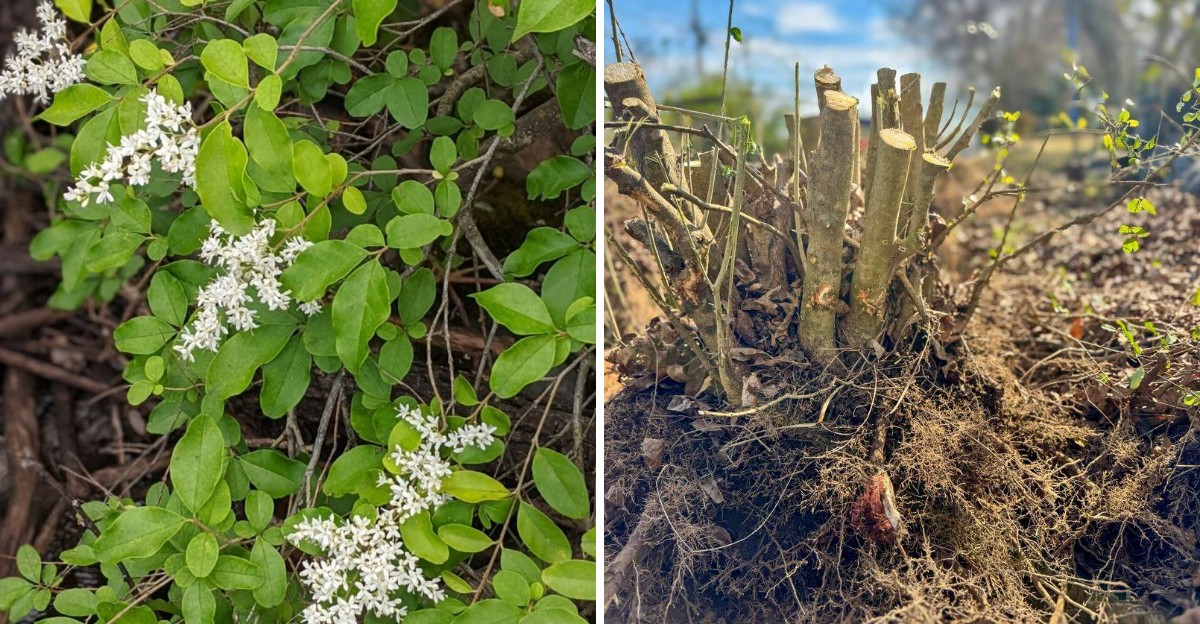
A tidy green hedge once sold in countless nurseries became illegal to grow in Florida back in 2014. That shift surprised plenty of homeowners who had trimmed the same shrub along their driveways for decades.
The plant arrived in America as a garden ornament in 1852, prized for fast growth and fragrant white blooms. Birds later carried its dark berries far beyond our yards and into quiet woods across the region.
I’ll admit I judged this shrub as a handy gap-filler along fences, and it played that part a little too well. You might notice it today in older neighborhoods, vacant lots, and shady creek banks near your home.
Florida now lists it among the most troublesome plants, yet many people still have no idea what it is. That familiar hedge might be growing beside your own porch right now, hiding in plain sight.
Meet The Chinese Privet Hedge
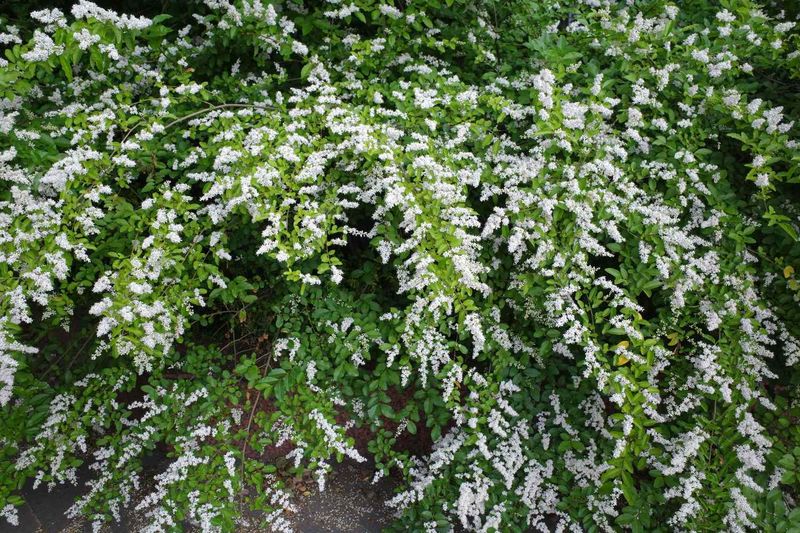
Chinese privet, known to botanists as Ligustrum sinense, is the shrub behind all this fuss in Southern gardens. It grows naturally in China, Vietnam, and Laos, where it fits into native forests without causing much trouble.
Nurseries loved it because it grows fast and tolerates heavy pruning, so gardeners could shape tidy walls in one season. I understand the appeal, since a privet hedge can hide a busy street or an unattractive fence quickly.
Left alone, the shrub can climb to about sixteen feet tall and spread into a wide tangle of stems. It stays evergreen in warm spots, though it may drop some leaves during colder winters in northern parts of the state.
You will find it most often in older landscapes planted before the rules changed, especially around homes built decades ago. Many owners inherited their hedges with the property and simply kept trimming them without asking questions about the plant itself.
Knowing its name is your first step toward smart decisions, because you cannot manage something you cannot recognize. Take a slow walk around your yard this week and look closely at every dense green shrub near the fence.
Snap a clear photo of any suspicious hedge and compare it with pictures from a university extension website. Local extension offices can also confirm the plant for you, and their friendly staff often help homeowners at no cost.
Small Opposite Leaves Help You Spot Chinese Privet
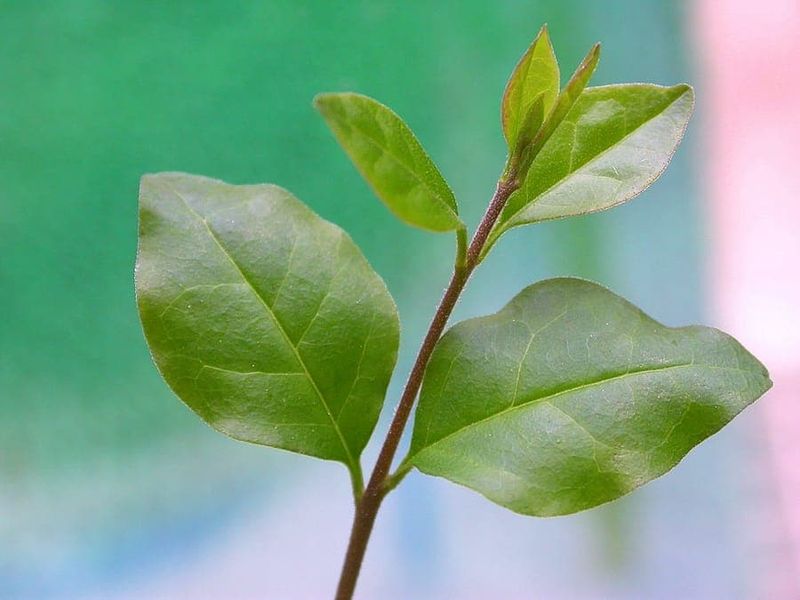
Spotting privet gets easier once you study its leaves, which line up in neat pairs along each slender twig. Each leaf measures roughly one to three inches long, with a smooth edge and a rounded or slightly pointed tip.
Personally, I like running a finger along young stems, because Chinese privet twigs often feel slightly fuzzy with tiny hairs. That small texture clue helps separate it from glossy look-alikes that share space in many older Southern landscapes.
The leaves stay medium green and fairly thin, without the thick leathery feel of many native hedge shrubs. Hold a leaf up to the light and you may notice a simple vein pattern running from the center outward.
Glossy privet and Japanese privet look similar but usually have larger leaves, so size gives you another helpful hint. Both relatives also raise concerns in natural areas, so any privet deserves a careful second look before you decide anything.
Bring a ruler or simply compare a leaf with your thumb, since most Chinese privet leaves fit within that length. Write down what you see, including leaf arrangement and twig texture, before you call a local extension expert for help.
Careful identification protects valuable native shrubs from accidental removal, which would be a frustrating mistake for any gardener. Taking a few extra minutes now saves you from pulling out a healthy wax myrtle or wild coffee by error.
Fragrant White Privet Flowers Fill Spring Air
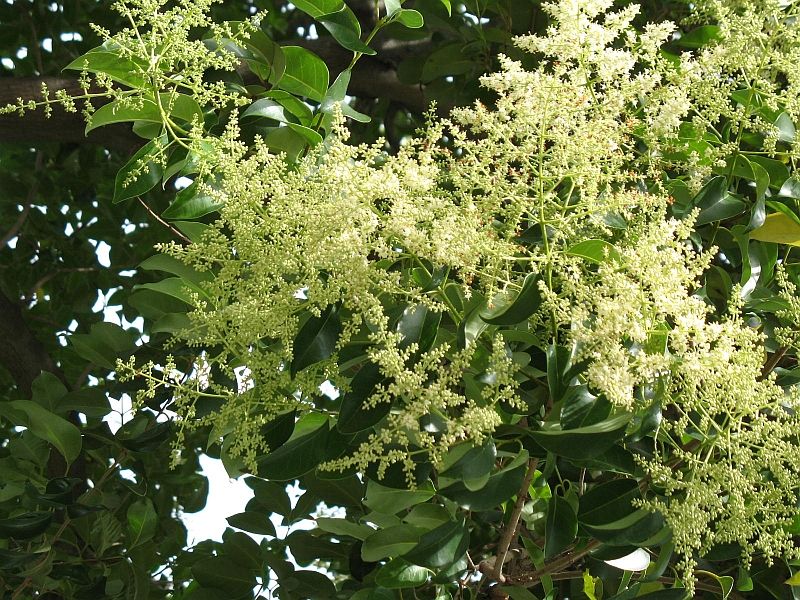
Every spring, privet hedges burst into frothy white clusters that smell sweet to some people and oddly musty to others. I have to admit the scent divides my friends, and nobody seems neutral once those blossoms open up.
The tiny flowers grow in branching clusters called panicles, which cover the outer branches when hedges are not trimmed often. Bees and other insects visit them busily, which explains why some folks believe the shrub benefits local wildlife quite a bit.
Unfortunately, those cheerful flowers lead directly to thousands of seeds, which is the main reason this plant spreads so widely. Each bloom that gets pollinated can become a berry, and berries become new shrubs in places far from your yard.
People with seasonal allergies sometimes blame privet pollen for sneezing fits during its blooming weeks in late spring. The evidence on privet allergies varies, so talk with a doctor if you notice symptoms near flowering hedges.
If removal must wait, you can shear the hedge right after blooms appear to reduce later berry production. That simple trim will not solve everything, but it slows the spread while you plan a bigger landscape change.
Bag the clippings instead of tossing them onto compost piles, because flower clusters may still ripen into seeds later. Your trash service or local yard waste rules can guide you toward the best disposal option in your area.
Blue Black Privet Berries Feed Hungry Birds
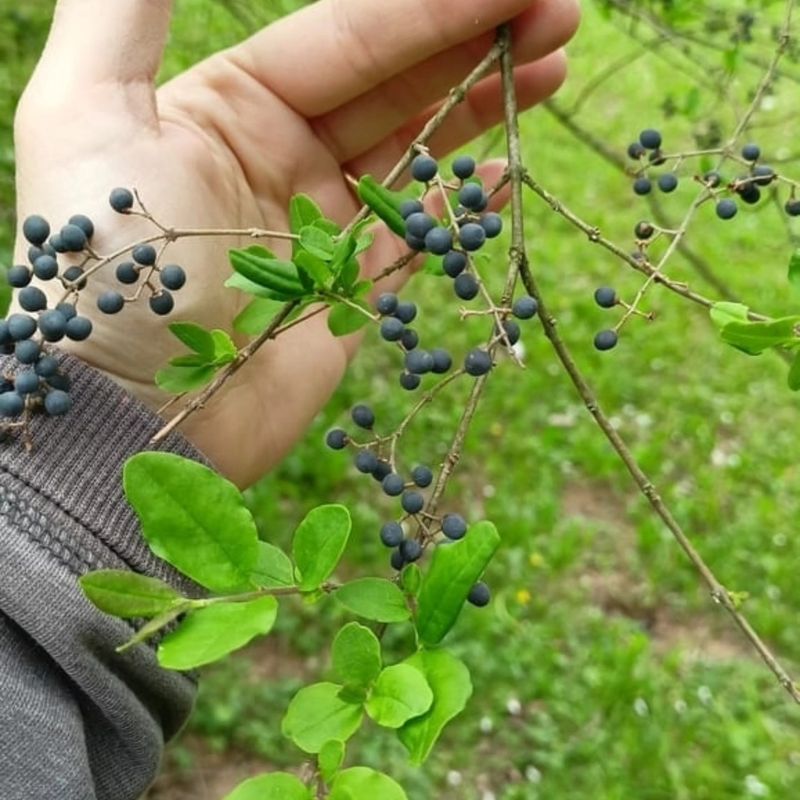
Robins and cedar waxwings love privet berries, and that hungry habit turns a backyard hedge into a traveling seed factory. The small blue-black fruits ripen in fall and often hang on branches well into the winter months.
Each round fruit, called a drupe, holds between one and four seeds tucked inside its soft dark flesh. Birds swallow them whole, fly off to rest, and drop those seeds along fence lines, forests, and streams.
White-tailed deer also nibble the fruit, so seeds can wander even farther through wooded areas and quiet country roads. Moving water carries fallen berries downstream, which explains why privet thickets often crowd creek banks in many regions.
You need to know that the berries and leaves are considered poisonous to people and livestock when eaten. Keep curious children and grazing animals away from heavy fruit clusters, especially during the fall and winter fruiting season.
What surprises me most is how fast seedlings appear under bird perches like power lines and fence posts. Check those spots in your yard every few months and pull tiny seedlings while their roots remain short and easy.
Wear gloves when handling berry clusters, and seal them in bags before placing them in your household trash. Native shrubs such as yaupon holly offer berries for birds too, so wildlife will still find plenty to enjoy.
Dense Privet Thickets Crowd Out Native Forests
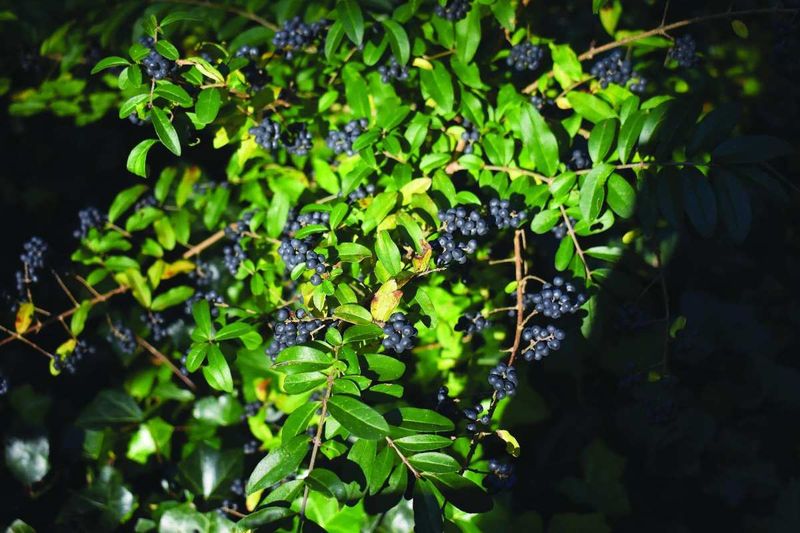
Walk into some shady creek bottoms and you might find a green wall so thick you cannot see through it. Many of those walls are privet, which grows tightly enough to block sunlight from reaching the forest floor below.
Native wildflowers and young trees struggle in that deep shade, so the woods gradually lose much of their natural variety. Scientists have studied these thickets for years, and they consistently report fewer native plants growing underneath heavy privet cover.
The shrub handles low light and poor soil better than many neighbors, giving it a strong advantage in tough spots. It also sends up root suckers, so one plant can slowly become a whole cluster of stems spreading sideways.
The Florida Invasive Species Council ranks Chinese privet as a Category I invasive, its highest level of concern. That label means the plant changes natural communities by pushing out native species, not merely appearing where it is unwanted.
I believe every gardener plays a part, since many wild thickets probably started from berries carried out of yards. Your choices along the fence really can affect woods, wetlands, and stream banks miles away from your home.
Volunteering with local park cleanup days is a fun way to learn privet identification while helping natural areas recover. Many county parks host invasive plant workdays, and organizers usually provide tools, gloves, and friendly guidance for beginners.
Florida Law Now Restricts Chinese Privet
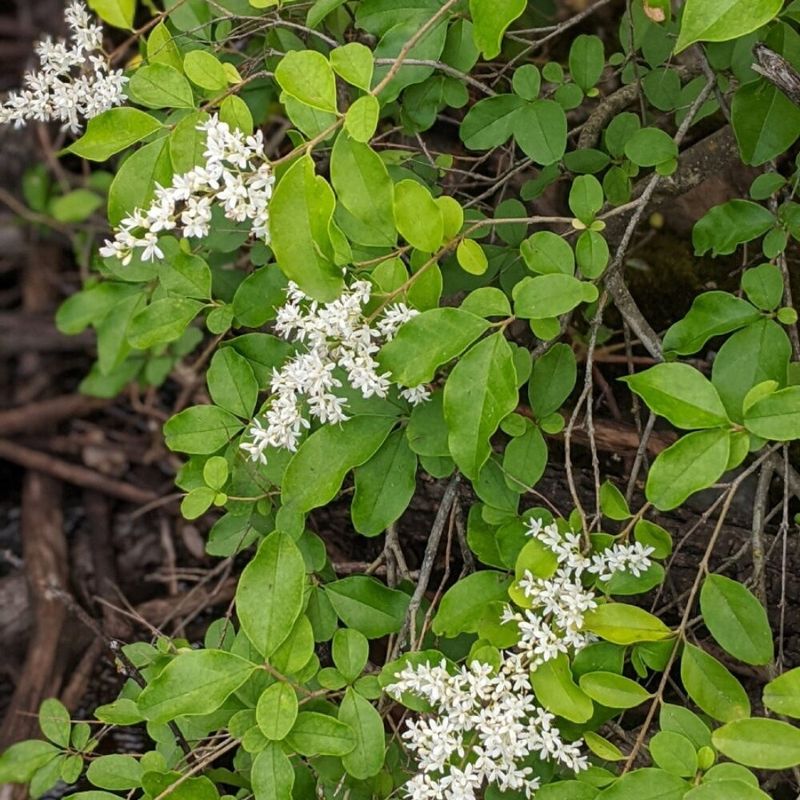
Back in 2014, state officials added Chinese privet to the Florida Noxious Weed List, changing its legal status overnight. That listing makes it unlawful to introduce, multiply, possess, move, or release the plant without a special permit.
You probably will not find it for sale at reputable garden centers anymore, which is a welcome sign of progress. University of Florida researchers also rate it as prohibited in the northern, central, and southern regions of the state.
Variegated forms called Variegatum and Sunshine currently have exemptions, since they produce little or no viable seed. Rules can change over time, so check the current list from state agriculture officials before buying any privet variety.
Homeowners with established hedges often wonder whether they face fines for shrubs planted years ago by previous owners. Enforcement mostly targets sales and movement, but contacting your county extension office gives you reliable answers for your own situation.
Sharing cuttings or digging up privet to plant elsewhere counts as spreading it, so skip those friendly plant swaps. Offer neighbors a native shrub division instead, which keeps the generous gardening spirit alive without breaking any rules.
Personally, I find the regulations helpful, since they push all of us toward plants that belong here naturally. Clear rules also make shopping simpler, because you can trust that nursery shelves carry safer choices for your landscape.
Pulling Young Privet Seedlings By Hand
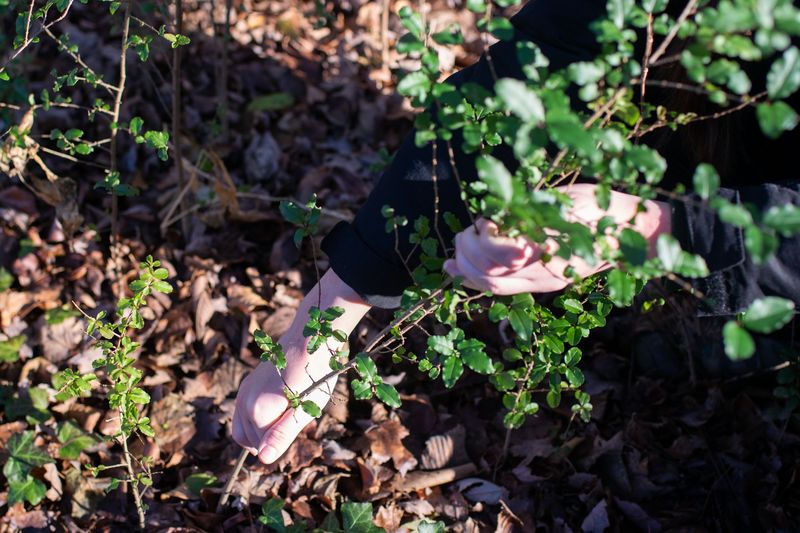
Few garden chores feel as satisfying as tugging a small privet seedling and watching the whole root slide free. Young plants under a few feet tall usually come out easily when the soil is moist after rain.
Grip the stem low near the ground, then pull slowly and steadily rather than yanking hard in one motion. Broken roots can resprout, so take your time and try to remove as much of the root system as possible.
A weed wrench or similar lever tool helps with stubborn shrubs that have thicker trunks and deeper roots. Many gardeners borrow these tools from neighbors or local groups, since they cost more than typical hand tools at stores.
You might notice new seedlings popping up near the original hedge for several years after removal is finished. Seeds stored in the soil keep sprouting, so plan quick patrols every few months to catch them while small.
Toss the pulled plants into bags right away, especially if berries cling to any of the branches. Leaving them on the ground lets roots touch soil again, and privet sometimes takes hold from surprisingly small leftover pieces.
I love how this job pairs nicely with a cool morning and a cup of coffee on the porch afterward. Small, regular efforts work better than one exhausting weekend, and your back will definitely thank you for that approach.
Cutting Large Privet Shrubs And Treating Stumps
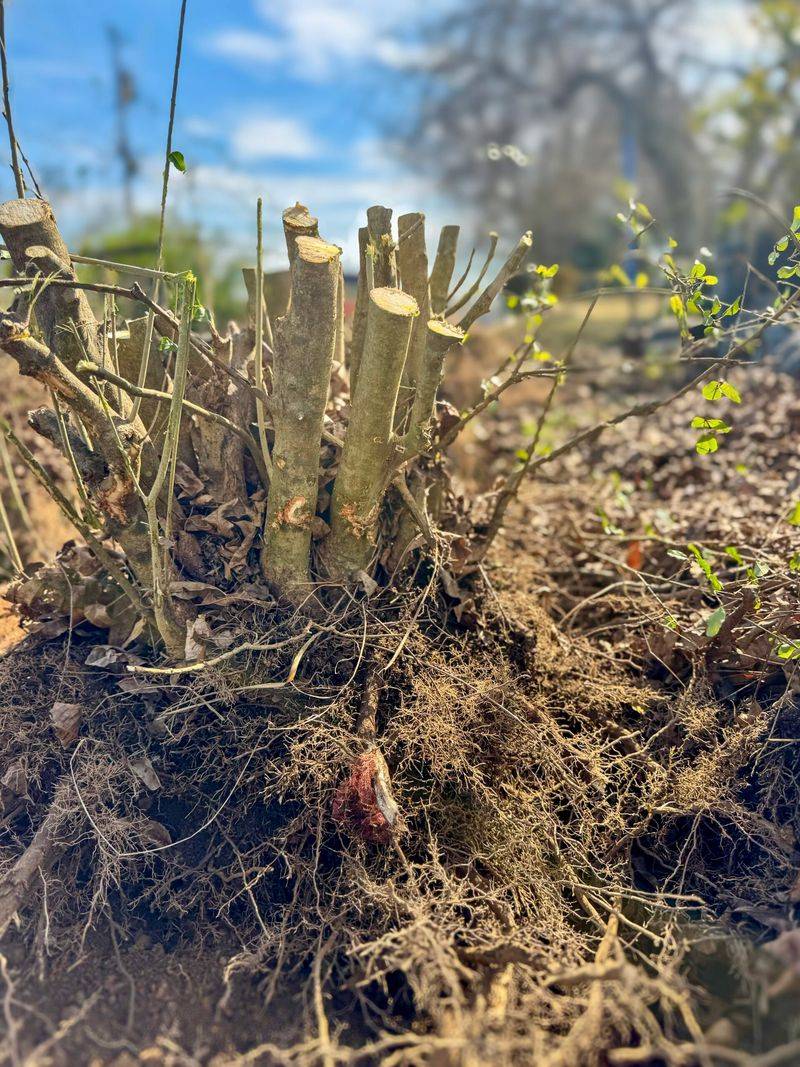
Large privet hedges rarely surrender quietly, because cutting them down often triggers a burst of fresh sprouts from the stump. That stubborn habit frustrates many homeowners, who expect a cleared fence line and instead see green shoots weeks later.
University extension experts often recommend cutting stems close to the ground and treating fresh stumps with an approved herbicide. Applying product soon after cutting helps it move into the roots, which reduces the chance of vigorous regrowth.
Read every product label carefully, since the label is the legal guide for safe and proper herbicide use. Wear gloves and eye protection, and keep pets and children away until the treated area dries thoroughly.
Some gardeners prefer avoiding chemicals and simply cut new sprouts repeatedly until the stored root energy fades away. That approach takes patience and may require months of steady work, but it suits people who want a gentler method.
Hiring a licensed landscape professional makes sense for very large hedges or areas near water, where rules get stricter. Ask about their experience with invasive shrub removal, and request a clear plan before any work begins.
Plan cleanup for cooler months when possible, since heavy cutting in summer heat can wear you out fast. Drink plenty of water, take breaks in the shade, and celebrate each cleared section along the fence.
Wax Myrtle Makes A Native Privet Replacement
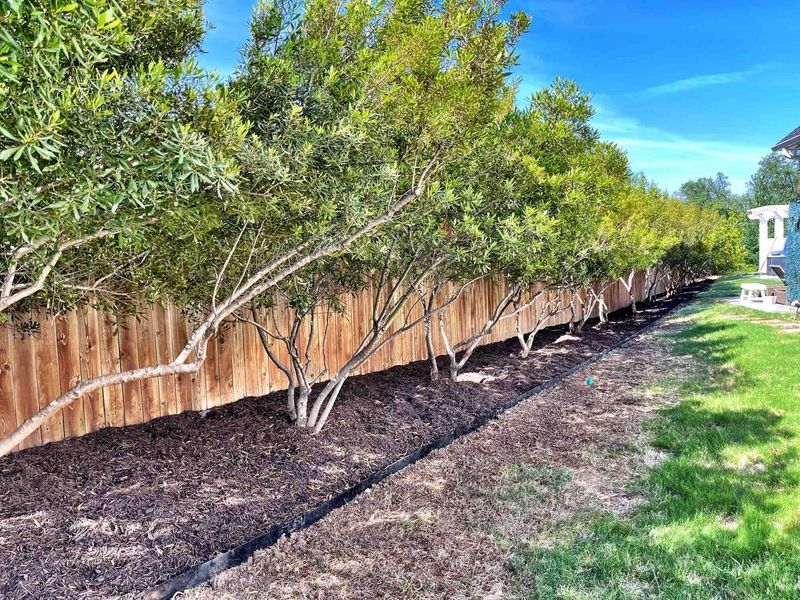
Crush a wax myrtle leaf between your fingers and you will catch a spicy, clean scent that lingers for minutes. That fragrance alone makes this native shrub one of my favorite swaps for an old privet hedge.
Wax myrtle, or Morella cerifera, grows quickly and handles sandy soil, wet spots, and dry periods remarkably well. It fills a privacy screen fast, which matters when you have just removed a large hedge and feel exposed.
Female plants produce waxy gray-blue berries that feed yellow-rumped warblers and other birds during the cooler months. Colonial settlers once boiled those berries to make fragrant candles, a fun bit of history worth sharing with visitors.
Plant wax myrtle in full sun or light shade, spacing shrubs a few feet apart for a solid screen. Water regularly during the first growing season, then let natural rainfall handle most of the work once roots settle in.
Like privet, it can sucker from the roots, so trim unwanted shoots to keep the hedge neatly in place. Regular pruning also prevents the shrub from turning into a small tree, which it happily becomes if left alone.
Many native plant nurseries carry wax myrtle at reasonable prices, and it grows well throughout most of the state. You will enjoy a dense, fragrant screen that supports local wildlife instead of escaping into nearby woods.