The Temperature Each Popular Florida Palm Starts Taking Cold Damage
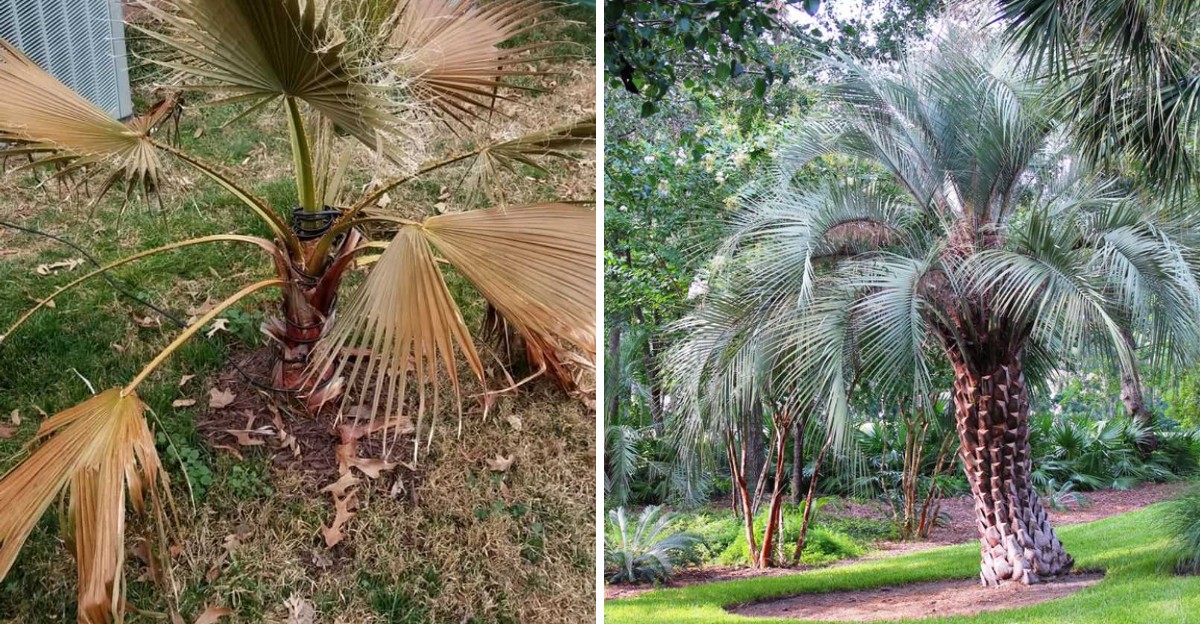
Some tropical trees start showing cold injury at forty degrees, long before most Florida neighbors even grab a sweater. Meanwhile, other tough trunks shrug off nights in the teens and simply wait for spring warmth to return.
Damage often hides for weeks, so a frosty morning can look harmless until the newest leaves turn brown. Growers watch the bud at the top closely, because that single growing point decides whether a tree recovers.
I’ve been known to lose sleep over a forecast calling for thirty-one degrees in my yard. You might notice your own landscape has a mix of tender and tough trees sharing the same Florida soil.
Knowing each tree’s breaking point helps you decide which ones need a blanket and which ones can tough it out. The most fragile tree on your block might just be the one you love the most.
Cabbage Palm
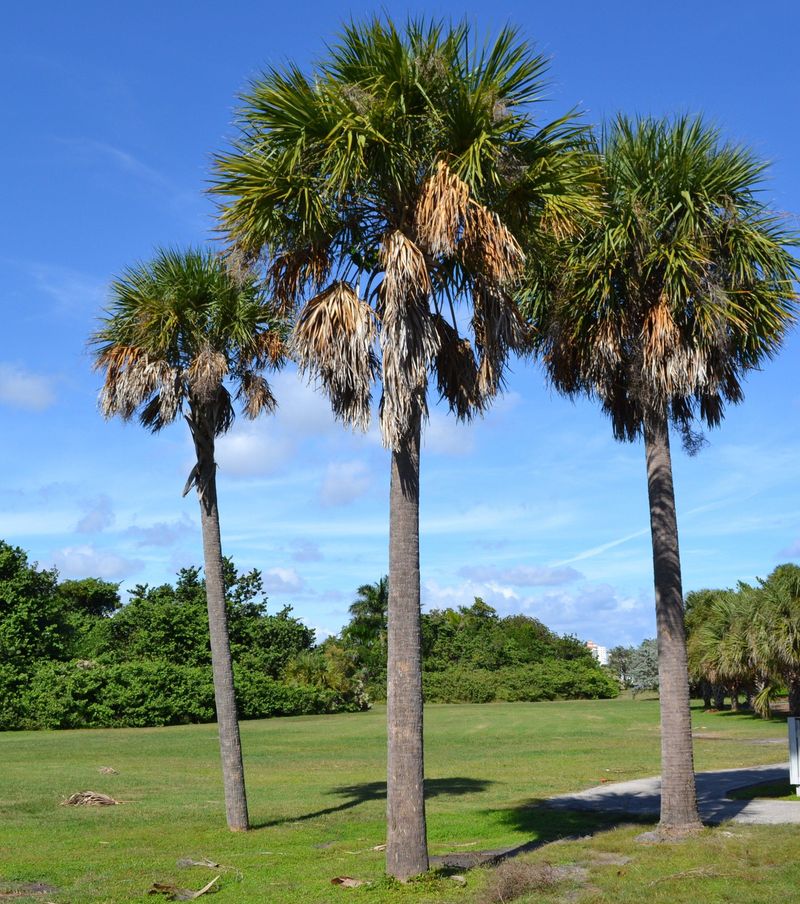
Hurricanes and salt spray barely faze our official state tree, and winter cold snaps rarely bother it much either. I love how this native fan palm stands calmly along highways while fussier neighbors sulk after a chilly night.
Mature trees handle lows around 10 to 15 degrees Fahrenheit before fronds begin browning in a noticeable way. The trunk itself is even tougher, with reports of survival near zero degrees in colder parts of its range.
Younger plants are a different story, since small ones lack the bulk that protects older trunks from deep chills. If you just planted a few, give them extra attention when a hard freeze reaches the forecast.
A light frost sheet draped over a young crown can hold in ground warmth on the coldest nights. Remove the cover the next morning once temperatures climb, so trapped moisture does not invite fungal problems.
These palms grow in USDA zones 8a through 11, which covers every corner of the state with room to spare. That wide range explains why you see them thriving in Panhandle towns and Keys backyards alike.
After a rare cold injury, resist the urge to cut brown fronds right away, because they still shield the bud. Wait until warm weather returns and fresh green growth appears before you tidy things up with clean pruners.
Personally, I think every yard deserves at least one of these steady, low-maintenance natives near the patio. They feed birds with small dark fruits, and they ask for very little once their roots are settled in.
Queen Palm
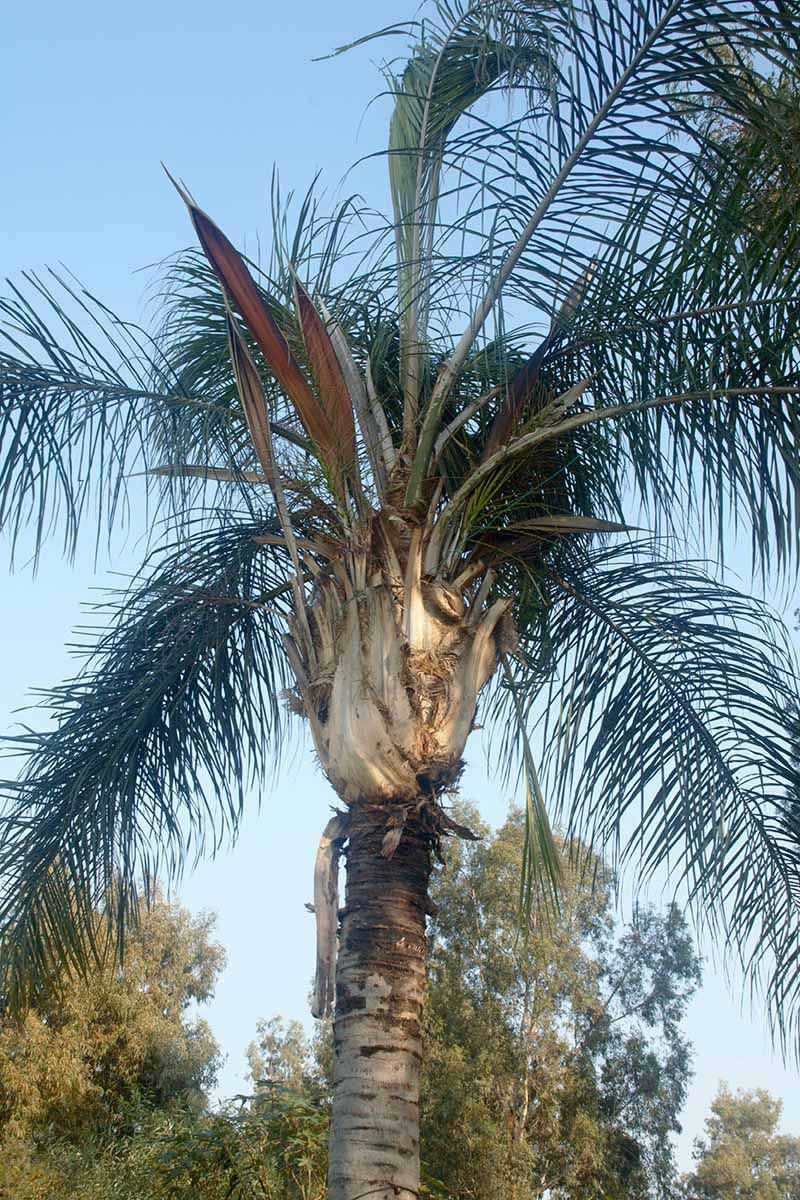
Feathery fronds that sway like green ostrich plumes make this tree a favorite around pools and condo entrances. Sadly, that tropical swagger comes with a thin skin when winter air settles over central and northern yards.
Serious leaf damage usually starts once temperatures slip below about 25 degrees Fahrenheit for several hours. Brief dips near 18 degrees can sometimes be survived, but readings around 17 or lower often finish the tree.
Damage in the teens shows up as bleached, crispy fronds that turn tan within a week or two. Watch the spear leaf in the center, because a spear that pulls out easily signals trouble inside the bud.
The tree fits best in USDA zones 9b through 11, so gardeners farther north take a real gamble. In a cold pocket near a lake or low spot, frost settles harder than in neighboring yards.
Keep in mind that UF/IFAS lists this palm as a species of caution because it can spread into natural areas. If you already own one, pick up fallen fruit so seedlings do not pop up in nearby woods.
Before a freeze, water the soil deeply, since moist ground releases more stored heat than dry sand overnight. Wrapping the trunk with old-style incandescent string lights can add a few helpful degrees around the crown.
I have to admit these palms look sad after a hard winter, but patience pays off surprisingly often. Feed with a palm fertilizer in spring, and new fronds may push out once the bud stays healthy.
Royal Palm
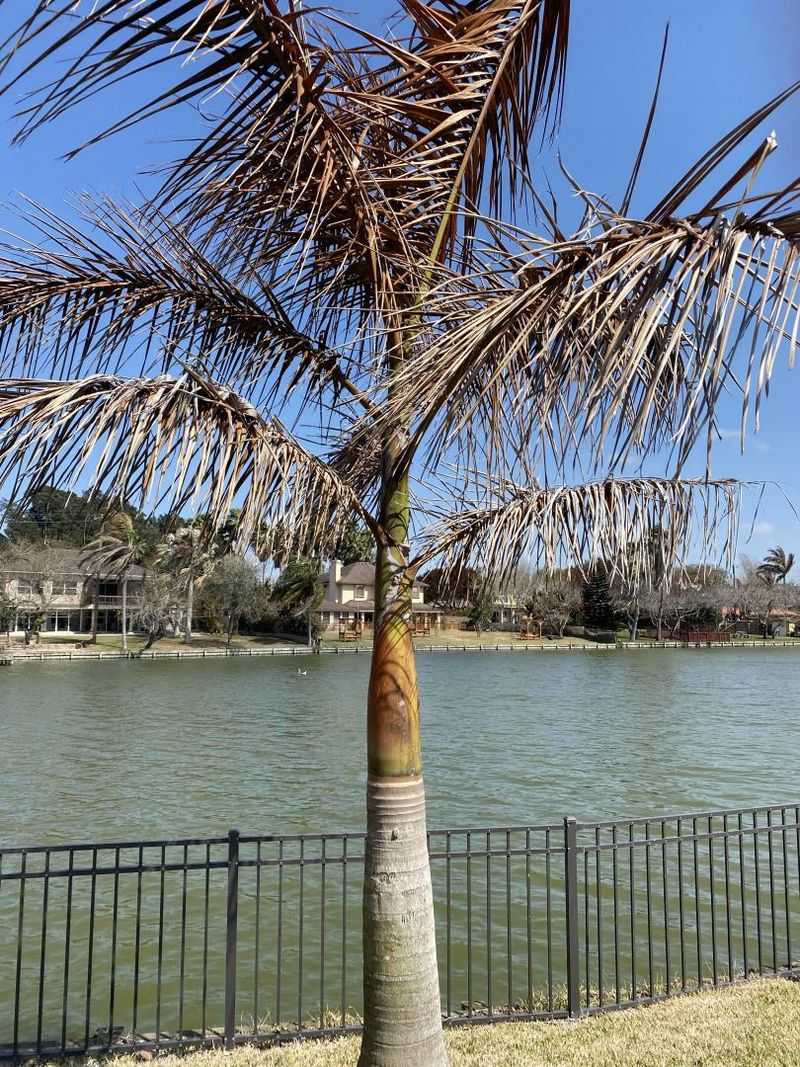
Smooth gray trunks that look poured from concrete give this palm a stately presence along grand avenues. Thomas Edison’s winter estate in Fort Myers famously features rows of them, and the effect still turns heads.
Cold hardiness is modest, with most sources putting the danger line around 28 degrees Fahrenheit for established trees. Short stretches near 30 degrees are usually tolerated, yet frost on the leaves can cause real browning.
Long cool spells matter too, because weeks of temperatures below 50 degrees can weaken growth and color. Young palms suffer more than mature ones, since tall trunks lift the crown above the coldest air near ground.
These palms belong in USDA zones 10a through 11, which mostly means the southern third of the peninsula. Florida gardeners in zone 9 sometimes try them anyway, but losses after harsh winters are fairly common up there.
I love the glossy green crownshaft just below the leaves, which looks like a polished column of jade. When old fronds drop on their own, they land heavy, so keep cars and patio furniture out of range.
Protecting a towering adult is tricky, so focus your effort on keeping younger specimens wrapped and watered. A loose cover over the bud on small trees can buy precious degrees during a surprise radiational frost.
After cold weather, give the palm steady water and a balanced palm fertilizer once spring warmth returns. You will often see new spear leaves within weeks, a welcome sign that the growing point survived.
Mexican Fan Palm
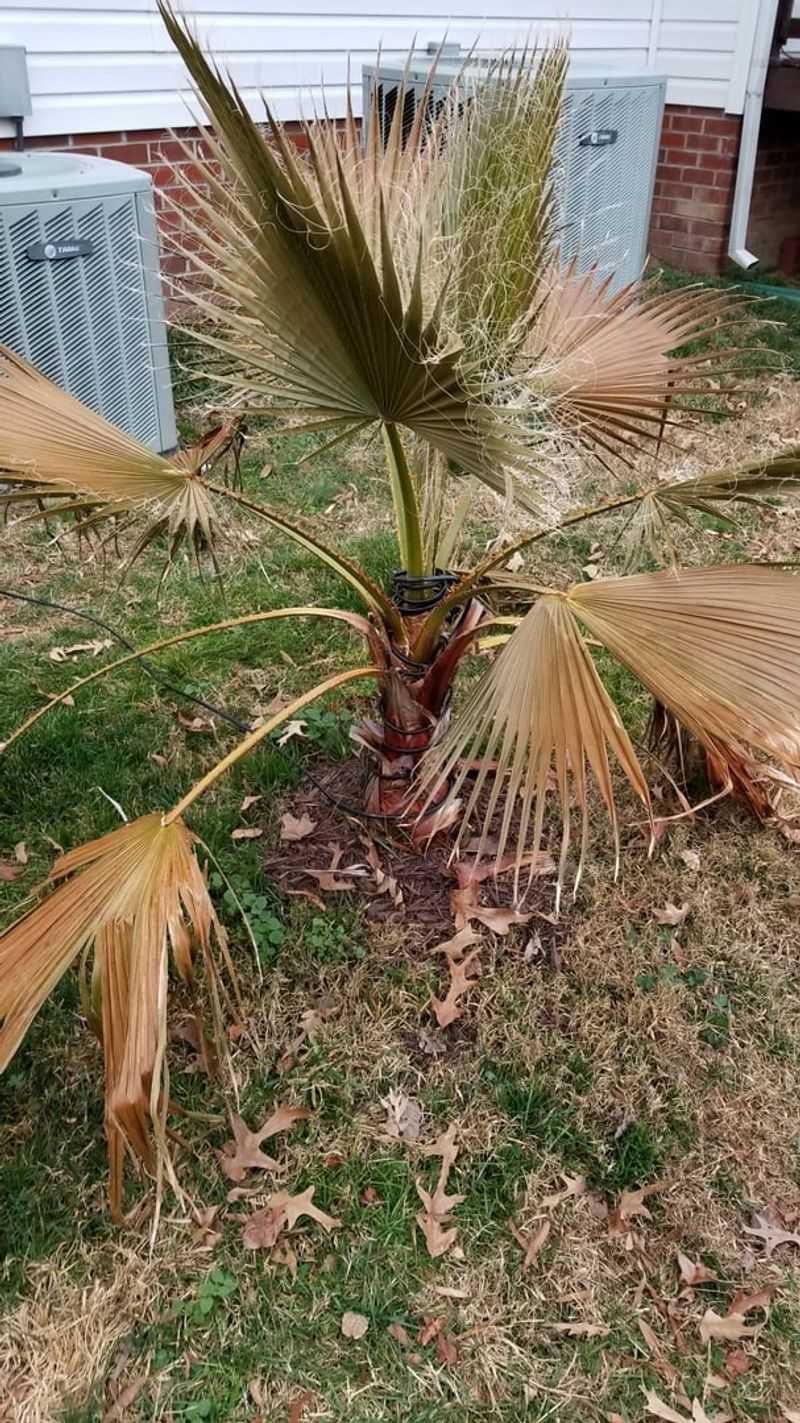
Skyscraper-tall and pencil-thin, this desert native can top 80 feet and sway above rooftops like a feather duster. Its rapid growth makes it a common sight near shopping centers, where it gives instant height without much fuss.
Noticeable frond damage begins around 20 degrees Fahrenheit, with leaves turning brown and ragged after a hard night. Established trees can usually handle light frost, and some mature specimens have reportedly survived lows in the teens.
Young palms with short trunks are more exposed, since their growing point sits closer to cold ground air. Covering a small one with frost cloth before sunset traps warmth radiating from the soil beneath it.
The species is suited to USDA zones 9b through 11, which includes much of central and southern regions. North of that line, gardeners may see repeated leaf burn, though trunks often recover once spring arrives.
Before you add another, note that UF/IFAS has flagged this palm as a caution species in south and central areas. Its seeds sprout readily, so many experts suggest choosing native palms for new landscape projects instead.
Drainage matters more than people expect, because soggy roots plus cold weather create a rough combination. Plant in sandy, loose soil, and avoid low areas where rainwater tends to collect for several days.
Personally, I find the shaggy skirt of old fronds charming, though it can shelter rats and wasps. Trim browned fronds carefully after the cold season, leaving green ones in place to feed the tree.
Areca Palm
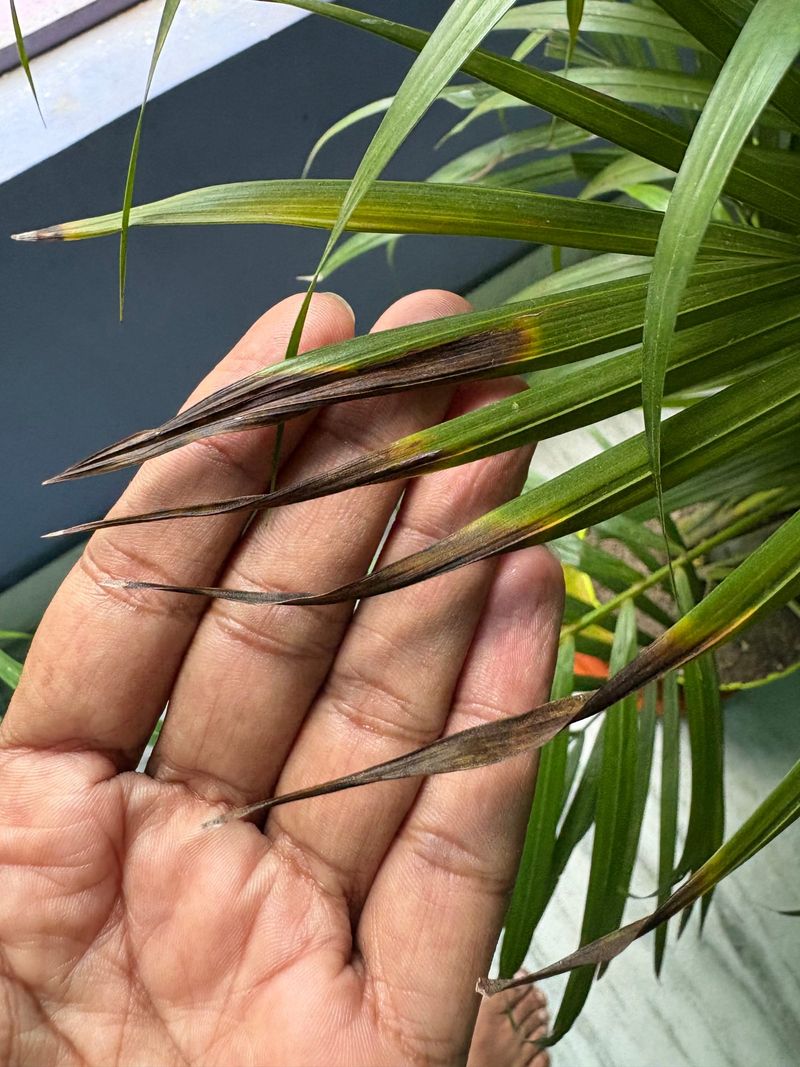
Feathery golden stems clustered like a bamboo grove make this palm a go-to privacy screen in warm neighborhoods. What surprises me most is how early it complains, with chill injury possible below about 50 degrees Fahrenheit.
Symptoms often start as black spots or brown patches that spread across fronds after a cool snap passes. Leaves may also go limp, which looks alarming even when the stems themselves remain perfectly healthy.
Near-freezing nights can be tolerated briefly by established clumps, but young plants struggle much more with that stress. Ideally, winter lows stay above roughly 55 degrees, which explains why it grows so happily indoors up north.
Outdoors, it fits USDA zones 10 and 11, so the southern coasts suit it best by a wide margin. In central areas, a container lets you roll the plant into a garage when chilly forecasts dip.
Planting it near a south-facing wall gives some extra warmth, since masonry releases stored heat after sunset. Overhead tree canopy also helps, because leaves above block heat from escaping into the clear night sky.
Skip heavy fertilizing in late fall, because soft new growth burns faster than hardened older fronds do. Instead, feed during the warm months with a slow-release palm formula that contains both magnesium and potassium.
After a cold scare, cut out only fully browned stems at the base, leaving the green ones alone. New shoots usually emerge from the clump within a few months, filling gaps faster than you might expect.
Foxtail Palm
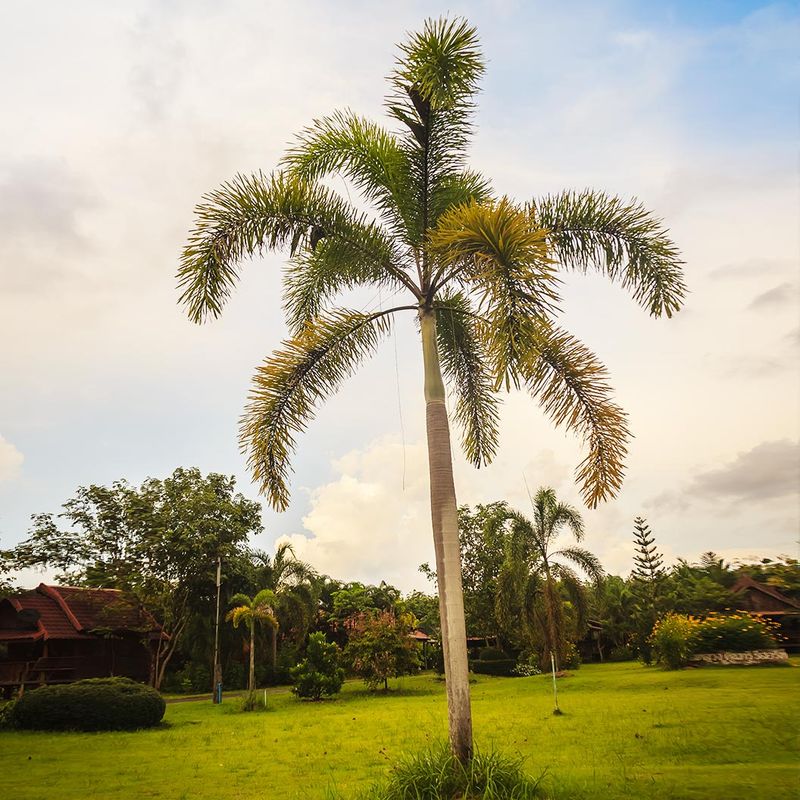
Fluffy fronds that bristle like a fox’s bushy tail earned this Australian native its name, and the resemblance is real. Described by science only in the 1980s, it quickly became a landscaping darling across warm parts of the country.
Most growers say brief dips to 30 or 32 degrees Fahrenheit cause little harm to healthy, established trees. Longer stretches below freezing are another matter, and they can seriously injure the bud at the top.
Some reports describe palms reaching 24 degrees with only tip burn, then bouncing back the following warm season. I would not count on that luck, though, since results vary with tree age and wind exposure.
The palm grows best in USDA zones 10a through 12, which matches South Florida’s mild winters nicely. Gardeners in zone 9b sometimes succeed with a protected spot near the house, though setbacks happen.
Protection becomes important as forecasts approach 25 degrees, especially for young palms that are still building strength. Wrap the trunk loosely in frost cloth, and keep the fabric from crushing the tender spear leaf above.
You need to plant it in full sun with well-drained, slightly acidic soil for the best performance. Once roots settle, it handles moderate drought and some salt, which makes it handy near the coast.
Its smooth trunk drops old fronds on its own, so cleanup stays easy for busy homeowners like me. Just wait until warm weather before cutting any cold-browned leaves, since they still offer some protection.
Canary Island Date Palm
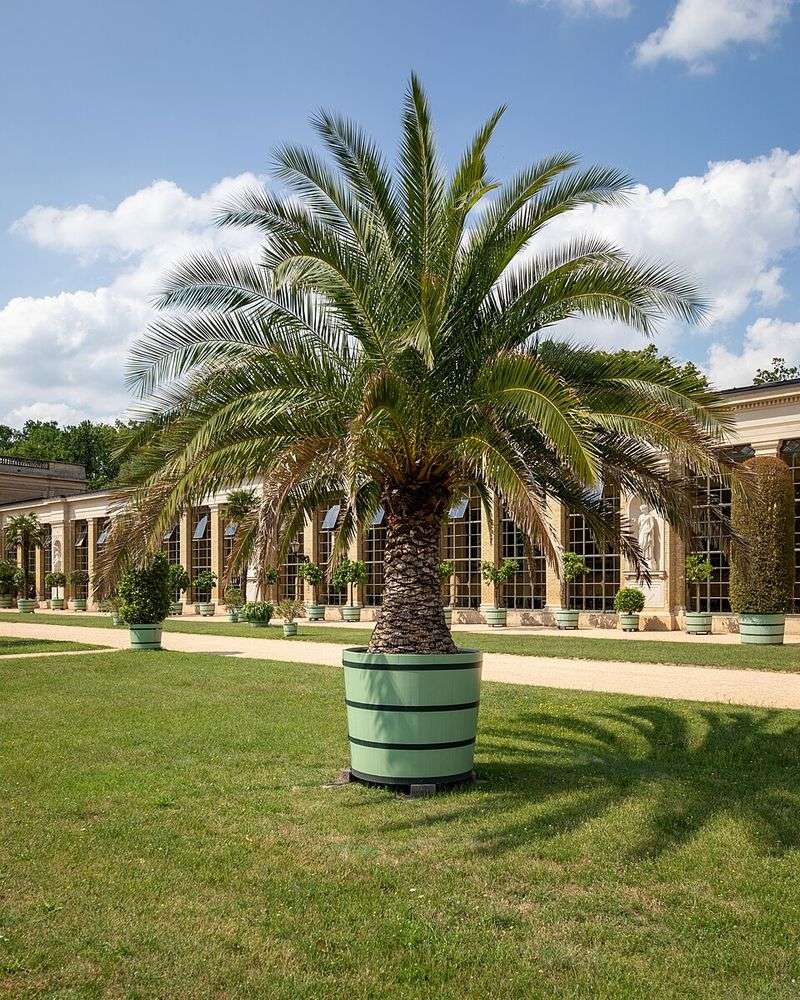
A massive pineapple-patterned trunk topped with hundreds of arching fronds makes this palm look like living sculpture. Plantings near historic hotels and boulevards show how much drama one specimen can add to a landscape.
Cold tolerance is respectable, with most mature trees handling lows around 18 to 20 degrees Fahrenheit. Below 20 degrees, the chance of serious frond damage rises quickly, and the teens can scorch most foliage.
Brief frosts are usually shrugged off, but repeated freezes in the same winter add stress over time. I have seen browned crowns recover beautifully after a mild winter, and that comeback lifts my spirits every time.
The palm suits USDA zones 9 through 11, giving northern and central gardeners a sturdy feather palm option. Plan for plenty of space, because the crown can spread more than 30 feet across at maturity.
A serious caution applies here, since this palm is highly susceptible to Fusarium wilt and palm bronzing disease. Disinfect pruning tools between trees, or better yet, use new blades so infections do not spread.
Avoid cutting off green fronds in a hurry after cold, because over-pruning weakens the palm noticeably. Remove only brown leaves once spring warmth returns, and leave the healthy crown largely in place.
Once established, it tolerates drought and salt spray well, which helps along breezy coastal roads. Watch the sharp spines near the base of each frond, since they can poke through gloves easily.
Coconut Palm
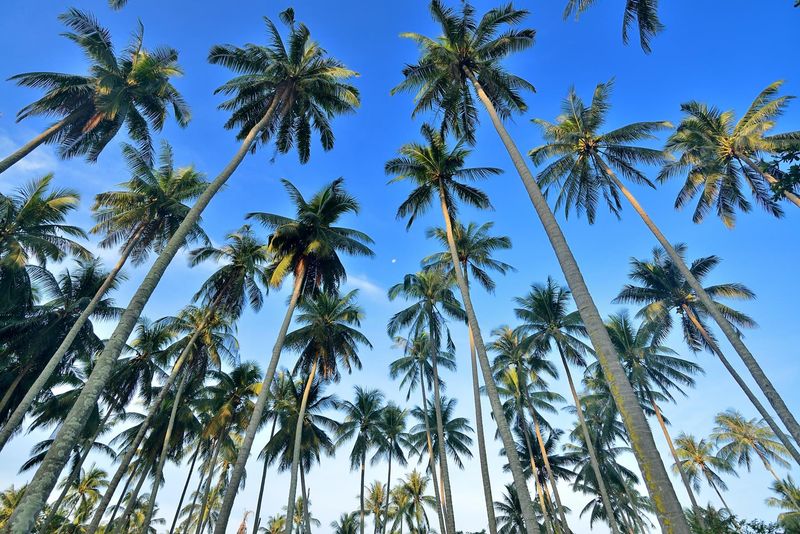
Nothing says tropics like a coconut silhouette, yet this beach icon starts sulking when nights reach the forties. Tissue damage can begin once temperatures stay below 40 degrees Fahrenheit for more than four hours straight.
Frost or readings below freezing often spell disaster, causing severe browning and possible loss of the crown. Even cool fronts below 50 degrees can yellow the leaves and slow growth for weeks afterward.
Growth crawls once temperatures fall below about 70 degrees, so winter is mostly a resting season. You might notice fronds looking pale after a chilly spell, especially on palms with no time to adjust.
Reliable hardiness sits in USDA zones 10b and 11, while zone 10a remains a risky proposition. That mostly means coastal southeast areas and the Keys, where ocean water keeps winter nights milder.
Before a cold front, water the soil and drape frost cloth over young palms down to ground level. Mature trees are tough to cover, so siting matters, with warm spots near buildings or water helping most.
Ask your nursery about varieties chosen for resistance to yellowing diseases, which remain a serious local concern. The Malayan Dwarf types were widely planted for that reason, though resistance has proven imperfect over time.
I can’t imagine a South Florida beach without them, and careful planning keeps that view intact. Plant them in full sun, and save any pruning until warm weather has fully returned in spring.
Pindo Palm
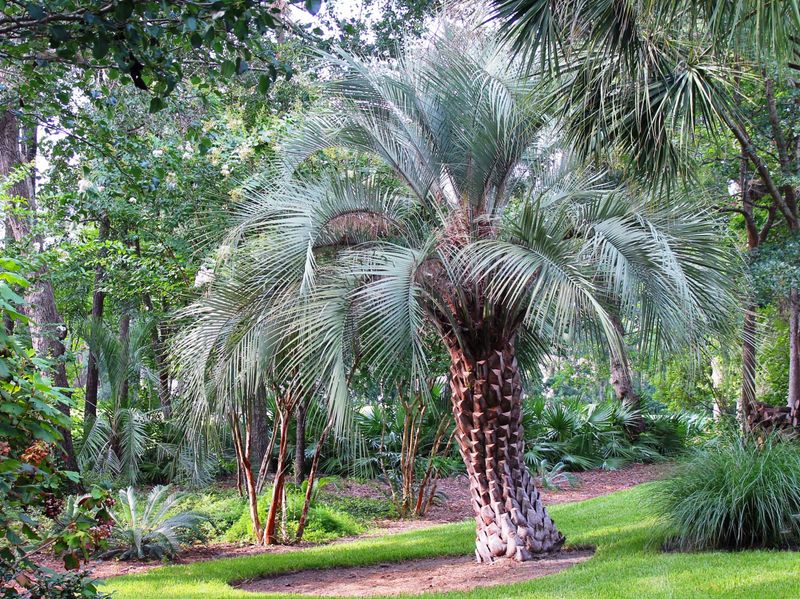
Sweet apricot-colored fruits that taste like a blend of pineapple and banana give this palm its nickname, jelly palm. I love how a backyard tree can supply both silvery beauty and homemade jam in the same summer.
Few feather palms match its toughness, and established trees often handle lows near 12 to 15 degrees Fahrenheit. Some sources report survival down to 5 degrees, though leaf damage becomes likely well before that point.
That hardiness covers USDA zones 7b through 11, so gardeners in the Panhandle can enjoy a feathery tropical look. In the far south, summer humidity sometimes makes it less vigorous than in cooler northern counties.
Healthy, well-fed trees bounce back better from freezes, so feed them during the growing season with palm fertilizer. Cold injury often shows first on the outer fronds, which may turn tan while the center stays green.
The botanical name has shifted over time, and many nurseries now sell it as Butia odorata instead. Either label refers to the same blue-green beauty most of us know from older neighborhoods around town.
Give it full sun and sandy, well-drained soil, and it becomes quite drought tolerant once roots establish. Leave enough room around it, since the arching fronds carry small sharp spines along their lower stems.
Fallen fruit attracts insects quickly, so gather ripe clusters often if you plan to cook with them. Personally, I think a pot of pindo jelly is the tastiest reward any cold-hardy palm could offer.
Sago Palm
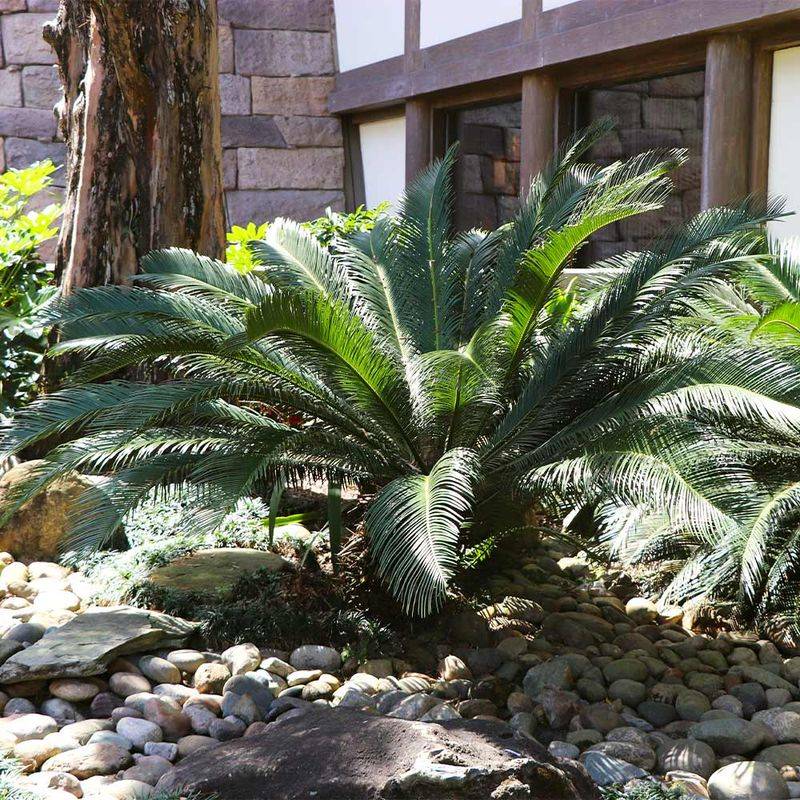
Despite its name, this plant is a cycad, part of an ancient plant group that thrived alongside the dinosaurs. I like how its stiff, glossy leaves look tropical while hiding a surprisingly sturdy constitution underneath.
Foliage damage can start near 23 degrees Fahrenheit, and fronds often brown or yellow below roughly 14 degrees. The thick trunk, called a caudex, is far tougher and can push new leaves even after losing every frond.
Mature plants briefly survive temperatures in the teens, especially when the soil stays dry rather than soggy. Wet roots combined with cold air invite rot, so drainage is your best defense during winter.
Sagos grow in USDA zones 7b through 11, making them popular in nearly every Florida county. In the north, a frost cloth over the crown on harsh nights keeps foliage looking tidier.
A serious warning belongs here, because every part of the plant is toxic, especially the seeds. Dogs are particularly at risk, so think carefully before planting one where pets roam the yard freely.
Cold-browned leaves can stay until spring, then trim them back once a flush of new growth emerges. Many gardeners also battle cycad scale, a pest that coats fronds in white and weakens the plant.
Treat scale promptly with horticultural oil, and inspect undersides of leaves where it often hides first. Honestly, a healthy sago laughs at cold snaps that would humble a coconut in a single night.