Why Deer Are Eating Your Virginia Shrubs in Winter
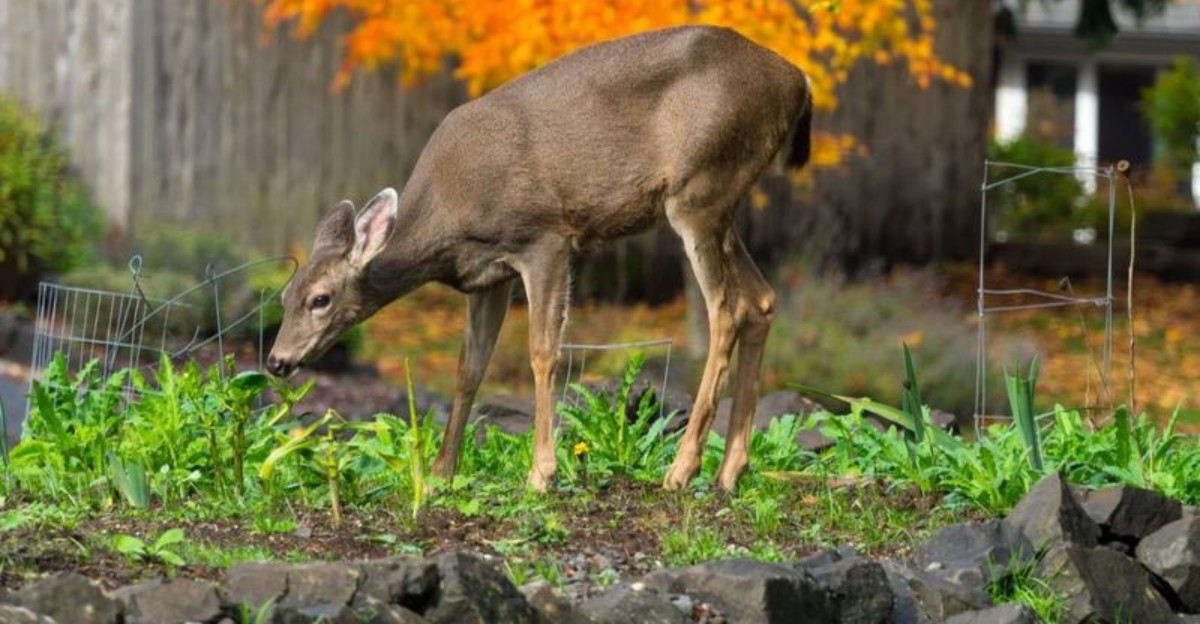
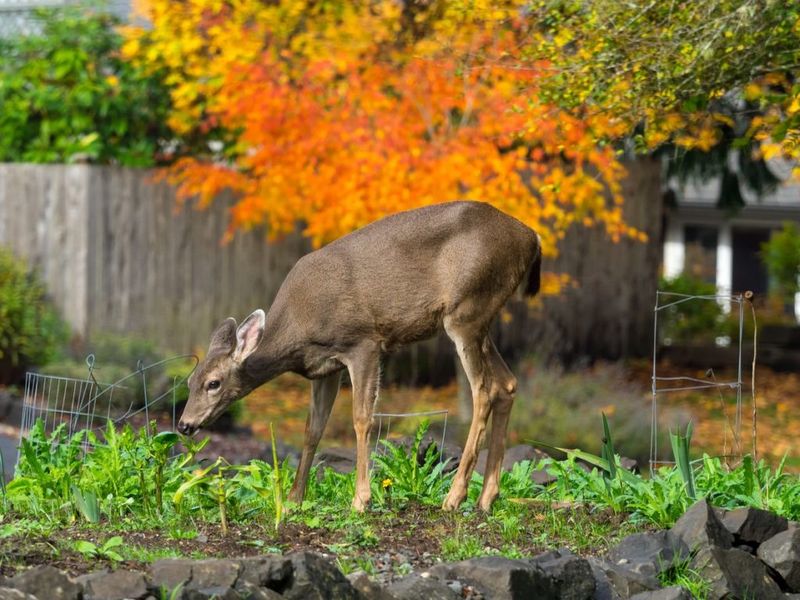
Deer have no upper front teeth. Instead, they clamp a twig between their bottom teeth and a tough upper pad, then rip.
That is why winter damage on shrubs looks shredded instead of snipped.
I still remember finding my first chewed evergreen on a frosty January morning. The branches looked like someone had gnawed them with a dull pair of pliers.
I blamed the rabbits for a whole week.
Across Virginia, cold months bring a quiet shift in what wild animals can find to eat. Green leaves fade, acorns run low, and your tidy foundation plantings start looking like a salad bar.
You may notice the trouble only after the leafy edges vanish.
What changes out there when the temperature drops? And why does your yard suddenly feel like the busiest spot in the neighborhood?
1. Those Empty Winter Woods Send Hungry Deer Toward Your Yard
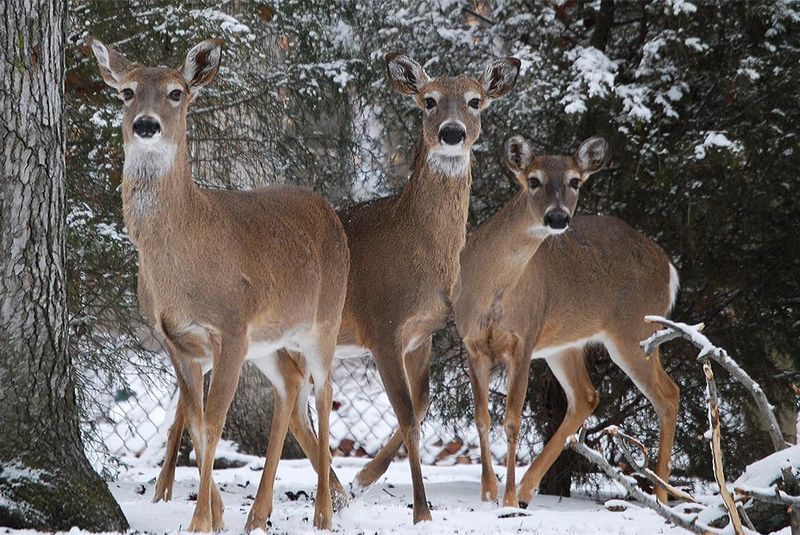
Walk through a Virginia forest in January and you will notice how little green is left. Wildflowers have faded, soft leaves have dropped, and most of the fall acorn crop is gone or buried.
For a white-tailed deer, the pantry is nearly bare.
Deer do not hibernate, so they still need food every single day. Wildlife experts often say an adult deer eats several pounds of plant material daily, though the amount can drop a bit in winter as their bodies slow down.
Even so, that is a lot of nibbling.
In winter, deer switch to what biologists call browse. That means twigs, buds, and evergreen leaves from woody plants.
In the wild, they would find these in thickets and young forests.
Your yard offers the same kind of food, only better arranged. Foundation shrubs, hedges, and evergreen borders sit in neat rows, often watered and fertilized all year.
To a hungry deer, that looks like a well-stocked grocery aisle.
Acorn crops also vary a lot from year to year. In a poor mast year, deer may show up in neighborhoods earlier and stay longer.
So if one winter feels worse than the last, food supply in nearby woods could be part of the reason.
2. Evergreen Leaves And Fat Buds Are The Winter Menu
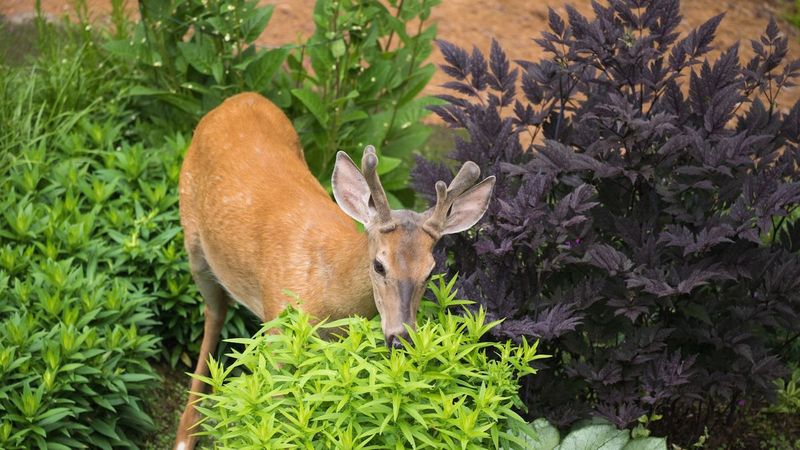
Honestly, if I were a deer in February, I would head straight for the rhododendrons too. Evergreen shrubs keep their leaves when everything else turns brown.
That makes them one of the few green snacks around.
Deer also target swollen buds on deciduous shrubs. Those buds hold next spring’s leaves and flowers, packed with stored energy.
Nipping them off in winter can mean fewer blooms on your azaleas or hydrangeas later.
Shrubs that often get hit hard include arborvitae, yews, evergreen azaleas, rhododendrons, and euonymus. Hostas and roses are favorites in warmer months, but woody evergreens take most of the pressure once snow arrives.
Many Virginia State and Cooperative Extension resources list yews and arborvitae among the most frequently damaged plants.
Snow makes things worse. When a few inches cover low plants and fallen acorns, deer reach upward instead.
Anything sticking out of the snow becomes fair game.
A quick tip from my own garden: watch your shrubs closely right after a big snowfall. That is often when browsing jumps overnight.
Catching it early lets you add protection before a plant loses most of its foliage.
3. Ragged, Torn Twigs Point Straight To Deer
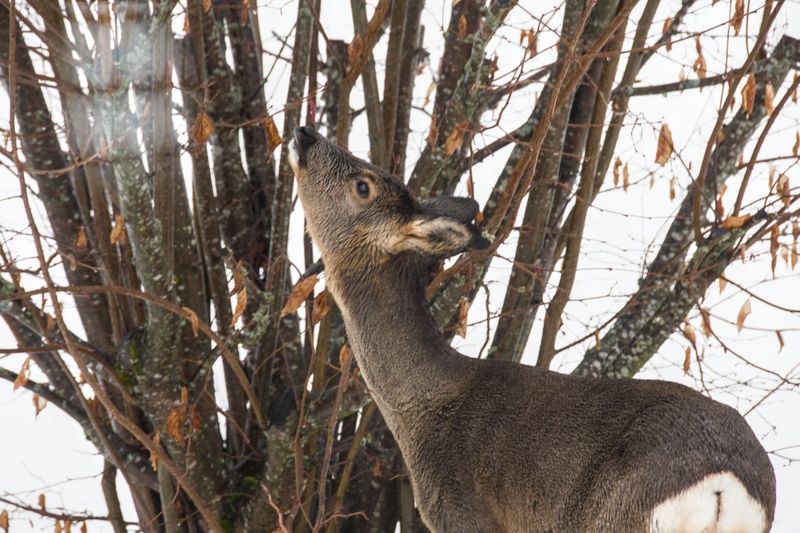
Grab a magnifying glass, or just lean in close. The ends of chewed twigs can tell you exactly who visited.
Deer leave rough, frayed tips that look torn rather than cut.
Rabbits are the usual suspects that get confused with deer. A rabbit leaves a clean, angled cut, almost like a pruner made it.
Rabbit damage also stays low, usually under about two feet unless snow lets them climb higher.
Deer damage shows up higher. A standing deer can reach roughly five to six feet, so look for chewed branches from knee level up to your shoulders.
On tall arborvitae, this creates a bare lower trunk and a leafy top, often called a browse line.
Other clues help confirm your guess:
Heart-shaped hoofprints in mud or snow are a giveaway. Small piles of dark, oval pellets near your beds are another sign.
You may also spot rubbed bark on young trees, which bucks cause in fall.
Voles cause a different problem, chewing bark at the base under mulch or snow. Knowing which animal is responsible matters, because each one needs a different fix.
Netting that stops deer may not help with rabbits or voles at all.
4. Suburban Neighborhoods Are Deer Hotspots For Good Reason
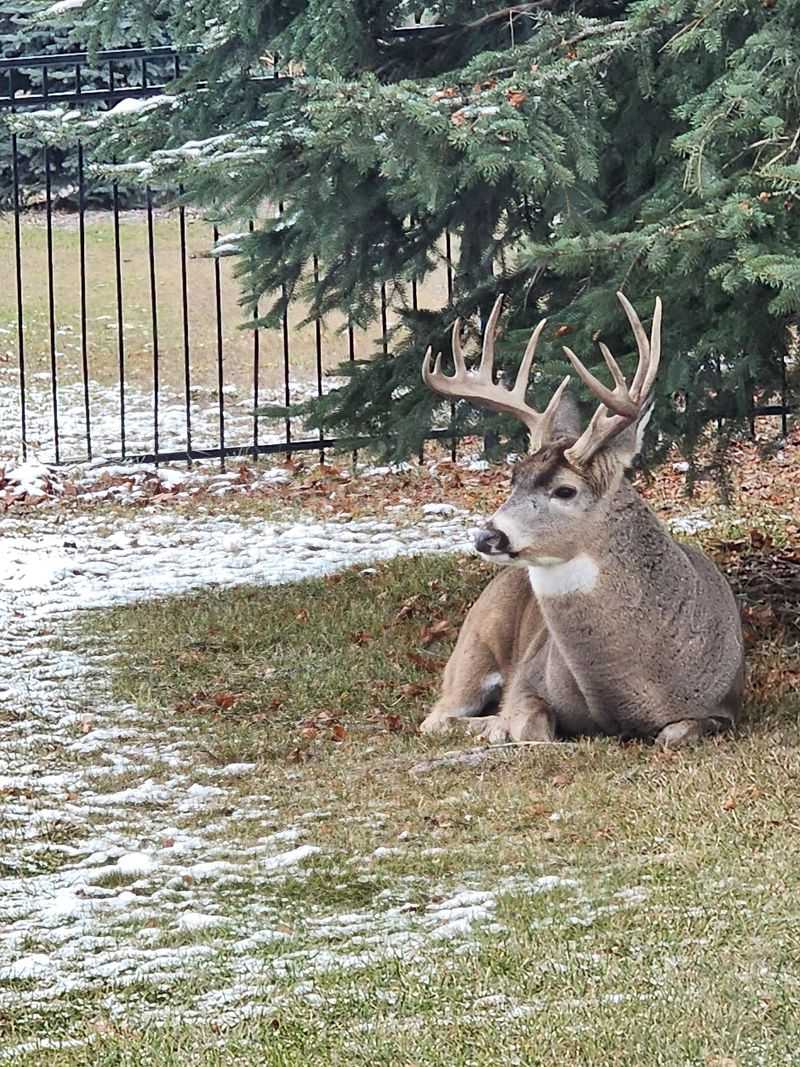
Plenty of Virginia gardeners swear they see more deer in their cul-de-sac than in the state park. They are not imagining things.
Suburbs often give deer nearly everything they need.
Patches of woods provide cover, while lawns and gardens supply food. Many neighborhoods also limit hunting or ban firearm discharge, so deer face little pressure.
Natural predators like wolves are long gone, and coyotes mostly target fawns.
The Virginia Department of Wildlife Resources notes that deer numbers in many suburban and urban areas are high enough to cause frequent conflicts. Northern Virginia, Richmond suburbs, and parts of Hampton Roads see plenty of complaints.
Rural areas can have deer too, but browsing near homes often feels heavier where people and woods overlap.
Deer also save energy in winter by moving less. A herd that beds down in a wooded strip behind your house would rather walk fifty feet to your shrubs than cross a busy road.
Short trips and steady food make your yard extra appealing.
Feeding deer on purpose only adds to the issue. Corn piles draw more animals into one spot, raise disease risk, and pull them closer to your plants.
Virginia prohibits feeding deer statewide from September 1 through the first Saturday in January, and additional restrictions apply in certain areas.
5. Netting And Fencing Around Shrubs Work Best
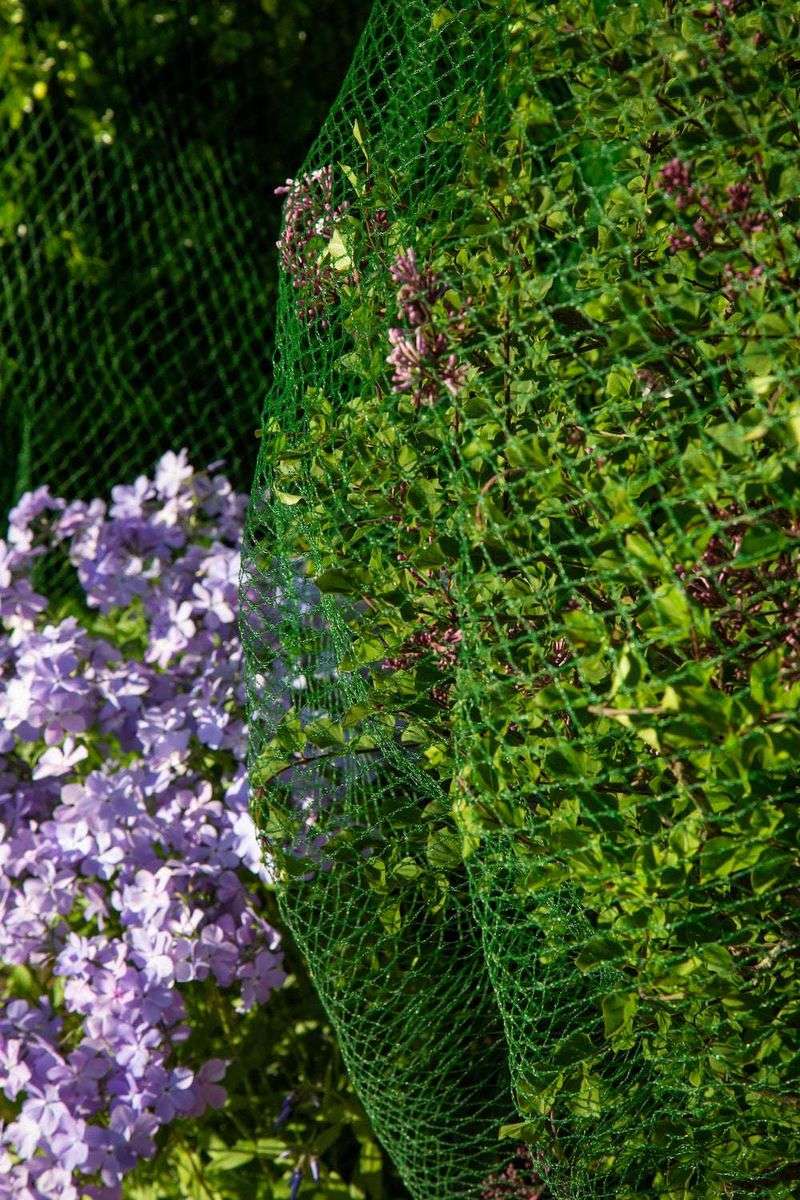
Let me be blunt here. Physical barriers beat every spray, gadget, and old wives’ tale I have tried.
If deer cannot reach a shrub, they cannot eat it.
For single plants, lightweight plastic deer netting is cheap and easy. Drape it over the shrub, then pin it to the ground with landscape staples so deer cannot push underneath.
Remove it in spring before new growth tangles inside.
Burlap screens or wraps help tall arborvitae and yews, and they shield plants from drying winter wind too. Wire cages made from welded fencing work well around young trees and small shrubs.
Leave a little space between the cage and branches.
For whole beds, a fence is the gold standard. Extension specialists generally recommend about eight feet in height, since deer jump well.
Some gardeners use two shorter fences spaced a few feet apart, because deer dislike leaping into narrow spaces.
Electric fencing baited with peanut butter can teach deer to stay away, but check local rules first. Whatever you choose, inspect it after storms.
Fallen limbs, sagging net, or loose stakes create quick openings that a determined deer will find.
6. Deer Repellent Sprays Help When You Rotate Them
Repellents are a bit like a scolding finger. They can discourage deer, but a starving animal may ignore the warning.
Still, they buy time and work nicely alongside barriers.
Most products fall into two groups. Odor repellents often use putrescent egg, garlic, or similar strong scents.
Taste repellents use bitter compounds or hot pepper to make leaves unpleasant.
Research shared by several extension services suggests egg-based products tend to perform well. Even so, deer can grow used to one smell, so switching between product types every few weeks keeps them guessing.
Timing matters a lot. Apply repellents before damage starts, not after deer already have a habit.
Spray on a dry day above freezing, since many products need to dry on leaves to stick. Reapply after heavy rain or as directed on the label.
Homemade remedies like soap bars, human hair, or flashing tins have mixed results at best. Motion-activated sprinklers can startle deer, though freezing temperatures limit their use in winter.
Read every label carefully and follow directions, especially near vegetable beds, pets, or children playing in the yard.
7. Prickly Holly And Fragrant Natives Make Smarter Swaps
After years of replacing chewed shrubs, I finally changed my strategy. Picking plants deer usually skip saves money and frustration.
No plant is deer-proof, but some are rarely bothered.
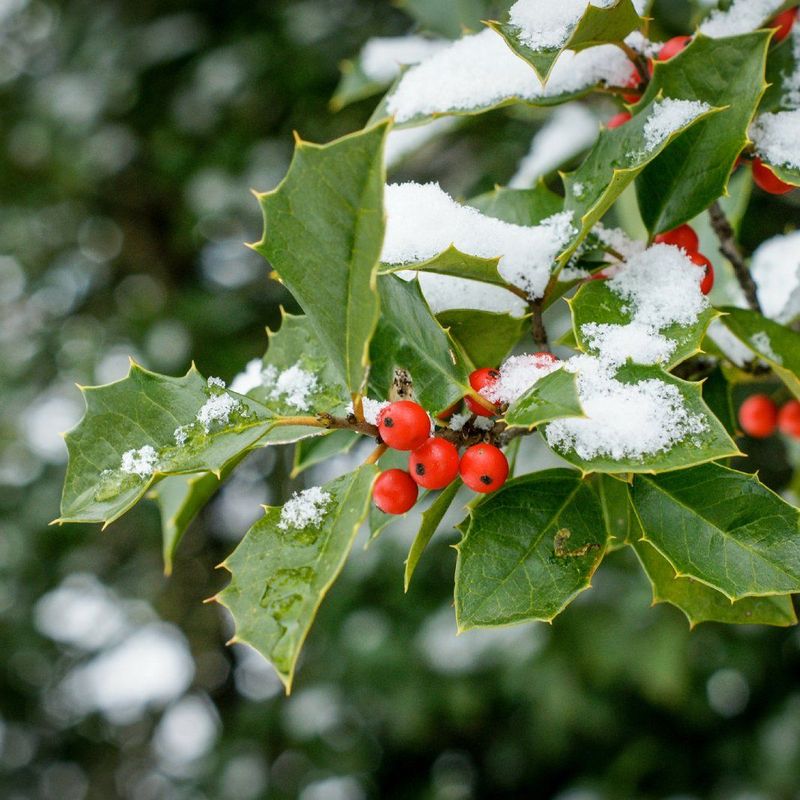
Deer tend to avoid prickly, fuzzy, strongly scented, or toxic foliage. American holly, a native evergreen with spiny leaves, is a solid choice for Virginia yards.
Boxwood is another favorite because deer dislike its smell and chemistry.
Native options worth a look include spicebush, inkberry holly, eastern red cedar, and Virginia sweetspire. Many viburnums, bayberry, and native ferns also hold up well.
The Virginia Native Plant Society offers helpful regional lists for coastal, piedmont, and mountain areas.
Choose plants suited to your zone, which ranges from about 6a in the western mountains to 8a near the coast. Avoid invasive shrubs like Japanese barberry or burning bush, even though deer ignore them.
Those spread into nearby woods and crowd out native plants.
Plan bigger changes for spring or fall planting. Until then, protect your favorite yews and azaleas with netting this winter.
Over time, a smarter plant mix means fewer surprises waiting on frosty mornings.