How To Keep Fresh Lettuce Growing Indoors Through An Ohio Winter
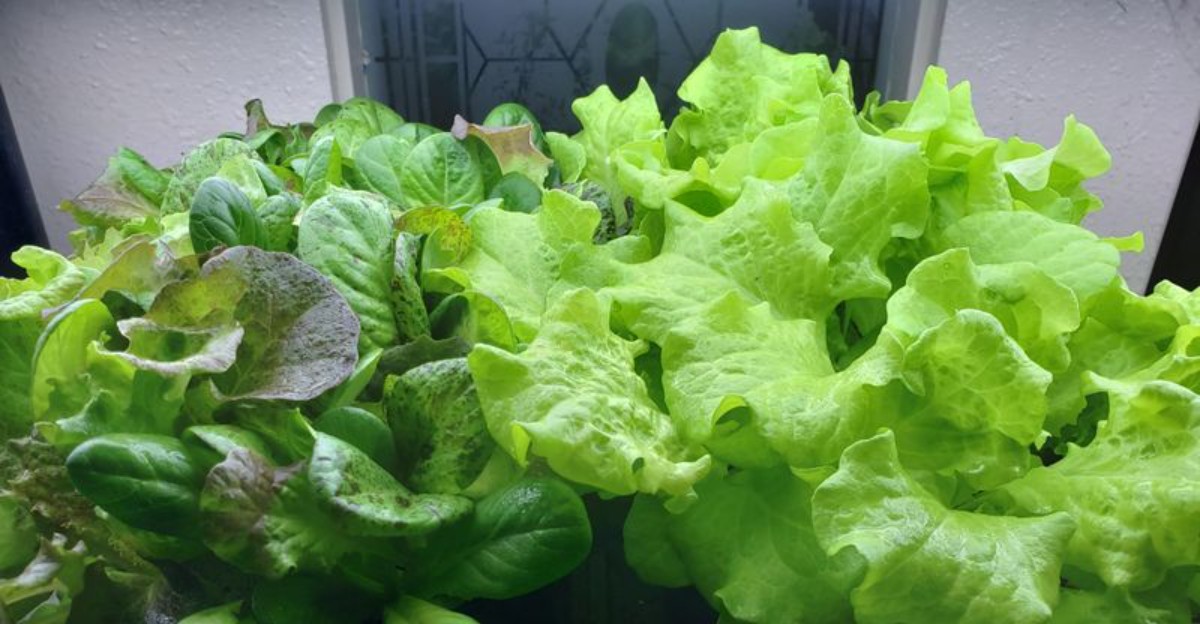
Even one leafy plant on a kitchen counter can give you salad greens in about a month, while snow piles up outside. I still grin when I snip leaves in January while the porch thermometer reads 15 degrees.
Ohio winters bring short, gray days, and that gloom matters more than the cold for indoor crops. Limited sunshine in December can make it difficult for leafy vegetables to thrive on a windowsill.
Plants notice that gap long before we do.
I love how little space this project takes. A shallow tray, an inexpensive grow light, and a cool corner of the house can turn into a tiny salad bar.
You don’t need a greenhouse or a fancy gadget to pull it off.
Why do so many windowsill attempts flop by February? The answer sits closer to your light switch than you might expect.
1. That Pale, Stretchy Lettuce on Your Windowsill Is Sending a Message
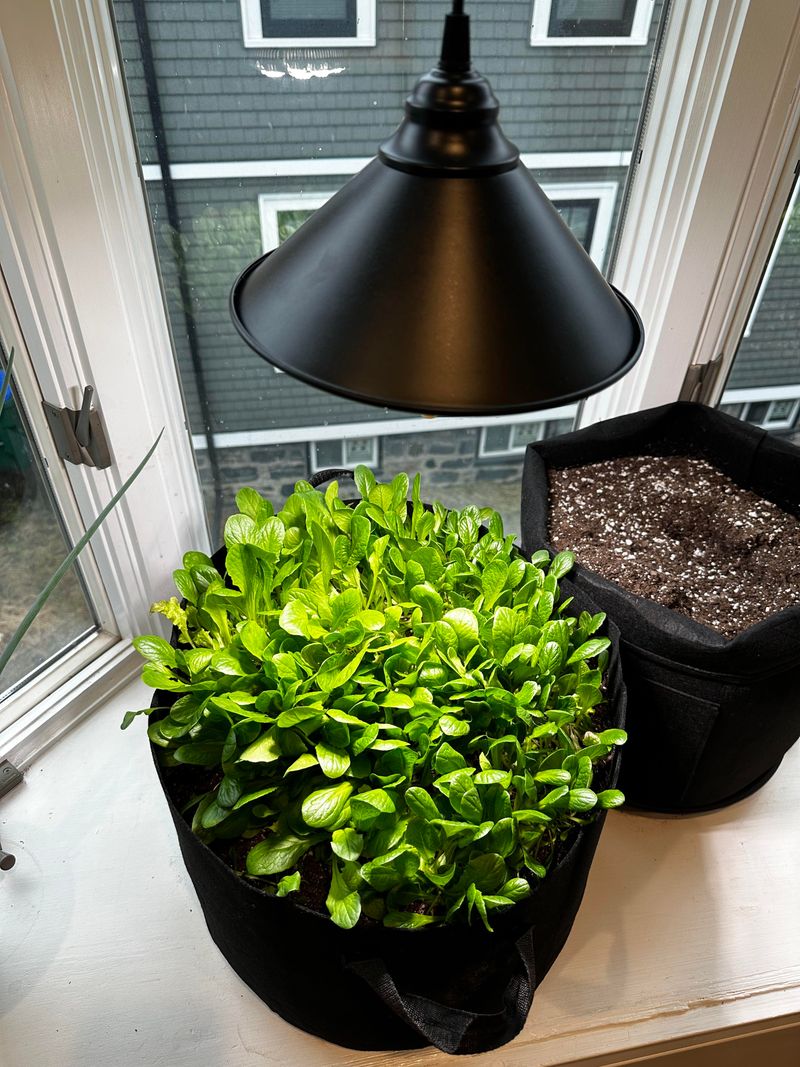
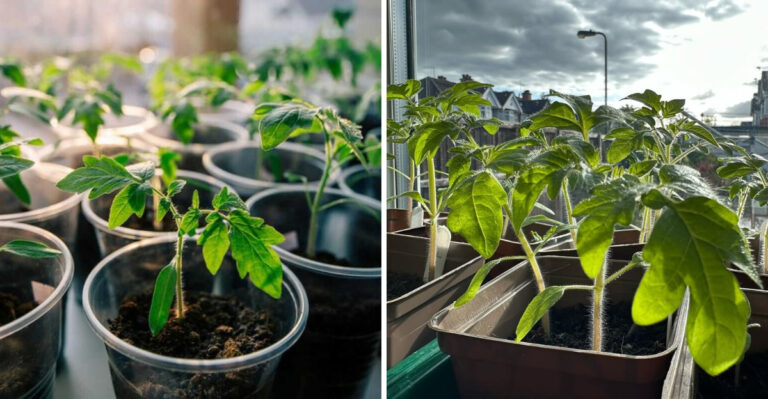
Ever notice seedlings leaning so hard toward the glass they almost tip over? I have, and that stretchy, pale look is a classic cry for more light.
Lettuce is a cool-season crop, so the chilly air inside a winter home rarely bothers it. The real trouble is the dim sky.
In December, Ohio gets roughly nine hours of daylight, and much of it comes through thick cloud cover.
A south-facing window is your best natural option. Even so, the light coming through glass is weaker than you think, and it fades fast by late afternoon.
Plants respond by growing tall, thin stems with floppy leaves that taste a bit bland.
Leggy growth isn’t a disaster, though. It’s simply feedback.
If your lettuce looks washed out, yellowish, or spindly, the fix usually involves adding light rather than water or fertilizer.
I learned this the slow way one January. My windowsill tray looked hopeful for two weeks, then turned into a tangle of skinny stems.
Once I hung a basic LED shop light above it, the next batch grew thick, crisp, and deeply green.
So before you blame your thumb, check your light source first. It’s the biggest factor in winter success.
2. A Simple LED Grow Light Turns Winter Lettuce Around
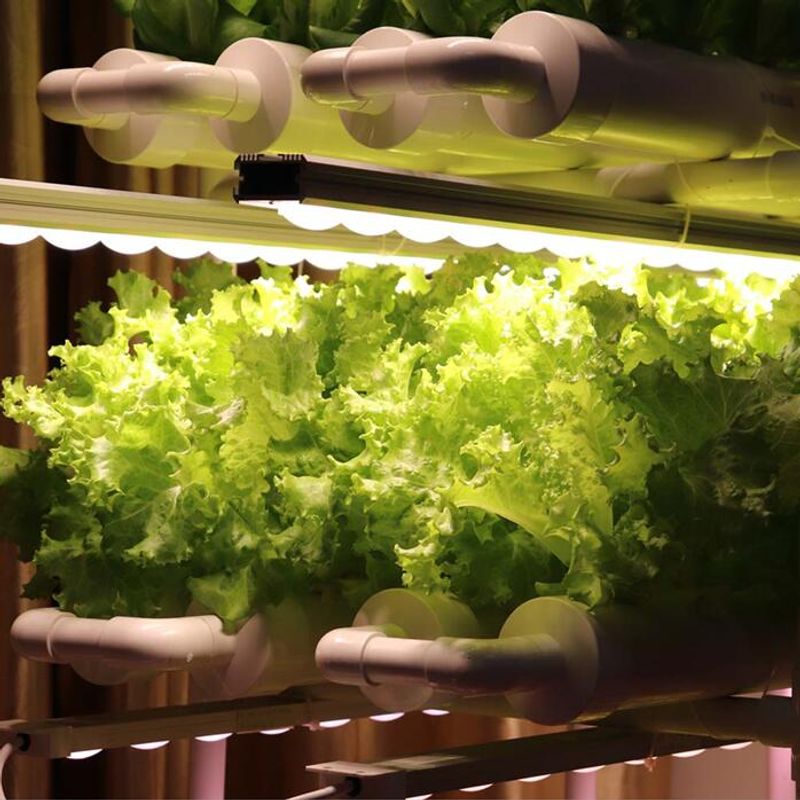
Here’s my favorite winter purchase ever: a plain full-spectrum LED fixture that costs less than a few weeks of store-bought salad greens.
Lettuce grows well with 12 to 16 hours of light each day. A cheap outlet timer handles the schedule, so you won’t have to remember to flip switches at dawn and dusk.
I set mine for about 14 hours and let it run.
Height matters too. Keep the light roughly 4 to 12 inches above the leaves, depending on its strength.
Strong LEDs can sit a bit higher, while T5 fluorescent tubes work best close to the plants.
Watch the leaves for clues. Stretching means the light is too far away or too weak.
Crispy, bleached spots near the top can mean it’s too close.
You don’t need a fancy hydroponic tower for good results. A shelf, a couple of hanging chains, and one or two shop-style LED fixtures can feed a family’s salad bowl all winter.
In Ohio, LEDs also run cool and use little electricity. That makes them a smart match for a basement corner, a spare bedroom, or the top of a kitchen cabinet.
3. Loose-Leaf Lettuce Varieties Beat Big Heads Indoors
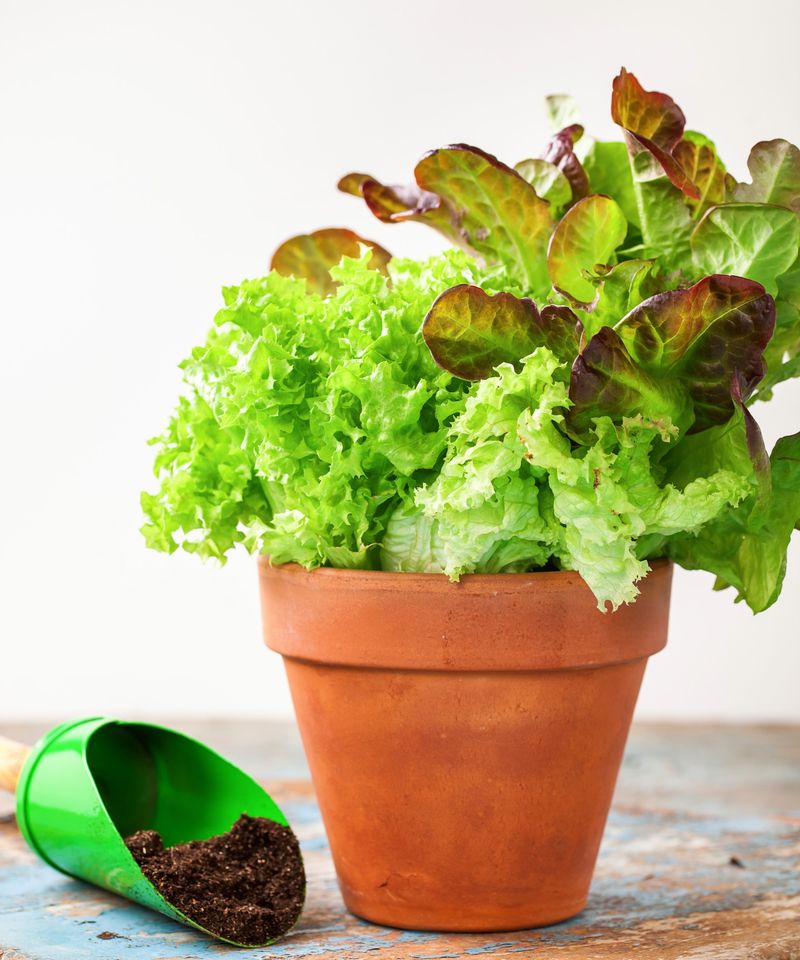
Picking the right seed packet can save you weeks of waiting. Loose-leaf types are the stars of indoor growing, and I rarely bother with anything else in winter.
Head lettuces like iceberg need lots of room and a long season to form a tight ball. Loose-leaf kinds skip that step.
They grow a rosette of leaves you can trim a few at a time, and the center keeps pushing out fresh ones.
Black-Seeded Simpson is a fast, frilly classic that handles lower light well. Red Sails adds a pretty bronze color and tends to resist turning bitter.
Salad Bowl and Oakleaf types offer tender, lobed leaves that look lovely in a bowl.
For Ohio gardeners wanting something compact, Little Gem and Tom Thumb stay small and fit nicely in pots. Winter Density and Arctic King were bred for chilly conditions, so they shrug off a cool room.
Fun fact: Black-Seeded Simpson dates back to the 1800s and remains a favorite in many seed catalogs today.
I like mixing two or three varieties in one tray. The colors and textures make every harvest feel like a small celebration.
4. Cool Rooms and Shallow Trays Keep Lettuce Leaves Sweet
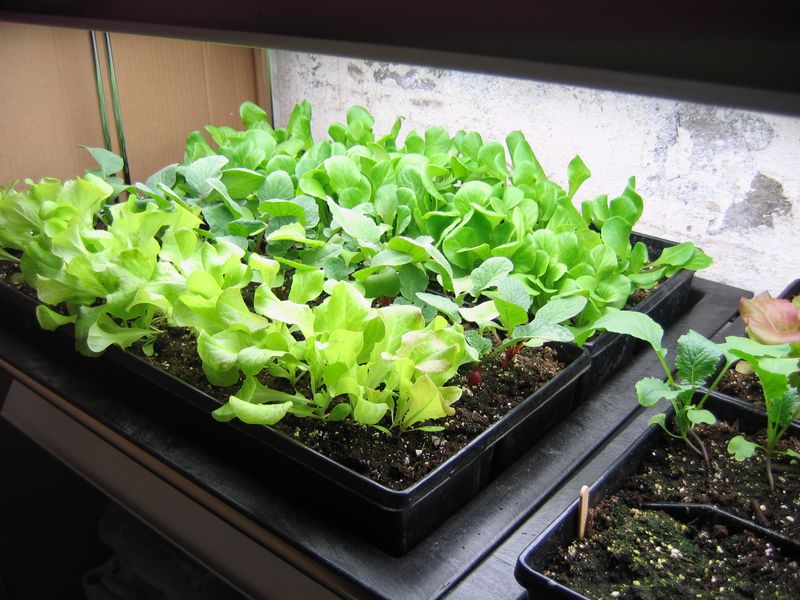
Lettuce actually prefers the chilly spots most of us avoid in January. That drafty back bedroom or a cool basement can be perfect.
For indoor lettuce in Ohio, aim for temperatures between about 55 and 65 degrees.
Once things climb past 70, leaves can turn bitter and plants may start to bolt, which means they rush to send up a flower stalk.
Keep trays away from radiators, heat vents, and space heaters. Warm, dry air pulls moisture out of the soil quickly and stresses young plants.
A cold window can work, but avoid letting leaves touch frosty glass.
Roots stay shallow, so you don’t need deep pots. Wide containers 4 to 6 inches deep work well, as long as they have drainage holes.
Old takeout containers with holes poked in the bottom do the job in a pinch.
Skip garden soil. It packs down hard indoors and can carry pests.
A light seed-starting mix or quality potting mix gives tiny roots air and room to spread.
I keep a cheap thermometer on my plant shelf. It’s a small step, but it tells me right away if my setup is drifting too warm.
5. Watering Lettuce Seedlings Takes a Lighter Touch Than You Expect
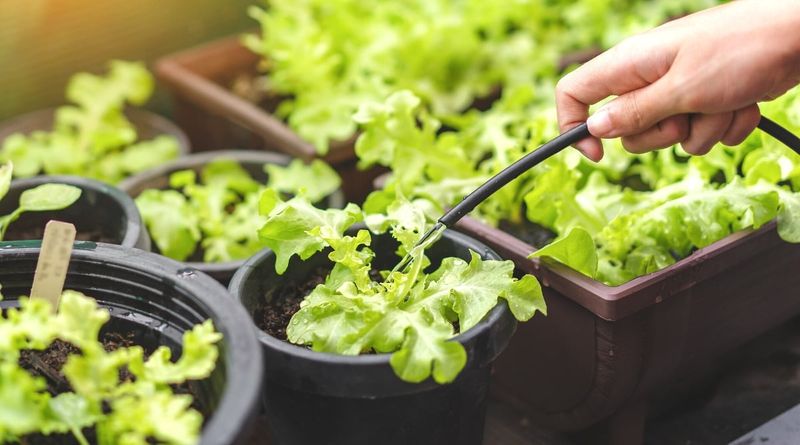
Too much love from a watering can is one of the most common ways indoor lettuce goes wrong. I’ve drowned a tray or two myself.
Start seeds with a spray bottle. A gentle mist keeps the surface damp without washing tiny seeds out of place.
Lettuce seeds need light to sprout, so press them onto the mix and barely cover them.
Once plants have a few true leaves, switch to deeper watering. Pour slowly until water drips from the bottom, then empty the saucer so roots aren’t sitting in a puddle.
The best timing trick is simple. Touch the top of the mix, and water when it feels dry.
Indoor heat can speed things up, so check every day or two.
Winter air inside Ohio homes often gets very dry. A tray of pebbles and water nearby, or grouping plants together, helps raise humidity around the leaves.
Somewhere between 50 and 80 percent works well.
Watch for clues. Wilting with wet soil usually points to soggy roots, while wilting with dry soil means it’s time for a drink.
Your fingertip is the best tool you own here.
6. Healthy Lettuce Leaves Need Just a Little Fertilizer
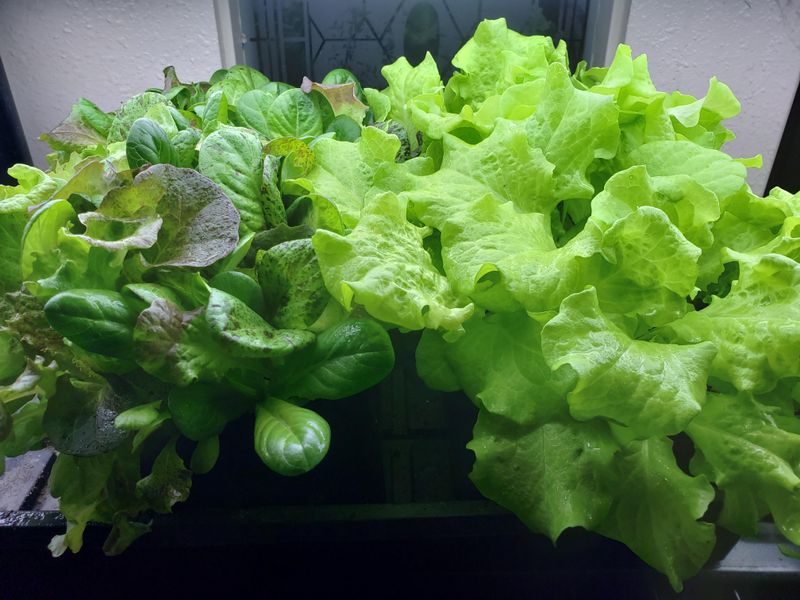
For Ohio gardeners, lettuce isn’t a heavy eater, and that makes feeding it pretty relaxing. A little goes a long way with these leafy plants.
Most seed-starting mixes hold only a small supply of nutrients. Once seedlings grow their first true leaves, begin a liquid fertilizer mixed at half strength or weaker.
Every one to two weeks is plenty for most setups.
Nitrogen fuels green, leafy growth, which is exactly what you want. Fish emulsion or a complete liquid fertilizer suitable for edible crops works well, while kelp supplements alone may not provide sufficient nutrients.
Worm castings mixed into the potting mix also add a gentle, slow boost.
Overfeeding can backfire. Salts build up in the container, leaf edges may brown, and roots can struggle.
If you see a white crust on the soil surface, flush the pot with plain water.
Curious about hydroponics? Countertop systems use a nutrient solution instead of soil.
They grow lettuce quickly, but you’ll need to follow the product directions for pH and strength.
Personally, I keep it simple with a weak fish and kelp blend. My leaves stay tender and sweet, and I don’t worry about burning delicate roots.
7. Tiny Gnats and Aphids Can Sneak Onto Indoor Lettuce
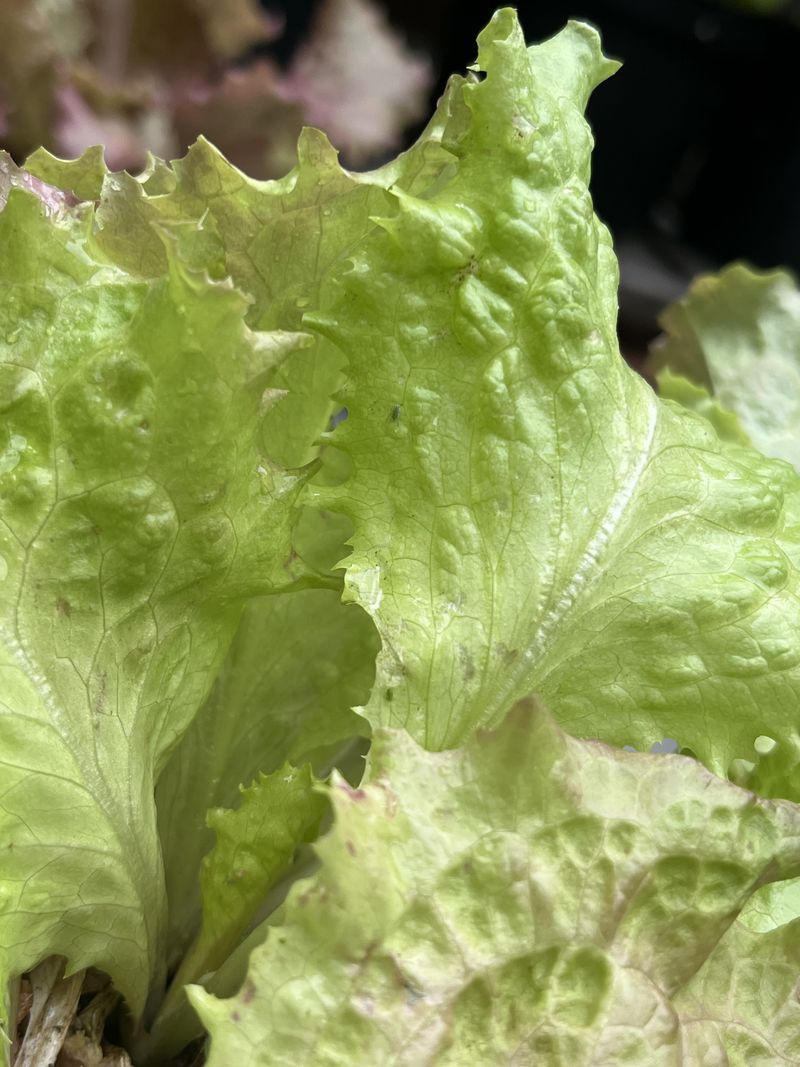
Even inside a warm house, bugs find a way. Fungus gnats and aphids are the usual winter troublemakers on indoor greens.
Fungus gnats look like tiny black flies hovering over the soil. Their larvae live in constantly wet potting mix.
Letting the surface dry between waterings often reduces them fast, and yellow sticky traps catch the adults.
Aphids are small, soft, and often green. They cluster on new growth and the undersides of leaves, leaving a sticky film called honeydew.
Check your plants each time you harvest so you catch them early.
A strong rinse under the kitchen faucet knocks many aphids off. For bigger groups, insecticidal soap labeled for edible plants can help.
Follow label directions, and wash leaves well before eating.
In Ohio homes, spider mites may show up in dry air as fine speckles and faint webbing. Raising humidity and rinsing leaves can help manage them.
A small fan on low adds gentle airflow. That breeze discourages mildew and makes your plants less inviting to pests.
Buying fresh potting mix each season, instead of reusing old outdoor soil, also keeps unwanted hitchhikers out of your salad tray.
8. Snip Outer Lettuce Leaves for Salads All Winter Long
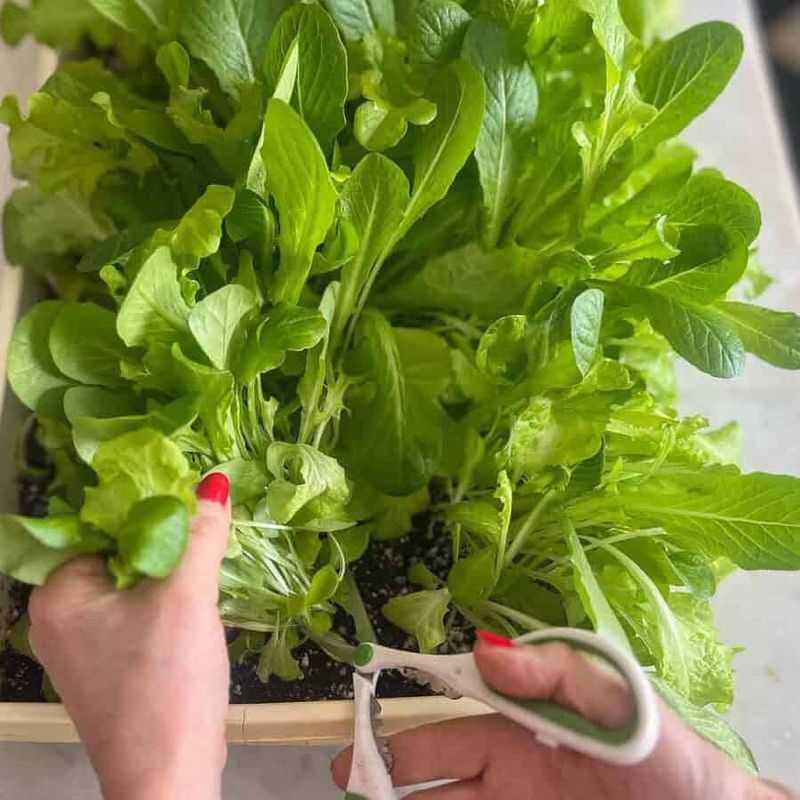
The first harvest feels like a small victory over the gray Ohio sky. Mine usually comes about three to four weeks after sowing.
Start picking when leaves reach 3 to 6 inches tall. Use clean scissors to snip the larger outer leaves near the base.
Leave the small center leaves alone so the plant can keep growing.
Gardeners call this cut-and-come-again harvesting. One plant can often give you two or three good rounds before it slows down or turns bitter.
To keep the salad bowl full, sow a new tray every two to three weeks. Staggered plantings mean one batch is maturing while another is just sprouting.
It’s the easiest way to avoid feast-then-famine weeks.
Harvest in the morning if you can, when leaves are crisp. Rinse them in cold water and store them in a container lined with a paper towel.
As spring nears, the same setup can start tomato and pepper seedlings for your outdoor garden. That shelf and light keep earning their spot.
Honestly, nothing beats a crunchy homegrown salad in February, and once you try it, you’ll likely plan next winter’s trays early.