This Is How To Trim Ohio Zinnias For Blooms Until October
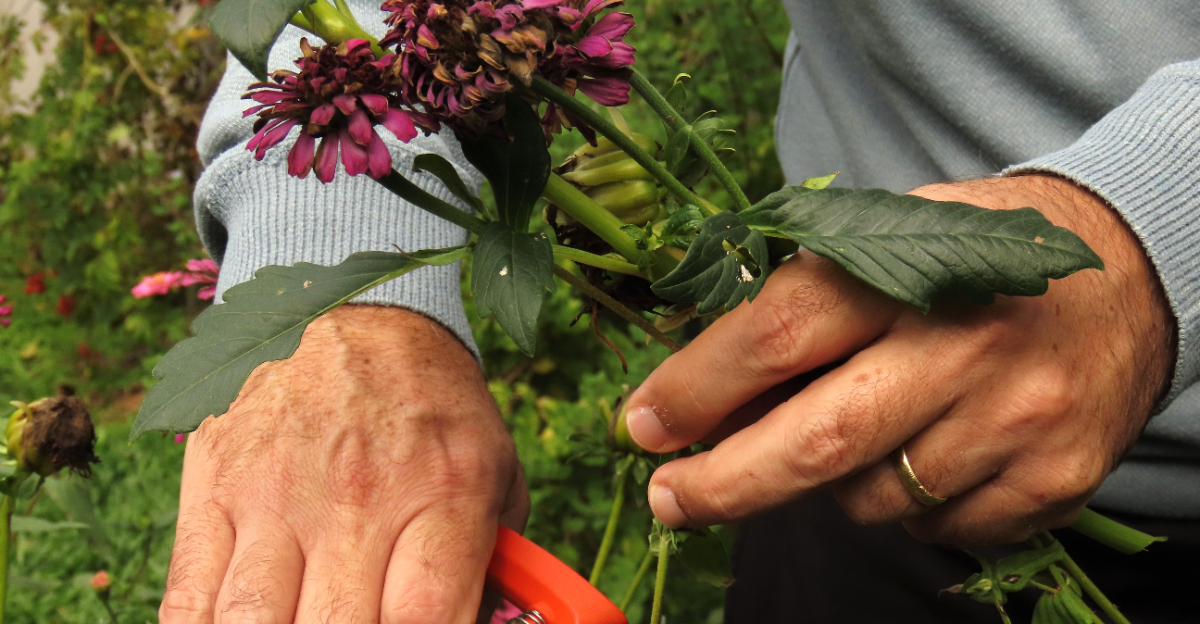
October is not a zinnia month in Ohio. Except in the yards where someone figured out one thing in August that everyone else missed.
Those yards look different by fall. Not because of a different variety, not because of better soil or more water.
Because of where a pair of scissors landed on a specific stem at a specific moment in late summer. Zinnias have a branching response that most Ohio gardeners never trigger.
The plant is capable of producing two, three, four times the bloom count it delivered in July. That capacity sits locked inside the plant all season while standard trimming advice leaves it untouched.
One cut changes that. The location matters more than the timing.
The timing matters more than most people realize. By the time the neighbors are pulling spent plants in September, the right yards are just getting started.
1. Cut Faded Flowers Before They Start Putting Energy Into Seed
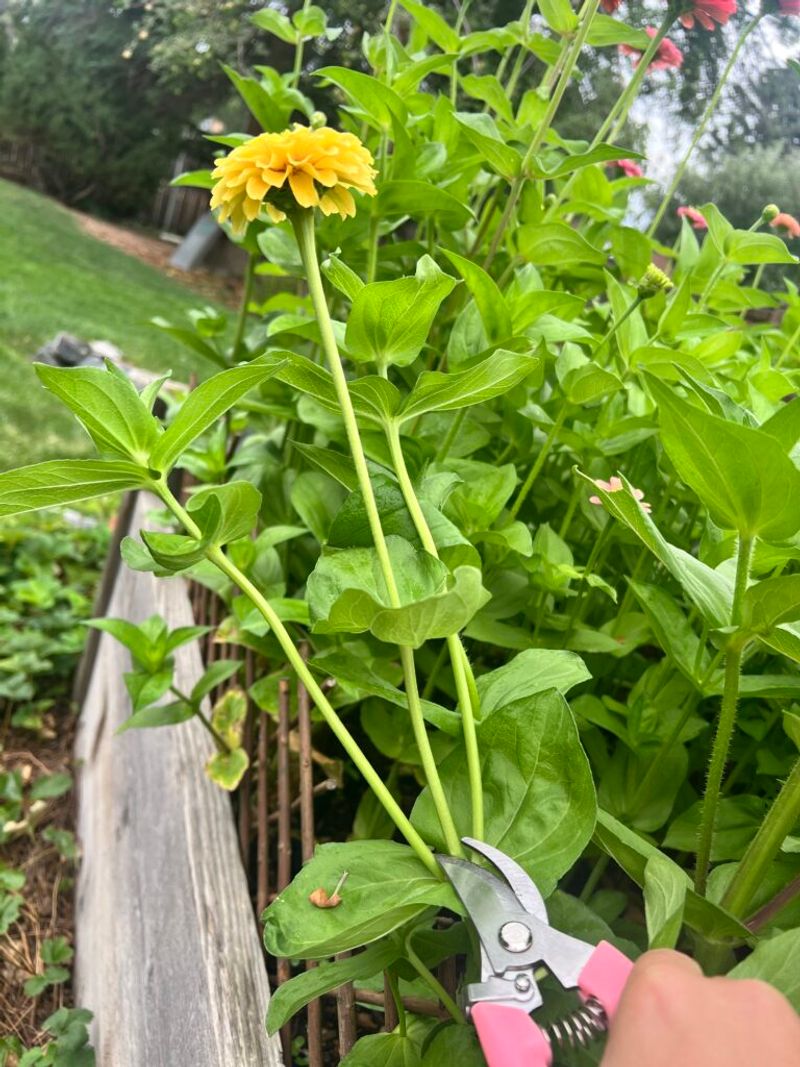
A spent flower head tells you plenty if you slow down and look. Petals lose their color, curl inward, and turn brown or papery.
The center often dries and starts forming seed. Removing those finished flowers is the heart of trimming, and Extension guidance supports it for zinnias.
When faded flowers stay on the plant and seeds develop, the plant shifts some of its effort toward reproduction. Clearing spent flowers can encourage a plant to keep making fresh flower heads instead.
That said, one drying seed head does not shut down the whole plant. Regular removal simply gives healthy zinnias a better chance to continue flowering.
Do not yank off a flower the moment a single petal fades. Judge by the overall look, not by a set number of days.
A bloom past its prime looks tired, loses form, and no longer earns its spot.
Some Ohio gardeners want seed for next year. You can leave a few chosen flower heads to mature fully while you trim the rest.
Keep in mind that seed from hybrid cultivars may not grow into plants that match the parent. For now, the useful decision is simple.
Pick out the finished flowers and leave the fresh ones alone.
2. Make Each Cut Back Where Healthy Leaves Meet The Stem
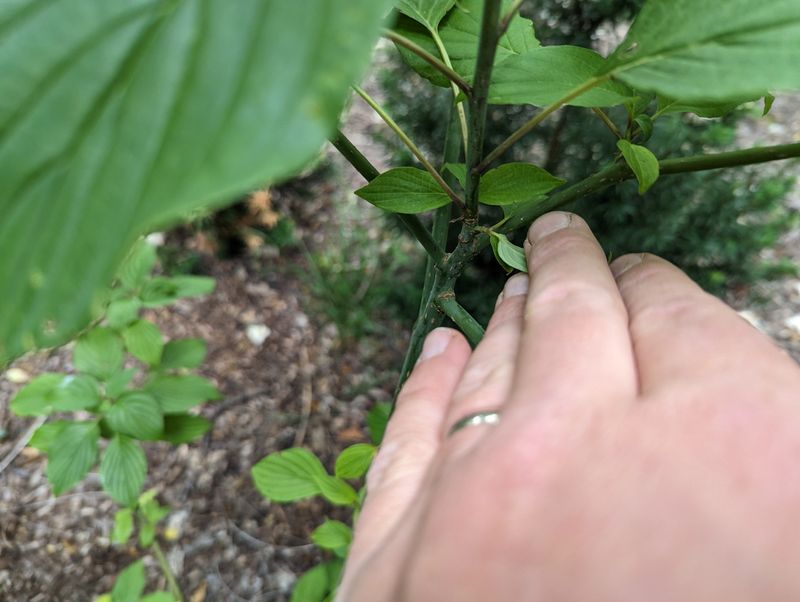
Snipping off just the petals leaves an awkward stub behind and does little for the plant. A cleaner approach follows the stem down below the spent flower.
Trim back to a point where healthy leaves meet the stem, often called a node.
A node is simply the spot where leaves and side shoots grow from the stem. Cutting just above a healthy leaf pair or branching point leaves a tidier plant.
It also positions the plant to produce new side shoots from that area.
There is no magic number of inches to measure. Stem length varies with the cultivar, the plant’s height, and where the flower sits.
A tall cutting type and a compact bedding zinnia will not match. Read each stem instead of forcing one rule onto every cut.
Your Ohio Garden Changes Every Week. Your Plan Should Too.
Gardening in Ohio changes quickly throughout the season. Every Friday you’ll receive a simple weekly plan showing exactly what to plant, prune, fertilize, harvest, and protect so you never miss the right timing.
Try to keep some healthy foliage below your cut whenever you can. Those leaves keep working while the plant grows on.
New branching often follows a well-placed cut, but it is not guaranteed. Plant vigor, weather, and the node’s position all influence what happens next.
Do not expect two new stems from every single snip. The main idea here is placement. Choose a healthy junction, cut cleanly above it, and give the plant a reasonable point to grow from.
3. Take Long Stems Without Leaving The Plant Bare
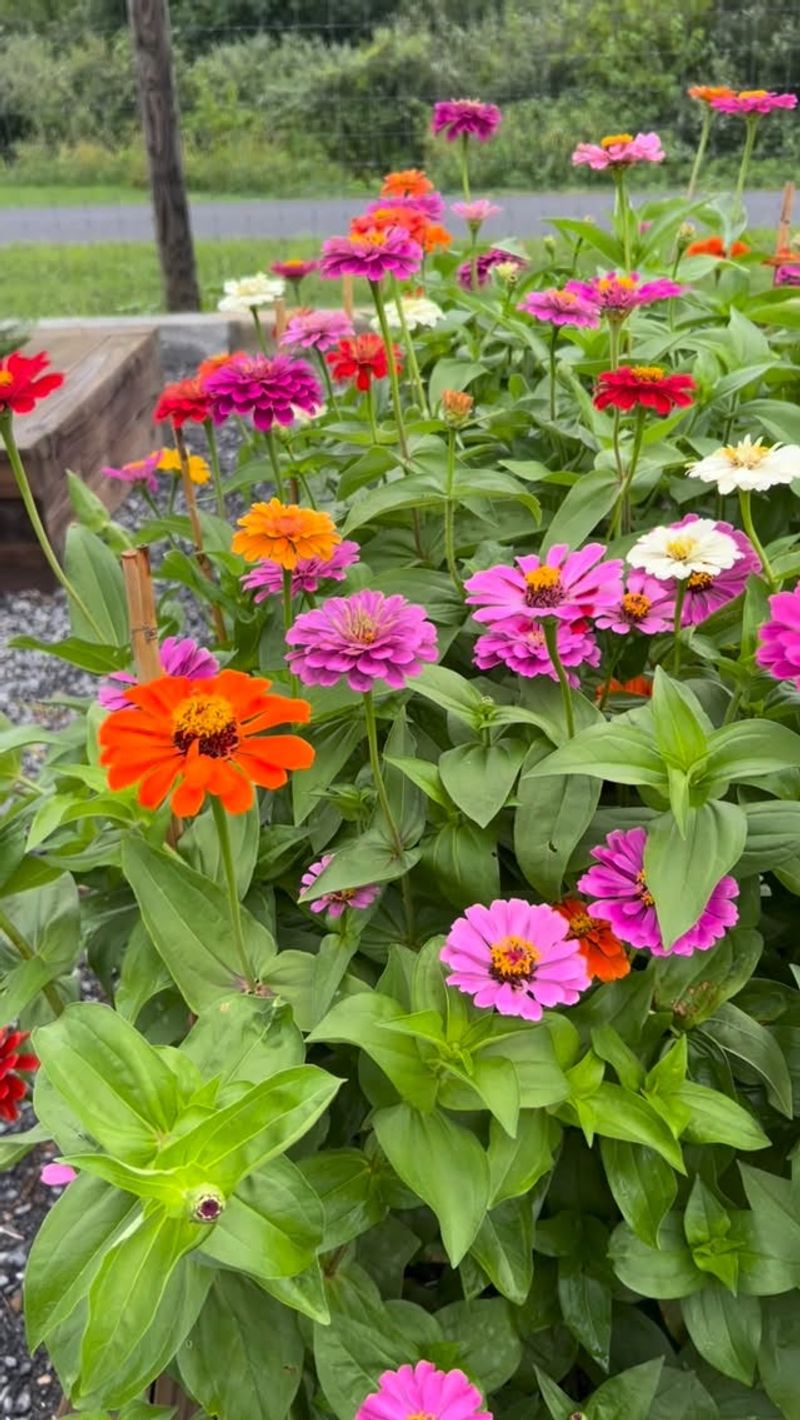
Bringing flowers indoors and keeping the plant productive can go hand in hand. Harvesting a stem for a vase removes a flower that would otherwise mature on the plant.
That kind of removal works much like trimming.
Still, cutting for bouquets does not promise a set number of new flowers. It simply keeps mature flower heads from lingering. Whether more flowering follows depends on the plant and the season.
Tall cut flower cultivars offer long, sturdy stems built for arranging. Dwarf, compact, and container types are a different story.
Cutting a bedding zinnia the way you would a tall variety leaves you with a stubby, awkward plant.
Take a usable stem while leaving enough leaves and branching structure behind. Stripping large portions off repeatedly reduces the leaf area the plant relies on to keep growing.
Many cut flower growers check readiness with a gentle wiggle. A stem that stays fairly firm and upright when shaken is usually ready to harvest.
A floppy, weak stem often needs more time.
There is no single stem length that fits every plant. Match your cut to the variety in front of you.
Frequent, thoughtful harvesting keeps flowers moving from the garden to the vase without leaving plants stripped and struggling.
4. Remove Tired Growth Without Giving The Whole Plant A Hard Chop
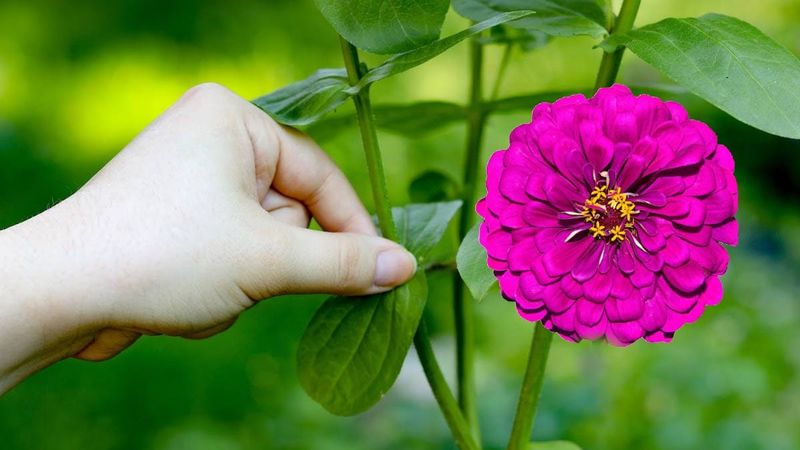
Late summer Ohio plants often collect a few problem spots. Broken stems, snapped branches, and clearly poor growth stand out among the healthy parts.
Selective cleanup deals with those trouble areas one at a time.
That approach is very different from a hard chop. Shearing a flowering zinnia into a uniform mound, or cutting every stem back by half, is not the goal.
Severe cutting does not reliably force a fresh wave of flowers. Look for material worth removing. Damaged stems, spent flowers, weak side branches, and diseased leaves are fair game.
Snip those out while leaving vigorous green growth in place.
Healthy leaves and stems keep the plant working through photosynthesis. Strip away too much and you slow the growth you actually want.
A few yellowing lower leaves are not always an emergency. Lower leaf decline can happen for several reasons, so avoid guessing at a single cause.
Remove leaves that are clearly finished, not every leaf that looks slightly off.
If a plant is badly weakened or heavily diseased, trimming alone may not turn it around. Recovery is not guaranteed, and there is no fixed timeline for it.
Think in terms of how much you remove. Take out the tired and broken pieces, and let the strong growth carry on.
5. Keep Healthy Leaves Working While New Flowering Stems Develop
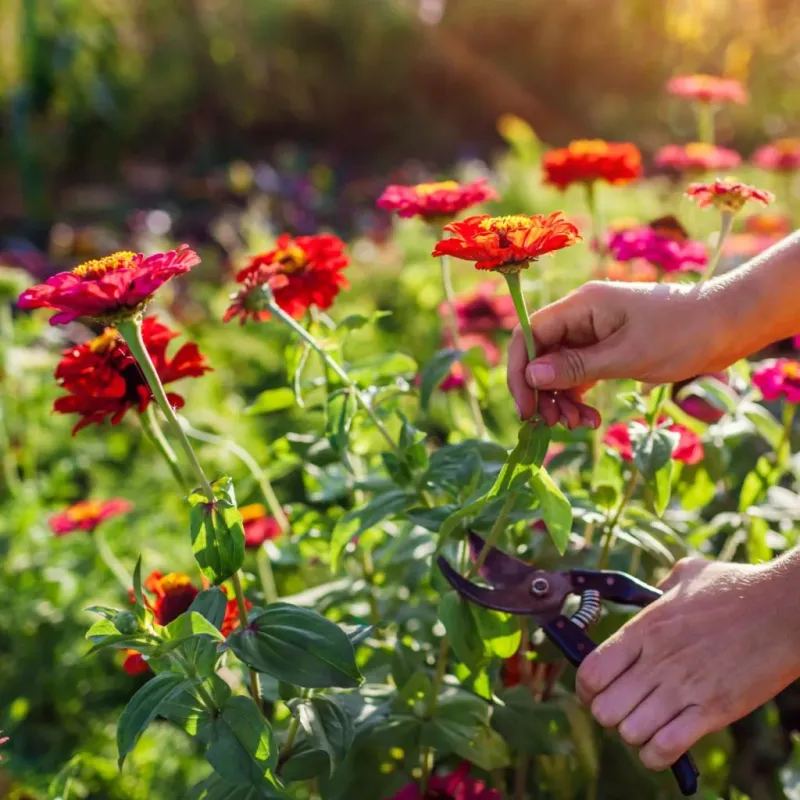
Green foliage does far more than fill space around the flowers. Leaves capture sunlight and use it to make the sugars that fuel growth.
That process, photosynthesis, keeps the plant building new shoots and flower heads.
Trimming away too many healthy leaves works against the flowering you are hoping for. A plant with plenty of functioning foliage supports the very side shoots that turn into new flower stems.
Fewer working leaves means less fuel for that growth. None of this means every leaf must stay. Selective removal has its place.
Clearly damaged leaves, diseased foliage, and lower leaves resting on wet soil can be worth taking off. Better access and airflow sometimes justify pulling a few leaves.
The trick is knowing the difference. A bright green, healthy leaf is an asset.
A browned, spotted, or badly affected leaf is not pulling its weight. Remove leaves with a reason, not out of habit.
Skip the idea of stripping a set percentage of foliage. There is no need to strip leaves by the numbers, and no plant holds unlimited fuel in reserve.
As new buds form, they lean on the foliage left behind. Protect the healthy leaves, thin out the poor ones, and let the plant keep feeding its own growth.
6. Watch For Powdery Mildew Before Late Summer Cuts Get Aggressive
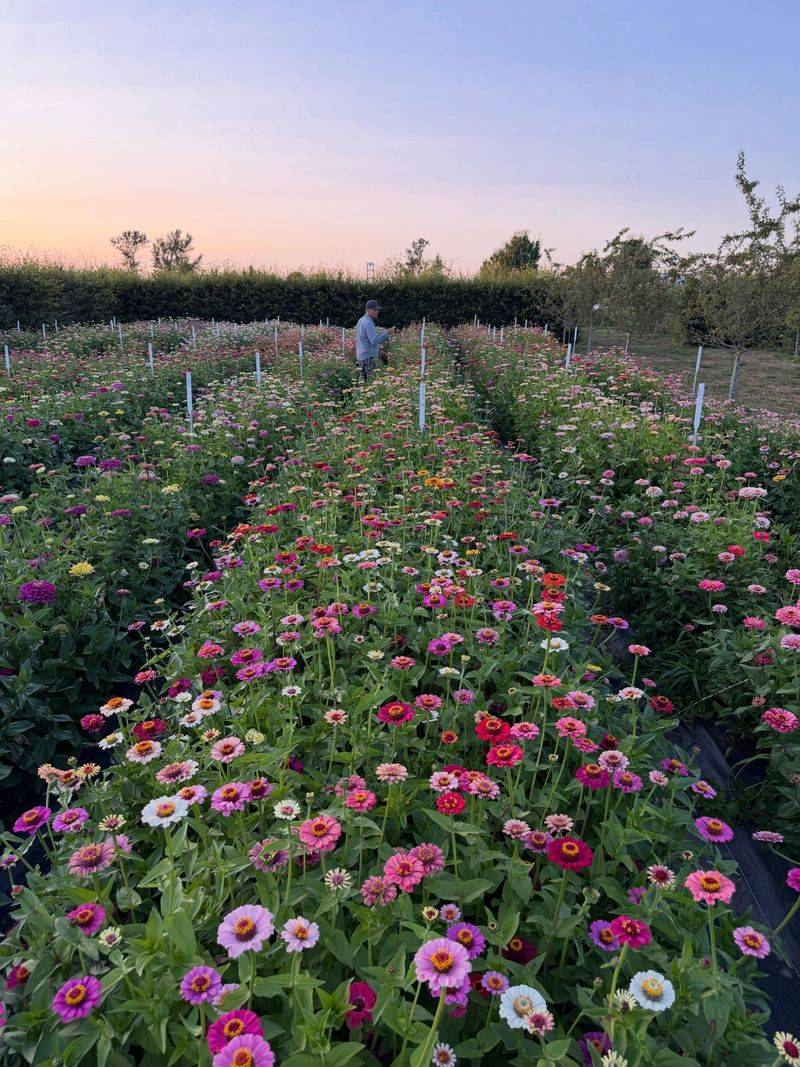
A dusty white coating on zinnia leaves is a common late season sight in Ohio. Powdery mildew often shows up as those pale, powdery patches on the surface of leaves.
It is a frequent problem on these plants once summer stretches on.
The disease can reduce how well leaves work and can lower overall plant quality. That does not mean it ends flowering.
A plant with a little mildew can still produce more flower heads.
Not every white mark is powdery mildew, so look closely before deciding. Zinnias can also face other leaf troubles, such as bacterial leaf spot, which looks different.
One symptom alone is not a diagnosis.
Check a plant’s overall health before you try forcing new growth with heavy cutting. Removing heavily affected foliage can help when guidance supports it.
Just avoid stripping every infected leaf at once and leaving the plant nearly bare.
Skip homemade sprays like baking soda or milk mixtures. Reach for fungicides only with current university guidance and a proper product label.
Prevention leans on the basics. Reasonable spacing and good air circulation help.
Choosing mildew-resistant cultivars at planting time helps too. Watering practices matter as well.
These steps reduce pressure but will not erase disease from a bed entirely.
7. Keep Water Steady After Trimming During Hot Dry Weather
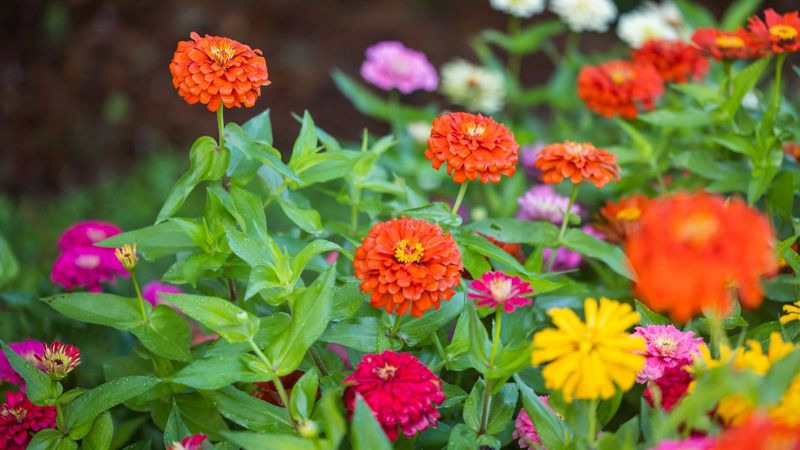
Steady moisture keeps a trimmed plant growing without the setback of drought stress. Cutting flowers or trimming does not suddenly demand heavy watering.
It simply means keeping the plant comfortable while it continues to grow and flower.
There is no single schedule that fits every Ohio garden. How often you water depends on rainfall, soil type, temperature, plant size, and sun exposure.
Plants in containers dry out faster than those in the ground and often need attention sooner.
Rather than counting minutes or gallons, check the soil. When it starts drying below the surface, it is usually time to water.
Let real conditions guide you instead of a fixed routine.
Watering the soil directly, rather than routinely spraying the leaves, is a sensible habit. Keeping foliage drier can help limit certain leaf diseases.
Just know that powdery mildew is more complicated than wet leaves alone, so overhead watering is not its simple cause.
Soggy soil is not the aim either. Zinnias generally prefer well-drained conditions and dislike sitting in constantly wet ground.
Aim for evenly moist, not waterlogged.
During a normal hot, dry stretch, a plant working to grow new stems appreciates consistency. Watch the weather, feel the soil, and adjust as the days change.
8. Let The First Fall Frost Decide When The Flower Show Is Over
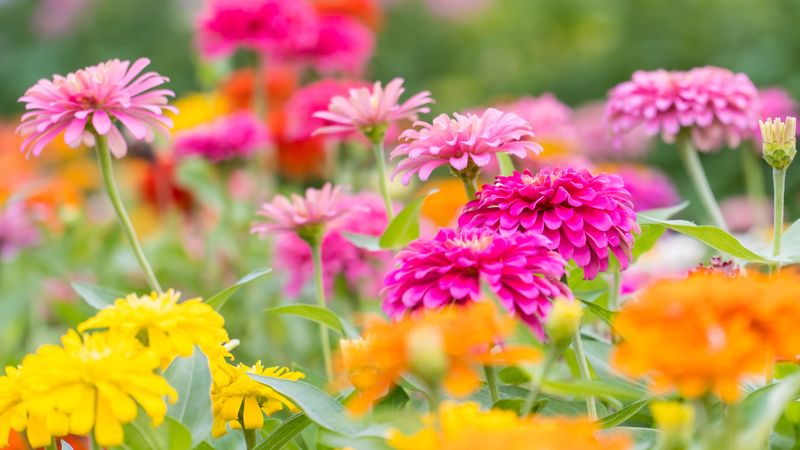
Warm season annuals like zinnias are sensitive to cold, and frost brings their growing season to a close. A healthy plant may keep flowering into fall while the weather stays mild and favorable.
Once frost arrives, though, that flowering ends.
Continued color into October is a possibility, not a promise. Some Ohio gardens may still see flowers then, but the calendar cannot be forced.
Weather, cultivar, and plant health all shape how long the flowers last.
Frost does not sweep across the region on a single date. Northern and southern parts of the state can experience their first cold nights weeks apart, and timing shifts year to year.
There is no reliable statewide date to circle.
Flowering may slow well before any frost. Disease, dry soil, reduced plant vigor, cooler nights, and shorter days can all taper things off.
Watch the plant for those signals.
If a hard cold night threatens and you want to protect a few plants, check current Extension guidance on covering them. Elaborate season-extending structures fall outside the point of simple trimming.
When a plant has clearly wound down for the season, stop expecting new flower heads from it. Follow what the plant and the weather are telling you rather than forcing another round of cutting into cold, unproductive days.