A Blue Iowa Wildflower That Never Opens Its Petals Is Blooming Mostly For Bumblebees Right Now
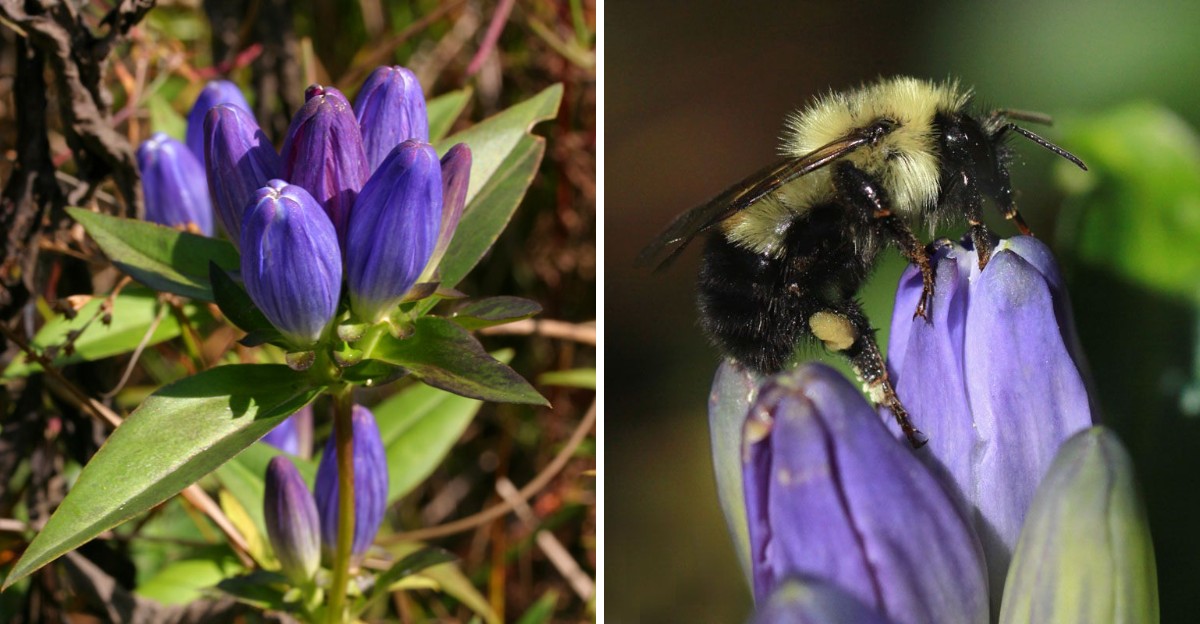
You have probably walked past Iowa’s strangest flower without noticing it refuses to open. Bottle gentian keeps its deep blue petals fused shut from bud to seed. Butterflies can’t get in.
Flies tap the tip and quit. Big bumblebees carry enough muscle to pry the petals apart and crawl inside. Watch closely and you’ll see the bloom shiver while a bee works within.
That locked door acts as a filter, and the plant wrote the rules. Weaker visitors waste energy, while strong bees leave coated in pollen.
Look for it in wet prairies, fens, and damp ditch edges from August into October. Bees may even shelter inside on cold nights, tucked into the snug blooms.
Now you can bring this oddball home, since Iowa nurseries sell native seed and plugs. Master its quirks, and you’ll host the wildest bee show.
A Sealed Blue Bloom Built For Strong Bees
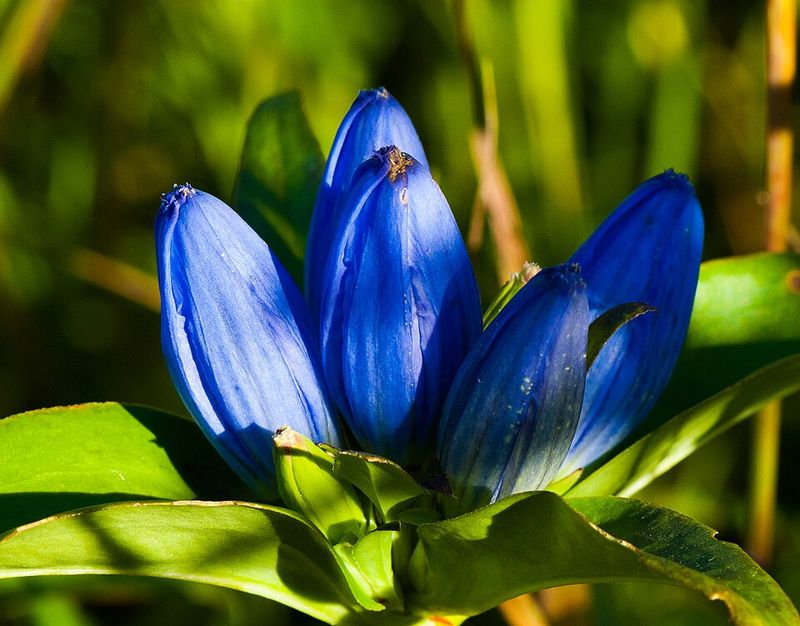
Nature rarely hands out locked treasure chests, but bottle gentian comes close. Its deep blue petals are fused together at the top, forming a sealed pouch about an inch long.
Scientists call it Gentiana andrewsii, while most Iowa gardeners just say bottle gentian or closed gentian. The flowers cluster at the top of each stem, like a bunch of blue balloons.
Here is the clever part of the design. Only a bee with enough muscle can pry apart the tight tip and crawl inside.
Bumblebees are the heavy lifters of the insect world, strong, fuzzy, and built to push. Smaller bees, flies, and butterflies simply cannot force their way through the door.
Watch closely and you might see a bee squeeze headfirst into the flower. The blue pouch bulges and wiggles while the bee drinks, then it backs out covered in pollen.
So why would a plant lock out almost every visitor? Keeping its sweet nectar private means the pollen goes straight to a bee that visits many gentians.
Think of it like a private club with a strict bouncer. Bumblebees learn the trick, return often, and carry pollen from one bottle gentian to the next.
That loyal delivery service helps the plant make plenty of seeds. Less pollen gets wasted on insects that wander off to visit dandelions or asters instead.
The plant is named after Henry Andrews, an English artist who painted flowers in the late 1700s and early 1800s. Pretty fancy honor for a bloom that refuses to open up!
The September Window For Spotting Blue Bottles
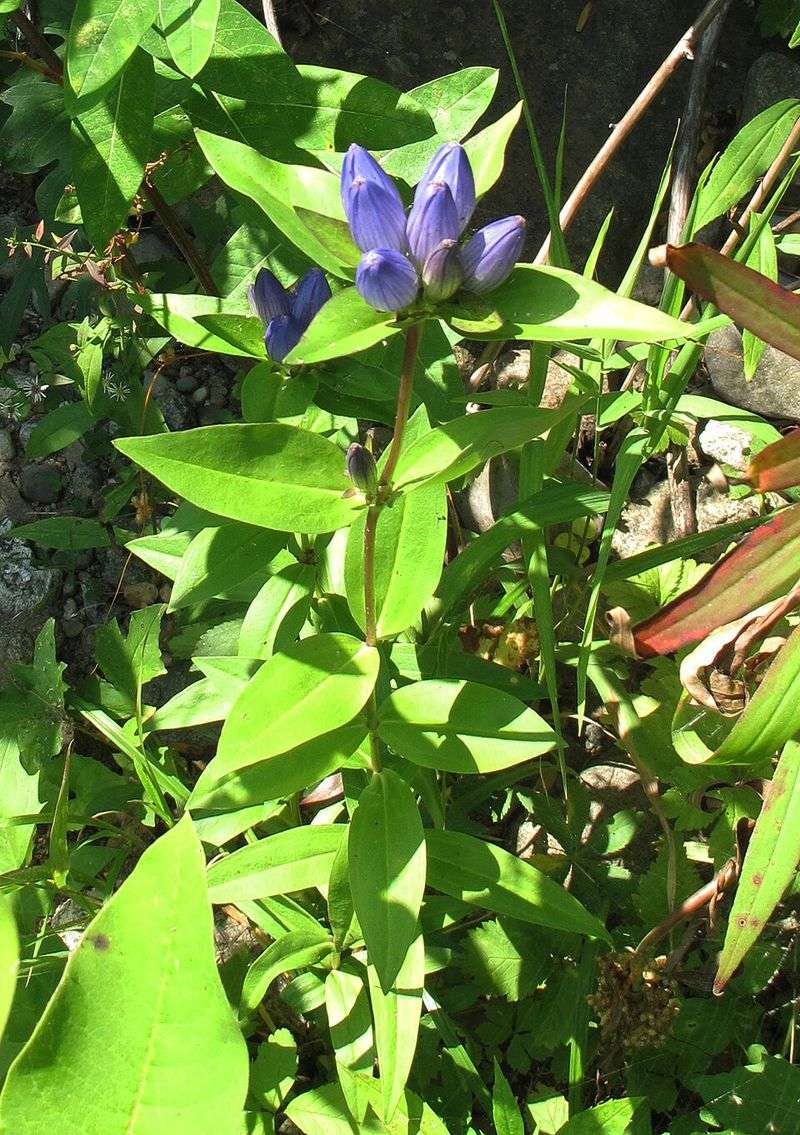
Right now, while school buses rumble past and nights turn crisp, bottle gentian is having its moment. Many summer flowers in Iowa are fading, but this one waits until late summer to show off.
Blooms usually appear in late August and hang on through September and into early October. A mild fall can stretch the show even longer, sometimes right up to the first hard frost.
Your Iowa Garden Changes Every Week. Your Plan Should Too.
Gardening in Iowa changes quickly throughout the season. Every Friday you’ll receive a simple weekly plan showing exactly what to plant, prune, fertilize, harvest, and protect so you never miss the right timing.
Timing like that is no lucky accident. Bumblebee colonies are still busy in September, and they need food when many summer flowers have faded.
Want to find some in your area? Look in wet prairies, damp meadows, ditches, and the edges of woods where the soil stays moist.
Plants stand about one to two feet tall, so they hide easily among prairie grasses. Scan for a flash of deep blue low in the grass instead of looking for towering stalks.
Late morning on a sunny day is a great time to visit. Bumblebees get moving once the air warms, and you can watch them wrestle their way into flowers.
Places like Iowa state preserves, county parks, and restored prairies often have small patches. Ask a park naturalist, since they usually know the secret spots.
Keep in mind that the flowers look closed from their first day to their last. Color may shift from bright blue toward purple as the weeks roll on, but the petals stay shut.
Bring a phone or camera, but leave the plants in place. A quick photo lasts forever, while a picked stem wilts before you get home.
The Common Mix-Up With Buds That Look Stuck
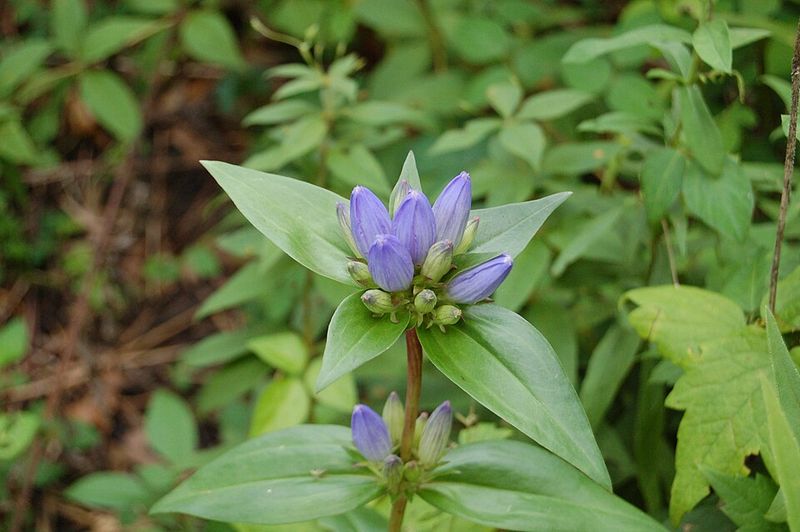
Every fall, somebody spots a bottle gentian and worries the poor thing is sick. The flowers look like fat buds that got stuck halfway, waiting for a signal that does not come.
Relax, because nothing is wrong at all. Those closed tips are the finished flower, and they are doing exactly what they were built to do.
Some well-meaning gardeners try to help by gently peeling the petals apart with their fingers. That damages the delicate flower and can ruin the snug fit that bumblebees rely on.
Picture a bee arriving at a flower someone pried open. The loose petals flop around, and the nectar may dry out or get stolen by other insects.
Others snip off the blooms, thinking they are spent or failed. Cutting them means no seeds, and seeds are how new plants get started nearby next year.
Another common mistake happens with the lawn mower. Fall cleanup crews sometimes cut roadside ditches and park edges right when the blue flowers peak.
A few people also dig up wild plants to take home. Bottle gentian has a thick, deep root, so wild plants often struggle after being dug up. Nursery-grown plants are a far better choice.
Here is a simple rule worth remembering. If the blue flower looks shut tight in September, it is healthy and working hard.
Spread the word to friends and neighbors who might be puzzled by the odd blooms. A little explaining can save a patch from snipping fingers or a hungry mower blade.
Moist Soil, Patient Seeds, And A Sunny Spot
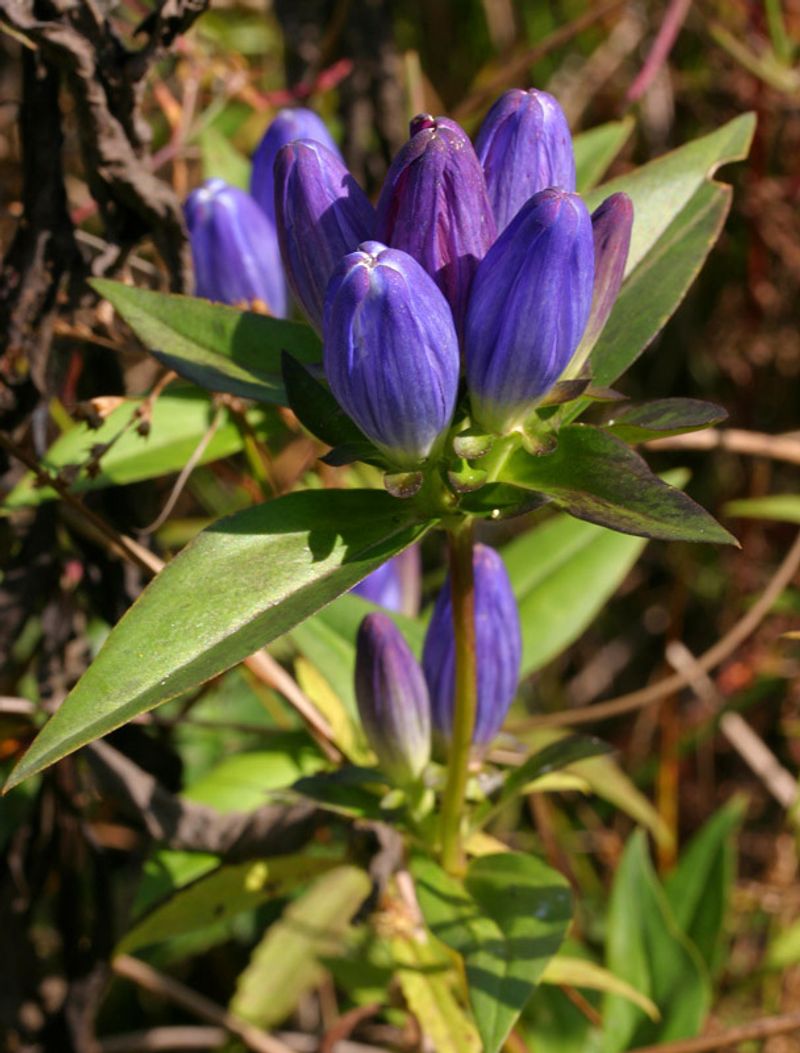
Growing bottle gentian at home feels a bit like baking bread from scratch. It takes patience, but the reward is worth every minute of waiting.
Start with the right spot. Choose a place with full sun or light afternoon shade and soil that stays evenly moist.
Rich, loamy ground works best, especially near a rain garden or low corner of the yard. Dry, sandy soil makes this plant unhappy, so skip hot slopes and spots under thirsty trees.
Skip heavy fertilizer, which pushes floppy leaves instead of flowers. A little compost worked into the soil at planting time gives all the food this wildflower wants.
September is a smart time to plan, because the seeds need winter cold to sprout. Scatter the tiny, dust-like seeds on bare soil in late fall and press them down lightly.
Do not bury them, since they need light to germinate in spring. Mark the spot with a stick so nobody weeds out the baby plants by accident.
Now comes the waiting game. Seedlings grow slowly, and most plants take two or three years before they bloom.
Short on patience? Buy young plants from a native plant nursery, and set them out in spring or early fall.
Good neighbors help too. Plant it beside prairie grasses, goldenrod, or asters so the blue bottles pop against gold and purple.
Water new plants during dry spells, and add a thin layer of shredded leaves to hold moisture. Once settled, bottle gentian can return year after year with little fuss.
A Late Season Feast For Hungry Queen Bees
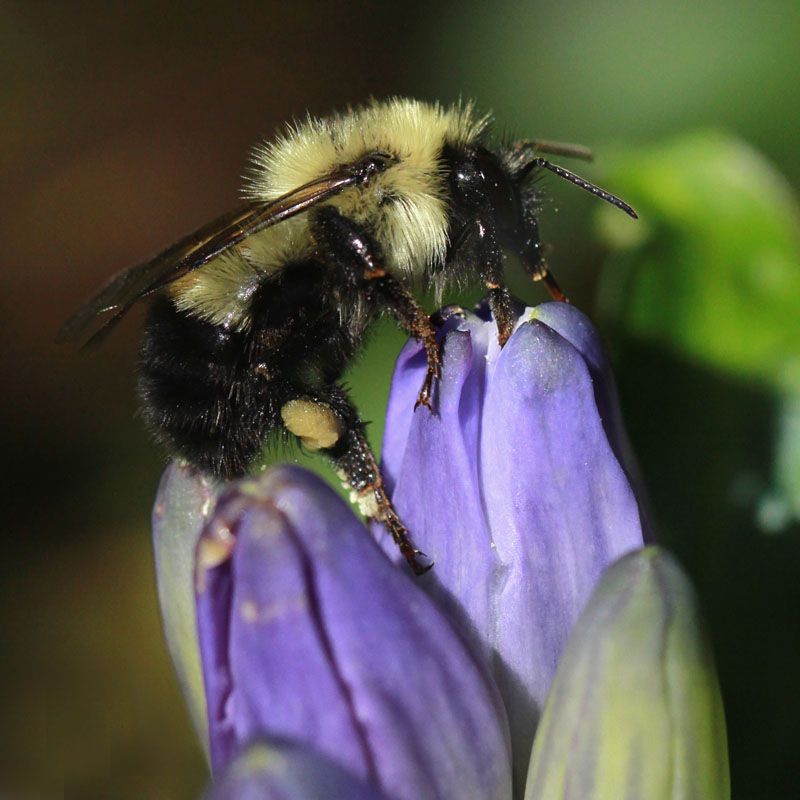
Imagine running a marathon and finding every snack stand closed at mile twenty. That is what a September day can feel like for a hungry bumblebee hunting for food.
Bottle gentian steps in like a late-night diner with the lights still on. Each closed flower holds a sip of sugary nectar and a load of protein-rich pollen.
Because few insects can get inside, most of the food stays saved for bumblebees. Flies and tiny sweat bees rarely get a chance to raid the pantry first.
Scientists have noticed that bumblebees seem to learn which flowers pay off. Once a bee cracks the gentian code, it often keeps coming back to the same patch.
Late in the season, bumblebee colonies start raising a batch of new queens. These young queens are the only members of the colony that will survive the winter.
Before the cold arrives, each queen needs to eat a lot and build up fat. Then she digs a small hole in loose soil or leaf litter and rests until spring.
Come April, she starts a brand new colony by herself. So a blue gentian that feeds a queen in fall plays a small part in filling next summer’s gardens with buzzing helpers.
The plant wins big too. As bumblebees push from flower to flower, they spread pollen that helps form thousands of tiny seeds.
Those tomatoes and blueberries you enjoy get a big boost from bumblebees too. Healthy queens in fall mean more pollinators buzzing through farms and backyards next year.
Standing Stems And Bee-Friendly Habits For Next Year
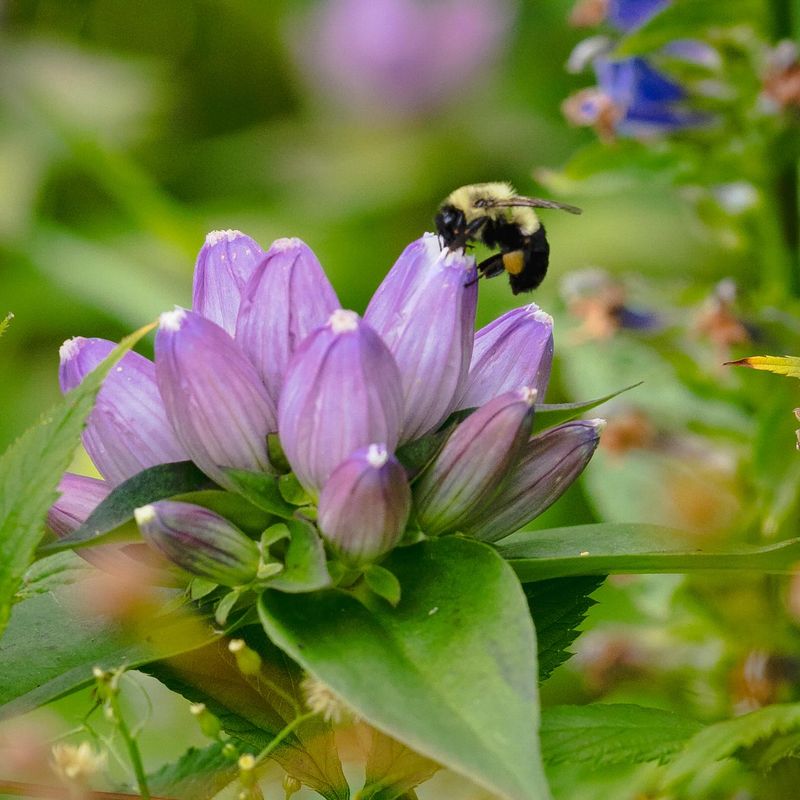
A tidy garden looks nice, but bumblebees and bottle gentians prefer a little mess in fall. Leaving stems standing after the flowers fade gives the seed capsules time to ripen and split.
Seeds usually scatter in October and November, drifting on the wind like pepper flakes. Wait until spring to cut back old stalks, and new seedlings may pop up nearby.
Hollow stems and piles of leaves also give overwintering insects a cozy place to hide. Queen bumblebees often tuck into loose soil under leaf litter, so rake gently or not at all.
Pesticides are a big threat to bumblebees, even sprays that claim to be garden safe. Skip them near your wildflowers, and pull weeds by hand whenever you can.
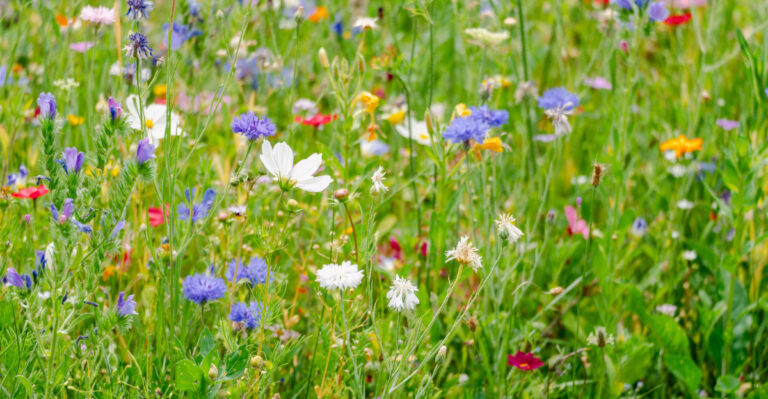
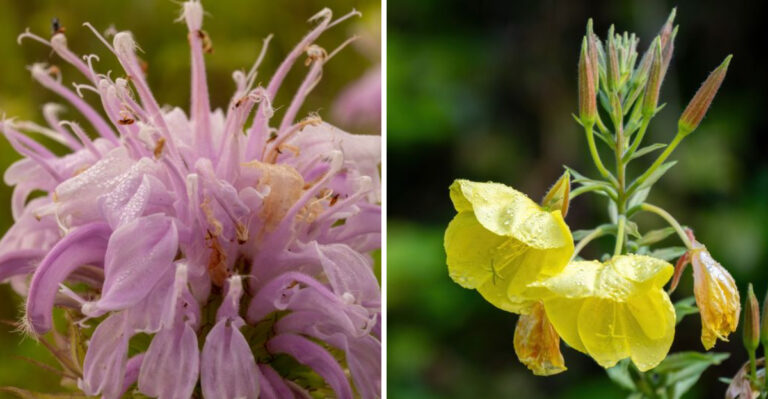
Planting a mix of native flowers helps as well. Spring bloomers like wild columbine and summer picks like bee balm keep colonies fed until gentian season arrives.
Wild patches need protecting too. Iowa has lost over 99 percent of its native prairie, so every remaining clump of bottle gentian matters.
Stick to trails when you visit preserves, and resist the urge to pick or dig. If a favorite roadside patch gets mowed each September, call your county roadside office and ask about timing.
Want to do even more? Many Iowa nature centers host fall seed-collecting days where volunteers gather prairie seeds for restoration projects.
Small choices add up faster than you think. A few standing stems today could mean a bright blue bumblebee buffet next September.