A Branch From Your Virginia Tree Fell on Power Lines. Are You Responsible?
The tree may belong to you while the wire it crushed belongs to someone else, and that split changes almost everything about who pays and who fixes it.
In Virginia, the answer often depends on which wire got hit. The thick lines running pole to pole are one story.
The single drooping line to your roof is another.
I love a big shade tree as much as anyone, and I have spent many summer afternoons under one. Still, I can’t imagine a worse sound than a limb cracking during a thunderstorm and landing on a buzzing cable.
You need to know one thing first. Wet wood can carry electricity, and a limb resting on a line may look harmless while it is still energized.
Who handles the mess, who covers the bill, and when could your own yard care come back to bite you?
1. The Wire That Branch Landed On Changes the Whole Story
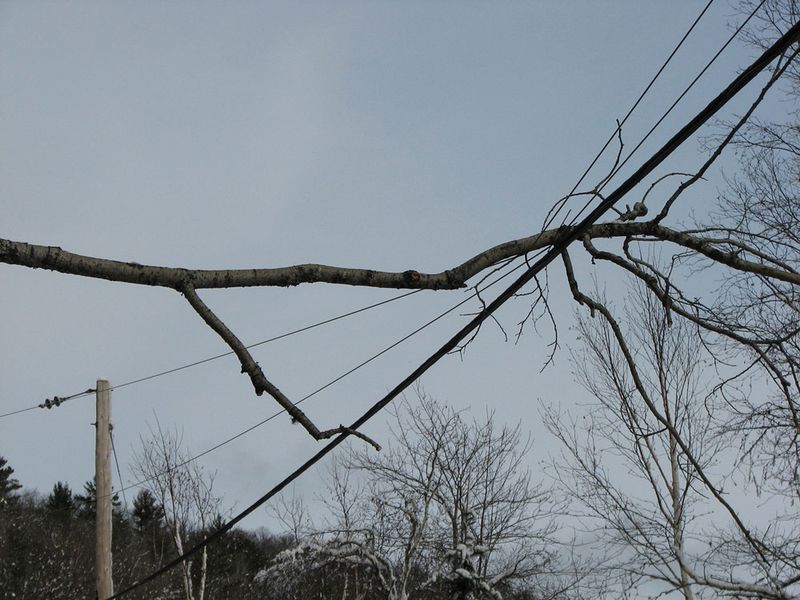
Two homeowners can lose the same size limb in the same storm and end up with very different responsibilities. The deciding factor is often the wire, not the tree.
Utilities in Virginia generally separate overhead lines into two groups. Primary distribution lines run from pole to pole along streets and easements, carrying power to the whole neighborhood.
Service lines, sometimes called service drops, are the single cables that run from a nearby pole to your house.
Dominion Energy and Appalachian Power both describe this split on their tree care pages. The utility keeps vegetation clear of its primary lines.
For the service drop, the homeowner is usually expected to manage tree growth on the property, even though the utility owns the wire itself.
So before you worry about blame, take a careful look from a safe distance. Is the limb sitting on the main street wires or on the line feeding your home?
Snap a photo if you can do it from far away.
That one detail tells you who to call first and what happens next. Either way, the first move stays the same.
Keep everyone, including pets, at least 35 feet back and report the problem to your utility right away.
2. Your Home’s Service Drop Is Mostly Your Job to Keep Clear
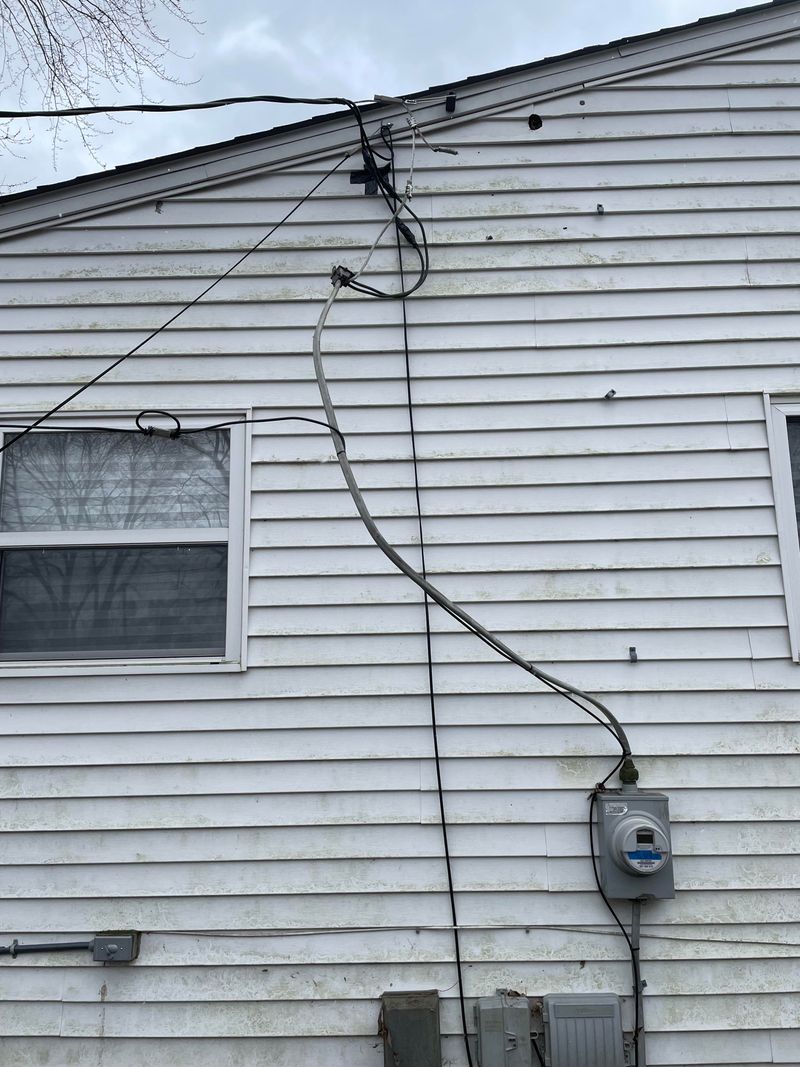
Most folks are surprised to learn that the skinny wire attached to their house falls partly on their shoulders. The utility owns the line, but trimming trees around it on your property is typically your responsibility.
If a branch from your tree drops onto that service line, you should still report it to the power company first. Crews will handle the electrical side, such as reconnecting or repairing the drop.
After that, the leftover tree work is usually yours.
Dominion Energy offers a helpful free service here. You can request a temporary disconnect of your service line so a tree professional can safely trim around it.
The utility asks for advance notice, often a few business days, so plan ahead rather than waiting for a storm.
Personally, I think late winter is a smart time to check those limbs. Leaves are off, so you can easily spot branches drifting toward the wire.
Watch for limbs rubbing the line, branches hanging directly above it, or fast growers like silver maples stretching closer every year. A quick call to schedule a disconnect and a trim costs far less than repairing a damaged meter or weatherhead later.
3. Those Big Pole-to-Pole Lines Belong to the Utility Crews
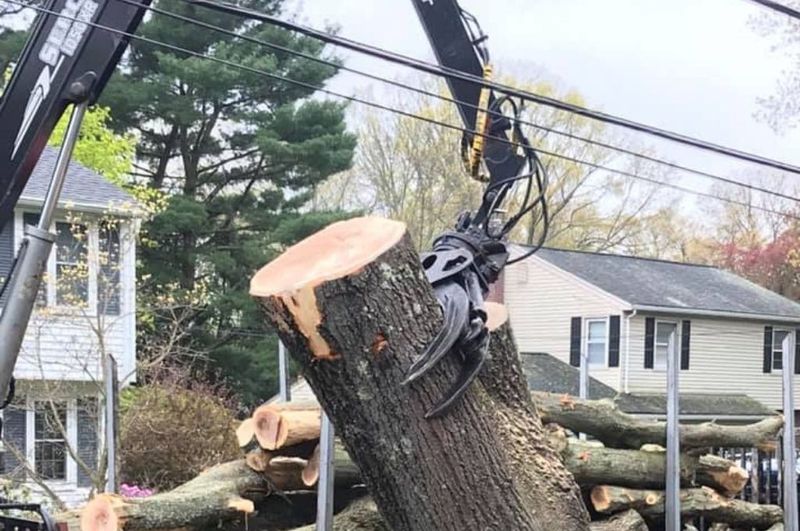
Ever notice crews in bucket trucks cutting a neat tunnel through roadside trees? That work is the utility protecting its primary distribution lines.
These higher voltage wires carry power for the whole street, and keeping vegetation away from them is the utility company’s job. Virginia utilities run regular vegetation management programs, often trimming on a cycle of several years depending on the circuit.
They also remove hazard trees that could strike their lines.
If your branch fell on one of these lines, report it immediately by phone or through the outage app. Do not touch the limb, the wire, or anything the wire is touching, like a fence or a car.
The utility will usually clear what is needed to restore power safely. In most cases, they will not charge you for that line clearing work.
You might feel uneasy watching crews trim your favorite maple into a strange V shape. That cut is called directional pruning, and arborists use it to guide growth away from wires.
If you have questions, ask to speak with the utility’s forestry team. Many are happy to explain their plan for your trees before the next round of trimming begins.
4. A Sickly Tree You Ignored Could Put the Bill on You
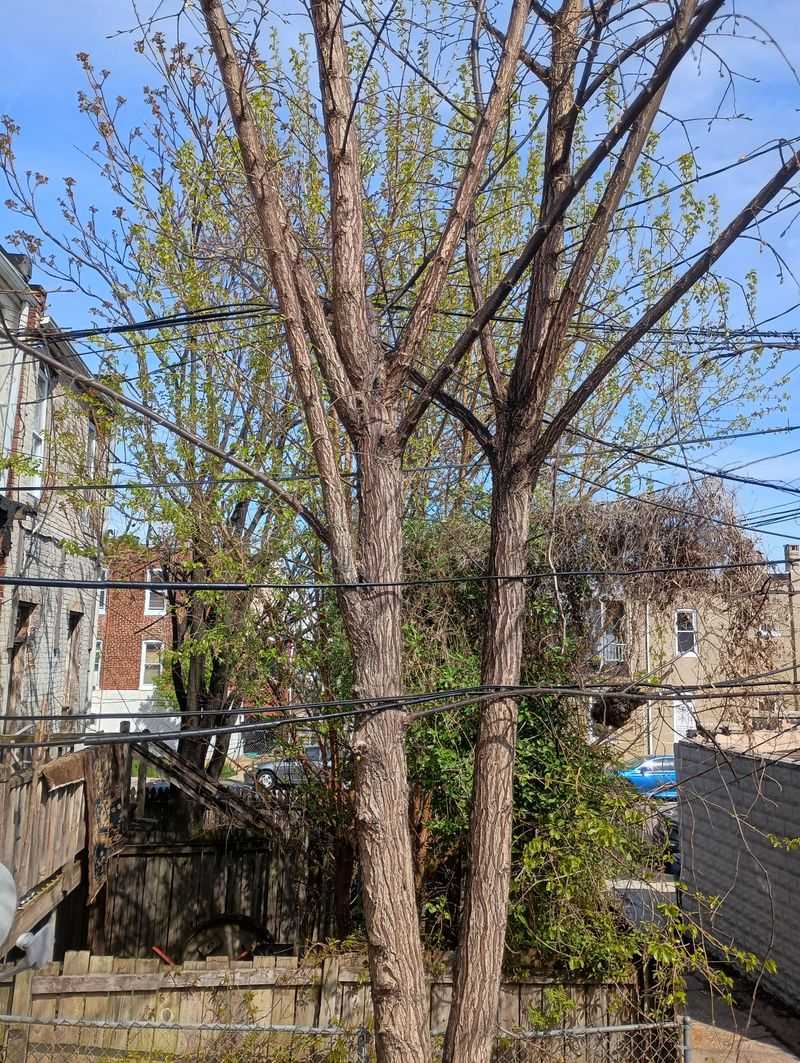
Storms grab the headlines, but negligence is what usually decides liability. That word matters a lot when a branch causes damage.
Under general Virginia law, a property owner may be held responsible if they knew, or reasonably should have known, that a tree was hazardous and failed to act. A healthy limb snapped by a sudden windstorm is often treated as an act of nature.
A rotten branch that hung over a line for years is a different story.
Warning signs worth taking seriously include:
Bare, leafless limbs in summer, deep cracks in the trunk, mushrooms or conks at the base, and large cavities. A sudden lean after heavy rain is another red flag.
I believe a little attention each season beats a costly argument with an insurance adjuster. Walk your yard after big storms and in early spring.
If something looks wrong near a wire, call your utility. For trees away from the lines, hire an ISA certified arborist for an inspection and keep the written report.
That paperwork shows you took reasonable care, which can matter if a claim ever comes up later.
5. Put Down That Pole Saw Within Ten Feet of a Line
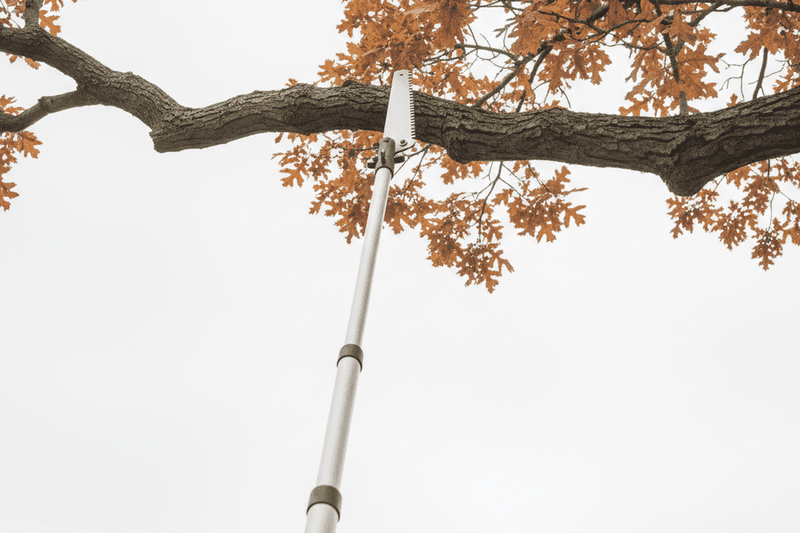
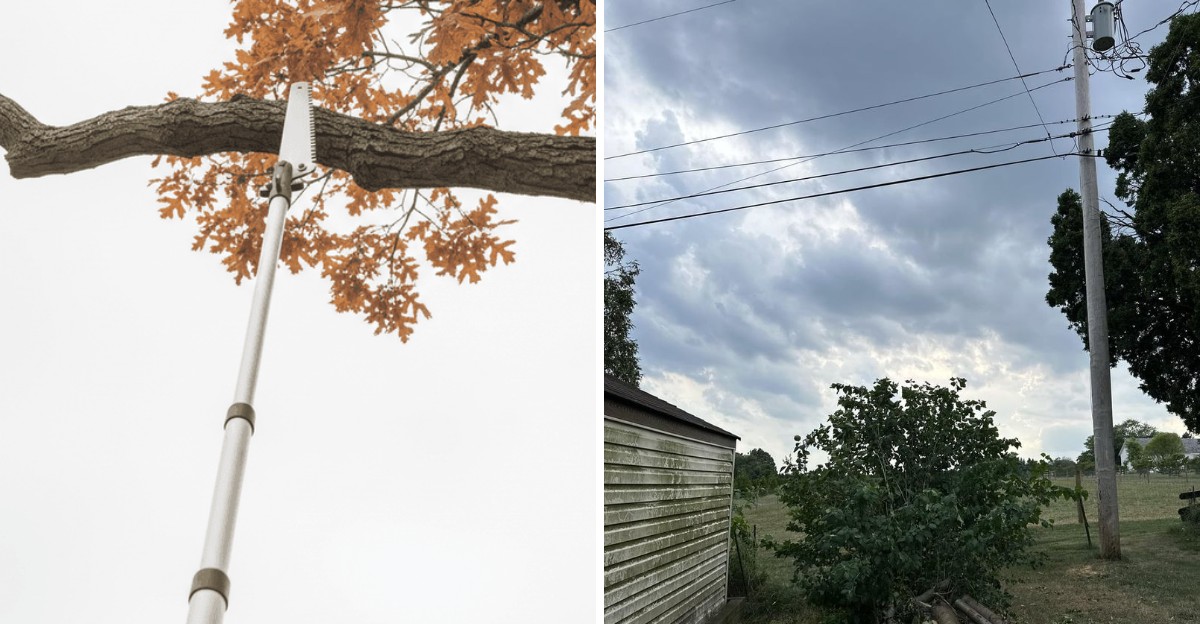
Here is a rule that surprises plenty of handy homeowners. Virginia’s Overhead High Voltage Line Safety Act restricts unauthorized people from working within 10 feet of lines carrying more than 600 volts.
The law requires notice to the utility and safety arrangements before that kind of work begins. Breaking the rule can bring civil penalties and make you liable for damages or outages you cause.
The legal side is only part of it. Branches can conduct electricity, especially when wet, and so can aluminum ladders and many pole tools.
Electricity can also arc across a short gap, so you do not need to touch the wire to get hurt.
A fallen limb resting on a line may still be energized even when your lights are out. Backfeed from improperly connected generators can also make lines dangerous.
Your best approach is simple. Stay back, keep kids and dogs inside, and let trained line clearance crews handle anything near the wires.
For trees farther away, a certified arborist can do the work safely. Ask them directly whether they are qualified for line clearance before they climb, and do not be shy about checking their insurance too.
6. Utility Easements Quietly Shape What Happens to Your Trees
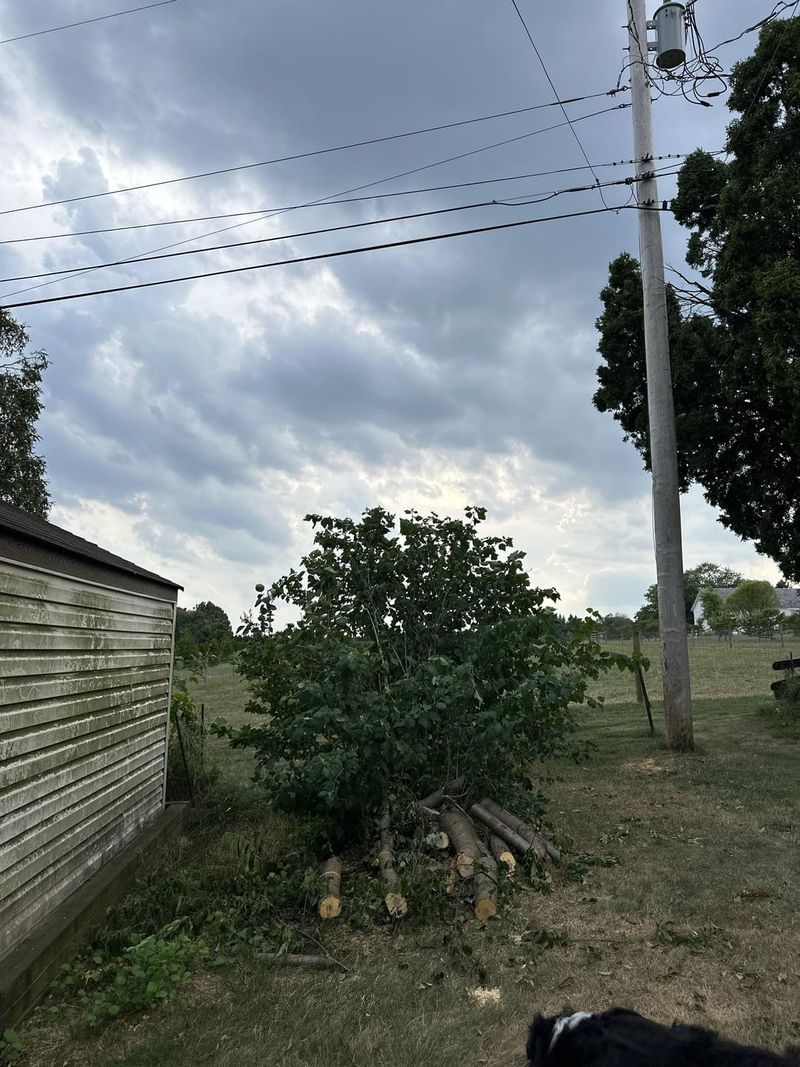
Many property deeds hide a little legal note that most of us skim right past. It is called a utility easement, and it can affect your trees more than you expect.
An easement gives the power company the right to use part of your land for its lines and equipment. Within that strip, the utility can usually trim or remove trees that threaten service.
You still own the land, but your control over plantings there is limited.
Your deed or county land records will show whether an easement exists and how wide it is. A quick call to your county clerk’s office can help if the paperwork is confusing.
Knowing the easement boundaries helps you understand who may cut what. It also explains why a crew may arrive to trim a tree you planted years ago.
Many utilities give notice before routine work in residential areas. That notice is a good moment to ask questions or discuss alternatives with their forester.
Sometimes they will suggest removing a problem tree instead of trimming it again and again. In my experience, that conversation goes much smoother when you know your property lines and rights ahead of time.
7. Who Hauls Away the Tree Debris After Power Comes Back
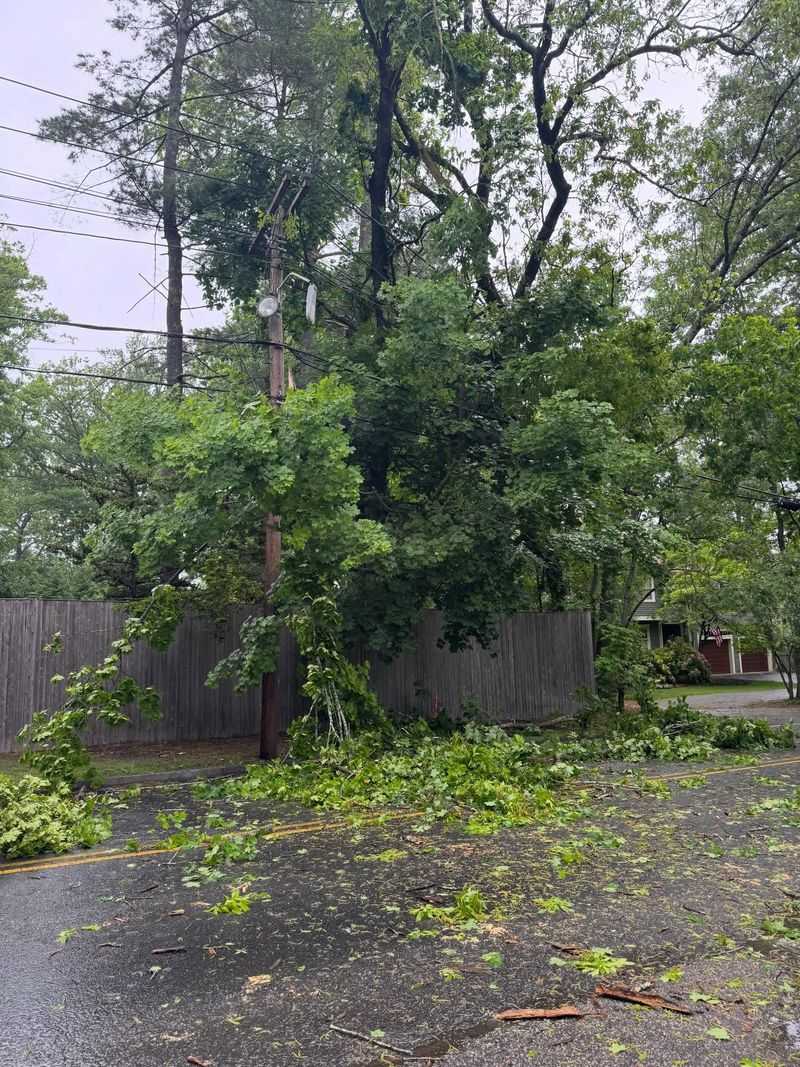
The lights flicker back on, the bucket trucks pull away, and there it is. A messy heap of cut limbs sits in your yard, and nobody stayed to clean it.
After storms, Virginia utilities focus on restoring power, not yard cleanup. Crews usually cut branches off the lines and leave the wood on the property where the tree stood.
Cleanup becomes the homeowner’s task in most cases.
Routine maintenance trimming can be different. During scheduled work, some utilities chip or remove the brush they cut, though policies vary by company and job.
So what can you do with the pile? Here are a few practical options.
Check whether your city or county runs storm debris collection or yard waste pickup. Many localities offer special pickups after major storms.
You can also hire a tree service, or cut smaller pieces into firewood and mulch.
One caution before you start sawing. Never assume a limb is safe if it still touches any wire.
Confirm with the utility that everything is clear, then work slowly and wear gloves and eye protection.
8. Smart Planting Keeps Future Branches Off the Wires

A little planning today can save your future self from a big headache. The right tree in the right place is the slogan utilities and arborists love, and for good reason.
Under power lines, choose small trees that mature at roughly 25 feet tall or less.
Native options for Virginia include compact varieties of flowering dogwood, eastern redbud, and serviceberry that mature below 25 feet and support local wildlife.
Keep large shade trees, such as oaks and tulip poplars, well away from overhead wires. Many utilities suggest placing big trees at least 20 feet or more from lines, depending on their mature width.
Skip invasive picks like Bradford pear, which also tends to split in storms. Your local Virginia Cooperative Extension office can recommend reliable natives for your region.
Before digging, call Virginia 811 to mark buried lines. It is free and required before excavation.
Then make a yearly habit of looking up. Check for branches drifting toward your service drop, schedule a disconnect for trimming when needed, and report anything near the main lines.
Those small steps protect your trees, your wallet, and your neighbors’ power.