Copperheads Out in November? Why Warm Days Bring Virginia Snakes Out to Bask
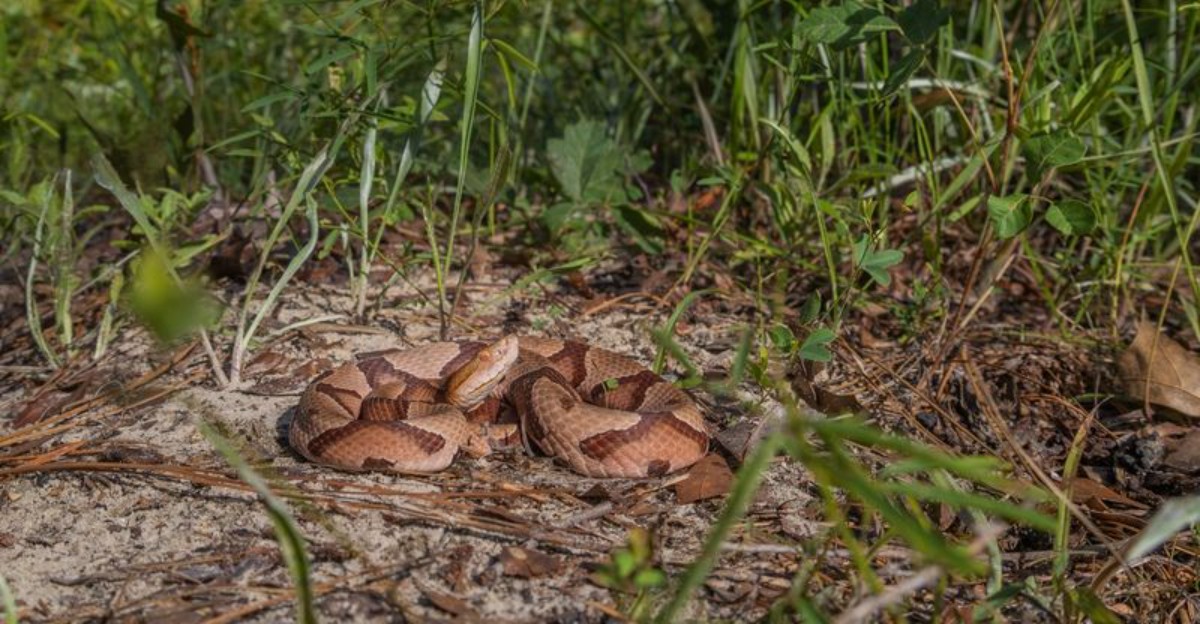
A snake can lie still on a sunny patch of pavement in late November and look like it owns the place. I found that out the hard way last fall. I reached for a split log and froze, because a coiled, coppery shape was already enjoying the afternoon warmth there.
Here in Virginia, most of us assume reptiles vanish once the leaves drop. For what it’s worth, that idea is only half right. Cold-blooded animals follow the thermometer, not the calendar, and a 65-degree day can change their plans fast.
Between you and me, that surprise changed how I clean up my garden each autumn. It also made me curious about where these visitors go between those mild spells. So what pulls them out into the open when winter is so close?
That Coiled Copperhead On Your Sunny Path Is Not Lost
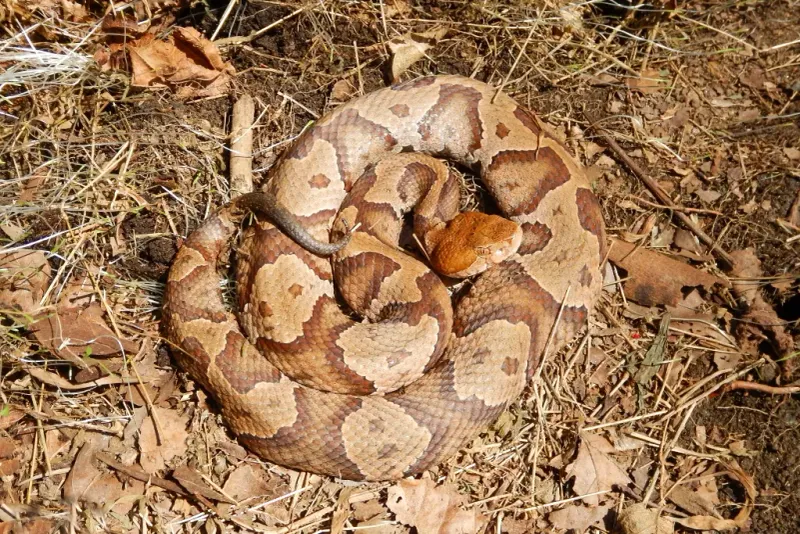
My first thought, seeing that snake by the woodpile, was that something had gone wrong. Snakes belong to summer, right?
As it turns out, the copperhead was doing exactly what nature designed it to do.
Copperheads are ectotherms, which is a fancy way of saying their body heat comes from their surroundings. They cannot shiver or burn food to warm up like we do.
When the air cools, their muscles and digestion slow way down.
So a bright November afternoon is a gift to them. A sun-warmed rock, a south-facing step, or a strip of asphalt can heat a snake quickly.
That is why sightings often happen on paths, patios, and driveways after a cold snap breaks.
The snake you spot is usually not confused or sick. It is simply soaking up warmth while it can, and it will likely slip back under cover once shadows stretch across the yard.
Wildlife experts often note that late fall is a normal time to see copperheads in Virginia. They are moving toward winter shelter, and mild weather gives them a reason to pause in the open.
Knowing this takes some of the panic out of the moment. A sunny November day simply means you should watch where you step, just as you would in May.
Brumation Lets Snakes Wake Up On Warm Afternoons
Plenty of folks say snakes hibernate. The better word is brumation, and the difference explains everything about those surprise November visits.
During true hibernation, mammals like groundhogs drop into a deep, long sleep. Snakes in brumation are more like a phone on low-power mode.
Their metabolism drops, they stop eating, and they stay tucked away, yet they can still stir when conditions improve.
Temperature is the switch. Many sources note that snakes turn noticeably sluggish when it falls into the 50s or lower.
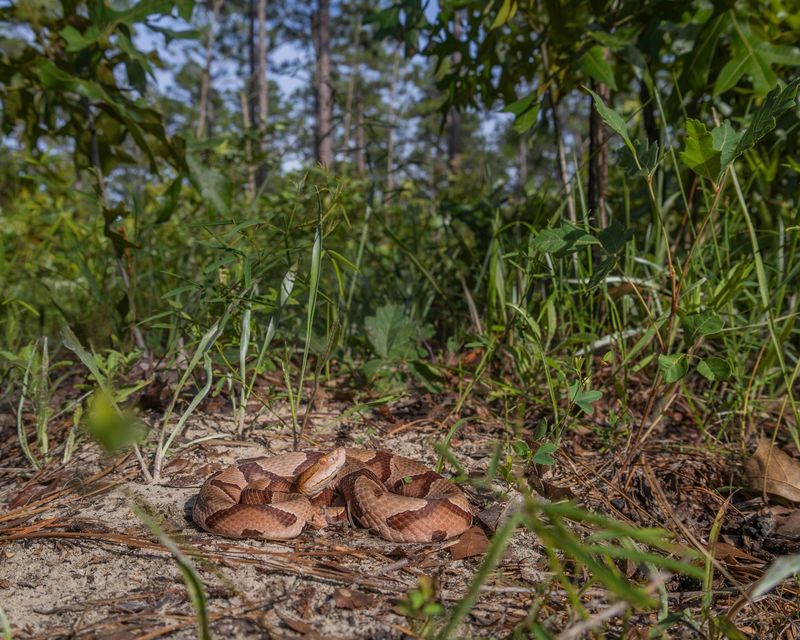
When a warm front pushes the afternoon into the 60s or 70s, a copperhead near the surface may crawl out to bask.
That is why a winter-ready snake can still show up on your porch steps during a mild week. It has not given up on brumation.
It is just taking a short break.
Brumating snakes also sometimes come out to drink water. Dehydration is a real concern over a long winter, so a warm day offers a chance to find a puddle or damp spot.
Once the sun sets and temperatures drop, the snake heads back to shelter. In my yard, a sighting one day has usually meant no trace the next morning.
A Copperhead Basking In Sunlight Is Topping Off Its Tank
Ever notice how a cat sprawls in a sunbeam? A basking snake is doing something similar, only the stakes are much higher for the snake.
Warmth powers nearly every system in a reptile’s body. Digestion, movement, and immune response all work better when the snake is warm.
A copperhead that ate a mouse or a frog in late October needs heat to finish digesting that meal.
Food left undigested in a chilled snake can cause trouble, so a few sunny hours are valuable. Basking helps the snake process its last meals and head into the long, cold stretch in better shape.
You may see a copperhead flatten its body while basking. Spreading out like that exposes more surface to the sun, sort of like opening a solar panel all the way.
Snakes also pick spots that hold heat. Dark mulch, flagstone, concrete slabs, and rock walls warm up fast and stay warm after the air cools a bit.
Fun fact for your next garden chat: copperheads in Virginia often bask near the entrances of their winter dens. That way they can soak up warmth and duck back inside the moment a cloud rolls over.
Rocky Den Sites Draw Copperheads On The Move In Fall
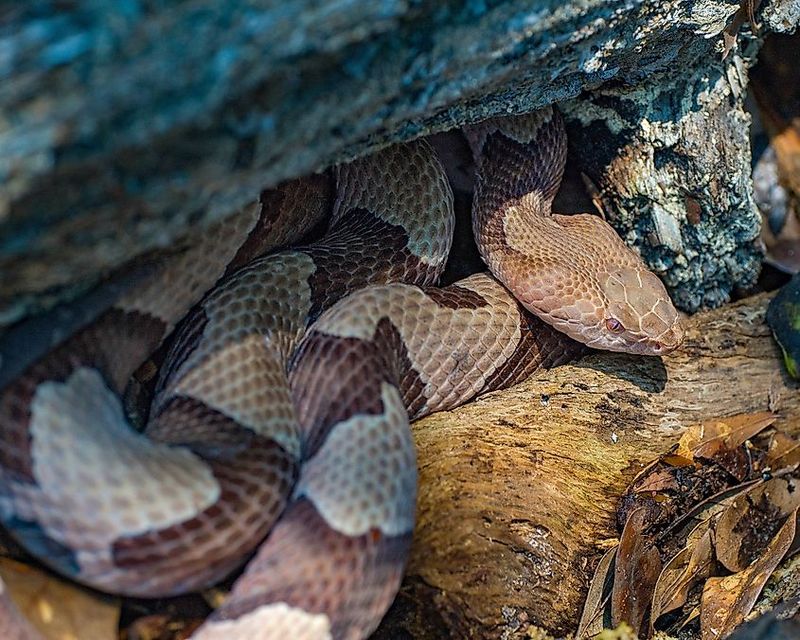
Late fall is moving season. Copperheads that spent summer near creeks, forest edges, and fields start traveling toward winter dens as nights turn cold.
These dens, called hibernacula, are often south-facing rocky outcrops, old stone foundations, root tangles, or deep crevices. The key is protection below the frost line, where temperatures stay fairly steady through winter.
A surprising bit of trivia: copperheads often share these dens. They may spend winter alongside other copperheads and even other species, such as timber rattlesnakes or black ratsnakes, especially in the mountains of western Virginia.
Many snakes return to the same den year after year. That loyalty means if your property sits between summer habitat and a good rocky hillside, you may notice them crossing through around the same time each fall.
Travel plus warm weather equals more chances to meet one. A snake heading toward its den might pause on your sunny patio, cross a quiet road, or rest under a board along the way.
None of this means your yard has a problem. It usually just sits along a route the snakes have used for a long time, and the traffic tends to settle once real cold arrives.
Check Your Woodpile Before Grabbing That Next Log
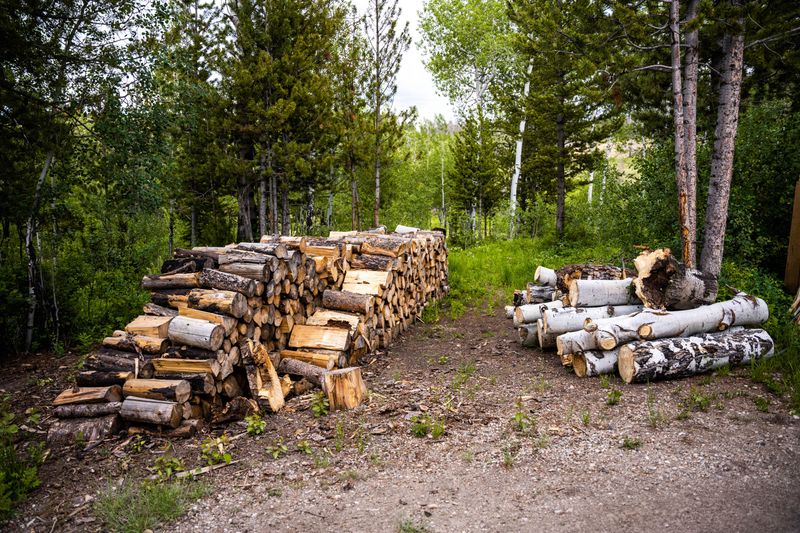
Woodpiles are snake magnets, and November is firewood season. That combination is exactly how I had my own close call.
A stack of logs offers shade, shelter, and steady temperatures inside. It also tends to attract mice, which are a favorite copperhead meal.
Your cozy firewood supply can look like a furnished apartment with room service to a snake.
Other popular hideouts include compost bins, leaf piles, stacked lumber, overgrown flower beds, loose stone walls, and the gap under sheds or decks. Thick ground covers like ivy also give snakes great cover.
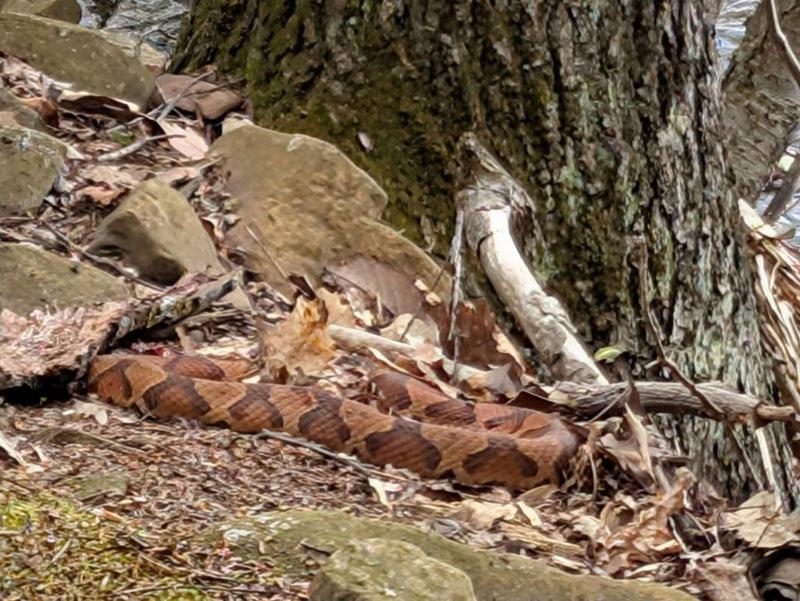
Copperheads rely heavily on camouflage. Their tan and coppery bands blend almost perfectly with dry leaves, so they often stay still rather than flee.
That stillness is why people sometimes reach right past one without noticing.
Don’t make my mistake. Use a long-handled tool or a pair of leather gloves when pulling logs, and lift items toward you so anything underneath has an escape route away from your body.
A flashlight helps too, especially near dusk. Scanning before you reach takes two seconds and spares you a very bad afternoon.
Those Hourglass Bands Help You Spot A Real Copperhead
Panic makes every brown snake look dangerous. A little practice with identification can calm things down quickly.
The eastern copperhead is the most commonly encountered venomous snake in Virginia. Adults usually measure about 2 to 3 feet long and have a fairly thick body.
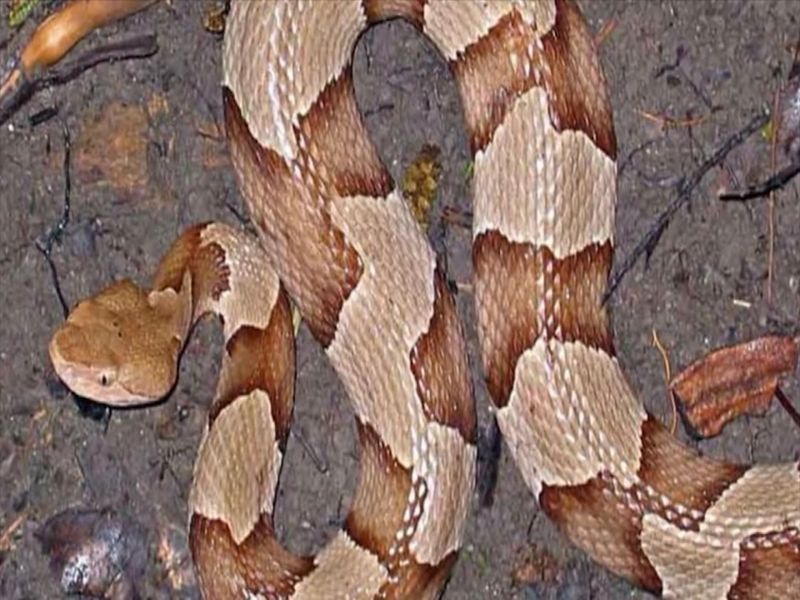
The giveaway is the pattern. Look for dark chestnut crossbands shaped like an hourglass, narrow along the spine and wide at the sides.
Some people describe them as Hershey’s Kisses when viewed from the side.
The head is coppery and noticeably wider than the neck. Copperheads also have vertical, cat-like pupils and a small heat-sensing pit between each eye and nostril, though you should never get close enough to check those details.
Young copperheads carry a bright yellow or greenish tail tip. They wiggle it to lure frogs and lizards, a trick called caudal luring.
Several harmless snakes get mistaken for copperheads. Young black ratsnakes, northern watersnakes, and eastern milksnakes all have blotchy patterns, and they often take the blame.
If the bands do not form that hourglass shape, you are likely looking at a harmless neighbor that eats rodents in your garden.
Back Away Slowly And Let The Copperhead Leave On Its Own
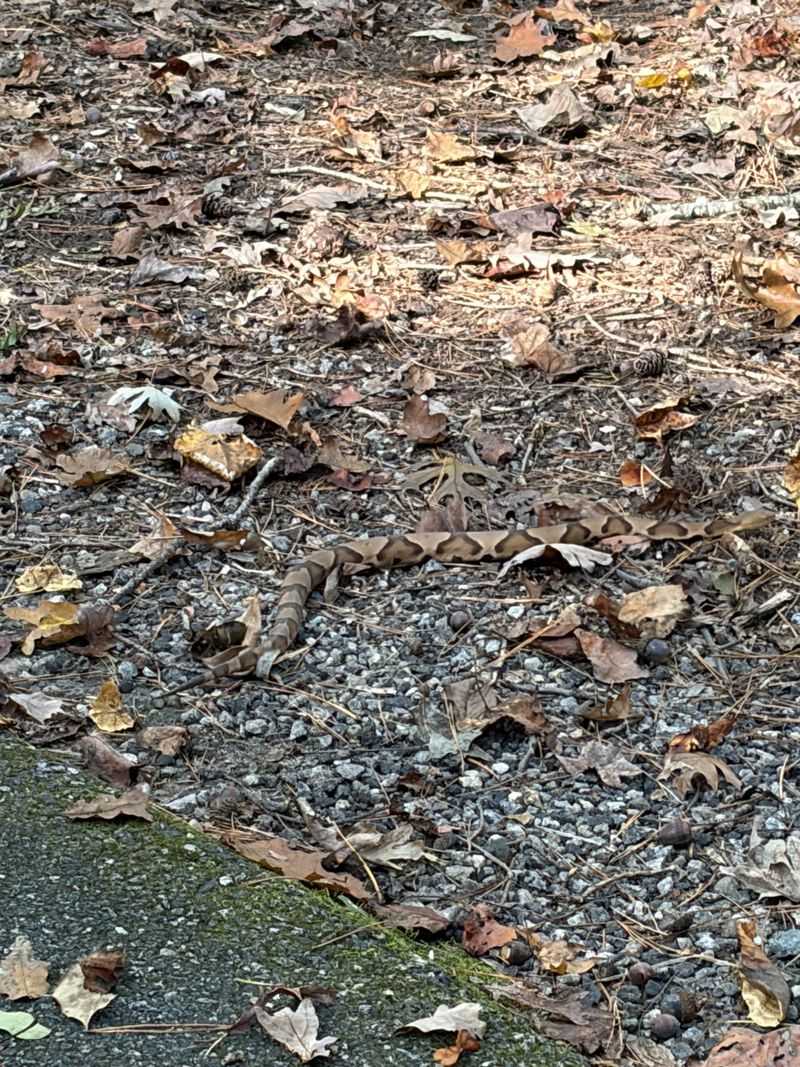
Copperheads have a reputation that is bigger than their behavior. They are not aggressive, and most bites happen when someone steps on, grabs, or tries to handle one.
If you spot a copperhead, give it space. Back away slowly, keep pets and kids clear, and let the snake move along.
On a warm November day, it will often return to cover within an hour or two.
Please skip the shovel. Virginia’s Department of Wildlife Resources protects native snakes, and harming them is generally not allowed unless there is a real, immediate threat to people.
Professional wildlife removal is a better option for a snake that will not leave a porch or garage.
Copperhead venom is rarely life-threatening for healthy adults, but a bite is still a medical emergency. If someone is bitten, stay calm, keep the bitten limb still and roughly at heart level, remove rings or tight items, and head to the hospital.
Avoid old remedies like tourniquets, ice, cutting the wound, or trying to suck out venom. Those methods can make things worse.
Calling poison control at 1-800-222-1222 while on the way can help too. Quick, calm action matters more than anything else.
A Tidier Fall Garden Means Fewer Snake Hideouts Near Your Door
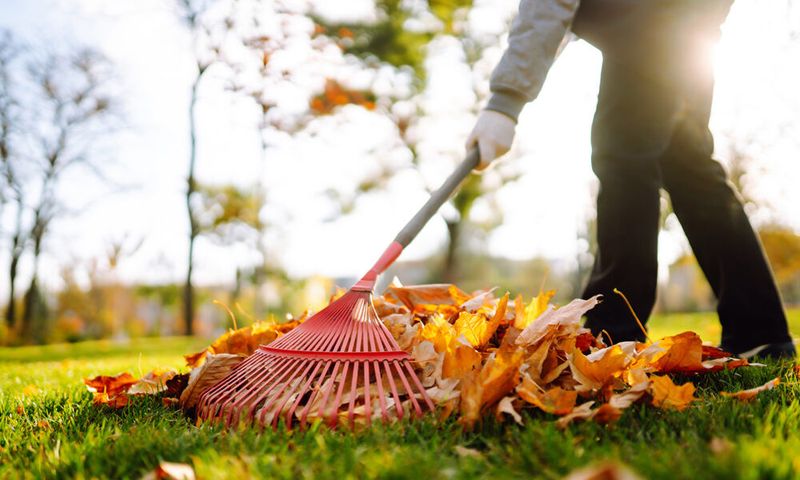
Late fall is the perfect time to make your yard less inviting without harming a single snake. A few simple changes go a long way.
Start by moving firewood away from your house. Stack it on a raised rack, ideally 20 feet or more from doors and steps.
That small shift keeps both rodents and snakes from setting up camp beside your entryway.
Clear brush piles, scrap lumber, and old boards. Keep grass mowed short near paths and play areas, and trim back dense ground covers along foundations.
Seal gaps under doors, sheds, and crawl spaces too.
Controlling rodents matters just as much. Store birdseed and pet food in tight containers, and clean up spilled seed under feeders.
Fewer mice means fewer reasons for a copperhead to stick around.
Dress for the job when you work in leaf piles or rocky beds. Leather gloves, sturdy boots, and long pants offer real protection, and they cost far less than an emergency room visit.
My garden taught me that respect beats fear. Copperheads help control rodents, and they mostly want to be left alone.
Watch your step on those warm November days, and you can share the yard peacefully.