Why Your Minnesota Bearded Iris Stopped Blooming And What Dividing Them Right Now Can Do
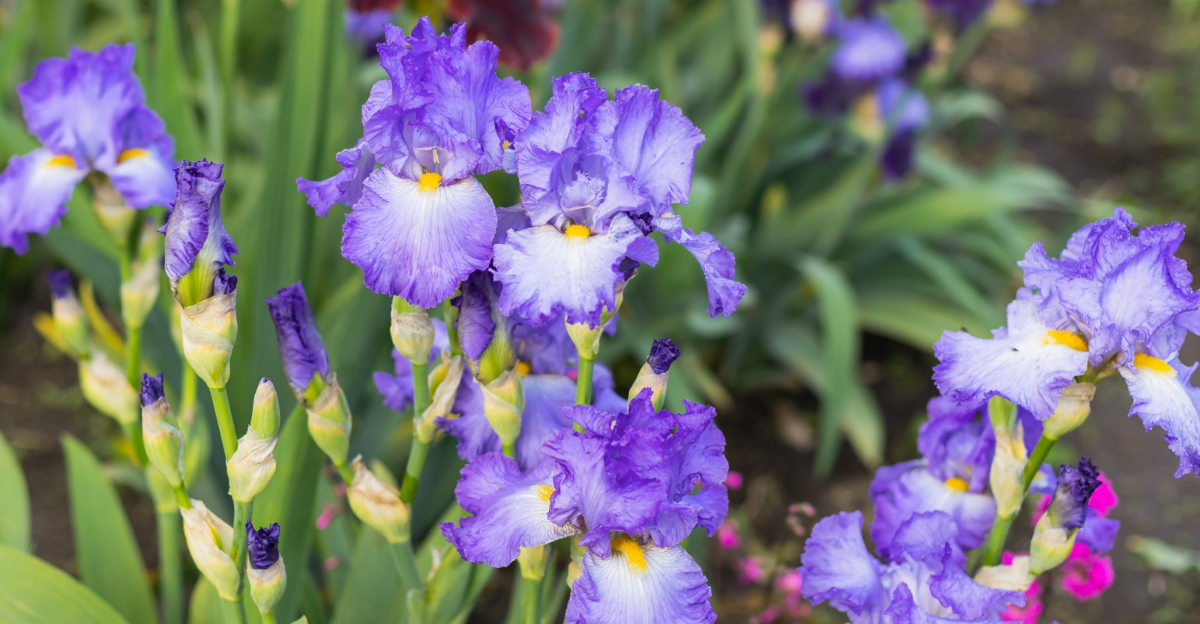
Right now, the ground is still soft. Six weeks from now, it won’t be. That narrow corridor between August heat and the first Minnesota freeze is the only time of year your irises will forgive you for digging them up.
And dig them up you should, because whatever is happening above ground, those blooms you remember from three years ago aren’t coming back on their own.
Irises go quiet when they run out of room, not with yellow leaves or drooping stems, but with perfect green silence. Nothing to warn you. No obvious distress. Just season after season of foliage, no flowers.
Minnesota gardeners know this particular patience, and how fast it runs out when a bed that once stopped neighbors mid-walk just sits there, green and mute.
The fix is almost embarrassingly simple: lift, divide, replant. But timing is everything, and that time is now.
Summer Heat Has Passed, Helping Roots Establish
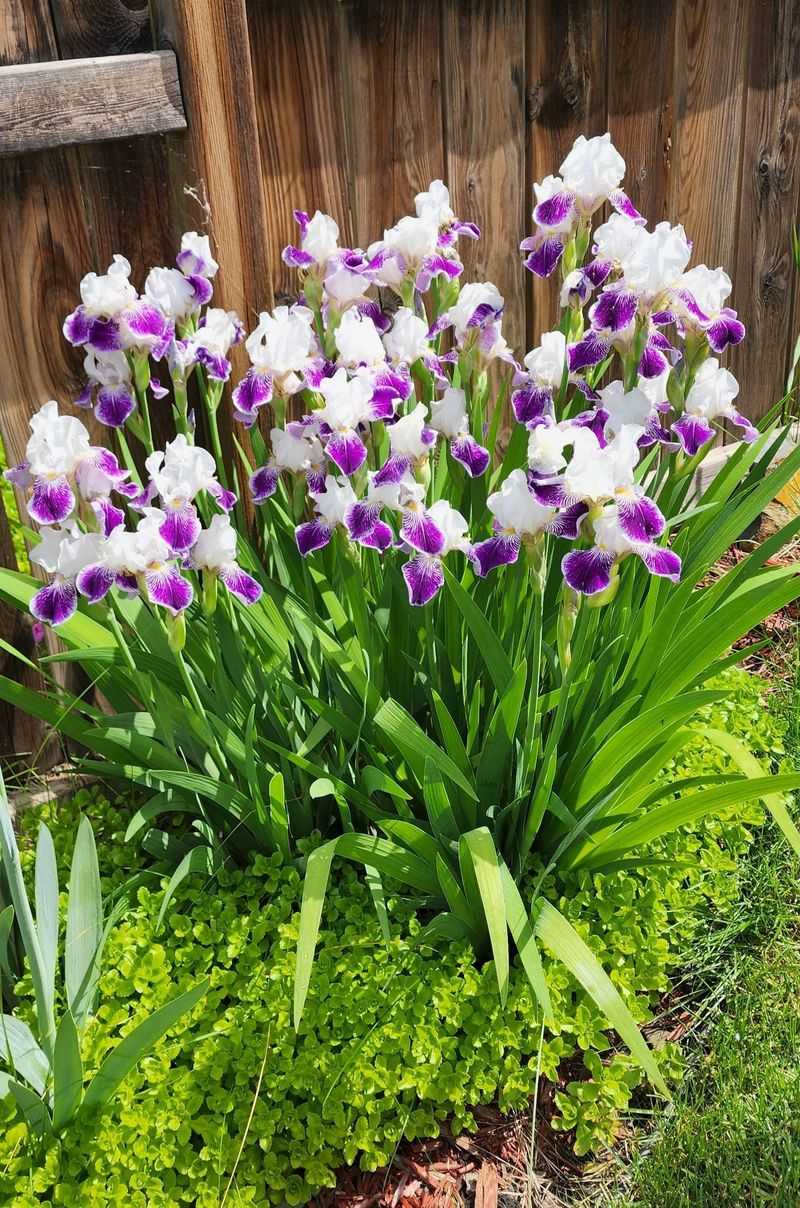
There is a sweet spot in the gardening calendar, and late summer is it for iris division. Once the brutal heat of July fades, the soil stays warm but the air cools down just enough for roots to grow without stress.
Irises divided after peak summer heat have a real advantage. The ground temperature in Minnesota typically hovers between 55 and 65 degrees Fahrenheit in August, which is nearly perfect for root development.
Warm soil encourages rhizomes to push out new feeder roots quickly. Those roots anchor the plant before the first hard freeze arrives, giving it a fighting chance through a long northern winter.
Planting into cooled air also means less moisture loss from the leaves. The plant can focus its energy downward, building a strong root system instead of trying to endure scorching afternoon heat.
Think of it like moving into a new house in fall instead of July. You get settled without the chaos, and by spring you feel right at home.
Gardeners who wait until September often see slower establishment because nights drop fast in Minnesota. That narrow window between summer heat and autumn chill is your golden ticket to blooms next year.
Divided rhizomes planted now will have six to eight weeks of growing time before the ground hardens. That is enough time to lock in and get ready for a spectacular spring show.
Why your Minnesota iris stopped blooming often comes down to missing this exact window.
Overcrowded Clumps Bloom Poorly Every 3 To 5 Years
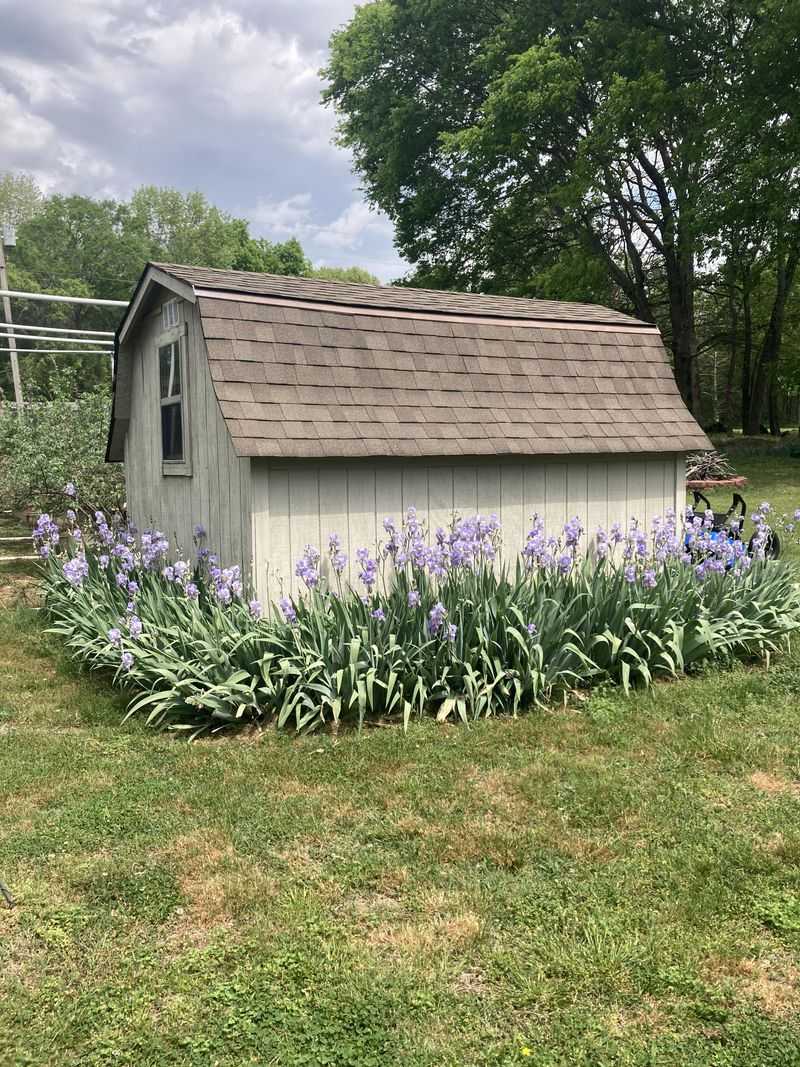
Picture a subway car packed so tightly that nobody can lift their arms. That is basically what happens inside an overgrown iris clump after a few seasons.
Irises multiply fast. A single rhizome can produce several offshoots in one growing season, and within three to five years, the clump becomes a knotted mess fighting itself for space.
When rhizomes overcrowd, they compete hard for nutrients, water, and sunlight. The oldest central rhizomes get pushed out of the soil and often stop producing blooms entirely, leaving you with a lot of leaves and no flowers.
Most experienced gardeners notice the pattern around year four. The blooms thin out, the clump looks thick and messy, and no amount of fertilizer seems to help. That is your iris sending a clear distress signal.
Your Minnesota Garden Changes Every Week. Your Plan Should Too.
Gardening in Minnesota changes quickly throughout the season. Every Friday you’ll receive a simple weekly plan showing exactly what to plant, prune, fertilize, harvest, and protect so you never miss the right timing.
Splitting the clump removes those spent, exhausted central rhizomes. You keep only the younger, vigorous outer sections, which are the ones with the energy and health to produce flowers.
After division, each replanted piece has room to breathe, access to fresh soil, and no competition from its neighbors.
Bloom counts the following spring can increase dramatically, sometimes doubling or tripling what you saw in the overcrowded year.
Why your Minnesota iris stopped blooming is often this simple: the plant outgrew its space. Give it room, and it will reward you with an abundance of color you almost forgot was possible.
Late July Through August Is The Ideal Window
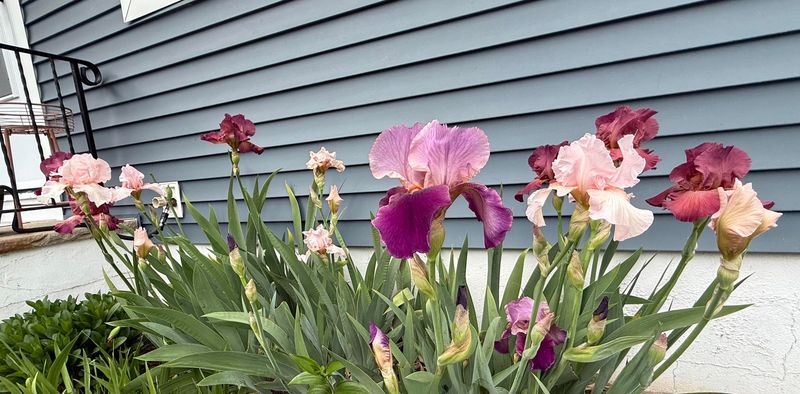
Timing is everything in a Minnesota garden, and iris division has a surprisingly short calendar. Late July through August gives you the best conditions for splitting and replanting before autumn closes the door.
During this window, the iris has finished blooming and entered a rest phase. Its energy has shifted away from flowers and back into the rhizome, making it sturdy and ready to handle the stress of being dug up.
Dividing during active bloom or right after is too hard on the plant. The rhizome is still feeding developing seed pods and has little reserve left for recovering from division.
By late July, that recovery process is complete. The plant is essentially sitting there, quiet and recharged, waiting for something to do. Dividing it now gives it a new purpose: put down roots before frost.
Minnesota gardeners sometimes push division into September, thinking they have more time. But soil temperatures drop sharply after Labor Day, and roots slow down significantly once the ground cools below 50 degrees.
August division gives rhizomes a full six to eight weeks of warm-soil root growth. That head start is the difference between a plant that makes it through winter and one that heaves out of the ground come March.
Mark your calendar right now if the clumps in your yard look thick and bloom-free. That late July to August window is short, precious, and absolutely worth protecting on your schedule.
Freshly Divided Rhizomes Need Time To Anchor
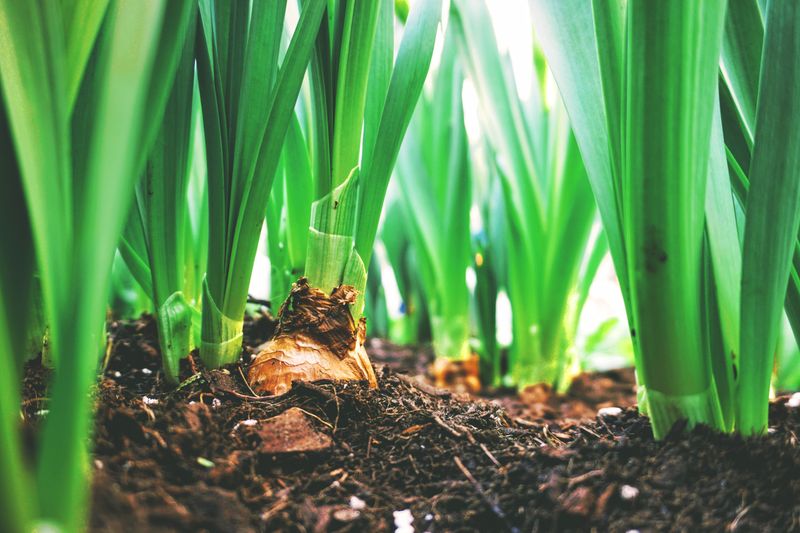
Cutting a rhizome loose from its clump is a bit like pulling a tooth. The plant is suddenly exposed, rootless, and completely dependent on what happens next.
A freshly divided rhizome has no feeder roots yet. Those tiny, hair-like structures that pull water and nutrients from the soil got left behind when you lifted the clump. The plant needs time to grow new ones.
In ideal conditions, new feeder roots begin emerging within one to two weeks after replanting. But they need warm soil and consistent moisture to get started, which is exactly what late summer provides in Minnesota.
Once those roots grab hold, the rhizome becomes stable. It stops rocking in the wind, stops drying out at the surface, and starts building the energy reserves it will need to push up blooms in May.
Gardeners sometimes underestimate how vulnerable this window is. A hard rainstorm, a stretch of dry weather, or planting too shallow can all interrupt root establishment and leave the rhizome struggling come spring.
Plant divided rhizomes at soil level, with just the top of the rhizome peeking above the surface. Bury them too deep and they rot; leave them too high and they dry out before roots can form.
Give each newly planted section about two weeks of regular watering to support that anchoring process. After that, the roots are usually strong enough to handle whatever Minnesota autumn throws their way.
Delayed Division Leaves No Time Before Hard Freezes
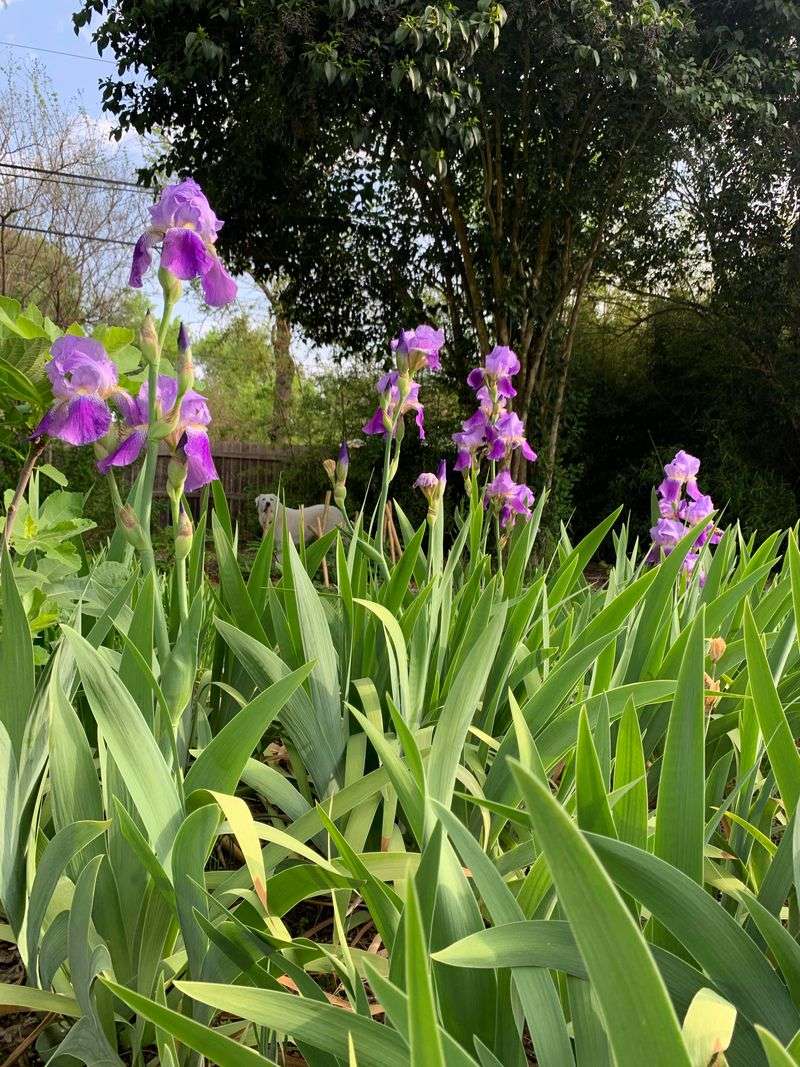
Minnesota does not ease into winter. One week you are raking leaves in a light jacket, and the next the ground is locked solid under two inches of frost.
When iris division gets pushed into September or October, the rhizomes simply do not have enough time to establish before that freeze hits. Unanchored rhizomes are especially vulnerable to frost heaving and winter damage.
Hard freezes penetrate the soil quickly in northern climates. A rhizome with no feeder roots cannot pull moisture or nutrients, so it heads into winter already depleted and stressed.
Late-planted irises in Minnesota are far less likely to establish well before the first freeze. Some make it through, but many come up weak, distorted, or fail to bloom at all the following spring.
Procrastination feels harmless in July when the days are long and warm. But every week you wait in August shortens the establishment window by the same amount on the back end, right when temperatures are falling fastest.
Even two extra weeks of root growth before the first hard freeze can be the difference between a healthy plant and a frost-heaved rhizome that pops out of the ground by March.
Why your Minnesota iris stopped blooming is sometimes simply a matter of bad timing from the previous year. Act now, plant with intention, and let those roots get a real head start before the cold arrives.
Overcrowded Plants Attract More Iris Borer Infestations
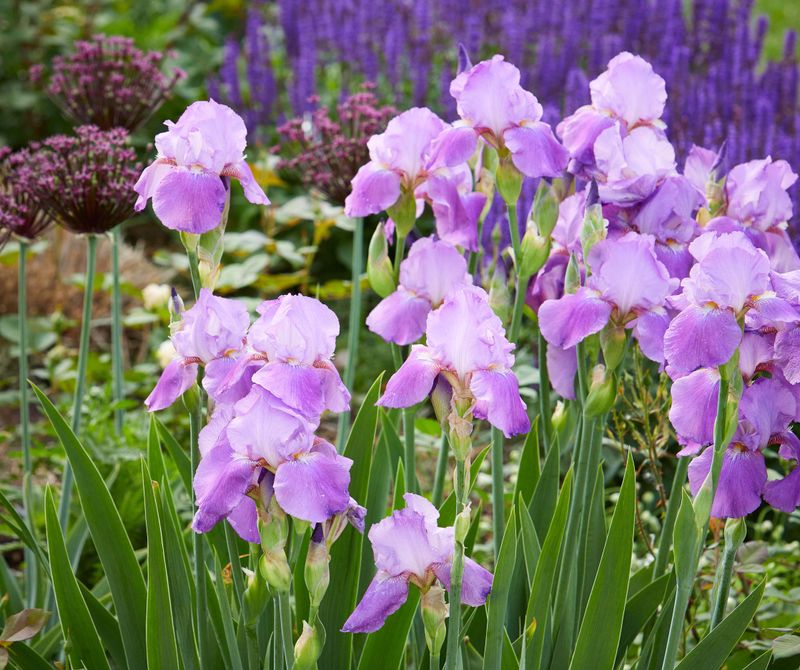
Here is something nobody tells you at the garden center: a packed iris bed is basically a buffet sign for iris borers. The more crowded and tangled the clump, the easier it is for pests to move through undetected.
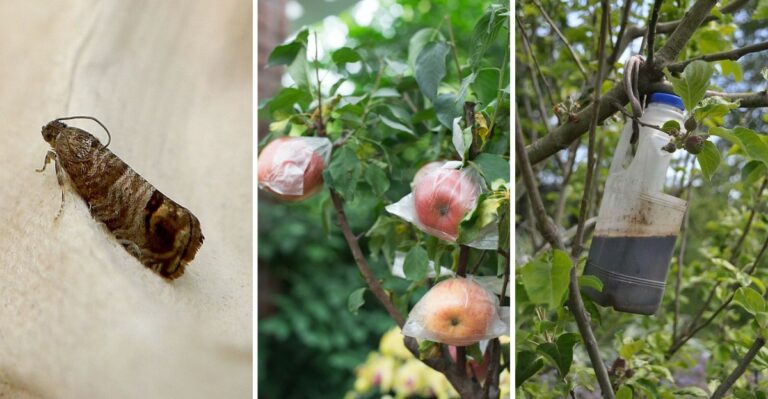
Iris borers are the larvae of a moth that lays eggs on old iris leaves in late summer and fall. When hatched, the tiny caterpillars tunnel down into the leaves and work their way into the rhizome itself.
Dense, overcrowded clumps give borers the perfect cover. Thick foliage hides egg masses, and tightly packed rhizomes let larvae move from one to another without ever surfacing where you might spot them.
By the time you notice mushy, foul-smelling rhizomes in spring, the damage is already done. Borers hollow out the center of the rhizome, leaving behind a soft, rotting shell that cannot produce a single bloom.
Dividing your irises removes that sheltered environment. Spaced-out plants let you inspect each rhizome closely, spot early damage, and remove infected sections before the infestation spreads.
During division, slice through each rhizome and look for small, pinkish worms inside. Discard any section showing tunneling or soft tissue, and only replant firm, healthy pieces.
Thinning your iris bed every few years is one of the best natural defenses against borers. A well-spaced planting is harder to infest, easier to monitor, and far more likely to deliver those stunning blooms you planted them for.
Weakened Clumps Produce Fewer Spring Blooms
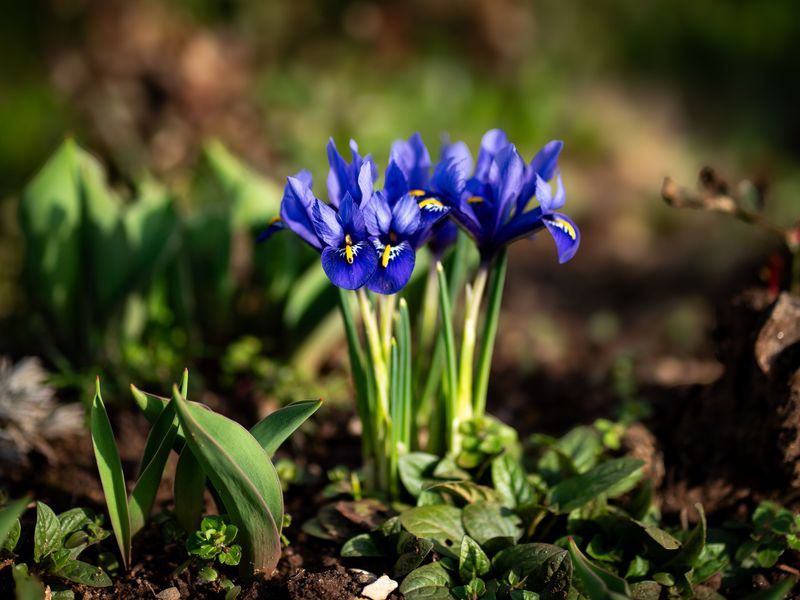
An iris that has not been divided in five or more years is basically running on empty. The rhizomes are exhausted, the soil around them is depleted, and the whole clump has forgotten what blooming feels like.
Energy in an iris plant is finite. When dozens of crowded rhizomes all draw from the same patch of soil, none of them get enough to push through a full, healthy bloom cycle in spring.
You might see a few scraggly flowers poking up near the edges of the clump. Those are the youngest, outermost rhizomes, the only ones with enough elbow room and fresh soil to attempt a bloom.
The center of the clump, meanwhile, is a tangle of old, spent rhizomes doing nothing productive. They take up space, block light, and consume what little moisture the soil has left to offer.
Dividing resets the whole system. You remove the exhausted center, replant the vigorous outer sections into fresh amended soil, and suddenly every rhizome has access to the resources it needs to perform.
Gardeners who divide regularly, every three to four years, consistently report fuller, more vibrant bloom seasons. The plants simply have more energy to put toward flowers when they are not fighting for basic survival.
If your spring iris display has shrunk to a handful of blooms from what used to be a showstopper, dividing now is the reset your garden has been waiting for all season long.
Frost-Heaved Rhizomes Planted Late Struggle To Make It Through Winter
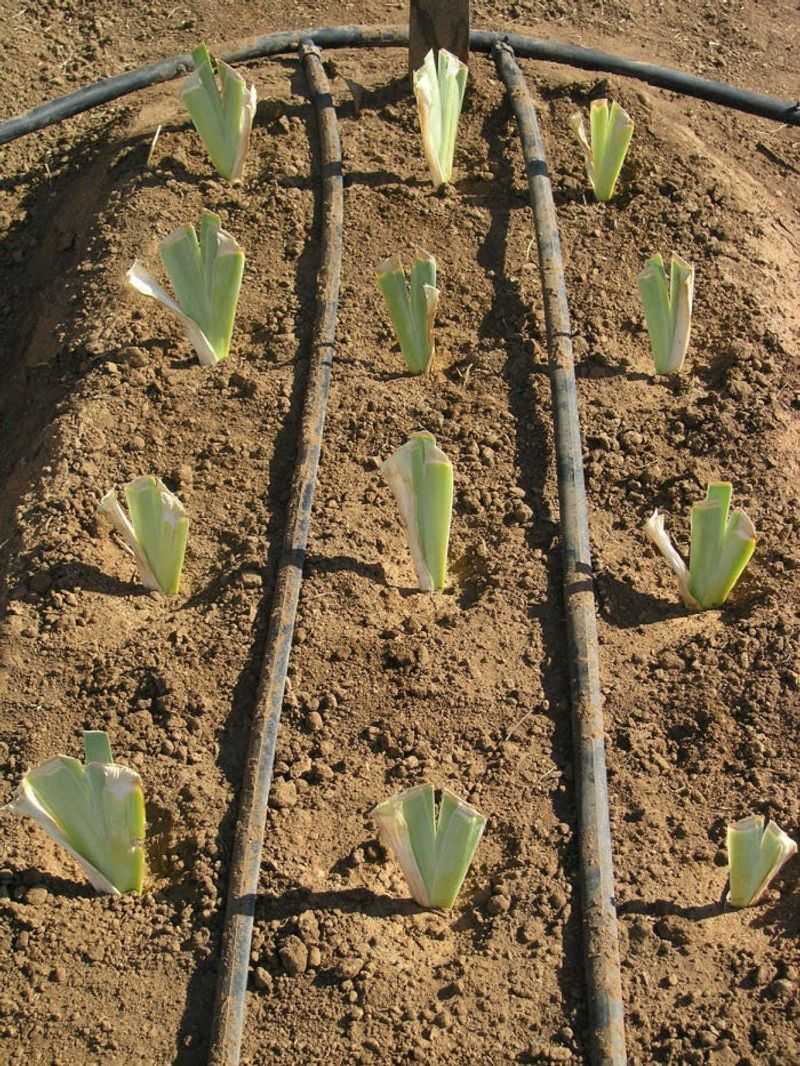
Frost heaving sounds technical, but the effect is brutally simple. Freezing and thawing soil acts like a slow-motion jack, pushing shallow-rooted plants right out of the ground over winter.
Irises planted late in the season, with little time to anchor, are especially vulnerable to this process. Without a solid network of feeder roots holding them in place, the rhizome just rides the freeze-thaw cycle upward.
By March or April, you find them sitting on top of the soil, exposed to wind and dryness, often cracked or shriveled. Some recover if you replant them quickly, but many are too far gone to bloom that spring.
This is one of the most frustrating outcomes for Minnesota gardeners who waited too long to divide. You did the work, you planted with hope, and winter undid all of it in a few cold weeks.
Planting in late July or August gives rhizomes the time they need to grip the soil firmly before the ground starts cycling through freezes. A well-anchored rhizome resists heaving far better than a freshly planted one.
Mulching lightly after planting also helps stabilize soil temperature and reduce freeze-thaw cycling near the surface.
A thin layer of straw or shredded leaves over the bed can make a real difference in how well rhizomes come through winter.
Why your Minnesota iris stopped blooming sometimes traces back to a late planting from the prior fall. Divide now, plant firmly, and give those rhizomes every possible advantage before the cold returns.