A Common Orchard Pest Is Making Its Second Generation Appearance In Minnesota Backyard Apples
That perfect apple sitting in your hand already quietly carries a secret forming inside. Minnesota orchards test you with this exact problem each season. Backyard growers across Minnesota watch it return in your yard.
Tiny larvae tunnel through firm flesh long before you slice it. You cut open what looked flawless and find winding brown trails. Nobody spots the damage until your knife exposes it fully.
Growers who understand this pest give you a real advantage. Timing alone decides whether your harvest stays clean or ruined. Careful eyes catch signs that your casual glance might miss.
Patterns repeat quietly, waiting for you to notice them soon. Small shifts in your habits can change your entire outcome. Curiosity now saves your fruit before the next round begins.
Momentum builds fast once you grasp what drives this pattern. Understanding this insect now changes how you treat each apple you pick from here.
The Tiny Tunneler Behind Those Wormy Apples
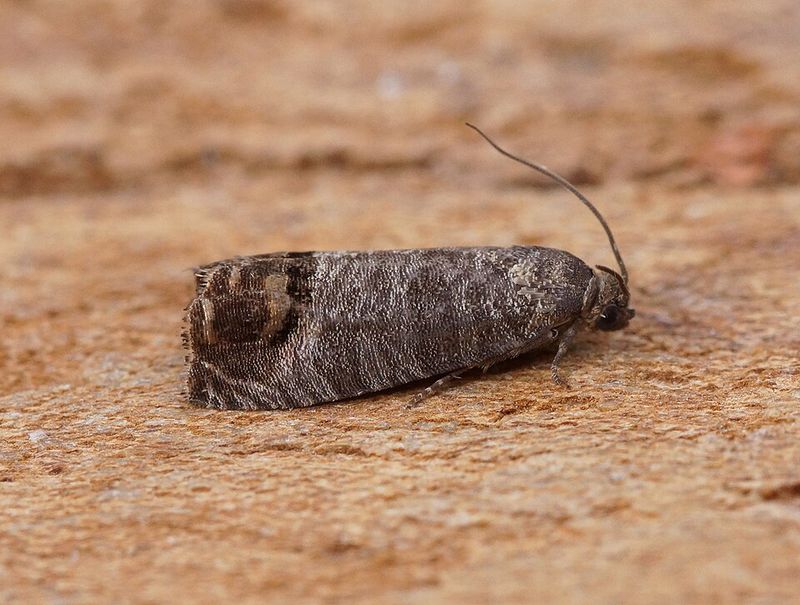
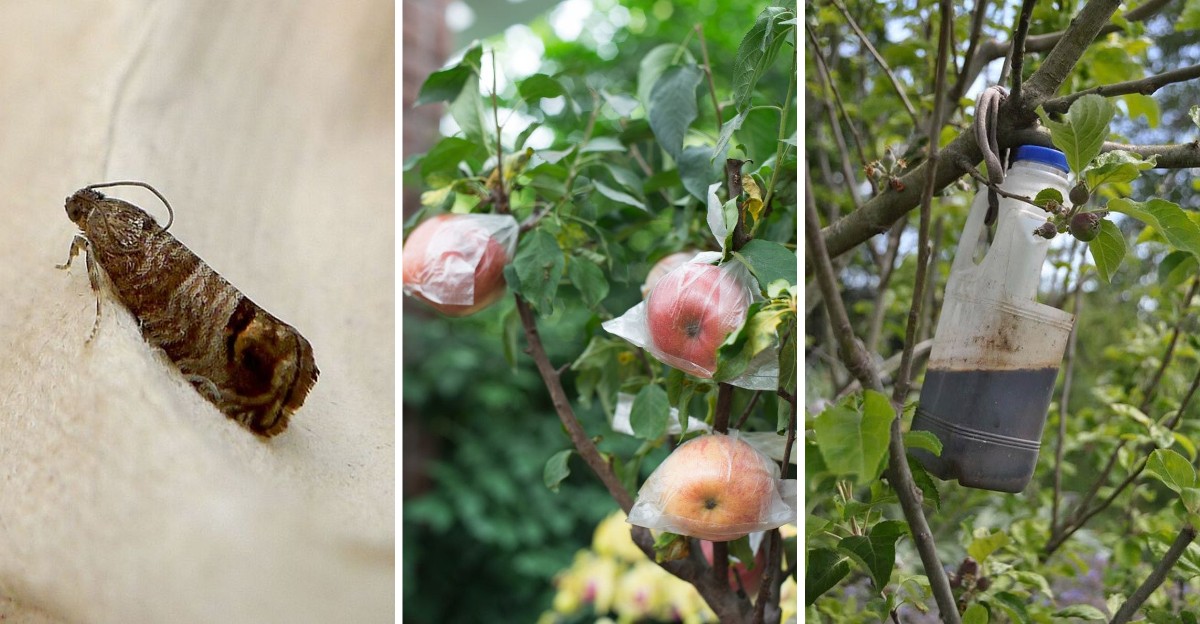
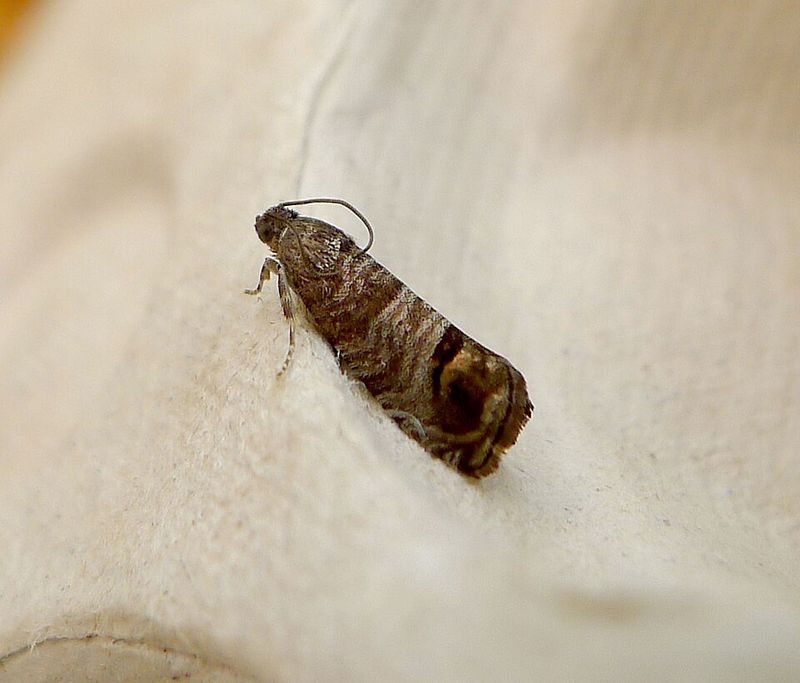
Grayish, about half an inch long, with a coppery smudge at the wingtip – that is the adult codling moth. Folded up on bark, it looks like a chip of lichen, which is exactly the point.
The larva is the part you actually meet. It is a cream or pinkish caterpillar with a dark head, and it is the classic apple worm of cartoons and lunchbox jokes.
Here is how the story unfolds. A female lays flat, clear eggs on leaves and young fruit near dusk on warm evenings. The hatchling crawls a short distance, finds an apple, and chews its way inward.
Once inside, it heads for the core to feed on seeds. That tunnel fills with reddish-brown crumbly frass, which is the polite word for caterpillar waste pushed back out the entry hole.
After roughly three to four weeks of feeding, the larva exits, spins a silky cocoon under loose bark or in leaf litter, and prepares for the next stage. In Minnesota, the insect overwinters in that cocoon and emerges the following spring.
Codling moth is not native here. It arrived from Europe generations ago and spread wherever apples grew, which is why it turns up in old farmstead trees and brand-new suburban plantings alike.
Pears and crabapples are on the menu too, though apples remain the favorite. Understanding the basic life cycle is what makes every other step on this list make sense.
Why A Second Generation Shows Up Late Summer In Minnesota
Insects run on heat, not calendars. Growers track something called degree days, which is a running tally of warmth that predicts when moths fly, mate, and hatch.
The first flight usually begins around apple bloom in May, once evening temperatures consistently climb into the 60s. Those larvae feed, drop out, and pupate through early summer.
When the season stays warm, that second batch of moths emerges from late July into August. Their offspring are the ones chewing into fruit right now, in early September, just as apples are sizing up and sweetening.
Your Minnesota Garden Changes Every Week. Your Plan Should Too.
Gardening in Minnesota changes quickly throughout the season. Every Friday you’ll receive a simple weekly plan showing exactly what to plant, prune, fertilize, harvest, and protect so you never miss the right timing.
Minnesota generally sees two generations each year, though far northern regions with shorter, cooler seasons sometimes see only a partial second flight.
Timing matters because the second generation is harder to detect. Apples are bigger, the canopy is dense with leaves, and damage hides until you pick or slice.
There is another wrinkle. Second-generation larvae often enter through the calyx end or where two apples touch, so entry holes are tucked out of sight.
Warmer autumns give these later larvae more time to finish feeding and find a safe overwintering spot. That translates into a stronger starting population next spring.
Keep a simple note in your garden journal: the week you first spot fresh frass. Next year that date becomes your personal early warning, better than any generic regional chart.
Reading the Damage: Frass, Stings, And Hollow Cores
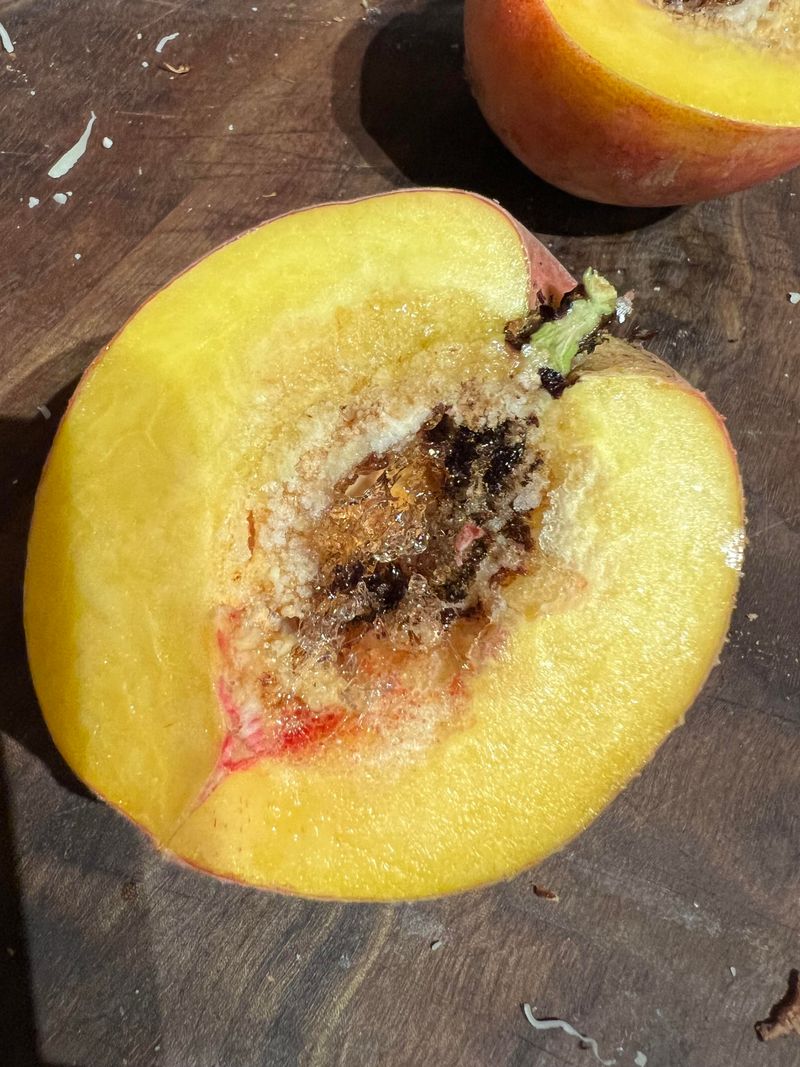
Flip an apple over and look at the blossom end. A small hole rimmed with crumbly, sawdust-colored material is the signature you are hunting for.
That material is frass, and it is the giveaway that separates codling moth from other troubles. Apple maggot, its main rival for backyard mischief, leaves dimpled skin and brown stringy trails but no visible sawdust pile.
Some holes are shallow. Growers call these stings, which happen when a larva starts chewing, dislikes the taste, and moves on or does not survive the attempt.
Stings leave a corky brown scab on the skin. The flesh underneath is usually fine, so those apples still work beautifully for sauce, cider, or pie.
Deep tunnels are a different matter. They run straight to the seed cavity, hollow it out, and open a door for brown rot and other decay organisms.
Check dropped fruit under the tree as well. Early drops in August and September frequently hold larvae, and those apples are a free population survey sitting in your grass.
Cut a few open with a knife. If you find a pinkish caterpillar with a dark brown head, you have confirmed your diagnosis without needing a hand lens or a lab.
Tally what you find. Knowing your actual damage rate, whether it’s five percent or thirty, helps you decide how aggressive to be next spring.
A Low-Tech Trick Worth Trying
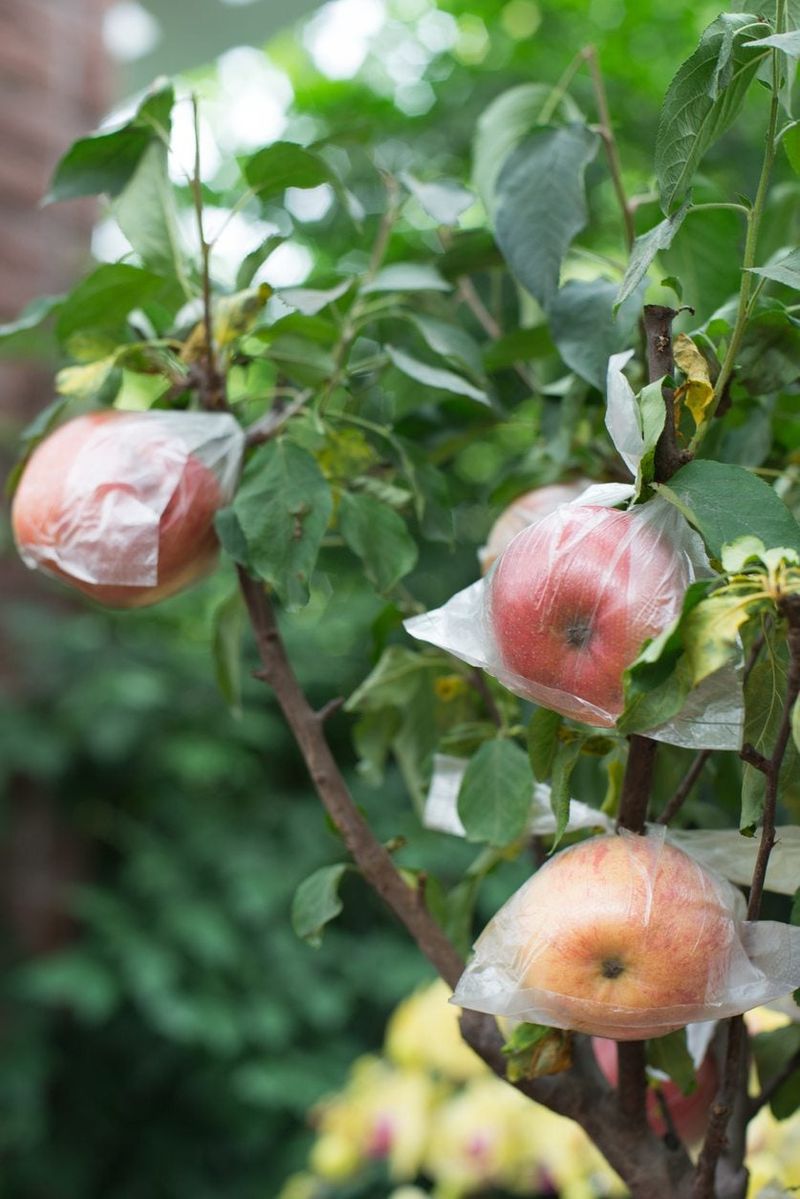
Many home growers who skip sprays rely on paper bags. It sounds odd until you try it once. The method is simple. When fruit reaches roughly the size of a large marble, typically mid-June in most Minnesota seasons, slip a small paper lunch bag over each apple.
Cut a short slit in the bottom of the bag so it slides over the stem. Staple the top shut around the branch, leaving the apple floating inside its own little tent.
Moths cannot lay eggs on skin they cannot reach. Hatchlings that land nearby run out of energy before finding a way in.
Bagging also blocks apple maggot, plum curculio, and a fair amount of hail and bird pecking. One step, several problems handled.
Thin the cluster first, keeping the best apple in each group. That improves fruit size anyway and cuts your bagging workload considerably.
Around two or three weeks before harvest, tear the bags open or remove them so red varieties can color up. Yellow and green types can stay wrapped until picking day.
Nylon footie socks work too and stretch as fruit grows, which some gardeners prefer. Zip-top bags with the corners snipped for drainage are another homemade option.
Yes, it takes an hour or two on a Saturday. Trade that for a bucket of clean apples in September and the math looks pretty good.
Sanitation Chores That Shrink Next Spring’s Population
Cleanup is the least glamorous job in the orchard and one of the most effective. Every apple you pick up off the lawn is a caterpillar that will not return in May.
Gather drops at least twice a week from August through harvest. Larvae crawl out of fallen fruit within days, so speed genuinely matters here.
Do not toss those apples on the compost pile near the tree. Bury them deep, seal them in a bag for the trash, or feed them to chickens or livestock if you have them.
Bark is the other hiding spot. Mature larvae tuck into flaky crevices and spin cocoons there, waiting out the Minnesota winter in surprising comfort.
On a mild winter day, scrape loose bark with a stiff brush or a dull putty knife and let the debris fall onto a tarp. Then carry that tarp away from the tree.
Check nearby fence posts, wooden stakes, cardboard, and stacked firewood too. Cocoons turn up in all of them.
Rake leaf litter under the canopy in late fall. It reduces overwintering shelter and helps with apple scab spores at the same time.
Wild and neglected apple trees in the neighborhood keep feeding the local population. A friendly conversation with a neighbor about cleaning up their old tree can quietly improve your own results.
Traps, Timing, And Smarter Spray Choices
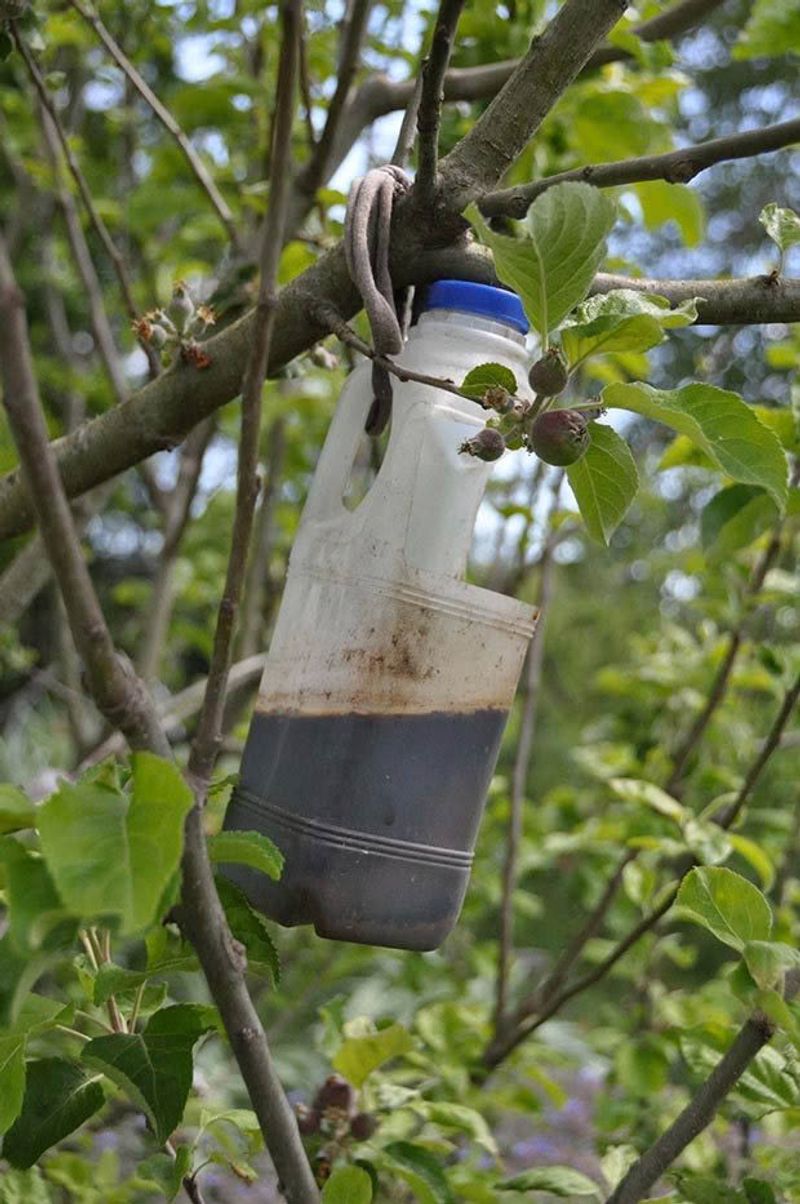
Spraying without timing data often wastes money and underperforms. Timing beats volume with this pest, and a trap gives you the timing.
Pheromone traps use a synthetic version of the female moth scent to draw in males. Hang one in the upper third of the canopy around bloom time and check the sticky liner weekly.
Catching moths tells you a flight is underway. Larvae usually hatch a couple of weeks later, and that hatch window is when a treatment does something useful.
Once a larva is inside the fruit, sprays cannot reach it. That single fact explains why so many backyard applications disappoint.
Options for home growers include spinosad, which is derived from a soil bacterium and is gentler on many beneficial insects. Kaolin clay coats fruit in a fine white film that irritates moths and discourages egg laying.
Granulovirus products target codling moth larvae specifically and leave pollinators alone. They break down in sunlight, so repeat coverage matters.
Read and follow every label, including the days-to-harvest interval. Spray in the evening when bees have gone home.
Trichogramma wasps, lacewings, and birds all take a share of eggs and larvae. Leaving a few flowering plants nearby supports that free labor.
Combining traps, sanitation, and bagging usually gets backyard growers where they want to be with minimal chemistry involved.