The September Garden Checklist Every Minnesota Gardener Needs Before First Frost
Frost won’t warn you before it changes your plants. Minnesota challenges your patience before anyone notices. Overnight temperatures drop while you’re still making plans. Soil cools fast, and your roots feel it instantly.
Every stem in your yard responds differently. Perennials in your beds need dividing before dormancy hits. Bulbs belong in your ground before hard frost settles in. Tools you own dull faster once nights turn humid.
Weeds in your garden beds seed themselves before frost arrives. Lawns thicken fastest when you feed them during these weeks.
Pests hide in the debris you haven’t cleared yet. Compost you add now still decomposes slower outside. Mulch shields your roots better than spring repairs. Grass in your yard still needs water now.
Winter arrives fast for Minnesota gardeners like you who wait. Your decisions this month shape next year’s entire garden. There’s no choice for you now but to keep going.
1. Pick The Tender Crops While Nights Are Still Kind
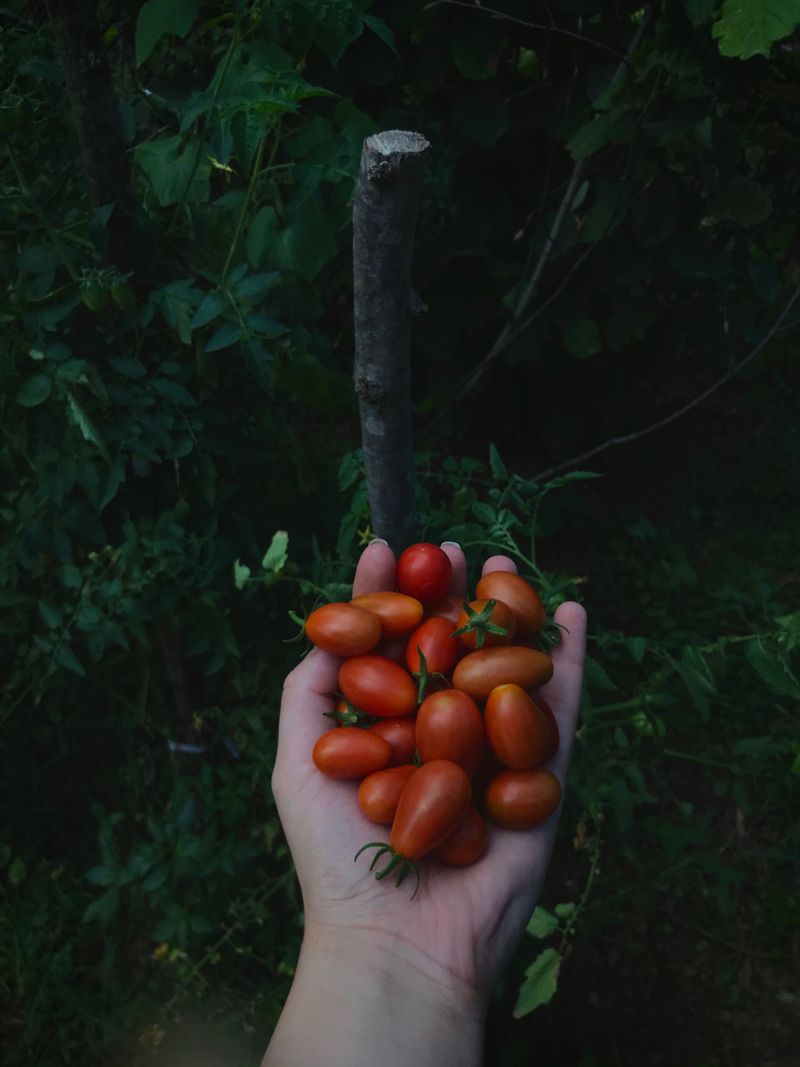
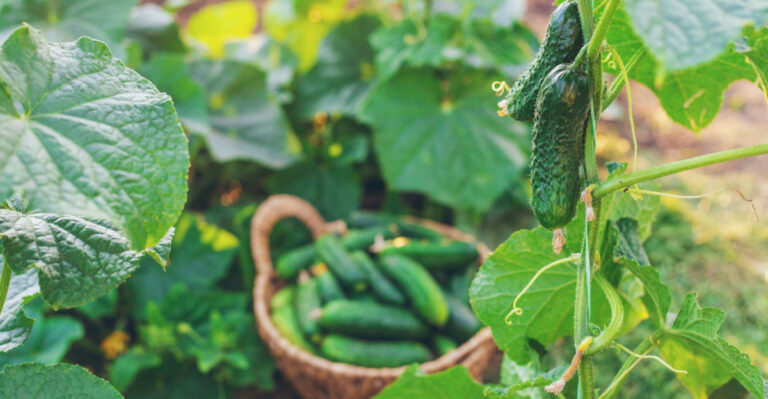
September can be misleading with bright afternoons, but chilly nights are already lining up. Tender crops like tomatoes, peppers, cucumbers, beans, and basil do not enjoy surprise cold, so now is the time to bring in as much as you can.
Start by checking the forecast every evening for low temperatures. If nights dip toward the upper 30s or low 40s, harvest ripe produce first and then gather nearly ripe fruits that can finish indoors on a counter or in a paper bag.
Green tomatoes are worth saving, especially in Minnesota where frost can arrive earlier than hoped. Small peppers, summer squash, and herbs can also be picked before they lose flavor or turn soft from cold stress.
Carry a basket and move row by row instead of rushing. That slower pace helps you spot cracked fruit, hidden cucumbers, and basil leaves ready for pesto, drying, or freezing.
If a plant still holds plenty of healthy produce, cover it overnight with a sheet, light blanket, or frost cloth. Remove covers in the morning so sunlight and air can reach the leaves again.
Do not wash everything right away unless you plan to use it soon. Dry produce stores better, and herbs last longer when loosely wrapped and chilled after trimming damaged stems.
Harvesting before frost is one of those jobs that feels simple but pays off fast. You protect weeks of garden effort, fill the kitchen with color, and avoid a disappointing loss if a cold night arrives unexpectedly.
2. Pull Summer Annuals And Clear Out Worn Plants
Some garden plants look worn out by September after a long growing season. When annual flowers fade and spent vegetable vines stop producing, clearing them out opens space, improves air flow, and makes the whole yard look calmer.
Begin with anything mushy, badly spotted, or obviously finished for the season. Petunias that stopped blooming, tired bean plants, collapsing cucumbers, and annual herbs past their peak can all go once they are no longer useful.
Your Minnesota Garden Changes Every Week. Your Plan Should Too.
Gardening in Minnesota changes quickly throughout the season. Every Friday you’ll receive a simple weekly plan showing exactly what to plant, prune, fertilize, harvest, and protect so you never miss the right timing.
Healthy plant material can head to the compost pile in small pieces. Anything that showed heavy disease problems, especially leaves with lots of mildew or dark spotting, should go in the trash so those issues are less likely to hang around.
Use pruners, gloves, and a bucket so cleanup moves quickly. Pull weeds at the same time, because they love the extra room left behind and can scatter seeds before you even notice.
As you work, look for labels, cages, and plant supports you may want to save. Brush off soil, stack supplies neatly, and store them somewhere dry so spring setup feels easier and less expensive.
Clearing old plants also helps you notice what is still doing well. Maybe your kale looks terrific, your asters are just starting, or your carrots are sizing up nicely under a layer of green.
The garden does not need to look bare to look tidy. A thoughtful cleanup keeps the strongest parts in view, lowers stress on nearby plants, and gives you a fresh sense of what still deserves attention before the season turns colder.
3. Water Trees, Shrubs, And New Plantings Deeply
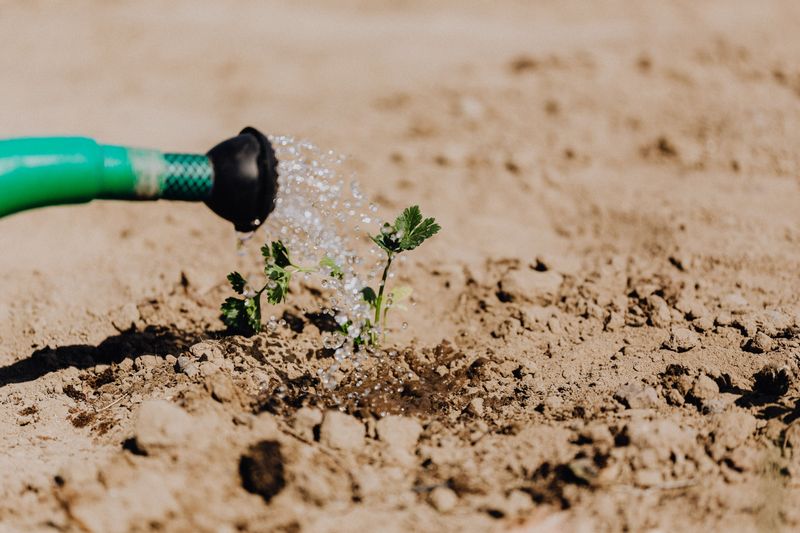
Here is a surprise for many gardeners: cool air does not mean the landscape can fend for itself. Trees, shrubs, and fresh plantings often need steady moisture in September, especially after warm spells, breezy days, and stretches without much rain.
Newly planted evergreens, hydrangeas, perennials, and young shade trees are the neediest. Their roots are still settling in, and dry soil going into winter can leave them weaker when frozen ground blocks them from taking up water.
Skip quick daily sprinkles and water deeply instead. A slow soak from a hose, watering wand, or soaker line helps moisture reach the root zone where it can do some good.
Most beds do well with about an inch of water each week from rain or irrigation, though sandy soil may need checks more often. Push a finger a couple inches into the ground to see whether the soil feels cool and slightly damp or dry and dusty.
Morning is the best time to water because leaves dry faster and less moisture evaporates. Add a layer of mulch around trees and shrubs if the soil is bare, but keep it a few inches away from trunks and stems.
Do not forget containers, which dry out faster than in-ground beds. Pots near sunny walls or windy corners may still need regular drinks even when the rest of the yard seems comfortable.
A good September watering routine is quiet work, but it matters. Stronger roots now can mean better color, steadier growth, and fewer winter problems when Minnesota weather starts showing off its colder side.
4. Divide Crowded Perennials For A Stronger Next Season
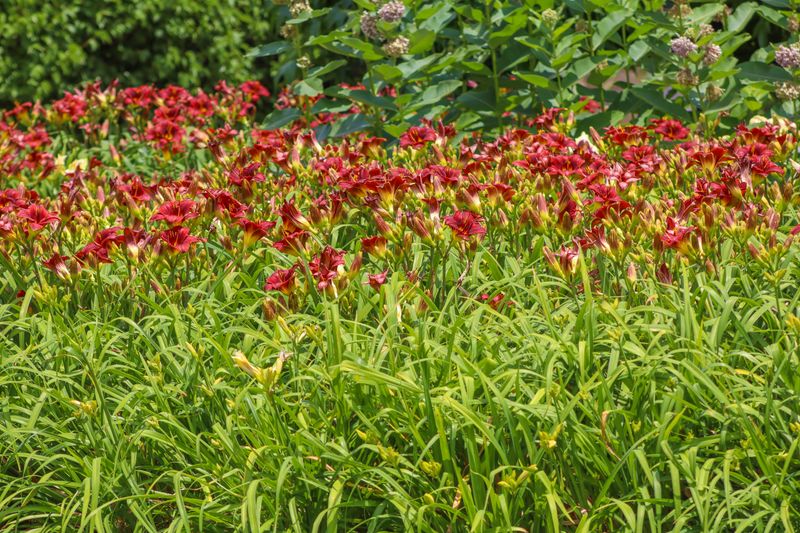
Perennial beds can turn into a crowded family reunion by September. When hostas, daylilies, iris, peonies, and other long-time favorites begin blooming less or forming tight clumps, dividing them can refresh growth and give you free plants.
Cooler weather and still-warm soil make early fall a useful time for this job in Minnesota. Roots have time to settle before the ground freezes, and plants face less heat stress than they would during summer.
Choose a cloudy day if possible, then water the area first so digging is easier. Lift the clump with a spade or garden fork, shake off extra soil, and separate healthy sections with strong roots and a few leaves or buds attached.
Trim ragged foliage if it gets in the way, but do not shave everything down unless the plant type calls for it. Replant divisions promptly at the same depth they were growing before, and water them well after settling the soil around the roots.
Give each section enough room to spread over time. It is tempting to pack them close for a full look right away, but extra space improves air flow and cuts down on future crowding.
This is also a nice moment to share with neighbors or friends. A bucket of extra hostas or black-eyed Susans on the driveway has a way of starting cheerful conversations.
Dividing perennials feels a bit like editing a packed closet. You keep what works, create breathing room, and make the whole garden look more balanced while setting up a healthier, more colorful show for next year.
5. Plant Spring Bulbs Before The Ground Gets Cold
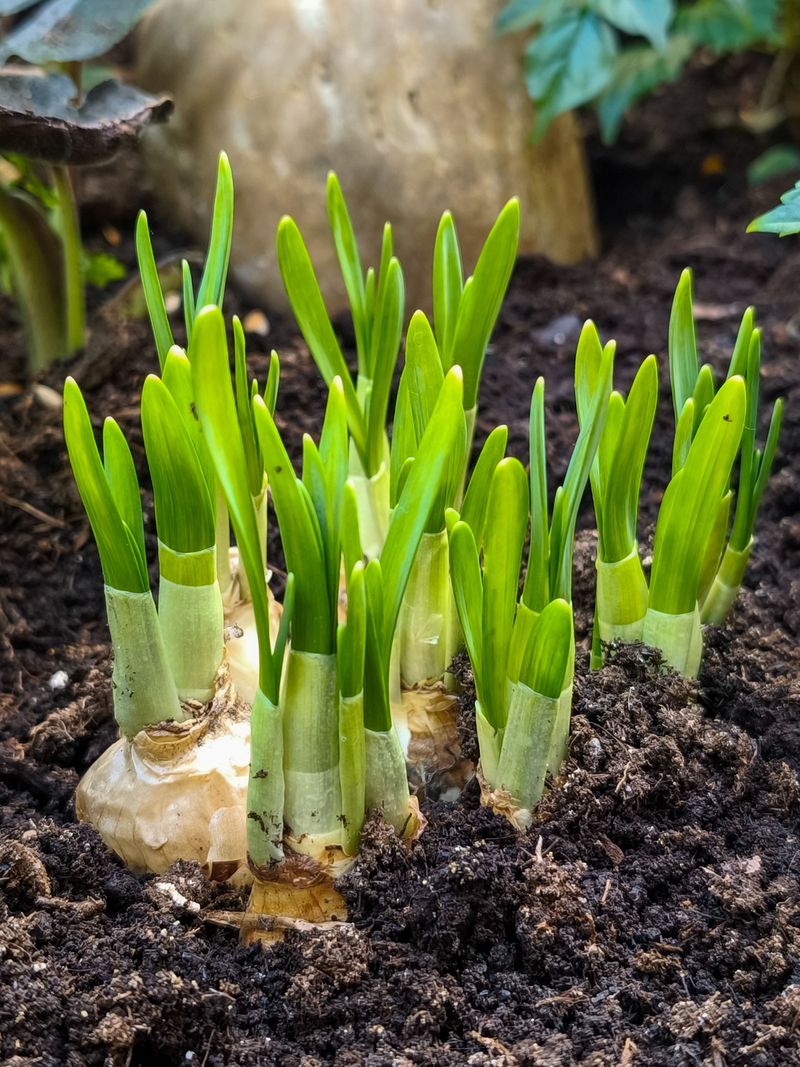
Nothing feels more hopeful than planting something now for a surprise many months away. Spring bulbs ask for a little September planning, and Minnesota gardeners who tuck them in early can enjoy bright color just when winter feels extra long.
Tulips, daffodils, crocuses, alliums, and hyacinths do best when planted in fall after the worst heat has passed but before the ground turns hard. The soil is still workable, which gives bulbs time to root well before winter settles in.
Pick a spot with good drainage and plenty of sun in spring. Bulbs dislike sitting in soggy ground, so raised beds, slopes, and loose soil often give better results than low, wet patches.
As a simple rule, plant bulbs about two to three times as deep as the bulb is tall. Place the pointed end up, add a little bulb fertilizer if your soil needs it, then cover and water the area so roots can get started.
Group bulbs in clusters instead of straight lines for a more natural look. A drift of ten or fifteen blooms usually looks richer and friendlier than single flowers scattered across a bed.
If squirrels frequently dig in your garden, lay chicken wire over the planting area until the ground cools. A light mulch layer can also help keep soil temperatures more even after planting.
Bulb planting is quiet, satisfying work. You press little promises into the dirt, trust the season to do its part, and know that one muddy spring morning those hidden bulbs will wake up and make the whole yard smile.
6. Refresh Mulch To Protect Roots And Hold Moisture
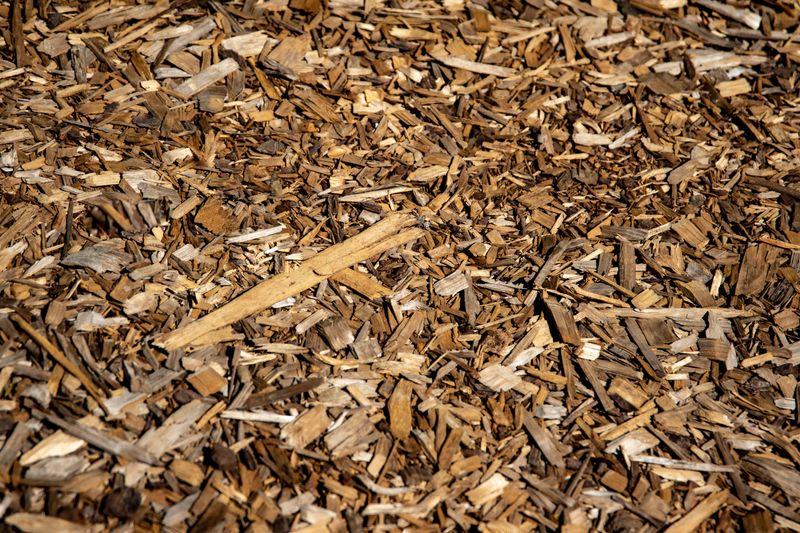
Mulch may not be the flashiest part of a garden, but it is the quiet helper that keeps showing up. By September, summer heat, heavy rain, and busy feet often leave mulch thin, patchy, or mixed into the soil.
Adding a fresh layer now helps conserve moisture, slow weed growth, and soften the swing between warm days and chilly nights. In Minnesota, that extra buffer can be especially useful as fall weather starts bouncing around.
Check beds around shrubs, young trees, strawberries, and perennials first. If mulch is matted, moldy, or piled too tightly against stems, loosen it or remove some before topping up with clean material.
Wood chips, shredded bark, pine needles, and chopped leaves can all work well depending on the space. Aim for about two to three inches total, enough to cover bare soil without smothering crowns or trapping too much moisture.
Keep mulch a few inches back from tree trunks and plant bases. Volcano-shaped piles may look tidy at first glance, but they can hold too much dampness and invite trouble near bark and stems.
Use the moment to tidy edges and pull the last obvious weeds. A neat ring of mulch around plantings makes the whole garden look cared for, even when flowers begin to fade and vegetable beds are slowing down.
There is something satisfying about that fresh, earthy smell and clean finish. Mulch gives your garden a cozy layer for the season ahead while quietly making your fall watering and cleanup chores much easier to manage.
7. Feed The Soil With Compost, Not A Growth Spurt
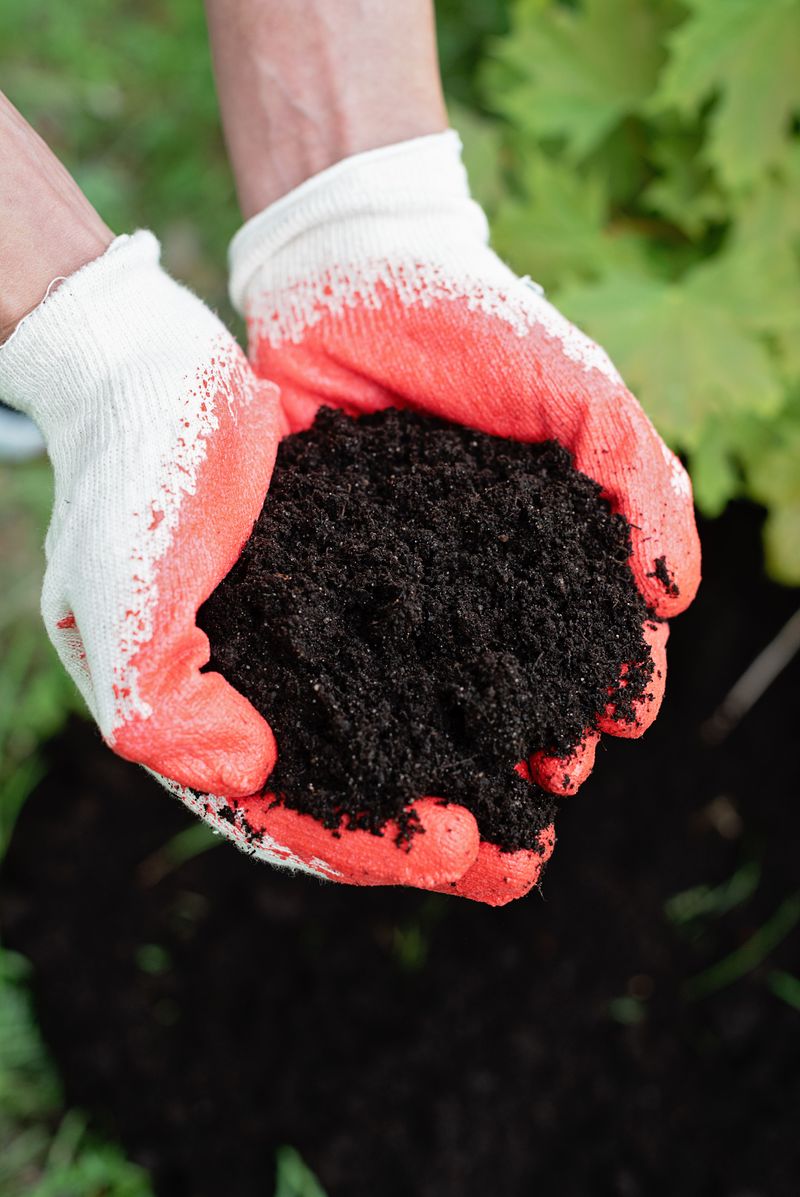
September is a good month to think less about feeding leaves and more about feeding soil. After a long growing season, garden beds appreciate compost that improves texture, supports helpful soil life, and gets everything ready for the months ahead.
Spread a thin layer of finished compost over vegetable beds after harvest and around established perennials once weeds are removed. Rain, worms, and freezing and thawing will help work that organic matter into the ground over time.
Skip high-nitrogen fertilizer late in the season for most plants. A big push of soft new growth right before colder weather is not helpful, especially in Minnesota where temperatures can shift quickly.
Compost is gentler and does more than one job. It can help sandy soil hold moisture, help heavy soil loosen up, and add a slow, steady source of nutrients instead of a quick burst.
If you have your own compost pile, use only finished material that smells earthy and looks dark and crumbly. Half-rotted scraps can attract critters and tie up nutrients while they continue breaking down in the bed.
Fall is also a smart time to start a new compost habit if you have not tried one yet. Add chopped leaves, spent annuals without disease issues, and kitchen scraps like fruit peels, while balancing them with dry materials for airflow.
Healthy soil is easy to ignore because the real action happens out of sight. Still, this simple September step sets up stronger roots, better drainage, and a more resilient garden when spring returns and asks your beds to get busy again.
8. Save Seeds And Label What Earned A Return Trip
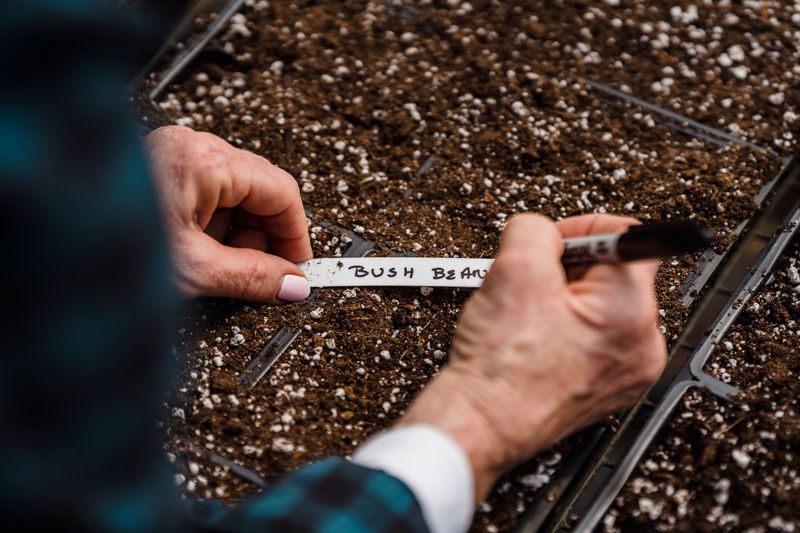
Every garden has a few stars that deserve an encore. September is a fine time to save seeds from favorite flowers and vegetables, especially if you want to repeat a color, flavor, or sturdy performance that stood out this year.
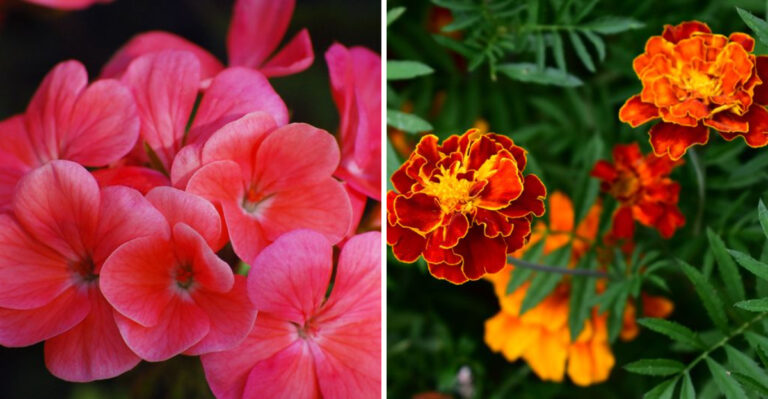
Choose seeds from healthy, mature plants on a dry day. Marigolds, zinnias, beans, peas, lettuce, and many herbs are beginner-friendly choices because their seeds are easy to spot, collect, and dry.
Snip seed heads or pods into paper bags, bowls, or envelopes instead of plastic. Paper lets moisture escape, which helps prevent mold while seeds finish drying indoors.
Label everything right away with the plant name, variety if you know it, and the date. It sounds obvious, but by next spring a pile of mystery envelopes can feel like a quiz you forgot to study for.
Let seeds dry fully in a cool, airy spot out of direct sun for a week or two, depending on the plant. Once dry, store them in labeled envelopes or jars somewhere cool and dry until planting time returns.
Keep in mind that some saved seeds will not grow exactly like the parent plant, especially hybrids. That is not a problem for many gardeners, but it helps to know before you expect a perfect repeat.
While you are collecting, make notes about what earned space for next year and what did not. A few honest labels now, such as great flavor, too floppy, or bloomed forever, can be more useful than memory once seed catalogs arrive in winter.