A Gray Bug With A Gear On Its Back Is Turning Up On Missouri Porches And Its Bite Hurts
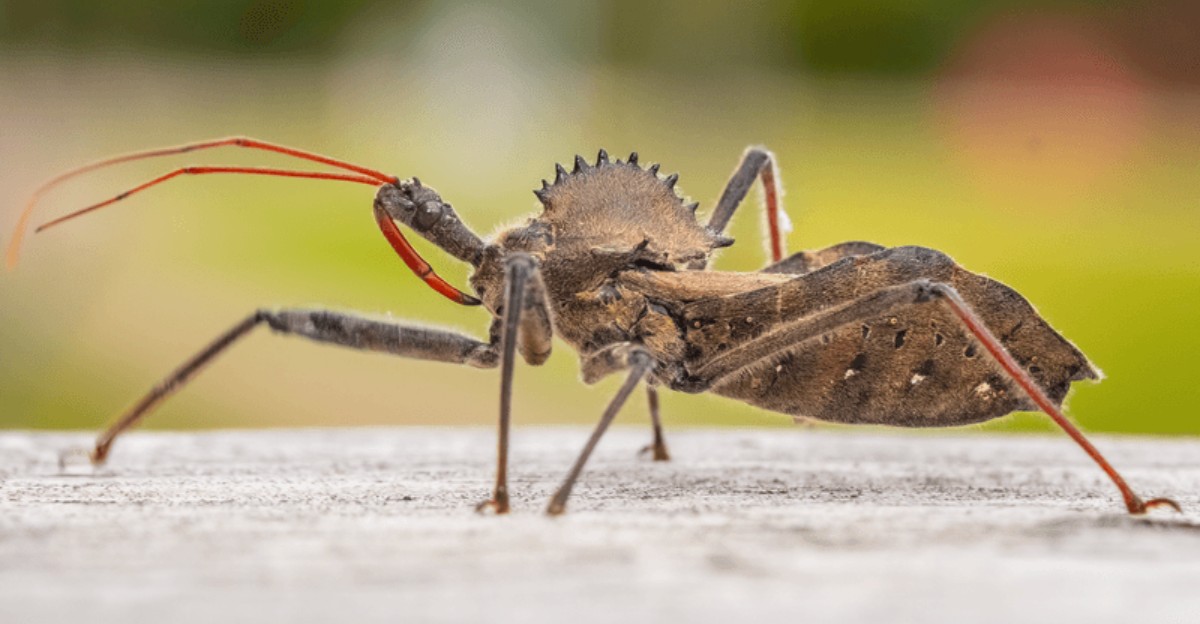
A gray insect showing up on porches carries a raised half circle on its back shaped like a gear. I believe it looks like a tiny machine part, with about eight to twelve little teeth along the ridge.
Fall is when the adults are biggest, often reaching more than an inch long after growing all summer in trees. In Missouri, they often wander onto siding, railings, and window screens while searching for mates or late prey.
Its bite comes from a stiff beak, and extension experts say the pain can top a bee sting. Some people report numbness around the spot for days, and the small wound may heal slowly for weeks.
You need to look before grabbing a porch rail or folding a lawn chair this month in Missouri. I find it funny that something so slow and calm carries such a sharp surprise, don’t you?
A Garden Predator With A Raised Cogwheel Crest
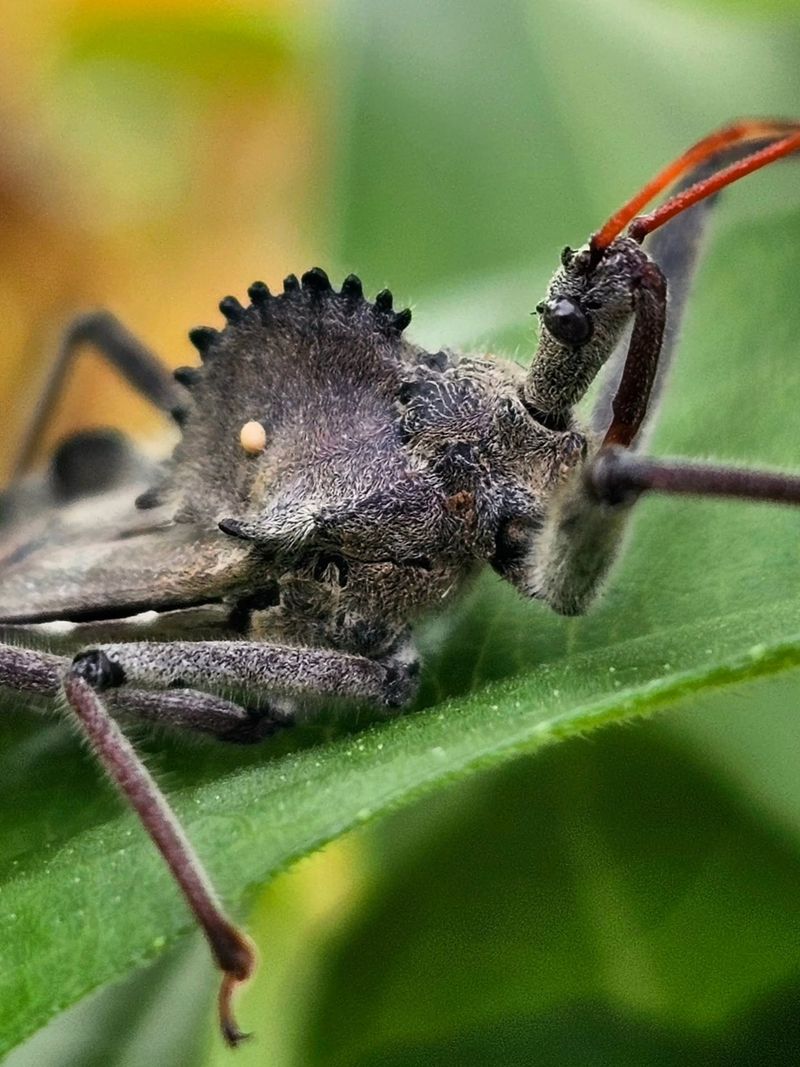
Gardeners across Missouri are noticing the wheel bug, a large predatory insect known to scientists as Arilus cristatus. It is the bug behind the gear-shaped crest, and it belongs to the Reduviidae family of hunting insects.
Adults usually measure about one to one and a half inches long, which makes them hard to overlook. Their bodies are a dull gray or brownish gray, a color that blends well with tree bark and weathered wood.
The crest rises from the middle of the back and holds roughly eight to twelve small, rounded teeth. Few other insects in North America carry a ridge quite like it, which makes the wheel bug easy to identify.
The rest of the body looks thin and long, with a narrow head, long legs, and bead-like eyes. When a wheel bug feels threatened, it may release a musty odor from its rear end.
That odor is meant to discourage birds and other animals that might try to eat it. The Missouri Department of Conservation describes the wheel bug as a helpful hunter rather than a household pest.
It does not chew wood, eat plants, damage fabric, or breed inside homes like some fall invaders do. Its only real downside is the painful bite, which it uses when someone handles or presses against it.
So the answer to the mystery is simple, since the gray bug with a gear is a native predator. You can admire it from a safe distance and let it keep hunting pests around your yard.
Late Season Sightings On Siding Or Porch Railings
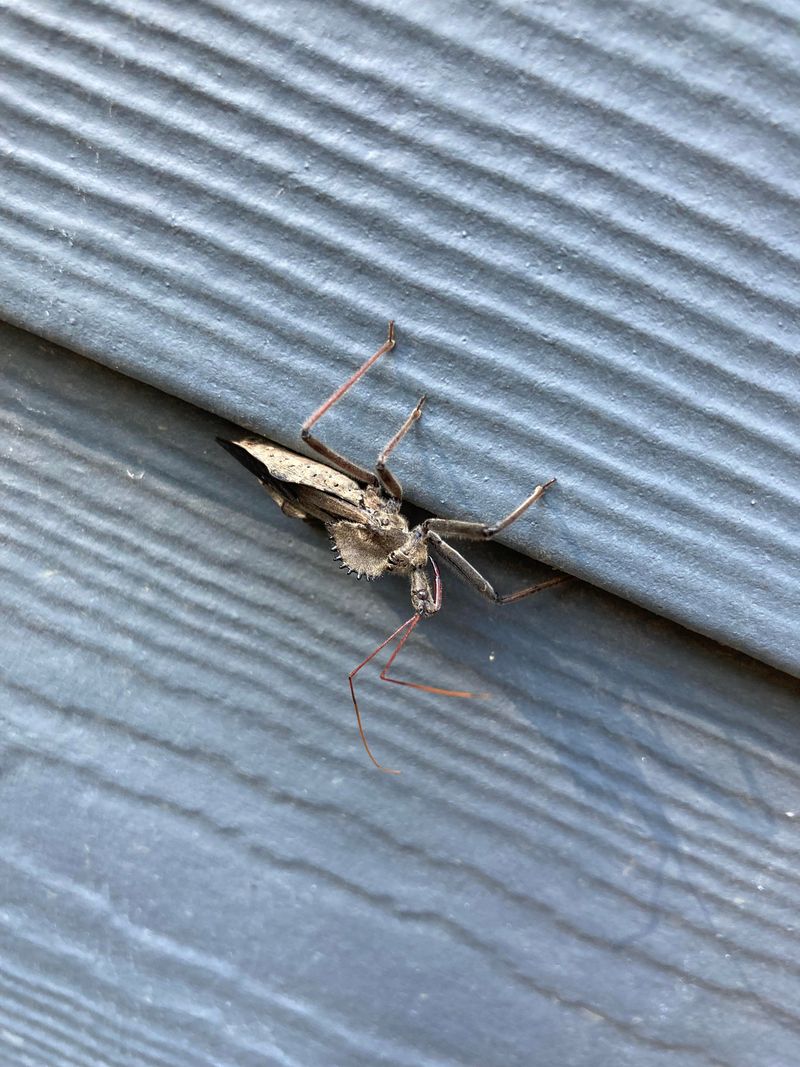
October is prime time for wheel bug sightings, because the adults have finished growing and are moving around more. Each year produces one generation, and young bugs spend spring and summer maturing in trees and shrubs.
By late summer and fall, the grown adults start searching for mates and laying eggs before cold weather arrives. That restless activity brings them down from branches and onto house siding, decks, fences, and porch railings.
Porch lights can play a part too, since moths and other insects gather there and attract hungry hunters. A wheel bug resting near a light fixture is often waiting for an easy meal to land nearby.
Your Missouri Garden Changes Every Week. Your Plan Should Too.
Gardening in Missouri changes quickly throughout the season. Every Friday you’ll receive a simple weekly plan showing exactly what to plant, prune, fertilize, harvest, and protect so you never miss the right timing.
Females lay clusters of roughly forty to two hundred brown eggs on twigs, bark, fences, or even siding. The eggs stand upright in neat rows, a bit like a tiny honeycomb glued in place for winter.
Those egg clusters stay put through the cold months and hatch in spring when new prey becomes available. The adults fade away after hard freezes, so sightings usually drop off by late fall in most of Missouri.
I have found no reports of an unusual outbreak this year, and seeing a few is normal for fall. Wheel bugs live statewide, and people near wooded lots, gardens, or fruit trees may spot them more often.
You can check railings with a quick glance before resting your hand, especially on shady spots and corners. That small habit takes two seconds and saves you from an unpleasant surprise on a crisp afternoon.
A Sharp Beak Folded Under The Head
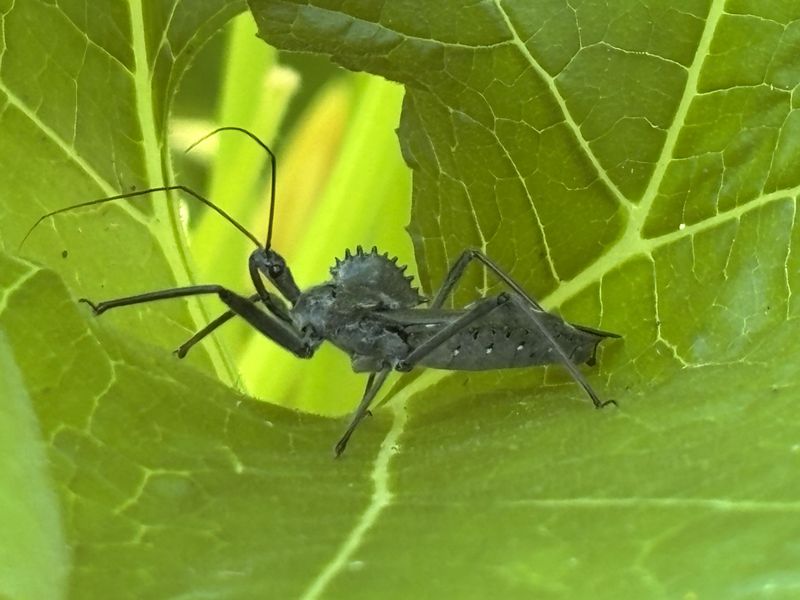
Flip a wheel bug over in a photo and you will spot its secret tool tucked neatly beneath the head. Scientists call this beak a rostrum, and it rests in a groove when the bug is not feeding.
The rostrum works like a stiff drinking straw with a sharp tip that can pierce soft insect bodies. Wheel bugs do not chew their food, because they have no jaws designed for biting off pieces.
Instead, the bug grabs its prey with its front legs and swings the beak forward to strike. Through the beak, it injects saliva that stops the prey from moving and starts breaking down tissue.
After the insides turn soft, the wheel bug sips up the liquid meal through the same narrow tube. Feeding can take a while, so you might see one sitting still with a caterpillar held tightly in place.
The beak also helps the bug make a faint squeaky sound when rubbed against ridges in the groove. Many assassin bugs use this scratchy noise as a warning when something disturbs or grabs them.
That folded design keeps the sharp tip protected while the bug walks slowly along stems and porch boards. It can unfold the beak in a flash, though, which is why a careless grab often ends badly.
I think learning about the rostrum makes the bug less scary and a lot more interesting to watch. You can study it closely with a phone camera zoom instead of leaning in with your bare hands.
A Bite That Stings Far More Than Expected
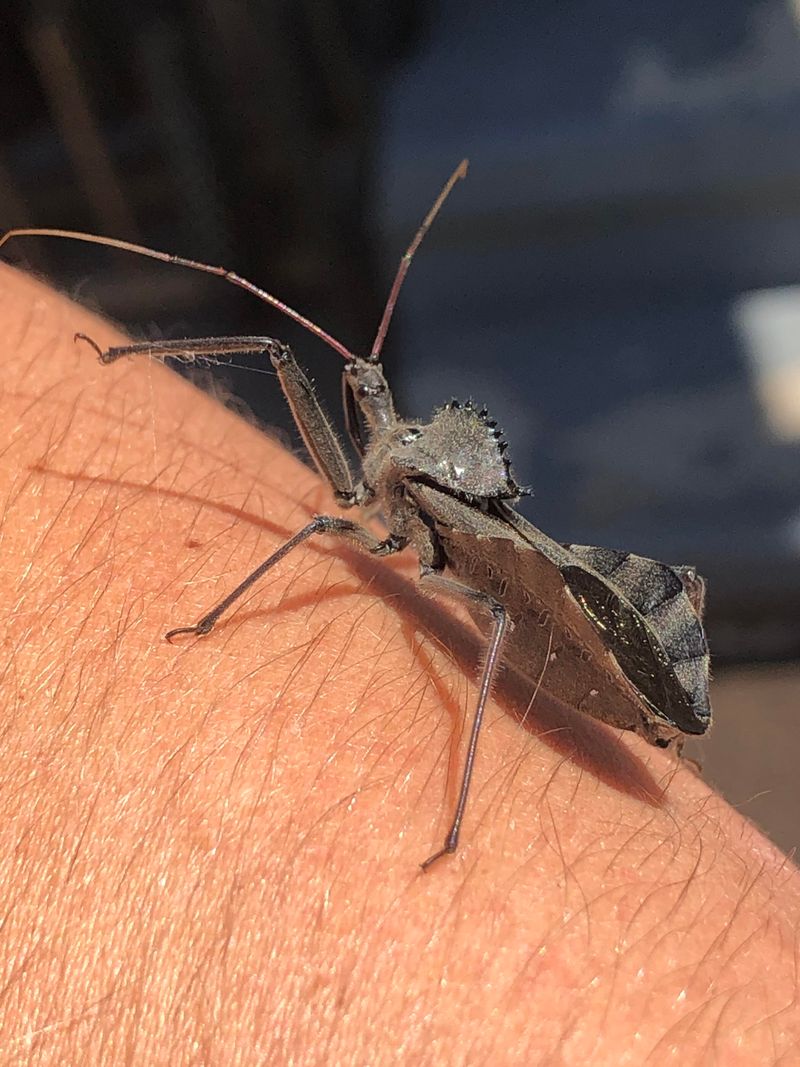
Ask anyone who has been bitten, and they will likely describe a sudden, burning jolt that lingers for hours. University extension sources often compare the pain to a bee or wasp sting, and some say it feels worse.
The same saliva that softens caterpillars causes the sharp pain when it enters human skin by accident. Numbness around the bite may follow, and the area can stay sore or tender for several days.
In some cases, a small hard bump or open sore forms and can take a couple of weeks to heal. Wheel bugs are not considered poisonous to people, and they do not carry diseases the way some biting insects do.
Bites rarely happen unless someone picks one up, sits on it, or presses a hand against it. Wheel bugs are slow and calm, and they mostly stay still or walk away when people come close.
If you do get bitten, wash the spot with soap and water to lower the chance of infection. A cold pack wrapped in a cloth can ease swelling, and over-the-counter pain relievers may help with soreness.
Watch for spreading redness, pus, fever, or trouble breathing, since those signs mean you should call a doctor. People with insect allergies should take any bite seriously and seek care quickly if symptoms grow worse.
Kids are curious about the strange gear shape, so it helps to show them a picture ahead of time. A simple rule works well in most yards, which is to look closely but keep fingers away.
Natural Help Against Garden Caterpillars
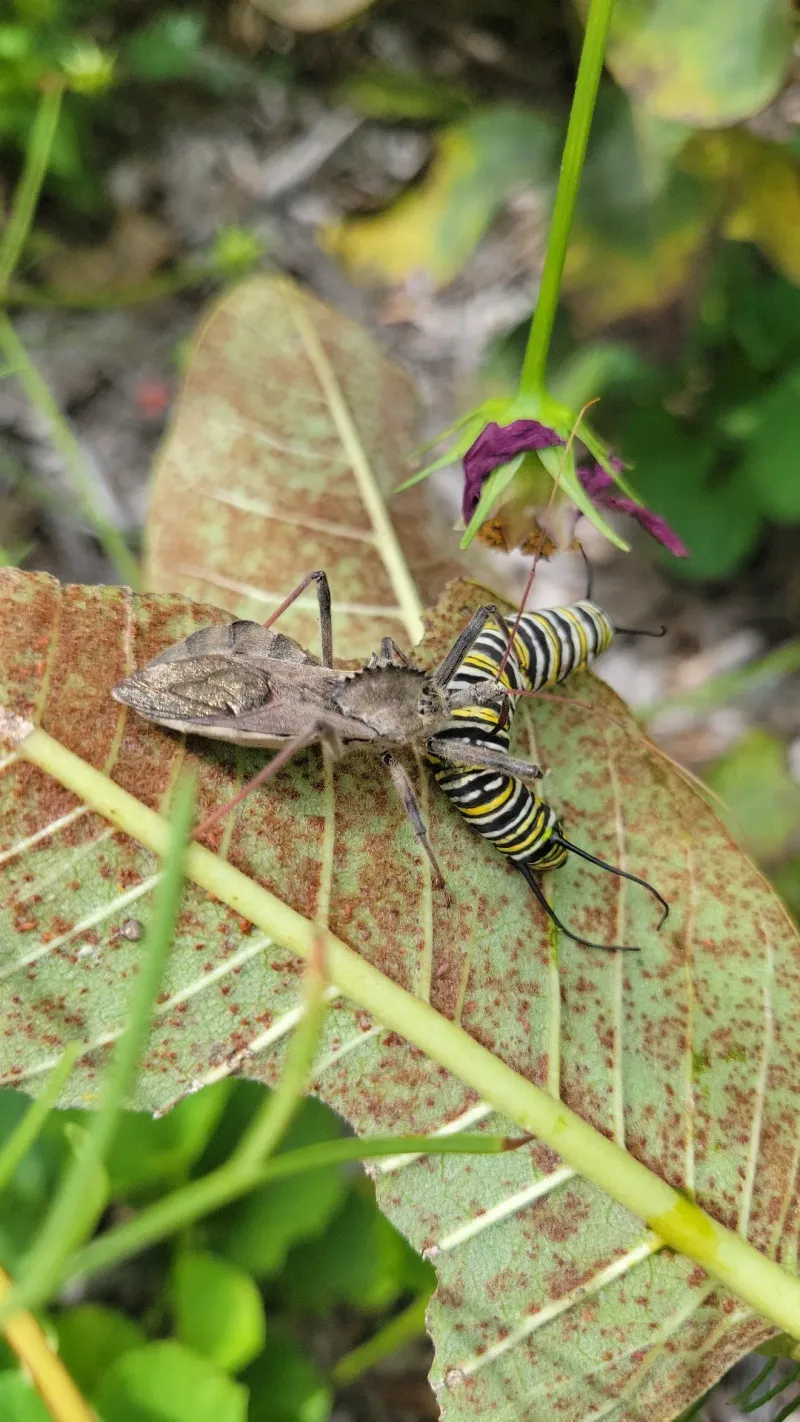
Tent caterpillars, sawfly larvae, and Japanese beetles all appear on the list of prey eaten by wheel bugs. Extension entomologists also report them feeding on stink bugs, assorted caterpillars, and many other soft-bodied garden pests.
One adult can eat a surprising number of insects over a season, which makes it a free helper. Gardeners growing vegetables, fruit trees, or ornamental shrubs benefit the most from having a few nearby.
A small catch comes with that help, since wheel bugs also eat bees, ladybugs, and other helpful insects. They are general hunters, so they grab whatever moves within reach rather than picking only the pests.
Most experts still consider them a net benefit, because the pests they remove usually outnumber the good insects. Broad-spectrum insecticides can harm wheel bugs, so spraying less often gives these native hunters a better chance.
Fall cleanup is a good time to protect next year’s helpers by watching for the egg clusters. If you find one on a pruned branch, set the twig in a brush pile instead of the trash.
Leaving some leaf litter, perennial stems, and shrubs in place also gives many beneficial insects shelter through winter. The red-and-black nymphs that hatch next spring will get straight to work on early caterpillars in your beds.
I like knowing that a gray bug on my porch might be the reason my kale looked better this year. That kind of quiet pest control costs nothing and asks only for a little patience from you.
Safe Relocation With A Jar Or Thick Gloves
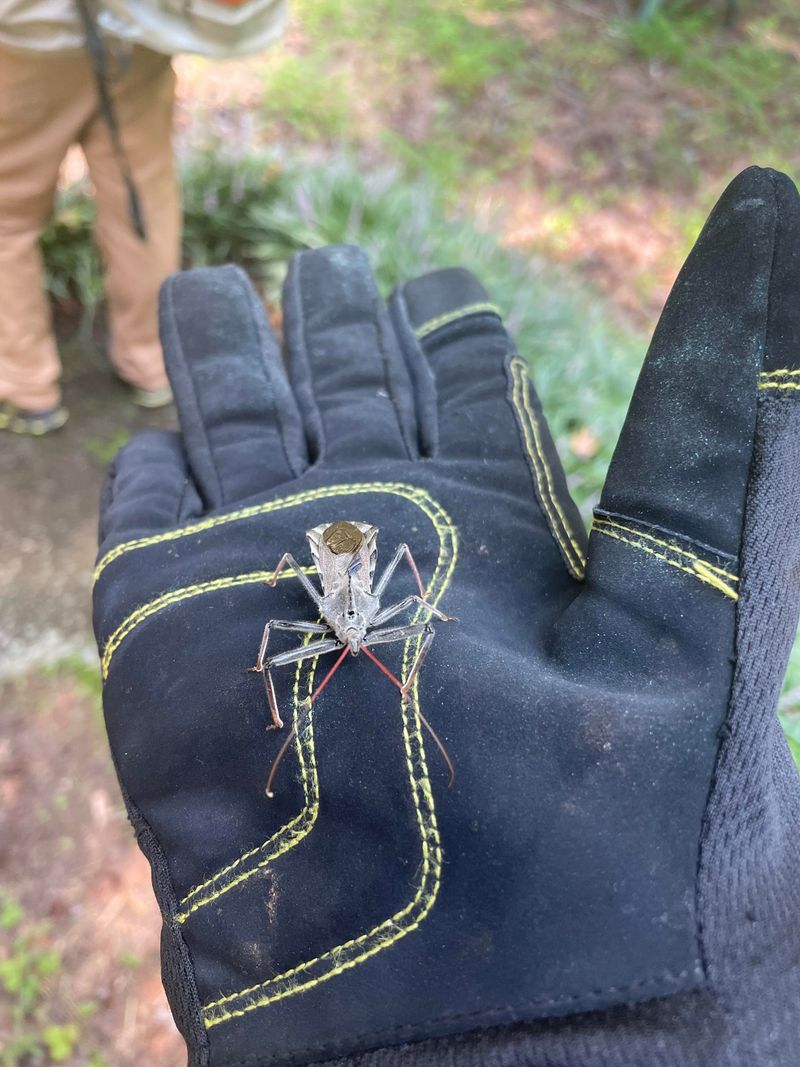
Finding a wheel bug on your front door handle calls for a calm plan rather than a quick swat. Relocating it keeps you safe from a bite and keeps a useful hunter working in your garden.
A clear jar with a lid or a sturdy plastic cup with a stiff card works well. Place the container over the bug, then slide the card underneath so it steps onto the paper.
Keep the card pressed firmly against the opening as you carry the container away from doors and walkways. Release it on a tree trunk, shrub, or garden fence at least several yards from where people sit.
Thick leather or heavy work gloves offer another option, though thin cotton gloves may not stop the beak. Use a stick or small branch to coax the bug onto it, and avoid squeezing the body.
Wheel bugs walk slowly, so giving them a twig to climb usually works better than trying to pick them up. Bare hands should stay out of the process, even if the bug seems sleepy on a cool morning.
A wheel bug that wanders indoors can be moved the same way, since it will not breed inside your home. Checking door sweeps and window screens this fall can also reduce the number of insects that slip inside.
Teach kids to call an adult instead of touching any large insect with a gear or spiky crest. With a jar, a card, and a little patience, the whole job usually takes less than a minute.