The One Fall Task That Makes New York Hydrangeas Bloom Again Next June
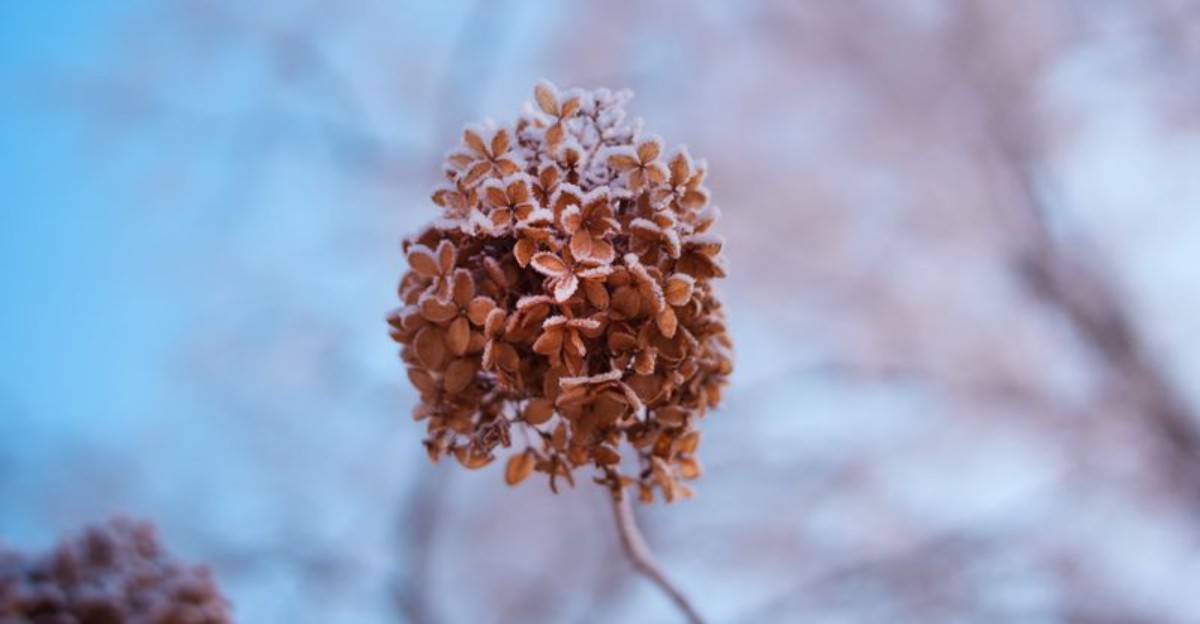
Nothing stings quite like a June hydrangea covered in leaves and zero flowers. You watered it, fed it, and admired it all summer, yet the big blooms never showed up.
Plenty of New York gardeners face this puzzle every single year. The culprit is often winter itself, which can quietly damage the flower buds your shrub already set.
Luckily, one simple fall chore can change the whole story. It takes an afternoon, a few cheap supplies, and a little patience while the air turns crisp.
Once it’s done, your shrub stays tucked in for winter like a kid in a sleeping bag. The payoff shows up months later, when fat flower heads open in the warm June sun.
Protecting Last Year’s Stems Is The Step
Here is the big secret, plain and simple. Your job this fall is to shield the woody stems that grew this past year.
Bigleaf hydrangeas and mountain hydrangeas bloom on what gardeners call old wood. Their flowers come from stems that already exist right now.
Picture those stems as tiny treasure chests. Inside each one sits a flower bud that must survive until spring.
New York winters can be rough on those buds. Bitter wind, deep cold snaps, and wild temperature swings can easily freeze them.
Once those buds get damaged, the plant may still grow lovely green leaves. Sadly, you could get almost no flowers when June arrives.
Protection solves much of the problem. A cozy barrier keeps the buds safe from the harshest weather each winter brings.
Not every hydrangea needs this fuss, though. Panicle and smooth hydrangeas bloom on new growth, so they handle cold without help.
Start by learning which type you own. Check the plant tag, or look for big round leaves that feel thick and glossy.
Large mophead or lacecap flowers usually point to a bigleaf type. Those shrubs are the ones that benefit most from winter care.
Many gardeners skip this step and blame their soil. More often, the real culprit is cold weather hitting exposed buds.
Think of your fall effort as an insurance policy. A little work in November can mean armloads of blooms next summer.
Grab a notebook and jot down which shrubs need covering. Planning now makes the actual job quick and easy later on.
Bigleaf Hydrangeas Already Carry Next Year’s Buds
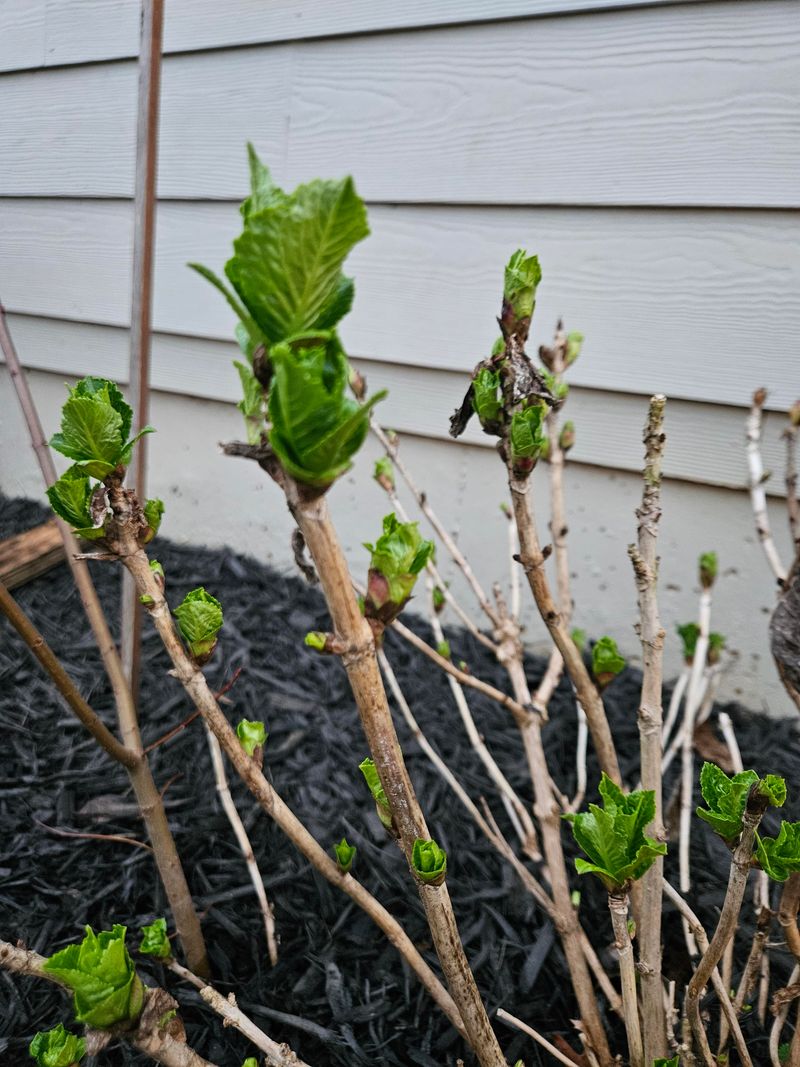
Go outside and take a peek right now. You might spot small, pointed buds tucked along the stems of your bigleaf hydrangea.
Those little bumps are next summer’s flowers. They formed quietly in late summer and early fall while you were busy elsewhere.
Surprising, right? Most people assume flowers start growing in spring, but these shrubs plan way ahead.
Look closely where leaves join the stem. You will often find pairs of buds sitting there like tiny green arrowheads.
The fattest buds usually sit near the tips. Gardeners call these terminal buds, and they often hold the biggest flower heads.
From fall through early spring, those buds just wait on the branches. They need to stay healthy through months of freezing weather.
Your New York Garden Changes Every Week. Your Plan Should Too.
Gardening in New York changes quickly throughout the season. Every Friday you’ll receive a simple weekly plan showing exactly what to plant, prune, fertilize, harvest, and protect so you never miss the right timing.
Knowing they exist changes how you treat the plant. Every stem you snap or cut could remove a future bloom.
Kids love this part, so invite them along. Hand them a magnifying glass and let them count buds on one branch.
Fun fact for curious minds: hydrangea flower color depends on soil. Acidic soil tends to create blue blooms, while alkaline soil leans pink.
In New York, many soils lean acidic, so blue is common. Still, your buds need to survive winter before color matters at all.
Snap a quick photo of your buds today. Comparing it with spring pictures shows how well your winter protection worked.
Once you see those buds, the fall task feels personal. You are guarding real flowers, not just bare sticks in the yard.
Keep Pruners Away From Old Stems
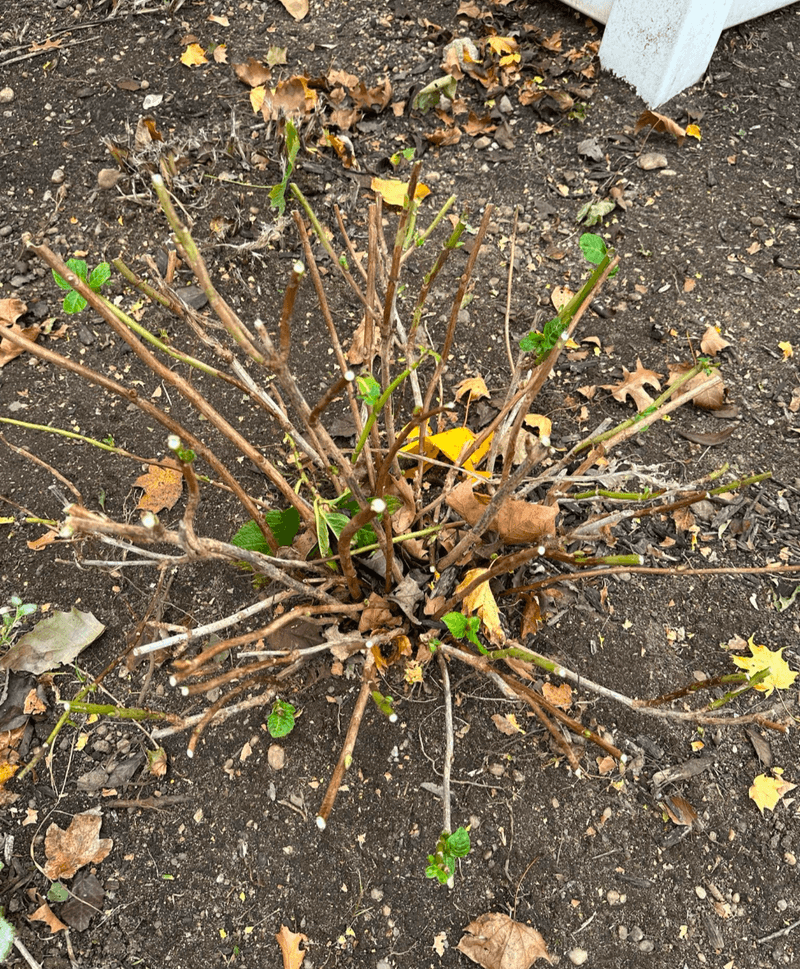
Fall cleanup fever hits hard for plenty of us. The yard looks messy, and those floppy hydrangea stems seem begging for a trim.
Please resist that urge. Cutting old stems now usually removes the very buds that would bloom next June.
Many frustrated gardeners trace their flowerless summers back to one tidy afternoon. They meant well, but the shears took every future flower.
So what can you safely do? Snip off faded flower heads just above the first set of healthy buds, if you wish.
Honestly, leaving the dried blooms also works fine. They add winter charm and may give a bit of extra shelter to buds below.
Save real pruning for summer. Bigleaf hydrangeas prefer a trim right after they finish flowering, while new buds have not formed yet.
Spring offers another small window. Once leaves start to open, you can clearly see which stems stayed healthy through winter.
Brown, brittle stems with no green growth can come out then. Scratch the bark with a fingernail, and look for green underneath.
Green means the stem is alive and worth keeping. Brown and dry means it can go without any harm to the plant.
A simple trick helps prevent mistakes. Hang a small tag on your bigleaf shrubs reading “No fall pruning” as a reminder.
Share the rule with anyone who helps with yard work. Landscapers sometimes trim everything in fall by habit.
Your patience now pays off in color later. Tuck the pruners away and let those stems rest until spring.
Wait Until Leaves Drop And The Plant Goes Dormant
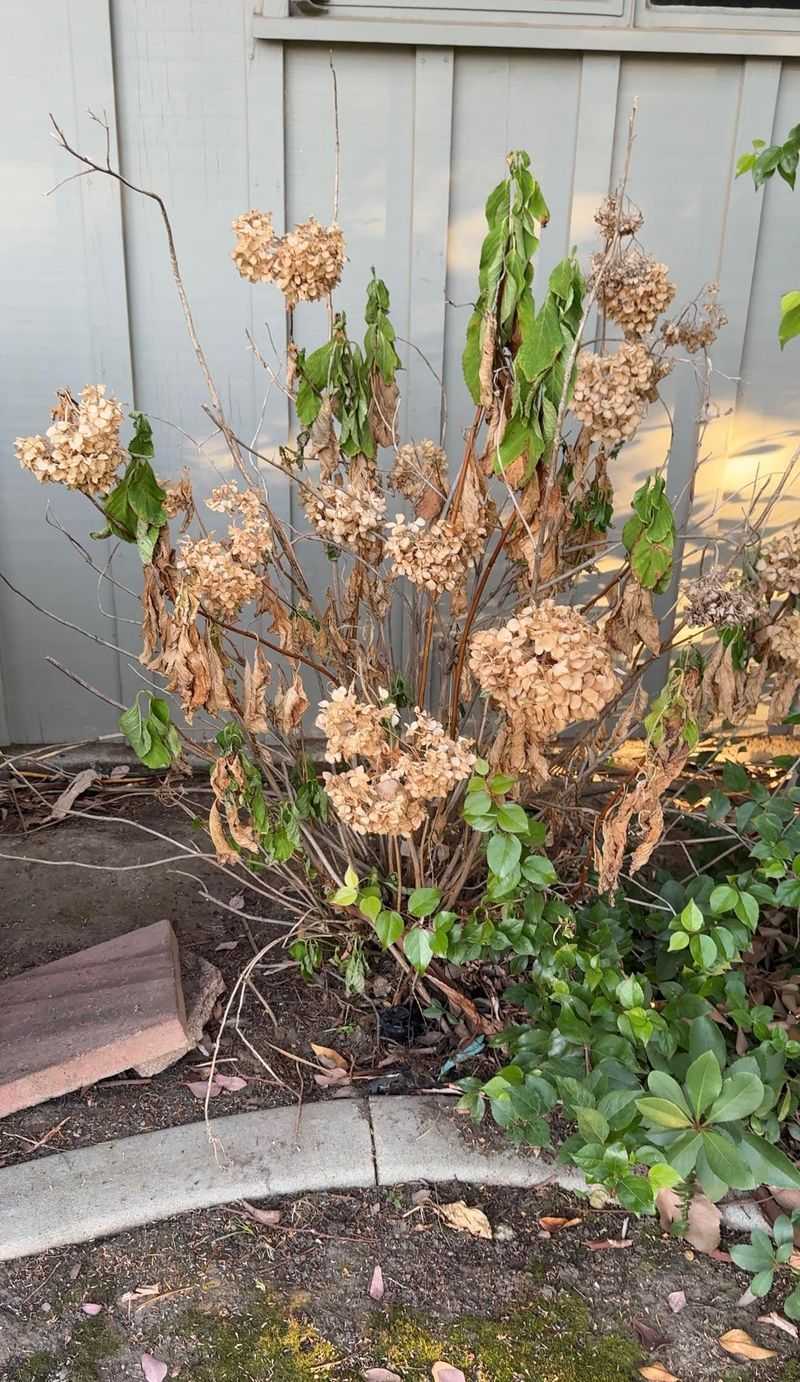
Timing is everything with this job. Covering your hydrangea too soon can actually cause more trouble than it prevents.
Watch for the leaves to drop on their own. That signal tells you the shrub has settled into its winter rest, called dormancy.
Usually, this happens after the first hard freeze. In much of the state, that falls sometime in November.
Why wait so long? A covered plant that still has leaves can hold moisture, which may lead to mold or rot.
Warm fall days also play a role. Early wrapping on a mild week can confuse the plant and soften its stems.
Patience lets the shrub harden off naturally. Stems toughen up as temperatures slowly drop, making them better prepared for cold.
Before you cover anything, give the plant a deep drink. Well-watered roots handle winter far better than thirsty ones.
Aim to water thoroughly before the ground freezes solid. A slow soak with a hose for several minutes works nicely.
Dry autumns happen more often than people expect. Checking the soil with your finger helps you decide whether extra water is needed.
Keep a simple weather eye during this period. Local forecasts will warn you when that first hard frost is on its way.
Gather your supplies ahead of time, though. Having wire, stakes, and leaves ready means you can act quickly once conditions are right.
Think of it like tucking a sleepy child into bed. You wait until they are ready, then pull the blanket up snugly.
Build A Cage Around The Shrub
Grab a roll of chicken wire and a few stakes. You are about to build a winter fort for your favorite shrub.
A wire cage is the backbone of this whole project. It holds insulation in place without crushing the delicate stems inside.
Start by pounding three or four stakes into the ground. Space them evenly around the shrub, about six inches from the outer branches.
Wooden stakes or metal garden posts both work well. Try to get them in before the soil freezes hard.
Next, wrap the chicken wire around the stakes. Make the cylinder a bit taller than the plant, so the top buds stay covered.
Secure the wire with zip ties or garden twine. A sturdy cage holds up better against heavy snow and gusty winds.
Wear gloves for this part. Cut wire edges can be sharp and scratchy on bare hands.
Wire fencing or hardware cloth can replace chicken wire if needed. Anything open and sturdy will do the trick.
Bonus tip: a cage may also discourage deer and rabbits. Hungry critters love nibbling hydrangea buds in winter.
Leave the top open for now. You will be filling the cage next, and easy access makes that step much simpler.
Reuse your cages each year to save money. Roll them up carefully in spring and store them in a garage or shed.
Neighbors might wonder what you are building. Just smile, because your June flowers will explain everything.
Fill It With Dry, Shredded Leaves Or Straw
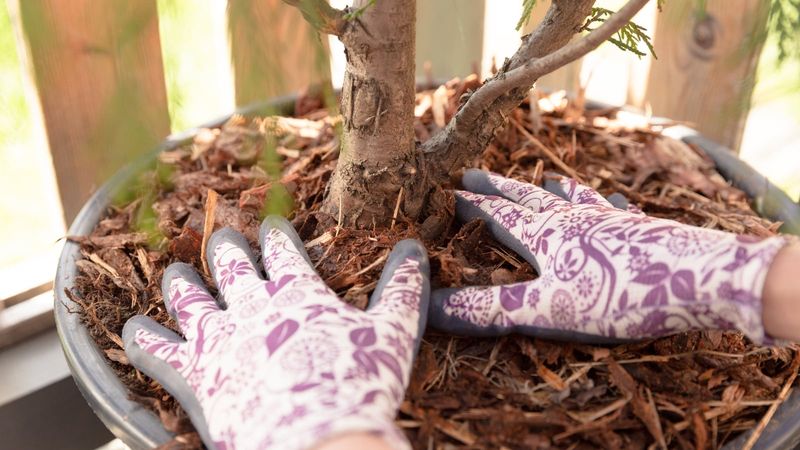
Crunchy autumn leaves finally get a starring role. Instead of bagging them all, you can turn them into a warm winter blanket.
Fill your wire cage loosely with dry, shredded leaves. Straw or pine straw also works wonderfully as insulation.
Shredding really matters here. Whole leaves tend to mat down into a soggy layer that holds water against the stems.
An easy method is to run over leaves with a lawn mower. The chopped pieces stay fluffy and let air move through them.
Oak leaves make an excellent choice. They are tough, slow to break down, and less likely to pack tightly.
Keep everything as dry as possible. Gather leaves on a sunny afternoon rather than after a rainy stretch.
Pack the material gently around the branches. You want it snug, yet loose enough that air pockets remain.
Those pockets are the magic. Trapped air slows heat loss and keeps temperatures more even around the buds.
Fill the cage all the way to the top. Any buds poking above the insulation are more likely to suffer winter damage.
Check back after a few weeks. Leaves settle over time, so add more material to keep the cage full.
Many homeowners rake piles of free insulation every fall. Save a few bags in the garage for topping off later.
Nature provides the supplies for nearly nothing. A few minutes of raking can protect a whole season of blooms.
Skip Plastic Wraps That Trap Moisture
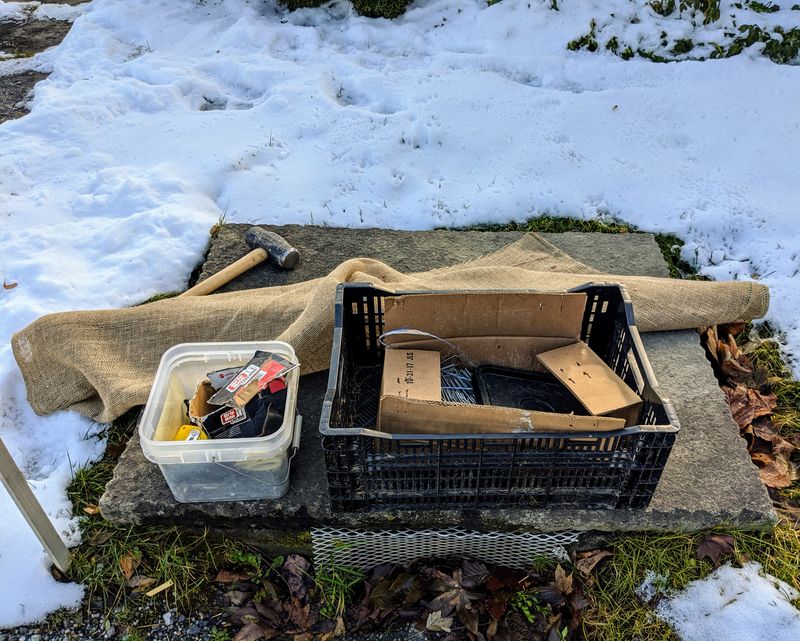
Plastic seems like a clever shortcut. It is cheap, waterproof, and easy to wrap, so what could go wrong?
Quite a lot, as it turns out. Plastic stops the plant from breathing and traps moisture right against the stems.
Soggy stems invite rot and fungus. Over a long winter, that damage can wipe out the buds you worked to protect.
Sunny winter days create another problem. Plastic can heat up like a tiny greenhouse, warming the buds far too much.
When night falls, temperatures crash again. Those warm, tender buds then freeze, which may hurt worse than no cover at all.
Winters love those ups and downs. A mild afternoon followed by a frigid night is common here.
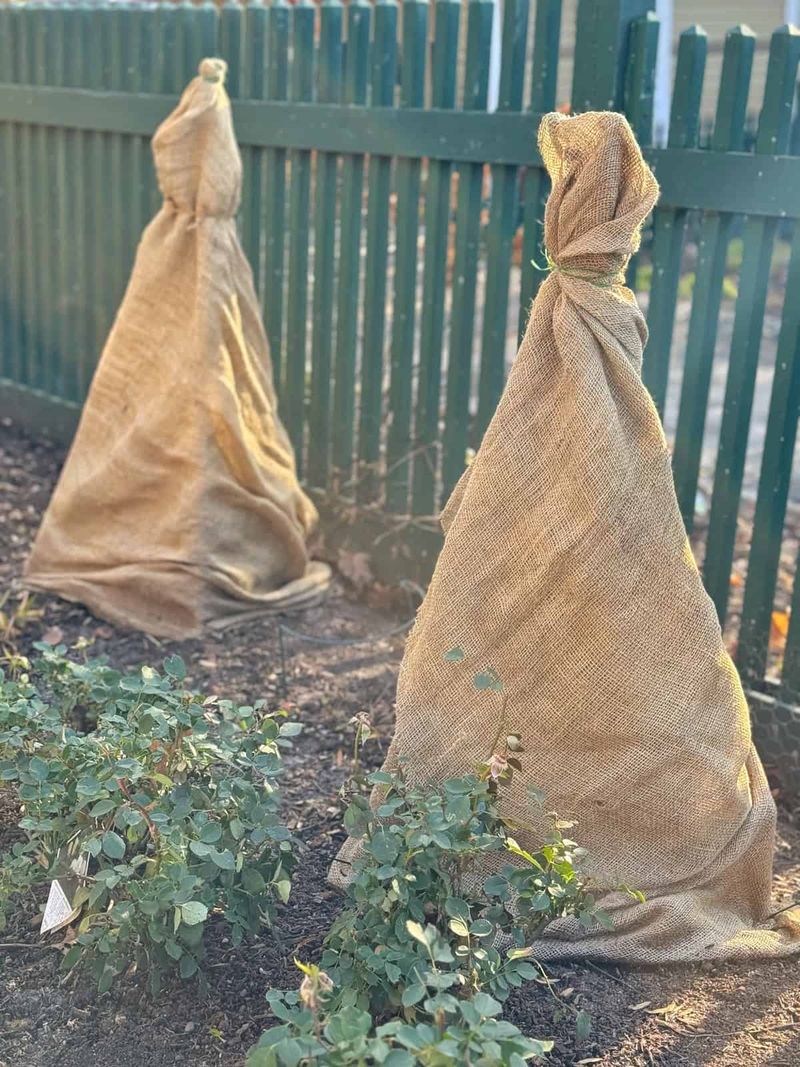
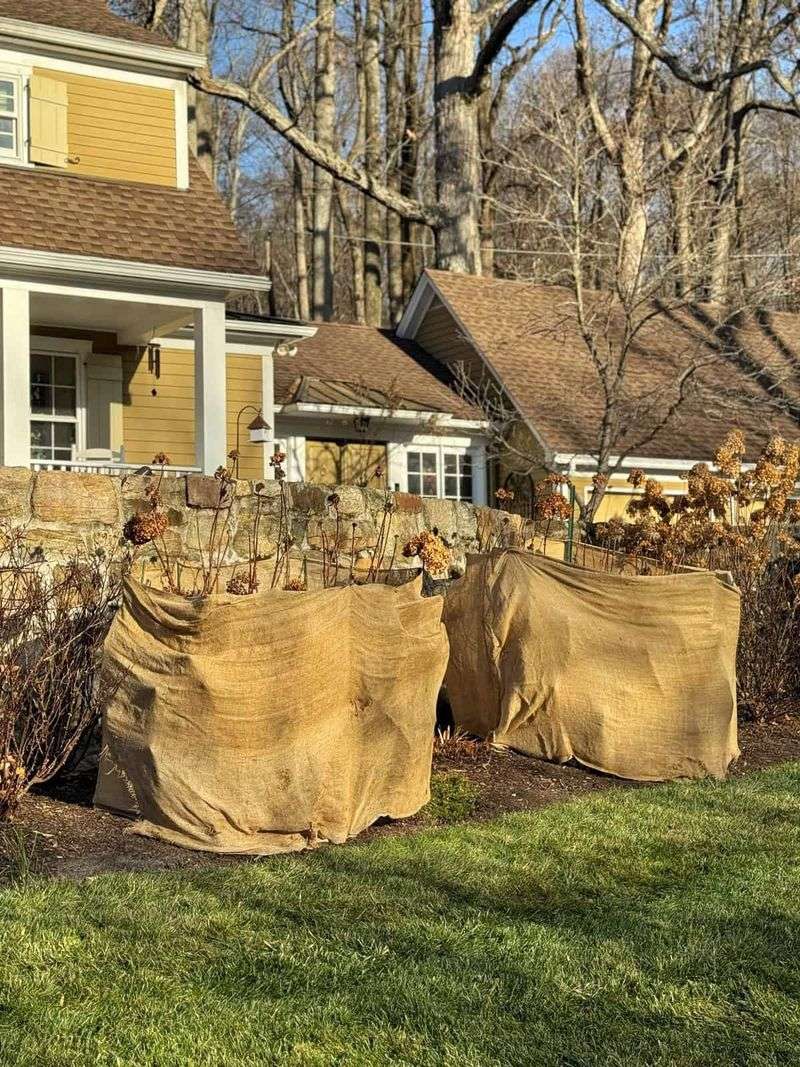
Breathable fabrics are the smarter pick. Burlap and frost cloth let air and moisture escape while still blocking harsh wind.
If you use burlap, wrap it around the outside of your cage. Keep the fabric from pressing directly onto the branches.
Frost cloth is light and easy to handle. Garden centers sell it in rolls, and it often lasts several seasons.
Old bedsheets can work in a pinch. Just avoid anything shiny, sealed, or waterproof.
Here is a quick test for any material. If you cannot breathe through it, your hydrangea probably cannot either.
Choosing the right cover takes seconds. Making the wrong choice, though, could cost you an entire summer of flowers.
Mound Mulch Over The Crown For Extra Insurance
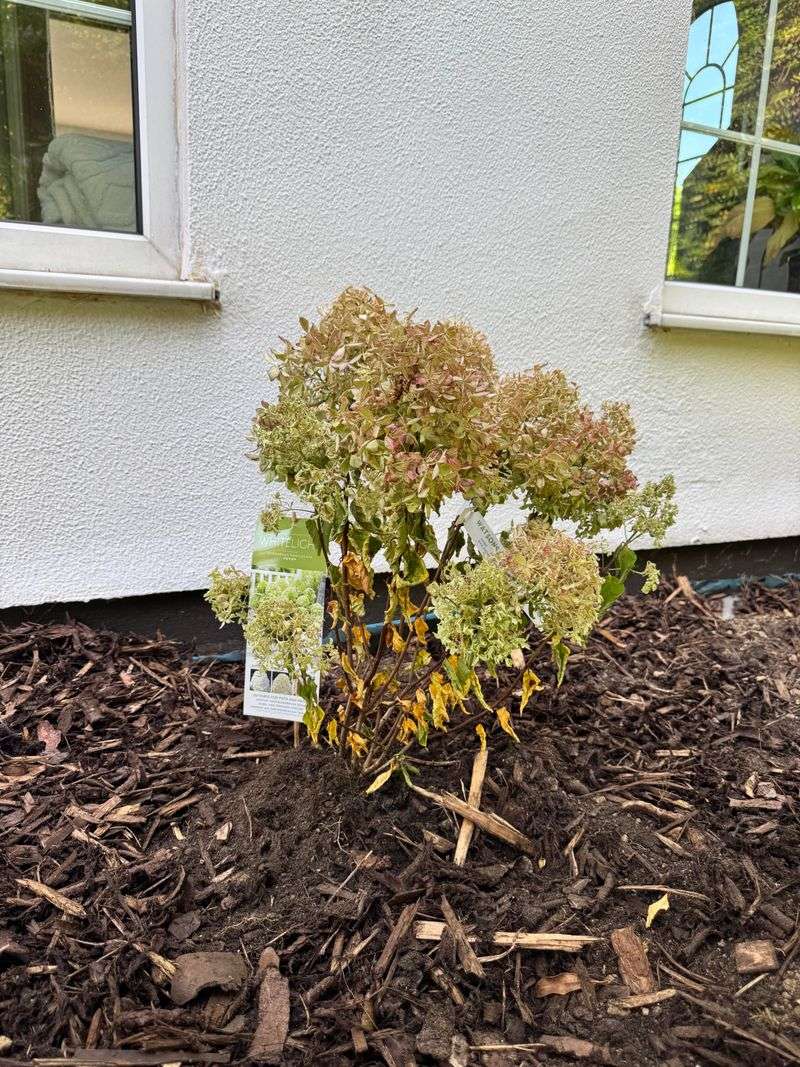
Roots deserve some love too. While the cage protects stems, a thick layer of mulch protects everything growing below ground.
Pile mulch around the crown, where stems meet the soil. Aim for roughly four to eight inches deep.
Why so much? Deep mulch keeps soil temperatures steady during wild swings between freezing and thawing.
Those swings can cause frost heaving. The ground expands and shrinks, sometimes pushing roots up where cold air can reach them.
Good mulch choices are easy to find. Wood chips, shredded bark, oak leaves, and pine straw all do a fine job.
Spread the mulch out wide, too. Covering the area roughly as far as the branches reach protects most of the root zone.
Here is another hidden benefit. If the worst happens up top, buds near the base may survive under the mulch.
Some stems can resprout from that protected crown. That gives you a better shot at flowers, even after a brutal winter.
Apply mulch after the ground starts to cool. Mulching too early may attract mice looking for a cozy winter home.
Across New York, many towns offer free wood chips to residents. Check with your local public works department before buying bags.
In spring, pull some mulch back from the stems. Leaving a thinner layer helps keep moisture in during summer heat.
Think of mulch as a thick winter sock. Warm feet help the whole plant stay comfortable until spring.
Remove The Cover Gradually In Spring
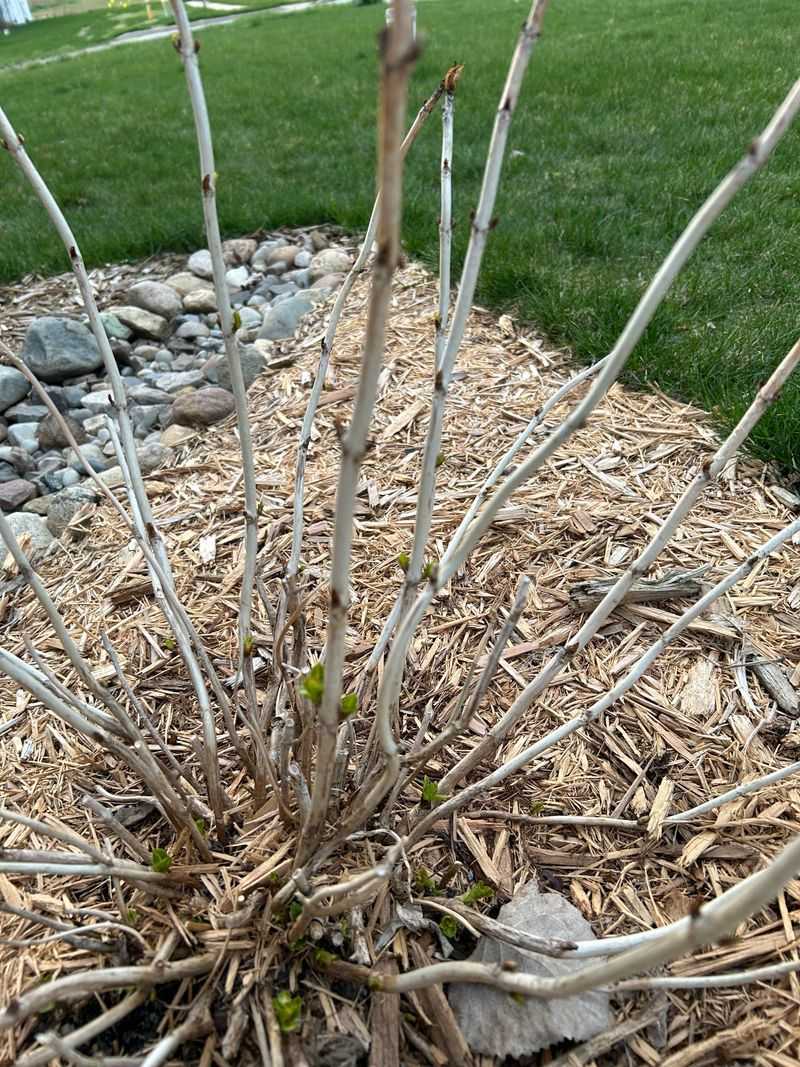
Spring fever makes everyone want to rip the covers off. Hold that thought for just a little longer.
Late frosts can still sneak in during April or even May. Uncovering too early leaves fresh buds open to a surprise freeze.
Wait until the danger of hard frost has passed. Your local extension office can share typical last frost dates for your area.
Then take things slowly. Remove some insulation first, leaving the lower portion in place for another week or so.
Choose a cloudy day for each step. Gentle light helps the plant adjust instead of getting shocked by bright sunshine.
New growth under the cover is often pale and tender. Sudden full sun can scorch it before it toughens up.
Keep a sheet or frost cloth nearby. If a cold night pops up in the forecast, toss it over the shrub for protection.
Once the cage is empty, spread the leaves into your garden beds. They break down and feed the soil beautifully.
Now is also a great time to check stems. Remove any that stayed brown and brittle, while keeping everything showing green buds.
Spring in New York can flip from warm to chilly in a day. A slow, careful approach keeps your hard work safe.
Soon enough, leaves will unfurl along every stem. Those tiny green clusters are the first hint of June flowers.
Celebrate a little when you spot them. Your fall effort is finally beginning to show.
Reblooming Types Offer A Backup Plan
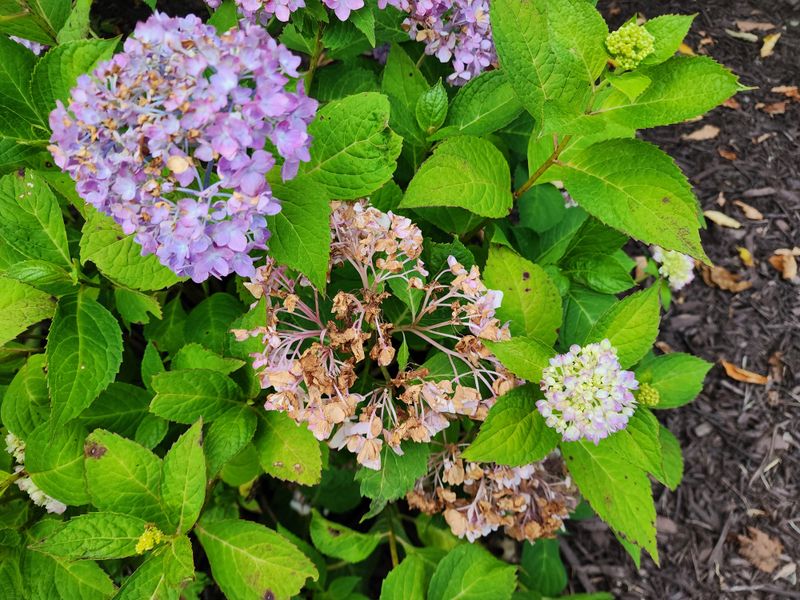
Even careful gardeners get unlucky sometimes. A freak late frost can undo months of good work in a single night.
Reblooming hydrangeas offer a safety net. They set flowers on old wood and also on new stems that grow each season.
The Endless Summer series made these plants famous. Other popular choices include Let’s Dance and Bloomstruck varieties.
How does it help? If winter damages old buds, the shrub may still make some flowers on new growth, though after a harsh winter the show is often light.
Those backup blooms may arrive a bit later. Instead of June, you might see color in July or August.
Winter protection still matters with rebloomers. Covering them gives you early flowers plus a second wave later in summer.
Trimming helps, too. Snip spent blooms during summer to encourage the plant to keep making more flowers.
Stop trimming by late August, though. Giving the shrub time to prepare for winter keeps next year’s buds on track.
Planting a mix of types spreads out your risk. Pair a classic bigleaf with a panicle hydrangea that blooms reliably on new wood.
Gardeners in chilly parts of New York often love this approach. Upstate winters can be tough, so a backup plan brings peace of mind.
Shopping tip: read tags for words like reblooming or remontant. Those terms signal flowers on both old and new wood.
With smart plant choices and a cozy winter cover, June can look amazing. Your shrubs will thank you with bold, beautiful blooms.