10 Yard Mistakes That Make Tick Season Harder in New Jersey
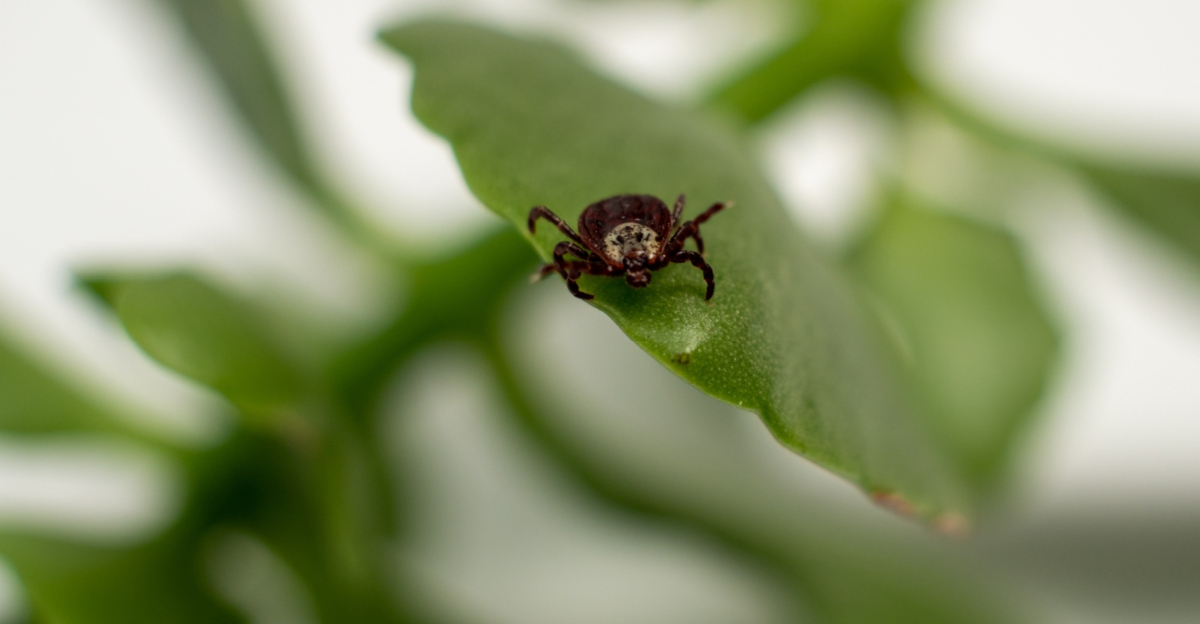
Ticks in New Jersey are not waiting for an invitation, but your yard might be sending one anyway.
Every spring, millions of ticks emerge hungry and ready, and residential yards are among their favorite destinations. Most homeowners have no idea that small, everyday habits are quietly rolling out the welcome mat.
Leaf piles, tall grass, and a few overlooked corners can turn a beautiful backyard into a hotspot. The good news is that fixing these mistakes does not require much time or money.
Simple, targeted changes to your yard routine can dramatically reduce your exposure. You do not need to overhaul your entire lawn to see real results. A little awareness goes a long way in keeping these pests at bay.
Make a few smart moves and take your yard back before tick season peaks! Your backyard adventures are worth protecting.
1. Letting Grass Grow Too Tall

Ticks are ambush hunters, and tall grass is their perfect hiding spot.
They climb up long blades and wait with their front legs stretched out, ready to latch onto anything that brushes past.
A yard with grass over four inches tall gives ticks exactly the cover they need.
Mowing regularly is one of the simplest and most powerful things you can do to protect your family.
Aim to keep your lawn trimmed to about three inches or shorter throughout the entire warm season.
Short grass dries out faster in the sun, and ticks cannot survive long in dry, hot conditions.
Pay special attention to edges along fences, garden beds, and the base of trees where mowers often miss.
Those forgotten strips become prime real estate for ticks looking for shade and moisture.
A quick pass with a string trimmer once a week can eliminate some of the riskiest zones in your yard.
Staying consistent with your mowing schedule from April through October is non-negotiable in tick country.
Set a reminder on your phone if you have to.
Your legs will thank you later.
2. Leaving Leaf Piles Unraked
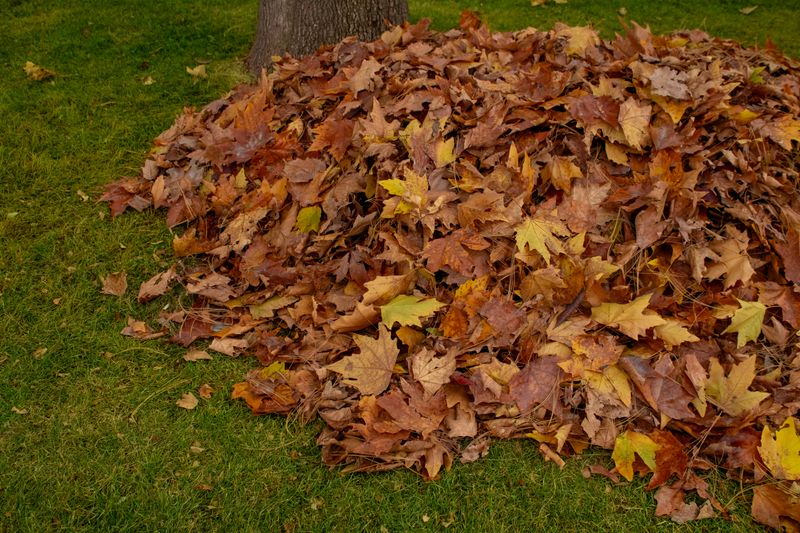
Last fall’s leaf pile might look harmless sitting in the corner of your yard, but it is one of the most welcoming spots for ticks on your property.
Damp, decomposing leaves create exactly the kind of cool, moist environment that ticks need to survive. They burrow in and stay active even through mild winter days, just waiting for spring.
Raking and bagging leaves promptly in the fall makes a massive difference in how many ticks overwinter near your home.
If you missed the fall window, do not wait any longer. Get those piles cleared out before temperatures climb and tick activity spikes.
Every week you delay is another week those ticks stay sheltered and active near your home.
Do not just move the pile to the edge of the woods and call it done.
Leaf debris piled against your fence line or near play areas is still a risk zone.
Bag it, compost it in a contained bin away from the house, or schedule a yard waste pickup.
Your New Jersey Garden Changes Every Week. Your Plan Should Too.
Gardening in New Jersey changes quickly throughout the season. Every Friday you’ll receive a simple weekly plan showing exactly what to plant, prune, fertilize, harvest, and protect so you never miss the right timing.
Keeping your yard clear of organic debris throughout the season matters just as much as the big fall cleanup.
Grass clippings, fallen branches, and damp mulch buildup all create similar conditions.
A tidy yard is a tick-resistant yard, plain and simple.
3. Missing The Barrier Between Your Lawn And Wooded Areas

If your lawn runs straight into the woods with no separation, you are basically laying out a welcome carpet for ticks.
These tiny creatures cannot jump or fly. They travel by hitching rides on deer, mice, and other wildlife that wander out of the tree line.
A simple physical barrier can dramatically slow that migration.
Landscaping experts recommend placing a three-foot-wide strip of wood chip mulch or gravel between your grass and any wooded or brushy areas.
Ticks avoid crossing dry, sunny surfaces like gravel because it dehydrates them quickly.
That narrow strip acts like a checkpoint they simply do not want to cross.
The good news is this fix is affordable and looks great.
A fresh border of cedar mulch not only discourages ticks but also gives your yard a clean, polished edge.
Cedar contains natural oils that some research suggests may help deter insects, making it a double win for your landscaping budget.
Installing this barrier along your entire property line where it meets natural areas is one of the highest-impact moves you can make this spring.
It does not require a professional.
A few bags of mulch and an afternoon of work can create a meaningful line of defense that lasts all season.
4. Leaving Wood Piles Near The House

Stacked firewood sitting right next to your back door is one of the sneakiest tick traps in any yard.
Wood piles are warm, sheltered, and full of tiny crevices, which makes them perfect nesting spots for mice.
And where mice go, ticks follow, because mice are one of the primary carriers of Lyme disease bacteria.
Moving your wood storage at least 20 feet away from the house is a smart, low-effort fix.
Stack it off the ground on a rack or pallets to improve airflow and reduce moisture, which makes the pile less attractive to rodents.
Covering the top of the stack with a tarp also helps keep it dry and less hospitable.
Keeping wood near the house feels convenient, especially on cold mornings when you need a quick load for the fireplace.
But that convenience comes with a hidden cost during tick season.
A short walk to the wood pile is a much smaller inconvenience than dealing with a tick-borne illness.
While you are at it, inspect the wood pile area for signs of mouse activity like droppings or chewed material.
If rodents have already moved in, address that problem before tick season peaks.
Reducing mouse activity near your home removes a major route ticks use to reach your family.
5. Leaving Clutter Where Mice Can Nest
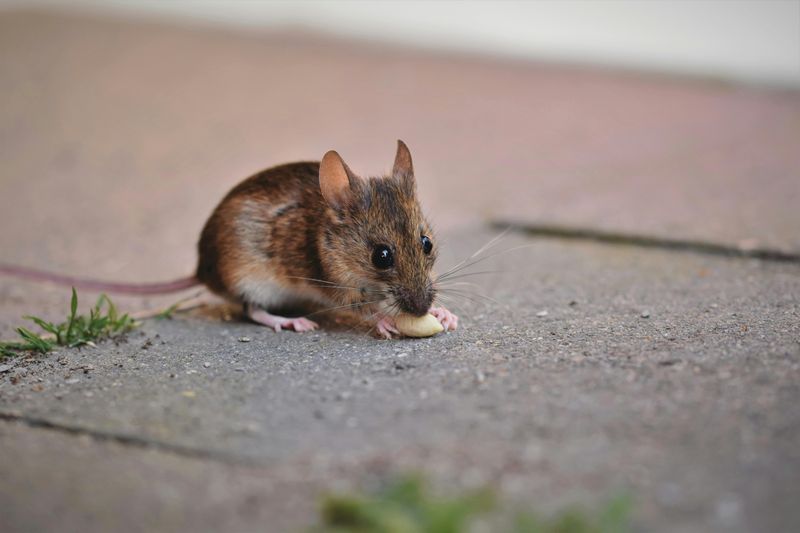
Old flower pots stacked in the corner, a broken lawn chair nobody moved, a pile of garden hoses from three summers ago. It all looks like harmless clutter, but to a mouse, it looks like a furnished apartment.
Mice are the number one reservoir for the bacteria that causes Lyme disease, and ticks feed on them constantly.
Clearing out yard clutter is not just about aesthetics. It is a genuine public health move when you live in a tick-heavy state.
Any object that creates shelter, darkness, and warmth at ground level is a potential mouse nesting site.
The fewer hiding places available, the less likely rodents are to set up camp near your home.
Walk your yard with fresh eyes this weekend and ask yourself what has been sitting untouched for more than a month.
Old boards, unused pots, tarps bunched up in corners, and forgotten sports equipment all qualify.
Bag what you can toss, store what you need in sealed containers, and open up as much ground-level airflow as possible.
Sheds and garages deserve the same treatment.
A cluttered shed floor gives mice exactly the shelter and cover they need.
Keep items off the ground on shelves and seal any gaps where rodents might squeeze through.
6. Missing Deer Fencing Around Your Yard

Deer are beautiful, but they are also living tick taxis.
A single white-tailed deer can carry hundreds of adult ticks at one time, dropping them all over your yard as it grazes.
If deer regularly walk through your property, your tick problem will keep coming back no matter what else you do.
Installing deer fencing is one of the most effective long-term strategies for reducing tick populations in residential yards.
A fence that is at least eight feet tall is typically needed to stop deer from jumping over.
That might sound excessive, but deer are surprisingly athletic and a six-foot fence often will not stop a motivated one.
If a full perimeter fence is not practical for your space or budget, consider protecting the areas where your family spends the most time.
Fencing around a patio, garden, or play area can significantly reduce tick exposure in the zones that matter most.
Partial protection is still meaningful protection.
You can also try deer-resistant plantings along your property edge to discourage visits.
Plants like lavender, Russian sage, and native yarrow are naturally unappealing to deer.
Combining smart planting with even a partial fence gives you a layered approach that makes your yard far less inviting to these four-legged tick carriers.
7. Waiting Until Summer To Act
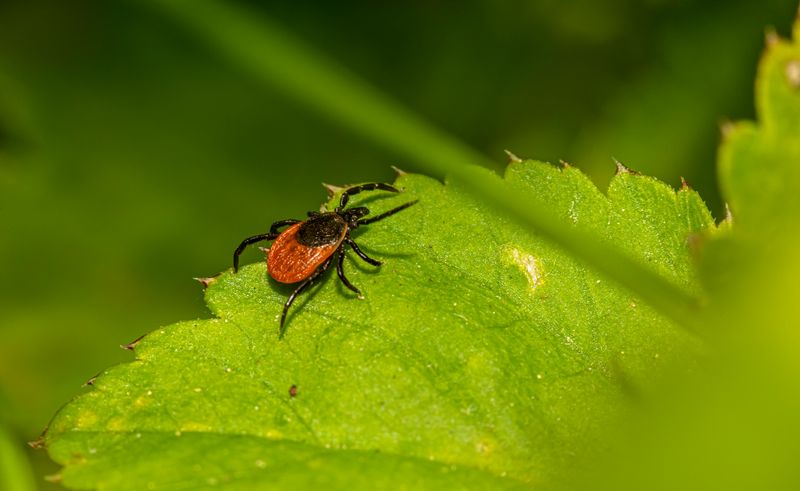
Most people think tick season means July and August, but that timeline is earlier than that.
In New Jersey, tick nymphs become active as early as late April, and they are the most likely stage to transmit Lyme disease.
They are also the hardest to spot because they are roughly the size of a poppy seed.
Waiting until you see summer in the forecast means you have already missed the most critical window for yard treatment and prevention.
Nymphs peak in May and June, which is exactly when kids are playing outside after school and families are firing up the grill for the first time.
That overlap is where most tick bites happen.
Start your prevention routine in early spring, as soon as temperatures consistently hit 40 degrees Fahrenheit.
That is when overwintered ticks become active and start looking for hosts.
Getting ahead of them before tick activity surges is far easier than trying to manage a full infestation mid-summer.
Think of tick prevention like sunscreen. You would not wait until you already had a sunburn to start applying it.
The same logic applies here.
Act in April, stay consistent through June, and you will face a much calmer tick situation by the time summer cookout season officially arrives.
8. Only Treating The Yard Once Per Season
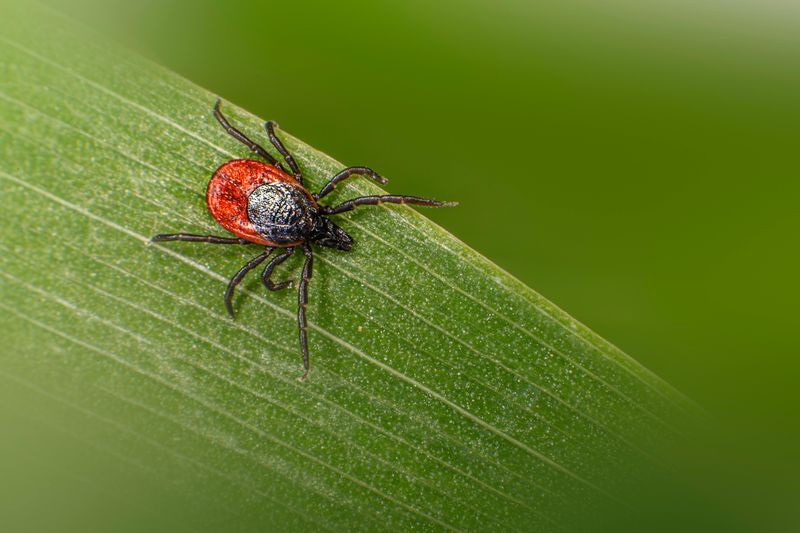
One yard spray in May and then calling it done for the year is a strategy that sounds reasonable but falls apart fast.
Tick populations do not stop reproducing after a single treatment.
Adult ticks, nymphs, and larvae are all active at different points throughout the season. A one-and-done approach leaves real gaps in your protection.
Public health experts recommend treating your yard multiple times per season for meaningful tick reduction.
A common schedule involves treatments in early spring, late spring, and again in early fall when adult ticks become active again before winter.
Spacing treatments this way targets each life stage at its peak activity window.
If you use a spray-on yard treatment yourself, always follow the label directions for reapplication timing.
Rain can wash away treatments faster than you expect, and heavy summer growth can dilute coverage in dense areas.
Keeping a simple log of when you treated helps you stay on schedule without guessing.
Combining yard treatments with other habits covered in this article creates a compounding effect.
No single method eliminates ticks entirely on its own.
But layering multiple strategies, including consistent reapplication, gives you the kind of protection that actually holds up through a full New Jersey spring and summer.
9. Bird Feeders Attracting Deer And Mice
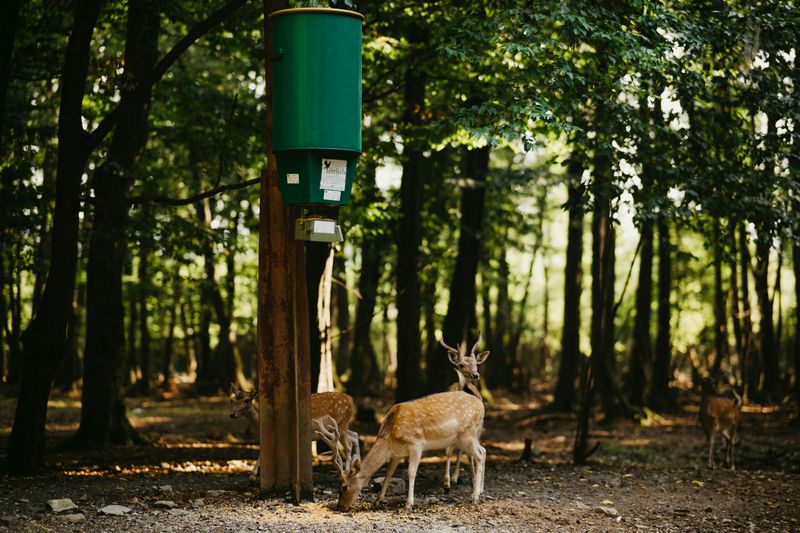
Bird feeders feel wholesome and neighborly, but the seed that falls to the ground is like ringing a dinner bell for mice and deer.
Spilled birdseed is one of the most overlooked reasons why rodents and large wildlife keep returning to residential yards.
And as established earlier, both of those visitors bring ticks with them every single time.
Switching to a feeder with a catch tray reduces ground spillage significantly.
You can still enjoy watching birds without attracting mice from the surrounding area.
Cleaning up fallen seed every day or two also helps break the cycle of attracting unwanted guests.
Placement matters too.
Feeders hung close to the house or near garden beds make it easy for rodents to move between the food source and sheltered nesting areas.
Moving feeders at least 15 feet from the house and away from dense shrubs reduces that risk considerably.
Some homeowners choose to take feeders down entirely from April through October, which is peak tick season.
The birds will find food elsewhere during warmer months when natural sources are plentiful.
That seasonal pause can make a noticeable difference in how many ticks you find on yourself and your pets after spending time outside.
10. Skipping A Perimeter Tick Treatment Each Spring
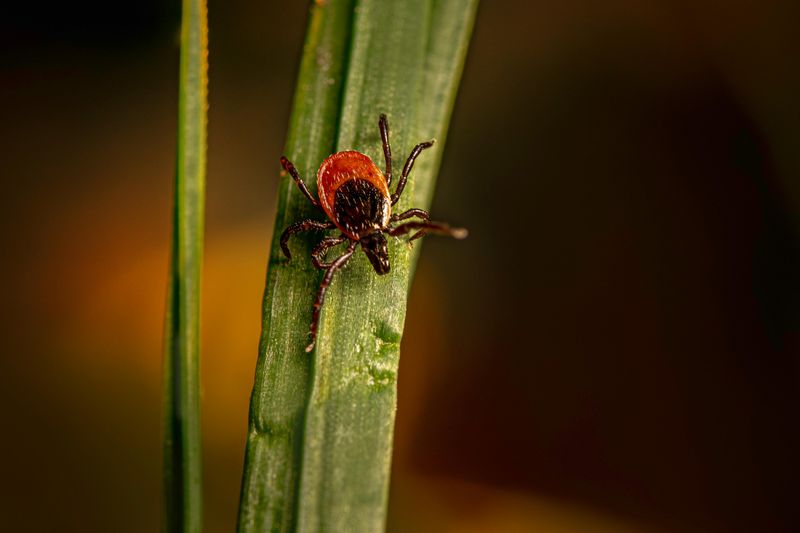
Skipping a spring perimeter treatment is one of the costliest tick mistakes NJ homeowners make.
The perimeter of your property, where your lawn meets fences, garden edges, and wooded borders, is where ticks concentrate most heavily.
Treating that zone in early spring intercepts them before they migrate inward toward your living spaces.
A targeted perimeter spray creates a chemical barrier that dramatically reduces the number of ticks entering your yard.
You can apply it yourself using a labeled product or leave it to a professional.
Focusing on a 10-foot band along all edges is more efficient and cost-effective than trying to blanket your entire lawn.
You get maximum impact where tick traffic is highest.
Permethrin-based sprays are widely available and well-supported by research.
Cedar oil concentrates are a natural alternative, though evidence for tick control is more limited.
Always read the label, wear protective gear, and keep pets and children off the treated area until it dries completely.
Safety and effectiveness go hand in hand with any yard treatment.
Making a spring perimeter treatment a fixed annual habit is one of the smartest investments you can make for your outdoor lifestyle.
Pair it with the other strategies in this article and you have a real defense system working for you.
Tick season in New Jersey is intense, but with the right plan in place, your yard does not have to be their territory.