A Protected Guest Nobody Invited Showed Up In Your Louisiana Yard, And Moving It Yourself Is Illegal
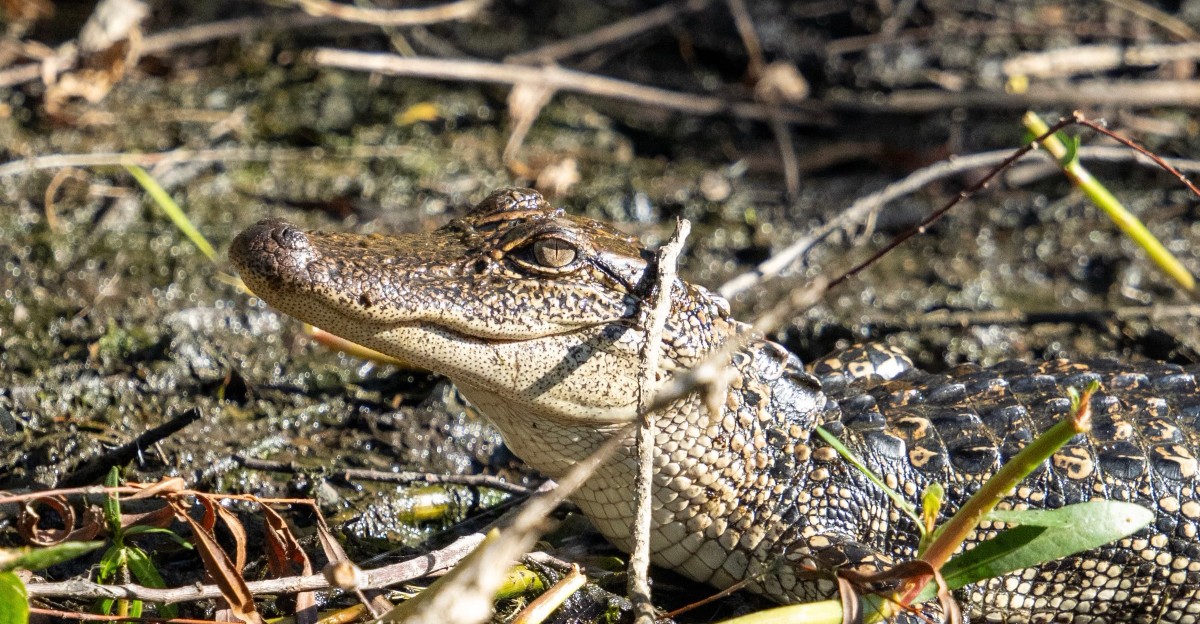
A reptile that once hit the federal endangered list now numbers in the millions across Louisiana. Some of them wander right past backyard azaleas like they own the deed.
I spotted one sunning beside a drainage ditch last spring, and my first thought was a shovel. My second thought was far smarter.
Turns out grabbing, poking, or hauling this visitor off your property can earn you a citation in Louisiana. You planted those camellias. You paid for that fence.
Still, the law sees this scaly drifter as a managed natural resource, and that status follows it right onto your lawn.
Here’s the rule that matters when a cold-eyed stranger parks itself by your birdbath: look, back away, and let the professionals handle it.
That Alligator By Your Pond Probably Has Somewhere Else To Be
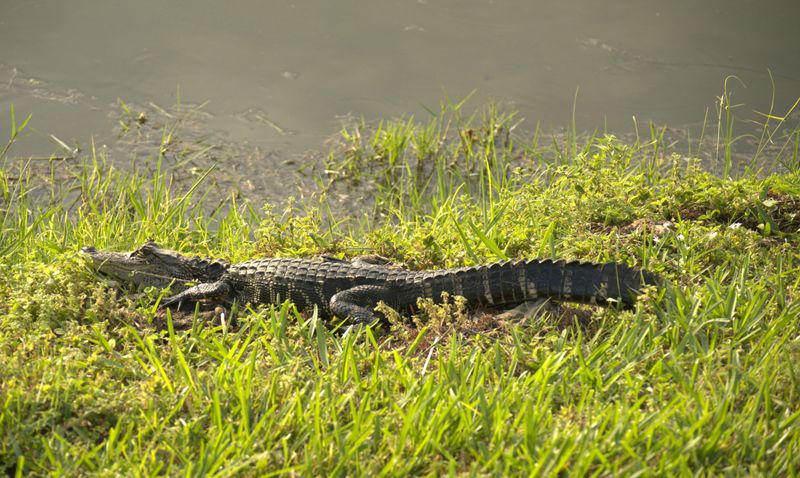
Late spring is when the wandering really kicks into gear. Mating season runs from about April through June, and alligators cover a lot of ground looking for partners and space.
Younger gators, often in the four to six foot range, get bullied out of prime water by bigger adults. They go searching for a new pond, and sometimes the shortest route runs across your lawn.
Heavy rains and flooding can also push them into ditches and neighborhoods they would normally skip.
Your yard may simply look like a decent rest stop. A retention pond, a canal behind the fence, or a sunny bank near a drainage ditch all offer what a cold-blooded animal wants.
Gators bask to warm up, then slip back into water to cool off. In most cases, a gator you see is passing through. It is not stalking your cat or planning a long stay.
Louisiana’s wetlands, bayous, and canals hold an estimated three million wild alligators, so overlap with people is a normal part of life in much of the state.
Knowing why it showed up helps you stay calm. Calm gardeners make better choices, and the next choice matters a lot.
Grabbing, Roping, or Relocating a Gator Breaks State Law
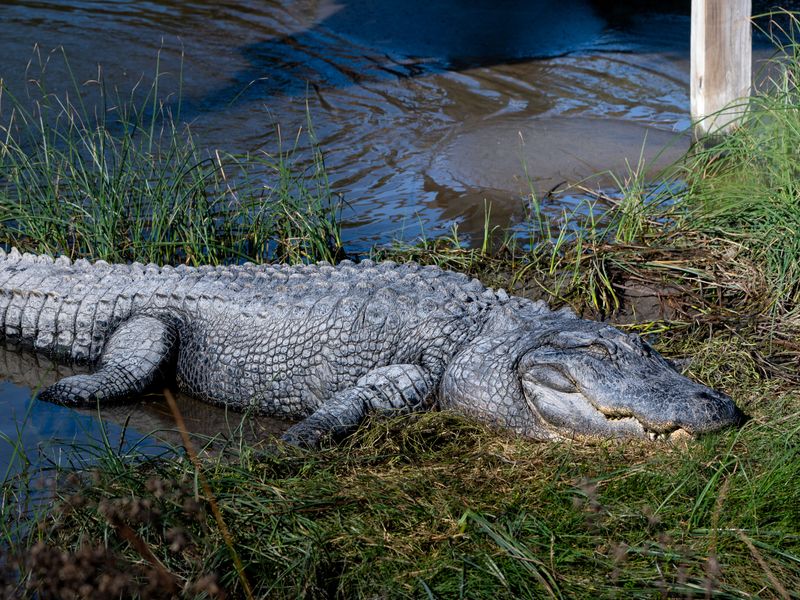
Here is the part that surprises people. The Louisiana Department of Wildlife and Fisheries states plainly that it is illegal for the public to harass, remove, harm, or possess an alligator outside of licensed programs and legal hunting seasons.
That covers a lot of tempting ideas. Roping it, tossing a tarp over it, poking it with a rake, or loading it in a truck bed to dump at a bayou all count.
Even scooping up a tiny hatchling is off limits, and mama is often watching from close by. Why so strict? Alligators were once badly overhunted.
Careful state management brought them back, and Louisiana now runs a tightly regulated harvest and egg collection system. Random people moving gators around would undercut that whole setup.
Relocation also tends to fail. Gators have a strong homing instinct and often travel back toward where they were caught, so a backyard move just shifts the problem down the road.
On top of the legal risk, a cornered alligator can strike faster than you can blink. Professionals use special gear and training for a reason. Your gardening gloves belong on the roses, not on a reptile’s snout.
Four Feet Long Is the Number Wildlife Officials Watch
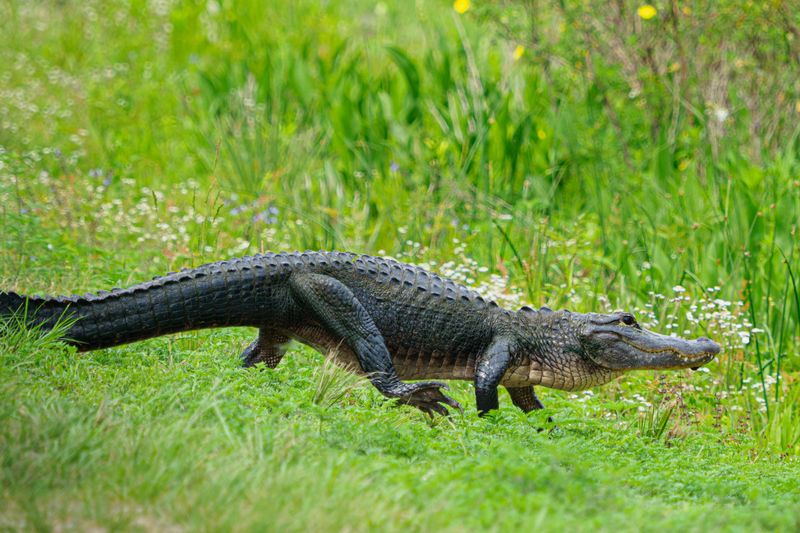
Size tells you a lot. LDWF generally considers alligators under four feet to be naturally shy of people, and they rarely pose a real threat to adults.
A gator becomes a true nuisance in a few situations. It is four feet or longer and approaches people instead of retreating.
It has lost its fear of humans, usually because someone fed it. Or it threatens pets, livestock, or people in a clear way.
Just sitting there does not qualify. I know that feels odd when a toothy reptile lounges near your tomato beds, but presence alone is not a danger sign.
Many visitors leave within a day or two once they find the water they wanted. Watch its behavior from a safe spot. Does it slide away when you open the back door?
That is normal, healthy wariness. Does it hiss, lunge, or creep toward you or your dog? That is a different story.
Jot down a rough length estimate and what it is doing. Comparing it to a fence panel or a patio chair helps. Those notes make the next phone call much smoother if you need one.
Give That Gator on the Lawn Plenty of Room
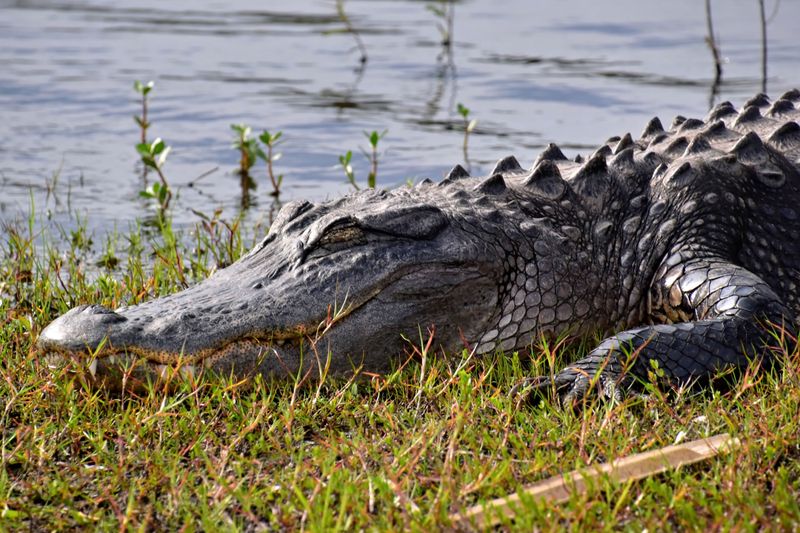
Distance is your best friend. Wildlife experts suggest staying at least 50 to 60 feet away, which is roughly the length of three or four parked cars lined up end to end.
Bring kids and pets inside right away. Dogs are a common target because they bark, splash, and run up close, and small pets look a lot like natural prey to a gator. Keep your pup on a leash near any water for the next few weeks.
Resist the urge to snap a close-up photo. Alligators can lunge a short distance with real speed, and on land they can sprint briefly too. A zoom lens from the porch works fine.
Dawn, dusk, and nighttime are their most active hours. Skip twilight walks along the pond edge, and turn on outdoor lights if you need to take out the trash after dark.
Then simply wait. If the animal stays calm and keeps its distance, it will usually move along on its own.
Patience feels strange in a moment like this, yet it solves the situation more often than any heroic plan.
Feeding a Friendly Looking Gator Creates a Bigger Problem
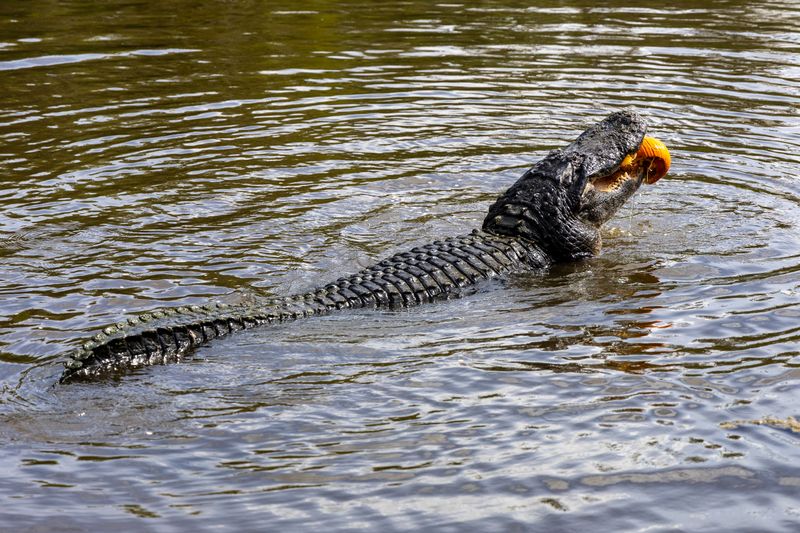
A neighbor once told me she tossed leftover chicken to a gator because it looked hungry. Within weeks, it was swimming straight toward anyone who stood on the dock.
That shift is exactly why LDWF warns the public never to feed alligators. Fed gators start linking people with snacks.
They lose their healthy fear and begin approaching humans, which is the behavior that turns a harmless visitor into a nuisance animal.
Indirect feeding counts too. Fish scraps tossed in the pond, pet food left on the patio, and bird seed that draws ducks and rodents all pull hungry wildlife close to your house. Clean up after fishing, and bring pet bowls inside.
Duck and goose populations around ponds can also attract gators. You do not need to clear out your favorite birds, but avoid hand feeding them near the water’s edge.
Sadly, a gator that becomes too bold often gets removed by a licensed hunter, and those animals are usually not released back into the wild.
A single kind gesture can cost the animal its spot in the wetland. Keeping food out of reach protects your family and the gator at the same time.
A Licensed Nuisance Alligator Hunter Handles the Heavy Lifting
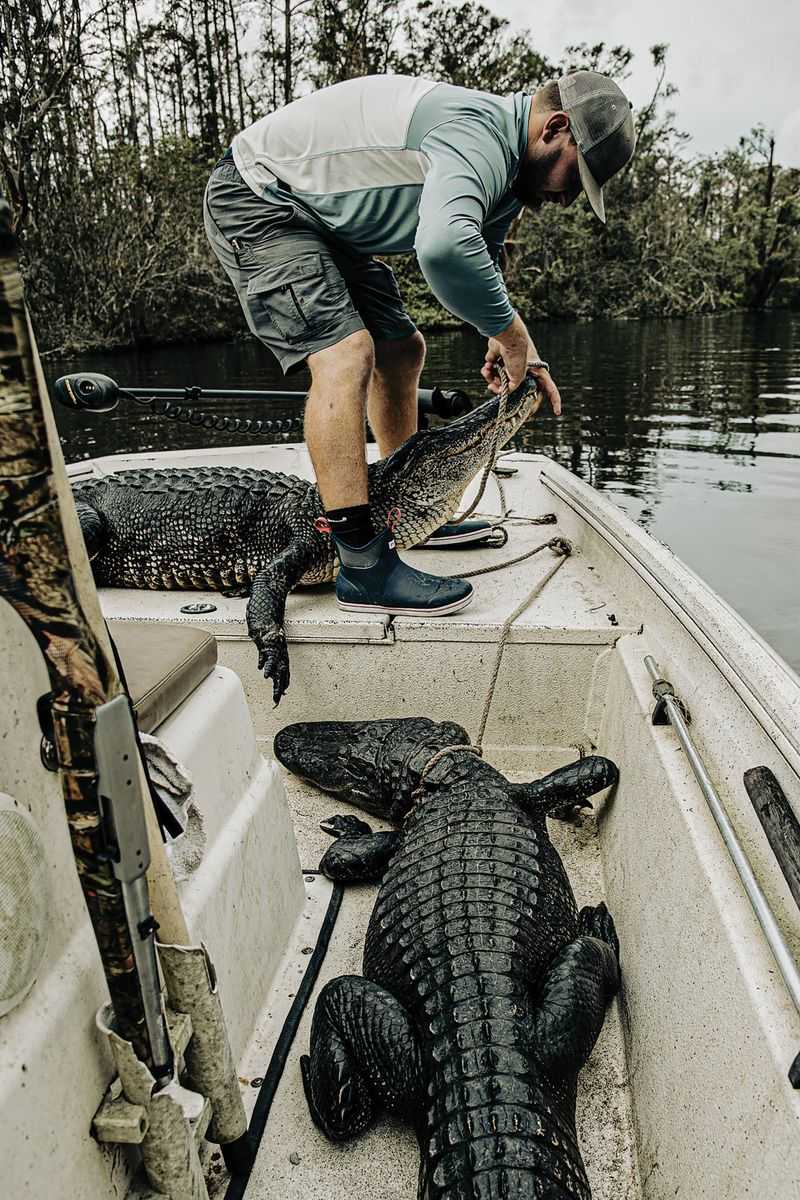
When a gator crosses the line into real danger, pick up the phone. The Louisiana Department of Wildlife and Fisheries runs a Nuisance Alligator Program built for exactly this moment.
Call your regional LDWF office. Staff will ask a few questions about the size, location, and behavior of the animal. Then they connect you with a licensed nuisance alligator hunter who covers your parish.
Those hunters are trained and permitted to capture problem gators safely. They bring catch poles, tape, and experience that the rest of us simply do not have. Hunters may charge homeowners a small per-call fee, so ask about the cost when you call.
Emergencies are different. If a gator is inside a garage, in a pool with kids nearby, or actively charging people, call 911 or your local sheriff first. Law enforcement can respond fast and loop in wildlife officials.
Save the LDWF number in your phone today, before you ever need it. Fumbling through search results while a reptile blocks your driveway is no fun. A quick call puts the job in skilled hands and keeps you on the right side of the law.
Gator Holes Keep Louisiana Wetlands Full of Life
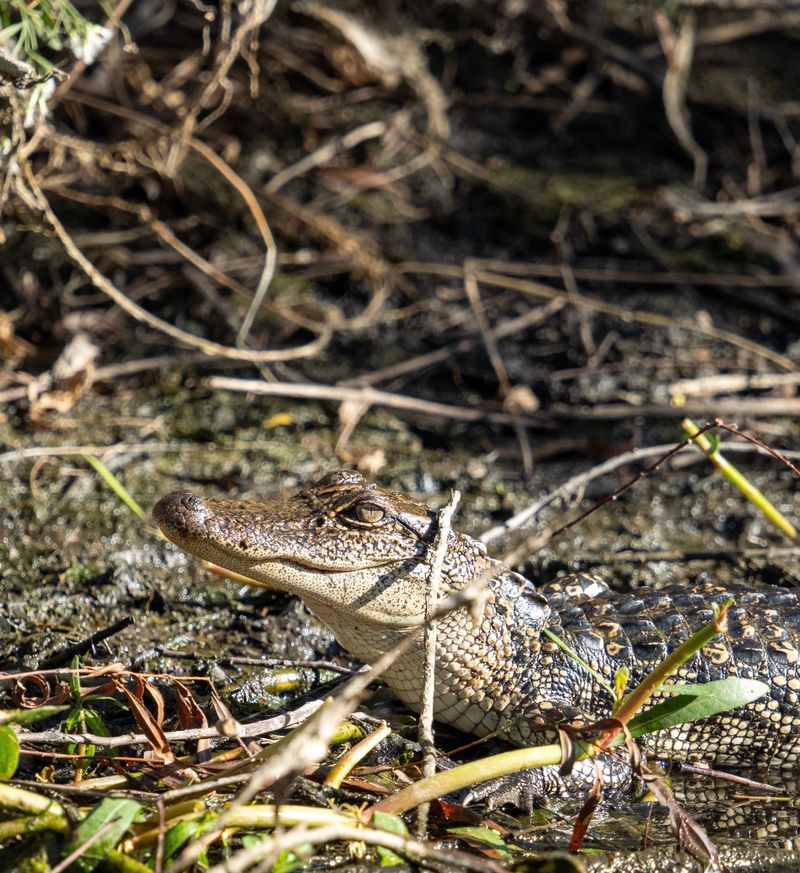
Did you know alligators are landscapers? They use their bodies and tails to dig depressions in marshes called gator holes, and those pockets often hold water during dry spells.
Fish, turtles, frogs, and wading birds crowd into those holes when the surrounding marsh shrinks. In that way, one big reptile helps support a whole neighborhood of other wildlife.
Their nests matter too. Females build mounds of mud and plant matter, and turtles sometimes lay eggs right inside them. Old nest mounds can also become small raised spots where plants take root.
The American alligator is one of the largest reptiles in North America, with big males reaching over 13 feet. They can live for decades in the wild, and they keep populations of fish, nutria, and other animals in check.
Louisiana’s comeback story is one of the best in wildlife history. Habitat protection plus a carefully managed harvest turned a struggling species into a thriving one, and the program supports local jobs too.
So that startling visitor by your hydrangeas comes from a long line of wetland caretakers. Respect looks better on all of us than panic.
A Few Yard Tweaks Make Your Garden Less Tempting to Alligators
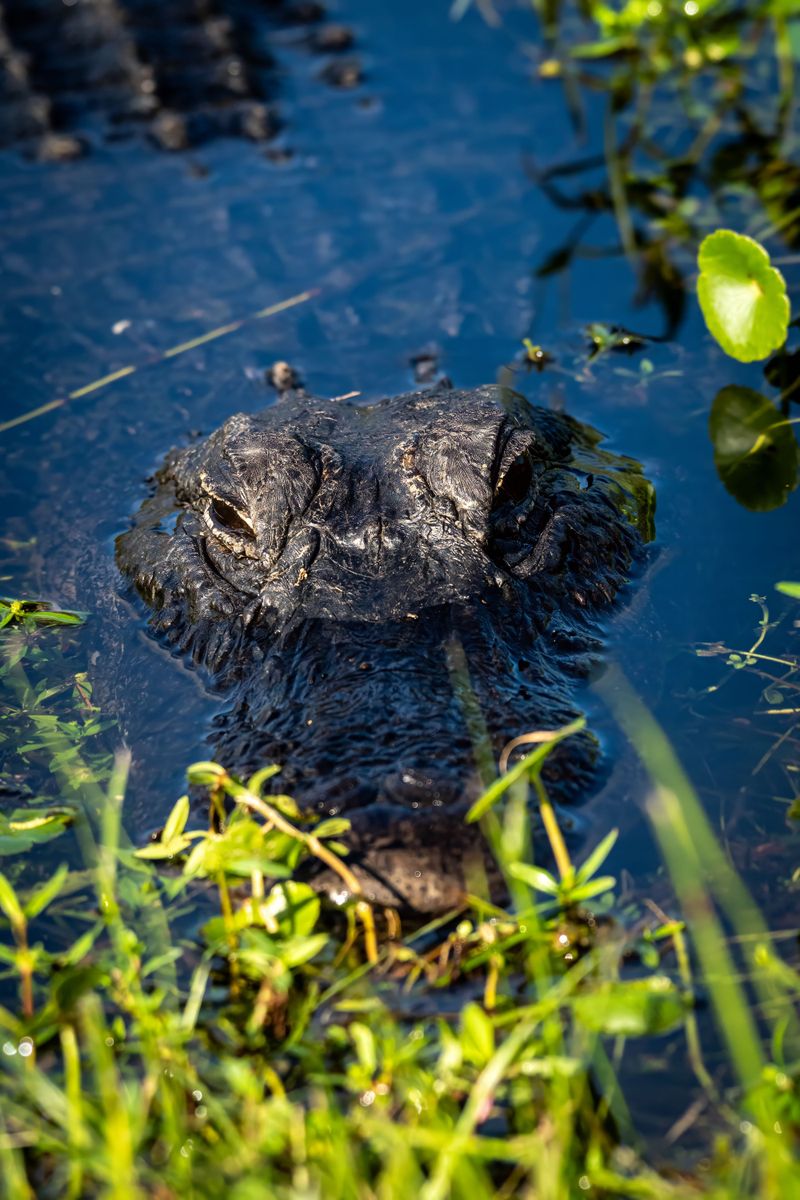
Smart prevention beats a surprise every time. A sturdy fence at least 4.5 to 5 feet tall, with no gaps at the bottom and no easy footholds for climbing, is one of the most helpful barriers between a pond or canal and your living space.
Trim tall grass and thick brush along water edges. Gators like cover, and clear sightlines also help you spot one before you walk up on it.
Cover pools when they are not in use, and keep gates latched. Store pet food indoors, secure trash cans, and rinse away fish scraps after a day of angling.
Plant thoughtfully near the shoreline. Native choices like pickerelweed, blue flag iris, and soft rush look lovely and feed pollinators, just keep plantings low enough that you can see the bank clearly.
Check your yard after big storms. Floodwaters move gators around, so take a quick look before letting kids or dogs out.
Above all, remember the main rule. You can watch, photograph from afar, and call for help, but leave the moving to licensed pros. Your garden stays peaceful, your wallet stays safe, and our wild neighbors keep thriving.