Louisiana’s Protected Turtle Is Racing Against November’s Chill
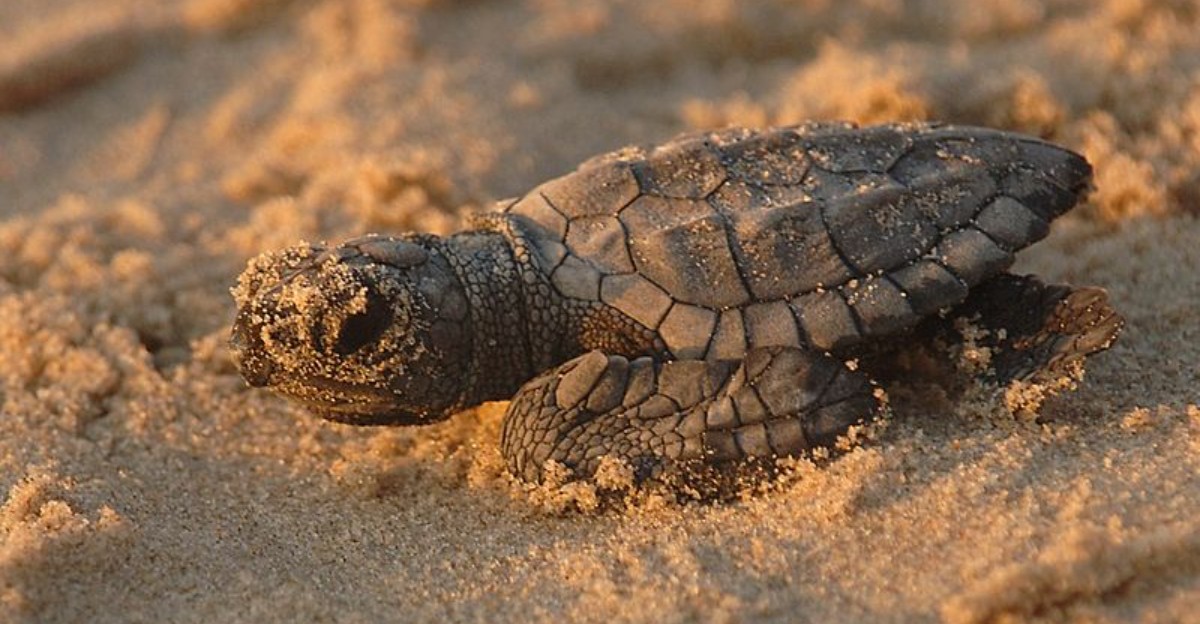
A healthy sea turtle can float limp on chilly water and look like a lost cause, then swim off weeks later. I still find that wild.
Water temperature runs these reptiles. When it dips into the low 50s, their bodies slow so much they can barely paddle or lift their heads.
Along the Louisiana coast, November cold fronts can chill shallow bays fast. Some young turtles linger in those bays a little too long, chasing crabs in the marsh edges you might fish or kayak in Louisiana.
I never get tired of learning how much help these small travelers get from rescue teams and sharp-eyed locals.
You might be one of those locals someday, maybe on a windy beach walk after a front blows through. Know the signs, act fast, and you could be the reason a cold-stunned turtle swims again.
A Floating Sea Turtle After a Cold Front Is Sending a Signal
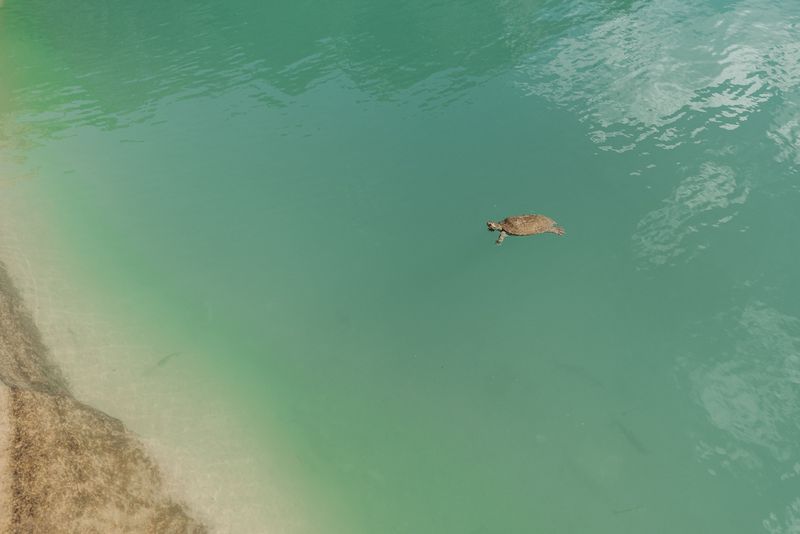
Sea turtles are cold-blooded, so the water around them sets their body temperature. When coastal water drops to roughly 50 to 55 degrees Fahrenheit, turtles can become cold-stunned.
Cold stunning is a lot like hypothermia. Heart rate and circulation slow down, and the turtle grows sluggish. It may float on the surface, drift with the wind, or wash ashore looking lifeless.
Many of these turtles are still alive. With careful warming and medical care, a good number recover and return to the Gulf. That surprise recovery is part of why quick reporting matters so much.
Timing is the tricky part. Fall cold fronts can drop water temperatures in shallow bays within a day or two. Turtles that have not yet moved to deeper, warmer water can get caught off guard.
Secondary problems often tag along. A stunned turtle cannot dive away from boats, find food, or escape predators. Some also develop pneumonia or infections while they drift.
So if you spot a turtle floating oddly still on a raw November morning, it probably is not napping. It is likely in trouble, and it needs trained hands rather than a curious crowd.
The Kemp’s Ridley Is the Little Sea Turtle With the Biggest Worries
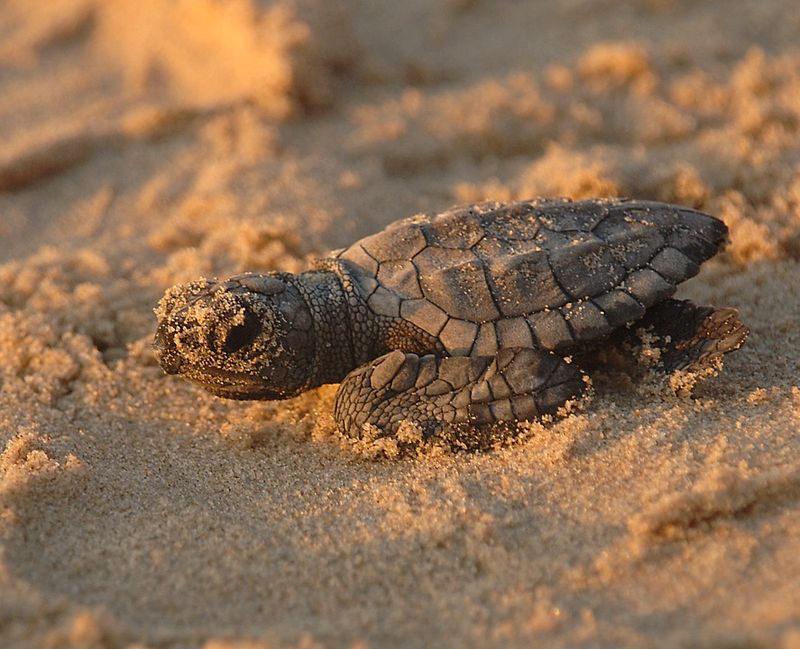
Of all the sea turtle species in the world, the Kemp’s ridley is the smallest. Adults reach only about two feet long and weigh around 70 to 100 pounds.
Small size comes with a big problem. Kemp’s ridleys are considered the most endangered sea turtle species.
They are listed as endangered under the federal Endangered Species Act, and Louisiana ranks them as critically imperiled.
Look for a nearly round, grayish-olive shell and a broad, triangle-shaped head. Young ones are darker gray, which makes them easy to miss in murky bay water.
Louisiana matters a lot to this species. Shallow waters off our coast are rich feeding grounds packed with blue crabs, their favorite meal. Juveniles and adults forage here for much of the year.
Fun fact for your next trivia night. Kemp’s ridleys nest in mass daytime gatherings called arribadas, mainly on beaches in Tamaulipas, Mexico, with a smaller number nesting in south Texas.
Because so many feed in shallow nearshore water, they are especially exposed when a cold snap hits. Those crab-filled bays turn chilly faster than deeper offshore water, and the turtles must move before the temperature drops too far.
Spot a Stranded Turtle on the Beach? Make This Call First
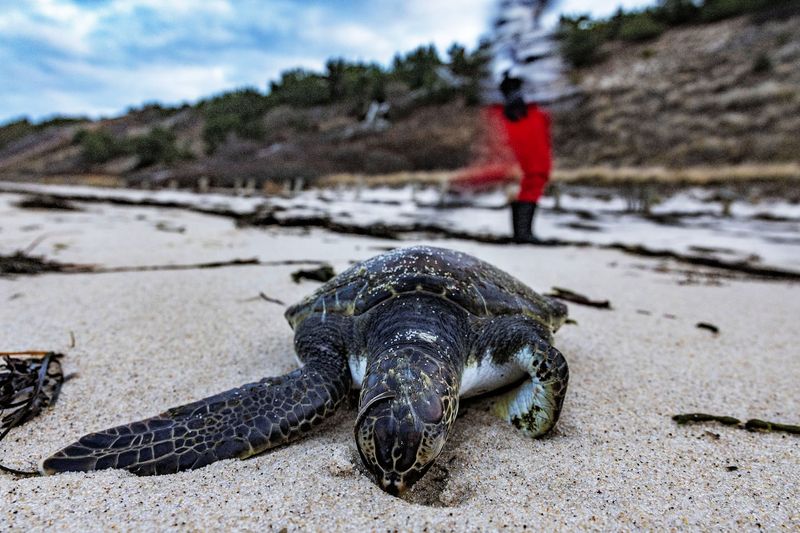
Your phone is the best rescue tool you carry. Report any stranded, injured, or cold-stunned sea turtle by calling 1-844-SEA-TRTL, which is 1-844-732-8785, and choose the option for Louisiana.
Federal law protects these turtles. Handling, moving, or keeping one without authorization is not allowed, even with kind intentions. Trained responders know how to warm a turtle slowly, which is safer than heating it fast.
While you wait, a few simple steps help: Stay a few feet back and keep pets and people away. Note your exact location, ideally with GPS coordinates or a nearby landmark. Snap clear photos of the turtle and its shell from a respectful distance.
Watch for small signs like slow eye blinks or faint flipper motion. Share those details with the responder, along with whether the turtle is floating, on sand, or tangled in fishing line.
Please do not push a stunned turtle back into the water. Cold water is the problem, so returning it can make things worse.
Save that hotline number in your contacts now. It takes ten seconds, and you will be ready if a chilly beach walk turns into a rescue.
Shallow Louisiana Bays Can Turn Into Turtle Cold Traps Overnight
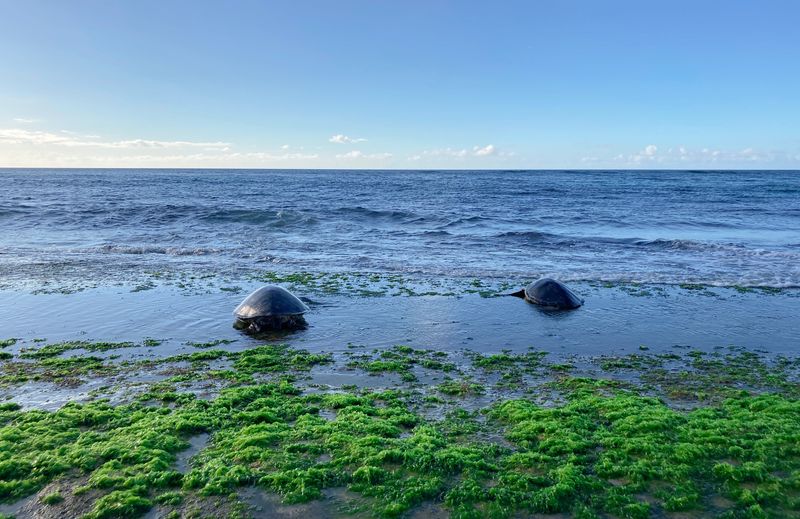
Most cold-stunning headlines come from Cape Cod, where hundreds of turtles strand each fall. Gulf waters get their own share of chilly surprises, though.
Shallow bays, lagoons, and marsh channels lose heat quickly. A strong north wind behind a front can push cold air across a bay that is only a few feet deep, and the water follows.
Turtles feeding in those spots may not leave in time. Biologists believe they usually head toward deeper or warmer water as fall progresses, but sudden drops can outrun that seasonal move.
Louisiana’s risk varies along the coast. Barrier islands, Lake Pontchartrain’s edges, and western marsh bays all cool differently based on depth, wind, and freshwater flow.
Cold stunning in Louisiana tends to be scattered rather than massive. That makes each report from a fisherman, birder, or beach walker even more valuable.
Here is a practical habit I picked up. After a hard November front, I check local water temperature readings from NOAA buoys before heading out.
When numbers slide toward the low 50s, I keep a closer eye on the water’s surface for small, motionless shells.
Rehab Tanks at Audubon Give Chilled Turtles a Second Shot
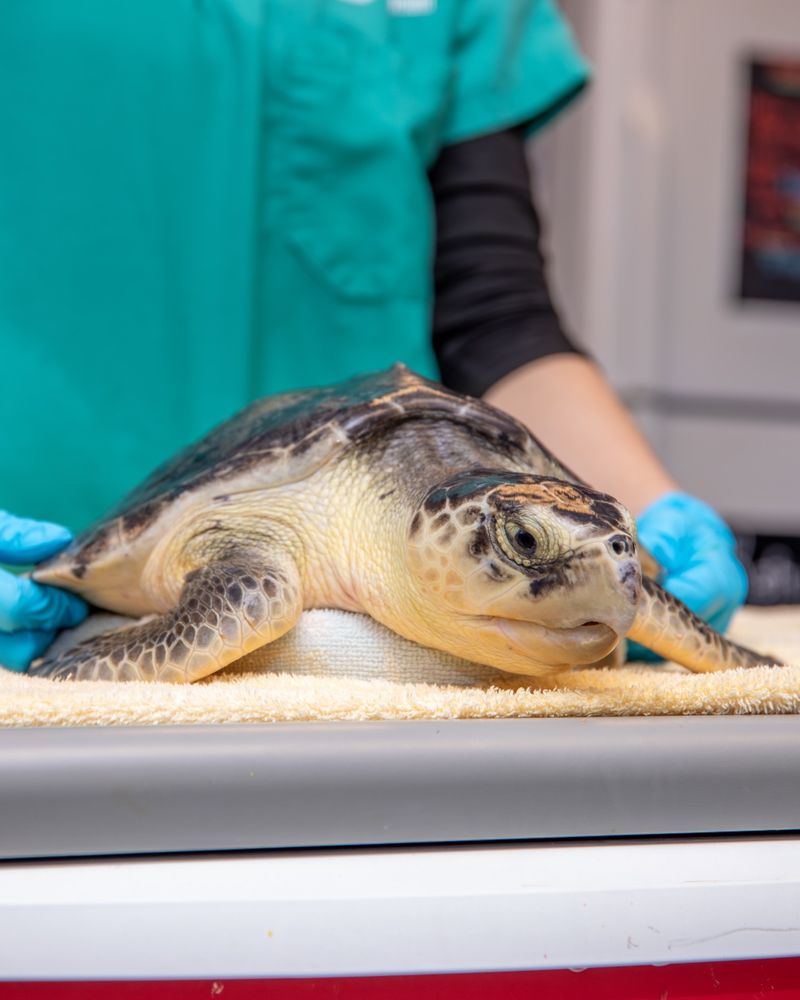
Behind the scenes, a dedicated team waits for these calls. The Audubon Coastal Wildlife Network, run by Audubon Nature Institute in New Orleans, responds to stranded sea turtles and marine mammals across Louisiana.
Recovery starts slow on purpose. Staff warm cold-stunned turtles gradually, a few degrees at a time, because fast warming can shock their bodies.
Next come checkups and treatment. Turtles may get bloodwork, X-rays, fluids, and medicine for pneumonia or infections. Some bounce back in weeks, while others need months.
Audubon has also accepted cold-stunned turtles flown in from New England during big northern stranding seasons. Those rescue flights spread the workload when northern centers fill up.
Once healthy, turtles head back to warm Gulf water. Released turtles sometimes carry small tags so researchers can learn where they travel next.
You can help without touching a turtle. Many rehab programs welcome donations, volunteers, and visitors who learn about their work.
Following their updates also teaches you what local strandings look like season to season. I find it oddly comforting. A turtle that looked hopeless on a cold beach can swim away strong a few months later.
Your Yard Runoff Reaches the Turtle’s Crab Buffet
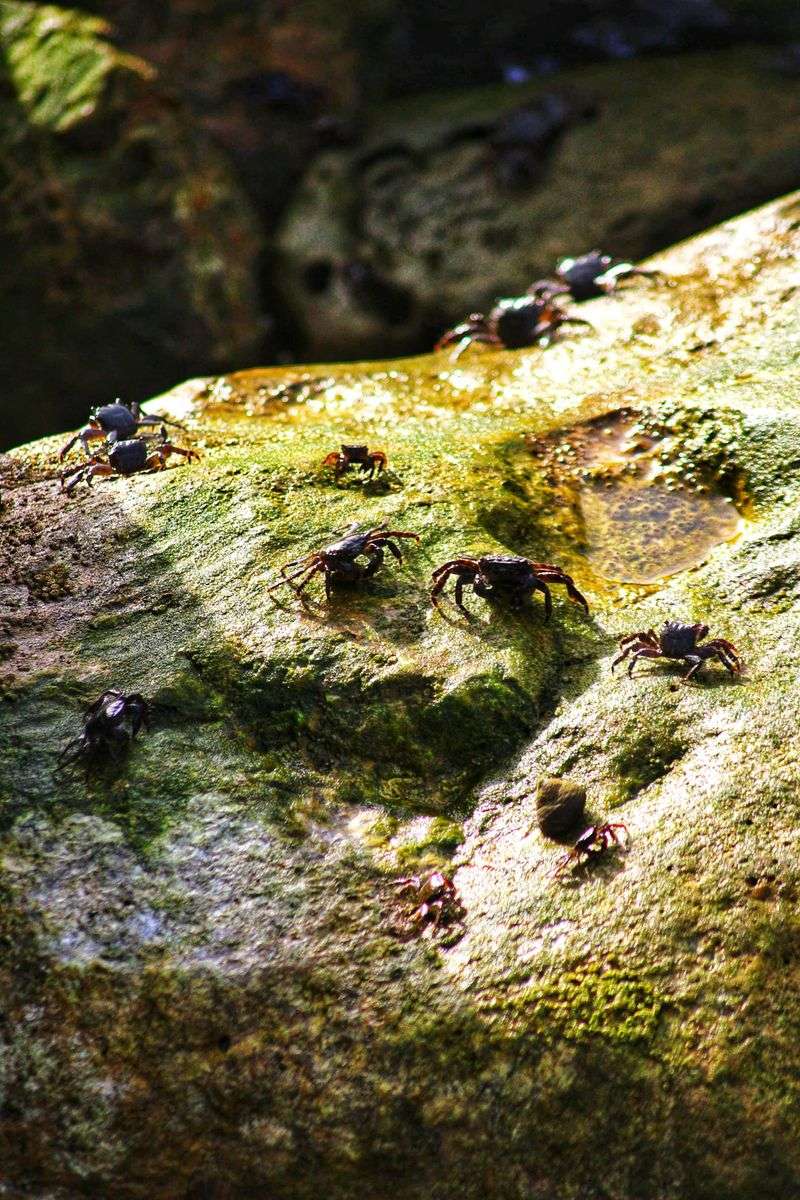
Rain that hits your lawn does not stay put. In much of southern Louisiana, it flows through ditches and bayous toward estuaries where young Kemp’s ridleys hunt crabs.
Extra fertilizer is a big piece of the puzzle. Nutrients washing down the Mississippi River help fuel the Gulf’s seasonal low-oxygen hypoxic zone, which stresses the crabs and shellfish turtles eat.
Gardeners can make small, meaningful changes: Test your soil through the LSU AgCenter before adding fertilizer. Apply only what plants need, and skip feeding right before heavy rain.
Leave grass clippings on the lawn, and mulch beds to slow water. A rain barrel or small rain garden catches runoff before it races to the street.
Try native plants that suit our heat and wet soils, like swamp sunflower, coral honeysuckle, and Louisiana iris. They usually need less fertilizer and water once settled.
Pick up pet waste and trash, especially plastic bags and fishing line. Turtles sometimes swallow plastic or get tangled in line.
One yard may seem tiny. Multiply it by thousands of neighbors across the watershed, though, and the turtles’ crab buffet gets a lot cleaner.
Chandeleur Island Hatchlings Prove Restored Beaches Matter
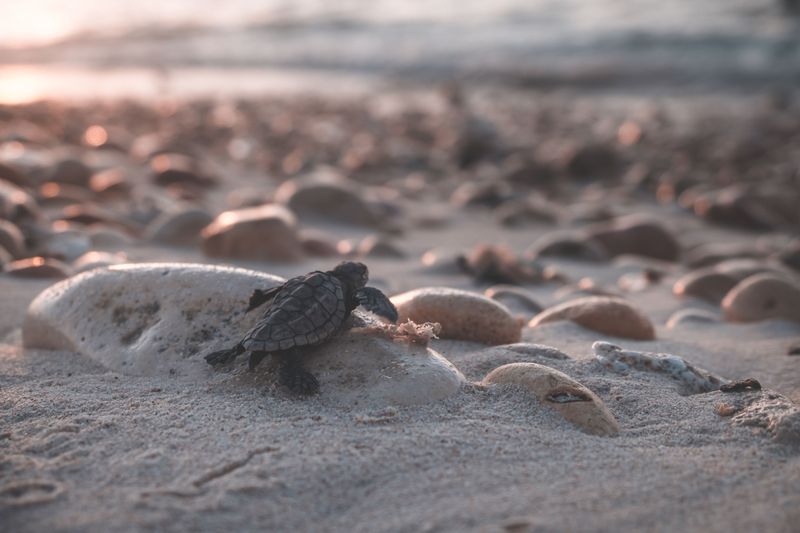
A big moment came in 2022. Louisiana and federal biologists confirmed Kemp’s ridley nests and hatchlings on the Chandeleur Islands, the first documented on those Louisiana islands in roughly 75 years.
Those remote barrier islands sit inside Breton National Wildlife Refuge. Hurricanes and erosion have shrunk them for decades, so finding hatchlings there felt like a hopeful surprise.
Barrier islands also protect the marsh behind them. Healthier marsh means more feeding grounds, which helps turtles all year, not just during nesting season.
Louisiana’s coastal restoration program rebuilds islands, beaches, and marsh through sediment and dredging projects. You can follow those plans and comment during public input periods.
Everyday choices count too. Join a coastal cleanup, report turtle sightings, and slow down in boats around shallow seagrass and marsh edges.
When you visit beaches in warmer months, fill holes, knock down sandcastles, and pack out trash. Nesting females and tiny hatchlings struggle with obstacles we barely notice.
My biggest takeaway is simple. Cold snaps will keep coming each November, yet a protected turtle has better odds when people report strandings, garden thoughtfully, and support healthy coastline. That combination gives this small species a fighting chance.