A Rarely Seen Giant Horned Caterpillar Is Turning Up On Iowa Porches And Patios Right Now
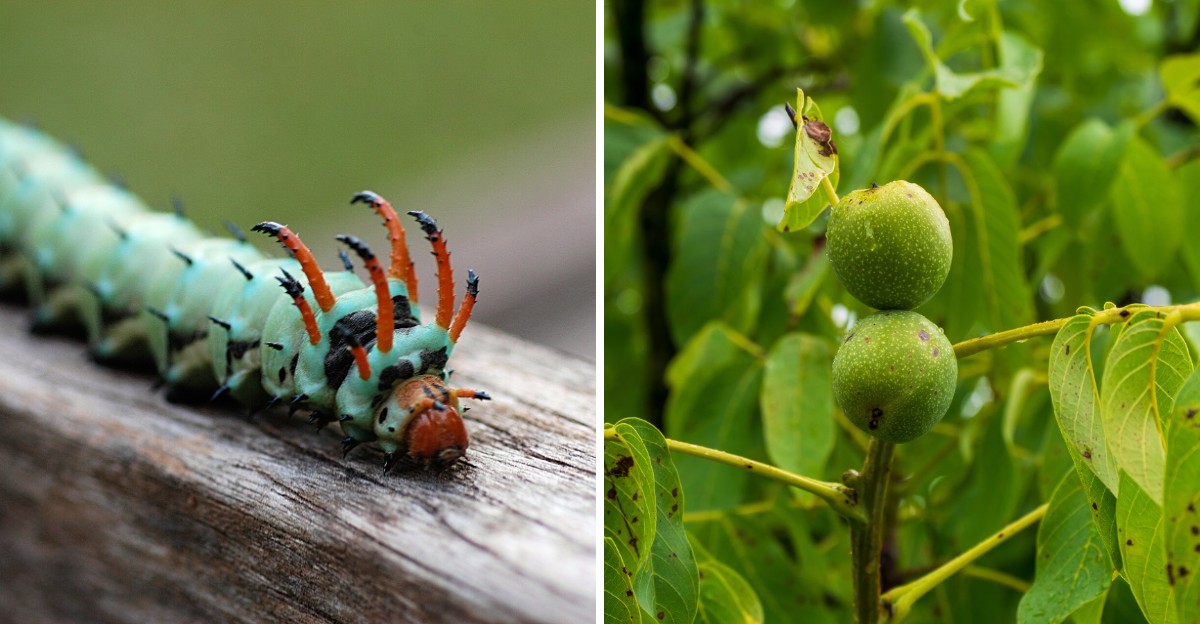
A creature bigger than your fist just claimed your porch railing. You pause mid-step, breath catching, eyes locked on orange spikes. Iowa homeowners like you keep finding this visitor on doors and porches.
Confusion spreads through Iowa group chats faster than clear facts reach you. Brooms come out fast before you check what you are holding. This isn’t something crawling toward you with bad intentions.
The truth hides a caterpillar you won’t forget anytime soon this season. Spikes look sharp but they exist only to bluff you. No part of this insect wants to bother you.
Size alone convinces you it must be risky. Color alone convinces you even more. Science tells you a calmer, wilder story than fear does.
Your porch, for now, belongs to something else entirely. What lands next on your welcome mat will surprise you more.
The Hickory Horned Devil Behind All The Porch Drama
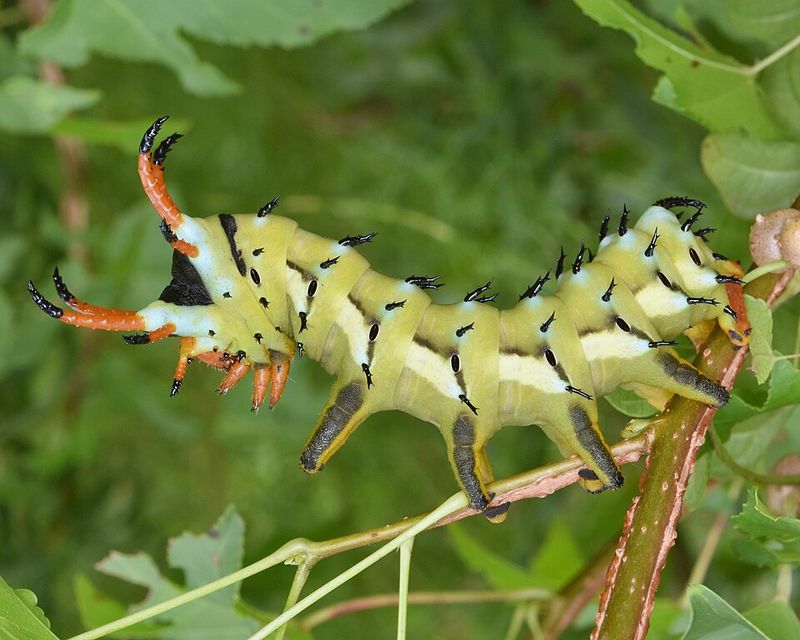
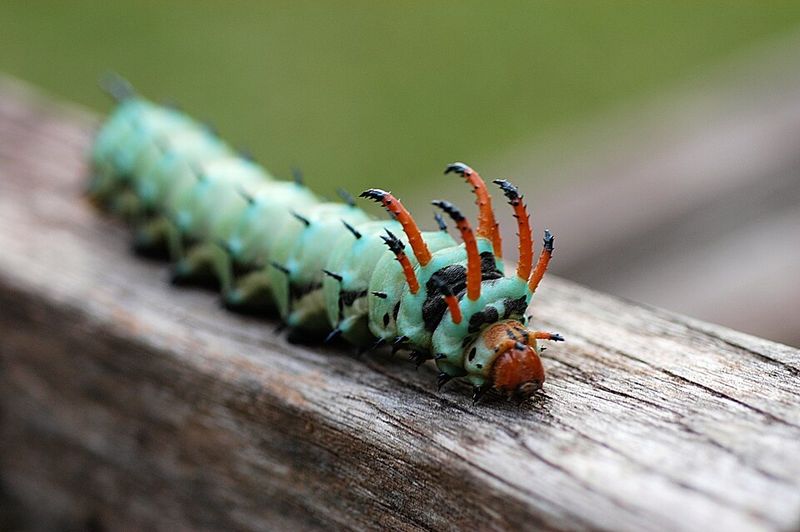
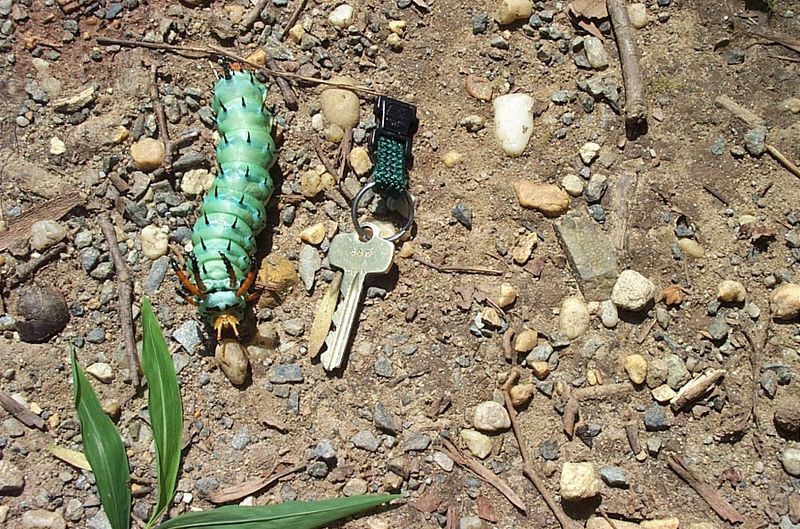
That spiky monster on the welcome mat is a hickory horned devil, one of the largest native caterpillars found in Iowa. Fully grown, it stretches five or six inches and weighs roughly as much as a golf ball, based on general size estimates.
The curved orange horns look like weapons, yet they are soft, rubbery, and harmless to bare fingers. There is no sting, no venom, and no bite capable of hurting anyone at all.
Poked or picked up, the caterpillar rears back, thrashes its head, and clicks its jaws loudly. The entire performance is pure theater, meant to convince hungry birds that it tastes awful.
Its blue green body carries tiny white speckles that shimmer oddly in late September sunlight. Black rings circle every orange horn, giving the creature a cartoonish, dragon like appearance.
Extension experts in states where this caterpillar appears often field calls about it each autumn from confused homeowners. Callers often describe a lizard, an alien, or something that escaped from a traveling zoo.
Sightings stay rare because the caterpillar spends nearly its whole life hidden inside tall tree canopies. Only in its final days does it climb down and cross wide open ground.
A porch encounter, then, is not an invasion but a traveler taking an unfortunate shortcut. Nothing about the visit means your house, garden, or shade trees are in trouble.
Most Iowans go decades without spotting a single one, which makes the moment worth photographing. Show that picture around town, because half your neighbors will flatly refuse to believe you.
Late Season Timing That Brings Them Into Plain Sight
Timing explains nearly everything about this sudden wave of sightings across Iowa yards this month. Eggs laid back in early summer produce caterpillars that feed quietly through all of July and August.
By September those caterpillars finish a fifth and final growth stage, reaching truly impressive size. Feeding then stops, and an urgent search for soft, diggable soil takes over their behavior.
Instead of staying safely above ground, each one abandons its host tree and wanders off. The journey can cover many yards of lawn, sidewalk, mulch bed, and warm patio brick.
Your Iowa Garden Changes Every Week. Your Plan Should Too.
Gardening in Iowa changes quickly throughout the season. Every Friday you’ll receive a simple weekly plan showing exactly what to plant, prune, fertilize, harvest, and protect so you never miss the right timing.
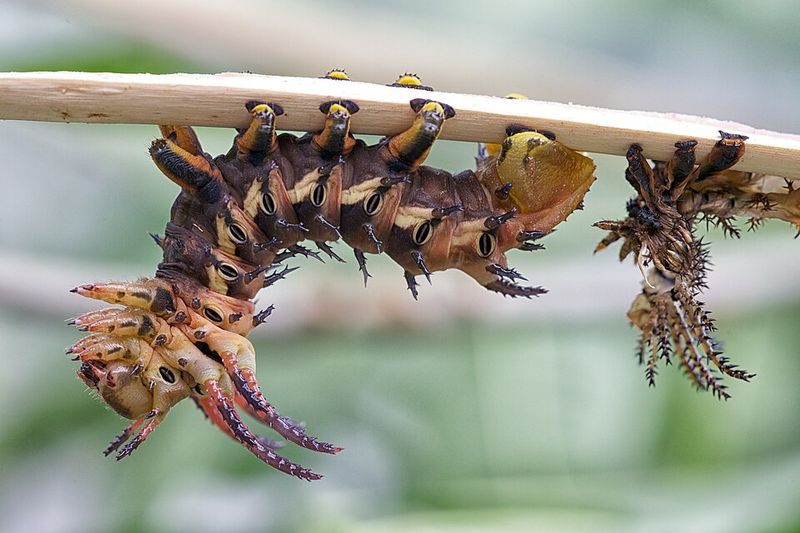
Wandering individuals often turn a strange rusty turquoise or dull olive shade before burrowing down. A color shift like that signals the searching phase, not sickness, injury, or real trouble.
Cooler nights and shorter days push the entire process along on a surprisingly tight schedule. When Iowa sightings do occur, they tend to cluster between late August and the first week of October.
Porch lights add to the activity, since travelers sometimes climb toward warm concrete steps and bricks. Morning dog walkers and bus stop parents spot them first, often with a loud yelp.
Rainfall also brings them into the open, because damp ground is much easier to dig. Expect the heaviest batch of reports a day or two after a soaking September storm.
Once mid October arrives, the show ends and the soil quietly swallows every last traveler. Next year, a similar wave of sightings tends to follow the same general late-summer pattern.
Walnut, Hickory, And Persimmon Trees As The True Source
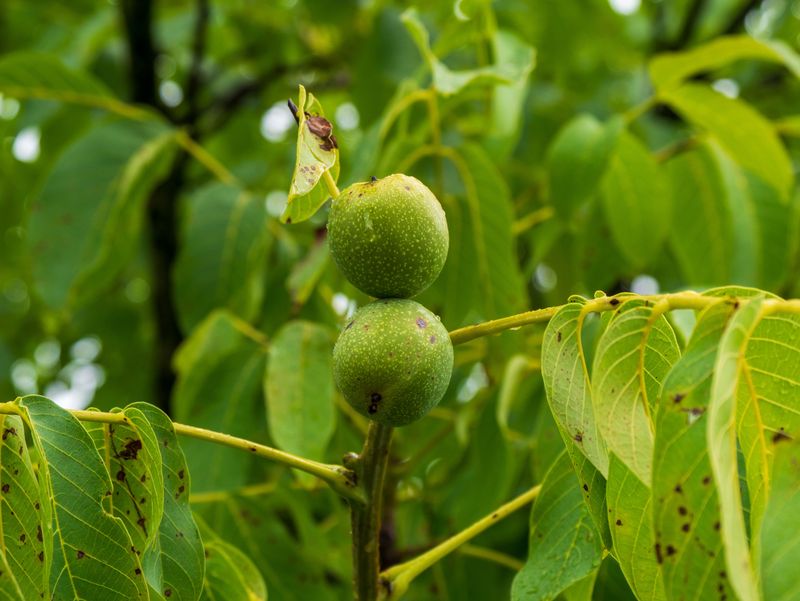
Look up first, because the answer is often growing right over your driveway. Hickory horned devils feed on walnut, hickory, pecan, sumac, ash, and persimmon leaves all summer.
Black walnut trees line countless Iowa fencerows, alleys, creek banks, and older backyards. Wherever those trees stand tall, the odds of a sighting improve, especially closer to the species’ more established range to the south.
Caterpillars hatch high above, chew leaves for weeks, and grow through five separate stages. A single one can strip a few branches without harming a healthy mature tree.
Damage stays minor because populations remain small and the feeding ends before autumn leaf drop. No spraying, banding, or trunk treatment is needed for this particular leaf eater.
Shagbark hickory and butternut also serve as documented host trees across parts of the Midwest, with occasional Iowa reports concentrated in rural timber edges, park groves, and older neighborhoods.
Neighbors with no walnut trees still get visitors, thanks to that long wandering journey. A caterpillar can travel well past several yards before choosing its digging spot.
Homeowners who love wildlife sometimes plant sumac or persimmon on purpose for native moths. Such plantings support dozens of showy species, not merely this one famous giant.
Knowing the host trees turns a scary surprise into a simple backyard mystery solved. Your walnut tree, it turns out, has been hosting an unusual guest all summer long.
So check your canopy, appreciate the shade, and accept the odd tenant living upstairs. Rent, apparently, gets paid in gasps from the mail carrier each September.
A Frequent Misstep With Iowa Patio Visitors
Here is where good intentions tend to go sideways for a lot of Iowa homeowners. The first instinct is to stomp, spray, or sweep the strange creature away fast.
Fear drives that reaction, since nothing in the garden looks quite so alarming. Those orange horns scream danger, even though they cannot pierce skin or inject anything.
Insecticides do nothing helpful here, because the caterpillar has already stopped eating leaves. Spraying only harms pollinators, ladybugs, and other useful insects sharing your patio space anyway.
Another frequent error involves tossing a wandering caterpillar into a bucket or sealed jar. Trapped on hard surfaces, it cannot burrow, and the pupation clock keeps ticking.
Some folks relocate one straight into a compost bin, assuming soft material surely helps. Hot compost and heavy turning make terrible conditions for an underground winter chamber.
Kids and curious pets create a third problem, usually within about ninety short seconds. Dogs may mouth the caterpillar, which stresses the insect and upsets the dog.
Squishing one also wastes a genuinely uncommon sighting worth documenting instead. Photograph it, show the family, then let the visitor continue its odd errand.
Gardeners sometimes blame it for chewed tomatoes, hostas, or hydrangeas out of habit. Leaf damage on those plants comes from entirely other culprits, not this canopy dweller.
Skipping the panic response saves effort and keeps a harmless neighbor in the story. Your broom, honestly, has better things to do this time of year.
A Calm And Safe Relocation For A Startling Guest
Moving one takes about twenty seconds and requires no gloves, tools, or bravery training. Slide a stick, leaf, or piece of cardboard under the caterpillar and lift gently.
Gloves still help nervous hands feel better, and nobody will judge that choice. The horns feel rubbery, a little like warm silicone, and press flat under pressure.
Carry the traveler to loose soil beneath a tree, shrub bed, or mulched corner. Set it down facing away from the house and step back to watch.
Given decent dirt, it begins digging within minutes and disappears beneath the surface. A shallow underground chamber then becomes its home for the long Iowa winter ahead.
Avoid gravel, pavement, and packed clay, since none of those allow proper burrowing. Garden beds, leaf litter, and unmowed edges work far better for this purpose.
Wash your hands afterward, the same as with any insect, plant, or garden soil. No rash, sting, or irritation should follow, but soap remains a sensible habit.
Leaving it alone entirely is also fine, provided traffic and pets stay elsewhere. Many caterpillars find their own digging spot without any human help at all.
Photograph the horns up close before the handoff, because detail like that impresses people. Local extension offices often welcome sighting reports with clear photos and location notes.
Check your state’s current guidelines before submitting one. Twenty seconds of patience turns a scream into a story worth retelling later. The caterpillar, for its part, will not send a thank you note.
The Royal Walnut Moth At The End Of The Road
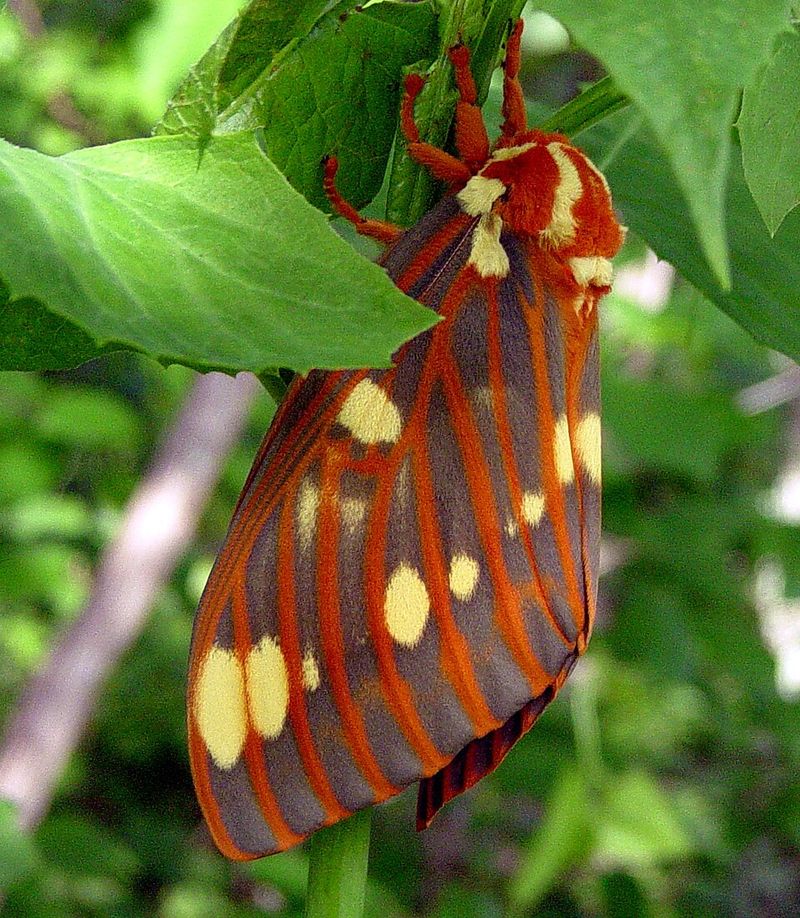
Every spiky caterpillar on an Iowa porch is chasing one goal, and it is gorgeous. Underground, it transforms into a regal moth with a wingspan near six inches.
The royal walnut moth, also called the regal moth, wears orange stripes and cream spots. Fuzzy rust colored wings make it one of the largest moths north of Mexico.
Emergence happens the following summer, usually across warm June and July nights in Iowa. Adults live only about a week and cannot feed, since they lack working mouthparts.
A single mission fills that short week, which is finding a mate and laying eggs. Females scatter eggs singly or in small groups on walnut and hickory leaves.
Seeing the adult moth is even rarer than meeting the caterpillar on your steps. Porch bulbs occasionally draw one in, delivering a truly unforgettable summer surprise.
Populations have thinned in parts of the eastern range, partly from parasitic flies and wasps. Habitat loss and bright outdoor lighting add extra pressure on this remarkable species.
Iowa sits near the edge of the species’ range, with occasional populations reported near timbered river valleys and mature walnut groves. Every relocated caterpillar gives one more moth a fair shot at next summer.
Switching to warm, shielded porch lights helps moths navigate and saves electricity too. Small changes like that make backyards friendlier for dozens of native night fliers. So the horned visitor is really a moth in its earlier life stage, waiting to transform.