Texas Plants You Should Buy Before Nurseries Run Out This Fall
Fall is one of the best planting seasons Texas offers, and the gardeners who know this move quickly.
Native plants, shade trees, drought tolerant shrubs, and perennials that establish best in cooler conditions all move fast once the nurseries stock them for fall.
Wait too long and the best selections are gone, replaced by whatever didn’t sell and whatever arrives late with root systems that have been in containers too long.
The window between now and the end of fall planting season is real and it closes faster than most homeowners expect.
Certain plants in particular are worth prioritizing before stock runs out, either because demand is high, availability is limited, or because the fall establishment window they require won’t come back around for another full year.
Here’s what to buy before Texas nurseries run out this fall.
1. Texas Sage (Cenizo)
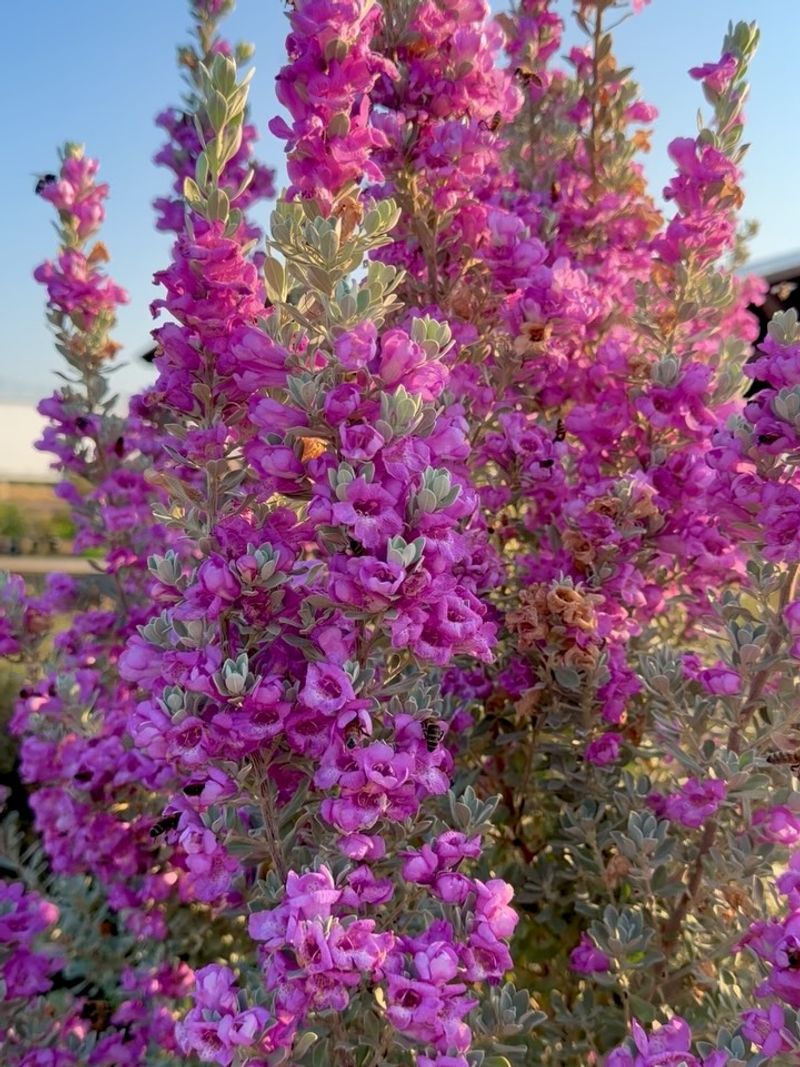
Nicknamed the barometer bush, Texas Sage bursts into purple blooms right before rain rolls in. Folks all over the state love it because it seems to predict the weather.
This shrub handles brutal heat and dry spells like a champ. Its soft, silvery leaves give any yard a cool, dusty look even when the sun is blazing. Once it settles in, you barely have to water it at all.
Fall is the perfect season to plant Cenizo. The warm soil helps the roots spread before the first cold snap. Pick a spot with full sun, since shade makes it leggy and weak.
Well-draining soil is the secret to keeping this plant happy. Heavy, soggy clay causes root problems, so mix in some sand or gravel if your dirt holds water. Raised beds also work great for this reason.
Pollinators adore the tubular purple flowers. Bees and butterflies visit often, which helps the rest of your garden grow better too. You get beauty and helpers all in one plant.
Trim it lightly to keep a nice rounded shape, but avoid heavy pruning. Cenizo looks best when it grows naturally, with only a few snips here and there.
Nurseries stock plenty in early fall, but the healthiest ones disappear quickly. Gardeners snap them up because they know how tough and pretty this shrub is.
Native to West Texas and the Rio Grande area, this plant belongs here. It survived long before sprinklers existed, proving it can thrive on natural rainfall alone once established in your yard.
2. Autumn Sage
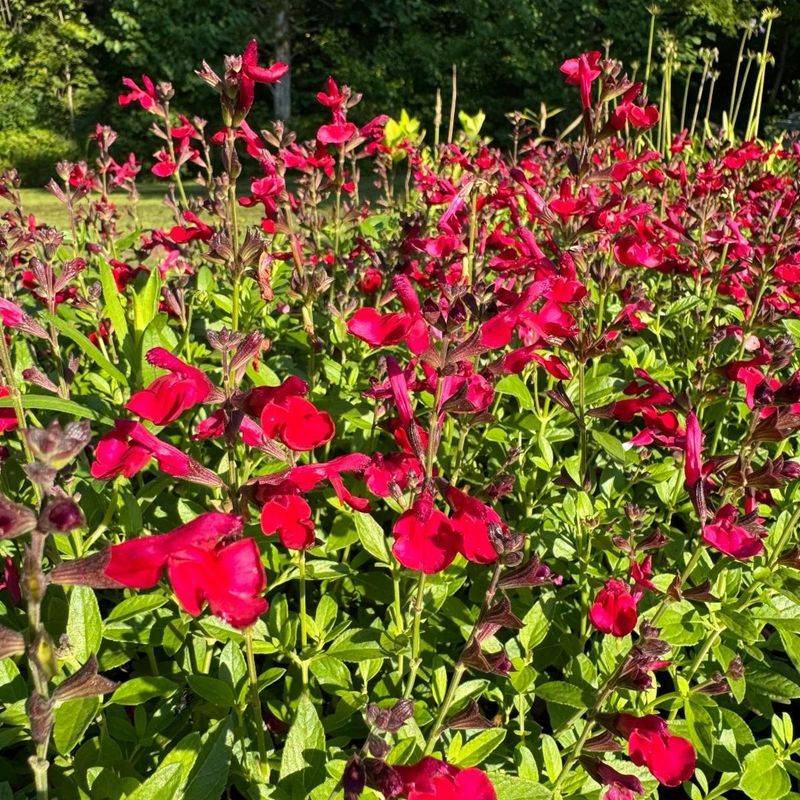
Hummingbirds go wild for Autumn Sage, zipping from flower to flower all season long. If you want a buzzing, lively garden, this little shrub delivers.
Don’t let the name fool you, because this plant blooms spring through fall. The red, pink, and coral flowers keep coming as long as the weather stays warm. That means months of color for very little effort.
Salvia greggii loves heat and shrugs off dry weather once its roots grow deep. Plant it in fall so it has time to get comfortable before summer stress hits next year.
Full sun brings out the most flowers, though it tolerates a little afternoon shade. Sandy or rocky soil suits it best, and good drainage keeps it strong and healthy.
Your Texas Garden Changes Every Week. Your Plan Should Too.
Gardening in Texas changes quickly throughout the season. Every Friday you’ll receive a simple weekly plan showing exactly what to plant, prune, fertilize, harvest, and protect so you never miss the right timing.
One handy trick is a quick trim in mid-summer. Cutting it back by about a third sparks a fresh wave of blooms for fall. It rewards you fast for the small effort.
Deer usually leave this plant alone, which is a big win in rural Texas yards. Its slightly minty leaves aren’t tasty to them, so your flowers stay safe.
Butterflies and bees join the hummingbirds too, turning your garden into a busy pollinator hangout. It’s like adding free entertainment to your backyard.
Nurseries carry lots of colors in fall, from bright red to soft pink and white. The popular shades sell out first, so browse early to score your favorite.
Native to Texas and northern Mexico, this salvia belongs in local gardens. It handles our wild weather swings better than most flowering shrubs you can buy.
3. Live Oak Tree
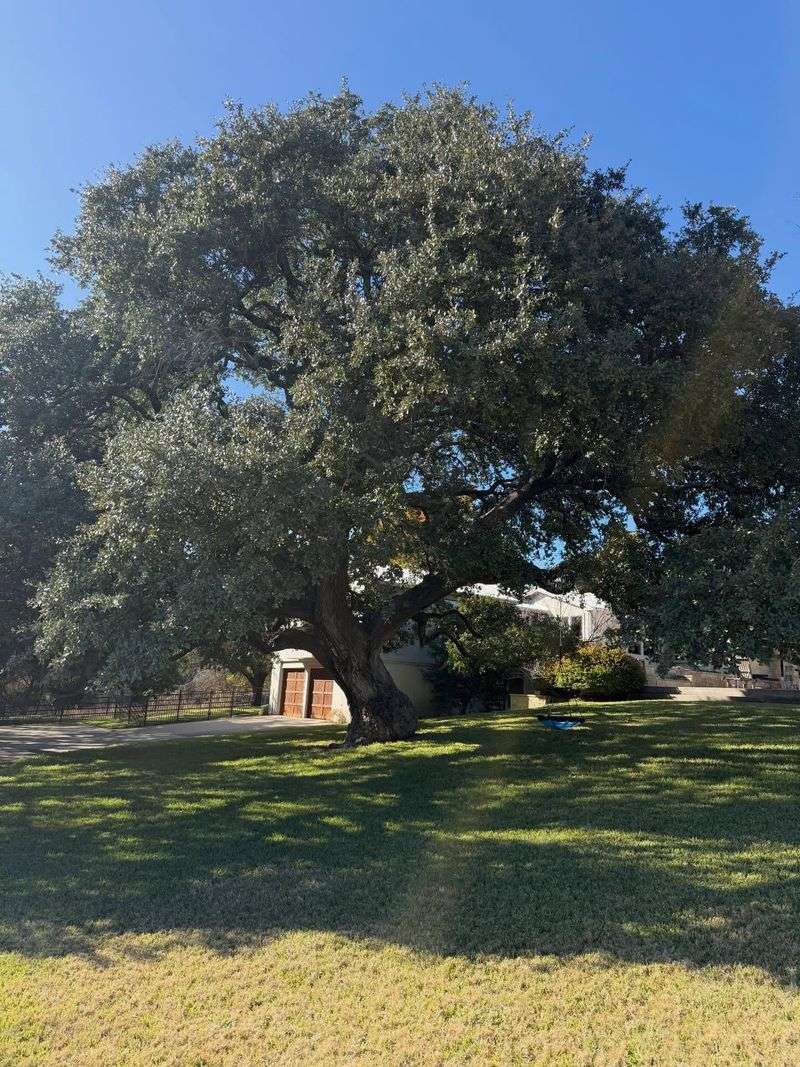
Few trees say Texas like the mighty Live Oak, with its sprawling branches and deep green leaves. Some old ones in the state are hundreds of years old.
Unlike many oaks, this one keeps its leaves through winter and only drops them briefly in spring. That means shade and beauty almost all year round.
Fall planting gives young Live Oaks a big head start. The cooler air lets roots grow without the stress of summer heat, so the tree settles in strong before hot months return.
Give it plenty of room, because this tree spreads wide over time. Plant it far from your house, driveway, and pipes so the roots have space to stretch out safely.
Water it regularly during the first year or two while it gets established. After that, it becomes remarkably tough and handles dry summers with ease.
The dense canopy creates cool shade that can lower your cooling bills in summer. Kids love climbing it, and birds love nesting in its sturdy branches.
Nurseries sell young Live Oaks in fall, and gardeners grab them fast. A healthy sapling planted now can grow into a family landmark for generations.
Here’s a neat fact: Live Oaks were once prized for building ships because their curved, super-strong wood held up against ocean storms. The famous USS Constitution used it.
This tree is a long-term gift to your yard and your neighborhood. Plant one this fall, and you’ll enjoy its steady beauty for decades to come. Few investments in a garden pay off so well.
4. Lantana
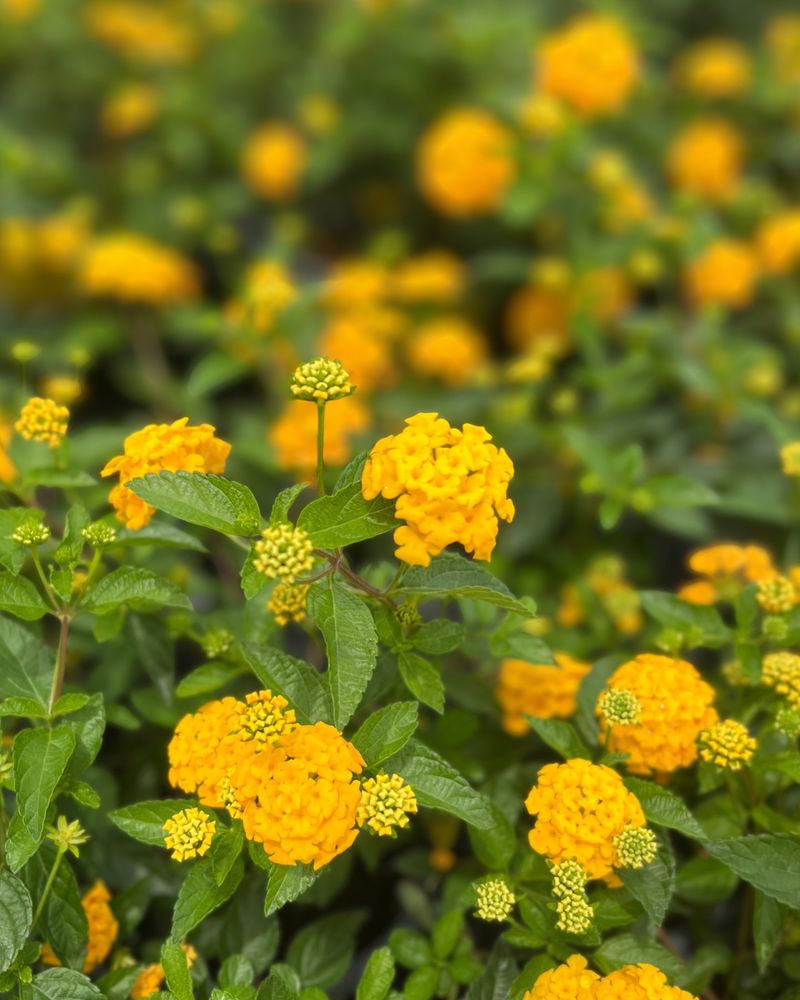
Talk about a butterfly magnet! Lantana produces tiny clusters of flowers in bold colors that shift shades as they age, giving each bloom a rainbow look.
This plant thrives in the toughest spots where other flowers give up. Hot sidewalks, dry beds, and blazing full sun are exactly where it shines brightest.
Planting in fall lets Lantana root before winter, so it comes back stronger next spring. In warmer parts of Texas, it survives winter and returns bigger each year.
Watering is barely needed once it settles in. Lantana actually blooms more when it’s a little thirsty, which makes it perfect for busy or forgetful gardeners.
The flowers come in orange, yellow, pink, purple, and mixed combos. You can build a whole colorful border with just this one plant and never get bored.
Butterflies, bees, and even hummingbirds swarm the blooms all day. Watching the winged visitors is one of the best parts of growing it.
Trim off old flower heads to keep new ones coming. A light shaping every few weeks keeps the plant tidy and full of color.
One thing to know is that the berries and leaves aren’t safe to eat, so keep little kids and curious pets from nibbling them. Otherwise, it’s fuss-free.
Nurseries stock loads of Lantana in fall, but the vibrant multi-color types vanish fast. Shoppers who wait too long miss out on the best selection.
Whether you plant it in the ground or a pot, Lantana rewards you with nonstop color. It’s one of the easiest ways to brighten a hot yard.
5. Texas Mountain Laurel
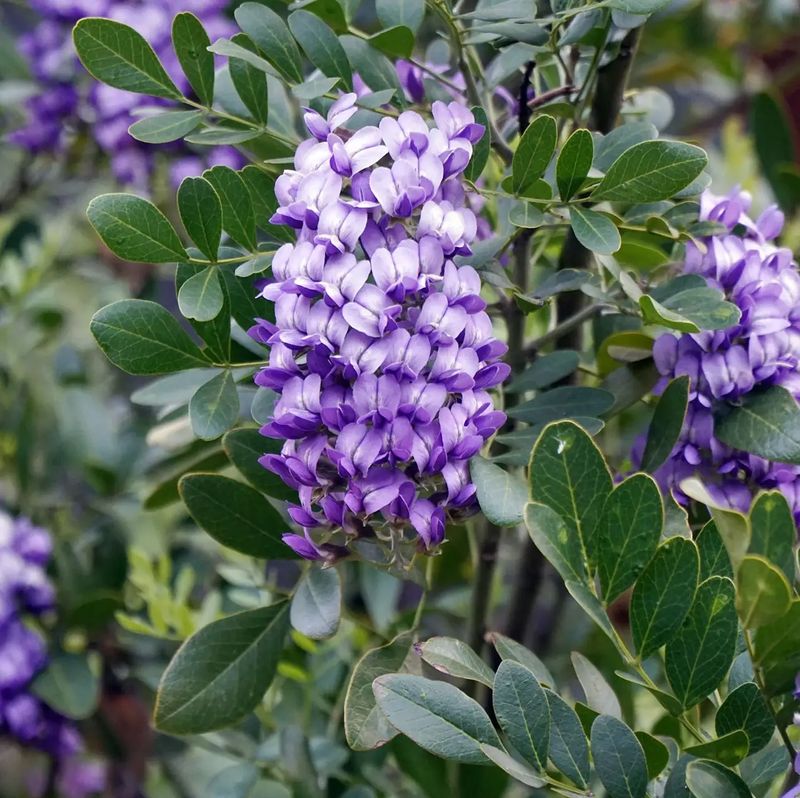
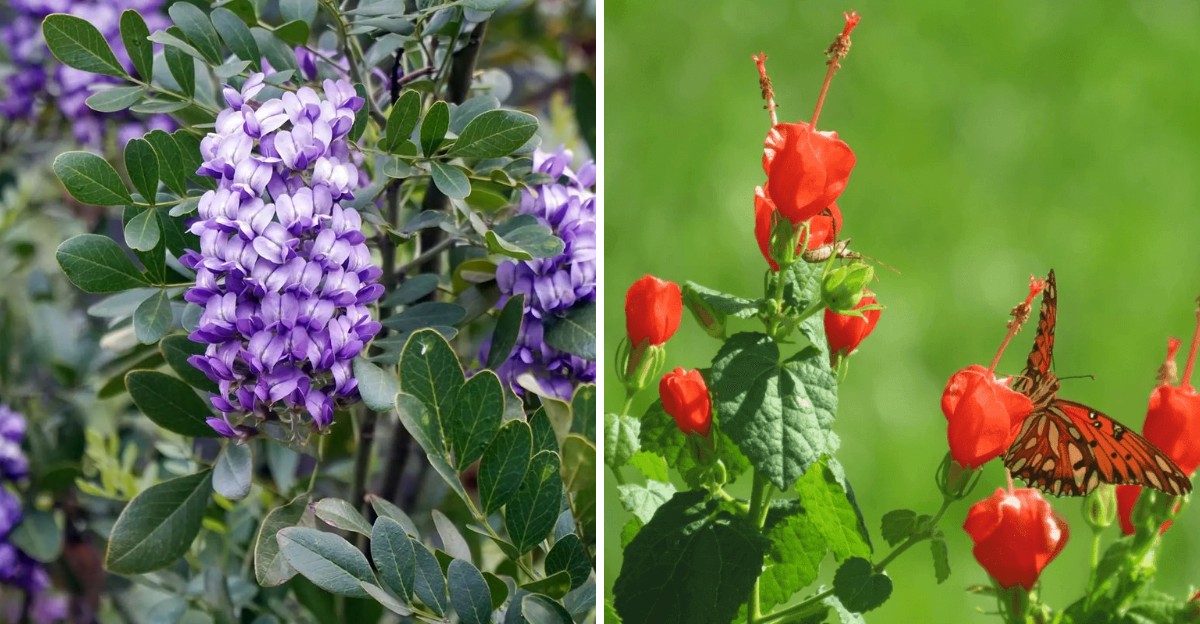
Come spring, Texas Mountain Laurel fills the air with a sweet smell that reminds many folks of grape soda. That surprising scent alone wins people over.
The plant grows as a large shrub or small tree with glossy, evergreen leaves. Even when it isn’t blooming, it looks neat and green all year long.
Fall is a smart time to plant it, since the roots grow slowly and need a head start. Give it time now, and you’ll enjoy purple flowers sooner.
Patience is key with this beauty. It grows slowly, but the payoff is a tough, long-lasting plant that handles drought like a pro once mature.
Full sun and rocky, well-draining soil make it happiest. Soggy ground is its worst enemy, so avoid low spots where water pools after rain.
Water it lightly while young, then back off as it grows. Too much water actually harms it, so let the soil dry between drinks.
The bright red seeds inside its pods look pretty but aren’t safe to eat, so keep them away from small children and pets who might grab them.
Bees love the spring flowers, and the dense leaves give birds a cozy place to hide. It quietly supports local wildlife in your yard.
Because it grows so slowly, nurseries only have so many at a good size. Gardeners who want a fuller plant snatch the bigger ones early each fall.
Native to Central and West Texas, this shrub belongs in our landscapes. Plant it now, and future springs will greet you with that unforgettable purple bloom and sweet perfume.
6. Flame Acanthus
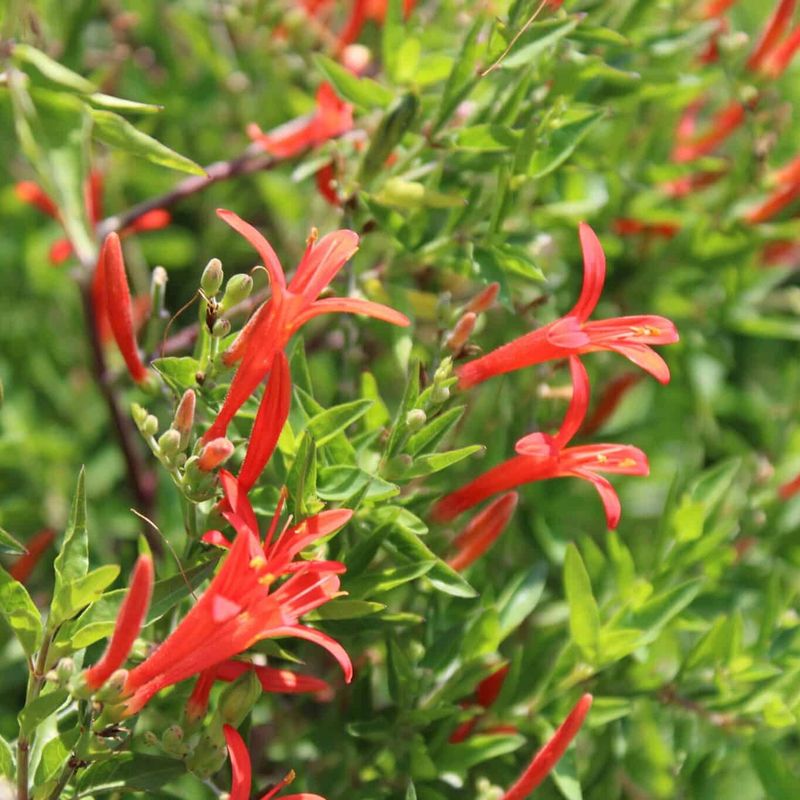
If hummingbirds had a favorite diner, Flame Acanthus would be at the top of the menu. Its fiery orange-red flowers keep the tiny birds coming back all summer.
This native shrub blooms during the hottest, driest part of the year when many plants slow down. That makes it a lifesaver for pollinators searching for food.
Planting in fall gives the roots a quiet season to grow strong. By the time next summer’s heat arrives, your shrub will be ready to burst into bloom.
Toughness is its middle name. Flame Acanthus laughs at drought, poor soil, and scorching sun, making it one of the most low-maintenance plants around.
It has a loose, airy shape that looks great in casual, natural gardens. A quick trim in late winter keeps it neat and encourages fresh growth.
Full sun brings the most flowers, though it tolerates a bit of shade. Just give it room to spread, since it fills out nicely over time.
Besides hummingbirds, butterflies and bees flock to the blooms too. Your garden becomes a busy, buzzing spot from summer into fall.
In colder parts of Texas, it may drop leaves in winter and return in spring. Don’t worry when it looks bare, because it bounces right back.
Nurseries carry it in fall, but it’s not always easy to find in big numbers. Native plant fans grab it quickly, so keep your eyes open.
Adding this shrub means adding life to your yard. Few plants work as hard in the heat while feeding so many little winged visitors day after day.
7. Turk’s Cap
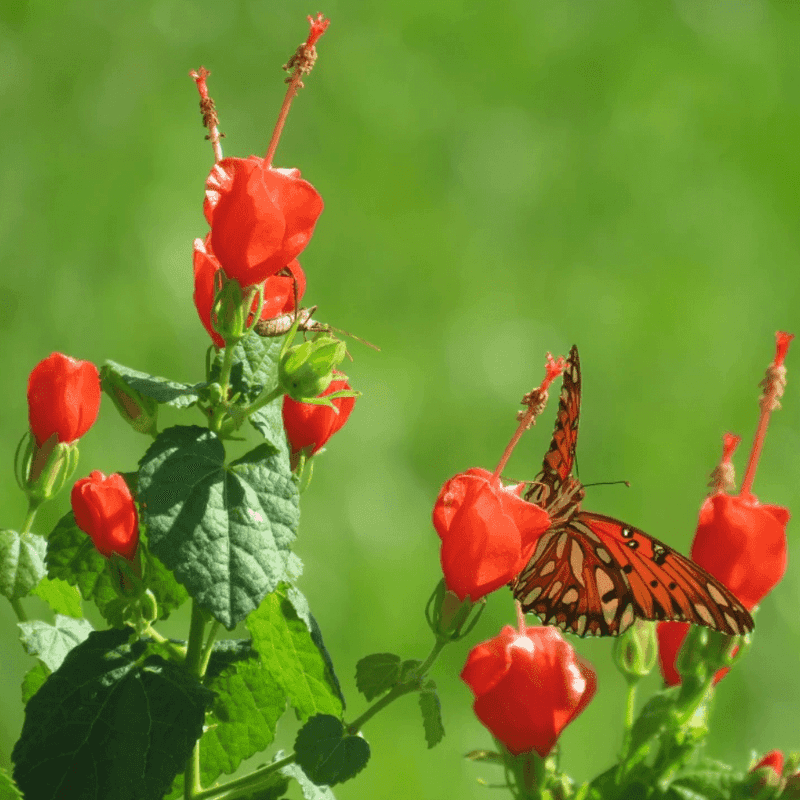
Ever seen a flower that looks like a tiny red turban? That’s Turk’s Cap, and its playful twisted blooms give this plant tons of charm.
Best of all, it actually thrives in shade, which is rare for a flowering Texas native. Those tricky dark corners of your yard finally have a colorful answer.
Fall planting helps it settle in gently. By spring, it starts pushing out lush green leaves and those cheerful red flowers that last for months.
Hummingbirds and butterflies can’t resist the swirled blooms. Even in shady spots, your garden will hum with visitors thanks to this friendly plant.
It handles both dry shade and regular watering, making it flexible for many yards. Once established, it needs very little attention from you.
The plant also produces small red fruits that birds enjoy eating. Some people even use the mild-tasting fruit to make jelly, so it’s a bonus treat.
Turk’s Cap can spread and fill an area over time, creating a soft, leafy patch. Trim it back in late winter to keep it looking fresh and full.
It dies back in cold weather but returns reliably each spring. Don’t panic when it disappears, because it’s just resting until warmer days.
This plant is a favorite among Texas gardeners who struggle with shady spots. Since demand runs high, nurseries often sell through their fall stock fast.
Bring home Turk’s Cap, and you turn a gloomy corner into a lively, colorful spot. It proves that shade gardens can be just as fun and full of life as sunny ones.