Why Virginia Beach Homeowners Should Do Different Fall Prep Than Richmond Ones
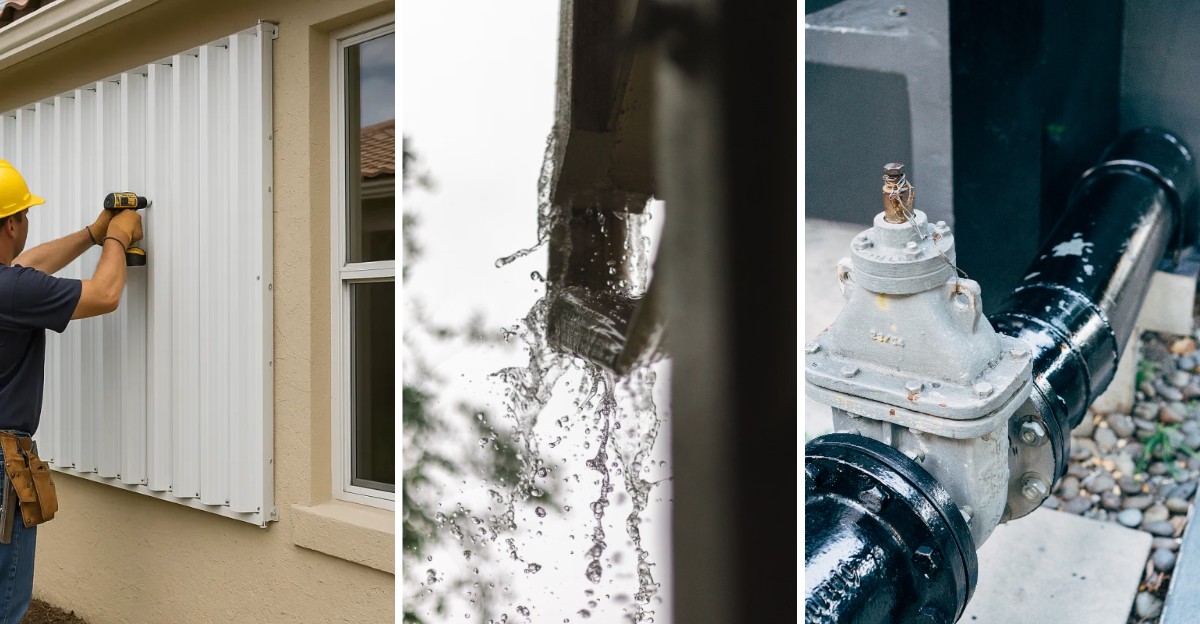
Your rugged coastline and your mountains argue about what autumn even means. Virginia refuses to hand you a weather story this season. Salt air corrodes your gutters while frost cracks your pipes elsewhere.
Wind warnings reach your coast while your inland roof faces ice. Storm surge threatens your porch along Virginia’s eastern edge. Falling branches threaten your car along the state’s western edge.
Zip code decides which threat actually reaches your door. Generic advice ignores that split, and it costs you. You need answers built for your exact stretch of ground.
Meanwhile your home works harder, and the clock keeps moving forward. Rain tests your foundation while wind tests your patience too.
Nobody warns you how differently these coasts truly behave. Threats stack quietly, waiting for you to notice them late. Guessing which threat reaches you hardest isn’t an option.
1. Rinse Salt Spray Off Metal And Fixtures
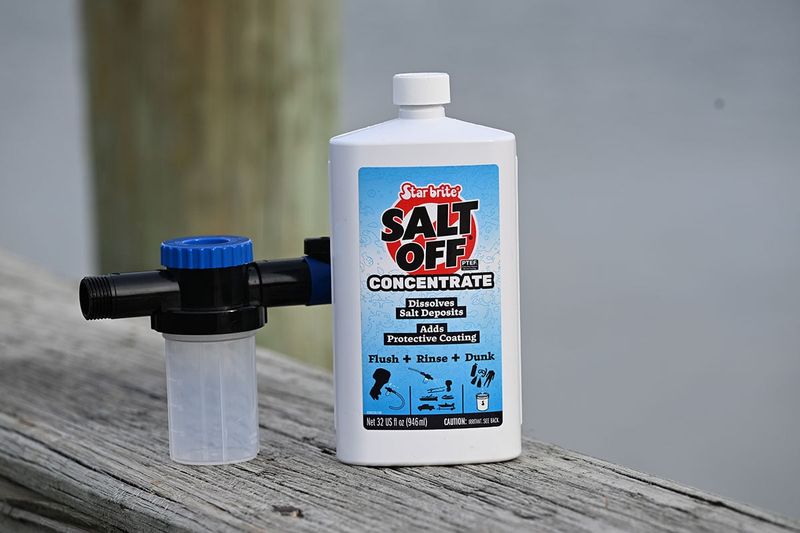
Salt is sneaky, and it travels much farther inland than most beach newcomers ever expect. Air conditioner coils, door hinges, and light fixtures corrode faster within a mile of surf.
A garden hose rinse every few weeks removes the film that quietly eats metal all winter. Focus on the outdoor condenser unit, since rusty fins shorten the life of expensive equipment.
Stainless steel sounds tough, yet cheap grades spot and pit quickly in coastal Virginia Beach weather. A light coat of automotive wax on railings and hardware buys surprising protection through winter.
Richmond homeowners can skip that whole routine, because salt mainly shows up on winter roads there. Their corrosion worries hit driveways, car undercarriages, and concrete after brine trucks roll through town.
Fall is also the right moment to swap rusted screws for stainless or coated replacements. Deck fasteners near the ocean often fail years earlier than identical ones in inland suburbs.
Check garage door springs, tracks, and rollers, since sticky metal usually signals creeping corrosion underneath. A quick spray of proper lubricant costs a few dollars and prevents a cranky morning.
Window screens hold salt like tiny sponges, so pull them out and wash both sides. Clean screens also help your home breathe during those mild, sticky October afternoons at the shore.
Fun fact: coastal builders often specify hot dipped galvanized hardware for exactly this stubborn reason. Your house is continuously exposed to salt air.
2. Inspect Crawl Spaces And Flood Vents For Water
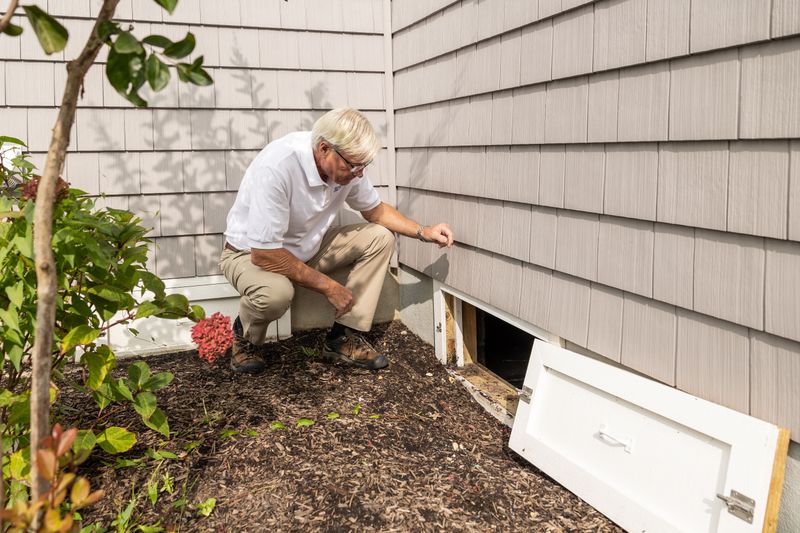
Plenty of Virginia Beach homes sit only a few feet above the local water table. Autumn king tides and nor’easters can push groundwater up through crawl spaces and low yards.
Flood vents should stay clear of mulch, leaves, and toys so water can pass through freely. Blocked vents trap moisture, which invites mold, musty odors, and warped flooring right above your feet.
Check that your sump pump actually runs, then test the backup battery before storm season peaks. A pump that failed quietly back in July becomes a very loud problem in October.
Richmond crawl spaces usually stay drier, though clay soil holds rainwater against foundations for days. Their bigger fall job involves grading, downspout extensions, and steering water away from finished basements.
Basements barely exist near the oceanfront, so inland readers get a whole extra inspection list. Look for white mineral stains, damp corners, and hairline cracks while autumn rain tests everything outside.
Coastal homeowners should also lift stored items onto shelves or sealed plastic bins off concrete. Cardboard boxes sitting on a damp crawl space floor rarely survive a wet coastal season.
Vapor barriers tear over time, and a torn barrier lets humidity climb into your living room. Patching plastic sheeting costs almost nothing compared with replacing buckled hardwood floors later on.
Both cities share one truth: water patiently finds the cheapest shortcut into your quiet house. Crawl space problems are often discovered too late, in late fall.
3. Start With Hurricane Prep At The Coast

Late September sits inside peak season for tropical storms rolling up the Atlantic toward Virginia Beach. Richmond homeowners feel the leftovers of those storms, but the ocean side takes the first punch.
Coastal families should check shutters, window film, and door braces before a storm forecast develops. Keep plywood cut, labeled, and stacked in the garage so installation takes minutes instead of hours.
Loose items become flying objects, so grills, kayaks, and patio chairs all need a storage plan. Photograph your home inside and out for insurance records while the weather still feels calm.
Richmond yards face different trouble, mostly falling branches and street flooding from slow, soaking rainfall. Storm shutters there would mostly collect dust, since sustained hurricane winds usually weaken far inland.
Flood insurance waiting periods run around thirty days, which makes an early September phone call pretty smart. Beach residents without coverage should compare rates now instead of watching a storm track later.
Generators deserve a test run, fresh fuel, and a safe outdoor spot far away from windows. Inland neighbors benefit too, though their outages usually arrive with ice rather than salty gusts.
Evacuation routes and pet plans matter much more when your street sits four feet above sea level. One tidy checklist beats a frantic hardware store run beside three hundred other shoppers.
Salt air also rusts fasteners, so storm hardware deserves a quick test every single fall. A seized shutter bolt can slow down storm prep considerably.
4. Double Up On Gutter Cleaning In Richmond
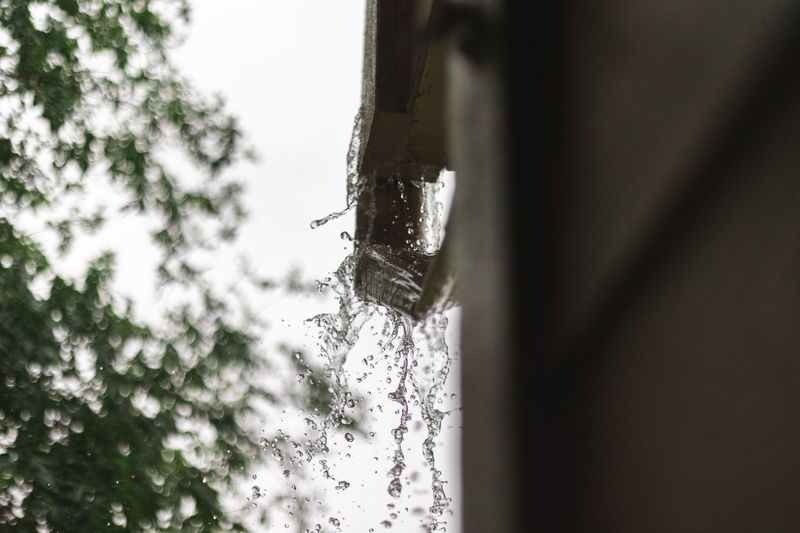
Richmond streets hide under oaks, maples, and sweetgums that dump heavy leaves well into November. Virginia Beach yards lean toward pines, crape myrtles, and wax myrtles with much lighter autumn litter.
Inland homeowners really need two separate gutter cleanings, one around mid October and another after Thanksgiving. Skipping the second round leaves a soggy plug that freezes and slowly peels gutters loose.
Pine needles behave differently, weaving into thick mats that slip past standard leaf guards easily. Coastal roofs need finer mesh screens instead of the wide inland versions sold at big stores.
Salt air corrodes gutter seams and fasteners, so beach homeowners should hunt for rust streaks. Resealing corners with a flexible sealant beats replacing twenty feet of sagging aluminum gutter.
Where you send the water matters too, especially on the flat lots near the oceanfront. Downspout extensions should carry runoff toward swales or streets, never toward your crawl space vents.
Richmond’s hillier lots mean ladders on uneven ground, which is how ladder accidents on uneven ground can happen. Hiring help for steep two story sections costs far less than an emergency room visit.
Cleaning too early inland is mostly wasted effort, since the biggest leaf drop arrives later. Mark your calendar for late October and then again for early December instead.
Gutters seem boring until water sneaks behind fascia boards and finds your bedroom ceiling drywall. Ceiling leaks are a common and costly outcome of clogged gutters.
5. Prune Tree Limbs For Wind, Not Just Ice
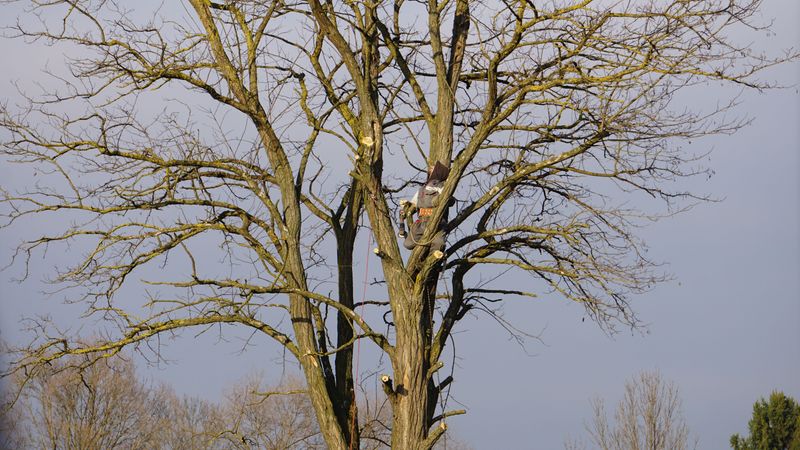
Wind puts significant stress on coastal trees, and it exposes weak pruning fast. Thinning a dense canopy lets gusts pass through instead of shoving the whole tree sideways.
Sandy Virginia Beach soil holds roots loosely, so tall pines can lean or tip during storms. Remove broken limbs, hanging branches, and anything already resting against siding or a roofline.
Topping a tree looks like a fix, yet it creates weak regrowth that snaps later. A certified arborist costs money once, while a limb through your roof costs much more.
Richmond pruning follows a different logic, aimed mostly at snow weight and winter ice loads. Heavy horizontal limbs over driveways and bedrooms deserve attention before January glazes everything shut.
Dormant season pruning, meaning December through February, suits many inland hardwoods like oaks and maples. Cutting large limbs during warm September weather can invite insects and fungal trouble instead.
Power line clearance matters in both cities, though coastal outages climb fast during tropical weather. Call your utility rather than trimming near any wire yourself, no matter how confident you feel.
Beach homeowners should also watch for salt burned foliage, which signals stress rather than normal aging. Healthy, well shaped trees handle sixty mile per hour gusts far better than neglected ones.
Did you know live oaks survive coastal storms partly because of flexible, low, sprawling limbs? Maples, by comparison, are far less wind-resistant than coastal-adapted species like live oaks.
6. Winterize Pipes Earlier In Richmond Neighborhoods
Frost keeps a calendar, and that calendar runs earlier around Richmond than along the coast. Inland neighborhoods often see their first freeze in late October or very early November.
Virginia Beach typically sees its first frost in early to mid November, about a week later than Richmond, though exact timing varies by year. That gap changes when each homeowner should start pipe protection work.
Richmond folks should disconnect hoses by early October, then drain and insulate exposed outdoor spigots. Frost free hose bibs still burst when a hose stays attached through a cold snap.
Irrigation blowout appointments fill up fast inland, so book that service before the first hard freeze. Coastal systems can usually wait a bit longer, though January cold snaps reach everyone.
Crawl space pipes near the beach sit in vented, breezy spaces that can freeze surprisingly quickly. Wrap them with foam sleeves rather than sealing flood vents shut for winter warmth.
Unheated garages, laundry rooms, and attic plumbing lines deserve a look in both cities. A twenty dollar foam kit prevents a repair bill with several uncomfortable zeros attached.
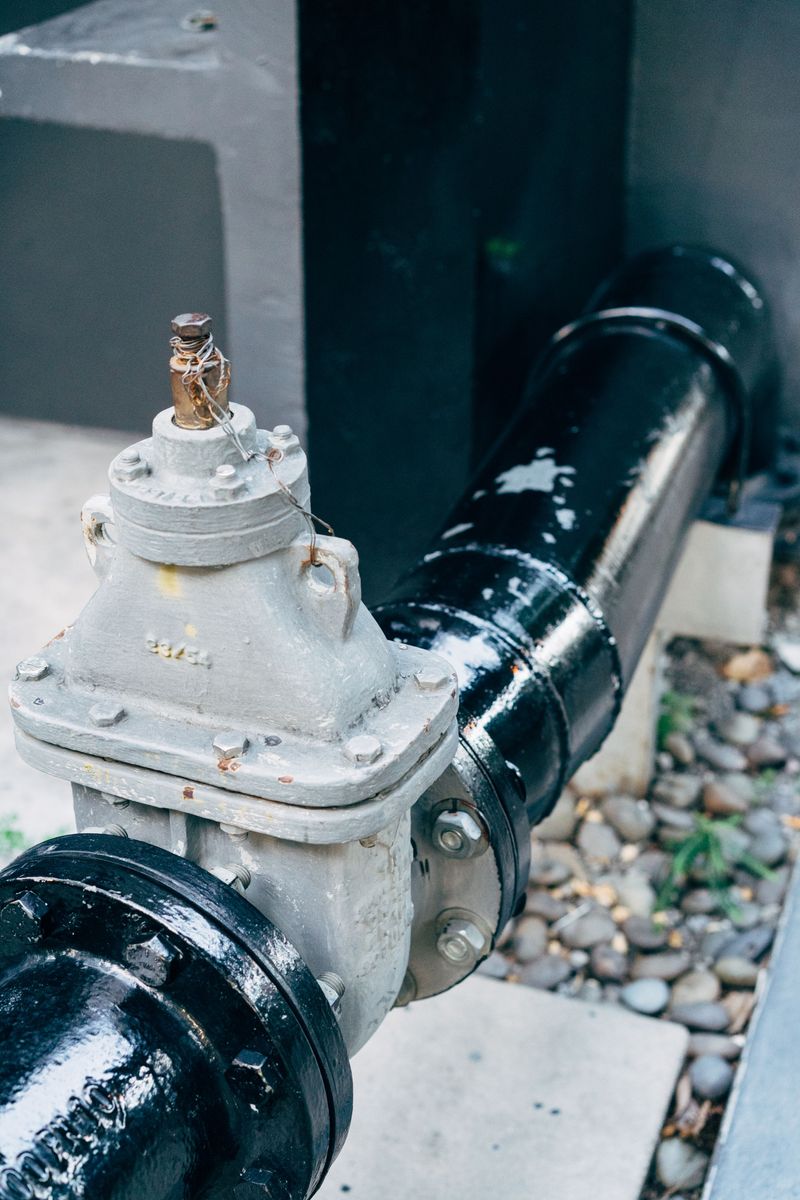
Know where your main shutoff valve hides, and make sure it actually turns smoothly. Teach everyone in the house that location, because plumbing emergencies rarely happen at convenient hours.
Water expands roughly nine percent when it freezes, which copper pipes strongly dislike. January is peak season for burst-pipe repairs, which is reason enough to prep in September.
7. Seed And Feed Lawns On Separate Calendars

Grass type splits these two cities more sharply than almost any other fall chore. Richmond lawns usually grow tall fescue, a cool season grass that loves September planting.
Mid September through early October is prime seeding time for inland fescue and bluegrass mixes. Core aerate first, spread seed, then keep the surface damp for two or three weeks.
Heavy Richmond clay compacts badly, so aeration matters as much as the seed itself. A soil test often reveals low pH, which lime can gently correct over winter.
Virginia Beach lawns lean warm season, with bermuda, zoysia, and centipede grass ruling most yards. Seeding those grasses in autumn wastes money, since they head toward dormancy after cool nights.
Coastal homeowners should finish feeding warm season turf by early September, then simply stop. Late nitrogen pushes tender growth that winter weather quickly damages with brown, patchy spots.
Sandy soil drains fast, so beach lawns need lighter, more frequent watering and feeding. Nutrients wash straight through sand, while clay grips them stubbornly for months inland.
Overseeding with annual ryegrass gives coastal yards temporary winter green, purely for curb appeal. Skip it if you plan a spring bermuda comeback, because ryegrass competes aggressively.
Salt spray tolerance also matters, which is why seashore paspalum appears in oceanfront neighborhoods.
8. Service Heating Systems With Local Weather In Mind
Heating bills tell the story better than any weather map ever could. Richmond homes typically log more heating degree days each winter than similar houses near the ocean, since coastal temperatures stay milder.
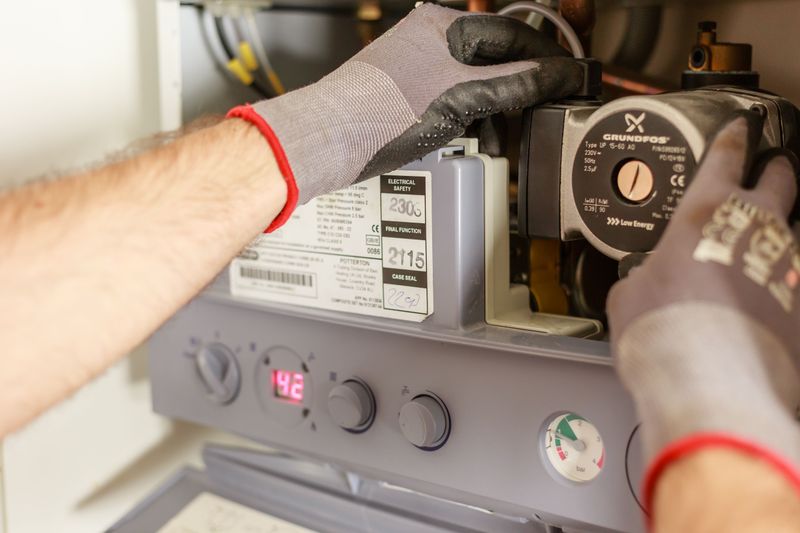
Inland systems lean on gas furnaces, so a September tune up beats waiting for a November rush. Technicians check heat exchangers, flame sensors, and flue pipes long before the first cold morning.
Chimney sweeps stay busy around Richmond, where fireplaces and wood stoves get regular winter workouts. Creosote buildup and cracked flue liners cause fires that a simple inspection would have caught.
Virginia Beach homes usually run heat pumps, which handle mild coastal winters efficiently and quietly. Those units need clean coils, a working reversing valve, and functional backup heat strips.
Emergency heat costs a fortune, so test it now and confirm the system switches properly. A stuck heat pump running on strips can significantly spike a monthly electric bill.
Humidity lingers at the coast well into October, which means dehumidifying still matters there. Inland houses dry out instead, and a humidifier keeps wood floors and sinuses happier.
Replace filters in both cities, then check that supply vents sit open and unblocked. Ask about a programmable thermostat, since heat pumps prefer steady settings over dramatic swings.
One neighbor stacks firewood while the other still runs the pool pump in October. Same state, same month, two very different opinions about what counts as sweater weather.