Your Louisiana Humidity Is The Secret To A Blooming Christmas Cactus
You sigh at the Louisiana humidity while a plant behind you drinks it in. Your Christmas cactus is no desert dweller, whatever the name suggests.
Picture it in Brazil, perched on a branch, wrapped in cool, drifting mist. Those roots hug bark instead of soil, so you own an air drinker.
Dry living rooms disrupt that design, and your buds may drop. Muggy air by your Louisiana window delivers the dampness those buds crave.
Plump, glossy stems reward you for that natural moisture. Flat segments, not leaves, form those stems, and you can root a trimmed piece.
Humidity supports growth for you, but darkness guides the bloom. Long, uninterrupted nights prompt buds, and you can schedule them to open by December.
Cool air helps too, and your window ledge sets the stage. Shape the dark hours that prompt your blooms.
Moist Louisiana Air Mimics A Rainforest Home
Picture a cactus, and you probably imagine a dry desert with tumbleweeds rolling past. Your holiday plant comes from a very different world, high in the coastal mountains of Brazil.
There, it grows on tree branches instead of in the ground, a lifestyle called epiphytic. Clouds and fog drift through those forests often, keeping the air soft, cool, and wet.
Louisiana air often sits between sixty and ninety percent humidity for much of the year. That range matches what a Christmas cactus loves, which is fifty percent humidity or higher.
Humid air helps the flat, segmented stems stay plump and glossy instead of thin and wrinkled. It also slows moisture loss from the plant, so it can stay healthy enough to make flowers.
Folks in dry climates sometimes run humidifiers just to keep these plants comfortable. Louisiana offers that benefit naturally whenever your plant sits on a porch or patio.
Moist air also helps the tiny pink buds open instead of drying out before they bloom. Dry indoor air is one of several reasons buds fall off early, along with drafts and sudden changes.
Of course, air conditioning can strip moisture from your home during the hot months. Keeping the plant in a bright room away from vents protects that natural Gulf Coast advantage.
Think of your climate as a natural advantage that many gardeners would envy. Your main job is simply to work with that gift rather than against it.
October Nights Set The Bud Clock
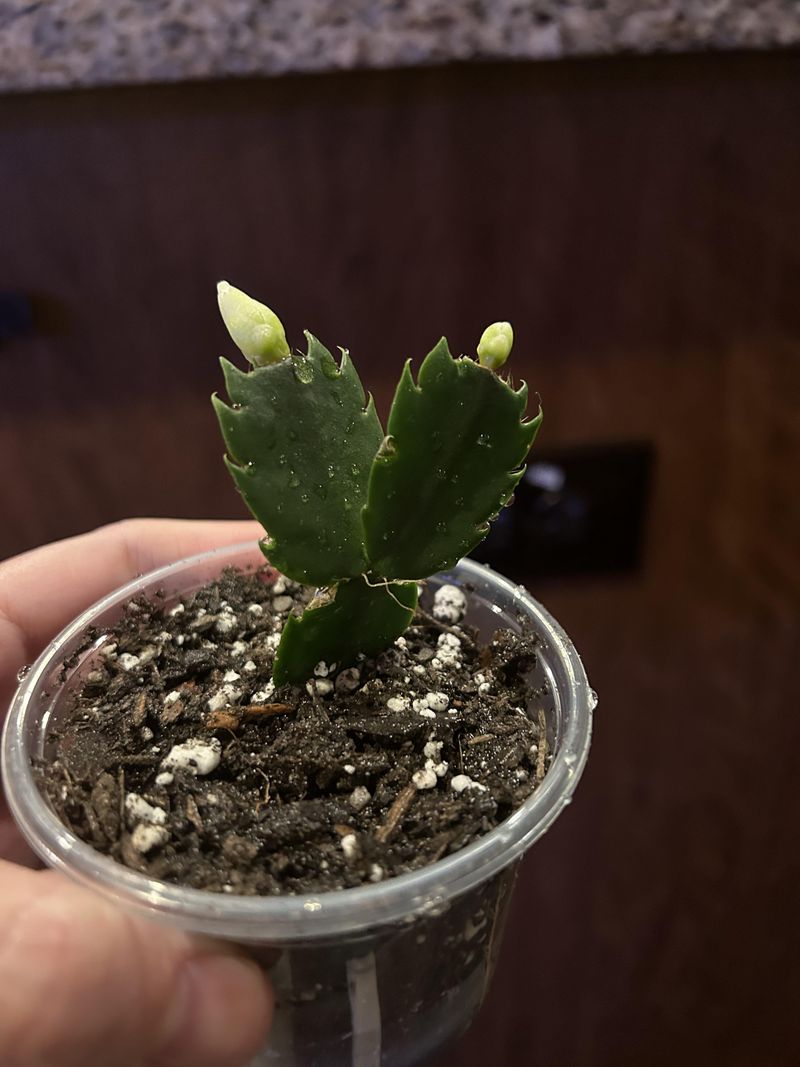
Right about now, as October cools the evenings, your plant starts checking its internal calendar. Longer nights and cooler air are the two signals it needs to start forming buds.
Botanists call it a short-day plant, which simply means that long stretches of darkness trigger flowering. It wants about twelve to fourteen hours of uninterrupted darkness each night for roughly six weeks.
Temperature matters too, and Louisiana gives you a nice break here. October and November nights often dip into the fifties and low sixties, which is the sweet spot.
Setting your plant on a shaded porch or patio for a few weeks can help. Just bring it inside if a cold front pushes temperatures below fifty degrees.
Your Louisiana Garden Changes Every Week. Your Plan Should Too.
Gardening in Louisiana changes quickly throughout the season. Every Friday you’ll receive a simple weekly plan showing exactly what to plant, prune, fertilize, harvest, and protect so you never miss the right timing.
Indoors, keep it in a quiet room where the lamps stay off after the sun goes down. Even a porch light or television glow can confuse the plant and delay its buds.
Some gardeners slip their pot into a closet each evening and pull it back out at breakfast. That trick works, but a quiet spare bedroom does the same job with less fuss.
Meanwhile, the humid air outside keeps the stems from drying out during this resting period.
Cut back a bit on watering and skip fertilizer until you spot little buds forming at the tips. Those buds usually appear within three to six weeks of steady cool, dark nights.
Many plants sold as Christmas cactus are really Thanksgiving cactus, which often bloom a bit earlier. Blooms often open six to ten weeks after long nights begin, which can bring color by Christmas.
The Overwatering Risk In A Humid Climate
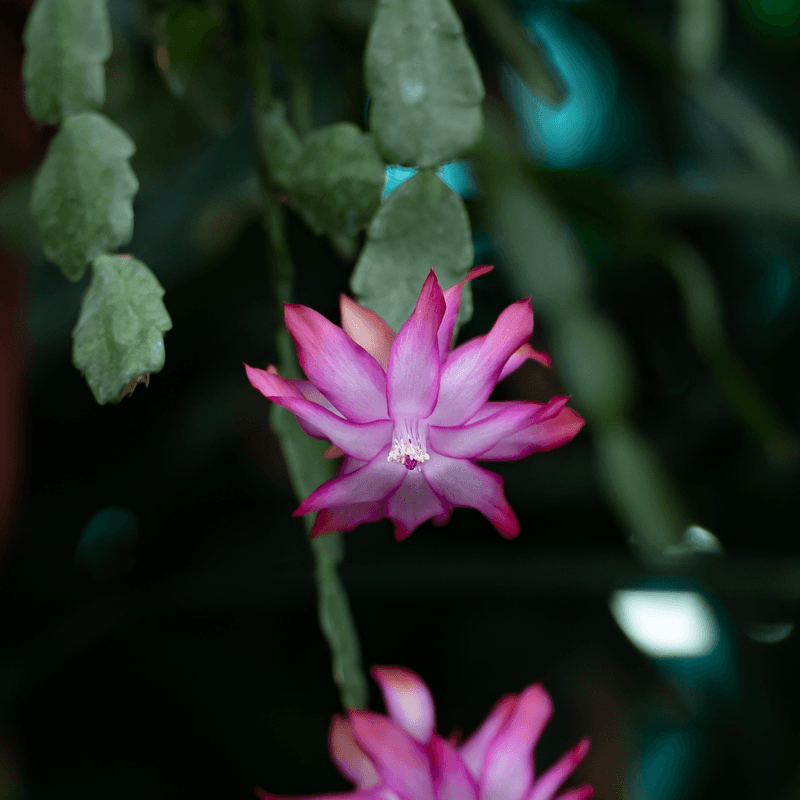
Some gardeners share the same confession about their first plant. They watered it like a fern, and the roots turned mushy within weeks.
Humid air slows down how fast soil dries out. A pot may stay damp far longer in Baton Rouge than in a dry climate like Denver.
Soggy soil cuts off oxygen to the roots and invites root rot. Once rot sets in, stems go limp, turn yellow, and may drop off in clumps.
The fix starts with your finger, not your calendar. Poke it about an inch into the soil, and only water when that top layer feels dry.
Pots matter just as much as your watering habits. A clay pot with a drainage hole lets extra moisture escape through its walls and bottom.
Skip decorative pots without holes, even the cute ones from the garden center. If you love the look, set a plain plastic nursery pot inside and empty any standing water.
Soil choice is your next safety net. Blend potting soil with orchid bark or perlite so water drains fast and roots can breathe.
During the rainy summer months, move outdoor pots under a covered porch to dodge heavy downpours. A single afternoon storm can soak the soil far more than you would ever plan.
Think of the humidity as a slow brake on drying soil. With the air doing part of the work, your watering can deserves a little vacation.
A Pebble Tray And Porch Shade Fix
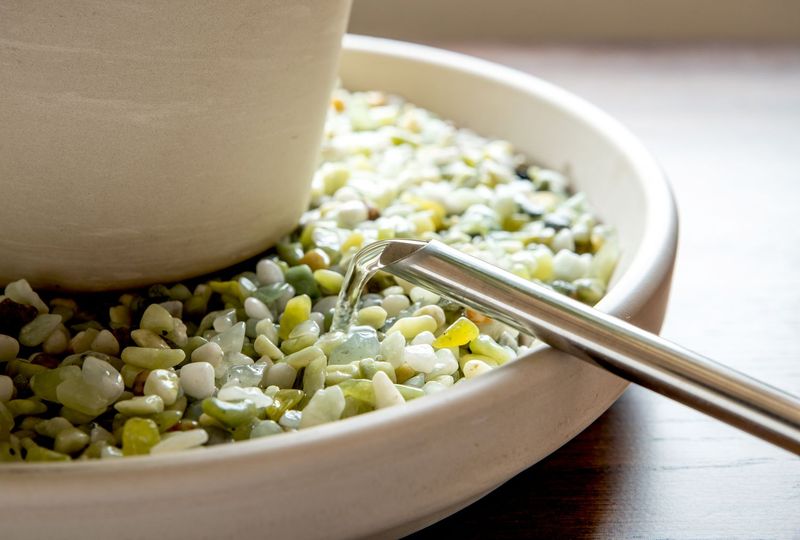
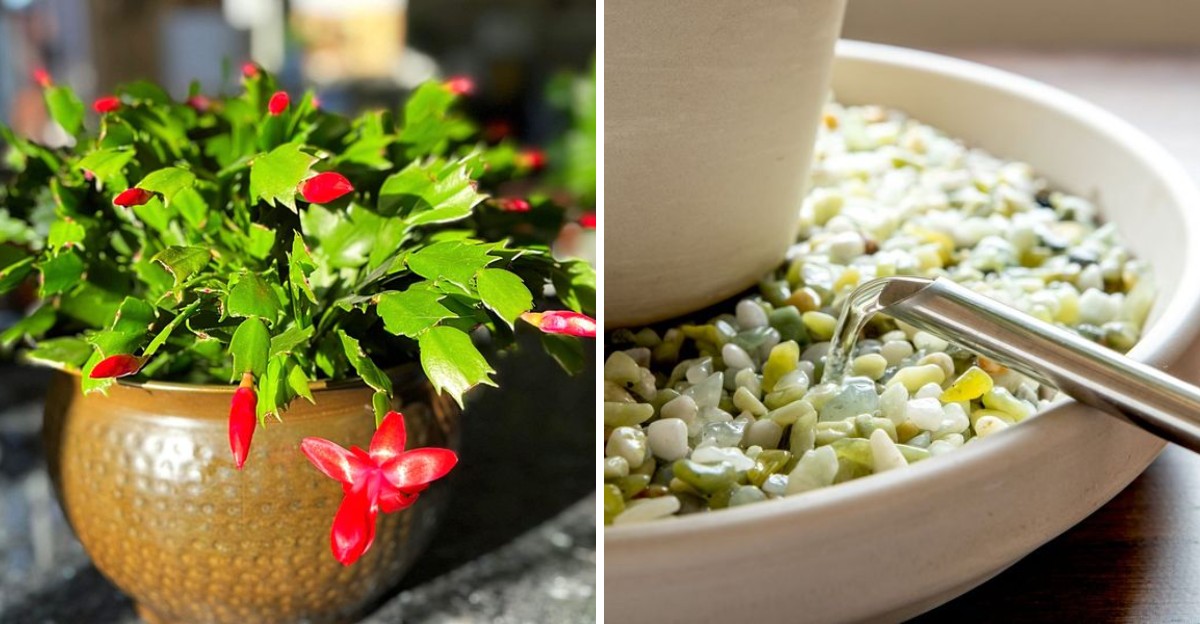
Many gardeners keep holiday plants on a tray of creek gravel beside the kitchen sink. It is a decades-old habit, though research shows its effect on humidity is small.
A pebble tray is just a shallow dish filled with small stones and a little water. As the water evaporates, it adds a small amount of moisture to the air around the plant.
Keep the water level below the top of the pebbles so the pot stays dry underneath. Refill the tray every few days, especially when the heater starts running in winter.
The setup may help slightly when indoor air feels dry from heating or air conditioning. Outdoors, Louisiana humidity handles the moisture job without any help from you.
Light is the other half of the fix. Bright, indirect light keeps the plant healthy, while strong afternoon sun can stress its stems and turn them reddish.
A covered porch facing east is a good spot from spring through early fall, as long as summer heat stays moderate. Morning sun gives gentle energy, and the roof blocks the strongest rays after lunch.
Indoors, a spot a few feet from a bright window works nicely. Sheer curtains can soften strong light if your window faces south or west.
Grouping several houseplants together can also raise the moisture around them a little. Each plant releases water through its leaves, so a little cluster becomes a slightly moister pocket of air.
Avoid misting the stems too often, since water sitting on them can encourage fungus. A pebble tray adds a little moisture without leaving water on the stems.
A Holiday Crown Of Pink And Red Blooms
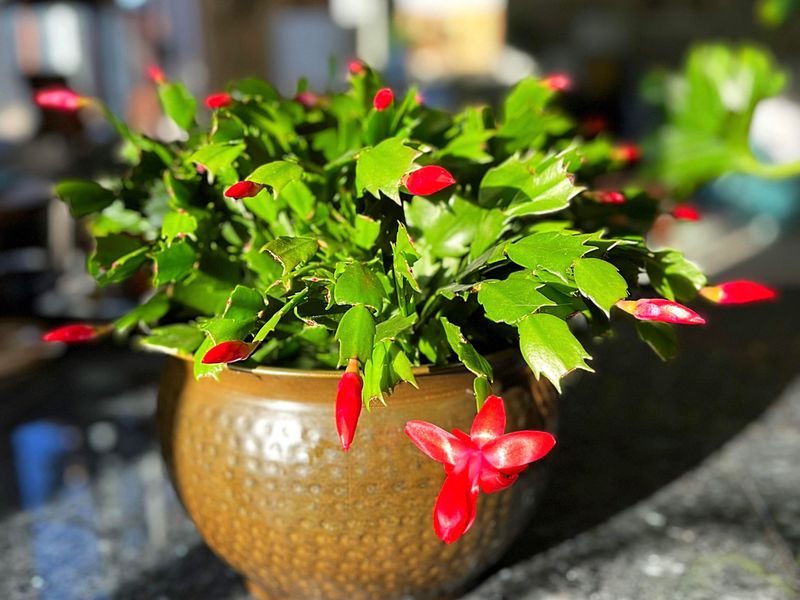
A plant covered in bright flowers is a rewarding sight while the oven fills the house with cornbread smells. That payoff is what all your October care is building toward.
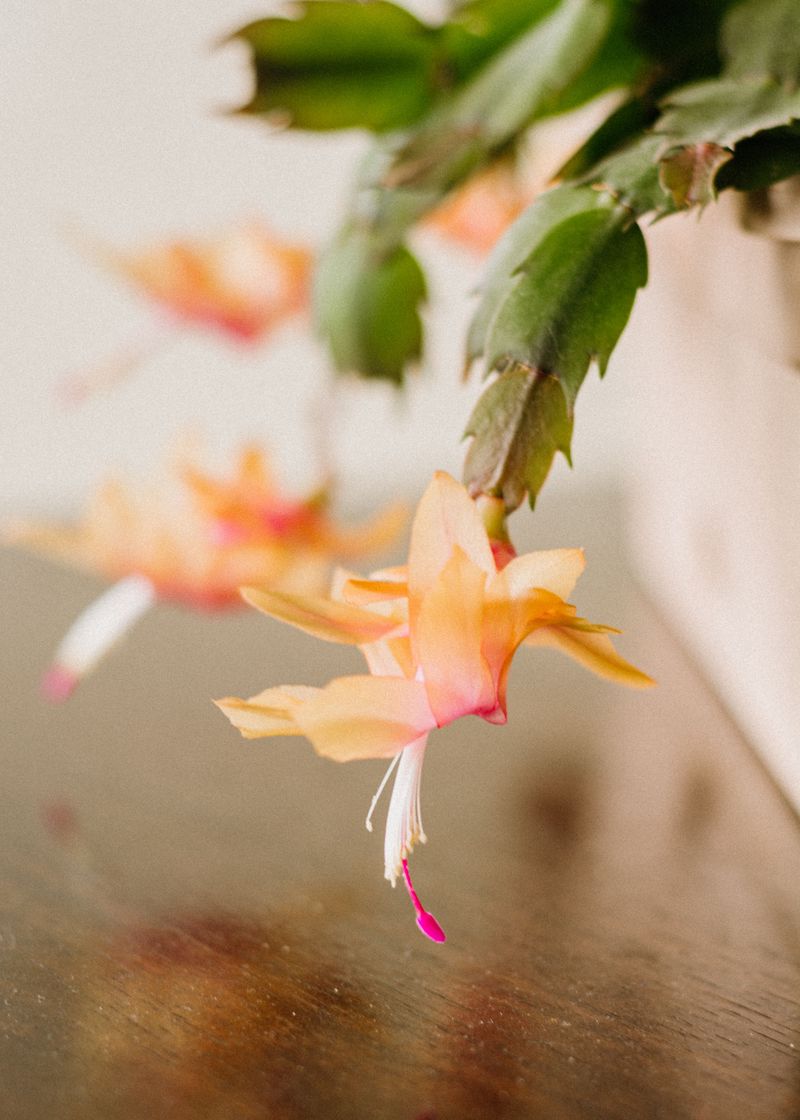
Each bloom dangles from the tip of a stem segment like a tiny paper lantern. Colors range from hot pink and red to soft white, peach, and even yellow.
A healthy, well-cared-for plant can produce dozens of flowers at once. The show often lasts six to eight weeks, usually running from late November into January.
Humid air can support that long display. Moist surroundings help petals stay fresh and each flower stay open a bit longer.
Bloom size depends mostly on long dark nights, cool temperatures, bright light, and plant maturity. A mature plant with steady care can look like a holiday wreath.
Some of these plants live for decades, and families often pass them down for generations. Many keep blooming each December for a very long time.
Once the buds form, try to keep the pot in one spot. Moving it around or turning it can stress the plant and cause flowers to drop.
Keep watering lightly and enjoy the color without worrying about fertilizer just yet. Feeding can wait until spring, when fresh green growth starts showing up at the stem tips.
A blooming pot also makes a thoughtful gift for neighbors, teachers, or a favorite church friend. Just wrap it loosely so the delicate blooms stay safe on the ride over.
Dropped Buds And Rot Prevention All Winter
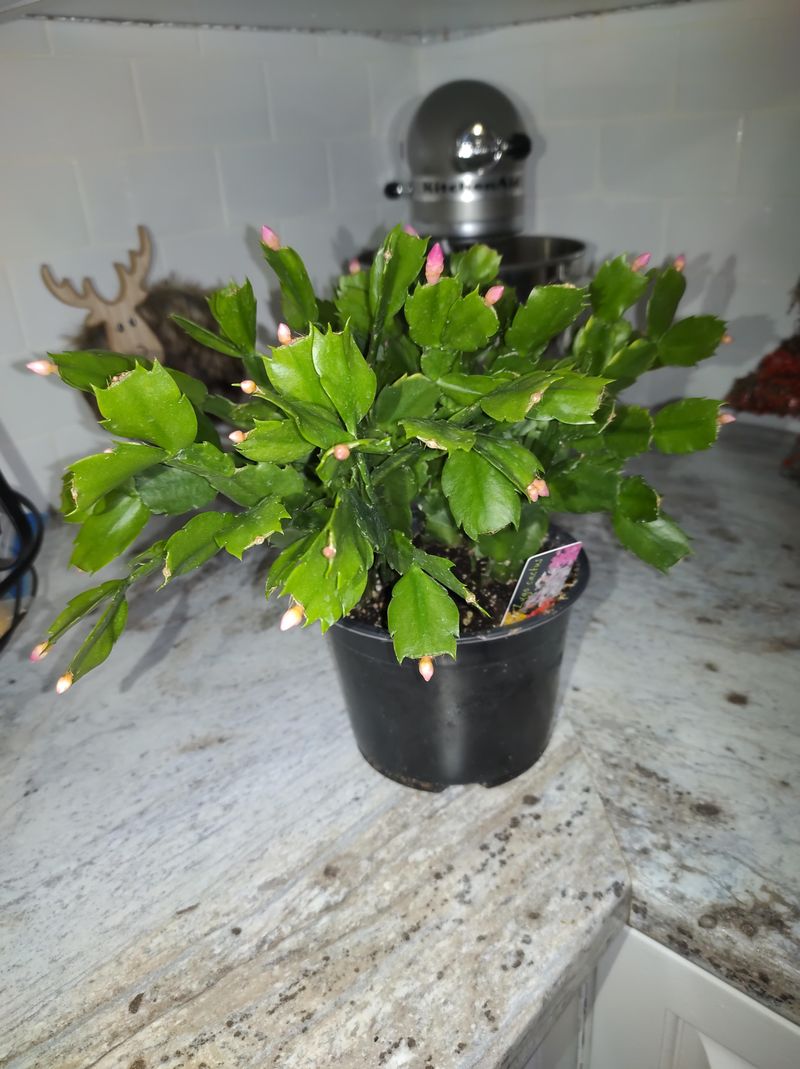
It is disappointing to find a pile of pink buds on the floor one morning. Bud drop is common, and it usually has a clear cause you can fix.
Sudden changes in the plant’s surroundings are the most common cause. A cold draft, a blast of heater air, or a new spot can all trigger it.
Louisiana winters vary widely, with seventy-degree afternoons followed by frosty nights. Keep your plant indoors once temperatures drop below fifty, and keep it away from exterior doors.
Heating systems dry indoor air surprisingly fast, even in a humid state like Louisiana. Run that pebble tray or a small humidifier nearby when the furnace kicks on.
Rot remains the other winter threat, since cooler soil dries even more slowly. Water a bit less in December and January, letting the top inch dry between drinks.
Check the base of the stems once a week. Soft, dark, or mushy spots suggest rot, so remove the affected tissue and repot into fresh, dry soil, ideally after blooming ends.
Fungus gnats can also show up when soil stays damp too long. Let the soil dry a bit more, and sticky yellow traps will catch the adults.
After blooming ends, give the plant a short rest with less water for about a month. In spring, pinch back a few segments to encourage bushier growth and more flower tips.
With steady care, your plant can bloom again in many winters. That humid summer air becomes one of several things that help it keep blooming.