A White Visitor From The Arctic May Be Watching You From A Minnesota Fence Post This November
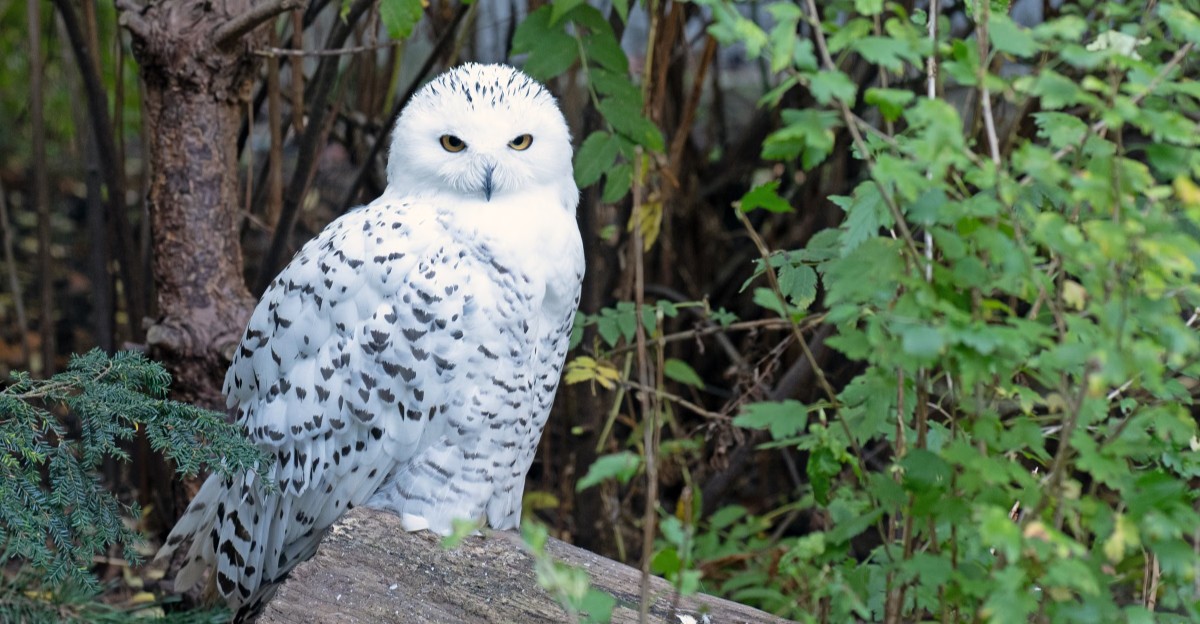
A bird that spends summer in the Arctic can show up on a Minnesota farm fence in November. It may sit there for hours, barely moving, while cars roll past.
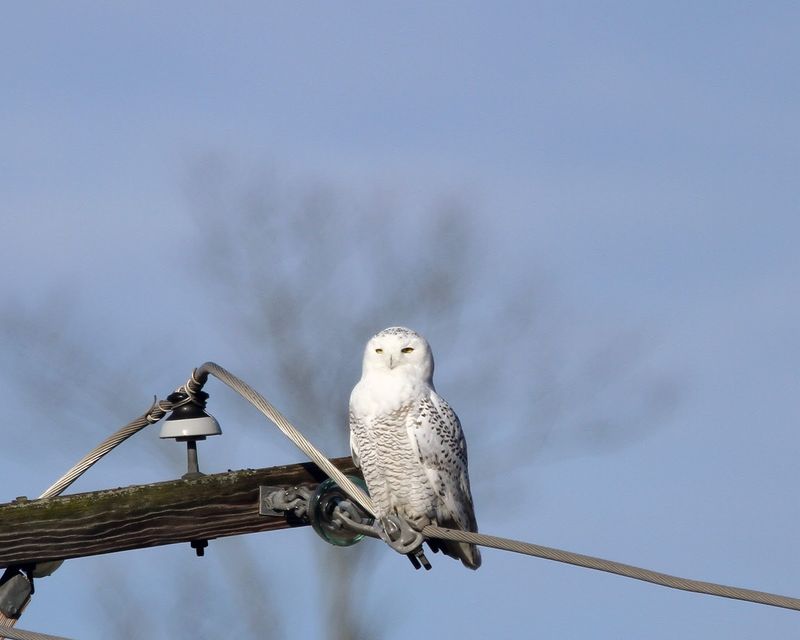
I spotted one last fall and thought it was a plastic bag snagged on a post. Then it turned its head and stared right at me with bright yellow eyes.
You might notice these visitors in open country across Minnesota, especially in some winters more than others. They hunt in daylight, they love flat ground, and they look almost unreal against brown November fields.
Some years bring just a handful. Other years bring dozens, and birders still debate exactly why. So what draws an Arctic hunter all the way down to our fields?
That Pale Lump on the Fence Post Might Have Yellow Eyes
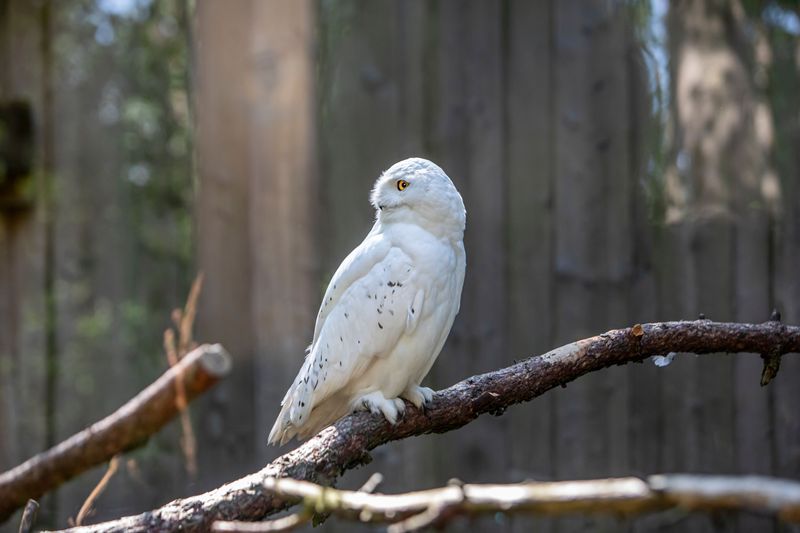
Out in the countryside, a white blob on a fence post often turns out to be a plastic bag or a patch of early snow. Every so often, though, the blob blinks. That is your clue that a snowy owl has arrived.
Snowy owls nest on the open Arctic tundra. Each fall and winter, some of them travel south into southern Canada and the northern United States, and Minnesota sits right in their path.
The Minnesota DNR notes that they usually show up from November into March, though early birds sometimes appear in late October.
These owls are big. They stand about two feet tall with a wingspan close to five feet, making them one of the heaviest owls in North America. Their size alone makes them easy to notice once you know what to look for.
I love how calm they seem. A snowy owl may sit on one post for most of the day, swiveling its round head and watching the field. It is not lazy, just patient.
So the next time you drive past open farmland, slow your eyes down. Scan the posts, poles, and hay bales. The Arctic might be sitting closer than you expect.
Big Lemming Years Up North Can Send More Snowy Owls South
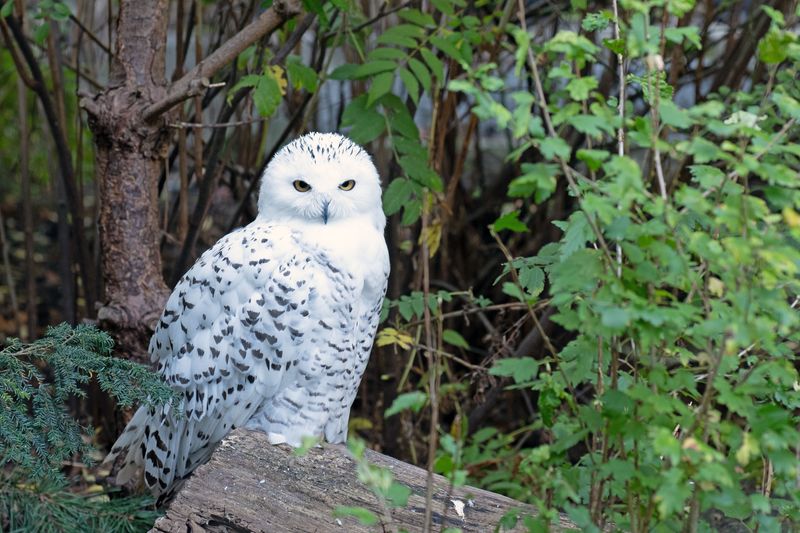
Lemmings, those small round rodents of the tundra, hold the key to much of this story. When lemmings boom in the Arctic, snowy owls raise large families. More young owls then spread out across the map the following winter.
Birders call a big southward push an irruption. Researchers, including teams working with Project SNOWstorm, have found that many irruptions follow a strong breeding season rather than a food shortage.
In other words, a crowded year up north can mean more owls looking for space down here. Young birds, especially young females, tend to travel the farthest. Older adults often stay closer to their breeding grounds or winter along northern coastlines.
That is why so many of the owls seen in Minnesota have heavy dark markings. Not every winter is an irruption year.
Some seasons bring only a few sightings across the state, while others bring many dozens. Scientists still study the full mix of reasons, including weather and prey cycles.
You can follow the action yourself. Websites like eBird show recent sightings, and they often reveal whether this November looks quiet or busy. Checking those maps before a weekend drive is a fun way to plan a search.
Wide Open Farm Fields Feel Like Tundra to a Snowy Owl
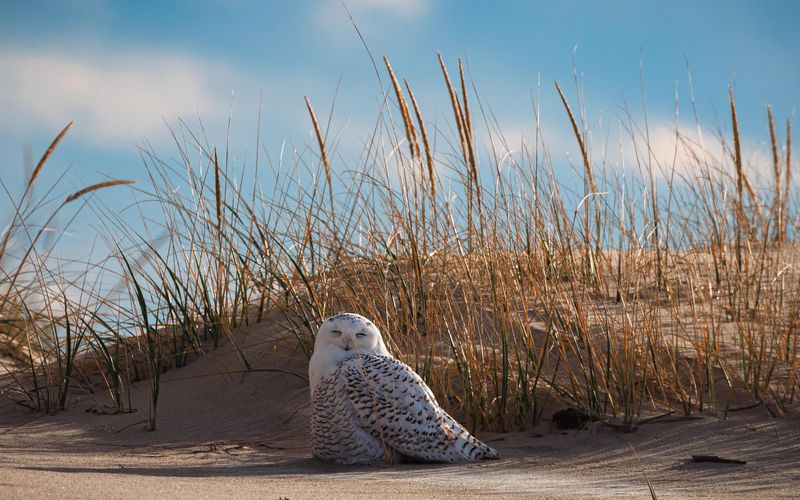
Trees make a snowy owl uneasy. Back home, the tundra stretches flat and treeless for miles, so these owls look for the same feeling in winter.
In Minnesota, that means farm fields, prairie, large wetlands, lakeshores, and even airports. Duluth and the Lake Superior shoreline attract owls, and so do the wide agricultural areas of the western and southern parts of the state. Big frozen lakes can draw them too.
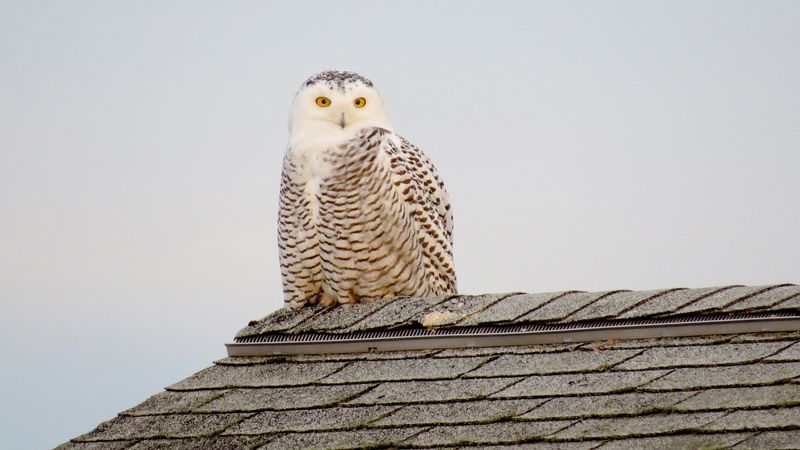
Height matters to a hunter. Owls choose fence posts, hay bales, rooftops, grain bins, and utility poles because those perches give a long view across the ground. You will rarely find one tucked deep in a forest.
Unlike most owls, snowy owls hunt in daylight. Their summer home has nearly round-the-clock sun, so they are used to working by day.
In winter they are often most active around dawn and dusk, though you can see them at any hour.
My best tip is simple. Drive slowly along quiet country roads with a pair of binoculars on the seat beside you.
Pull fully off the road before stopping, and scan the highest points in every open field you pass.
Dark Barring on White Feathers Tells You Who You Are Watching
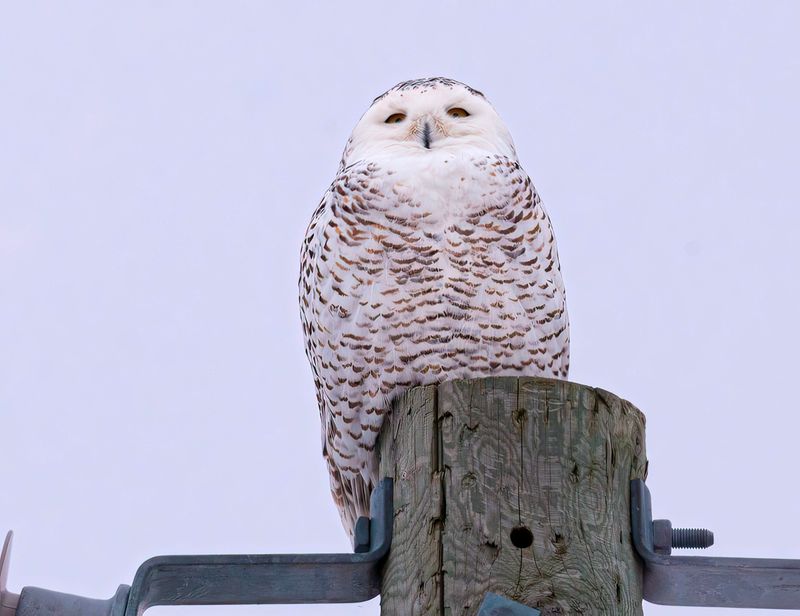
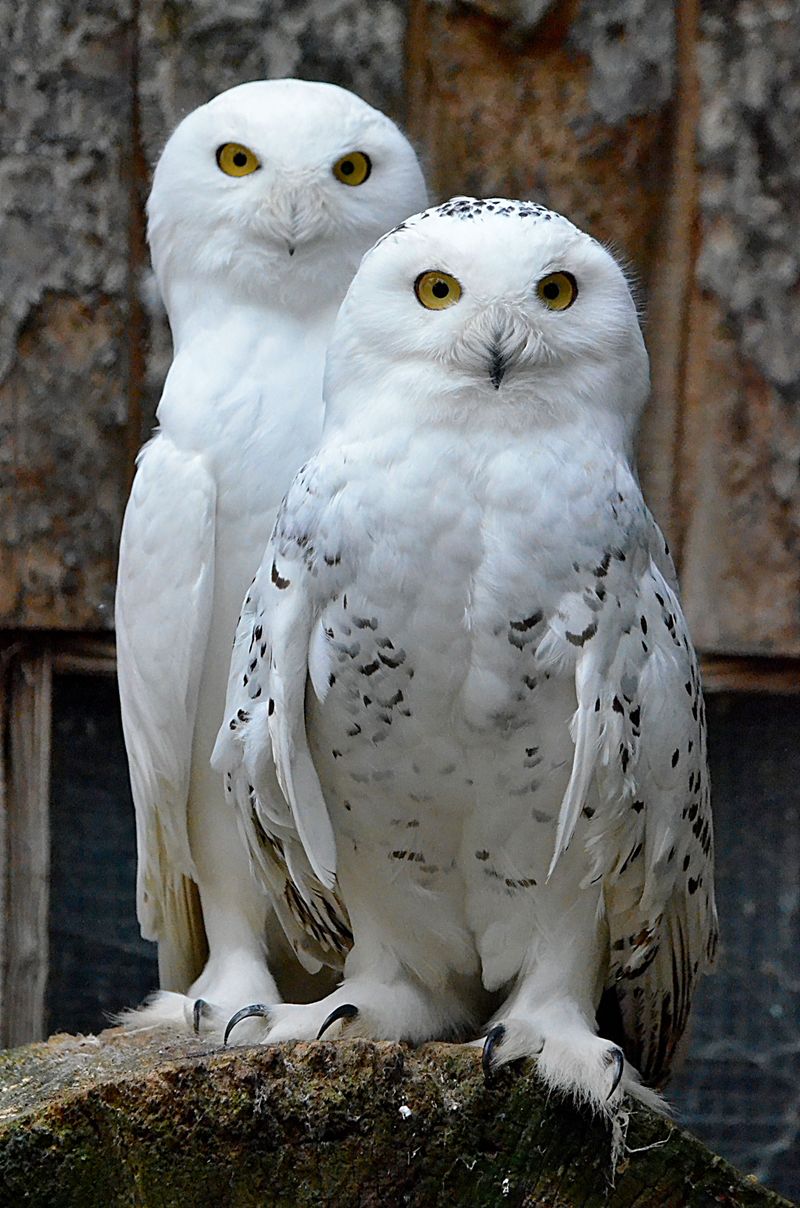
Feather patterns work like a name tag on these owls. Once you learn the basics, you can make a smart guess about the bird in front of you. Adult males are the whitest. Some look almost pure white with only a few small spots.
Adult females carry more dark bars across the body and wings, and young birds of both sexes tend to be even more heavily marked.
Size gives another hint. Females are larger and heavier than males, which is common in birds of prey. The difference can be hard to judge without a second bird nearby, though.
Look closely at the face too. Snowy owls have small, rounded heads with no ear tufts, bright yellow eyes, and a beak mostly hidden by feathers. Their feet are covered in thick feathers, like fuzzy winter boots.
Fun fact: the white color helps them blend into snow, but on a bare November field they stand out like a lantern. That makes late fall a great time to practice spotting them.
Snap a zoomed photo and compare the markings later with a field guide or the Cornell Lab of Ornithology website.
Voles and Mice in Your Fields Are on the Snowy Owl Menu
Gardeners who fight voles every winter may find a new favorite neighbor here. A snowy owl is a skilled rodent hunter.
On the tundra, lemmings make up most of the diet. In Minnesota, these owls switch to voles, mice, rabbits, and sometimes birds such as ducks, grebes, and pheasants. They are flexible eaters, which helps them handle a strange new place.
Hunting looks like a waiting game. The owl sits high, listens, and watches for tiny movements.
Then it glides low and drops onto prey with feathered talons, sometimes punching right through the snow.
Voles chew bark on young fruit trees and shrubs under the snow, so any predator that eats them helps a little. One owl will not clear your yard of rodents, but it adds to the natural balance in open areas near farms and gardens.
You can support that balance too. Skip rodent poisons, since owls and hawks can be harmed by eating poisoned prey.
Use tree guards, hardware cloth around trunks, and tidy mulch rings instead. That way your trees stay safer and the hunters stay healthy.
A Snowy Owl in Minnesota Usually Is Not Lost or Starving
For years, many people believed every snowy owl seen far south was hungry and lost. Newer research tells a brighter story.
Studies of irruption years have found that many of these owls are in decent body condition. Researchers tracking them with small transmitters have watched owls set up winter territories, hunt well, and return north in spring.
Their visit is often a normal part of their life, not a cry for help. That said, winter can still be tough. Young owls face risks from cars, airport traffic, power lines, and poisoned rodents. A few do arrive thin or injured.
So how can you tell the difference? A healthy owl sits upright, stays alert, and flies off strongly if bothered.
An owl sitting on the ground by a road for a long time, unable to fly, or acting oddly sleepy may need help.
In that case, do not try to grab it. Call a licensed rehabilitator such as The Raptor Center at the University of Minnesota, or contact the Minnesota DNR. Experts there can guide you on the safest next steps for the bird.
Give That Snowy Owl Room and Grab Your Binoculars
Few winter moments beat locking eyes with an Arctic owl. The best way to keep that magic going is to give the bird plenty of space.
Every time an owl flushes, it burns energy it needs for staying warm and hunting. If the owl stares at you, shifts its feet, or leans forward, you are too close. Back away slowly and let it settle.
Bring binoculars or a camera with a long zoom lens. Staying in your car often works well, since many owls ignore parked vehicles more than people on foot. Pull safely off the road and keep traffic in mind.
Skip the bait. Feeding mice to owls for photos teaches them to approach people and roads, which puts them at risk. Respect private land too, and ask before stepping onto farm fields.
Snowy owls are protected under the federal Migratory Bird Treaty Act, so handling or harassing them is not allowed.
Share sightings with care and avoid posting exact locations of birds near busy roads. Then simply enjoy the view, because these guests usually head north again by early spring.