A Wobbling Mass Of Long Legged Creatures Is Showing Up On Minnesota House Walls
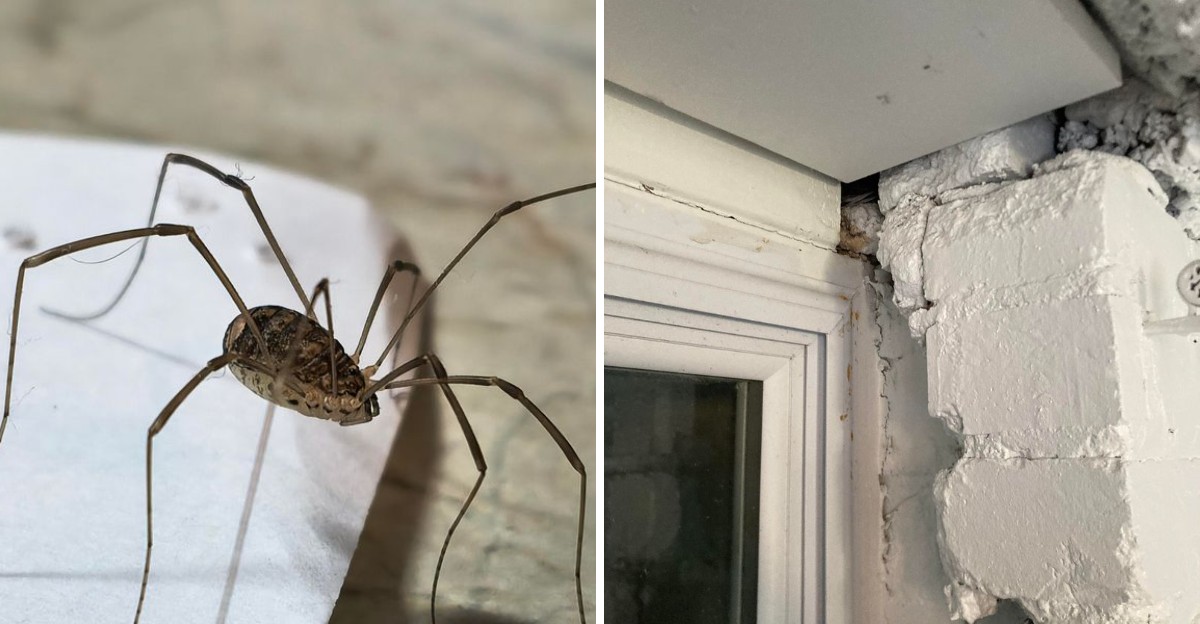
Your porch light flickers, and thin-legged shapes cling to the siding. Look closer and countless trembling legs come into focus. Minnesota garages have quietly become stages for this odd huddle you cannot ignore.
Wood piles sway with clusters nobody expected you to see. Shaded walls turn into gathering spots for creatures smaller than a fingernail. Neighbors snap photos near you and caption them in frantic capital letters.
Curiosity pulls you toward the swarm even as your gut hesitates. Questions stack up quicker than any answer arrives. Where these creatures actually came from remains oddly hard to explain.
Why they gather now, in Minnesota’s cooling September air, matters more than you think. Patience uncovers a stranger story than panic ever could.
Spray cans and hoses solve far less than curiosity does. This wobbling cluster behaves unlike typical backyard pests. A single glance will not tell you what these creatures truly are.
Harvestmen, Not Spiders, Are Taking Over Minnesota Walls
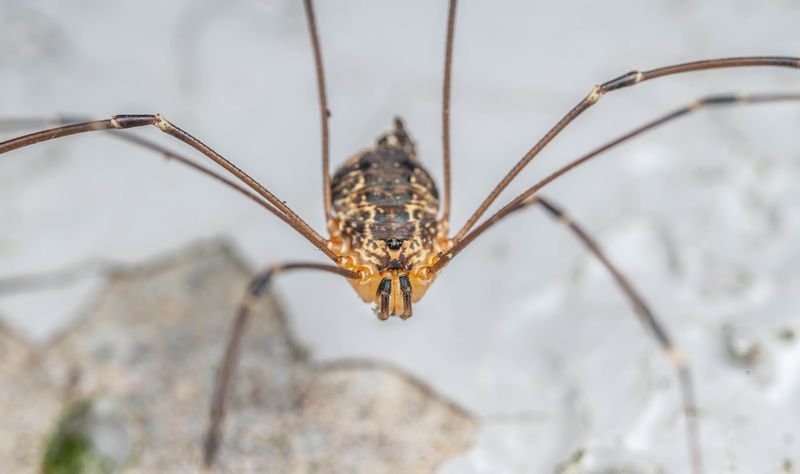
Here is the twist that surprises almost everyone: those leggy visitors are not spiders at all. They belong to the order Opiliones, and scientists call them harvestmen.
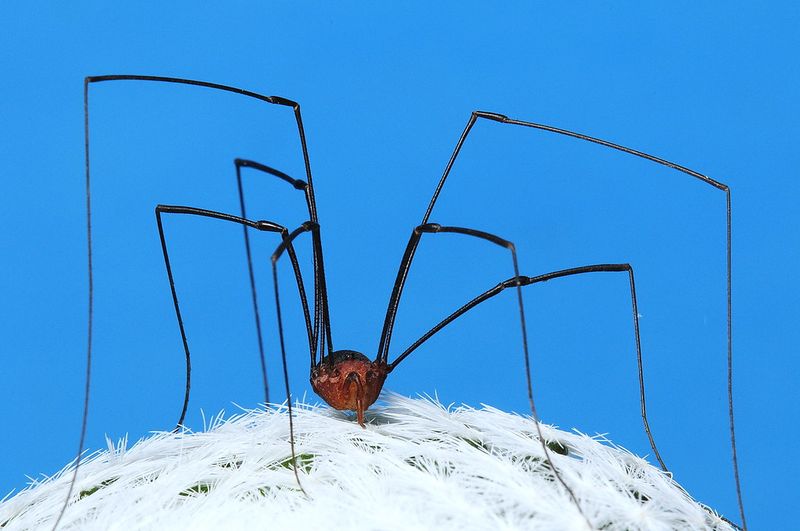
Spiders have two clear body sections joined by a narrow waist. A harvestman looks like one small pill or bean balanced on eight impossibly long legs, with no waist to speak of.
The differences keep going. Harvestmen have a single pair of simple eyes perched on a little turret, while many spiders carry six or eight eyes.
They also lack silk glands, so you will not find a web from one of these creatures. No web means no sticky traps in your doorway and no egg sacs tucked into corners.
Venom glands are missing too. The old playground rumor about daddy long legs being extremely dangerous, but with fangs too small to bite, falls apart on both counts.
What harvestmen do have is a pair of scent glands near the front of the body. When bothered, they release a mild odor that discourages hungry beetles and birds.
The name harvestman comes from Europe, where farmers noticed the animals crowding fields and barns during harvest season. Minnesota follows the same calendar, which is why September brings the biggest crowds.
Knowing the correct name changes how the sight feels. A wall of spiders sounds alarming, while a wall of harvestmen sounds like a seasonal event worth watching.
Why September Turns Walls Into Gathering Spots
Timing explains most of the mystery. Harvestmen hatch in spring, spend the warm months growing through several molts, and reach full size right around late summer.
By early September, an entire generation is adult at once. Bigger bodies, longer legs, and mating urges combine into a population that suddenly seems enormous.
Cooler nights push them toward surfaces that hold warmth. House siding, foundation blocks, and garage doors soak up daytime sun and release it slowly after dark.
Moisture matters just as much. Late-season rain and heavy dew make shaded walls feel comfortable, especially on the north and east sides where the surface stays damp longest.
Your Minnesota Garden Changes Every Week. Your Plan Should Too.
Gardening in Minnesota changes quickly throughout the season. Every Friday you’ll receive a simple weekly plan showing exactly what to plant, prune, fertilize, harvest, and protect so you never miss the right timing.
Minnesota autumns compress all of this into a few short weeks. What might spread across two months in a milder state happens fast here, so the crowd effect feels dramatic.
Food plays a supporting role. Aphids, mites, small flies, and soft-bodied insects also gather near foundations in fall, and harvestmen follow the buffet.
Add lawn watering, leaky gutters, and thick mulch beds, and a wall becomes a favorable spot. The animals are not invading the house so much as settling near a steady food source.
Expect the show to fade by mid to late October. Hard frost thins the adult population, eggs wait quietly in soil and leaf litter, and the siding goes quiet until next year.
The Strange Science Behind The Group Wobble
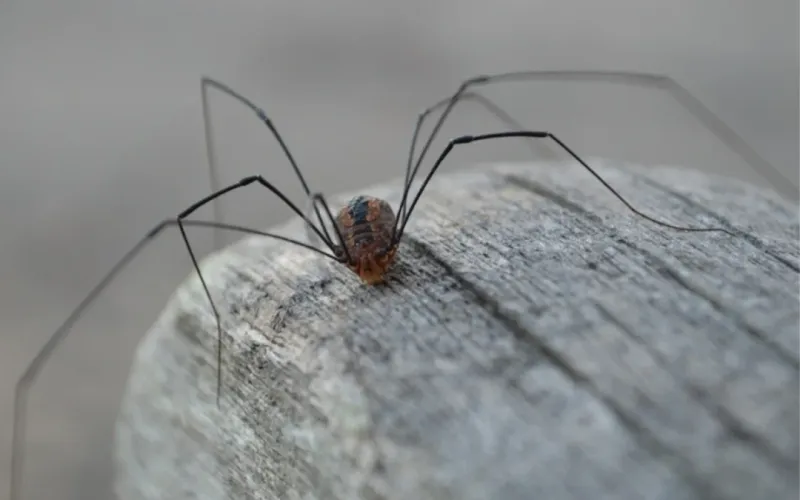
Poke one edge of a harvestman cluster and the whole mass shivers like gelatin. Biologists have a name for that behavior: bobbing, or synchronized aggregation defense.
Each animal pumps its body up and down on its long legs. Multiply that by two hundred neighbors and the outline of individual bodies dissolves into a blurry, pulsing shape.
Predators rely on picking out one target. A blurred, shifting shape with no clear edges makes that job frustrating, so many birds and lizards simply move on.
The scent glands amplify the message. A single puff of that mild chemical is weak, but hundreds of animals releasing it together creates a cloud worth avoiding.
Huddling has practical perks too. Bodies pressed together lose less moisture, which matters a lot for creatures that dry out quickly in wind.
Researchers studying tropical species have observed large clusters of harvestmen coordinate their bobbing within seconds of a disturbance. Minnesota groups run smaller, usually dozens to a few hundred.
There is no leader giving orders. Contact between legs passes the alarm along like a stadium wave, and the reaction spreads faster than any single animal could signal.
Watching it happen is worth observing briefly. Tap the siding gently, step back, and the wall appears to shift as a group before settling into stillness again.
What They Do And Do Not Do
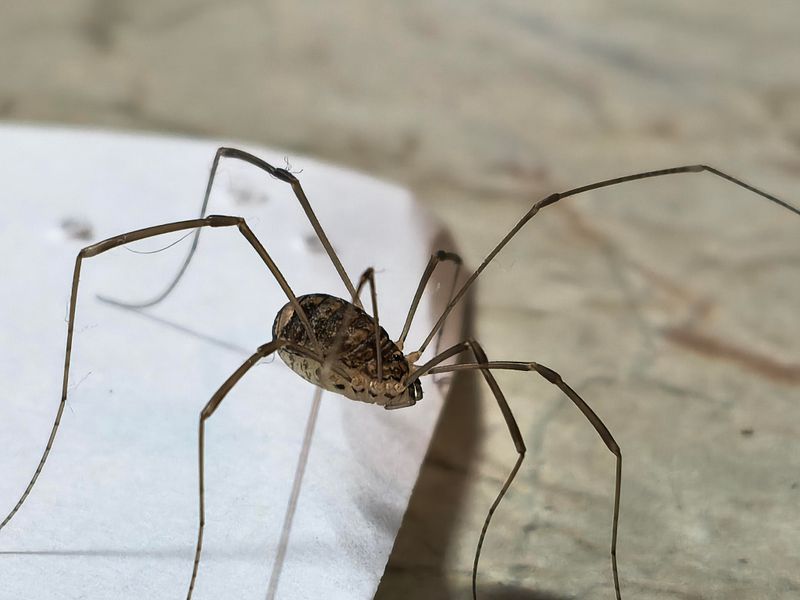
Good news for anyone eyeing the wall nervously: harvestmen cannot bite you in any meaningful way. Their mouthparts are tiny pincers built for shredding soft food, not piercing skin.
No venom exists in the body at all. The famous myth about super-toxic daddy long legs was tested on television years ago and failed on every point.
They do not chew wood, fabric, paper, or insulation. Your studs, sweaters, and stored boxes are of no interest to them.
Food for a harvestman means aphids, mites, springtails, tiny flies, decaying plant matter, bird droppings, fungus, and fallen fruit.
Gardeners actually benefit. A healthy harvestman population trims back the mites and soft insects that damage tomatoes, beans, and ornamental shrubs.
Indoors, they cannot reproduce or establish themselves. A harvestman that wanders through a door is a lost traveler heading for the nearest damp basement corner.
The scent they release when squeezed is the only real nuisance, with a mild, earthy odor some compare to walnuts or old leaves.
Pets are safe too. A curious dog that noses a cluster may sneeze at the odor and lose interest immediately.
Treating them as harmless neighbors rather than intruders saves stress. Their whole visit lasts a few weeks, then the wall belongs to you again.
Simple Steps To Move Them Along
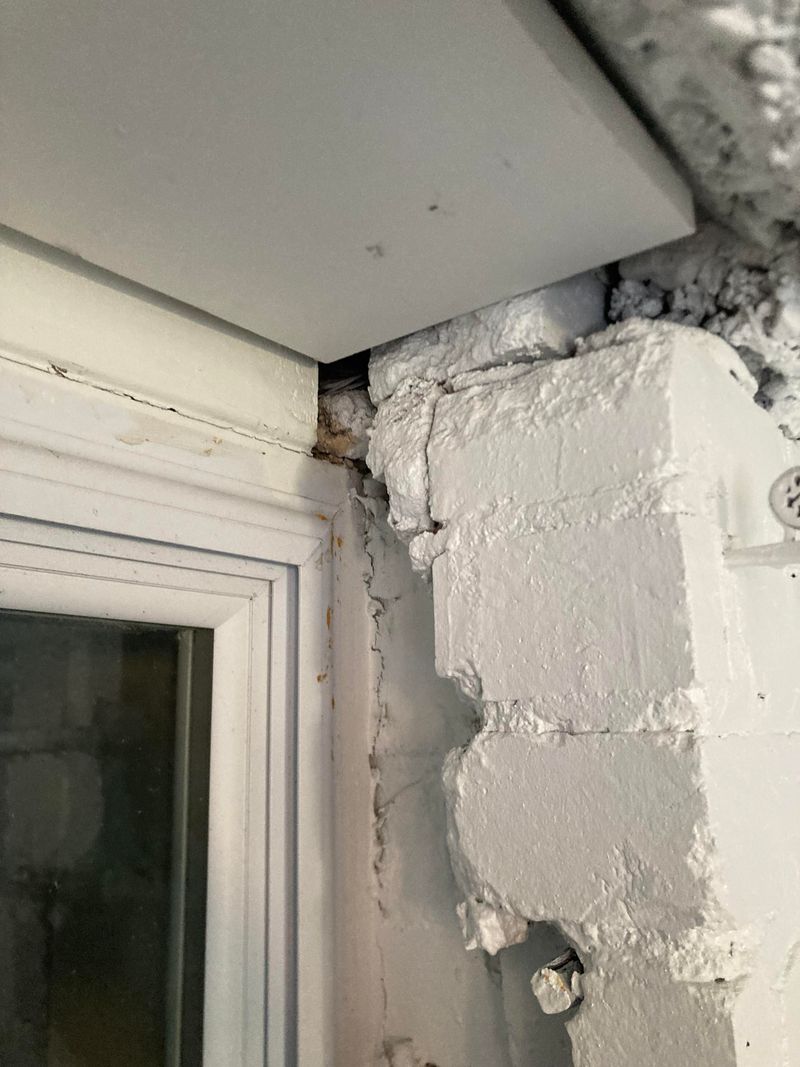
Sometimes a cluster sits right beside the front door, and guests deserve better. A gentle rinse with a garden hose scatters the group in seconds without harming anyone.
Aim low pressure at the edges of the mass first. The animals scatter toward shade, and repeating the rinse for two or three mornings usually breaks the habit.
A soft broom works just as well on siding and soffits. Sweep slowly so legs do not catch, then guide the group toward mulch or garden beds.
Reducing moisture makes the biggest difference. Clear clogged gutters, redirect downspouts away from the foundation, and let sprinklers run in the morning so walls dry by evening.
Pull mulch, leaf piles, and firewood back at least a foot from the siding. Removing that damp buffer strips away the shelter they were counting on.
Swap bright white porch bulbs for warm yellow or amber ones. Fewer moths and gnats near the wall means fewer reasons for hungry harvestmen to linger.
Seal gaps around basement windows, dryer vents, and door sweeps to stop indoor wanderers. A cup and a piece of cardboard handles any single traveler inside.
Broad chemical sprays are rarely worth it here. The population fades on its own once frost arrives, and sprays hit pollinators and beneficial insects along the way.
Telling Harvestmen Apart From Look-Alike Visitors
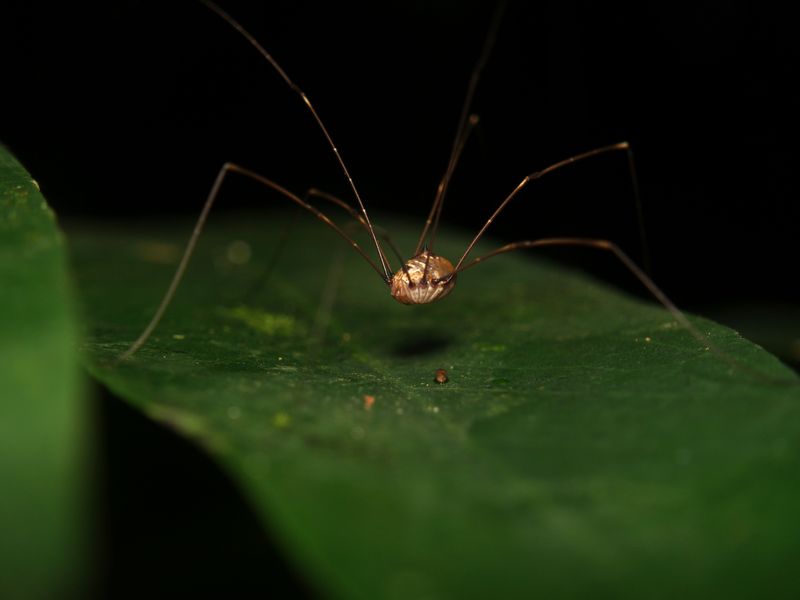
Confusion runs deep because three very different creatures share the nickname daddy long legs. Sorting them out takes about five seconds once you know the clues.
Harvestmen show one fused oval body, two eyes, and no web anywhere nearby. They walk in the open on walls, fences, and tree trunks.
Cellar spiders are the pale, ghostly ones hanging upside down in basement corners. Their bodies look like a grain of rice with a tiny head attached, and they build messy tangled webs.
Crane flies round out the trio. Those look like giant mosquitoes with two wings, and they bounce against window screens on late summer nights.
Only the cellar spider is a true spider, and its bite is not a concern for people. Crane flies have no biting mouthparts as adults at all.
Minnesota hosts several native harvestman species, including some with reddish-brown bodies and others patterned with pale stripes down the back. Leg length varies quite a bit between them.
A missing leg is common in older individuals. Harvestmen can drop a leg to escape a predator, and the detached limb twitches for a while to hold attention.
Once the differences click, walking past a wall of them feels less unsettling and more like a small backyard nature documentary playing out on your siding.