The One Thing North Carolina Fig Trees Need Before September Ends

Fig trees are a fall favorite in North Carolina gardens, but as the month winds down, one task matters more than most for setting the tree up for a strong return next year.
Figs respond directly to how they’re treated heading into the transition toward cooler weather, and skipping the right care now can leave the tree more vulnerable once temperatures start to drop.
Because fig wood is sensitive to cold in a way many other fruit trees aren’t, this window before October arrives is especially important to get right.
For North Carolina gardeners hoping for a healthy fig tree next season, here’s the one thing worth doing before September runs out.
1. Keep The Root Zone From Drying Out
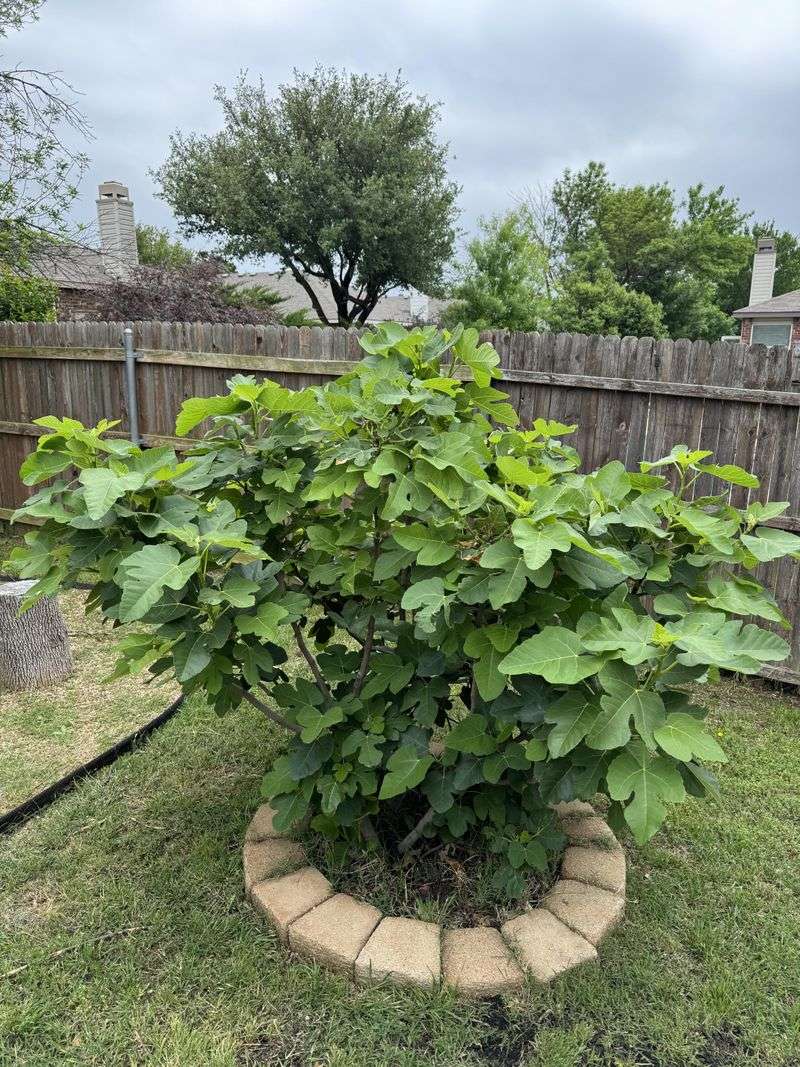
Water is the real MVP for figs as summer fades. When the soil around the roots stays evenly moist, your tree can pour its energy into ripening those last sweet figs instead of struggling to survive.
Roots are the engine behind everything a fig tree does. If that root zone dries out during the warm September days, the tree slows down, and the fruit you have been waiting for may never reach its full flavor.
Steady moisture keeps the whole system running smoothly. Leaves matter here too. Well-watered figs hold onto healthy green foliage, and those leaves act like little food factories that feed the tree.
The more energy the tree makes now, the more it can tuck away for the months ahead. Think of late summer as prep time for winter rest.
A fig tree that goes into dormancy with plenty of stored energy wakes up stronger and greener next spring. That stored fuel comes straight from consistent care during these final weeks.
You do not need fancy tools to get this right. Just aim for soil that feels like a wrung-out sponge, not soggy and not bone dry. A slow, steady soak once or twice a week usually does the trick in most North Carolina yards.
Pay attention to hot, breezy days, since they pull moisture out faster than you might expect. A quick check of the ground helps you stay ahead. Keep that root zone comfortable, and your fig tree will reward you with a strong finish.
2. Check Soil Moisture Before Watering
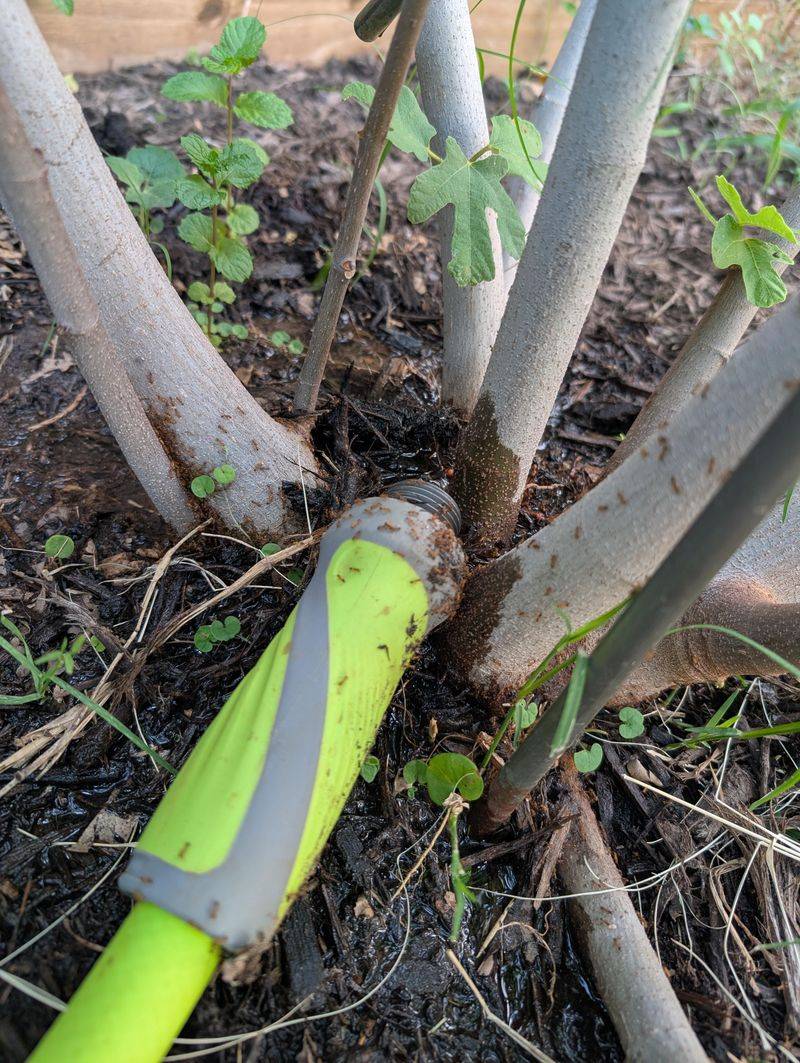
Grabbing the hose on a set schedule sounds easy, but it can actually work against your fig tree. The smarter move is to check the soil first and let the tree tell you what it needs.
Feel the ground about two inches down near the root zone. If it feels dry and crumbly, it is time to water. If it still feels cool and damp, you can wait another day or two before reaching for the hose.
Weather plays a huge role in how fast soil dries. A stretch of hot, sunny afternoons pulls moisture out quickly, while a cloudy, rainy week may mean you barely water at all. Watching the sky helps you make better choices.
Soil type matters just as much. Sandy soil, common in parts of North Carolina, drains fast and needs more frequent attention. Heavier clay soil holds water longer, so you can space out your watering without worry.
Your North Carolina Garden Changes Every Week. Your Plan Should Too.
Gardening in North Carolina changes quickly throughout the season. Every Friday you’ll receive a simple weekly plan showing exactly what to plant, prune, fertilize, harvest, and protect so you never miss the right timing.
Tree size is another clue. A big, established fig with deep roots can pull water from a wider area, while a smaller or younger tree has shorter roots and dries out faster. Adjust your habits to fit the plant in front of you.
A cheap moisture meter can take the guesswork out of the whole thing if you like gadgets. Otherwise, your finger works just fine and costs nothing at all.
Watering based on real conditions saves water and keeps your fig happy. It also prevents the soggy roots that can come from overdoing it.
3. Avoid Letting Figs Become Drought Stressed
A thirsty fig tree does not stay quiet about it. When water runs short for too long, the tree starts sending warning signs that are easy to spot once you know what to look for.
Smaller fruit is often the first clue. A stressed fig cannot fill out its figs the way it wants to, so you end up with tiny, disappointing bites instead of plump, juicy ones.
Fruit drop is another red flag. When a tree feels overwhelmed by dry conditions, it sometimes lets go of figs early to protect itself. Those unripe figs falling to the ground are a signal that something needs to change.
Leaves talk too. Yellowing or wilting foliage tells you the tree is working overtime just to hang on. Since leaves fuel the whole plant, losing them early cuts into the energy your fig needs for winter.
Ongoing stress weakens the entire tree over time. A fig that battles drought weekend after weekend has less strength to fight off pests and problems, and it heads into dormancy in rough shape.
The good news is that steady watering prevents almost all of this. Keeping the root zone evenly moist gives the tree what it needs to stay calm and productive.
Catching stress early makes a big difference. If you notice curling leaves or dropping figs, a deep soak often turns things around within a few days. Stay ahead of the dry spells, and your fig tree stays strong, green, and full of flavor.
4. Water Deeply Instead Of Lightly
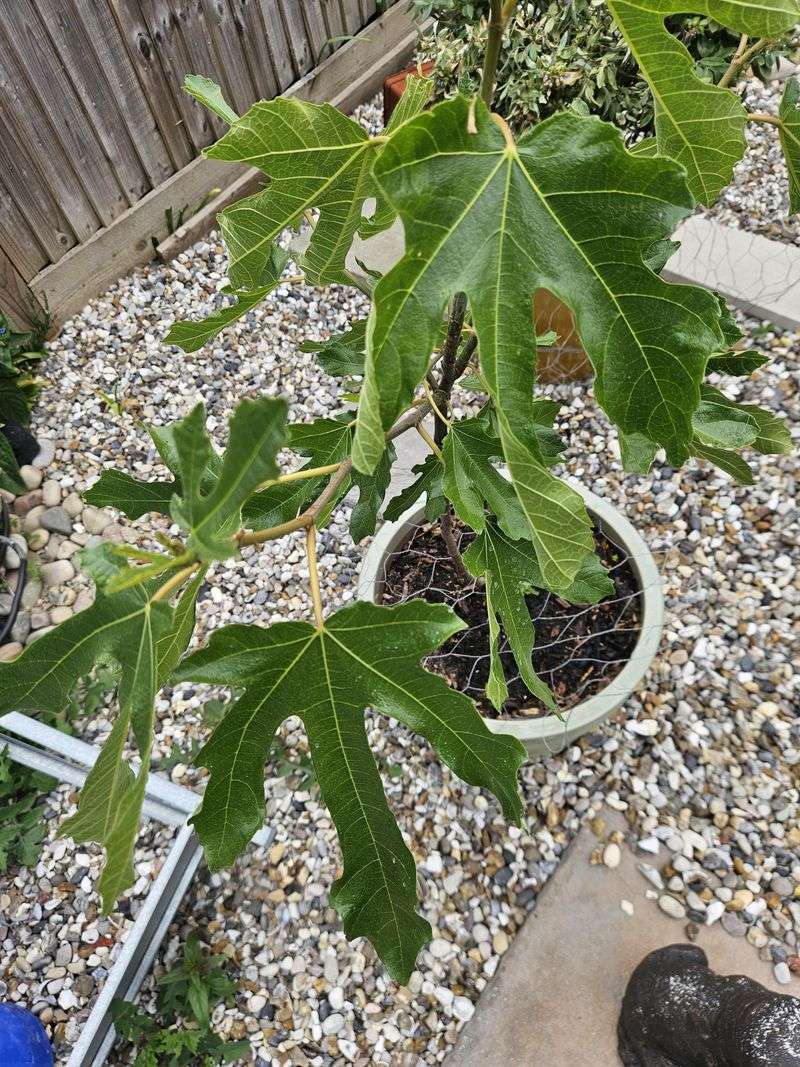
Not all watering is created equal. A quick splash from the hose might feel helpful, but it often leaves your fig tree wanting more where it counts most.
Deep watering means giving the soil a long, slow soak so moisture sinks well below the surface. That is exactly where the busy, active roots live, and reaching them makes all the difference for a healthy tree.
Shallow sprinkles only wet the top layer of soil. The deeper roots stay dry, and the tree never gets the full drink it needs. Over time, this can leave your fig weaker than it should be.
Frequent light watering can even train roots to stay near the surface. Shallow roots dry out faster and struggle more during hot spells, which is the opposite of what you want heading into fall.
A soaker hose or a slow trickle from a regular hose works great for deep watering. Let it run gently for a while so the water has time to move down instead of running off the top.
Aim to water less often but more thoroughly. One good soak beats three tiny sprinkles almost every time, and it encourages strong roots that reach deep for moisture.
Mulch helps hold that deep moisture in place longer. Pair the two habits and you build a fig tree that handles dry days like a champ.
Deep roots mean a tougher, more independent tree. Give your fig those long drinks now, and it will thank you with better fruit and healthier growth.
5. Mulch Around The Tree Properly
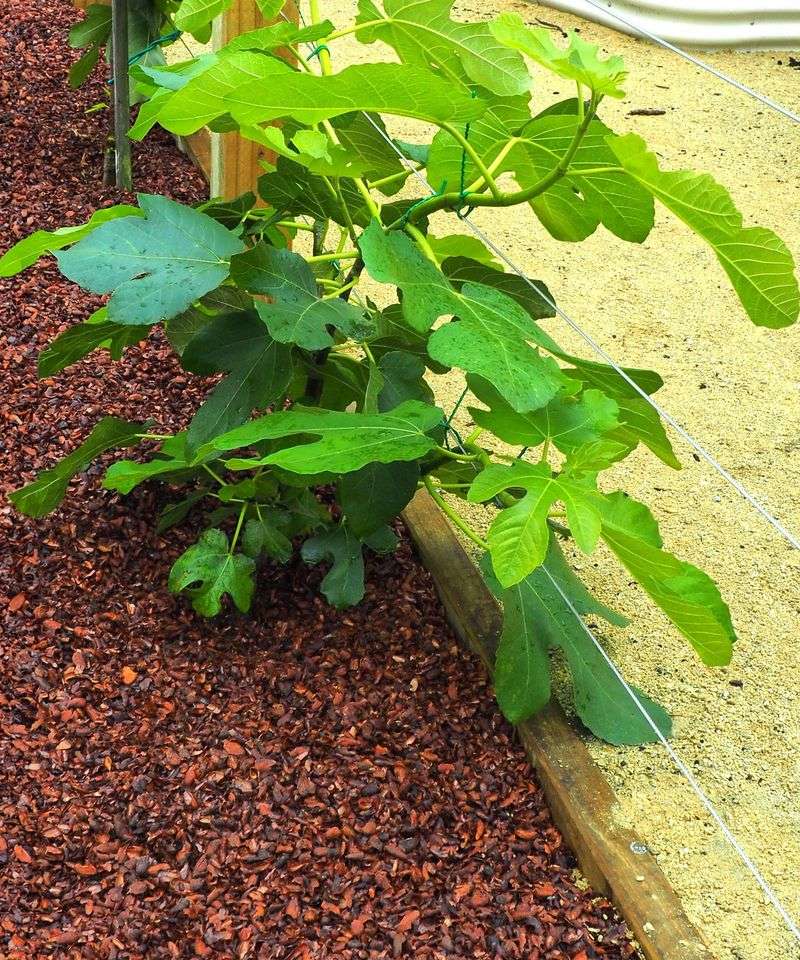
Mulch is like a cozy blanket for your fig tree’s roots. A good layer does a lot of quiet work that pays off through the changing seasons.
The biggest perk is moisture. Organic mulch, like wood chips or shredded leaves, slows down how fast water evaporates from the soil. That means your deep watering lasts longer and the root zone stays comfortable.
Temperature swings become gentler too. As September nights turn cooler, mulch acts like insulation, keeping the soil from getting too hot in the day or too chilly at night. Roots love that steady feeling.
Weeds also lose their grip under a solid mulch layer. Fewer weeds means less competition for water and nutrients, so your fig gets to keep more of the good stuff for itself.
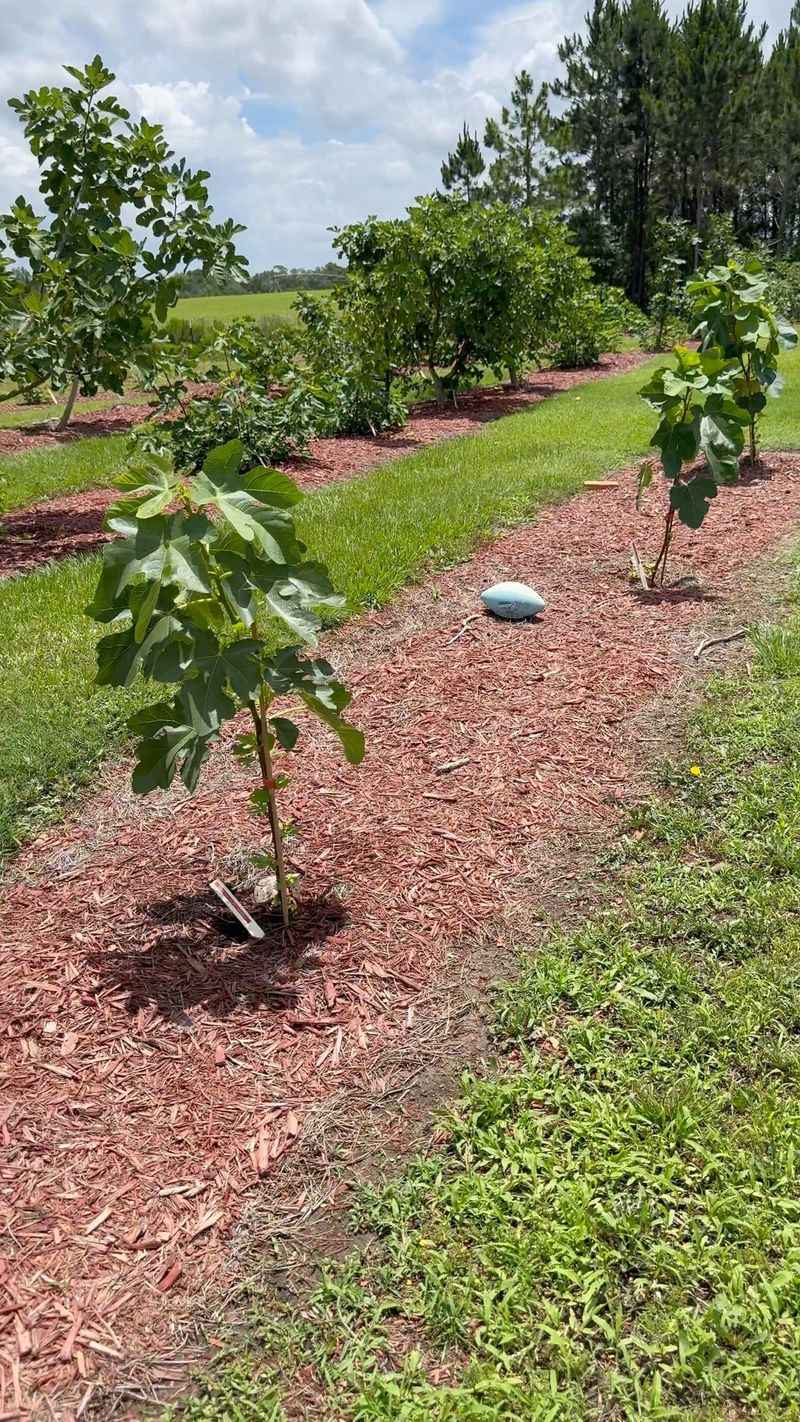
Spreading mulch is simple. Lay down about two to three inches in a wide circle around the base, stretching out toward the edge of the branches where feeder roots reach.
Here is the key part many folks miss. Keep the mulch a few inches away from the trunk itself. Piling it against the bark can trap moisture there and invite rot or pests you would rather avoid.
Think of a donut shape, not a volcano. That little gap around the trunk keeps the tree healthy while still protecting the roots below.
Refresh your mulch as it breaks down over time. It slowly feeds the soil too, giving your fig tree an easy boost with almost no extra effort.
6. Do Not Push Late New Growth With Heavy Fertilizer
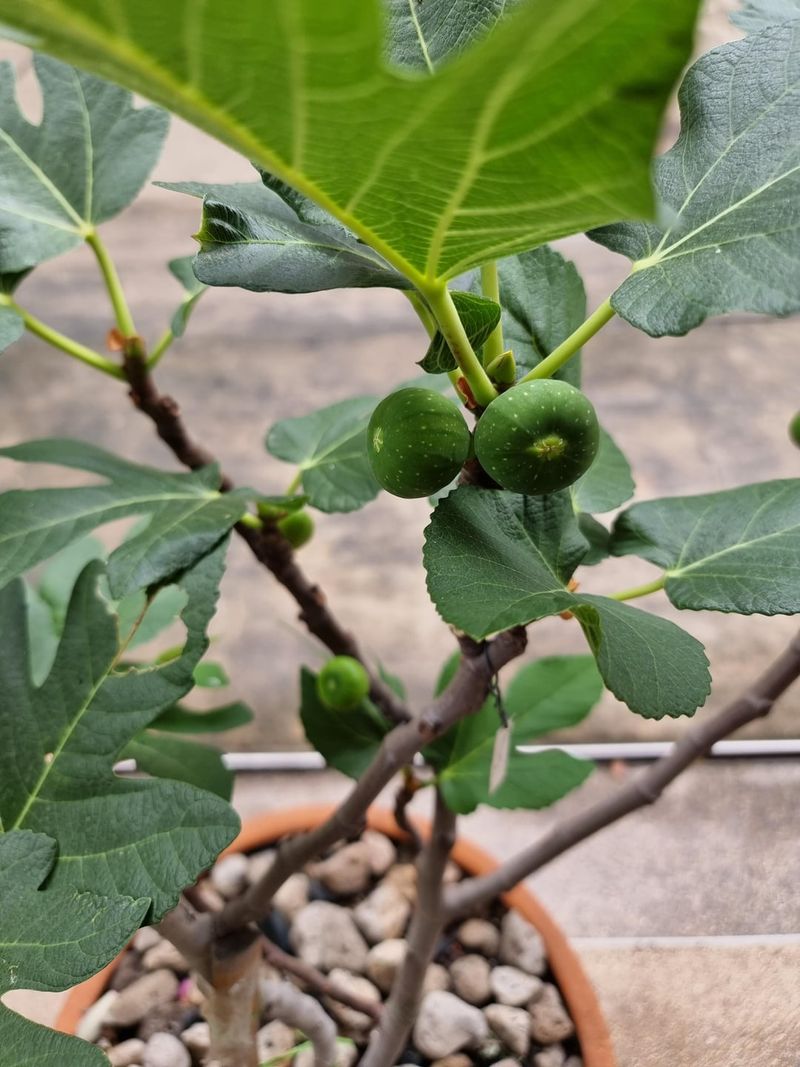
It might feel tempting to feed your fig tree one more big meal before fall, but September is usually the wrong time for that. Heavy fertilizer now can actually cause more harm than good.
Nitrogen is the nutrient that pushes leafy, green growth. When you dump a lot of it on late in the season, the tree responds by sprouting soft, tender new shoots that have no time to toughen up.
Those fresh, delicate shoots are the most fragile part of the plant. As temperatures cool down, that soft growth gets nipped easily by the first cold snaps of the year.
Instead of helping, a late feeding can leave your fig scrambled. The tree spends energy on new leaves it cannot protect, energy that would be better saved for winter rest.
Timing is everything with fertilizer. The growing season is the moment for feeding, when the tree has plenty of warm days to use that boost and harden off before the chill arrives.
Right now, your fig is shifting gears toward slowing down. Let it follow that natural rhythm instead of forcing it to keep racing forward.
If your tree looks healthy and green, it does not need extra food at all. Focus on steady watering and good mulch instead, since those support the tree without triggering risky new growth.
Save the fertilizer for early spring when your fig wakes up hungry and ready to grow. That timing gives every bit of nutrition somewhere useful to go.
7. Watch The Leaves Before Winter
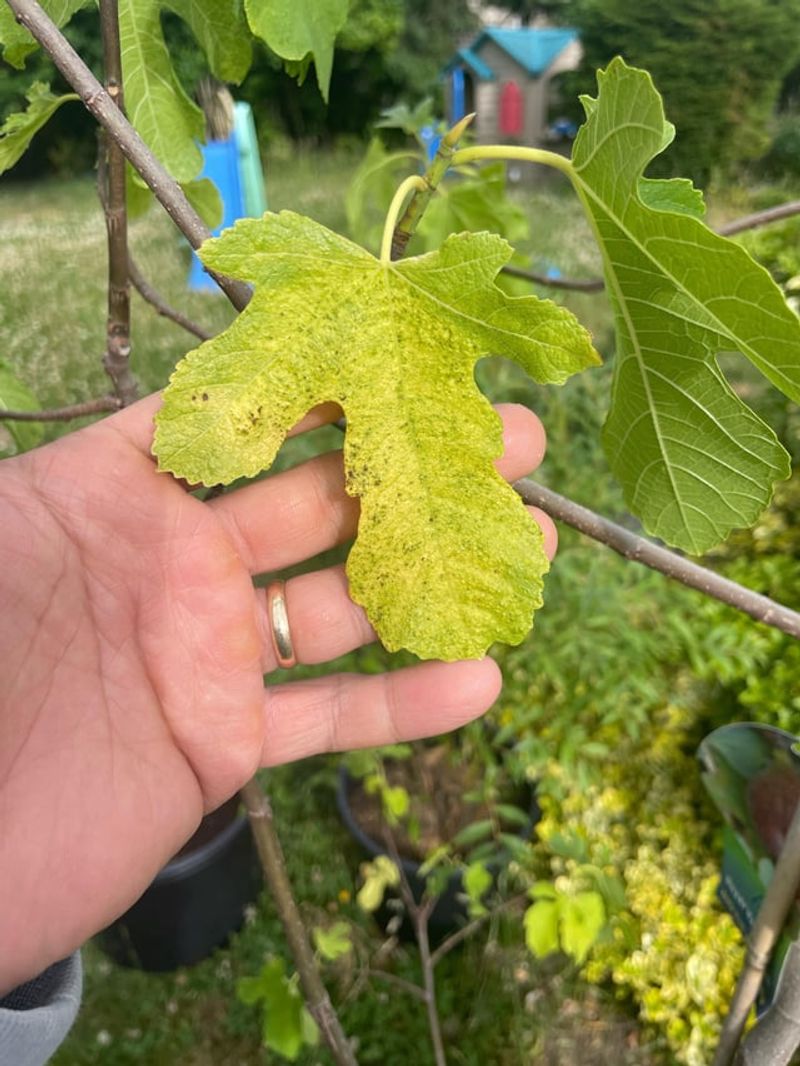
Leaves are more than just the pretty part of your fig tree. They are hard at work making food, and keeping an eye on them now sets your tree up for a strong finish.
Healthy foliage means the tree can gather sunlight and turn it into stored energy. That energy is exactly what your fig relies on to rest well through winter and bounce back in spring.
A quick leaf check tells you a lot. Look for yellowing, curling, or wilting, since those can point to drought stress that a good soak might fix in no time.
Pests love to hide too. Flip a few leaves over and scan the undersides for tiny bugs, sticky spots, or webbing. Catching them early keeps small problems from turning into big ones.
Disease shows up on leaves as well. Brown patches, spots, or unusual fuzz can be signs of trouble, and spotting them lets you act before they spread across the tree.
When leaves stay healthy, the whole plant benefits. Every green, working leaf adds a little more fuel to the tank before dormancy sets in.
Make leaf watching a simple weekly habit. A slow walk around the tree while you sip your morning coffee is all it takes to stay in the loop.
If you spot trouble, deal with it right away. Rinse off pests, trim damaged spots, or adjust your watering as needed. Strong leaves now mean a stronger tree later, ready to greet next season with fresh energy.
8. Prepare Young Fig Trees For Cold Weather
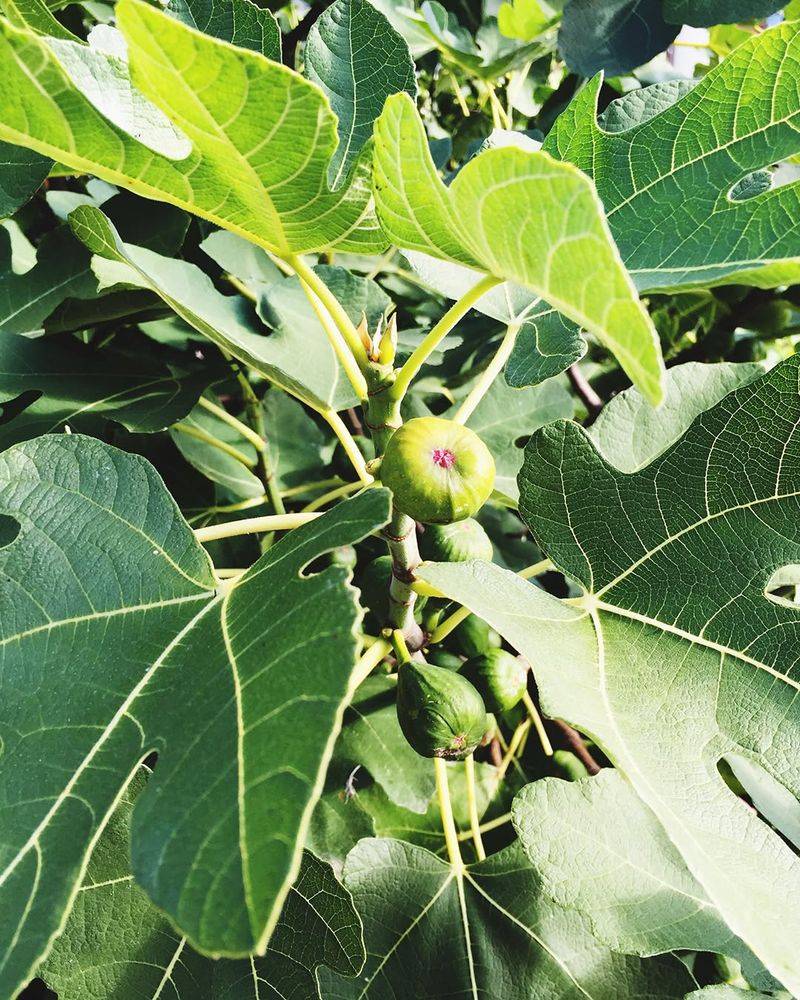
Young fig trees are the babies of the garden, and they need a little extra attention before the cold rolls in. Unlike their older cousins, they have not built up the strength to handle rough weather yet.
Newly planted figs have shallow, small root systems. Those short roots cannot reach deep moisture or store much energy, which makes young trees far more sensitive to dry spells and chilly nights.
Water is your best tool here. Keeping the soil around a young fig evenly moist right up until winter helps the roots grow stronger and gives the tree a fighting chance against the cold.
Well-watered roots handle cold weather better than dry ones. Moist soil actually holds warmth a bit longer, giving those tender roots a small layer of protection when temperatures drop.
Mulch teams up perfectly with watering for young trees. A generous ring around the base, kept off the trunk, shields the roots and locks in the moisture you worked to provide.
Established figs shrug off North Carolina winters pretty easily. Young ones need you to step in and cover the gaps until they toughen up over a season or two.
Some gardeners even wrap the trunks of very young figs for extra insulation. It is an easy step that can make a real difference in colder parts of the state.
Give your young fig steady water, good mulch, and a little care now. Those small efforts help it settle in and greet spring ready to grow.