The Compost Mistake Michigan Gardeners Make That Attracts Rodents All Winter
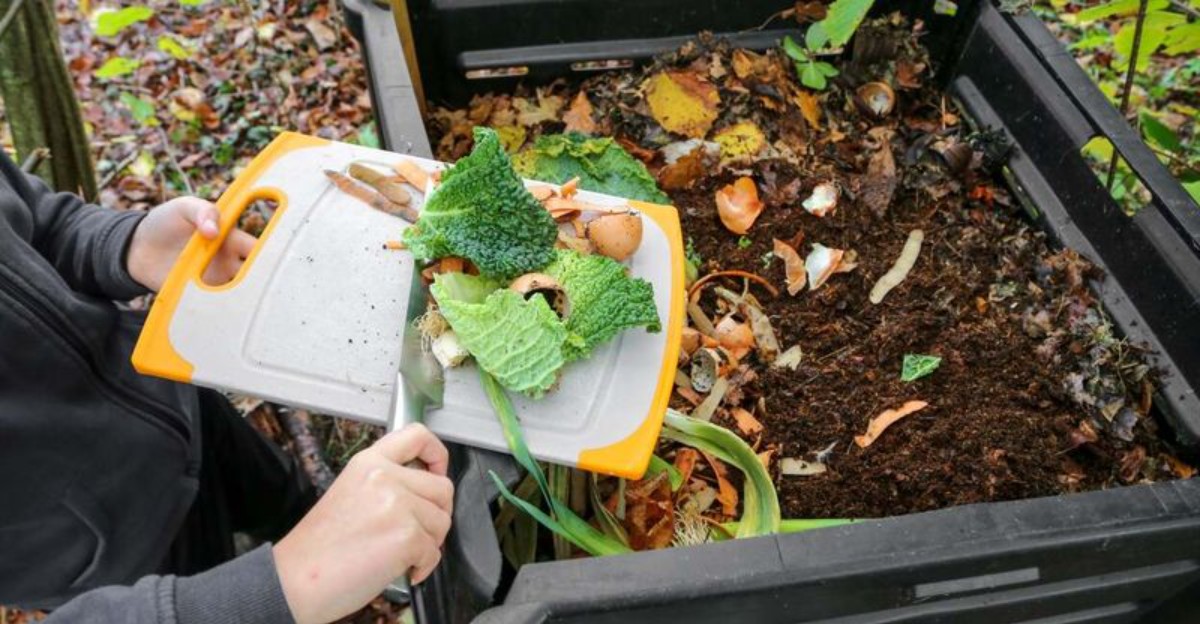
Composting is one of the best habits a Michigan gardener can build, but a few common mistakes can turn a helpful pile into a rodent magnet just as temperatures start to drop.
Adding certain food scraps without properly burying or mixing them in leaves an easy, exposed meal sitting right at the surface, which is exactly what mice and rats look for as they search out warm, food-rich spots to settle into for winter.
Once rodents find a reliable food source, they tend to stick around and can even move from the compost pile into nearby sheds or garages.
This makes fall an especially important time to get composting habits right, before cold weather sends more wildlife searching for shelter.
Here’s the compost mistake worth fixing now to keep the pile from becoming a rodent hotel all winter long.
1. Exposed Food Scraps Create A Rodent Buffet
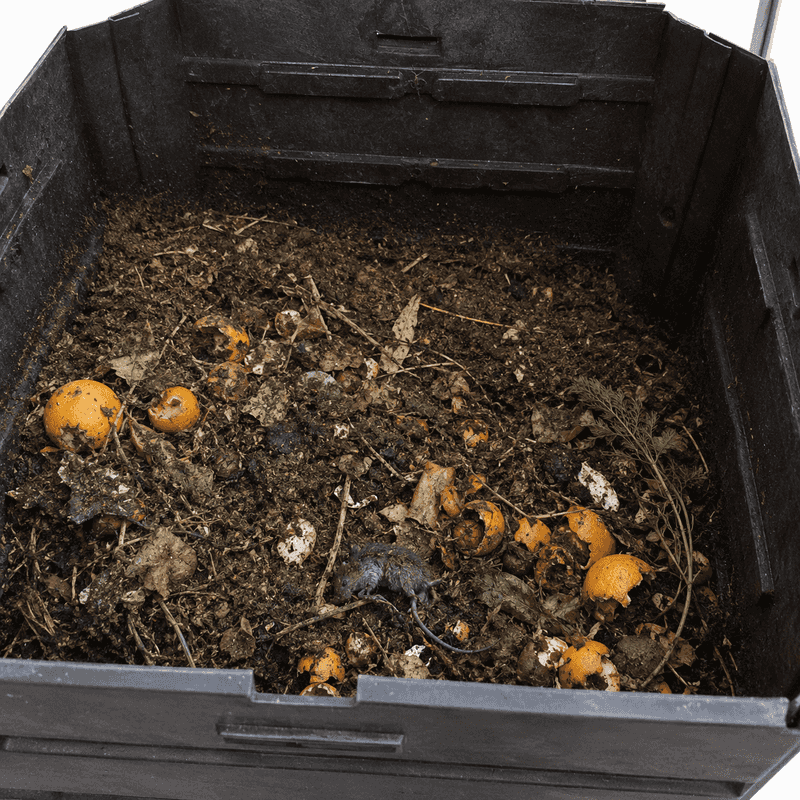
Picture a hungry mouse in November, scurrying around your yard looking for something to eat. When it spots a pile of banana peels and old lettuce sitting on top of your compost, it feels like winning the lottery.
Open food scraps are basically an invitation. Mice, rats, and other small animals have amazing noses, and the smell of fresh scraps travels far.
During Michigan’s cold months, natural food gets harder to find, so anything easy becomes a target. A compost pile with food showing on top is the easiest target of all.
The fix is simple and works every time. Whenever you add kitchen scraps, dig a small hole in the center of the pile and drop them in.
Then cover them with a thick layer of brown materials like shredded leaves, straw, or finished compost.
Burying scraps does two helpful things at once. It hides the smell that draws animals in, and it puts a barrier between the food and any critter poking around. Rodents are much less likely to dig deep when the reward is not obvious.
Think of the carbon layer as a blanket that keeps everything tucked away. Not only does it block hungry visitors, it also helps your scraps break down faster and cuts down on odor.
Making this a habit takes just a few extra seconds each time you empty your compost bucket. That tiny effort keeps your pile working the way it should while sending rodents packing to look elsewhere for their winter snacks.
2. Adding Too Much Fruit Can Create Problems
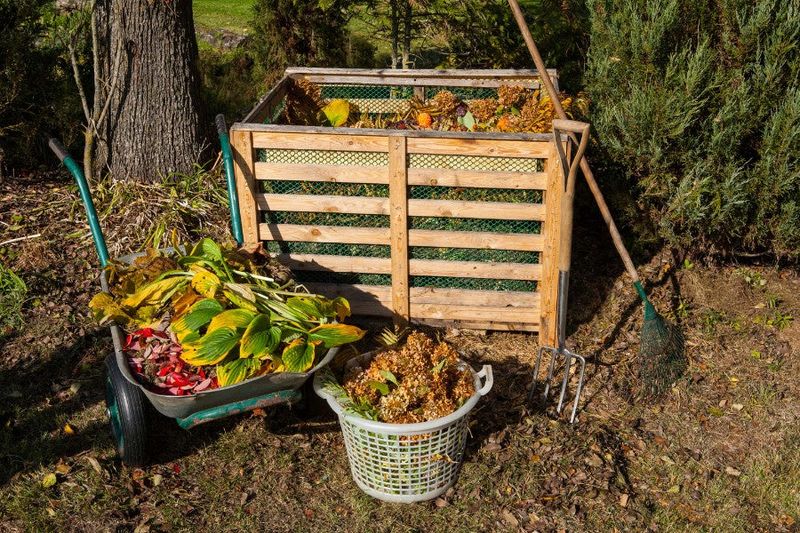
Fall in Michigan brings baskets of apples, pumpkins, and berries, and it feels natural to toss the extras straight into the compost. But too much fruit at once can spell trouble for your pile.
Fruit is sweet, soft, and full of sugar, which makes it a favorite snack for rodents. When you dump a huge load of fallen apples or a cracked pumpkin into the compost, you create a sugary feast that critters can smell from far away.
During the chilly season, that easy energy source is exactly what they want.
Your Michigan Garden Changes Every Week. Your Plan Should Too.
Gardening in Michigan changes quickly throughout the season. Every Friday you’ll receive a simple weekly plan showing exactly what to plant, prune, fertilize, harvest, and protect so you never miss the right timing.
Large amounts of fruit also break down slowly and turn into a mushy, smelly mess. The stronger the odor, the more attention your pile gets from mice and other animals hunting for winter food.
You do not have to give up composting fruit completely. The trick is balance. Add fruit in smaller amounts and always mix it with plenty of dry brown materials like leaves or straw.
Chopping fruit into smaller pieces helps too, since it speeds up how fast everything breaks down. The quicker the fruit disappears, the less time rodents have to notice it.
If you end up with a giant pile of fallen apples, consider spreading them out or setting some aside to add slowly over several weeks. That way your compost never becomes an all-you-can-eat fruit stand.
Managing your fruit wisely keeps your compost sweet-smelling in a good way and much less tempting to the furry visitors roaming your yard when the temperatures drop.
3. Compost Needs A Carbon Layer
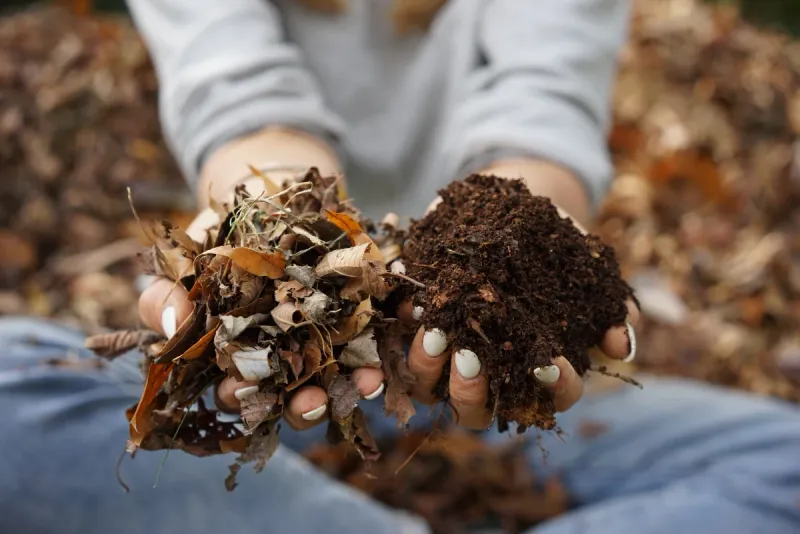
Every great compost pile has a secret ingredient, and it is not the food scraps everyone thinks about first. It is the dry brown stuff, also called carbon material.
Shredded leaves, straw, brown plant stalks, and finished compost all count as carbon. Layering these over your fresh scraps creates balance in the pile, and balance is what keeps everything working smoothly.
Without enough brown material, compost turns wet, slimy, and stinky. Odor is the main reason rodents come looking. A strong, sour smell tells nearby animals that food is close.
When you cover fresh scraps with a good carbon layer, you trap those smells inside the pile where noses cannot reach them.
A helpful rule is to add two or three parts brown material for every one part food scraps. It sounds like a lot, but browns are light and easy to gather, especially in fall when leaves cover the ground everywhere in Michigan.
Keeping a stash of dry leaves or straw right next to your bin makes this step effortless. Every time you drop in scraps, grab a handful of browns and toss them on top.
The carbon layer also feeds the tiny microbes that break your compost down. So while you are blocking odors and hiding food from critters, you are also helping your pile turn into rich soil faster.
Think of browns as the multitasking hero of your compost. They cut smells, speed things up, and quietly keep rodents from ever knowing there is food waiting inside.
4. Meat, Dairy, And Greasy Foods Should Stay Out
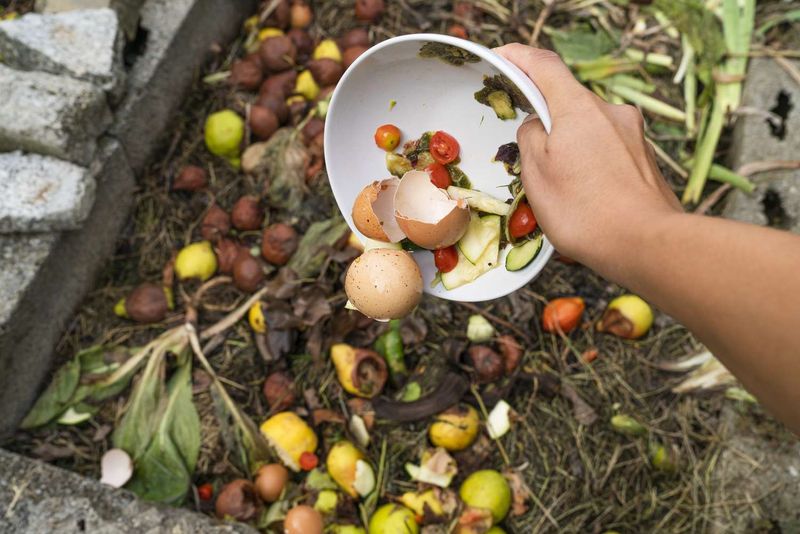
Some foods just do not belong in a backyard compost pile, no matter how tempting it is to toss them in. Meat, cheese, butter, and greasy leftovers top that list.
Animal products give off strong smells as they break down, and those odors act like a dinner bell for rodents. Mice, raccoons, and other wildlife are especially drawn to the rich scent of fat and grease.
Add these to your pile, and you might as well hang a sign that says come and eat.
Greasy foods also cause problems beyond attracting critters. Oils and fats coat the other materials in your compost, which slows down the whole breakdown process. Your pile ends up soggy, smelly, and stuck.
Instead of composting these items, seal them in your regular trash or check if your city offers a special food waste program. Many Michigan communities now collect food scraps that can handle meat and dairy in large industrial systems.
Stick to plant-based scraps for your home pile. Vegetable peels, fruit cores, coffee grounds, eggshells, and yard waste all break down cleanly without drawing unwanted guests.
If you accidentally add something greasy, cover it right away with plenty of brown material and mix it in deep. That helps mask the smell while things settle.
Keeping animal products out of your compost is one of the easiest habits to build. Your pile stays cleaner, breaks down faster, and gives rodents one less reason to make your garden their winter dining spot.
5. A Neglected Compost Pile Can Become Shelter
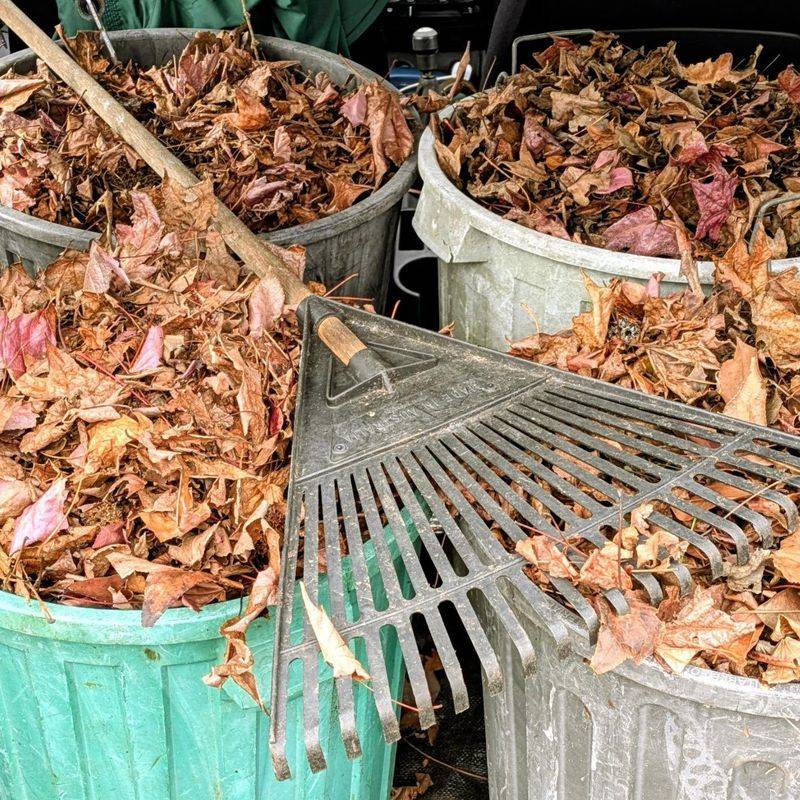
A compost pile that nobody touches can quietly turn into the perfect hideout. When material sits still for weeks, it settles into dense layers with little pockets and tunnels inside.
Rodents love those spaces. A messy, undisturbed pile gives them warmth, protection from wind and snow, and a soft place to nest.
Add nearby food scraps to the mix, and you have created a rodent apartment with room service included.
Michigan winters are cold and long, so animals search hard for cozy shelter. A forgotten compost pile checks every box on their list. The deeper and quieter it is, the more inviting it becomes.
You can break this cycle with a little regular attention. Turning the pile every week or two collapses those hidden tunnels and reminds any critters that this spot is not safe or peaceful.
Using an enclosed bin with a lid and small openings also helps a lot. Solid sides and a tight top make it much harder for animals to burrow in and settle down.
Keeping the pile active matters just as much. A working compost pile heats up in the center as materials break down, and that warmth combined with movement makes it a poor choice for nesting.
Check your pile now and then for signs like small holes, chewed material, or tracks in the snow. Catching these early lets you act fast.
A little attention goes a long way. Stay involved with your compost, and it stays a garden helper instead of a winter hideaway for rodents.
6. Turn And Monitor The Pile Regularly
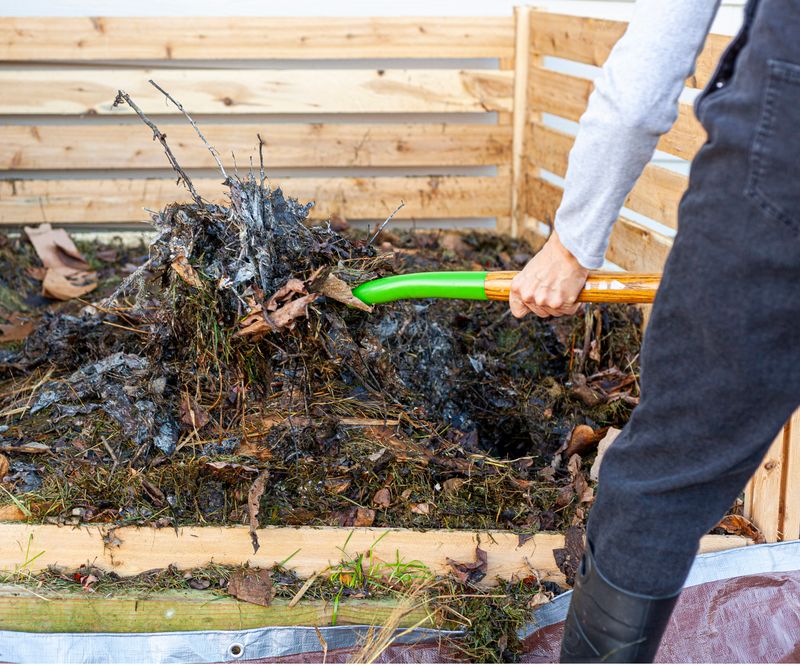
Grabbing a pitchfork and giving your compost a good turn might be the most useful thing you do for it all season. That simple action keeps everything alive and working.
Turning the pile mixes air into the material, and air is what the helpful microbes need to break things down. When you stir it up, the pile heats up in the middle, which speeds up the whole process and helps scraps disappear faster.
Fast breakdown means less time for food to sit around smelling attractive to rodents. The quicker your scraps turn into soil, the less reason critters have to visit.
Turning also destroys the quiet, settled spaces that rodents love to nest in. Every time you flip the pile, you shake up their hiding spots and make the area feel busy and unwelcome.
Aim to turn your compost about once a week during the active months. In deep winter, you can do it less often, but a stir whenever the pile is not frozen still helps.
While you turn, take a quick look at what is going on. Check for wet, slimy spots that need more brown material, or dry areas that could use a splash of water.
Watching your pile also helps you spot early signs of visitors, like small burrows or nibbled scraps. Catching these fast makes them easy to handle.
Regular turning keeps your compost balanced, fast, and far less inviting. A few minutes of effort protects your whole garden setup through the cold season.
7. Protect Compost During Winter Without Stopping Decomposition
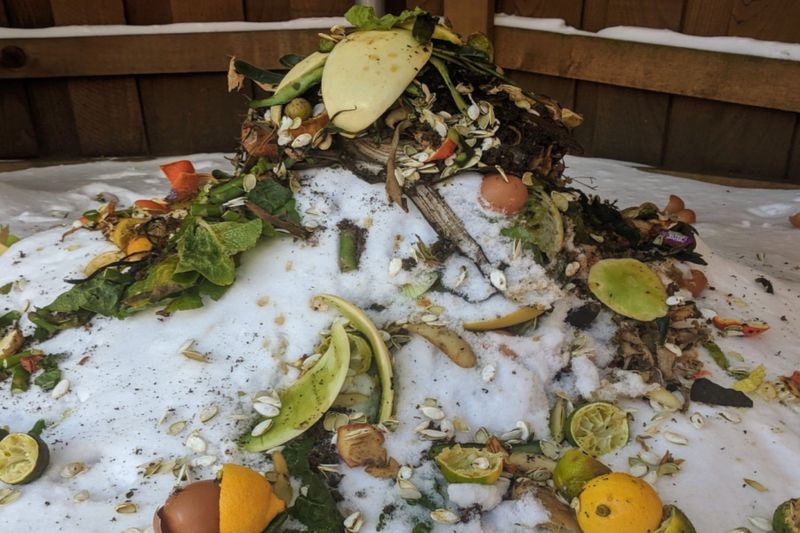
Many people think composting has to stop once the snow arrives, but that is not true at all. You can keep your pile going strong through a Michigan winter with a few smart moves.
The biggest key is covering fresh additions. Every time you add scraps, bury them in the center and pile brown material like leaves or finished compost on top.
This hides food from rodents and holds in warmth.
Cold weather naturally slows decomposition, but it does not stop it completely. The inside of a well-built pile stays warmer than the air around it, so the breakdown quietly continues even when the surface freezes.
Keeping your pile balanced matters even more in winter. A soggy or unbalanced pile freezes solid and smells bad once it thaws, which draws attention from hungry animals.
Save a big stash of dry leaves in fall so you have browns ready all winter. Storing them in bags or a bin near your compost makes it easy to grab a handful whenever you need it.
A lid or cover on your bin adds another layer of protection. It keeps snow and rain out while blocking critters from climbing in.
Never leave scraps sitting on top during the cold months. Exposed food is the number one thing that turns a winter pile into a rodent magnet.
With a little planning, your compost keeps working all season long. Come spring, you will have rich material ready for planting and a yard that stayed free of unwanted winter guests.
8. Keep The Area Around The Compost Bin Clean
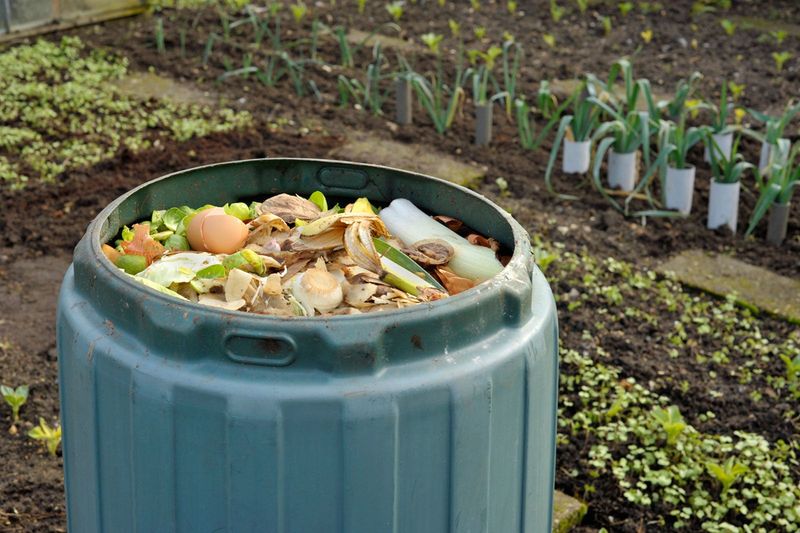
Here is something surprising: you can manage your compost perfectly and still attract rodents if the area around it is messy. The space nearby matters just as much as the pile itself.
Spilled birdseed is a common culprit in Michigan yards. Seed that scatters under feeders becomes an easy snack, and once critters find it, they explore everything close by, including your compost.
Fallen fruit under trees, forgotten piles of garden debris, and leftover pet food bowls all send the same message to animals. They see a neighborhood full of food and shelter, so they move right in.
Clutter gives rodents places to hide as they travel. Stacks of old pots, brush piles, and junk near your bin create safe pathways that let them come and go without being seen.
Cleaning up the whole area makes a huge difference. Sweep up spilled seed, pick up fallen fruit, and store pet food indoors in sealed containers.
Clearing away brush and tidying garden clutter removes hiding spots and open pathways. A clean, open space feels risky to rodents, so they tend to avoid it.
Try to keep a bit of open ground around your compost bin instead of surrounding it with piles of stuff. That openness alone discourages visitors.
Taking care of the surroundings turns your whole composting zone into an unfriendly place for critters. When you combine a well-managed pile with a clean nearby area, you give rodents no reason to stick around your garden this winter.