A Squirming Garden Pest Called The Jersey Wriggler Is Reaching Its Peak In Backyards This Season
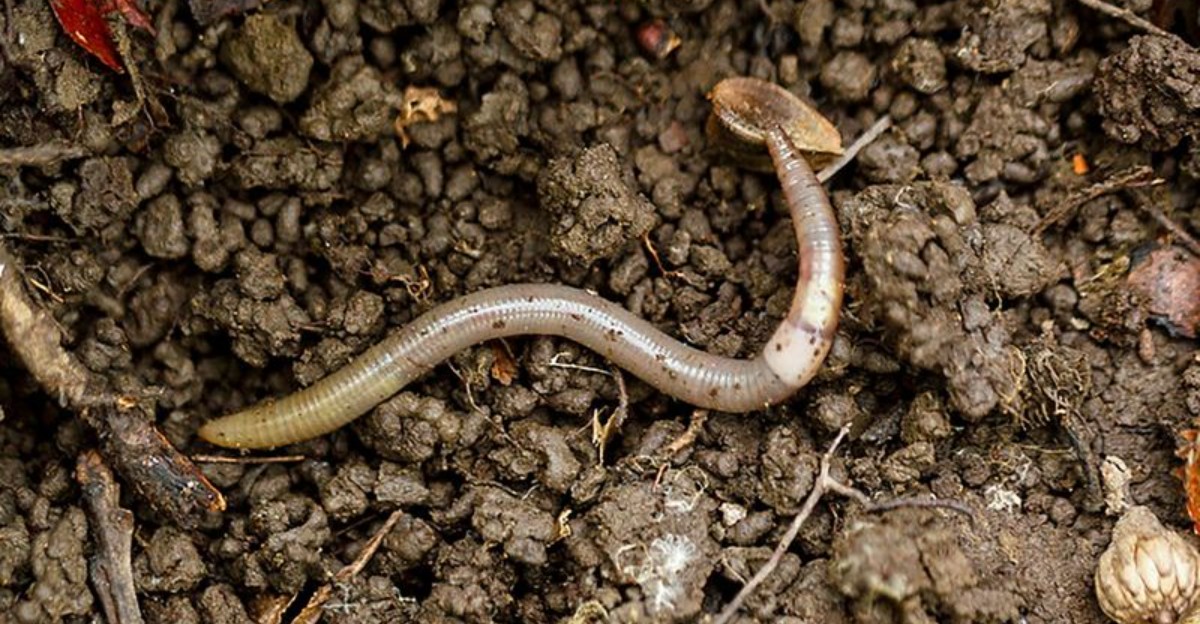
That wriggling blur under your mulch is no ordinary earthworm. You have met a newcomer quietly reshaping garden soil across the region. Touch it, and it flips and wiggles like a live wire on pavement. Pick it up, and it may drop its tail and slip away.
Look for a smooth, milky collar ringing its body near the head. Those grainy crumbs are its castings, and they wash away easily.
Beneath them, your beds lose the spongy organic layer roots crave. In New Jersey, you may find them thriving in shady, mulched borders.
Mating is optional, because they reproduce without a partner. Tiny cocoons rest through winter and hitch rides in mulch, compost, and potting soil.
Share plants with a neighbor, and you might share these guests too. New Jersey specialists urge you to spot them before beds feel hollow.
The Jumping Worm, Also Called The Jersey Wriggler
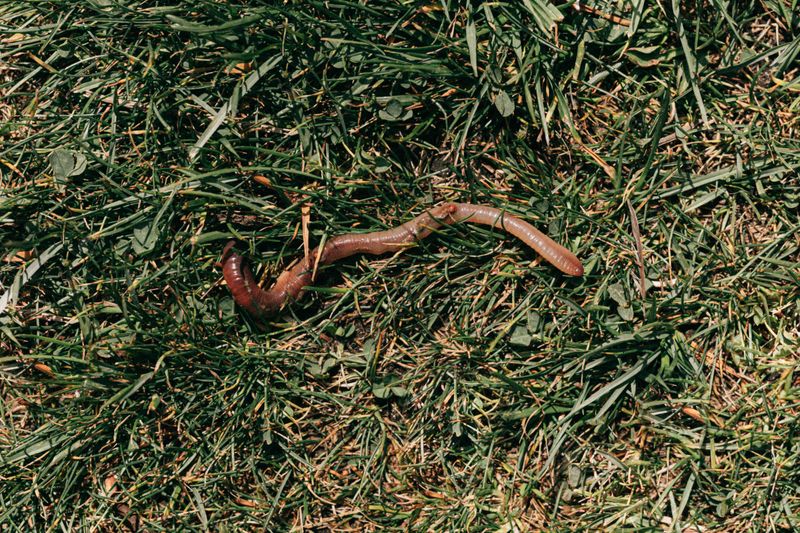
Picture an earthworm that drank three cups of espresso and signed up for gymnastics class. That wild little creature is the jumping worm, which some folks call the Jersey wriggler.
Other nicknames include crazy worm, snake worm, and Alabama jumper. Scientists place most of them in Amynthas, Metaphire, and Pheretima, genera native to East Asia.
The worms likely arrived in North America over a century ago, hidden in soil around imported plants.
Since then, they have spread through nurseries, mulch piles, and shared garden plants. New Jersey lists them as invasive, though they remain patchy rather than widespread across the state.
You can tell them apart from regular nightcrawlers with a quick look. Their bodies are firm, glossy, and often reddish brown with a smooth, milky white band.
That band, called the clitellum, wraps all the way around and sits close to the head. On common earthworms, the band is raised, pinkish, and sits farther down the body.
The real giveaway is the way they move. Touch one, and it thrashes like a snake, sometimes flipping right off the ground.
They can even shed part of their tail to escape a hungry bird or a curious gardener. The move is startling to watch, but it helps them slip away from predators.
Their appetite is the real problem for your New Jersey yard. They gobble the top layer of organic matter that plants, fungi, and tiny soil critters need to thrive.
So while they look like helpful earthworms, they act more like hungry party crashers. Knowing who you are dealing with is the first step toward taking back your beds.
Late Summer Timing And Peak Adult Worm Season
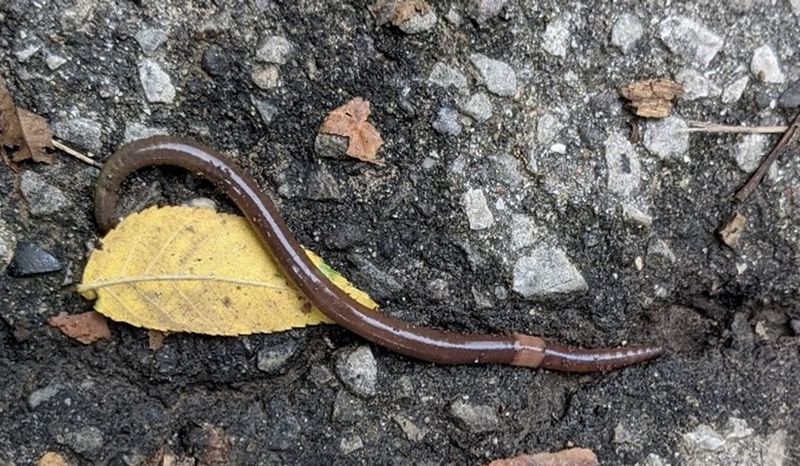
Mark your calendar, because late summer is showtime for these wigglers. From about August through early fall, the adults reach full size and fill the top layer of soil.
In colder regions, their life spans one year. Tiny cocoons hatch in spring once the soil warms up to around 50 degrees Fahrenheit.
In May and June, the babies are small and easy to miss. They look like thin threads hiding under leaves, so most gardeners walk right past them.
Your New Jersey Garden Changes Every Week. Your Plan Should Too.
Gardening in New Jersey changes quickly throughout the season. Every Friday you’ll receive a simple weekly plan showing exactly what to plant, prune, fertilize, harvest, and protect so you never miss the right timing.
By midsummer, the worms have grown fast by feeding on leaf litter. By late summer, adults typically reach three to six inches, sometimes eight.
Grown worms are also at their most active right now. You may spot them wriggling on sidewalks after a rain or thrashing when you pull weeds.
Here is the sneaky part about their schedule. Each worm can reproduce on its own, without needing a partner, and drops cocoons all season long.
Those cocoons are about the size of a mustard seed and are hard to see in soil. They rest safely through winter, even as adults disappear after the first hard frost.
That means a quiet yard in winter can fill with new worms next spring. The cycle keeps repeating unless someone steps in to break it.
Late summer is actually the best time to check your New Jersey yard. The worms are large, easy to spot, and simple to catch before they scatter more cocoons.
Grab a trowel on a cool morning and take a peek under your mulch. Your autumn self will thank you.
Coffee Ground Soil And Other Telltale Clues
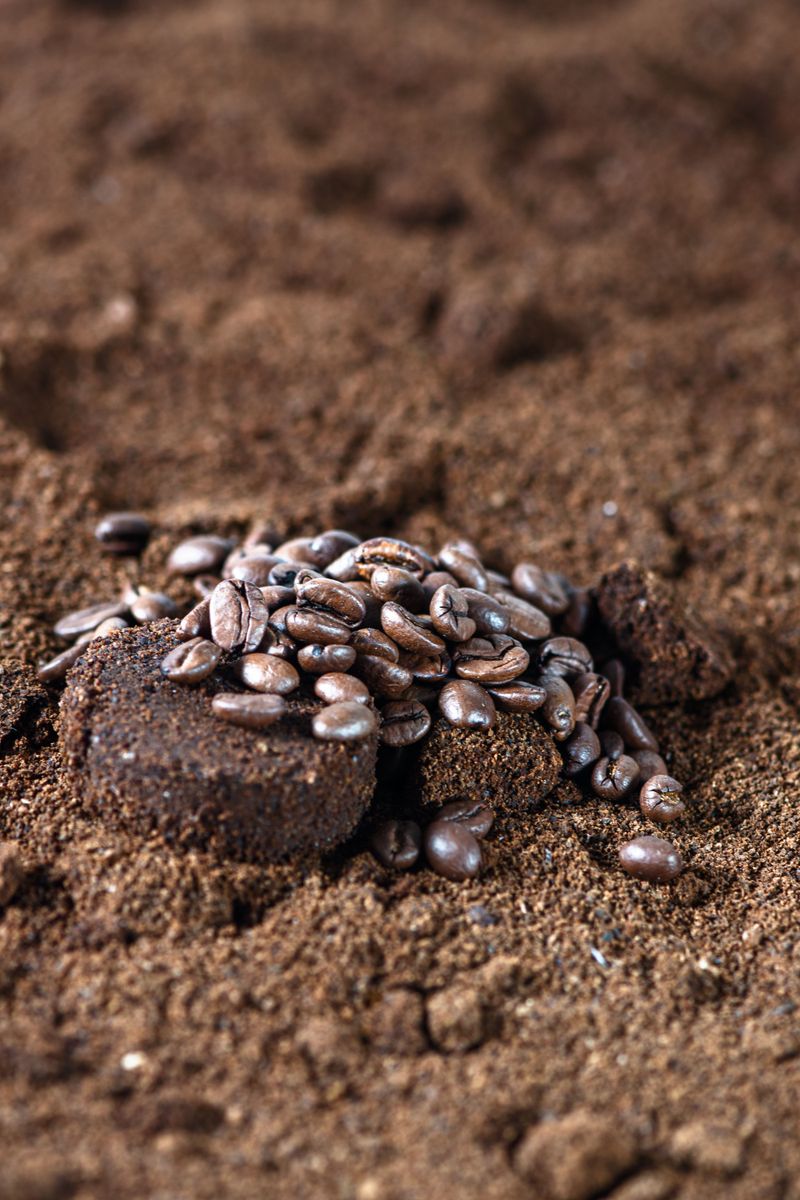
A good detective starts with the scene, and New Jersey garden beds hold plenty of evidence. The biggest clue is soil that looks like a pile of used coffee grounds.
That grainy texture comes from worm castings, which is a polite word for worm poop. Jumping worms leave so much of it that the topsoil turns loose and crumbly.
Healthy soil usually holds together a little when you squeeze it. Soil full of these castings falls apart like dry cereal between your fingers.
Next, look at your mulch and leaf layer. If it seems to shrink much faster than usual, hungry worms may be eating it from below.
Plants give hints too. Shrubs and young trees may wilt in loose, dry soil, though drought and disease can also cause wilting.
In wooded yards, you might notice fewer wildflowers and ferns than before. Forest plants depend on a thick layer of leaves that these worms consume quickly.
For solid proof, try a simple mustard test. Stir one third cup of mustard powder into a gallon of water, then pour it slowly.
The spicy mix irritates their skin and drives worms up to the surface within minutes. If they thrash wildly and shine like wet rubber, you have found your suspects.
The mustard water will not harm your plants, so you can test several spots. Checking a few areas shows how far the worms have spread.
Take a few photos of what you find. In New Jersey, the Invasive Species Strike Team and Rutgers Cooperative Extension can help confirm sightings.
The Fishing Bait And Free Mulch Mistake
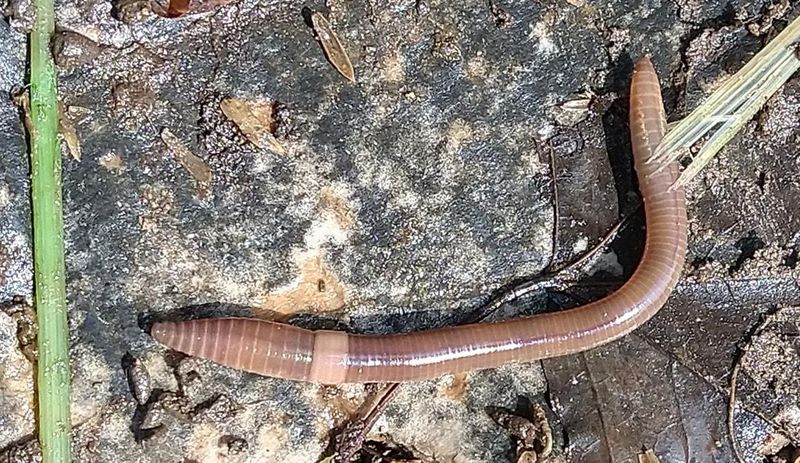
Imagine a neighbor who swears her fishing worms are the best around. A few summers later, her flower beds could turn grainy.
Jumping worms have been sold as bait called Alabama jumpers, though some states restrict sales. Anglers love their wild wiggle, but leftover bait dumped in the yard starts new trouble.
Some people also buy them for compost bins, thinking any worm helps. Sadly, they can escape the bin and move straight into nearby garden soil.
The second common mistake feels even more innocent. Free mulch, wood chips, and bags of leaves from friends can hide cocoons you cannot see.
Shared plants carry the same risk. A potted daylily from a plant swap may come with a hitchhiker tucked inside the root ball.
Garden centers and landscapers can move worms too, often without knowing it. Soil, compost, and mulch that sat in open piles are the biggest concerns.
Nobody wants to turn down a generous gift or a bargain. Still, a few careful questions before you accept can help you prevent long-term problems.
Ask sellers whether their mulch or compost was heated to at least 131 degrees Fahrenheit for several days. That heat leaves cocoons nonviable and makes the material safer to use.
For gifted plants, gently shake off the old soil and check the roots. Rinse them if you can, then plant them in fresh, clean soil.
And if you fish, toss unused bait in the trash instead of the flower bed. The fish will not mind, and New Jersey gardens will be much happier for it.
A Mustard Pour, A Sunny Bag, And A Trash Can
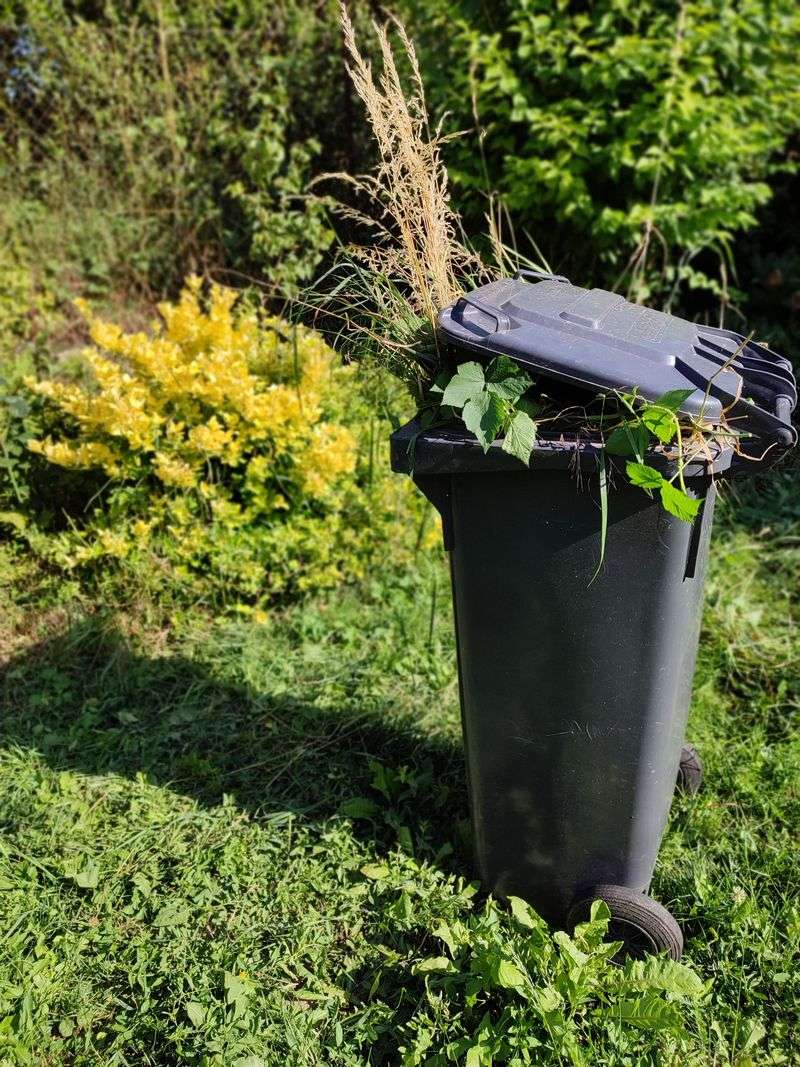
Ready to roll up your sleeves? No single product fully clears out jumping worms, but a few simple methods can steadily shrink their numbers.
Start with hand picking, which works best in late summer when the worms are big. Scoop them up with gloves or a trowel, since they thrash and slip easily.
The mustard pour you use for testing doubles as a removal tool. Soak a patch of soil, wait a few minutes, and collect the worms that rise up.
Drop your catch into a clear plastic bag and seal it tight. Then set the bag in direct sun for at least ten minutes.
Heat builds inside the bag and takes care of the worms for good. Once that is done, the sealed bag goes straight into the trash, not the compost.
Solarizing soil works on a bigger scale. Cover a moist, bare patch with clear plastic during hot weather and weigh down the edges.
Researchers found that soil held at about 104 degrees Fahrenheit for three days leaves cocoons nonviable. That makes solarizing a smart move for empty beds before replanting.
Some gardeners also try biochar or organic products that contain saponins from tea seed meal. Results vary, and tea seed meal can harm aquatic life, so ask extension experts first.
Skip the urge to dig and turn the soil over and over. Too much tilling can spread cocoons and harm the helpful creatures still living there.
Patience matters here more than muscle. Steady effort each summer adds up and can help keep their numbers lower over time.
Clean Tools, Tested Soil, And A Healthier Yard Ahead
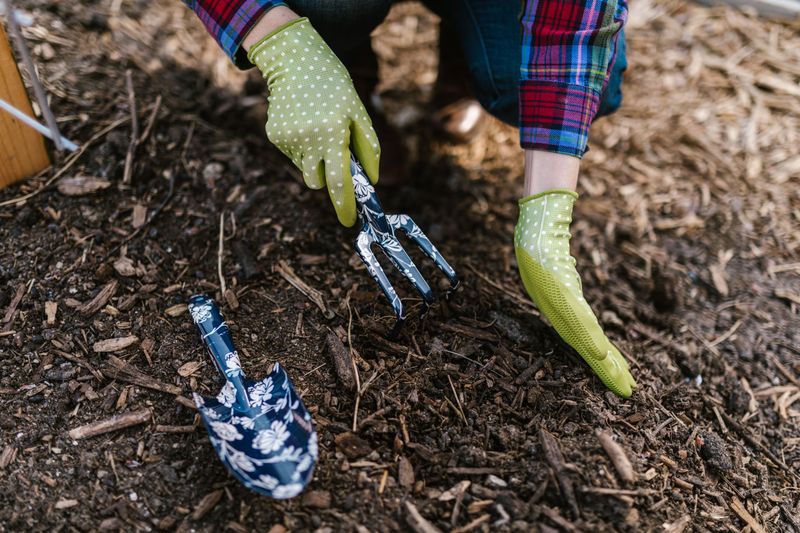
Think of prevention as locking the front door before uninvited guests show up. A few easy habits can keep jumping worms from ever reaching your New Jersey yard.
Start with your tools and boots. Tiny cocoons cling to soil stuck on shovels, wheelbarrows, and shoe treads.
Knock off the dirt and rinse your gear before moving from one garden to another. This habit especially helps after volunteer days or visits to friends’ gardens.
Buy mulch and compost from sellers who heat treat their products. Bagged materials that are certified or clearly labeled are usually a safer choice than open piles.
Before planting anything new, check the pot. Slide the plant out and look for grainy soil or worms that flip and wriggle.
If you share plants with friends, offer them bare root when possible. It takes a little extra work, but it protects everyone’s gardens.
Keep testing your soil with a mustard pour each summer, even if things look fine. Catching a small group early is far easier than managing a large population.
Help your soil gradually recover by adding shredded leaves and planting deep-rooted natives. Healthy roots can help stabilize loose soil and support beneficial soil life.
Talk with neighbors too, since worms do not stop at property lines. A whole street working together makes a much bigger difference than one yard alone.
Over time, careful habits turn a worried gardener into a confident one. Your beds can grow rich, dark, and full of life again, one season at a time.