The Fall Yard Mistake That Draws Snakes Closer To Texas Homes
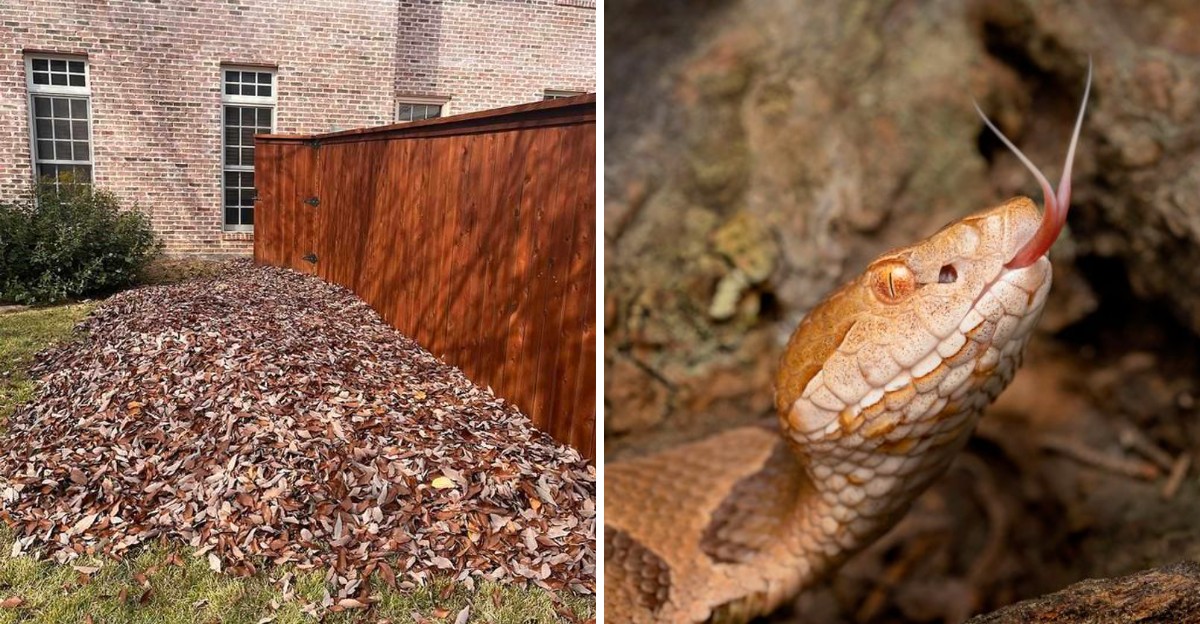
Fall in Texas hits different. The air finally has some bite to it, the grill is going, and there is something deeply satisfying about kicking through a pile of leaves like you are eight years old again.
Honestly, autumn in this state is a whole mood. But here is the part nobody puts on the fall checklist: one completely avoidable habit is quietly rolling out the welcome mat for guests you absolutely did not invite.
These visitors do not knock, they do not bring anything to the table, and they are very good at finding the coziest corner of your yard before you even realize they moved in. The frustrating part is that the fix costs almost nothing and takes less time than you think.
So lace up your boots, grab your gloves, and let us talk about what is hiding in plain sight right now.
1. That Pile Of Leaves By Your Fence Is Basically A Snake Welcome Mat
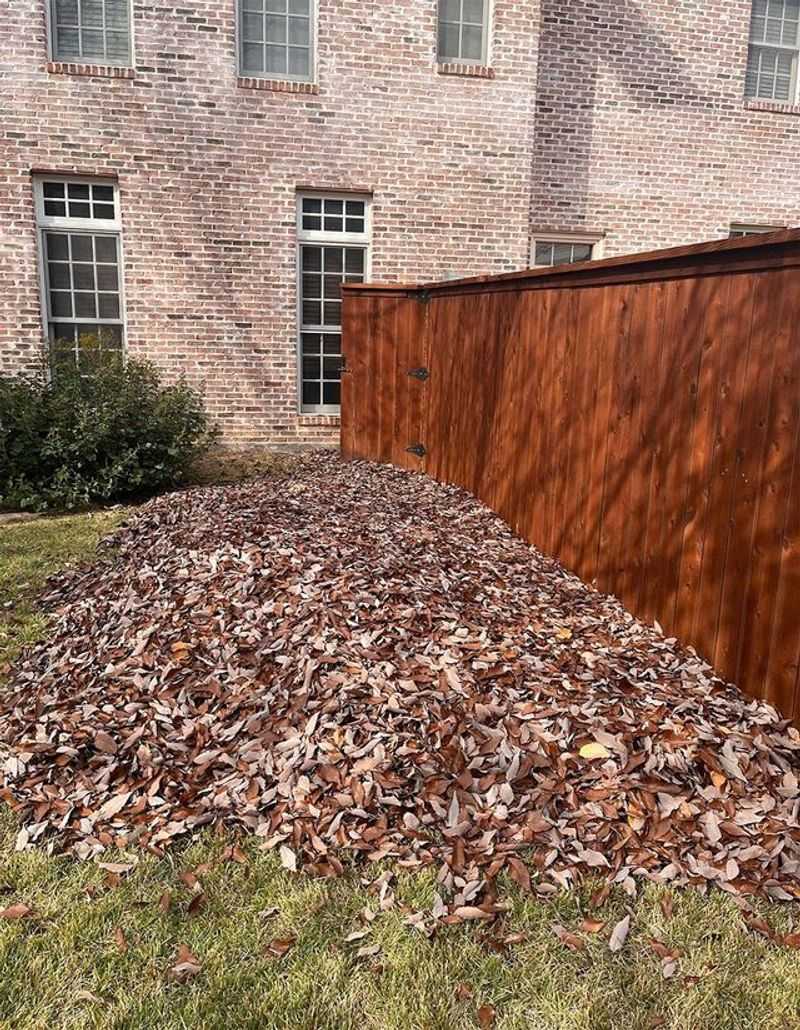
Picture a snake cruising your Texas yard in October. It wants three things: shelter, warmth, and a quick meal.
A fat pile of leaves along your fence checks every single box. It is like a cozy motel with free room service.
Leaves trap moisture and heat as they break down. On chilly fall nights, the inside of that pile stays warmer than the open grass.
Snakes are cold-blooded, so they chase that warmth hard. A leaf pile gives them a spot to rest without being seen by hawks or people.
Fences make things worse because they act like highways. Snakes like to travel along edges, so they follow the fence line right into your leaves.
Once one finds the spot, it may stick around for weeks. Some even use deep piles as a place to wait out cooler weather.
The fix is easier than you might think. Rake leaves away from fences at least once a week during peak fall.
Bag them, compost them in a closed bin, or spread them thin as mulch far from the house. A thin layer does not give snakes the same hiding power.
Leave a clear strip of short grass or gravel along your fence line. That open gap makes snakes feel exposed and nervous.
Think of it as rolling up the welcome mat. Your fence will look neater, and fewer scaly visitors will stop by.
2. Why Brush Piles Near Foundations Spell Trouble
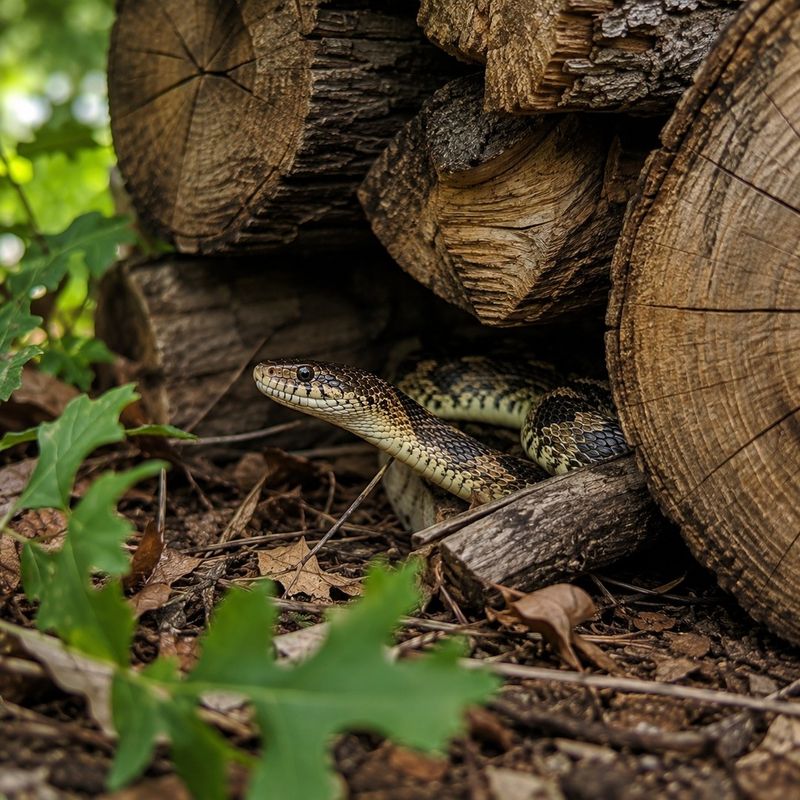
Ever trimmed your shrubs and tossed the clippings right next to the house? Most of us have done it with plans to haul them off later.
Later has a funny way of turning into three months. Meanwhile, that brush pile becomes prime real estate for wildlife.
Brick and concrete foundations soak up sun during the day. At night, they slowly release that heat back into the air.
A brush pile pressed against that warm wall is snake heaven. It offers heat, cover, and lots of little gaps to squeeze into.
Here is the scary part for Texas homeowners. Foundations often have small cracks, weep holes, or gaps near pipes.
Your Texas Garden Changes Every Week. Your Plan Should Too.
Gardening in Texas changes quickly throughout the season. Every Friday you’ll receive a simple weekly plan showing exactly what to plant, prune, fertilize, harvest, and protect so you never miss the right timing.
A snake resting in brush may slip through one of those openings. Suddenly it is in your garage, crawl space, or laundry room.
Copperheads are especially fond of this setup in the eastern half of the state. Their coloring blends right into dry sticks and twigs.
So what can you do? Move brush piles at least 20 to 30 feet away from your home, or better yet, get rid of them.
Many cities offer curbside brush pickup a few times a year. Check your local schedule and plan your trimming around it.
While you are out there, seal foundation gaps with caulk or fine mesh. A tidy foundation edge is one of the best snake barriers you can build.
3. Garden Edges Hide More Than Veggies
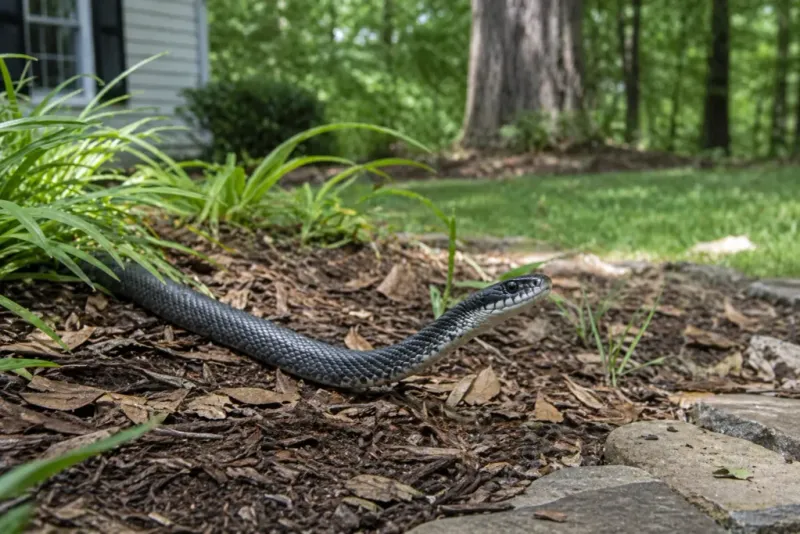
My neighbor swore her fall garden was the pride of the block. Then she reached in to pull a weed and came face to face with a rat snake.
She was fine, but she learned a big lesson that day. Garden edges collect junk faster than almost anywhere else in the yard.
Think about what piles up there by fall. Dried vines, fallen leaves, old stakes, and pulled weeds all end up along the border.
Gardens also stay damp because you water them often. That moisture brings in frogs, toads, and insects.
And guess who loves eating frogs and bugs? Snakes do, and they will happily patrol your garden edge for a snack.
In Texas, harmless snakes like garter and rat snakes show up often. Venomous ones can wander in too, so caution matters.
Start by clearing out finished plants as soon as the harvest ends. Toss old vines in a sealed compost bin instead of a loose heap.
Keep a clean border of bare soil, gravel, or short grass around raised beds. Snakes dislike crossing open ground where they feel exposed.
Wear sturdy gloves and use a hand rake before reaching into thick plants. It gives any hidden critter a chance to move along first.
A tidy garden edge still grows great food. It just stops doubling as a snake buffet line.
4. Rodents Love Your Yard Clutter, And Snakes Follow Them
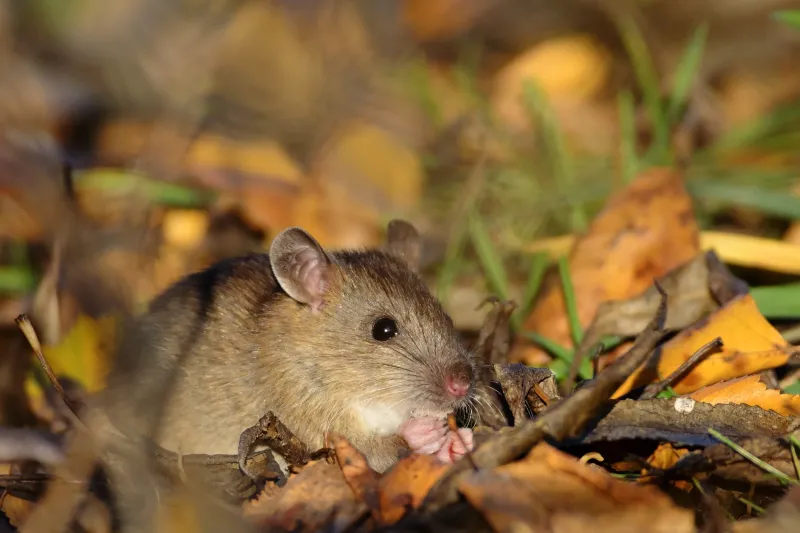
Snakes are basically following a dinner menu. If you want to know why they visit, look at who else is living in your debris.
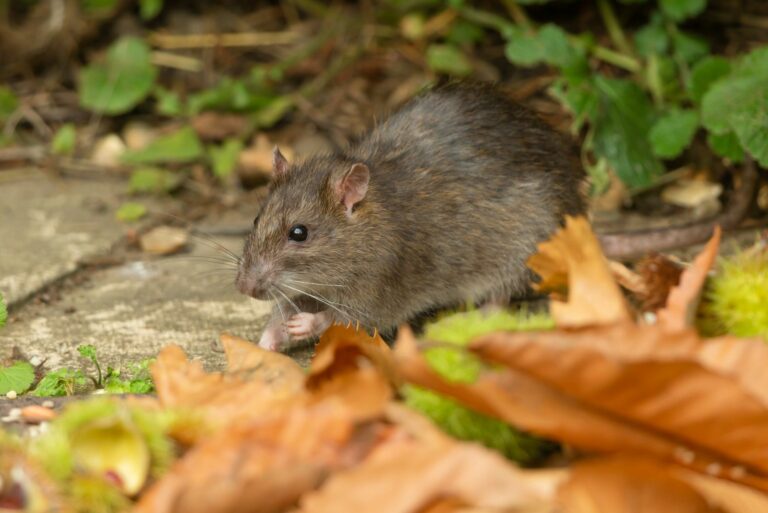
Mice and rats adore leaf piles and brush heaps. These spots give them warm nests and easy access to seeds and scraps.
Fall is when rodents get serious about finding winter homes. They start moving closer to houses, sheds, and garages across Texas.
Clutter along fences and foundations becomes their base camp. From there, they can sneak into attics or snack on bird seed.
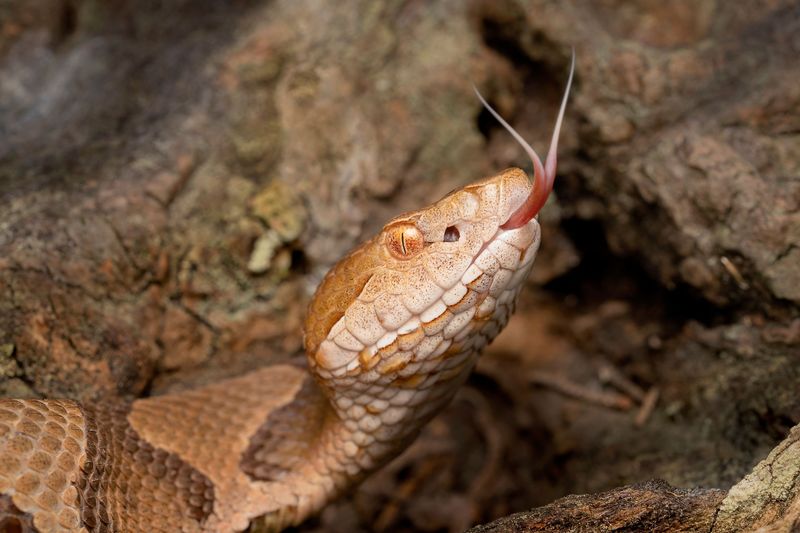
Snakes pick up rodent scent with their flicking tongues. A single mouse family can pull a hungry snake right to your door.
Fun fact: a tongue flick is how snakes smell. They collect tiny scent bits and pass them to a special organ on the roof of the mouth.
So the smartest snake plan is really a rodent plan. Cut the food and shelter, and you cut the snake traffic.
Store pet food and bird seed in sealed metal or thick plastic bins. Clean up fallen seed under feeders every few days.
Clear leaf and brush piles so mice have fewer nesting spots. Set traps in garages if you notice droppings.
Break the chain at the bottom, and the top of the chain loses interest in your yard.
5. Fall Is Busy Season For Snakes Across Texas
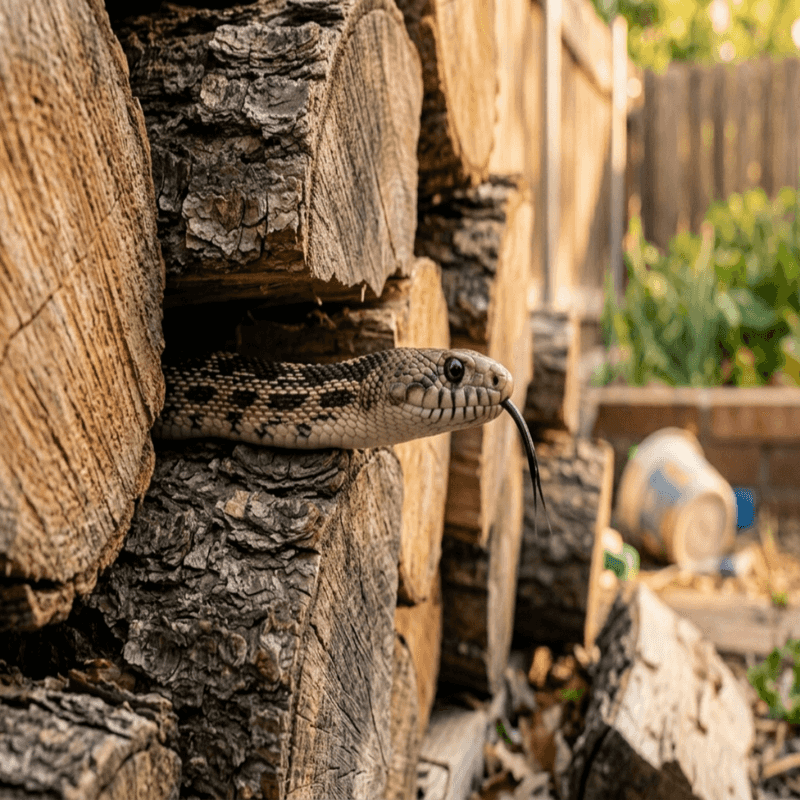
Many people think snakes vanish once summer ends. In Texas, the opposite is often true for a few busy weeks.
Fall brings a burst of snake activity. Cooler days make them more comfortable moving around in daylight.
Many snakes are also hunting to fatten up before winter. They need stored energy to get through the chilly months ahead.
On top of that, young snakes born in late summer are out exploring. These little ones wander widely while looking for their own spots.
Then comes the big search for a winter hideout. Snakes look for places that stay above freezing, like deep leaf piles, rock walls, and gaps under homes.
That hunt is exactly why fall yard clutter matters so much. Your leaf pile might look like the perfect winter bedroom.
Winters are usually mild, so snakes may pop out on warm days. You could spot one sunning itself in January.
Keep that in mind as you plan your yard chores. Clean up debris early in fall, before snakes settle into winter spots.
Walk your yard with a flashlight at dusk if you live near woods or creeks. Snakes like copperheads often move during cool evenings.
Knowing their calendar helps you stay a step ahead. A little timing makes your cleanup far more effective.
6. How To Clean Up Leaf Piles Safely
Okay, so you are ready to rake. Before you charge in, a few safety habits can save you a nasty surprise.
First, dress for the job. Wear thick leather gloves, long pants, and closed boots instead of flip-flops.
Most snake bites happen on hands and ankles. Covering those spots makes a big difference.
Next, use tools instead of your hands. A long-handled rake or pitchfork keeps you at a safer distance from any hidden guest.
Start at the outside edge of a pile and work inward slowly. Gentle movement gives snakes time to slip away on their own.
Never reach blindly into a pile or under boards. Lift items with a tool and tip them away from your body.
If you do see a snake, stay calm and back off. Most Texas snakes want nothing to do with people and will leave if given space.
Do not try to grab or chase it. Many bites happen when folks try to handle or harm a snake.
Keep kids and pets inside while you work. Curious dogs sniffing around piles are at high risk for bites.
If a bite happens, call 911 and stay still. Skip the old tricks like cutting or sucking the wound, since they do more harm than good.
7. Know Which Snakes Might Visit Your Yard
Texas is home to more than 100 kinds of snakes. That sounds scary, but most of them are harmless and even helpful.
Only a small group carries venom. Knowing the difference helps you react wisely instead of panicking.
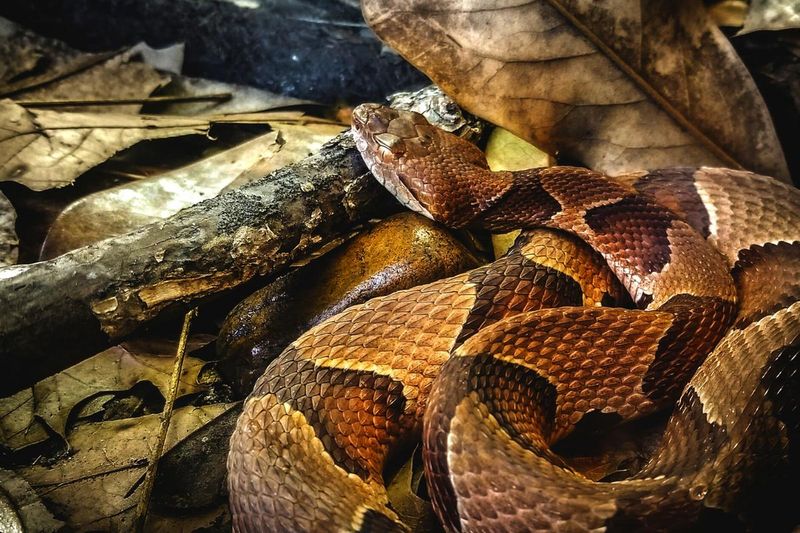
Copperheads are the ones most likely to hide in leaf piles. They have tan bodies with hourglass-shaped bands and blend right into fallen leaves.
Rattlesnakes, like the western diamondback, prefer drier areas in central and west Texas. They often rattle as a warning when disturbed.
Cottonmouths hang out near water, so homes by creeks or ponds may see them. Coral snakes are small and brightly banded but shy.
On the friendly side, rat snakes are common yard visitors. They eat tons of mice and are not venomous.
Garter snakes and ribbon snakes also help control pests. Rough earth snakes are tiny and often mistaken for worms.
Here is a helpful tip: take a photo from a safe distance. Local extension offices and online groups can help identify it.
Many harmless snakes get harmed because people assume the worst. Giving them space keeps you safe and protects your local pest patrol.
When in doubt, treat every snake with respect. Call a local wildlife removal pro if one shows up inside your home.
8. Simple Yard Habits That Keep Snakes Away All Fall
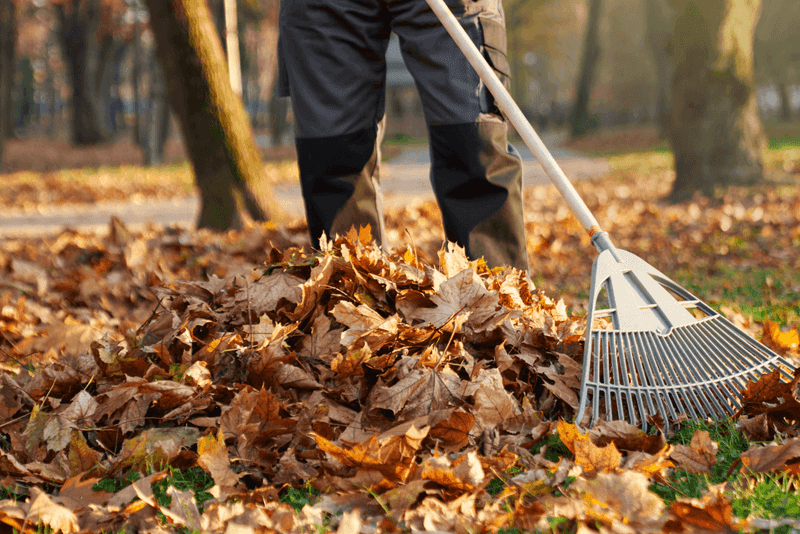
Good news: keeping snakes away is mostly about routine. A few easy weekly habits can make your Texas yard far less appealing.
Rake leaves away from fences, foundations, and garden beds every week in fall. Small cleanups beat one giant weekend project.
Keep your grass mowed short, especially near the house. Snakes avoid open, low lawns because predators can spot them.
Trim shrubs so branches sit several inches above the ground. That gap removes shady hiding spots near your walls.
Store firewood on a raised rack at least 20 feet from your home. Stacked wood on the ground is another favorite snake hangout.
Pick up old boards, tarps, flower pots, and toys lying around. Anything flat on the ground can become a snake shelter.
Consider a gravel or rock border along the foundation. It is harder for snakes to hide in, and it looks sharp too.
Skip the store-bought snake repellents and mothballs. Experts say most do not work well and can harm pets and soil.
Finally, walk your property once a month and look for new gaps or piles. Fixing problems early keeps small issues from growing.
Your yard does not need to look like a golf course. It just needs fewer cozy hideouts, and the snakes will look elsewhere.