8 California Garden Features That Can Help Native Wildlife Through Winter
Some of your yard’s busiest residents pay zero rent.
They show up quietly. They keep odd hours. A few sleep through the whole season, tucked away in places most people rake, clip, or toss without a second thought.
Winter is not easy on them. Food runs short. Cold nights stretch long. Safe hideouts can vanish with one quick weekend cleanup.
So how welcoming does your yard look to those tiny tenants right now?
A spotless lawn with every stem trimmed and every leaf bagged may look great from the sidewalk.
To a hungry bird or a sleepy bee, though, it can feel like an empty hotel with the lights off.
The good news is surprising. A wildlife-friendly yard often takes less effort, not more.
Some of the best moves start with the rake back in the shed. Others cost nothing at all.
Curious which features can turn your yard into a winter refuge? Grab a warm drink and a notepad. Your new neighbors are about to feel right at home.
1. Brush Piles Offer Real Winter Shelter
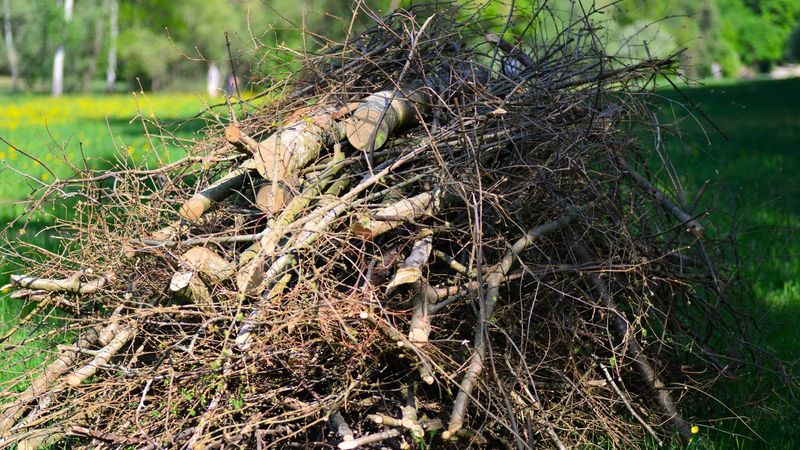
A song sparrow darts into a tangle of branches just as a Cooper’s hawk swoops over the yard. That quick escape is exactly what a brush pile offers.
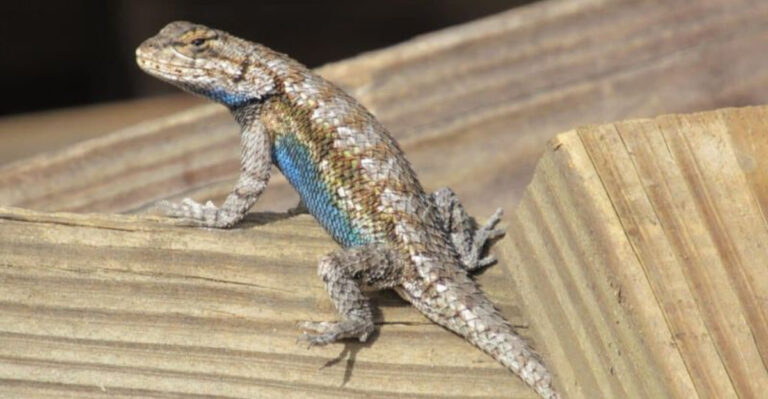
When winter storms roll in, a loose heap of sticks turns into a safe hideout for birds, lizards, and small mammals.
The real magic sits in the gaps. Spaces between branches block wind and rain.
They also keep predators like hawks and cats away from whoever hides inside. Ground-feeding birds such as towhees and juncos often forage nearby, since cover sits just a hop away.
The setup is simple. Start with thick logs or large branches on the bottom to create open pockets near the ground.
Then layer smaller sticks and pruned twigs on top. Crisscross them so the pile stays airy instead of packed tight.
Now pick the spot like a real estate agent would, because location matters. Tuck the pile in a quiet corner, away from busy paths.
A spot near shrubs or a fence line gives animals a safe route in and out.
Fire-prone parts of California call for extra care. Keep woody material out of the zone closest to your home, and follow local defensible space rules.
Best of all, a brush pile recycles fall trimmings. Your yard waste becomes a free winter shelter instead of a curbside chore.
The birds get a cozy fort, and you skip a trip to the green bin. Everybody wins.
2. Leaf Litter Supports Overwintering Insects
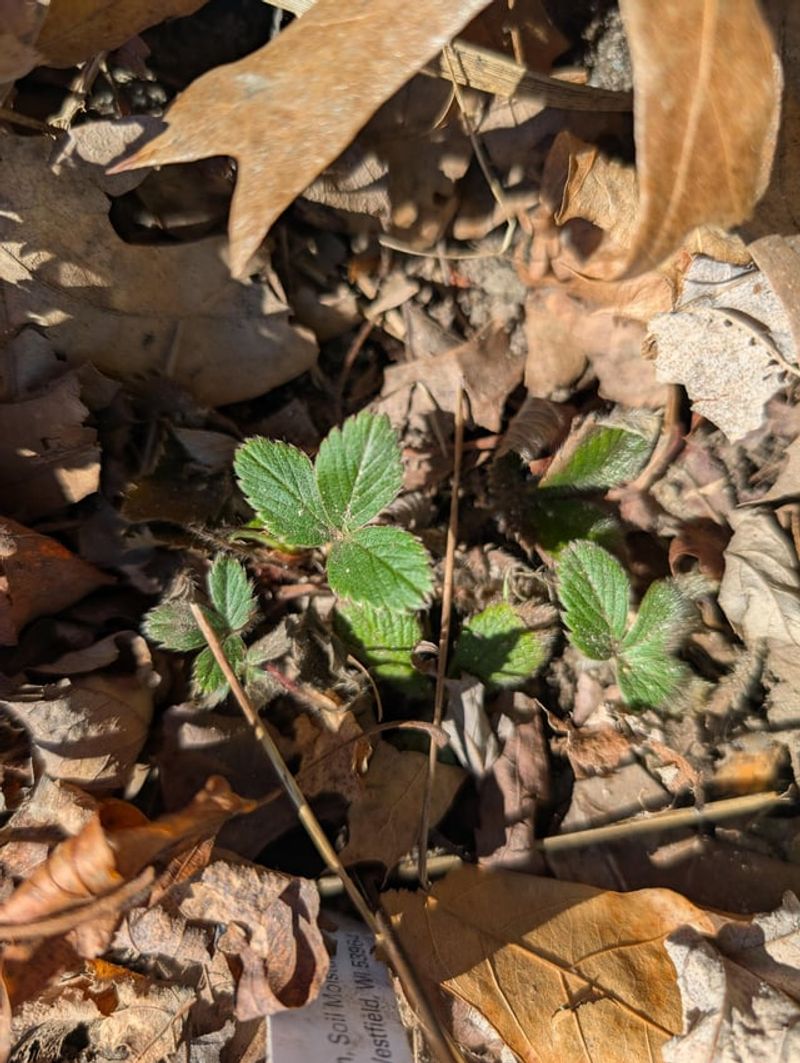
That pile of fallen leaves you plan to rake up might hold a crowd of tiny sleeping guests. Leaf litter ranks among the most valuable winter habitats a yard can offer.
Many insects spend the cold months tucked right inside it.
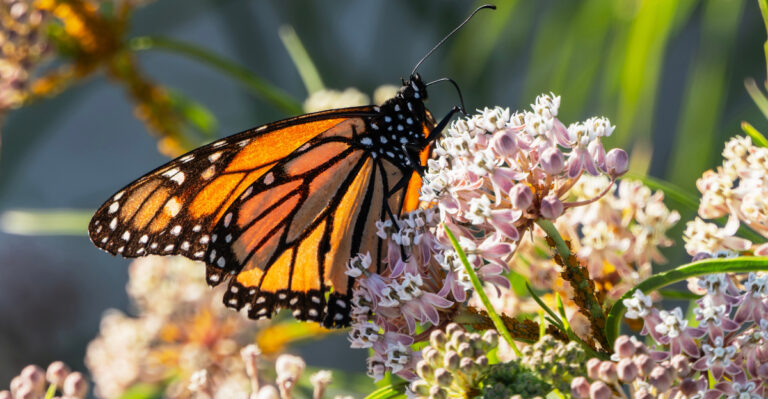
Beetles, spiders, and firefly larvae hide among the leaves. Some butterflies and moths overwinter there as eggs, caterpillars, or cocoons.
Bumble bee queens often burrow just under the leaf layer to wait for spring.
A blanket of leaves works a lot like a cozy quilt. It holds in moisture, softens sudden temperature swings, and shields small bodies from dry air.
Your California Garden Changes Every Week. Your Plan Should Too.
Gardening in California changes quickly throughout the season. Every Friday you’ll receive a simple weekly plan showing exactly what to plant, prune, fertilize, harvest, and protect so you never miss the right timing.
Bagged leaves that leave the property usually take those insects with them.
No need to turn the whole yard into a wild forest floor. Rake leaves off the lawn and paths, then spread them under shrubs, around trees, and in garden beds.
A layer a few inches deep suits most insects just fine.
Now for a perk that makes this even sweeter. As leaves break down, they feed the soil and act like free mulch. That helps hold water through dry spells.
The payoff reaches the birds too. Those overwintering insects become food for wrens, towhees, and hungry nestlings once spring arrives.
A pile of leaves this fall quietly stocks the pantry for next year’s baby birds. Your rake, meanwhile, gets a well-earned early retirement.
3. A Water Source Helps More Than Expected
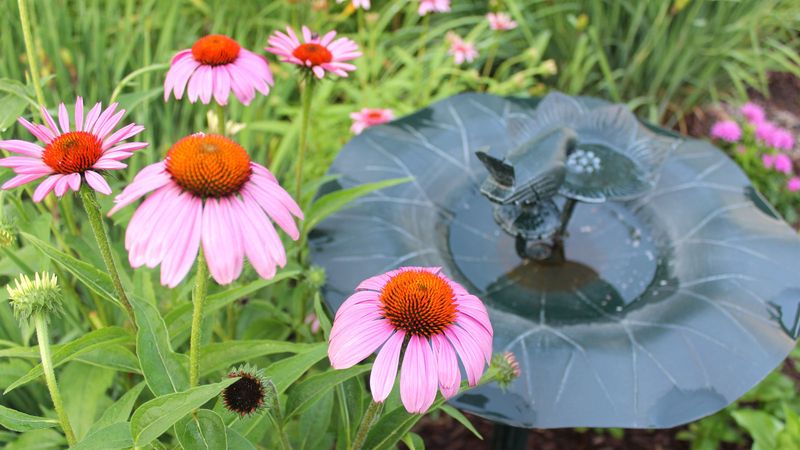
Most people see winter as California’s wet season, and sometimes it is. Still, dry spells can stretch for weeks between storms.
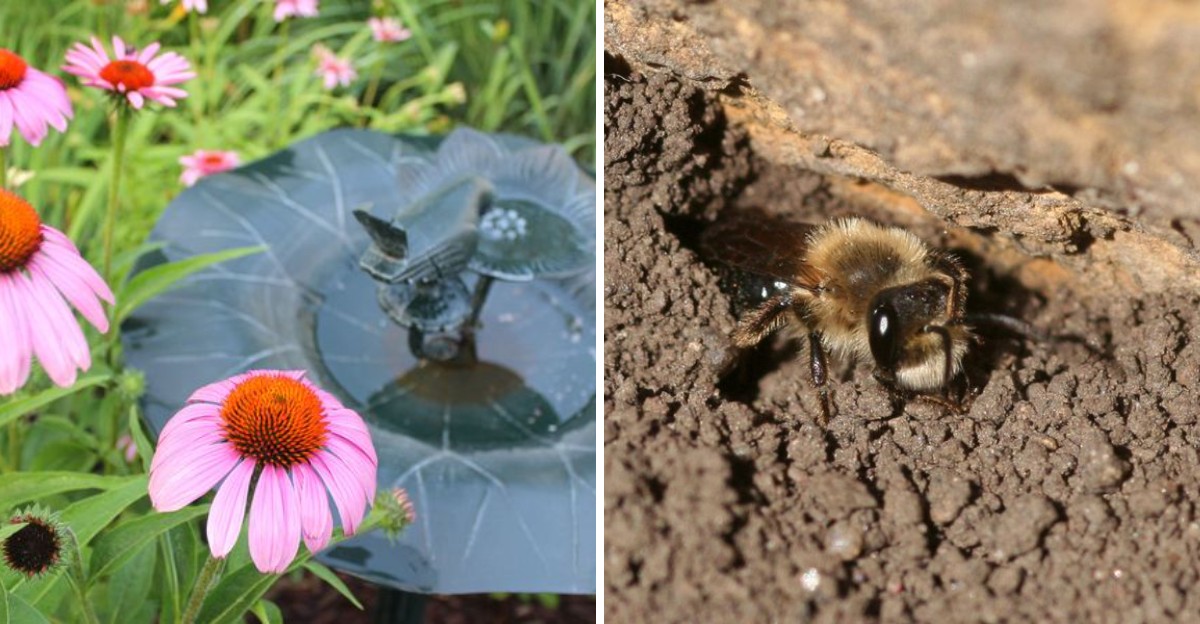
Inland valleys and Southern California feel those gaps most. Once puddles vanish and creeks run low, a simple birdbath can turn into the busiest spot on the block.
Birds need water for more than a drink. They also bathe to keep feathers clean.
Clean feathers trap air and hold in body heat on cold nights. Bees, butterflies, and small mammals visit a reliable water source too.
Shallow is the key word here. Aim for water only an inch or two deep, with a gently sloped edge.
Insects appreciate a few flat stones or pebbles that poke above the surface. Those little islands give them a safe spot to land and sip.
Keep the water fresh with a rinse and refill every few days. Water that sits too long can grow algae or attract mosquito eggs.
Now for a location trick that helps birds relax. Place the bath near a shrub where birds can dash for cover.
Keep it far enough away that a cat cannot hide right beside it. A clear view of a few feet around the bath gives visitors time to spot danger.
Once wildlife learns your water is dependable, they return again and again all winter.
Your birdbath becomes the neighborhood spa. Towels not included.
4. Native Berry Shrubs Provide Steady Food
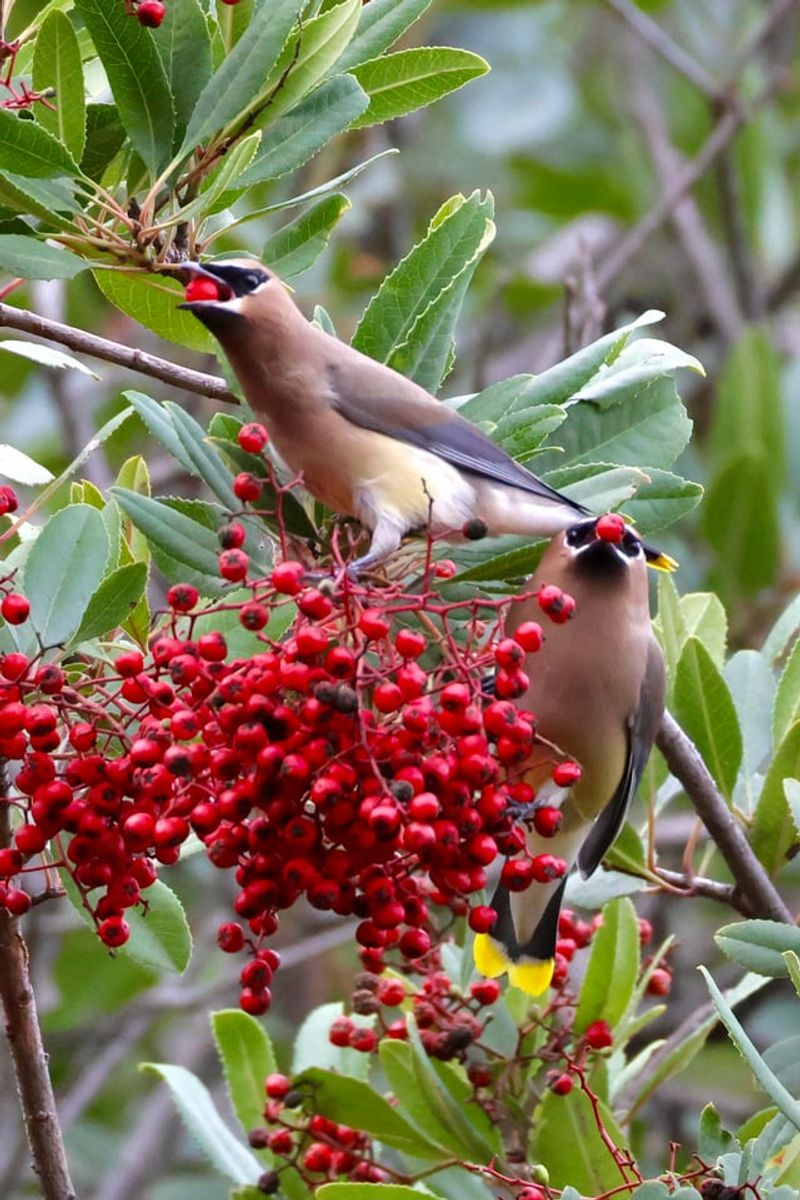
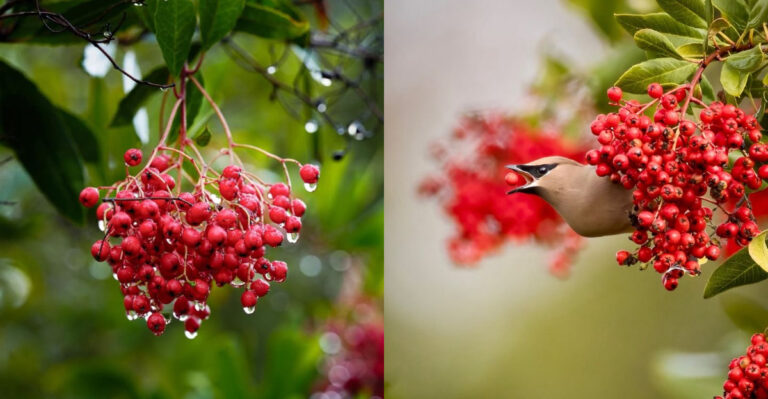
A popular legend says Hollywood got its name from toyon, the shrub sometimes called California holly. True or not, toyon is a winter superstar.
Its bright red berries ripen right around the holidays, just when birds need food the most.
Native berry shrubs matter because insects grow scarce in cold weather. Robins, cedar waxwings, hermit thrushes, and mockingbirds switch to fruit.
A shrub loaded with berries can feed a flock for weeks.
Toyon has plenty of good company. Coffeeberry produces dark berries that many birds love. Some manzanitas hold small fruits into the cooler months.
Currants and elderberries fill in other parts of the year, so a mix keeps the buffet open longer.
Natives tend to suit local soils and dry summers. They also grew up alongside local birds, so their fruit usually ripens right when wildlife needs it.
Now mark your calendar, because the season you plant matters. Fall is the best time to plant.
California’s cool, rainy months let roots settle before summer heat arrives. Water young shrubs through their first dry season, then taper off as they establish.
Give it a year or two. One winter morning, you may look outside and spot a whole flock of waxwings clearing your shrub.
That is a happy problem to have. Just do not expect them to leave a tip.
5. Standing Seed Heads Feed Hungry Birds
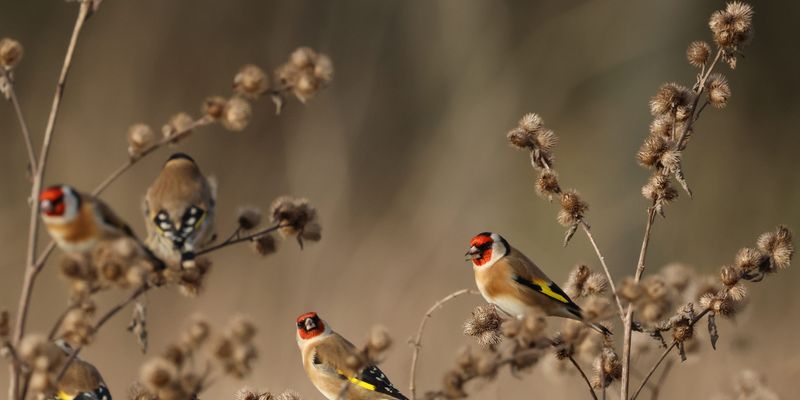
Put down those pruners for a moment. Brown, dried-out flower stalks might look finished, but to a goldfinch, they are a full dinner plate.
Seed heads left standing through winter feed birds without a single bag of birdseed.
Many native flowers hold their seeds long after the petals fall. Sunflowers, gumplant, California buckwheat, and native grasses all keep seeds on their stems into the cold months.
Finches, sparrows, juncos, and towhees pick through them for days at a time.
Now grab a window seat, because the show is honestly entertaining. Lesser goldfinches hang upside down on swaying stems and pluck seeds one by one.
Sparrows often hop underneath and collect the seeds that drop.
Those hollow stems do double duty as well. Some native bees nest or overwinter inside hollow or pithy plant stems.
A full fall cutback can remove those tiny nurseries.
Late winter or early spring makes a better cleanup time, once new green growth appears. A neater look near walkways is easy too.
Trim only the stems along paths and leave the rest standing in the back of beds.
A little patience changes how the garden looks. Frost on seed heads can look surprisingly pretty, and birds add motion to a garden that might otherwise seem asleep.
Your yard becomes a free restaurant with a great view. The goldfinches even handle their own acrobatic entertainment.
6. Undisturbed Soil Protects Ground Dwelling Species
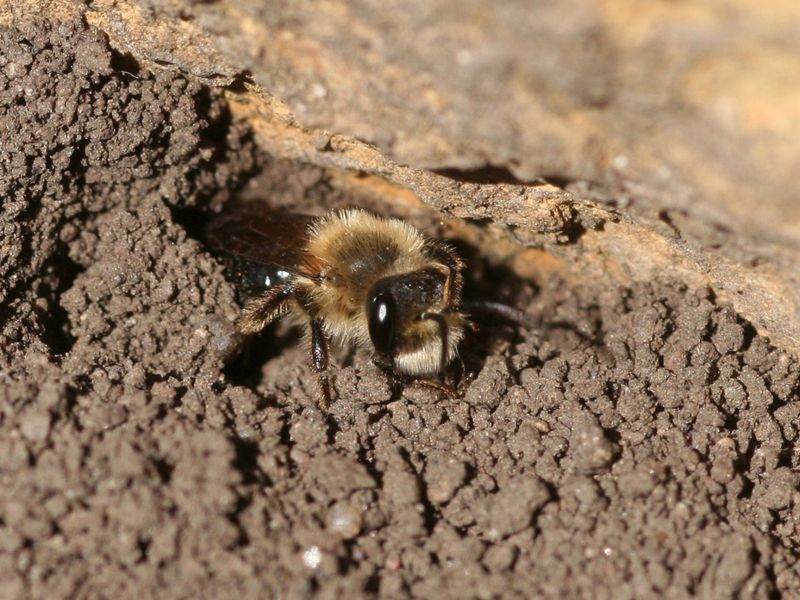
A whole hidden world waits out the winter right under your feet. About 70 percent of native bee species nest in the ground.
Many spend the cold months as young bees sealed inside tiny underground chambers.
That is why a shovel, a tiller, or a thick layer of mulch can cause trouble. Turned soil can crush those nests or bury them too deep.
Beetles, some moth pupae, and other small creatures also overwinter just below the surface.
Leave a few patches of bare, open soil alone, especially in sunny spots. Ground-nesting bees often prefer well-drained areas with little plant cover.
A slope or the edge of a path suits them nicely.
Skip landscape fabric in at least part of the yard. Fabric and deep mulch can block bees from their exit route in spring.
Now give that patch a new title, because a label keeps everyone on the same page. Mark it as a no-dig zone with a few rocks.
Family members will know to leave it be.
As spring warms up, watch that patch closely. Tiny holes with little piles of soil around them may start to appear.
Those holes mean bees made it through winter right where you left them alone. Soon they will be busy with your flowers and fruit trees.
Your no-dig zone turns into the quietest, most productive corner of the garden. Sometimes the best help comes from a step back.
7. Nesting Boxes Give Birds A Head Start
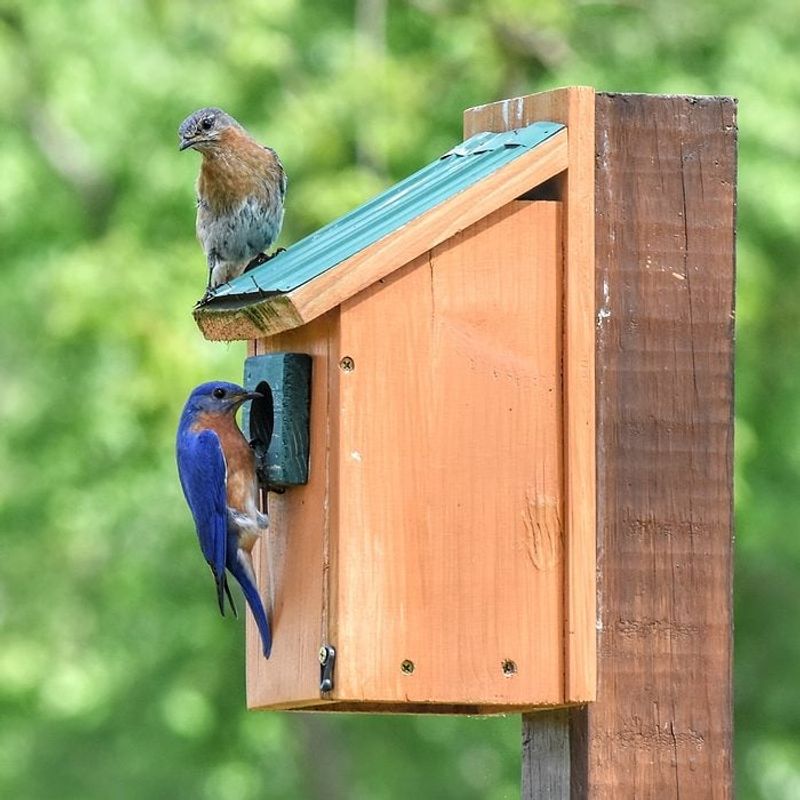
Some California birds start house hunts while it still feels like winter. Western bluebirds, oak titmice, and chickadees may scout nest spots as early as late winter.
A box ready before then gives them a real advantage.
These birds are cavity nesters. They raise their young inside holes in trees.
Many neighborhoods have lost old snags with natural holes, so good nest spots grow hard to find. A well-built box fills that gap.
Some birds also use boxes as shelter on chilly nights before spring nests begin. A few small birds even huddle together inside to share body warmth.
Now pay attention to the details, because size really does matter here. The entrance hole decides which birds can move in.
Check the right hole size and mount height for the species you hope to attract. Local bird groups and nature centers usually share handy charts.
Choose untreated wood. Skip the perch on the front, since it tends to help predators more than birds.
The box should have drainage holes in the floor, air vents near the top, and a side or top that opens for cleanup.
Clean out old nests after the nest season ends and before the next one begins. Mount the box on a pole with a predator guard.
Face it away from strong afternoon sun and wind.
Your backyard real estate market just opened for business. Luckily for the birds, the rent is free and the view is great.
8. Skipping Pesticides Protects The Whole Food Web
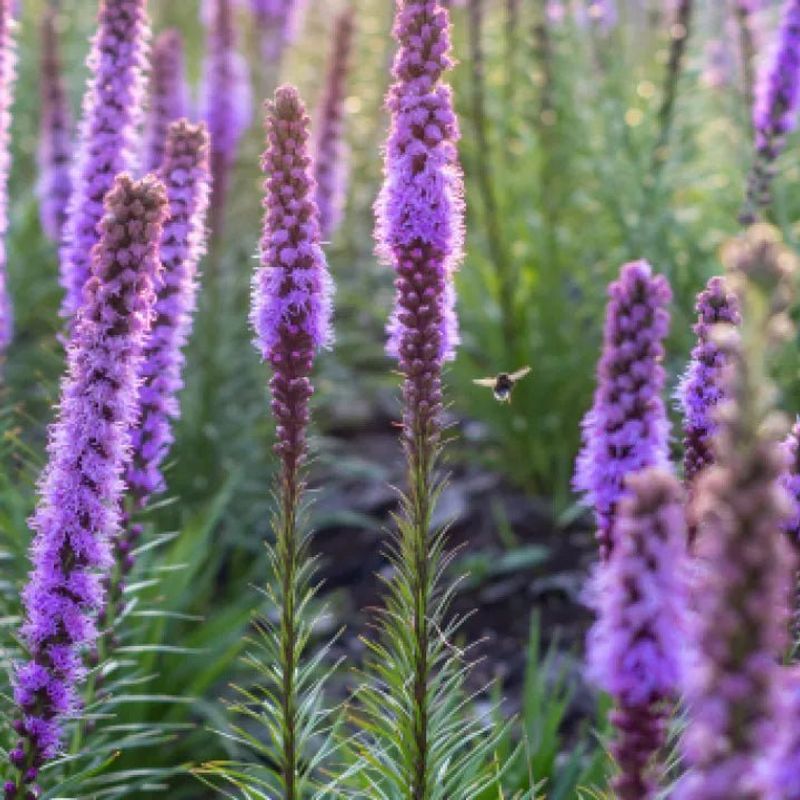
Every feature on this list works like one strand in a big web. Leaves shelter insects, insects feed birds, and birds raise their babies in your nest box.
One can of bug spray can make that whole web wobble.
Pesticides rarely hit only the target pest. Many common insecticides also harm bees, butterflies, and helpful insects like ladybugs and lacewings.
Some chemicals stay active on plants for weeks or longer.
Birds feel the effects too. Nearly all songbirds feed their chicks insects, so fewer bugs mean less food for growing nestlings.
Rat baits can also move up the food chain. Owls, hawks, and bobcats that eat affected rodents may suffer as a result.
Now for a smarter game plan, and it starts with a little detective work. Integrated Pest Management, or IPM, begins with a correct ID of the pest.
Small amounts of damage get a pass. Simple fixes come first, like hand removal, a strong blast of water, or natural predators.
Real emergencies call for the least toxic option, used only right where the problem sits. Keep sprays far away from open flowers where bees feed.
Once the sprays stop, the garden often finds its own balance. Ladybugs arrive for the aphids, and birds hunt caterpillars.
Your yard becomes a living system that runs all winter long. Best of all, you get to take the credit while nature does most of the work.