An Invasive Shrub Loaded With Speckled Red Berries Across New Jersey Is Actually Edible
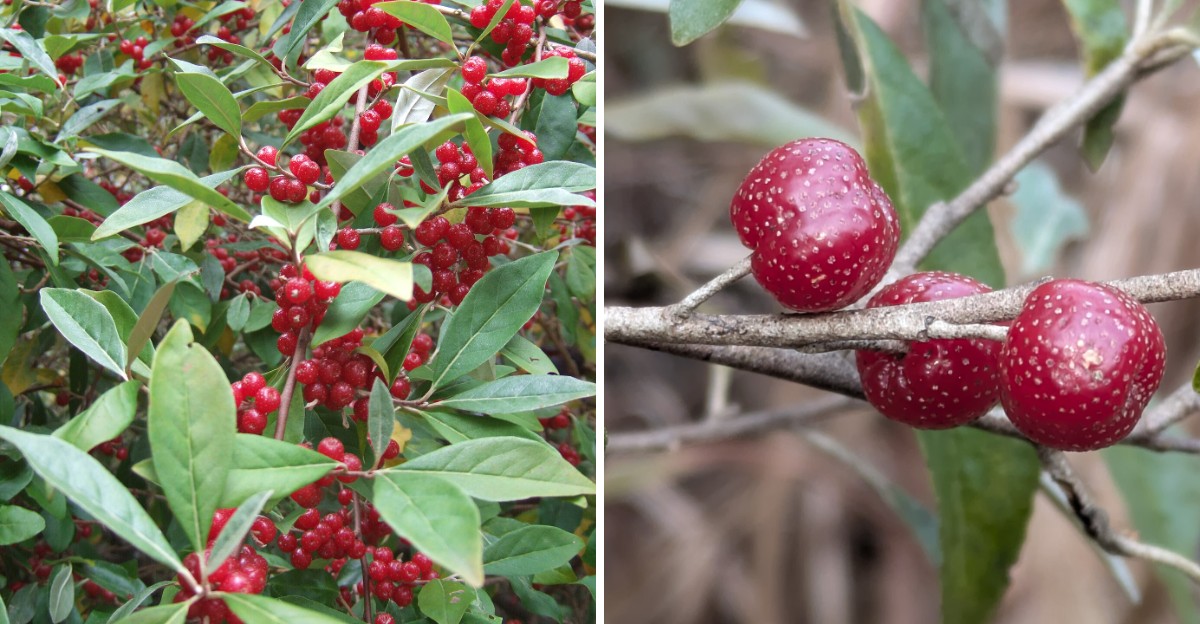
You have walked past a hedge New Jersey wants ripped out. Its fruit looks like trouble, yet you can eat it by the fistful. Officials planted it along highways and fields to hold soil and feed wildlife.
Then it escaped, crowding out native shrubs and shading young trees. Now New Jersey lists it as invasive, and crews work to remove it. Here is where you win.
Pop those speckled berries, and you taste tart candy with a jammy finish. Robins and waxwings strip the branches while hikers march past, assuming poison.
Researchers found the fruit packs far more lycopene than ripe tomatoes. Chefs turn it into jam, fruit leather, and tangy sauces you can bottle.
Better yet, you rob the birds of seeds they would scatter. Before you pick, you need to spot the lookalike that could make you sick.
Autumn Olive Is An Edible And Tangy Wild Fruit
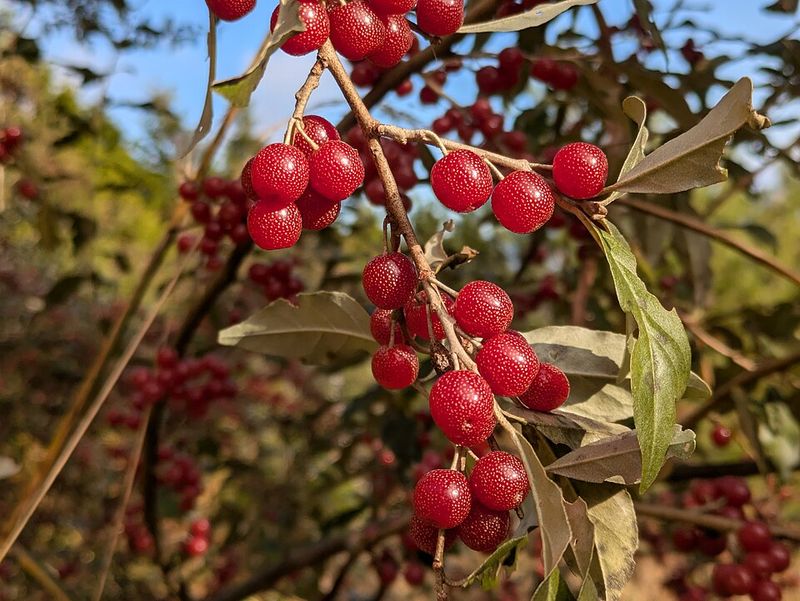
Correctly identified, those speckled red berries are autumn olive, and they are edible. Foragers across New Jersey fill buckets with them every fall.
The flavor lands somewhere between a tart cherry, a cranberry, and a ripe tomato. Some people describe a slight chalky or dry feeling on the tongue, which fades as berries ripen.
Each berry is about the size of a pea and holds one small, soft seed. You can chew the seed or spit it out, depending on your taste.
Scientists have gotten excited about autumn olive, too, because of its bright red color. USDA researchers found the berries can hold many times more lycopene than fresh tomatoes.
Lycopene is a natural plant pigment that some studies associate with heart and skin health. The berries also carry vitamin C, vitamin E, and a good dose of fiber.
So how did an edible plant end up labeled a troublemaker in the Garden State? The shrub came from East Asia, reached the US around 1830, and was planted widely in the 1950s and 1960s.
Officials hoped it would stop soil erosion and feed wildlife along highways and old farm fields. Instead, it spread fast and began crowding out native plants in forests and meadows.
One simple rule still applies before tasting any wild fruit, even a friendly one. Be sure of your identification, and start with a small handful to see how you feel.
That backstory makes picking these berries feel a little like helping out. You get a free snack, and the local woods get a tiny break.
Silvery Speckles That Separate It From Look-Alikes
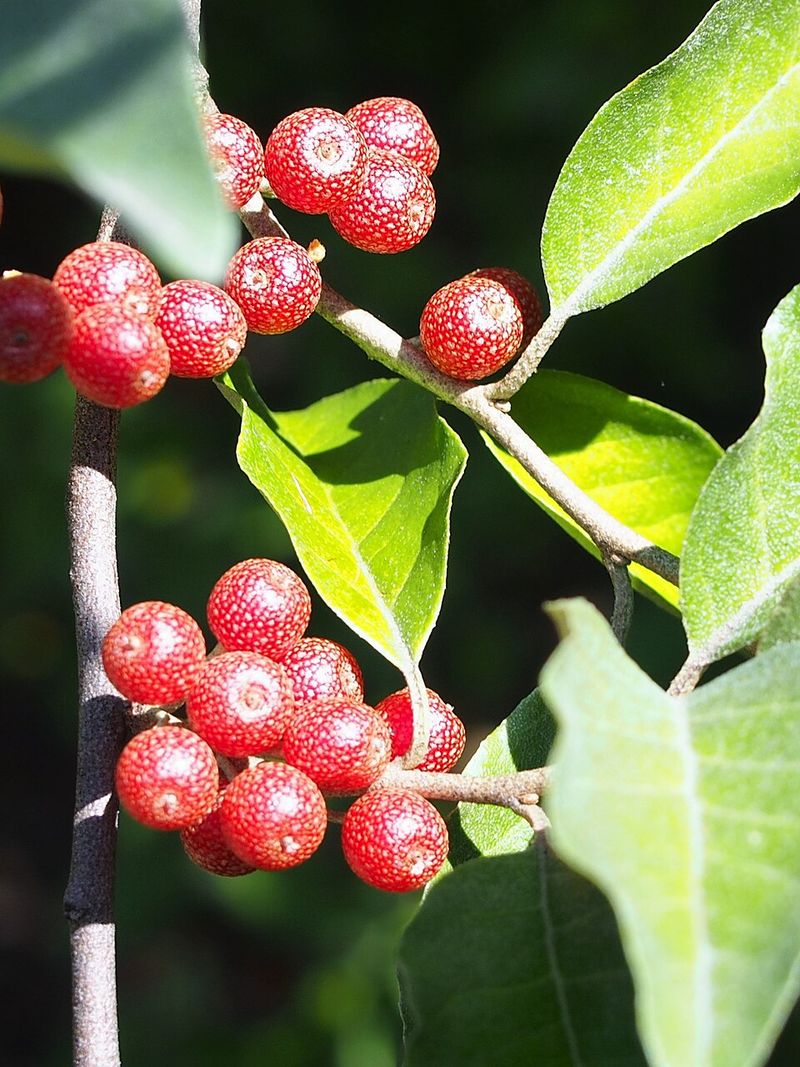
Think of yourself as a berry detective, because the clues are hiding in plain sight. Autumn olive leaves a trail of silver on almost every part of the plant.
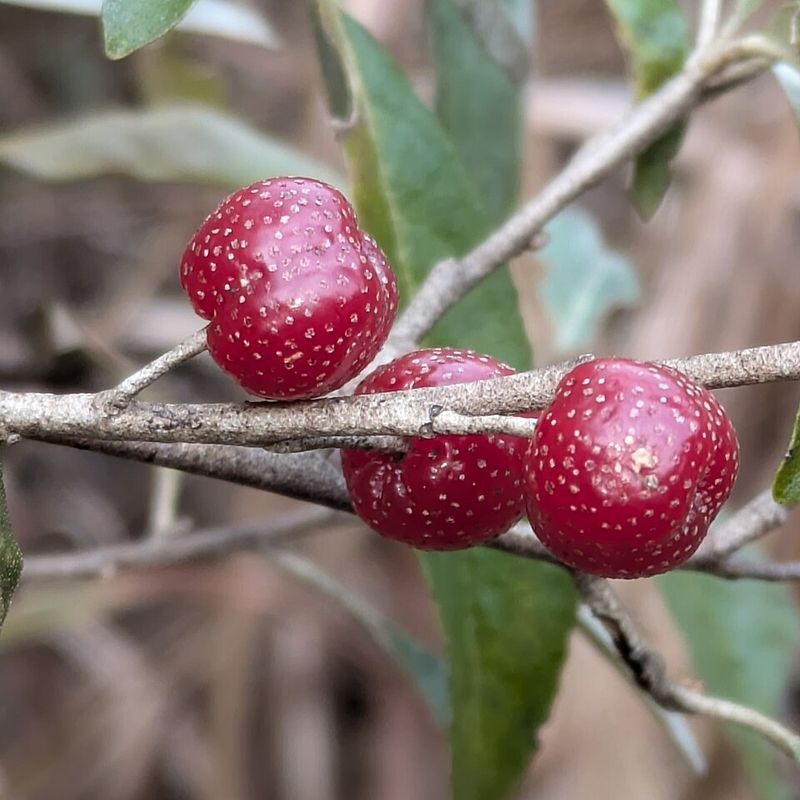
Start with the berries themselves, which look red from a distance. Up close, each one is dotted with tiny silver or gold flecks, like a freckled nose.
Next, flip a leaf over and check the underside. Autumn olive leaves are green on top and shimmery silver below, almost like foil.
Your New Jersey Garden Changes Every Week. Your Plan Should Too.
Gardening in New Jersey changes quickly throughout the season. Every Friday you’ll receive a simple weekly plan showing exactly what to plant, prune, fertilize, harvest, and protect so you never miss the right timing.
On a windy day, a whole hillside of these shrubs seems to flash and sparkle. The leaves also grow one at a time along the stem, not in matching pairs.
Young branches carry the same silvery, scaly coating, and older twigs sometimes have sharp spurs. Wear long sleeves if you plan to reach deep into a thicket.
Now for the imposters, because New Jersey has several red berries that can fool beginners. Bush honeysuckle berries are shiny, see-through red, and grow in pairs with no speckles at all.
Japanese barberry has long, narrow red berries dangling beneath thorny stems, and they are sour, seedy, and not worth picking. Winterberry holly holds smooth, bright red berries and green leaves without any silver shine.
A close cousin called Russian olive also grows here, with narrow silver leaves. Its fruit is dull and mealy, more tan or silver than red, so it rarely causes confusion.
Neither honeysuckle nor holly berries are safe to snack on, so the speckles truly matter. When in doubt, snap a photo and ask a local plant expert or foraging group.
The Peak Picking Window From September To November
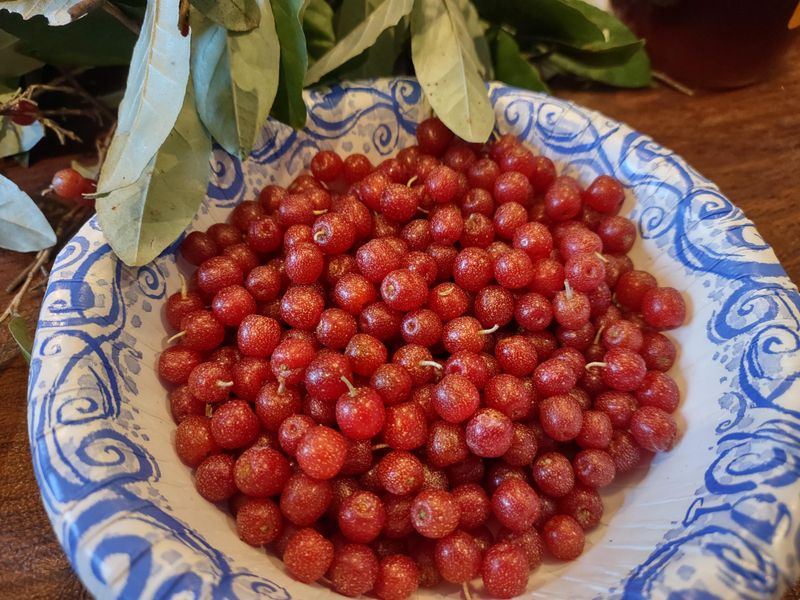
September in New Jersey brings apple orchards, pumpkin stands, and a quieter harvest along the roadsides. Autumn olive berries start blushing red right about now, as the first cool nights roll in.
Early September berries often look ready but still taste sharp and dry. Give them a few more weeks, and the sugar slowly builds inside each tiny fruit.
Late September through October is the sweet spot for most of the state. Shrubs in sunny spots usually ripen first, while shady ones lag a bit behind.
Many longtime pickers swear the berries taste best after the first light frost. Cold weather seems to soften that puckery edge and bring out a candy-like sweetness.
In North Jersey, frost may arrive in mid-October, while South Jersey often waits until November. That gives foragers down the shore a slightly longer picking season.
Ripe berries hang heavy and pull free with a gentle tug. They should feel soft, look deep ruby red, and burst with juice when squeezed.
A handy trick is to lay an old sheet under the branches and shake gently. Ripe fruit rains down, while stubborn unripe berries stay put on the twigs.
Some shrubs hold fruit well into December, though the berries turn wrinkly and less juicy. Those late leftovers still work fine for cooked jams and sauces.
Birds know the schedule too, and robins and cedar waxwings can strip a bush fast. Check your favorite spots weekly so you catch the berries at their peak.
The Sour Mistake Of Early Harvests
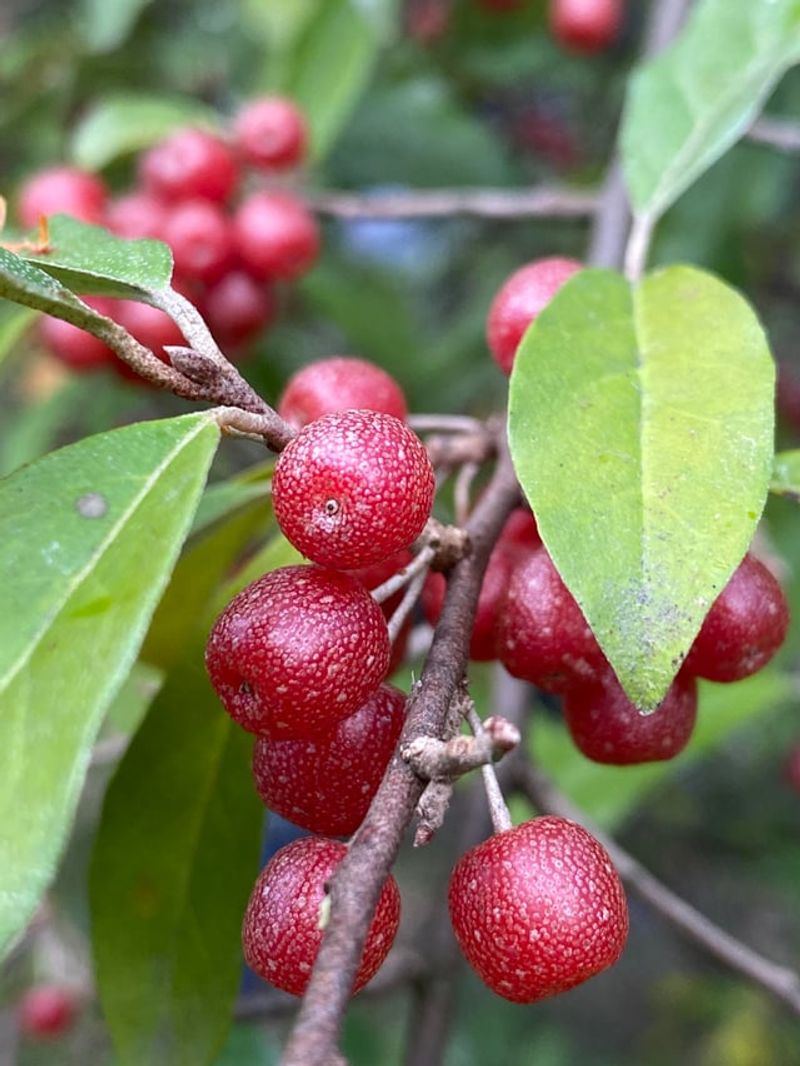
Imagine biting into a berry and feeling your whole mouth turn into a dry, fuzzy sweater. That is the classic first-timer experience with underripe autumn olive.
The culprit is a group of natural compounds called tannins, the same ones found in strong tea. Unripe berries are packed with them, which creates that puckery, cotton-mouth feeling.
Plenty of people try one sour berry in August and decide the whole plant is a dud. Sadly, they miss out on the sweet reward waiting just a few weeks later.
A simple taste test solves the problem before you fill a whole bucket. Sample a few berries from different branches, since ripeness can vary even on one shrub.
Picking location is the second big slip-up, and it matters just as much. Shrubs along busy highways soak up exhaust, dust, and sometimes road salt.
Parks and utility corridors may also be sprayed with herbicides to control invasive plants. Wilted, browning leaves can signal recent spraying, so skip that shrub.
Permission is the third piece people forget in their berry excitement. New Jersey state park rules generally prohibit removing plants, so confirm the rules before you pick.
Private land needs a friendly knock on the door and a clear yes from the owner. Many landowners may welcome help thinning out their invasive shrubs.
Finally, rinse every berry well at home to wash away bugs, dust, and bird droppings. A quick soak in cool water does the job nicely.
Simple Kitchen Uses For A Bumper Crop
Grandma would have loved autumn olive, because it turns into gorgeous jam with little fuss. The ruby color alone makes every jar look like a holiday gift.
Start by simmering washed berries with a splash of water until they turn soft and mushy. Then press the pulp through a food mill or mesh strainer to remove the seeds.
The smooth puree that comes out is the base for almost everything else. Here is a fun surprise: the puree often separates, with clear juice floating above a thick red layer.
Nothing is wrong with your batch, so just stir it back together. The bright color comes from all that lycopene settling to the bottom.
For jam, cook the puree with sugar and a squeeze of lemon until it thickens. Adding store-bought pectin helps if you want a firmer, spreadable texture.
Fruit leather is another winner, especially for kids who love chewy snacks. Spread sweetened puree thin on a lined tray and dry it in a low oven.
Smoothie fans can freeze the puree in ice cube trays for quick, tangy boosts. A few cubes blended with banana and yogurt make a pink breakfast treat.
Bakers can fold fresh berries into muffins, just as they would with blueberries. Savory cooks simmer the puree with vinegar and spices into a ketchup-style sauce for burgers.
Extra berries freeze well in zip-top bags for up to a year. That means a taste of September can brighten a snowy February morning.
Harvest Habits That Help Slow The Spread
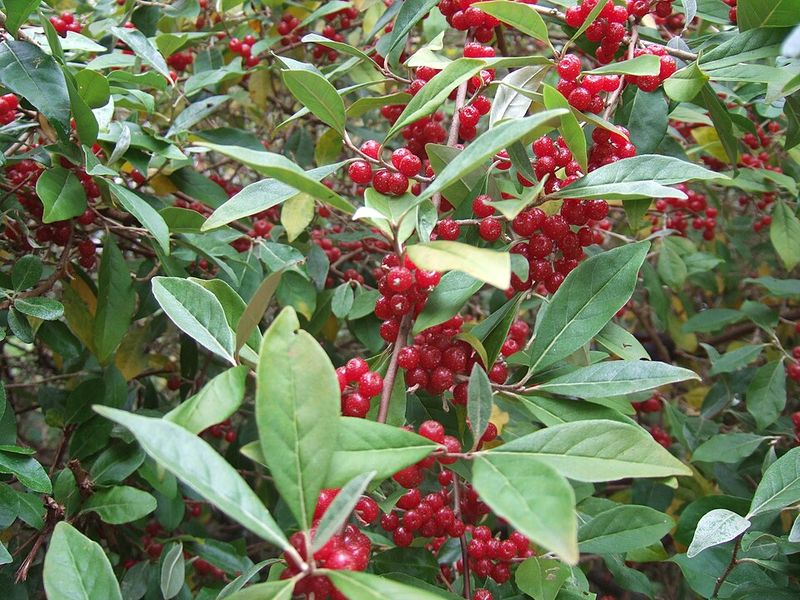
One autumn olive shrub can produce tens of thousands of seeds in a single season. Birds gobble the berries and drop those seeds across fields, yards, and forest edges.
Each bucket you pick keeps some seeds out of the woods. Your snack habit can make a small but real difference for native plants.
Seed handling at home matters more than most people realize. Tossing leftover seeds into the backyard or compost pile can start a brand-new thicket.
Bag strained seeds and pulp scraps, then put them in the household trash. Cooking may reduce sprouting, but the trash is still the safest choice.
Please do not plant autumn olive on purpose, no matter how much you love the berries. New Jersey lists it as a prohibited invasive species, and planting it will require a state permit starting in 2027.
Spotted tiny seedlings with silvery leaves popping up in your yard this fall? Pull them after a soaking rain, when the whole root slides out of soft soil easily.
Bigger shrubs are tougher, since they resprout eagerly after being cut to the ground. Many landowners work with county experts or a licensed pro to remove large thickets safely.
Replacing autumn olive with native shrubs gives birds a healthy fall buffet instead. Spicebush, gray dogwood, and arrowwood viburnum all produce berries that local wildlife adores.
Each harvest becomes a tasty little act of stewardship for the Garden State. Your jam jars and your local forests can both come out ahead.