Adding Aspirin Or Sugar To Your Christmas Cactus Water In Georgia? Here’s What You Should Know
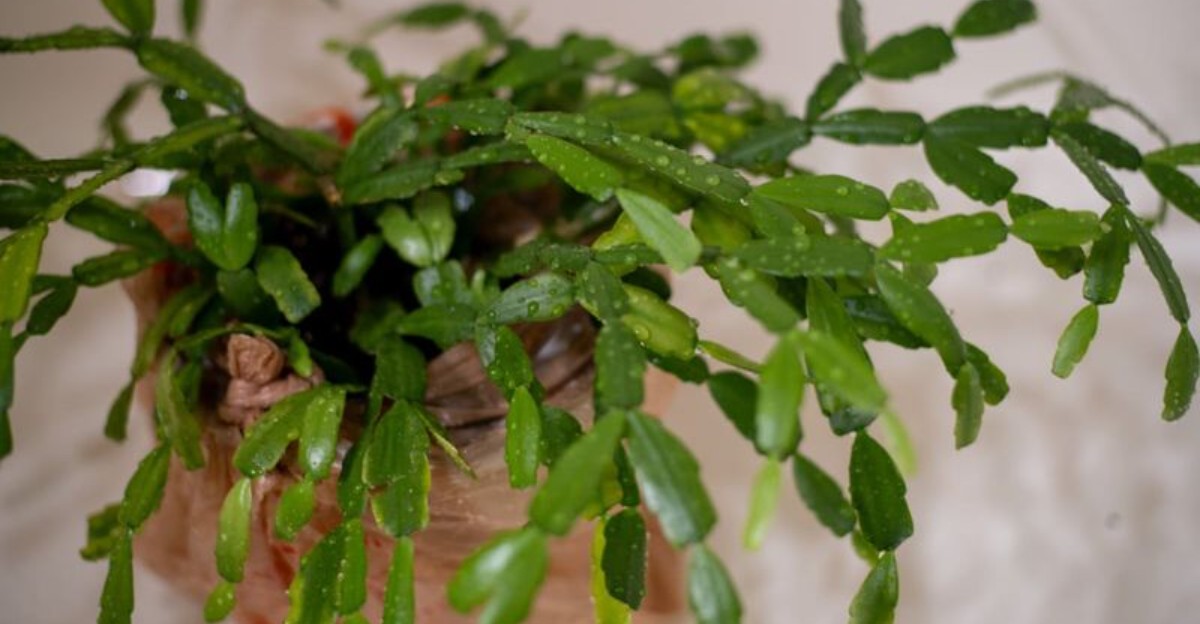
Your Christmas cactus can surprise you with a burst of colorful blooms just when most houseplants seem to be taking a winter break. That holiday display caught my attention the first time I watched tiny buds open along its green stems.
Family recipes for keeping those flowers coming get passed around like fruitcake. Some folks swear by a crushed pill from the medicine cabinet.
Others stir in a spoonful of something sweet, the way Grandma did.
I used to think those little tricks might actually help. Then I started reading what plant experts in Georgia and beyond recommend for Christmas cactus care.
Their advice made me rethink every holiday season I spent playing kitchen chemist with my houseplants.
You deserve a Christmas cactus that stays healthy and produces beautiful blooms throughout the holiday season. The real secret to keeping it happy might be much less complicated than those old family recipes suggest.
1. That Spoonful Of Sugar In The Christmas Cactus Water Has A Sneaky Downside
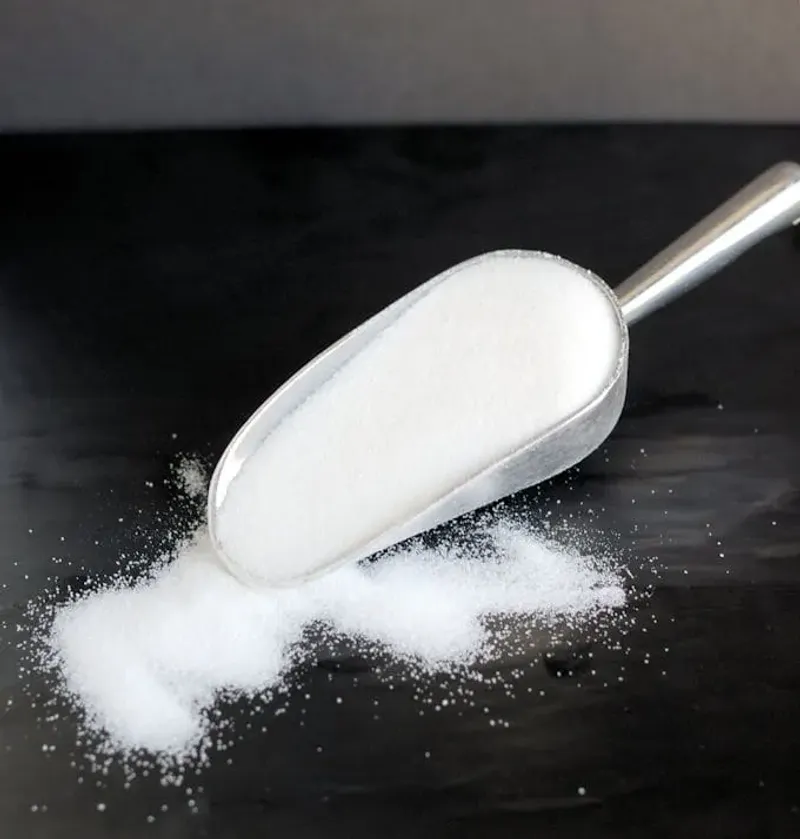
Sugar sounds like a sweet treat for a thirsty Christmas cactus. Plenty of us grew up believing it worked like plant food for that colorful holiday favorite sitting on the windowsill.
The trouble is that a Christmas cactus does not need extra sugar. Its green stems already make their own food through photosynthesis, and adding sweetness to the water does not encourage more flower buds.
Bacteria and fungi, on the other hand, can thrive on sugar. Once you add it to warm indoor water, microbes may start multiplying, especially if excess water sits in the saucer beneath the pot.
That buildup can create trouble around the roots. Christmas cactus roots need moisture, but they also need oxygen.
When the potting mix stays too wet, roots can struggle to absorb water and nutrients properly. Stems may begin to soften, wilt, or turn yellow even though the soil feels damp.
Sugar water can also encourage microbial growth in the potting mix. Nobody wants a sour smell drifting from their favorite holiday plant, especially when it should be brightening up a Georgia living room.
Cut flowers are a different story, since commercial flower food pairs sugar with ingredients that help control bacteria.
2. Plain Water Beats Those Homemade Christmas Cactus Recipes
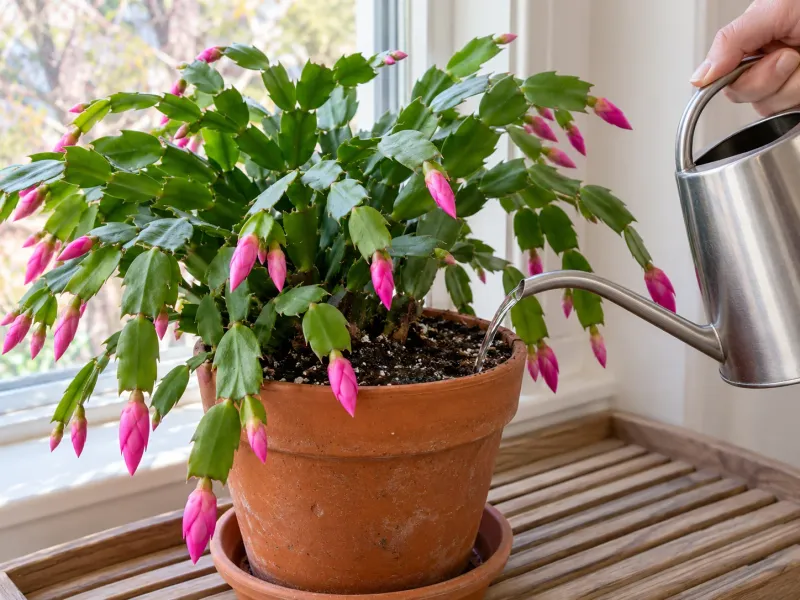
Ready for the simplest holiday tip you will hear all year? Fresh, plain tap water is usually all your Christmas cactus needs to stay healthy and hydrated.
University extension experts recommend proper watering rather than homemade additives for holiday cacti. There is no reliable evidence that aspirin, sugar, or other kitchen mixtures help Christmas cacti produce more flowers or stay healthier than they would with ordinary water.
Some mixtures can actually make things worse. Adding sugar may encourage microbial growth in damp potting soil, while unnecessary additives can interfere with the healthy growing conditions your plant needs.
What matters most is consistency. A Christmas cactus grows best when its potting mix is allowed to dry slightly between waterings.
Letting the roots sit in soggy soil can cause trouble, but leaving the plant completely dry for too long can also stress it.
You do not need expensive bottled water either. Regular water from your kitchen faucet works just fine in most homes, as long as it is not excessively mineral-rich or softened.
Georgia gardeners can simply check the soil before reaching for the watering can.
I find this freeing, honestly. No measuring, no crushing pills, no stirring.
Just check the potting mix, water when needed, and let the excess drain away.
3. Aspirin Belongs In Your Medicine Cabinet Not In Your Christmas Cactus Pot

Grandma may have dropped an aspirin into the watering can every December. It is one of those old holiday plant tricks that gets passed around, right up there with secret recipes for making Christmas cacti bloom.
The idea came from cut flower advice. Aspirin contains acetylsalicylic acid, which is related to salicylic acid, a compound involved in plant defense responses.
Some people believed it could help plants absorb water or produce more flowers, so the habit eventually spread to houseplants.
Christmas cacti, however, do not need aspirin to bloom. There is no reliable evidence that adding crushed tablets to their water improves flower production or keeps their stems healthier.
What really matters is proper watering, suitable temperatures, and enough uninterrupted darkness during bud formation.
There is a safety angle too. Pets sometimes investigate watering cans or saucers beneath houseplants, and aspirin can be harmful to dogs and especially cats.
A curious kitty sipping medicated water is a vet visit nobody wants during the holidays.
Young children can also reach plant saucers or watering containers while exploring the living room. Keeping medicine out of reach is simply smart, especially in busy Georgia households during the holiday season.
So keep that bottle where it belongs. You might need it after untangling three strands of lights anyway.
4. Too Much Water Can Leave Your Christmas Cactus Roots In Trouble
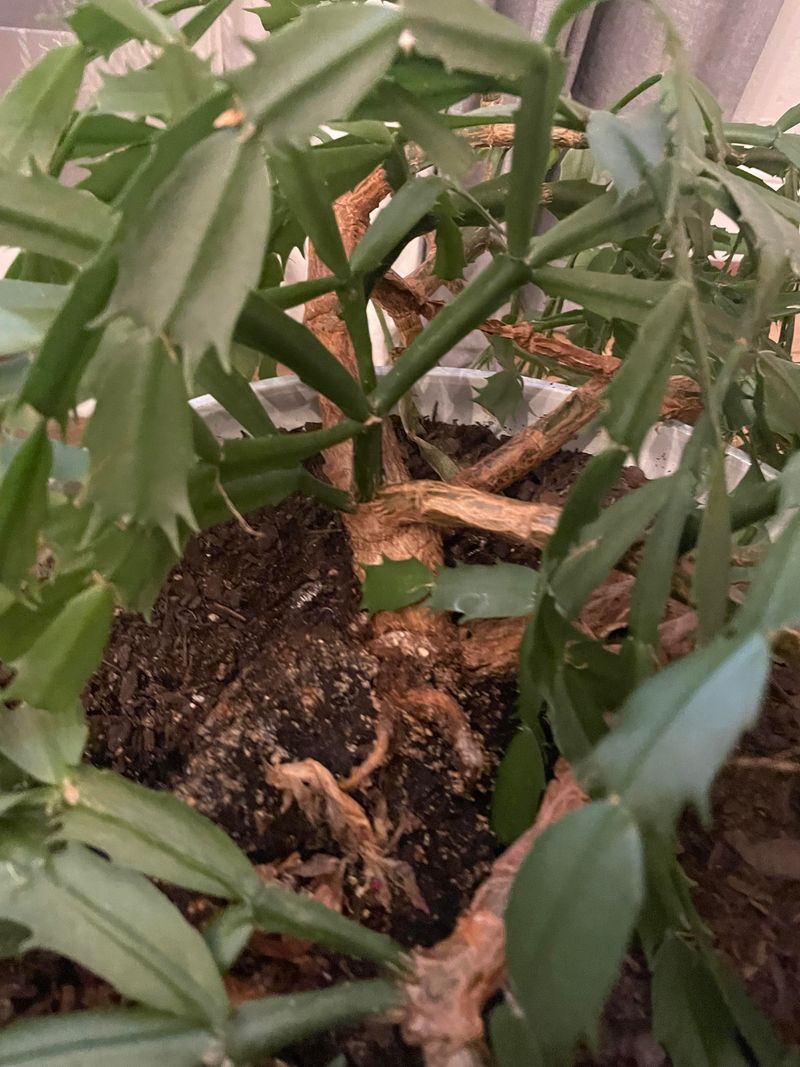
Roots are a Christmas cactus’s lifeline. They absorb the water and nutrients that keep those flat green stems healthy and help the plant prepare for its holiday flower show.
That works beautifully when the potting mix drains well, but it becomes a problem when water sits around the roots for too long. Soggy soil pushes out the air roots need, making it harder for the plant to absorb moisture no matter how often you water.
The fix is easy. Before giving your Christmas cactus another drink, press your finger about an inch into the potting mix.
If it still feels damp, wait a little longer. If the top layer feels dry, water thoroughly until a little runs through the drainage holes.
Many Georgia homes have warm, dry indoor air once the heating season begins. That can make the potting mix dry faster than expected.
If your cactus sits near a sunny window or heating vent, check the soil more often rather than following a strict weekly schedule.
Let the excess water drain away after watering. Try to empty the saucer promptly so the roots do not sit in standing water for hours.
Also, skip adding stones to the bottom of the pot or using a container without drainage holes.
5. Check The Potting Mix Before Giving Your Christmas Cactus Another Drink
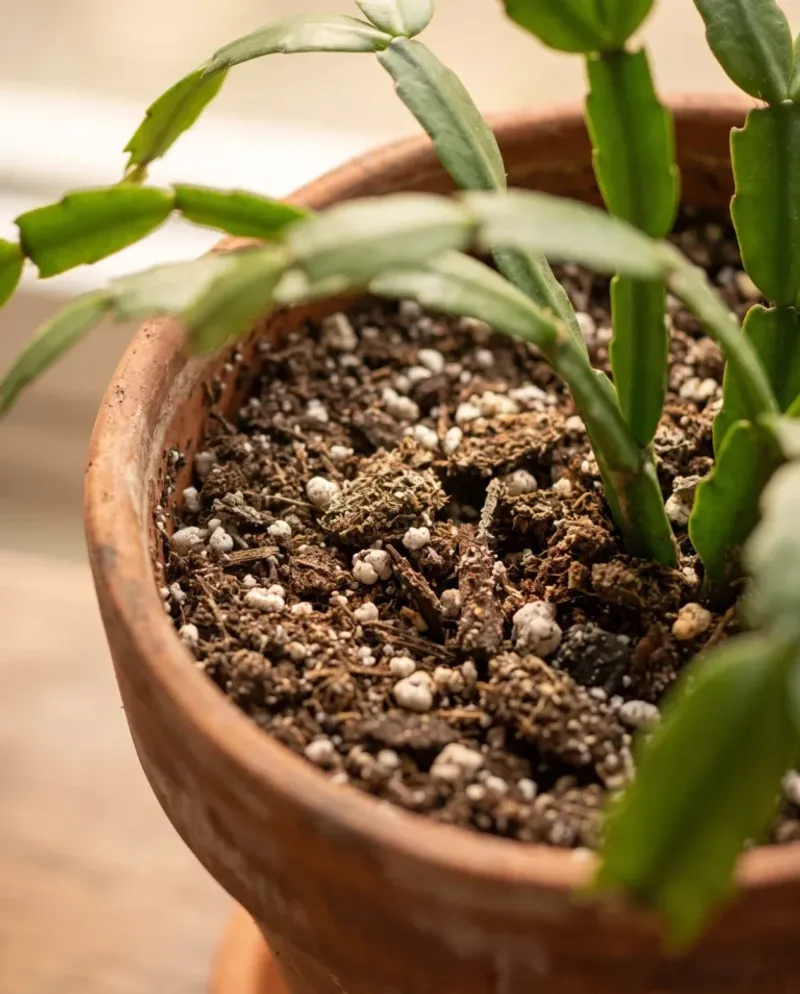
Here comes the most overlooked chore of the season. That little pot holding your Christmas cactus can dry out much faster than most people expect.
During the fall and winter blooming season, a Christmas cactus needs regular moisture to keep its developing buds healthy. A good rule of thumb is to check the top inch of potting mix before watering.
If it feels dry, give the plant a thorough drink and let the excess water drain away.
Small pots can dry out quickly, especially in warm rooms. If the potting mix becomes extremely dry while buds are forming, the plant may start dropping them before they open.
Keeping the roots constantly soggy can cause problems too, so finding that middle ground matters.
I keep a small watering can near my houseplants during the holiday season. It makes watering quick and keeps me from carrying a dripping pot across the living room every time the soil needs moisture.
Some Georgia homeowners make checking their holiday plants part of their morning routine. A quick touch of the soil tells you whether your Christmas cactus needs water or can comfortably wait another day.
Set a phone reminder if your schedule is busy.
6. Warm Rooms And Dry Air Can Make Christmas Cactus Care Trickier
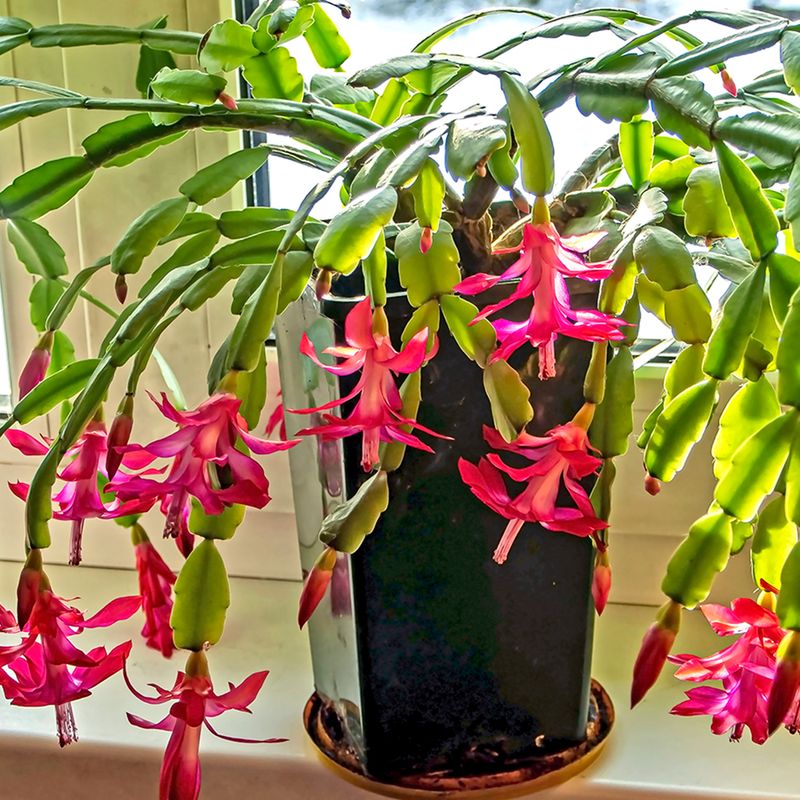
Georgia winters can swing from chilly mornings to surprisingly mild afternoons. Inside, though, our heaters often run hard, and that warm, dry air can pull moisture from Christmas cactus stems and potting soil faster than expected.
Where you place the plant makes a real difference. Keep it away from fireplaces, wood stoves, space heaters, and floor or wall vents.
Strong afternoon sunlight can also cause trouble, especially when it shines directly through south-facing windows.
Christmas cacti prefer bright, indirect light and moderate indoor temperatures. A spot near a bright window works well, but direct blasts of hot air can stress the plant and cause developing flower buds to drop.
Keeping temperatures steady helps protect that holiday display.
Lowering your thermostat a degree or two can help as well. Slightly cooler rooms often suit Christmas cacti during their blooming season, especially when nighttime temperatures stay around 55 to 65 degrees.
Light plays a part too. Christmas cacti need long periods of uninterrupted darkness to initiate flower buds.
Bright lamps or decorative lights shining on the plant late at night can interfere with that process, so choose a spot that stays naturally dark after sunset.
If you notice flower buds dropping before they open or stems looking unusually limp, check the plant’s surroundings.
7. How To Spot A Healthy Christmas Cactus Before Bringing It Home
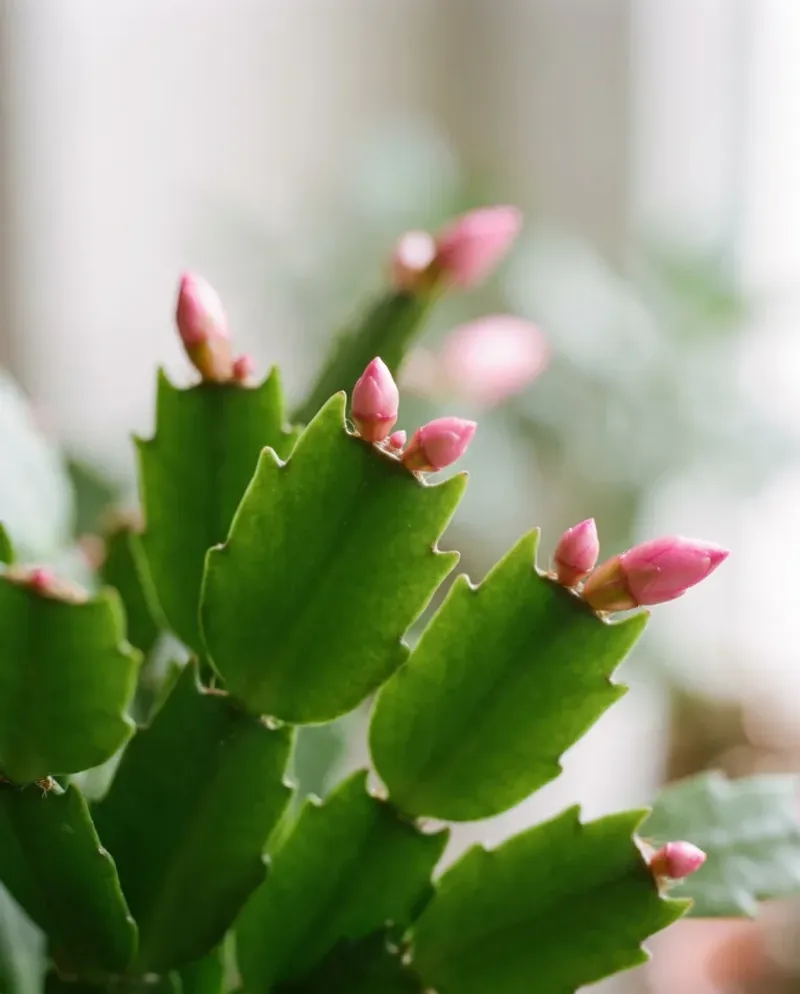
Long before water enters the picture, the Christmas cactus you choose sets the stage for success. A plant that is already struggling may have trouble producing a full holiday display, no matter how carefully you treat it.
Start with a simple stem test. Gently touch a few of the flat green segments and check how they feel.
Healthy Christmas cactus stems should be firm, slightly flexible, and free from unusual soft spots.
Next, take a closer look at the base of the plant and the potting mix. A few older segments with a woody appearance are normal.
Mushy stems, yellowing growth, or soil that smells sour can be warning signs of root problems.
Healthy segments should look plump and green rather than thin or shriveled. If the plant already has flower buds, check that they look firm and are securely attached to the tips of the stems.
Georgia garden centers often stock Christmas cacti and Thanksgiving cacti as the holiday season approaches. Many plants sold as Christmas cacti are actually Thanksgiving cacti, which have more pointed stem edges and often bloom earlier.
Ask the seller how the plant has been cared for and whether it has recently been moved from a greenhouse. Sudden changes in temperature, light, or watering can cause developing buds to drop.
8. Your Christmas Cactus Needs A Different Routine After The Flowers Fade
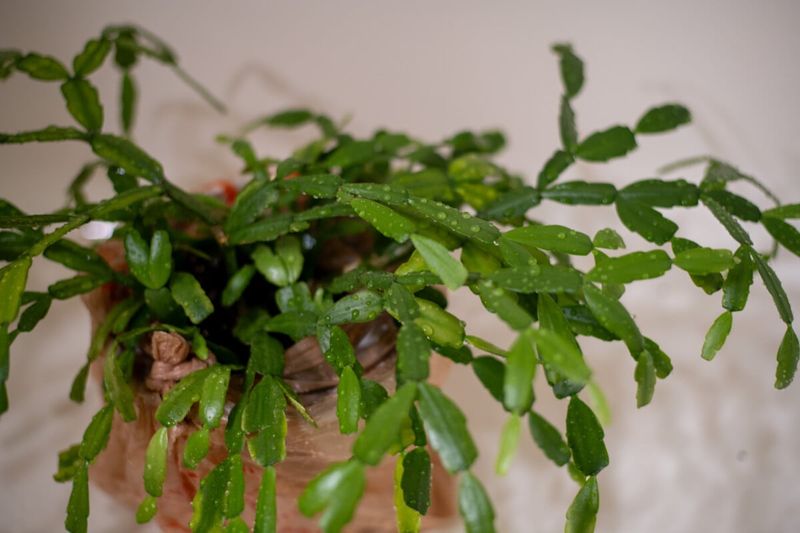
Once the holidays wrap up, your Christmas cactus still has plenty of growing left to do. Instead of treating it like a temporary decoration, give it the care it needs for another year of colorful blooms.
Christmas cacti are long-lived houseplants that can thrive for decades with proper care. Many Georgia families keep them for generations, passing mature plants from parents to children.
Some even become treasured holiday traditions that bloom around the same time every year.
After the flowers fade, remove spent blooms and give the plant a chance to rest. Water when the upper layer of potting mix feels dry, and avoid heavy fertilizing while growth is slow.
A bright spot away from heating vents will help it settle into its post-holiday routine.
You can also give your Christmas cactus a fresh start in spring. A few healthy stem segments can be rooted to create new plants for friends or family.
Those little cuttings make thoughtful gifts, especially when they come from a plant with a story behind it.
The biggest takeaway for next year is simple.
Keep the potting mix lightly moist but never soggy, provide bright indirect light, and give the plant cooler nights and longer periods of darkness when it is time to form flower buds.