American Chestnut Is Coming Back To New York 122 Years After Blight Struck
One out of every four trees in some eastern forests once dropped sweet, shiny nuts each fall. That forest was real, and it stretched across much of New York.
Then a tiny fungus was spotted in the Bronx in 1904, and everything changed. Within a few decades, billions of mighty chestnut trees faded from the landscape.
For over a century, most people only knew the American chestnut from old stories and holiday songs. Something exciting is now happening in the city where its downfall began.
Scientists, volunteers, and everyday neighbors are teaming up to bring this giant back. Young trees are taking root in parks, along rivers, and even at the very spot where the blight was first found.
You might even get the chance to plant one yourself. A lost forest legend is quietly making its comeback.
Chestnuts Once Made Up A Huge Share Of Eastern Forests
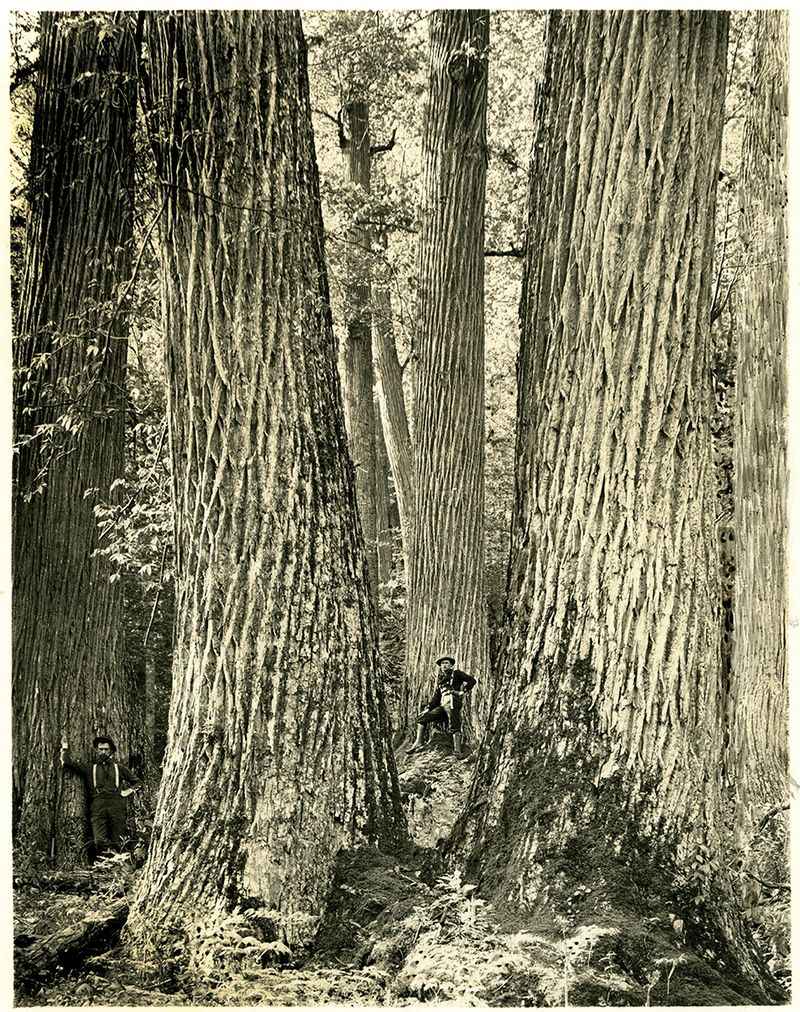
Imagine walking through woods where nearly every fourth tree was the same towering giant. Back in the 1800s, hikers in New York and beyond saw exactly that.
American chestnuts made up about 25 percent of eastern hardwood forests. In some mountain areas, they filled 40 to 50 percent of the leafy canopy overhead.
Experts estimate around four billion of these trees grew across 200 million acres. Their range stretched from Maine down to Georgia and west toward the Ohio Valley.
Wildlife counted on them like a dependable grocery store. Bears, deer, turkeys, squirrels, and blue jays feasted on the nuts each autumn.
Unlike oaks, chestnuts bloomed late in early summer, so spring frosts rarely ruined their crop. Animals could count on a steady harvest year after year.
People loved the trees just as much as the animals did. The wood was strong, straight-grained, and naturally resisted rot for decades.
Farmers built fences, barns, cabins, and even telephone poles from chestnut lumber. Some old barns across the state still stand on chestnut beams today.
Families also gathered the nuts and sold them in cities for extra cash. Street vendors roasted them, filling winter air with a sweet, smoky smell.
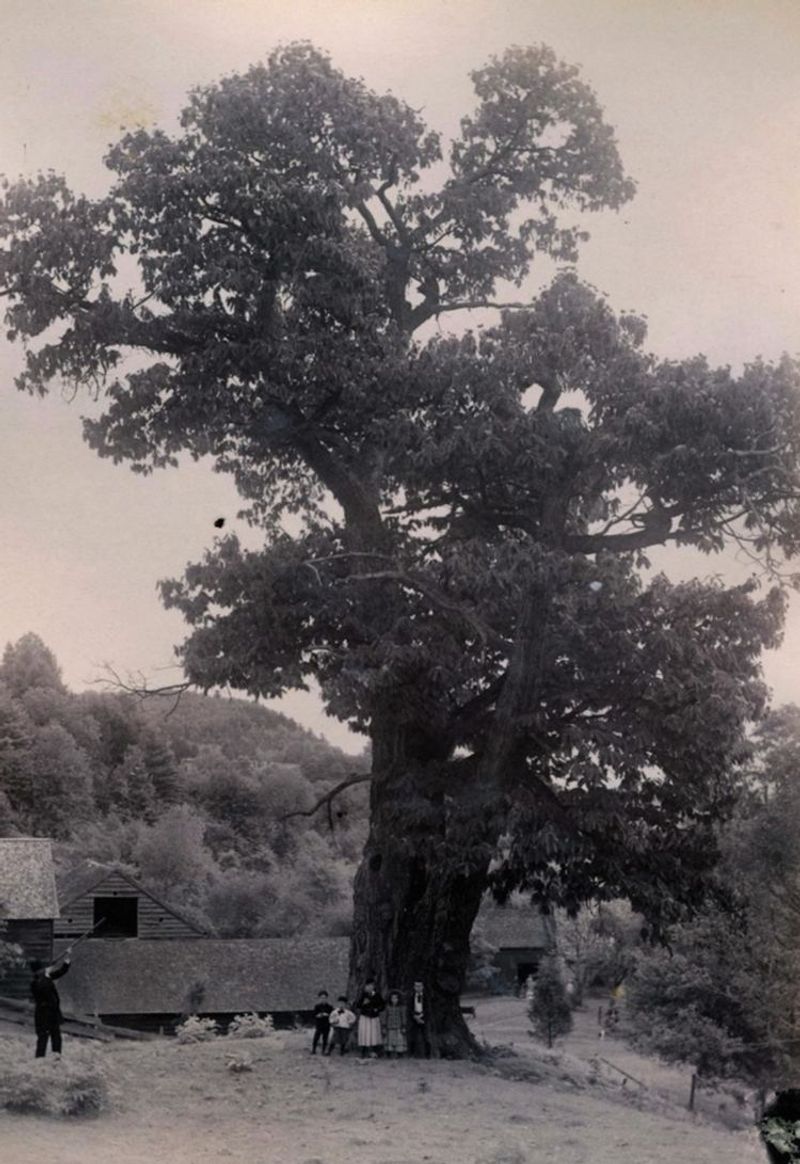
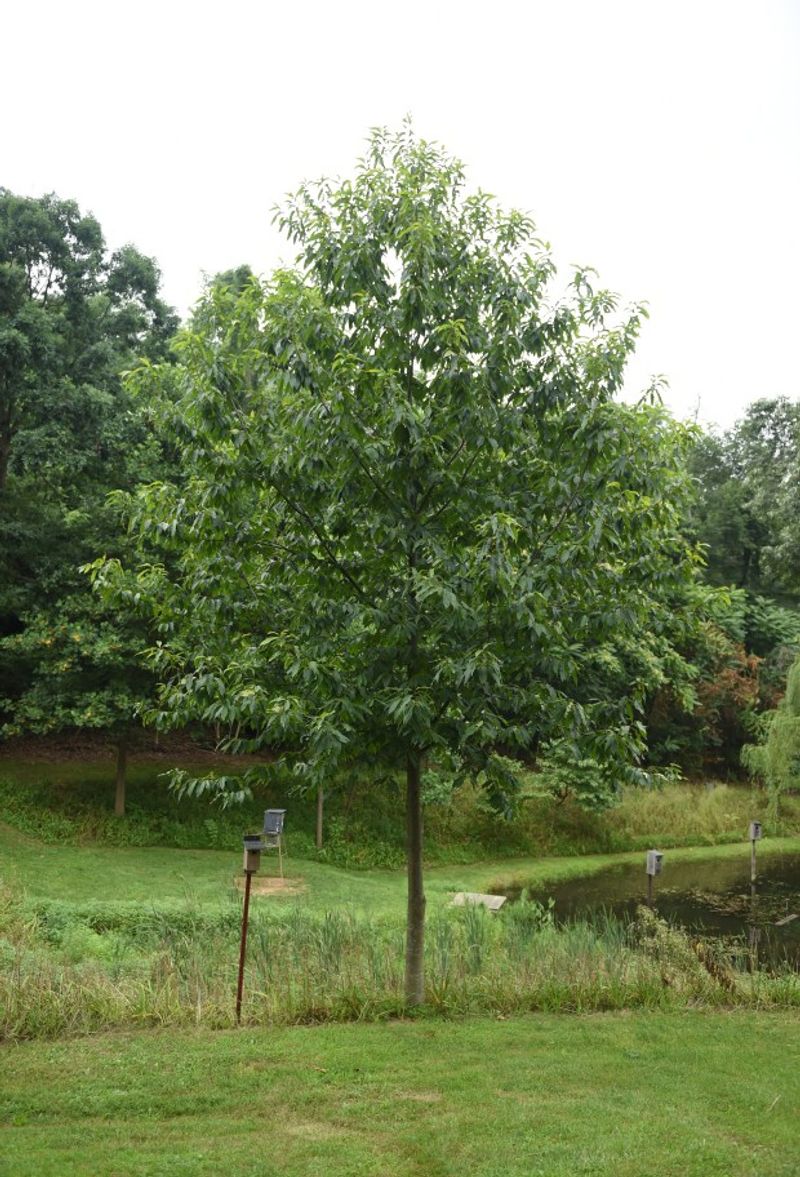
Fun fact: some trees grew over 100 feet tall with trunks wider than a car. Early settlers called the chestnut the redwood of the East.
Here is a handy tip for history buffs. If you visit an old farmhouse, ask whether its beams are chestnut, since many owners proudly know.
Blight Was First Discovered At What’s Now The Bronx Zoo
Every mystery needs a first clue, and this one appeared in 1904. A forester named Hermann Merkel noticed sick chestnut trees at the New York Zoological Park.
Today, we know that park as the Bronx Zoo. Merkel spotted strange orange patches and cracked bark spreading across the trunks.
The culprit was a fungus called Cryphonectria parasitica. Scientists believe it arrived on Japanese or Chinese chestnut trees shipped to America as nursery plants.
Asian chestnuts had lived alongside the fungus for ages. Over time, they built up natural defenses, so the blight barely bothered them.
American chestnuts had no such protection. The fungus slipped into tiny wounds in the bark and formed cankers that wrapped around trunks.
Your New York Garden Changes Every Week. Your Plan Should Too.
Gardening in New York changes quickly throughout the season. Every Friday you’ll receive a simple weekly plan showing exactly what to plant, prune, fertilize, harvest, and protect so you never miss the right timing.
Once a canker circled a trunk, water and food could no longer move upward. Everything above that point slowly withered away.
The speed was shocking to everyone watching. By 1906, about 98 percent of chestnuts in the Bronx area showed signs of infection.
Spores spread easily on wind, rain, birds, and even insects. People also carried them unknowingly on firewood and tools.
Quirky history bit: Merkel worked hard to save the zoo trees with sprays and pruning. Sadly, his efforts could not stop the fast-moving fungus.
Next time you visit the Bronx Zoo, remember its surprising role. A spot famous for animals also became the starting line for a forest crisis.
Billions Of Trees Were Lost In Just A Few Decades
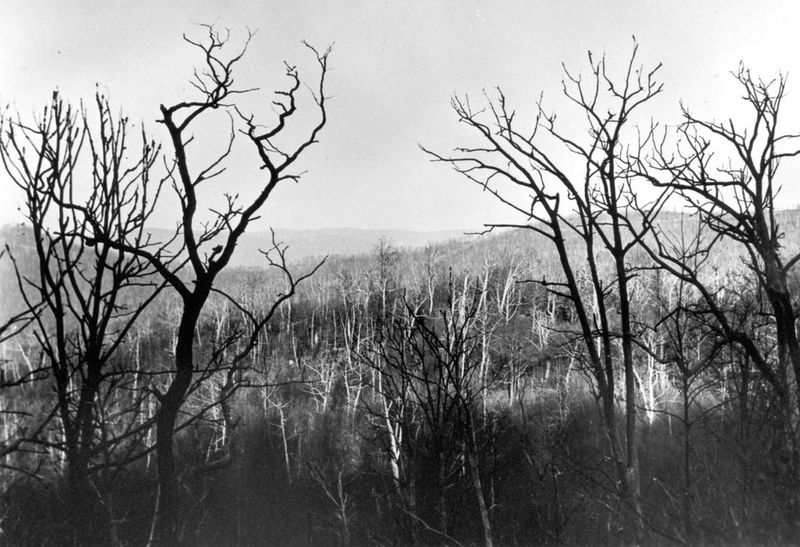
Four decades sounds like a long time until you compare it to a forest. For trees that could live centuries, the blight moved like a wildfire.
From New York, the fungus spread south and west at roughly 20 to 30 miles per year. Ridge after ridge turned gray as leaves withered away.
By 1950, nearly every mature American chestnut across its native range had perished. Somewhere between three and four billion trees were gone.
Many scientists call it one of the biggest ecological disasters in forest history. Few events have changed a natural plant population so quickly.
Rural families felt the loss right away. Mountain communities lost a free food source and a valuable crop they sold each fall.
Lumber companies rushed to cut infected trees before the wood spoiled. Strangely, blighted timber stayed sturdy, so salvage logging went on for years.
Wildlife had to adjust fast too. Oaks filled many gaps, but their acorns are less dependable because frosts can ruin a season’s crop.
Some stunning old wood survives today as wormy chestnut. Small insect holes give it a rustic look that furniture makers love.
Want to see this history up close? Antique shops in upstate New York sometimes sell tables or frames made from reclaimed chestnut.
Holding a piece of that wood feels a bit like touching a lost forest. Every grain line tells part of a story about what once was.
Old Roots Still Send Up Sprouts Today
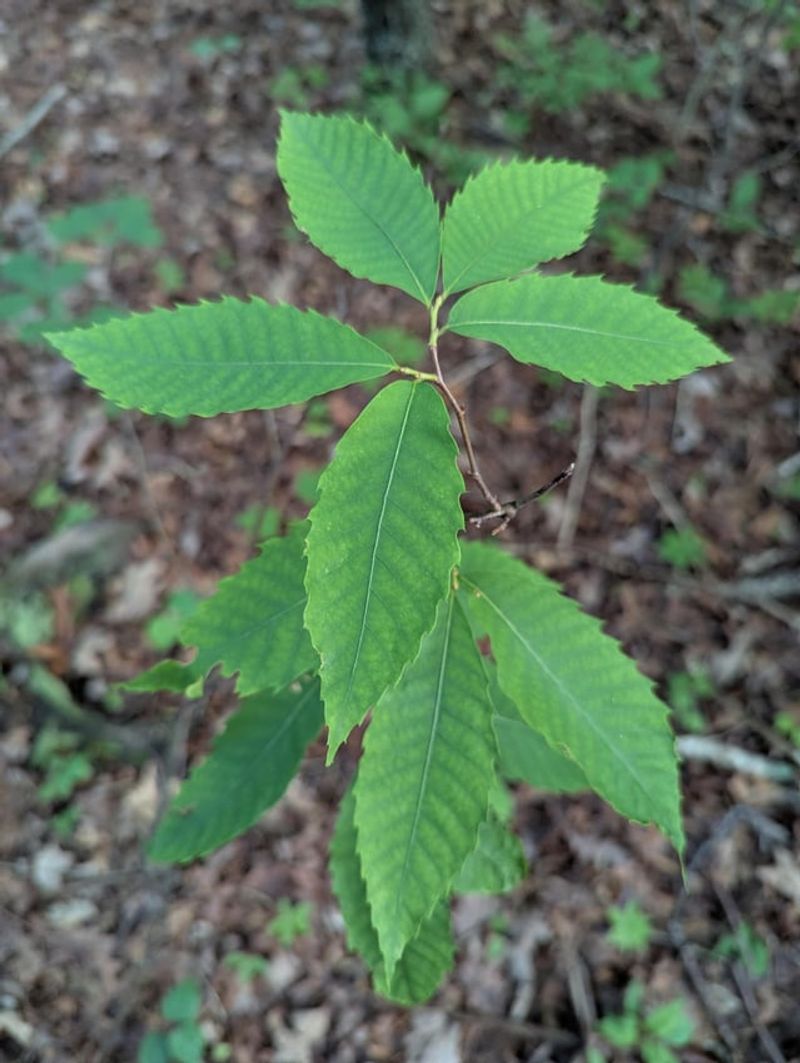
Here is a twist that surprises many hikers. The American chestnut never fully vanished, because its roots kept quietly working underground.
The blight attacks bark above the soil, but roots usually stay healthy. That means old stumps can push up fresh green shoots again and again.
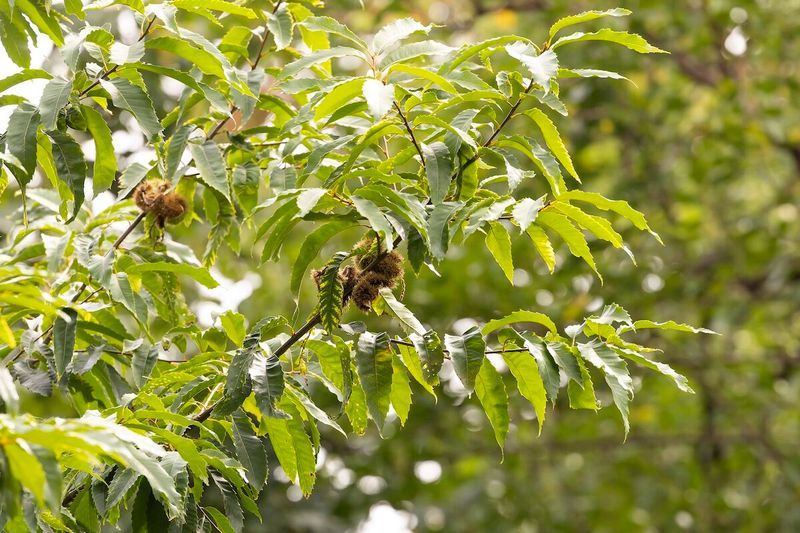
You might spot these sprouts in woods across the state without realizing it. They look like slim saplings or bushy shrubs with long, toothy leaves.
Sadly, most sprouts face the same old problem. The fungus still lingers nearby, often hiding harmlessly on oak trees.
Once a sprout grows a few inches thick, the blight usually finds it. Cankers form, the stem withers, and the roots try once more.
Because of this cycle, few sprouts grow big enough to flower or make nuts. Some root systems have repeated this pattern for nearly a century.
Talk about stubborn determination! These survivors hold valuable genes that scientists want to protect for future breeding.
Curious about finding one yourself? Look for leaves 5 to 11 inches long with sharp, hook-like teeth along the edges.
Each tooth ends in a tiny bristle that curves forward. Beech leaves look similar but have smaller teeth and shorter shapes.
If you think you found a wild chestnut, snap photos and report it. The American Chestnut Foundation welcomes sightings, since they help researchers locate rare survivors.
New Hybrid Trees Are Bred To Resist The Disease
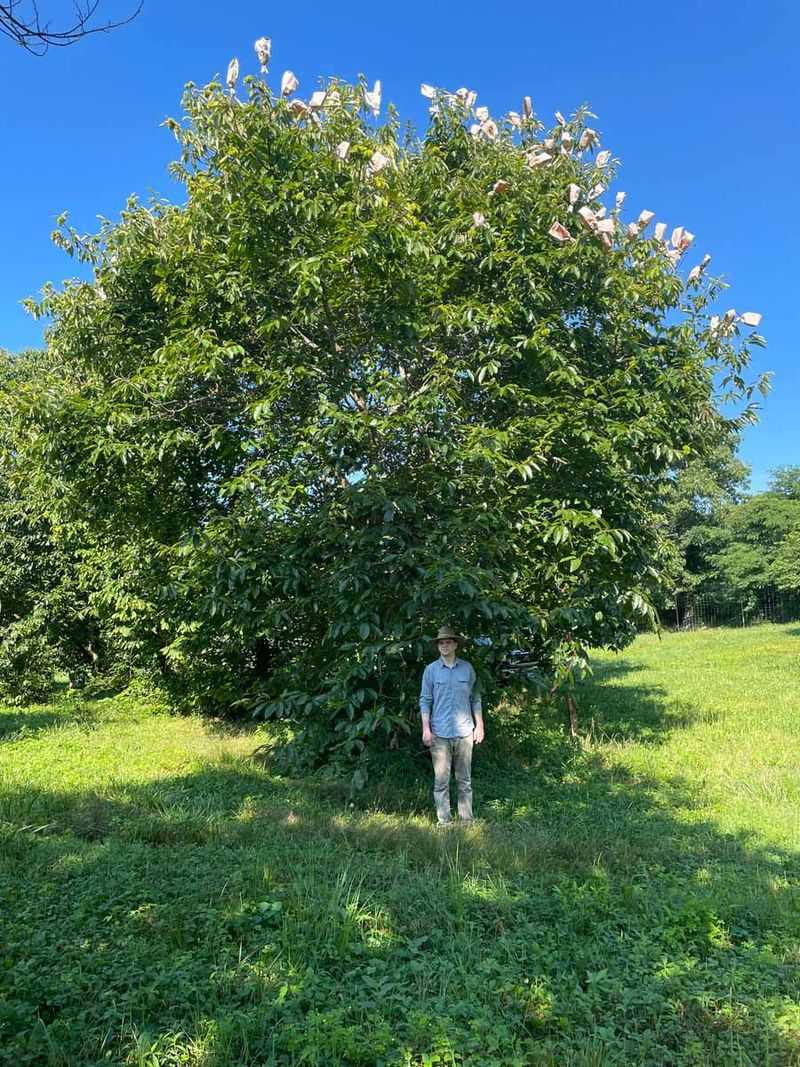
What happens when you mix the toughest traits of two cousins? Scientists asked that question decades ago and started an ambitious breeding plan.
The American Chestnut Foundation began its backcross program in 1989. Breeders crossed American chestnuts with Chinese chestnuts, which naturally fight off the blight.
Chinese chestnuts have strong defenses but stay short and bushy. American chestnuts grow tall and straight, which forests need.
The trick is to keep blight resistance while bringing back the American shape. Breeders repeatedly crossed hybrids back to pure American trees over many generations.
Each round tests young trees for resistance. Only the strongest performers move forward into the next breeding cycle.
Current hybrids carry a large share of American chestnut ancestry, and future generations aim for as much as 94 percent.
Patience matters here, because chestnuts take years to produce nuts. One generation can easily stretch across five to eight years.
Researchers also study genetics to speed things up. Modern tools help identify which genes give trees their best defense.
Fun detail: some breeding orchards sit in New York, Pennsylvania, and Virginia. Volunteers help hand-pollinate flowers using paper bags to control which trees mix.
Thinking about supporting the effort? Joining a state chapter of the foundation can give you access to updates, orchard tours, and sometimes seeds.
Twenty Chestnuts Were Just Planted At The Bronx Zoo
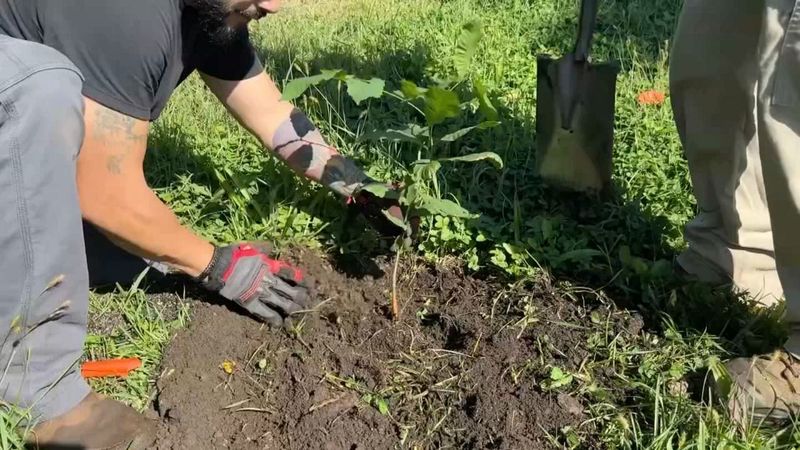
Talk about a full-circle moment! The place where the blight first appeared now hosts a fresh batch of hopeful young chestnuts.
Twenty hybrid American chestnut saplings were planted at the Bronx Zoo in October. The New York Restoration Project and The American Chestnut Foundation donated the trees.
It marks the first chestnut planting at the zoo since the blight was discovered. That gap stretches more than 120 years.
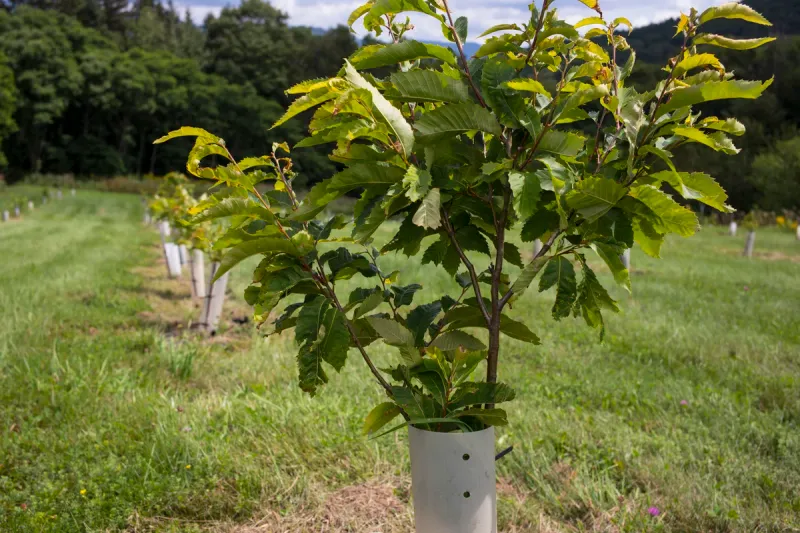
The saplings stand only two to three feet tall right now. Crews spread them across two areas of the zoo grounds.
Several trees grow along the east bank of the Bronx River. Others line a nearby walking path where visitors can watch them grow.
Spreading them out has a smart purpose. Different sunlight, soil, and moisture help researchers learn which conditions suit the hybrids best.
Zoo staff will check on the trees as seasons pass. Their growth and health records add useful information to the larger restoration effort.
Planning a trip? Keep an eye out near the river trail for young trees with long, saw-edged leaves.
Bringing kids along makes it extra special. You can explain how this small grove connects a century-old mystery to a hopeful future.
Someday these saplings may reach impressive heights above the river. Visitors decades from now might gather nuts where the trouble once began.
A Citywide Project Hopes To Grow 1,000 Trees
One thousand trees might sound like a wild goal for a city of skyscrapers. New York, though, loves a big challenge.
The New York Restoration Project launched the 1,000 Chestnut Challenge in 2025. Its mission is to plant one thousand American chestnuts across the city over several years.
Partners include The American Chestnut Foundation and NYC Parks. Together, they share trees, land, expertise, and plenty of muddy boots.
Progress is already easy to see. More than 200 hybrid chestnuts now grow in Highbridge Park in Northern Manhattan.
That planting forms the largest chestnut grove in New York City today. Hilly slopes above the Harlem River give the young trees room to stretch.
Why plant in a city at all? Urban parks offer protected spaces, regular care, and lots of people who can watch for problems.
City trees also deliver bonus benefits. They cool hot sidewalks, clean the air, and give birds and squirrels new places to snack.
Curious to visit? Highbridge Park is reachable by subway, and the grove makes a pleasant stop during a weekend walk.
Wear comfy shoes, since the park has steep trails and old stone stairways. Bring a phone to snap photos of the trees as they mature.
Each visit becomes a small growth chart. Year by year, you can see a forest legend reclaim its home one sapling at a time.
Free Seedlings Are Planned For New York City Residents
Here is the part that might get your gardening gloves twitching. Regular New Yorkers can apply for a chance to plant chestnuts themselves.
The New York Restoration Project invites residents to request free saplings. The goal is to spread young trees across all five boroughs.
Check NYRP’s website for the next application window.
Seedlings come from two sources. Some are hybrids, while others grow from nuts collected from local surviving trees.
Before applying, take a close look at your space. Chestnuts need full sun for at least six hours each day.
They also prefer well-drained, slightly acidic soil. Soggy spots or heavy clay can cause root trouble over time.
Room matters too, since mature chestnuts grow tall and wide. Plant at least 20 to 40 feet from buildings and power lines.
Here is a pro tip: chestnuts need a partner for good nut production. Two or more trees planted near each other help with pollination.
Protect young seedlings from hungry critters with a tree tube or wire cage. Squirrels and deer find tender chestnut shoots irresistible.
Sign up for NYRP email updates so you hear when applications reopen. Spots can fill quickly, so early birds have the best chance.
Volunteers Help Track Which Trees Resist Blight Best
You do not need a lab coat to help science. Across the East, everyday people are pitching in as citizen scientists for chestnut restoration.
The American Chestnut Foundation relies heavily on volunteers. These helpers track tree health, height, and survival over many years.
Long-term records are pure gold for researchers. They reveal which trees handle blight best in real forests and backyards.
Volunteer jobs come in many flavors. Some people plant seedlings, while others pollinate flowers or harvest nuts in autumn.
Orchard upkeep keeps plenty of hands busy too. Mowing, weeding, and fixing fences help the young trees thrive.
Some trained volunteers even inoculate trees with blight fungus on purpose. Watching how cankers grow shows which trees fight back hardest.
Results guide which trees become parents for future seeds. Your notes might shape the forests your grandchildren explore someday.
Getting started is easier than you might think. Many state chapters, including one in New York, host workdays and training sessions.
Bring gloves, water, and sunscreen to outdoor events. Wear sturdy shoes, because orchards can be bumpy and wet.
Fun bonus: volunteering connects you with friendly nature lovers who share tips and stories. Many folks find it a rewarding way to spend a Saturday morning.
Restoring Chestnuts Could Bring Back Rare Bees Too
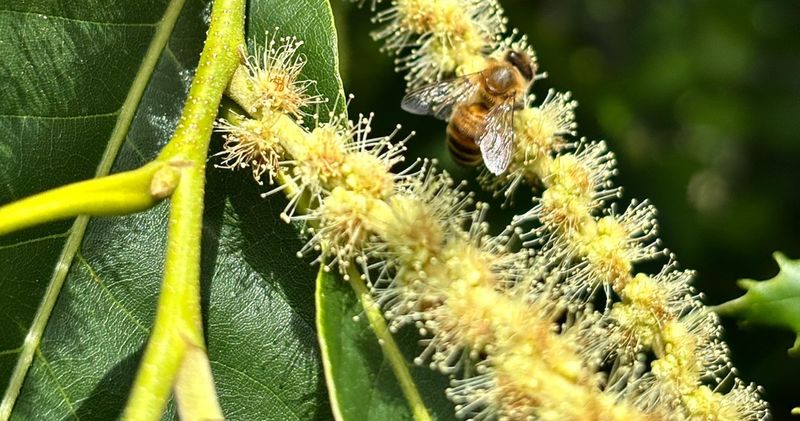
Ever smelled a chestnut tree in bloom? Its fuzzy, cream-colored catkins give off a strong scent that buzzing visitors find hard to resist.
Chestnuts flower in June and July, after many trees finish blooming. That timing gives pollinators a welcome meal during a quieter season.
Honey bees love the flowers, but they are not alone. Solitary bees, butterflies, and flower flies also show up for the feast.
Solitary bees often nest in soil or hollow stems. Many species are struggling, so extra food sources can make a real difference.
Losing chestnuts sparked a chain reaction through nature. Experts call it an ecological cascade, where one loss ripples through the food web.
Seven moth species fed only on chestnut leaves, and they vanished with the trees. Many birds and mammals also lost a key food supply.
Bringing chestnuts back could help rebuild those connections. More flowers mean more pollinators, and more nuts mean happier wildlife.
Gardeners can help pollinators right now. Plant native flowers like bee balm, goldenrod, and asters near any young chestnut.
Skip harsh pesticides that harm helpful insects. Leave a few bare soil patches where ground-nesting bees can settle in.
Across the state, every planted chestnut becomes a tiny habitat hub. Together, these trees could hum with life once again.