What It Really Means When Coyotes Howl Near Michigan Homes In Fall
It starts as a single, high-pitched call at dusk. Then a second voice joins, and a third, until the whole hillside sounds like a pack of fifty. Most people lie awake wondering how close they are.
The truth is more interesting. Coyotes have a trick of making a small family sound huge, and fall is when they talk the most. There is a reason, and it has little to do with your yard.
Young coyotes are growing up, and older ones are watching their territory. The calls carry far, so they often sound closer than the animals really are.
Understanding what the howls are saying turns an unsettling noise into something much easier to listen to, and helps you decide what, if anything, to do.
1. They’re Talking To Their Family Group
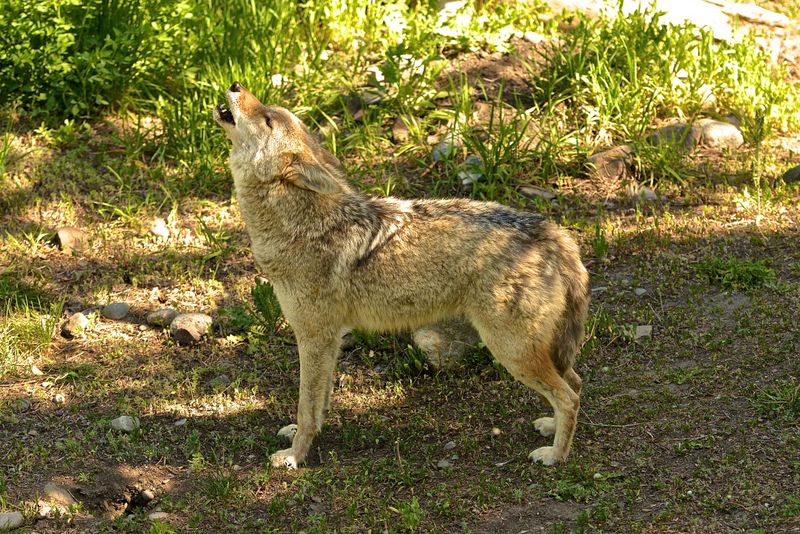
Think of a coyote howl as a phone call without the phone. Coyotes live in small family groups, and they use howls, yips, and barks to stay in touch with each other. Those sounds work a lot like a family group chat.
Coyotes often hunt alone or in pairs, spreading out across their home area to look for mice, rabbits, and other small animals.
After a night of searching, one coyote might howl to say, I’m over here. Others answer back, and soon the family knows where everyone is and can meet up again.
Biologists believe each coyote’s voice is a little different, so family members can likely tell who is calling.
Here’s the part that matters most for your peace of mind. Howling is completely normal coyote behavior. It does not mean the animals are about to attack, and it doesn’t signal that something is wrong in your neighborhood.
In most cases, the coyotes are simply checking in, much like you might text a family member to ask where they are.
Michigan has coyotes in every single county, from the Upper Peninsula’s quiet forests to farm fields in the Thumb and even busy areas around Detroit, Lansing, and Grand Rapids.
That means almost anyone in the state might hear them, whether you live on a country road or a city street. Coyotes have learned to fit into many kinds of places, and their voices travel well on still fall nights.
So the next time a howl rises from the trees behind your house, try listening instead of worrying. You’re hearing a wild family keeping track of its members, a sound that has echoed across North America for thousands of years.
2. They’re Announcing Their Territory
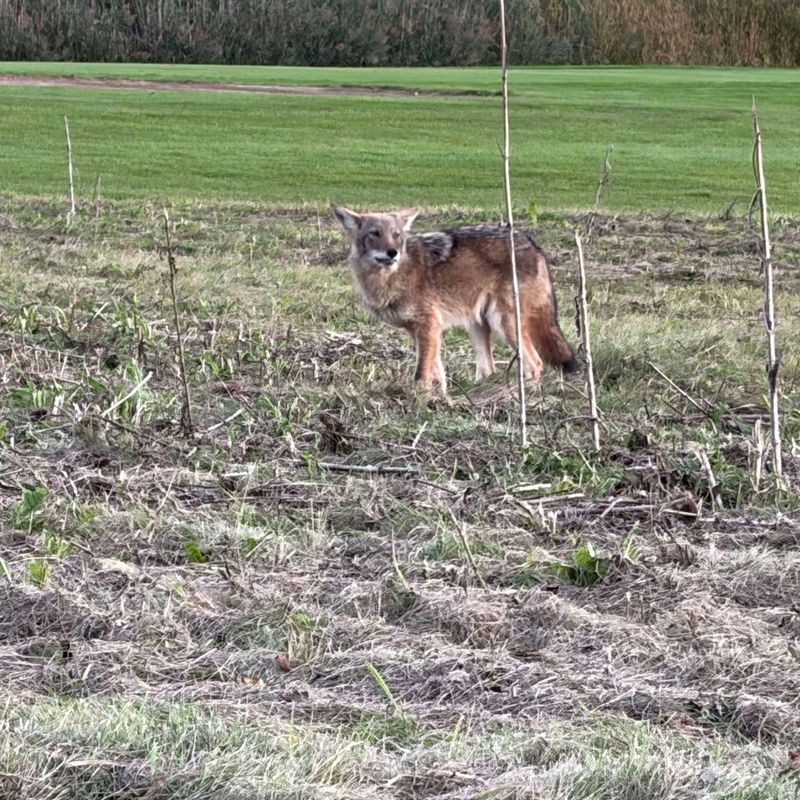
Every neighborhood has its boundaries, and coyotes have them too. A coyote family claims a territory and defends it from outsiders. Howling is one of the main tools they use to say, this spot is taken.
Picking fights is risky for any wild animal, since injuries can make hunting much harder. Instead of battling it out, coyotes send out loud vocal signals that carry far across open land.
Neighboring groups hear those calls and usually steer clear, which keeps the peace without anyone getting hurt. Coyotes also mark their space with scent, but sound reaches much farther, especially at night.
Your Michigan Garden Changes Every Week. Your Plan Should Too.
Gardening in Michigan changes quickly throughout the season. Every Friday you’ll receive a simple weekly plan showing exactly what to plant, prune, fertilize, harvest, and protect so you never miss the right timing.
If a family lives near you, you might notice a pattern. The howls may come from the same direction night after night, often around dusk, in the middle of the night, or just before dawn.
Those are the times coyotes are most active and when the air is quiet enough for their voices to travel. Some homeowners even start to recognize the timing, almost like a wild alarm clock.
Michigan neighborhoods offer plenty of good coyote real estate. Wooded lots, farm fields, city parks, nature trails, and golf courses give coyotes cover, water, and lots of mice and rabbits to hunt.
A golf course near a subdivision can hold a family’s entire home range without most golfers ever spotting them. Hearing regular howls doesn’t mean coyotes are moving into your backyard.
It usually means a family has settled somewhere nearby and is reminding other coyotes to stay out. A stable family can actually keep new coyotes from crowding into the area, which is a pretty clever system when you think about it.
3. Young Coyotes Are Heading Out On Their Own
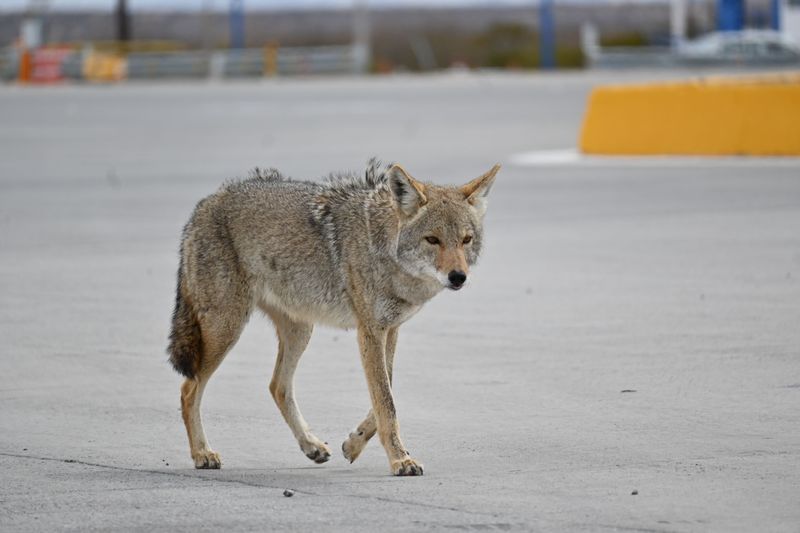
Remember the excitement of moving out for the first time? Young coyotes go through something similar every fall. Pups born in the spring are nearly grown by September and October, and many start leaving home.
Biologists call this dispersal, and it’s a big step. The young coyotes need to find their own territory, and sometimes they travel many miles to do it. Along the way, they may howl to see who’s around and answer calls from other coyotes they hear in the distance.
With so many young travelers on the move, the night can sound much busier than it did in summer. Because these youngsters don’t have a home base yet, they often wander through places coyotes don’t usually visit.
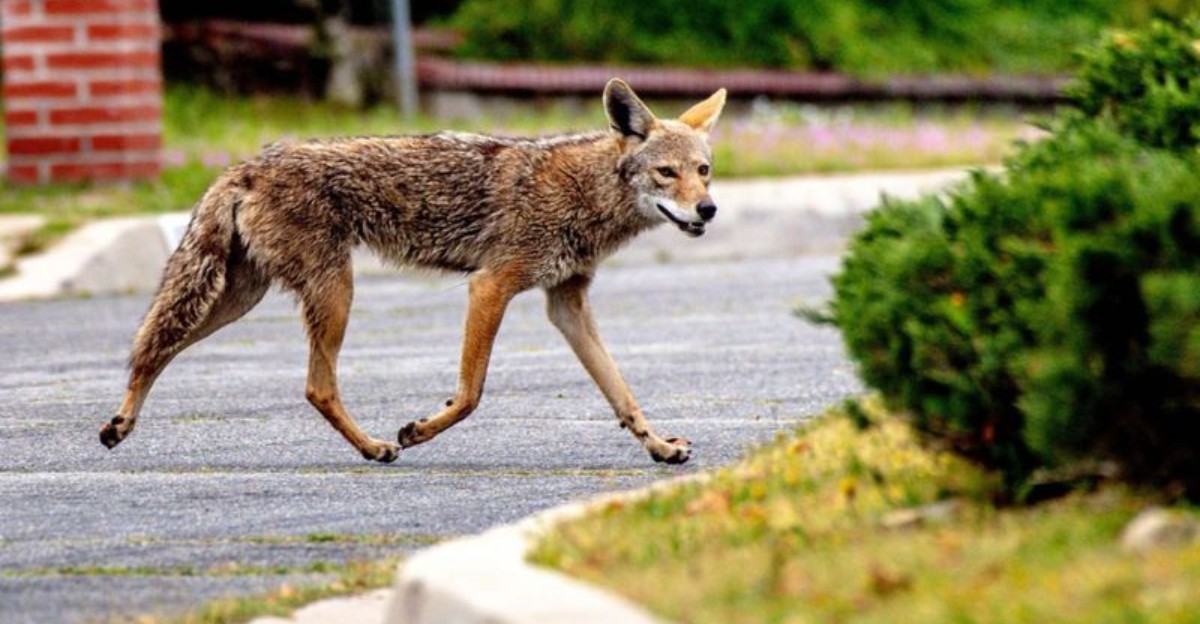
You might spot one trotting across a cul-de-sac, slipping along a drainage ditch, or crossing a school field early in the morning. Most of the time, they’re just passing through and will keep moving until they find open space.
Sightings and howling both tend to jump during this season for exactly that reason. In Michigan, fall is one of the most common times for coyotes to show up in new neighborhoods.
People sometimes post worried messages online about a coyote that suddenly appeared, when really it’s a young animal on a long journey. Knowing the season helps explain the surprise.
A smart move during this time is to make sure your yard offers nothing worth sticking around for.
Bring pet food inside, keep trash lids tight, and enjoy the brief glimpse. A traveler that finds no snacks will most likely keep heading down the road toward its future home.
4. A Few Coyotes Can Sound Like A Whole Pack
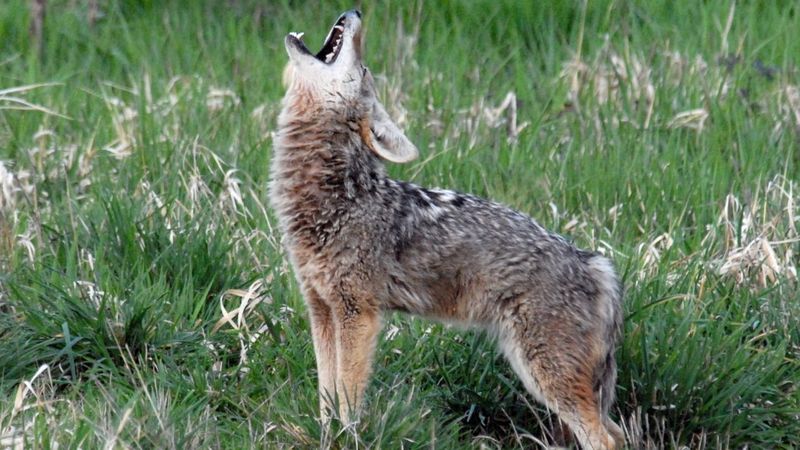
Ears can play tricks on us, especially at night. Many Michigan families hear a wild burst of yips and howls and assume twenty coyotes must be gathered in the woods. In reality, there might only be two or three.
Coyotes have a huge range of sounds. They yip in quick bursts, bark, whine, and let out long, rising howls, often all mixed together. When several coyotes call at once, their voices overlap and bounce off trees, hills, and houses.
That echo makes the chorus sound bigger and more crowded than it really is. Scientists even have a name for this illusion.
It’s sometimes called the beau geste effect, after an old story where soldiers propped up figures to make a small group look like an army. Coyotes may not plan it that way, but the result is similar.
A tiny family can sound like a crowd. Coyote family groups are usually small, often a mated pair plus a few of their young.
So before you picture a huge pack circling your street, remember that the noise rarely matches the numbers. Wildlife researchers who count coyotes often find far fewer animals than people guess from the sounds alone.
For Michigan families living near woods or fields, this is comforting news. A loud fall chorus can wake kids up or set the dog barking, but it isn’t a sign of an invasion. Try turning it into a teaching moment.
Step outside with your children, listen together, and guess how many voices you hear. You might be surprised how few coyotes can make such an impressive concert.
5. Sirens And Loud Noises Can Set Them Off
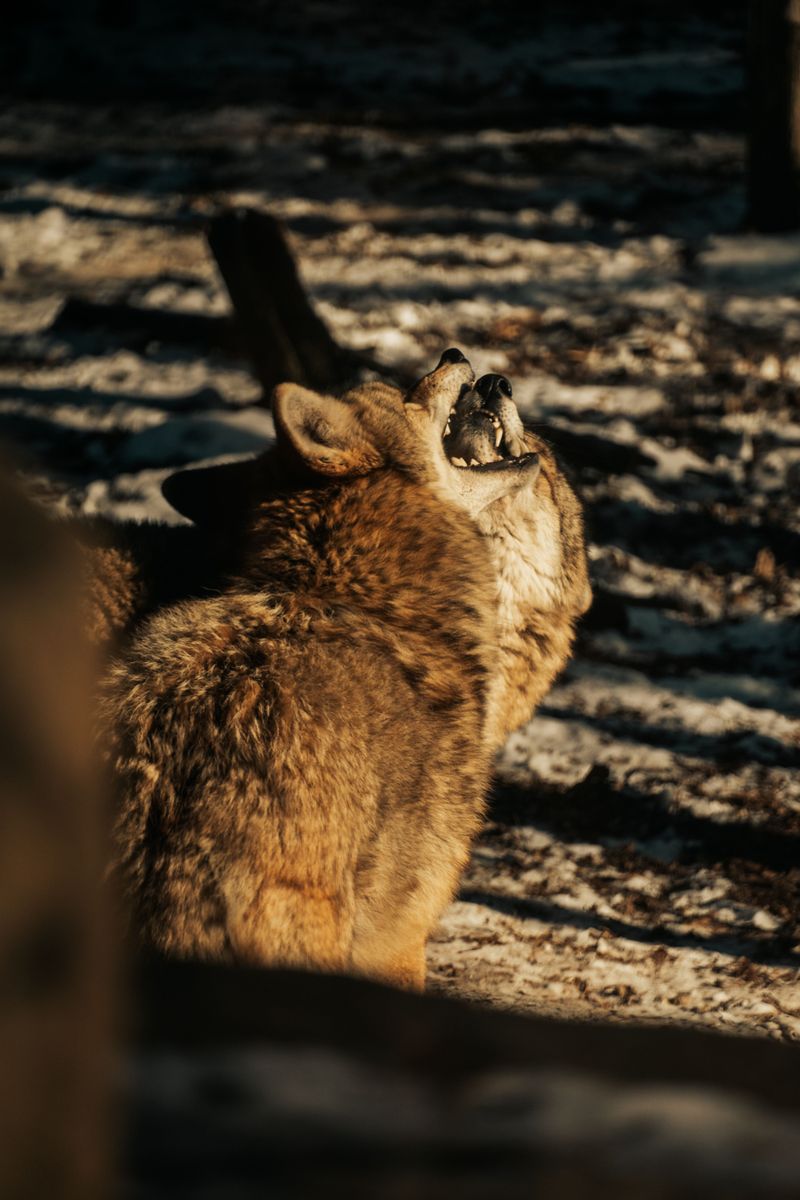
Wail goes the fire truck, and moments later the woods wail right back. If you’ve ever noticed coyotes howling just after a siren passes, you’re not imagining things. It happens all over the country, and Michigan is no exception.
Coyotes seem to react to long, high-pitched sounds. Emergency sirens, train whistles, and of course other coyotes can all trigger a round of howling. Experts aren’t completely sure why, but one popular idea is that these sounds resemble a howl.
To a coyote, a siren might sound like a strange new voice calling out, and answering is simply what they do.
Dogs do something similar. Plenty of family pets throw their heads back and howl along with an ambulance, and coyotes are close cousins of dogs. In both cases, the response is natural and mostly harmless.
So what should you expect? If you live near a fire station, hospital, or railroad track, you may hear coyotes chime in fairly often. The howling usually lasts less than a minute and then fades away.
It doesn’t mean the coyotes are angry, scared, or dangerous. They’re just joining a conversation that only they seem to understand.
Coyotes living near Michigan towns hear a lot of city noise, from sirens in Kalamazoo to train horns rolling through small farm towns.
Over time, they grow used to most sounds, but certain tones still get them singing. The next time it happens, enjoy the quirky duet. Few things remind you so clearly that wild animals live just beyond your back fence.
6. Winter Will Bring Even More Howling
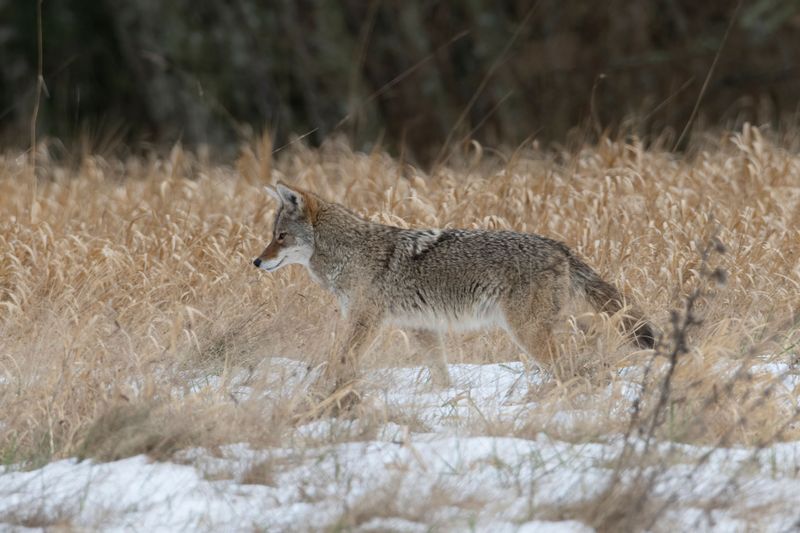
Fall is only the opening act. Once the snow starts piling up, coyotes often become even more vocal, and there’s a good reason why. Winter is their breeding season.
Coyotes usually mate from about January through March. During these months, pairs stay in close contact, and families work hard to defend their territories from rivals. All that activity means more howling, more yipping, and more nighttime chatter.
If you thought October was noisy, January might surprise you. Pups are born in spring, usually around April or May, and the parents guard their dens carefully.
From winter through spring, coyotes can become more protective of their space. They may see dogs as rivals, especially big dogs that wander near a den area.
Sometimes a coyote will follow a dog and its owner on a trail, simply escorting them out of its territory.
Michigan pet owners walk dogs all winter long, snow or no snow, so a few simple habits make a big difference. Keep your dog on a short leash, especially at dawn and dusk. Stick to open, well-used paths and avoid thick brush where a den might be hidden.
Carrying a whistle or a small air horn gives you a quick way to scare off a curious coyote. If a coyote does approach, stay calm. Pick up a small dog if you can, stand tall, and back away slowly while making noise. Never run, because running can encourage chasing.
With a little planning, winter walks can stay safe, cozy, and fun, even with a wild soundtrack playing in the background.
7. Howling Is A Reminder To Coyote-Proof Your Yard
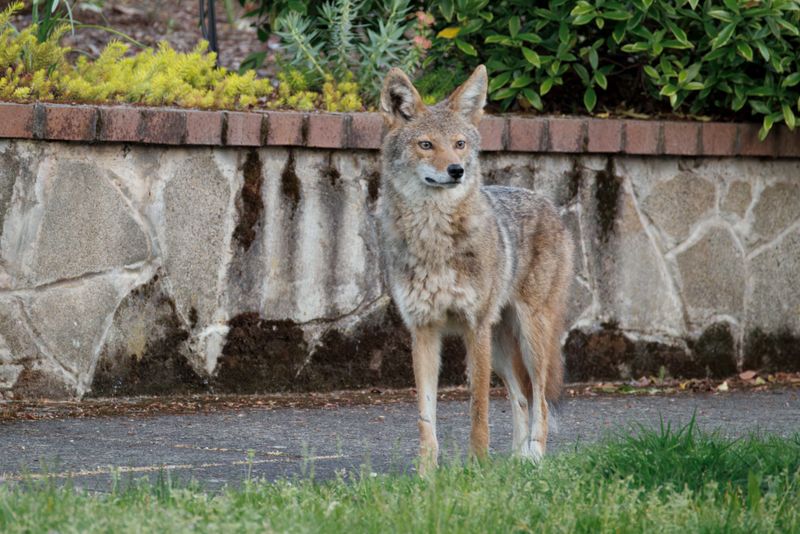
Smart homeowners treat a coyote howl like a friendly nudge. It’s a reminder to look around the yard and remove anything that might invite a hungry visitor.
Coyotes that find easy meals near homes can lose their natural fear of people and start showing up more often.
Luckily, the fixes are simple. Keep cats indoors, where they’re safer from coyotes, cars, and other dangers. Supervise small dogs whenever they’re outside, especially at dawn and dusk, when coyotes are most active.
Feed pets inside too, since a bowl of kibble on the porch is basically a free buffet. Garbage is another big draw.
Use cans with tight, locking lids, and keep them in a garage or shed until pickup day. Compost bins should be covered, and meat scraps should never go in them.
Spilled bird seed attracts mice and squirrels, which in turn attract coyotes, so sweep up under feeders regularly. Fallen apples and pears from backyard trees are worth raking up as well, because coyotes happily snack on fruit.
If a coyote wanders too close, make it feel unwelcome. Shout loudly, wave your arms, bang pots, or spray it with a garden hose. Biologists call this hazing, and it helps coyotes remember that people are best avoided.
Should a coyote act aggressive or unusually bold, contact the Michigan Department of Natural Resources for guidance. These small steps go a long way in Michigan, where people and coyotes share so much space.
A clean, quiet yard keeps your family and pets safer while letting coyotes stay wild. Everyone wins, and you can enjoy those fall howls from the comfort of your porch.