American Witch Hazel Blooms When Almost Everything Else Is Finished In North Carolina
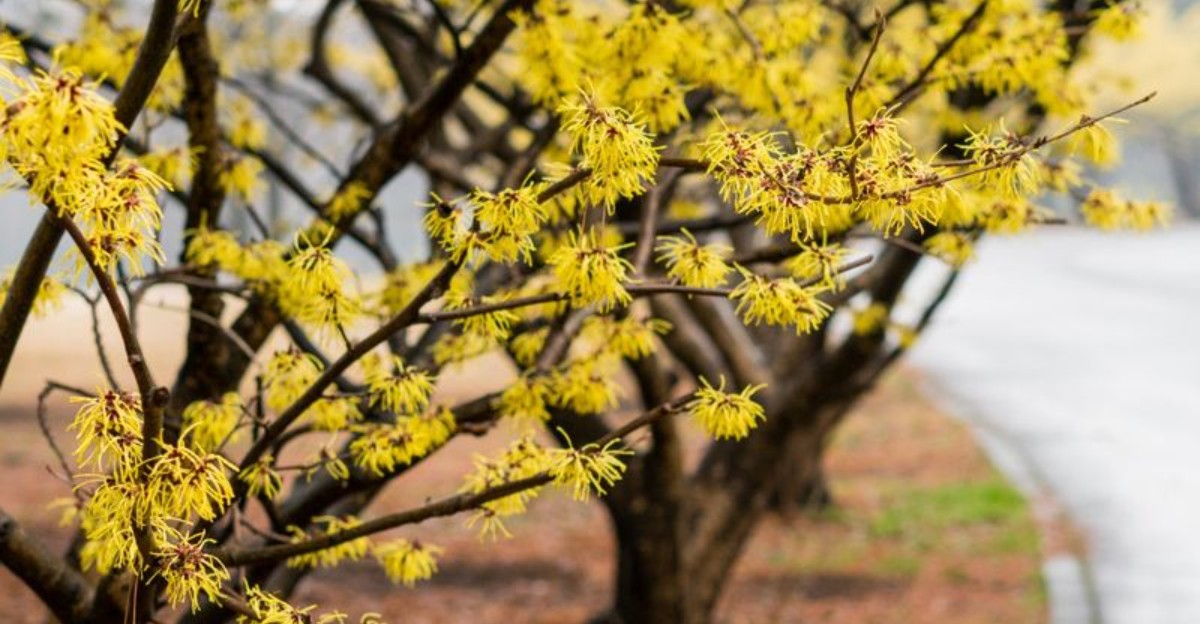
A native shrub in our woods waits a full year to fling its seeds, and the pods can shoot them several yards. Even better, it starts flowering right as its own leaves turn gold and drop.
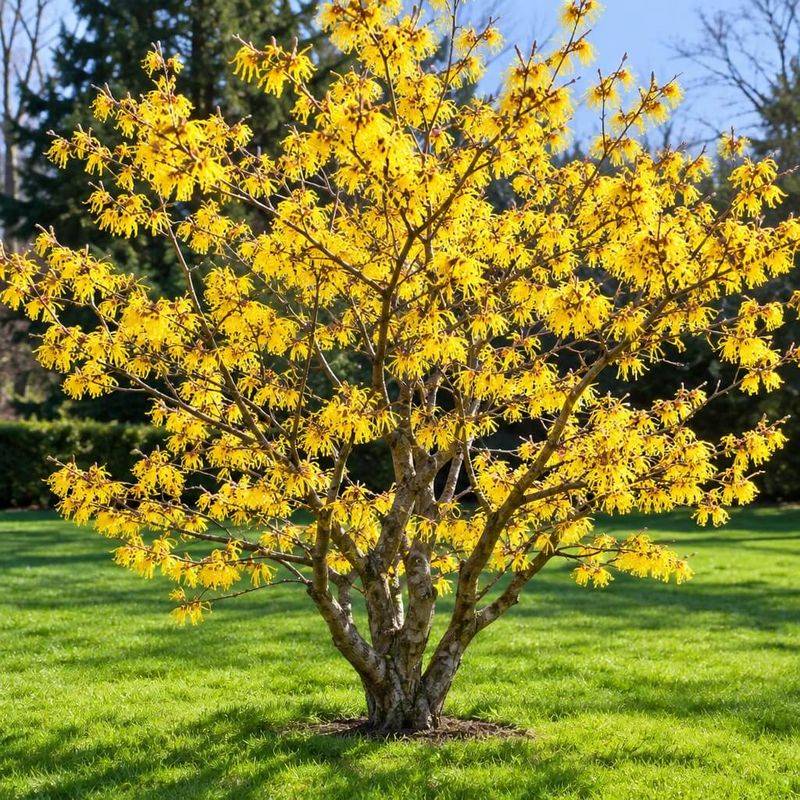
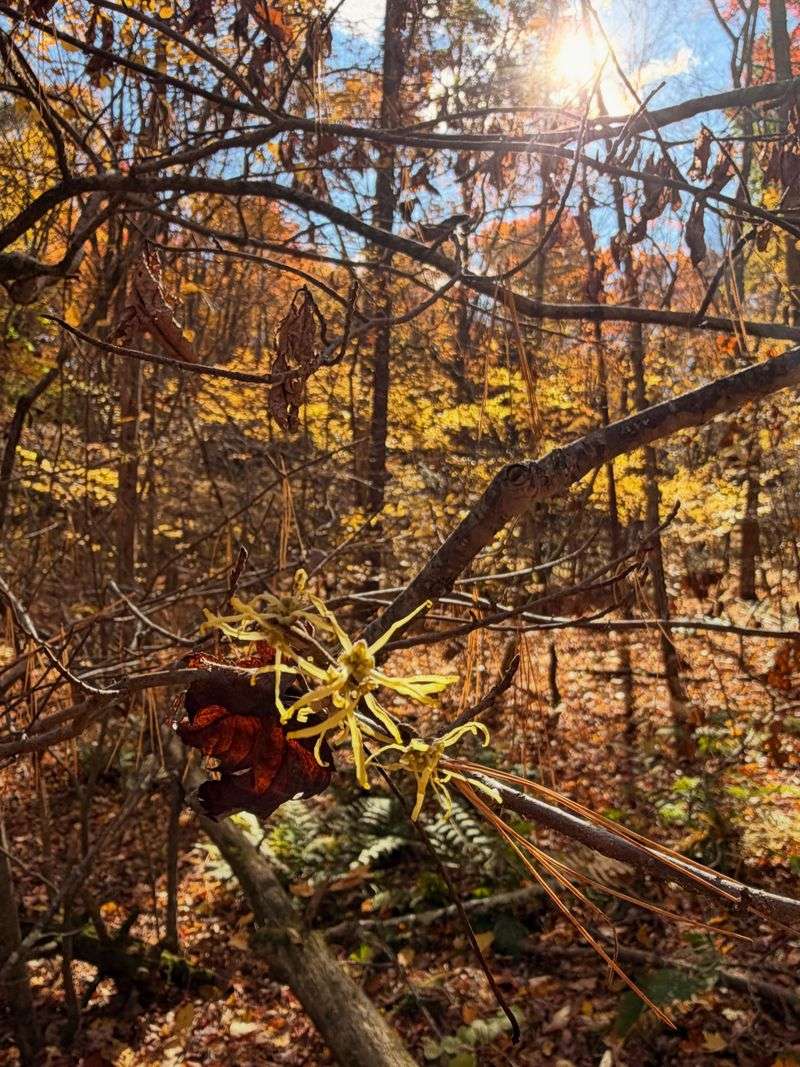
Not going to lie, the first time I spotted those crinkly yellow ribbons in November, I thought someone had tossed confetti into the trees. The blooms look like tiny frayed streamers, and they carry a faint, clean scent on chilly afternoons.
Here in North Carolina, most gardens have gone quiet by then. The asters are brown, the maples are bare, and the bees seem to have clocked out for the year. Yet a few hardy insects keep showing up, and they know exactly where to look.
So what kind of plant decides late fall is the perfect time to throw a party?
Those Yellow Ribbon Flowers Arrive Right On Schedule
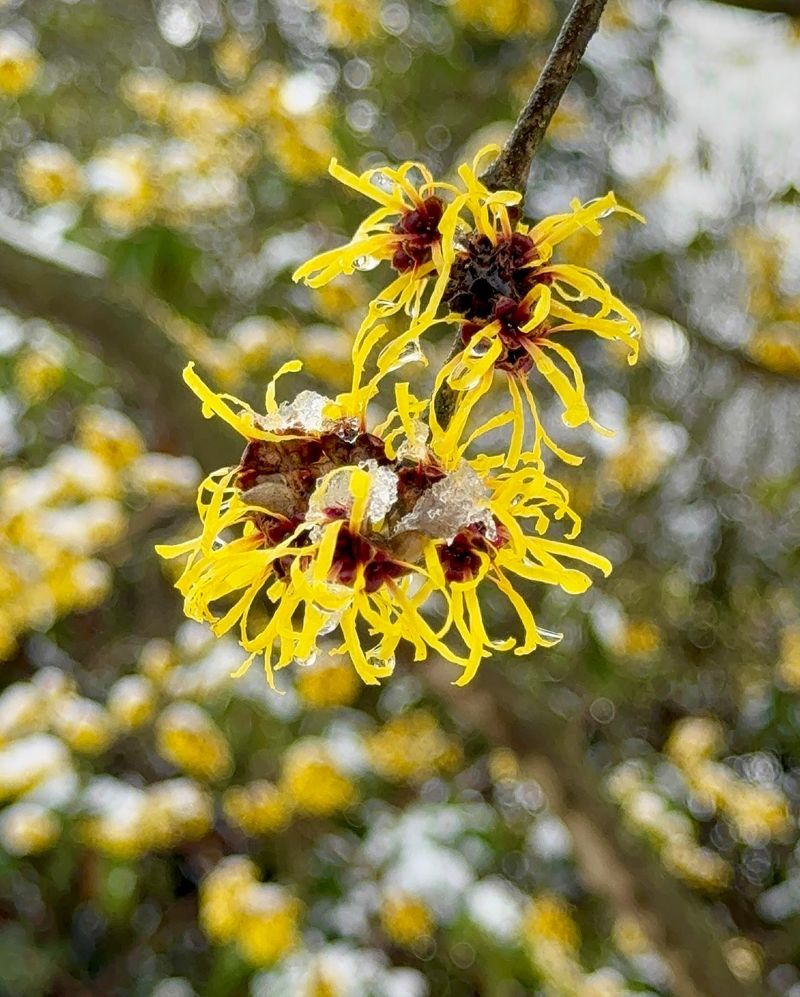
Mother Nature runs a strange calendar with American witch hazel, Hamamelis virginiana. Its flowers usually open from late October through December, often while the last golden leaves are still hanging on.
Nothing is wrong with the plant when this happens. Fall blooming is simply how the species works, and botanists have documented it for a long time. In fact, it is one of the latest-flowering native woody plants in the eastern United States.
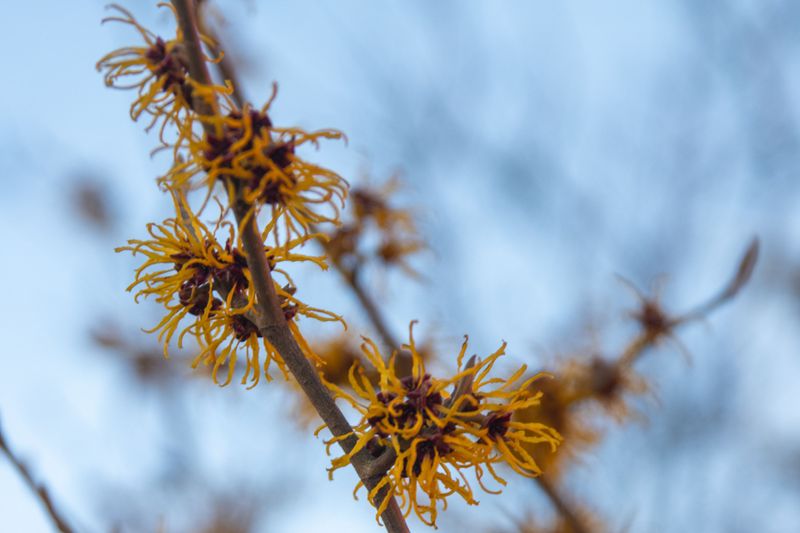
Each flower has four narrow, crinkled petals that look like little yellow ribbons. They cluster along bare twigs, so a single shrub can look softly lit up on a gray afternoon. Up close, many people notice a light, spicy-sweet fragrance.
Here is a fun detail. The petals can curl up on very cold nights and unroll again when the air warms. That clever trick helps them last for weeks instead of fading after the first frost.
Timing can shift a bit across the state. Mountain plants often bloom earlier in fall, while Piedmont and coastal plain shrubs may keep flowering closer to the holidays. Weather plays a role too, so a warm autumn can stretch the show.
Either way, those ribbons are right on time.
Late Bees And Moths Count On Witch Hazel Blossoms
Hungry insects in November have very few options. When most flowers are gone, witch hazel offers pollen and nectar to the hardy bugs still out and about.
Researchers have found that small bees, flies, gnats, and especially winter-active moths visit these blooms. Owlet moths, a group that includes several winter-active species, can shiver their flight muscles to warm up on cold nights. That lets them fly and feed when other insects stay tucked away.
Pollination is not guaranteed, though. Studies suggest only a small share of flowers set fruit in many years, which may explain why the plant produces so many blooms. More flowers means more chances.
The shrub also supports caterpillars. Several moth species feed on its leaves in summer, including the witch hazel dagger moth. Those caterpillars become food for songbirds raising chicks.
Seeds feed wildlife later. Ruffed grouse, wild turkeys, squirrels, and other critters eat the hard black seeds when they ripen.
So when you plant one, you are not just adding pretty flowers. You are giving the neighborhood a late-season snack bar that opens when almost every other spot has closed its doors.
Planting Witch Hazel Is Easier Than You Might Expect
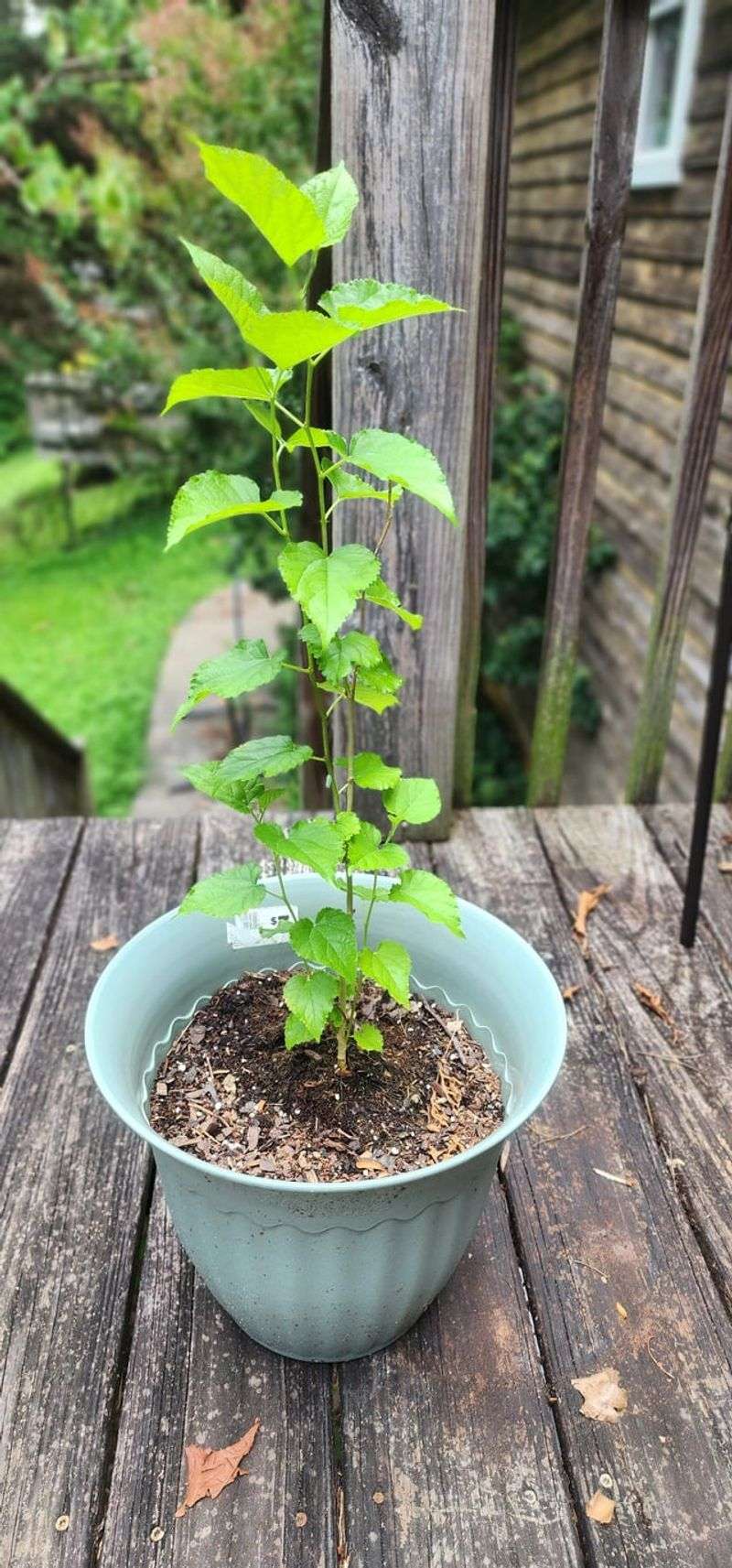
Fall happens to be one of the best times to plant this shrub in North Carolina. Cooler air and steadier rain help roots settle in before spring growth begins.
American witch hazel is native across the state, from the mountains to the coast. It handles USDA zones 3 through 8, so it fits nearly every North Carolina yard.
Pick a spot with full sun to part shade. It grows happily under tall trees, but more sun usually means more flowers. Moist, slightly acidic, well-drained soil suits it best, and it can tolerate some clay.
Dig a hole about twice as wide as the root ball and no deeper. Set the plant at the same level it grew in the pot, backfill with native soil, and water deeply.
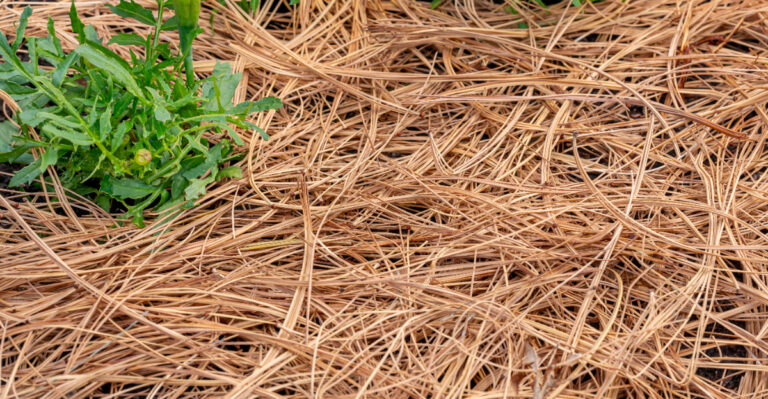
Add two to three inches of mulch, keeping it a few inches away from the trunk. Water regularly during the first year, especially in dry spells, since young plants dislike drought.
Give it room to grow. Mature shrubs often reach 15 to 20 feet tall and nearly as wide, though they grow slowly. Plan the spot now so you avoid moving it later.
Prune Your Witch Hazel Only In Early Spring
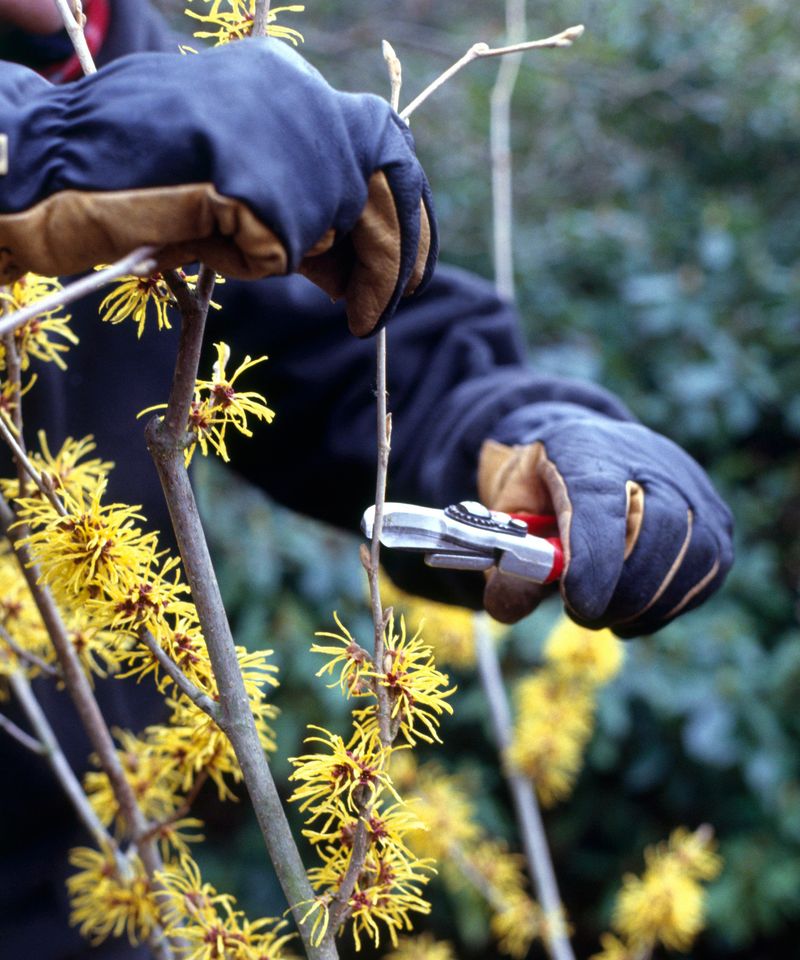
Call me lazy, but my favorite pruning job is the one I can skip. Witch hazel rarely needs much trimming, and its natural vase-like shape looks great without help.
When you do want to shape it, timing matters. Prune in late winter to early spring, after flowering ends and before new leaves push out. Flower buds for next fall form during summer, so cutting later in the season can remove them.
Start with the easy stuff. Remove broken, crossing, or rubbing branches first. Then thin a few crowded stems to let light and air into the center.
Watch for suckers sprouting at the base. Snip them off if you want a tree form, or leave some if you prefer a fuller, multi-stemmed shrub for screening.
Avoid shearing it into a tight ball. Heavy cuts lead to messy regrowth and fewer blooms.
Clean, sharp bypass pruners make neat cuts that heal well. Wipe blades between plants if you notice any disease. A light touch every few years keeps this native looking tidy and loaded with ribbons when the cold weather rolls in.
Seed Pods That Pop Like Tiny Slingshots
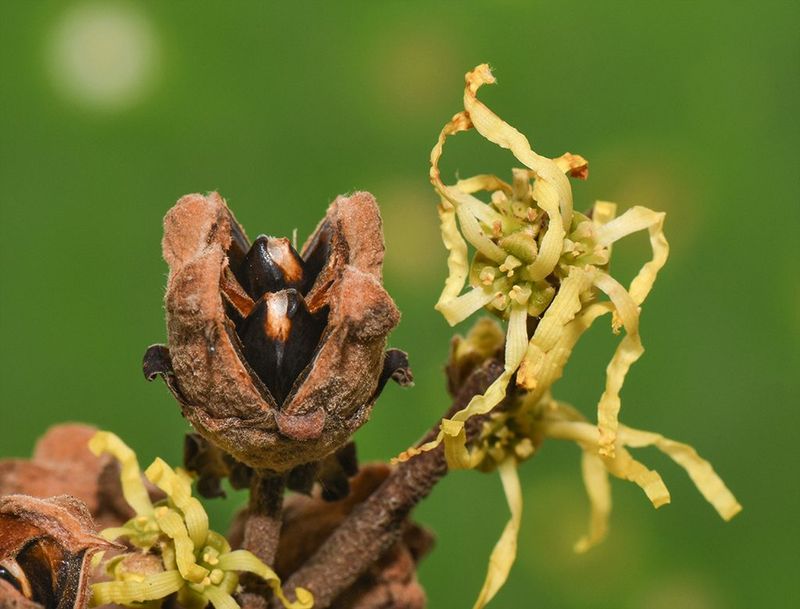
Ever heard a shrub snap in the quiet woods? Witch hazel seed capsules can do just that.
After a flower is pollinated, the fruit takes about a year to mature. That means you can often spot last year’s woody pods sitting right beside this year’s fresh yellow flowers. It is a neat way to see two seasons on one branch.
When the capsule dries in fall, its walls squeeze the shiny black seeds. Pressure builds until the pod splits and launches them outward. Sources report seeds flying anywhere from several feet up to around 30 feet.
That explosive trick spreads seeds away from the parent plant. Less crowding gives the young seedlings a better shot at sunlight and space.
Kids love this part. Collect a few closed pods in early fall, set them in a paper bag indoors, and listen. Within days you may hear a sharp pop as they burst.
If you want to grow your own, seeds usually need a long cold and warm period before sprouting. Many gardeners find buying a nursery plant much faster and simpler.
Forked Witch Hazel Branches Gave The Shrub Its Name
Don’t laugh, but I once assumed the name had something to do with spooky spells. The real story is more down to earth.
Many experts trace the word witch to the Old English wice or wych, meaning pliant or bendable. Wych elm got its name the same way. The flexible twigs bend easily without snapping.
Folk tradition adds another layer. Early settlers used forked witch hazel branches for dowsing, a practice of walking land while holding a stick to search for underground water. People called it water witching, and that folk practice became linked to the shrub.
Science does not support dowsing as a reliable way to find water. Still, the story shows how closely people once lived with this plant.
Native American communities used witch hazel bark and leaves long before European settlers arrived. Later, distillers turned it into the familiar witch hazel extract sold in drugstores today.
Much of that commercial supply comes from wild shrubs in New England. So the bottle in your bathroom cabinet likely shares roots with the bloomer in North Carolina woods. Not bad for a plant named after its bendy twigs.
Golden Fall Leaves Make Witch Hazel A Four-Season Shrub
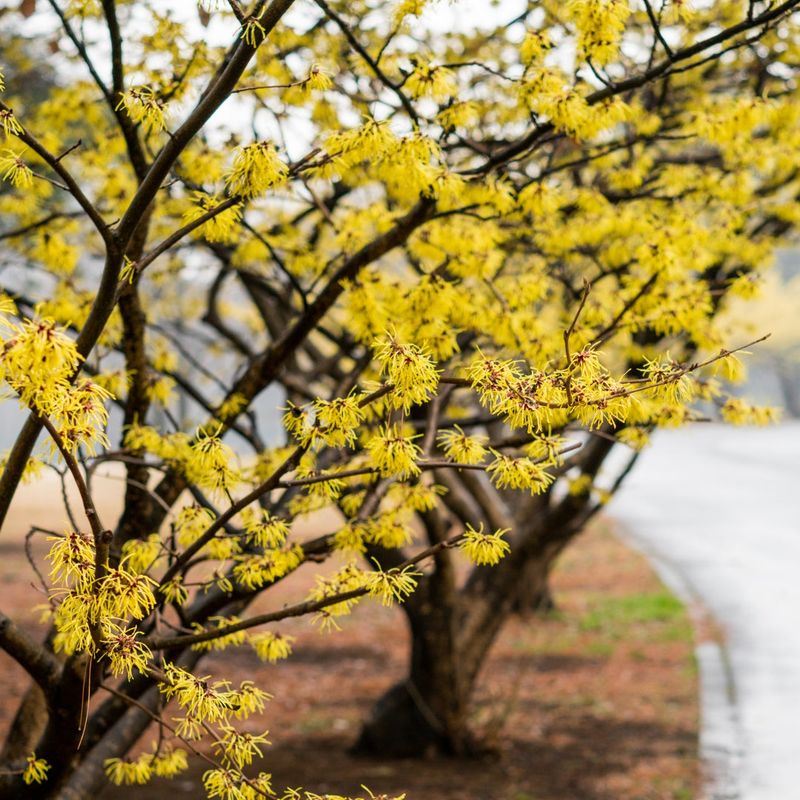
Flowers grab the attention, but the leaves deserve a round of applause too. In autumn, witch hazel foliage turns a warm buttery yellow.
Spring brings fresh green leaves with wavy, scalloped edges. Through summer, the shrub stays tidy and full, offering shade and shelter for birds. Fall adds that golden color, and then come the ribbon flowers.
Winter has its charms as well. The smooth gray bark and zigzag twigs look striking against evergreen hollies or rhododendrons.
Gardeners also like that it holds up well to common troubles. Deer tend to browse it less than many shrubs, though hungry deer may nibble anything. Serious pests are uncommon.
You might see small cone-shaped galls on the leaves. Tiny aphids cause these bumps, and they rarely harm the plant, so no spray is needed.
Witch hazel fits many roles. Use it as a loose screen, a woodland edge plant, or a small multi-stemmed tree near a patio. Pair it with native partners like oakleaf hydrangea, Christmas fern, or beautyberry for a layered look that changes with every season.
Put Your Witch Hazel Where You Will See Those November Blooms
Trust me on this one. A fall-blooming shrub hidden in a back corner is easy to forget.
The flowers are small, so location matters. Plant witch hazel near a walkway, front entrance, or a window you look out daily. A dark backdrop, like an evergreen hedge or brick wall, makes the yellow pop.
Late-day sun can make the petals glow. If you can site the shrub where afternoon light hits it, you will catch that sparkle on your way home.
Buy a true native. Look for the label Hamamelis virginiana at local nurseries or native plant sales across North Carolina. Popular hybrids and Asian witch hazels bloom in late winter instead, which is lovely but a different show.
Vernal witch hazel, a late-winter bloomer native to the Ozarks, is another option for gardeners wanting a second bloom season. Some folks plant both.
Before you buy, check your space, sunlight, and soil moisture. Then plant in fall, water through the first year, and be patient while it grows.
Once it settles in, you will have flowers just as the rest of the garden goes quiet. That late surprise makes every chilly walk outside feel a little brighter.