Giant Golden Web Stretching Across A Louisiana Yard Belongs To A Spider Bigger Than Most People Expect
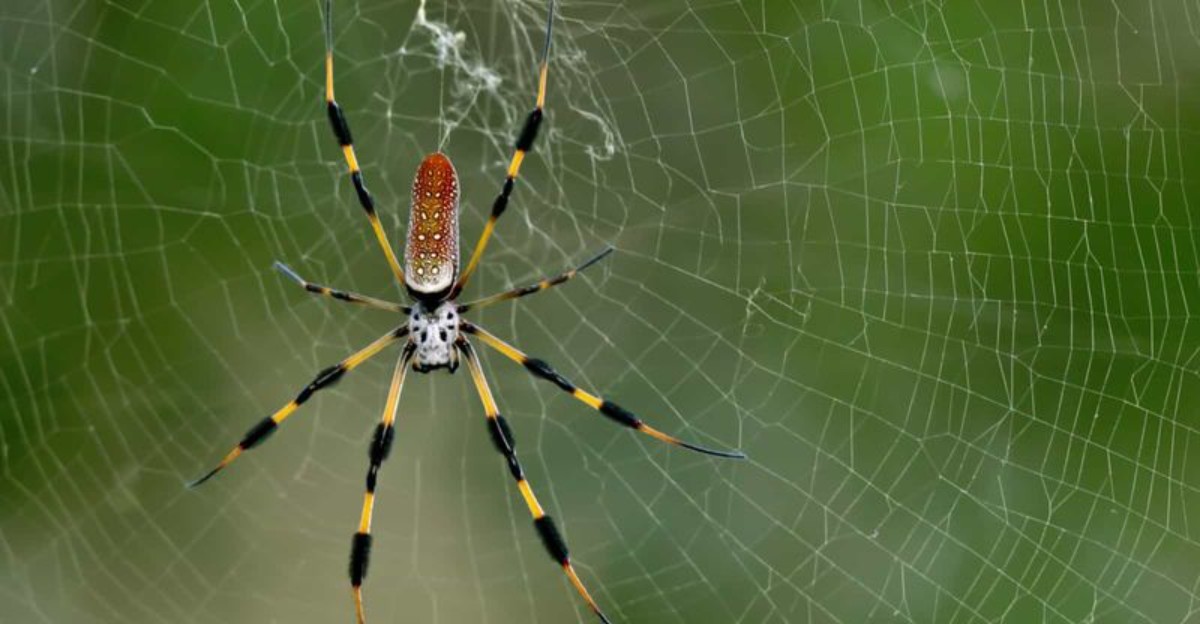
A single strand of this silk can glow like real gold thread when the late afternoon sun hits it. I walked face first into one last fall and spent a full minute picking shiny yellow silk out of my hair.
Then I looked up. The builder was hanging right at eye level, with legs that stretched wider than my palm.
You might notice these huge webs strung between pines, crepe myrtles, and porch posts across Louisiana once summer starts to fade. Some span several feet, with extra support lines running even farther.
A little reading told me this creature has lived in Southern woods far longer than any of our gardens, and it has been spinning in Louisiana long before anyone planted a tomato.
I never get tired of finding wild surprises tucked beside my tomatoes. This one is big, bright, and honestly kind of a hard worker.
Meet the golden silk orb-weaver, the glittering architect of your yard, and a neighbor far more helpful than harmful.
That Shimmering Web Between Your Trees Has a Famous Builder
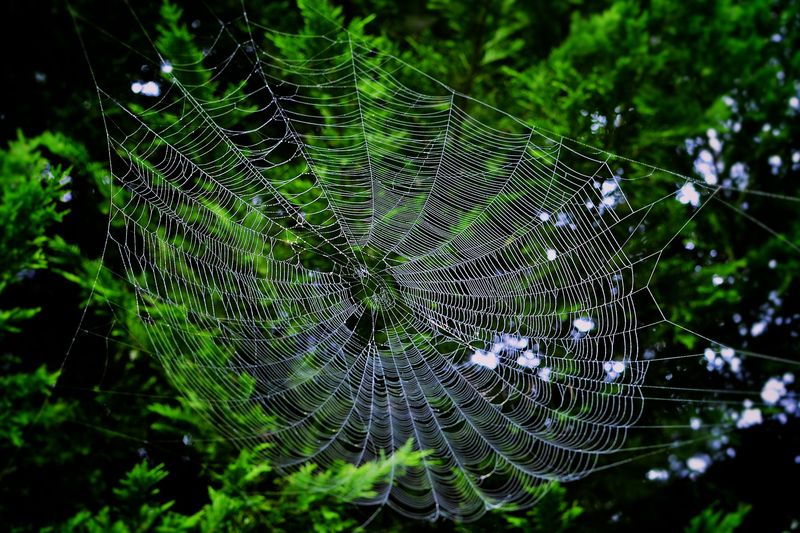
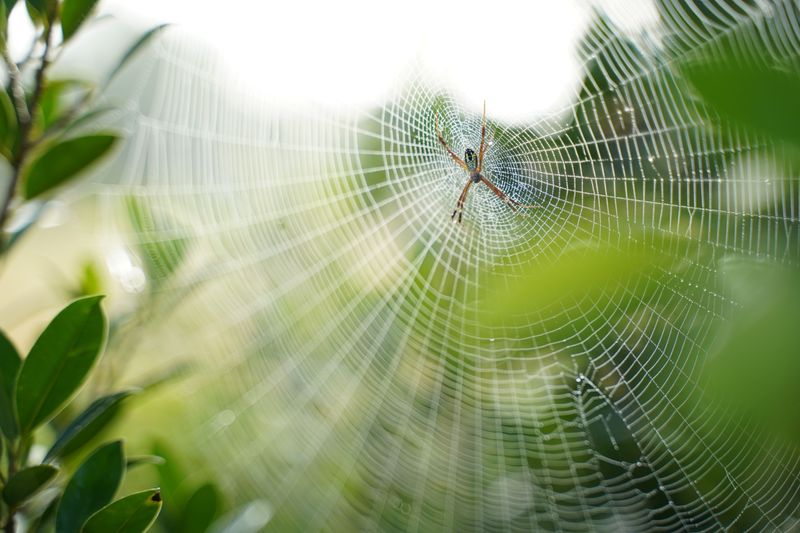
Gold silk in the sunshine is the first clue. Louisiana gardeners who spot a huge yellow-tinted web almost certainly have a golden silk orb-weaver living nearby.
Scientists call it Trichonephila clavipes. Older guides list it as Nephila clavipes, and many folks just call it the banana spider.
LSU AgCenter and University of Georgia experts both describe it as a native species of the Southeast, not a newcomer or a recent arrival.
I find that comforting. This spider has been weaving in Gulf Coast forests for a very long time, long before lawns and flower beds showed up. It simply likes the same sunny edges that we like for gardening.
You will usually find it where woods meet open space. Think forest edges, tree lines, shrubby borders, and the gap between a shed and a big oak. Those spots give it strong anchor points plus a steady stream of flying insects.
A quick tip helps with identification. If the web is wheel-shaped, slightly golden, and paired with a long-legged spider in the middle, you have your answer.
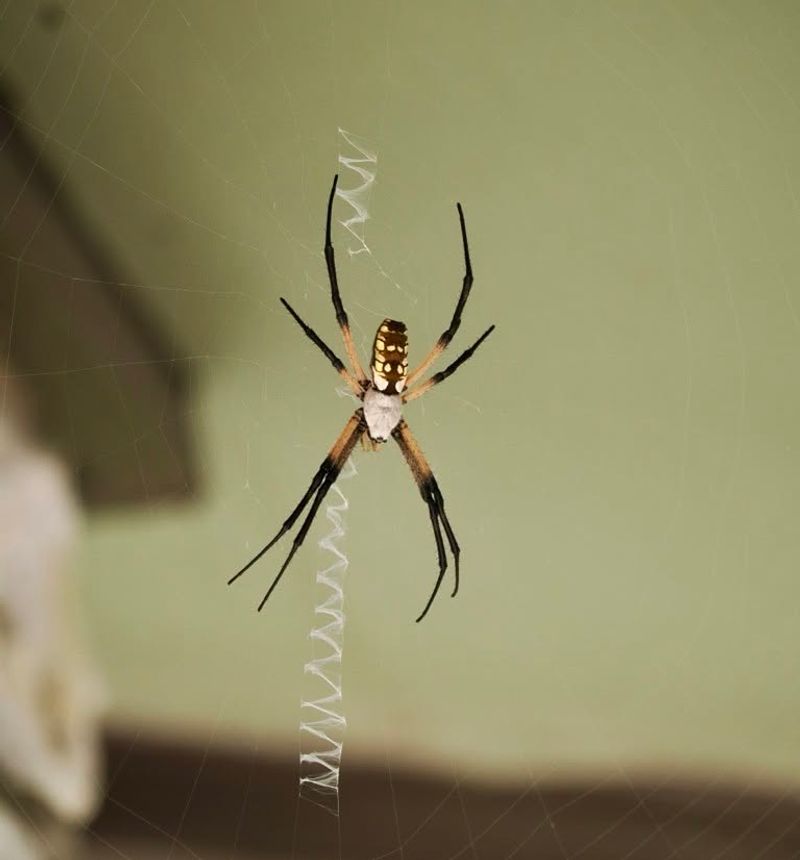
A messy, tangled web or a white zigzag pattern points to a different spider, so look closely before guessing.
Female Banana Spiders Really Are as Big as They Look
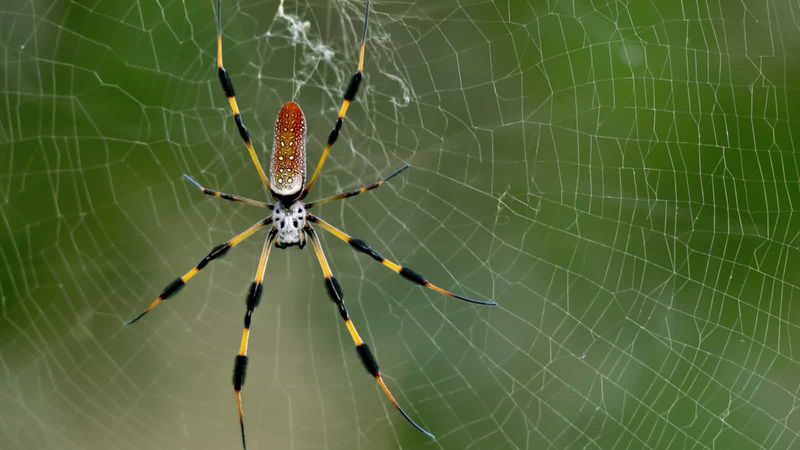
Measure one with your eyes, and you will probably guess wrong. Adult females in Louisiana usually reach about 1 to 1.5 inches in body length, according to several wildlife and extension sources.
Add the legs, and things get dramatic. Their full leg span can stretch past 4 to 5 inches, which is about the width of a coffee mug.
That size puts them among the largest web-building spiders in North America. Here is the funny part. The big spider you see is almost always a female.
Males are tiny by comparison, often less than a quarter of an inch long, and they look more like a speck than a giant.
You can sometimes spot one or more males hanging around the edges of a female’s web. They wait their turn to mate and try to stay out of her way. I once counted three little males on a single web near my fig tree.
Size alone can make people jump, and that reaction is normal. Still, a large body mostly means a large appetite for bugs.
Take a photo from a comfortable distance and you will have a great story to share with friends across Louisiana.
Golden Orb-Weavers Bite Less Than You Fear
Relax a little, because this big spider is famously calm. Golden silk orb-weavers rarely bite people and usually do so only when grabbed, pinched, or squeezed.
Extension experts describe the bite as similar to a bee sting. You might feel local pain, redness, or slight swelling that fades within a day or so. Their venom is weak against people and is built for subduing insects.
That said, anyone with allergies or unusual reactions should check with a doctor. Watch kids and pets around the web too, mostly so the web stays intact and nobody grabs the spider.
My advice is simple. Admire it, photograph it, and keep your hands to yourself. When I need to work near one, I move slowly and give the web a wide berth, and the spider pretty much ignores me.
Pets usually lose interest fast. A curious dog may sniff at a web and walk away covered in silk, which looks funny but rarely causes trouble.
So the real threat is mostly to your hairdo when you walk into a web. A little awareness on your morning stroll goes a long way.
Those Yellow Silk Strands Are Tougher Than They Seem
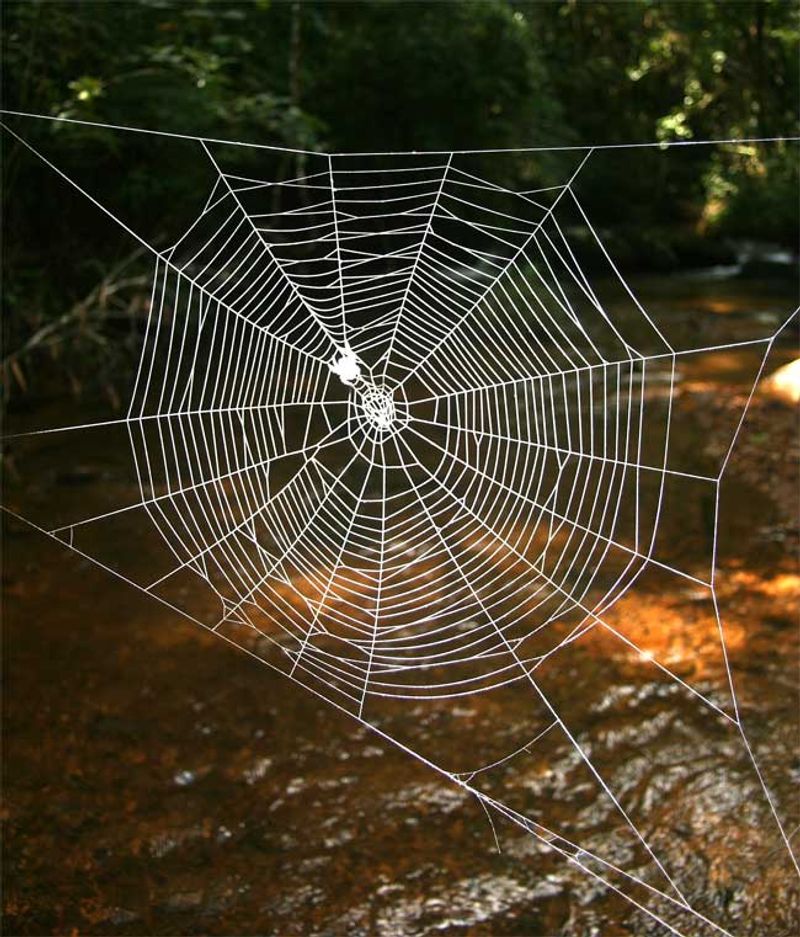
Some of the most amazing engineering in your yard is hanging between two branches. The yellow color comes from pigments in the silk, and it shines brightest in direct sun.
Researchers have studied this silk for years because it is strong and stretchy. Scientists think the golden tint may help attract bees and other insects in sunny spots, while blending into shade in darker areas.
That idea has research support, though it is still being studied. The main orb can measure 3 feet or more across. Support lines often run much farther, sometimes reaching from a tree to a fence or eave.
That explains why you can bump into silk long before you see the spider. Another neat detail is that the orb is often slightly uneven, with the hub sitting off center.
Many webs also include messy barrier threads on one or both sides that may help block birds and debris.
These spiders often repair sections instead of rebuilding the whole web daily. I like checking mine after a breezy night to see which parts got patched. It feels like watching a tiny construction crew at work.
Late Summer Is When These Giant Webs Take Over the Yard
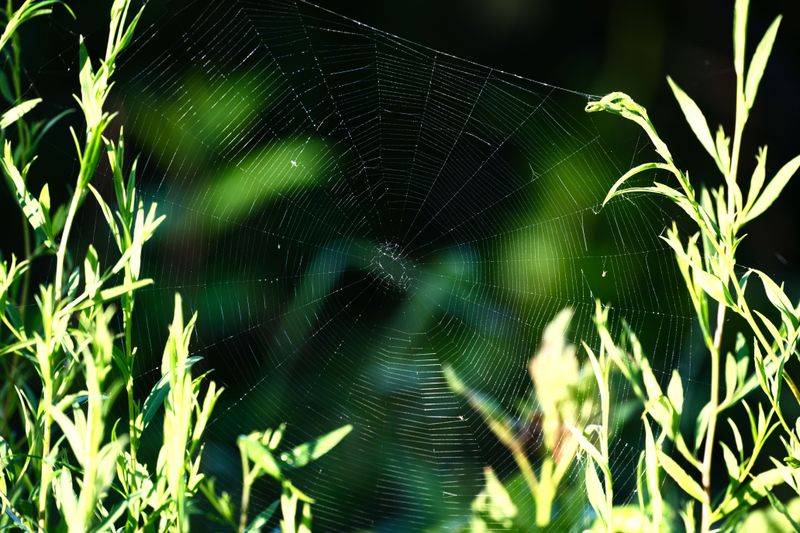
Timing explains why these webs feel like they appear out of nowhere. The spiders hatch in spring but stay small and easy to miss for months.
By midsummer they grow fast. Adult females become most noticeable from about July through October, with the biggest webs often showing up from August into fall. That lines up perfectly with peak insect season in Louisiana.
After mating, a female lays an egg sac, often tucked in nearby leaves or bark. When cold weather arrives, the adults decline and the next generation waits inside the sac until spring warms things up again.
Regional weather matters a bit. Southern parishes near the coast stay milder, so spiders there may linger later into the season. North Louisiana tends to see adults fade sooner once frosty nights roll in.
You can use this pattern to plan yard work. If you need to trim shrubs or clear a path, do it in early summer before the giant webs settle in.
Waiting until late summer means you will be working around a lot of silk and some very determined weavers.
A Banana Spider Makes a Hungry Helper in Your Garden
Ever wish someone would handle the bugs for free? This spider signs up for the job every summer without asking for a thing.
Golden orb-weavers catch flying insects such as flies, mosquitoes, moths, beetles, small wasps, and even cicadas. Bigger webs mean a bigger catch, and a single web can trap a surprising number of pests in a day.
Yes, they occasionally snag a helpful bee or butterfly too. That is part of nature’s balance, and the overall effect in most gardens still leans helpful. Pesticides would harm far more beneficial insects than one spider ever could.
I started leaving the webs near my vegetable beds alone a few years ago. My tomato plants did not suddenly become perfect, but I noticed fewer gnats and flies hovering around the patio in the evening.
Birds benefit as well, since spiders are a food source for wrens and other songbirds. Lizards like green anoles may lurk nearby hoping for an easy meal.
Spraying a big orb-weaver usually is not worth it. Letting it stay keeps your yard a little wilder, healthier, and more interesting to watch.
Move a Web Blocking Your Porch Without Harming the Spider
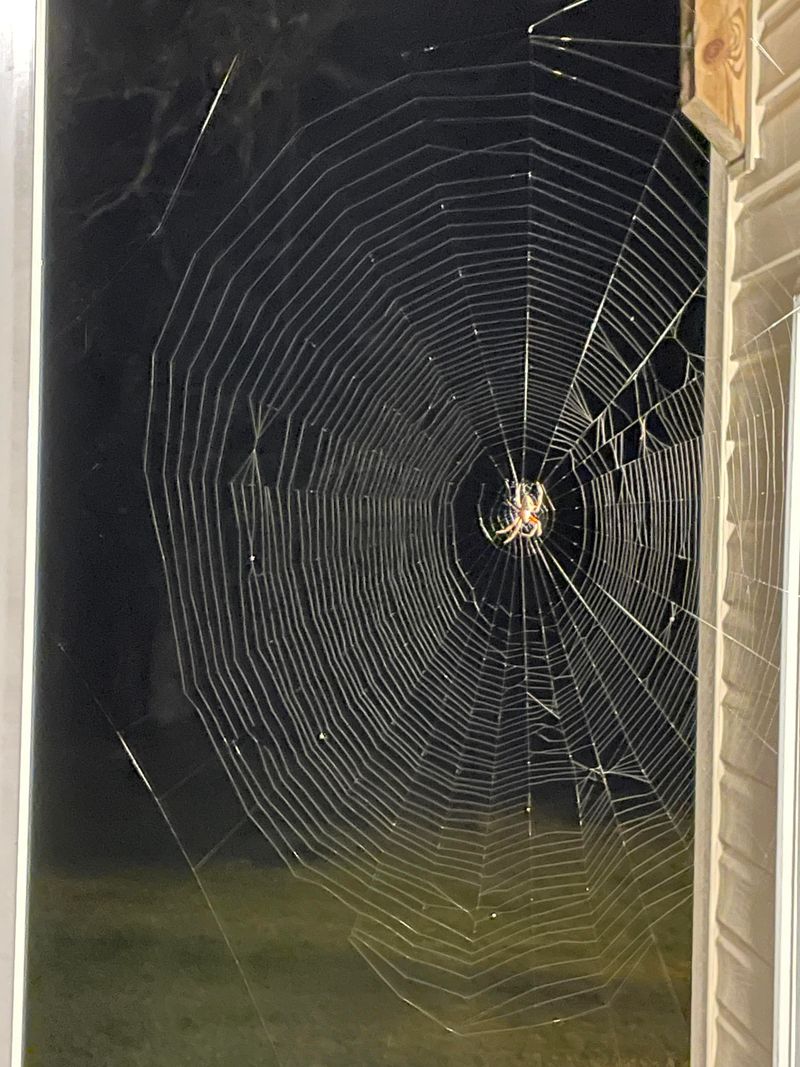
Sharing a yard with a giant spider is easy until it builds across your front steps. Thankfully, you have gentle options that keep both you and the spider happy.
Start by deciding if the web truly needs to go. If it sits off the walkway, simply enjoy it and maybe tie a ribbon nearby so guests see it. Visitors often love the reminder.
For webs blocking a door or path, use a long broom or stick. Slowly guide the spider onto it, then set her on a shrub or tree farther from traffic. She will likely rebuild in the new spot within a day or two.
Wear gloves if you feel nervous, and avoid grabbing the spider directly. A calm, slow approach works best.
Prevention helps too. Keep paths trimmed so spiders find fewer anchor points across walkways.
Turning off bright porch lights at night also cuts down the insects that draw spiders close to doors.
My favorite takeaway is that these giants are seasonal guests. Enjoy the golden show while it lasts, and by winter your walkways will be clear again until next summer.