These Famous Apples Were Born In New York, And You Can Grow Them At Home
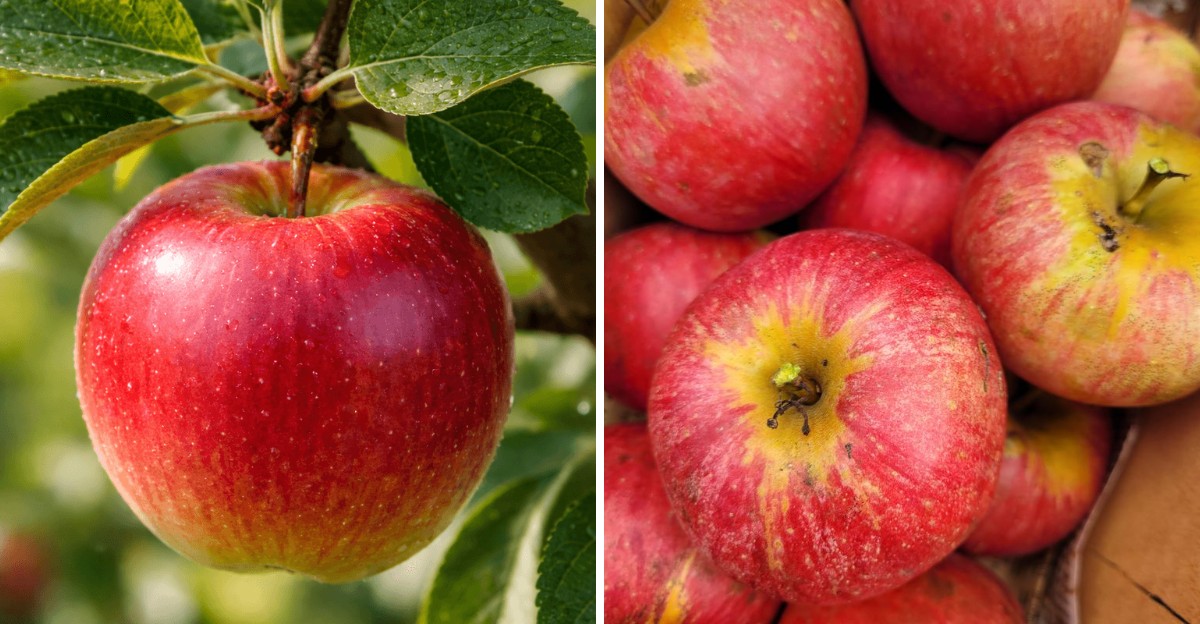
Crunch. Honestly, is there a better sound in fall? That first bite of a crisp apple is basically a tiny celebration in your mouth.
Here is a fun question, though. Where did that apple actually come from?
Plenty of the varieties packed into grocery store bins got their start in one busy, orchard-loving state. Spoiler: it is New York.
For well over a century, scientists, farmers, and a few happy accidents have been quietly shaping the apples people still munch today. Some came from careful crosses at a research station.
One just popped up as a lucky seedling around 1800.
Even better, you can grow most of these trees in your own backyard. Grab a snack, preferably crunchy, get comfy, and meet the apples with serious Empire State roots.
1. Empire Apples Brought New York Pride To Lunchboxes
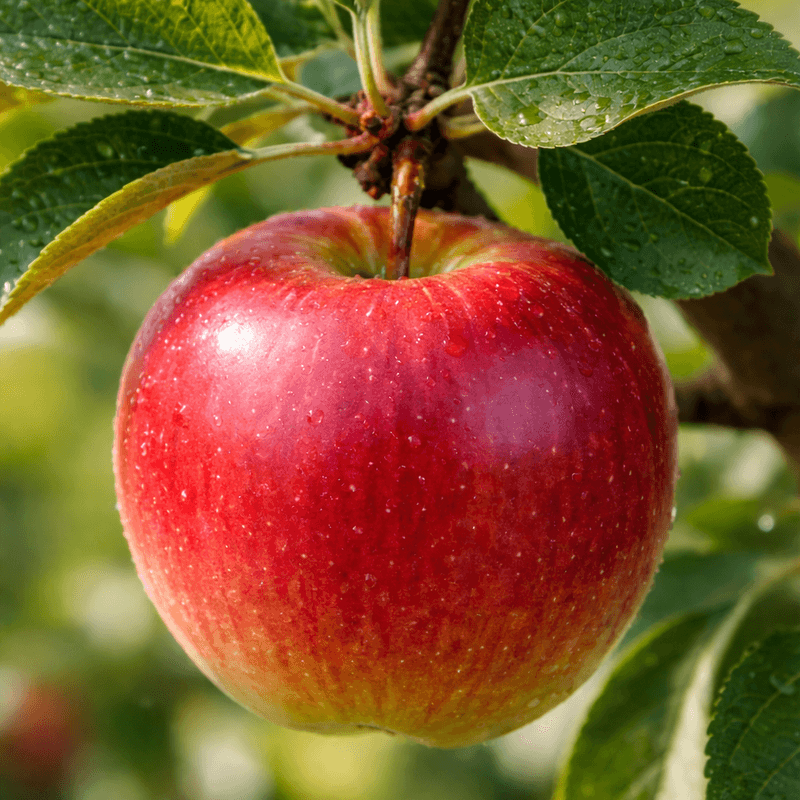
Back in 1945, a researcher in Geneva, New York, crossed a McIntosh with a Red Delicious. The result was a sweet, dark red apple that would later be named after the Empire State itself.
Empire apples are crisp, juicy, and small enough for a kid’s lunchbox. They also hold up well without bruising easily, which makes them great for packing on busy school mornings.
Growing one at home is pretty doable. Empire trees like full sun, at least six to eight hours a day, and soil that drains well after rain.
Like most apples, an Empire needs a partner tree nearby for pollination. Good buddies include Gala, Honeycrisp, or a crabapple, as long as they bloom around the same time in spring.
Pick a dwarf or semi-dwarf tree if your yard is small. These trees stay shorter, which makes pruning and picking much easier without a tall ladder.
Harvest usually arrives in late September or early October. Taste one before picking the whole tree, since flavor improves as the apples hang a little longer.
Store your harvest in the fridge crisper drawer. Empires can keep their crunch for a couple of months that way, so you can enjoy a homegrown snack well into winter.
2. Cortland Apples Keep Salads Looking Fresh
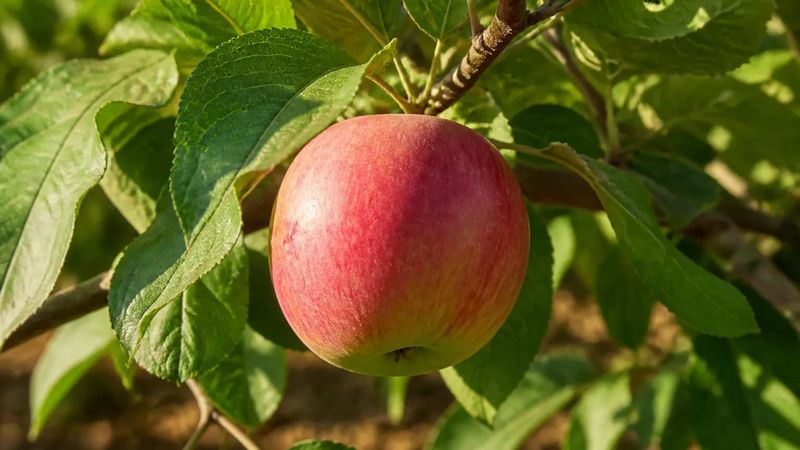
Slice a Cortland apple, set it on the counter, and wait. Unlike many apples, the snowy white flesh stays bright much longer before turning brown.
That trick makes Cortland a favorite for fruit salads, cheese plates, and after-school snack trays. It was developed in 1898 at the Geneva research station in New York and named after Cortland County.
Flavor-wise, expect a mild, slightly tart bite with a soft crunch. Many bakers also love it for pies because the slices hold some shape while cooking.
If you want a Cortland tree, choose a sunny spot with room for air to move. Good airflow helps leaves dry faster, which cuts down on common fungus problems.
Cortland trees are tough in cold weather, so northern gardeners can relax. They handle chilly winters well, which explains why they became so popular across the Northeast.
Water young trees deeply about once a week during dry spells. A ring of wood chip mulch around the base, kept a few inches off the trunk, helps hold moisture in.
Your New York Garden Changes Every Week. Your Plan Should Too.
Gardening in New York changes quickly throughout the season. Every Friday you’ll receive a simple weekly plan showing exactly what to plant, prune, fertilize, harvest, and protect so you never miss the right timing.
Thinning helps a lot with this variety. When tiny apples form in early summer, remove some so the rest grow bigger and the branches do not get overloaded and snap.
3. Macoun Apples Are New York’s Short Season Treasure
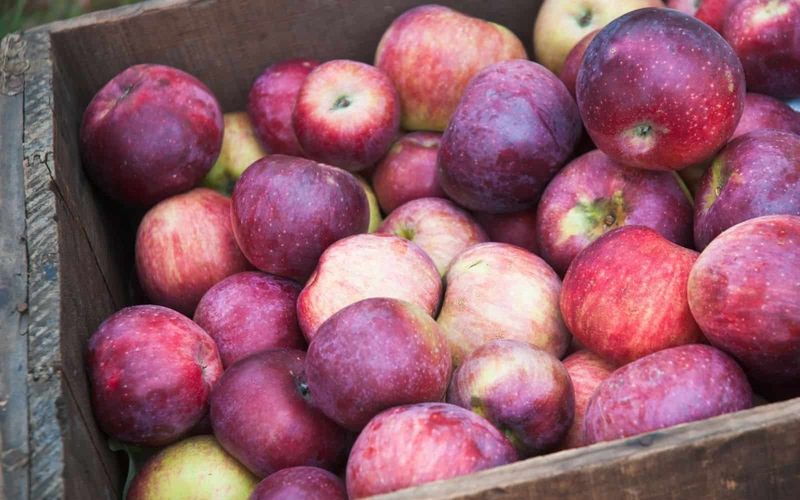
Ask an apple lover in the Northeast about their favorite, and many will whisper one word: Macoun. People wait all year for its short fall season.
Macoun came from a cross between McIntosh and Jersey Black, made in 1909 at the New York station in Geneva. It was released to the public in 1923.
The apple was named after W.T. Macoun, a Canadian horticulturist, which is a neat bit of friendly teamwork across the border.
The taste is sweet and aromatic, and the flesh is super juicy. Because it bruises easily and does not store for long, it can be harder to find in stores far from the Northeast.
Growing your own solves that problem nicely. You get fresh Macouns right off the branch, with no shipping bumps along the way.
One quirk to know is that Macoun can bear heavy crops one year and lighter ones the next. Thinning the fruit in early summer helps even things out over time.
Plant it in loamy soil with a pH around 6 to 7. A simple soil test kit from a garden center can tell you if you need to add lime.
Handle the harvest gently, like eggs. Place apples into a bucket instead of dropping them, and eat the softest ones first for the best experience.
4. Jonagold Apples Mix Two Classics
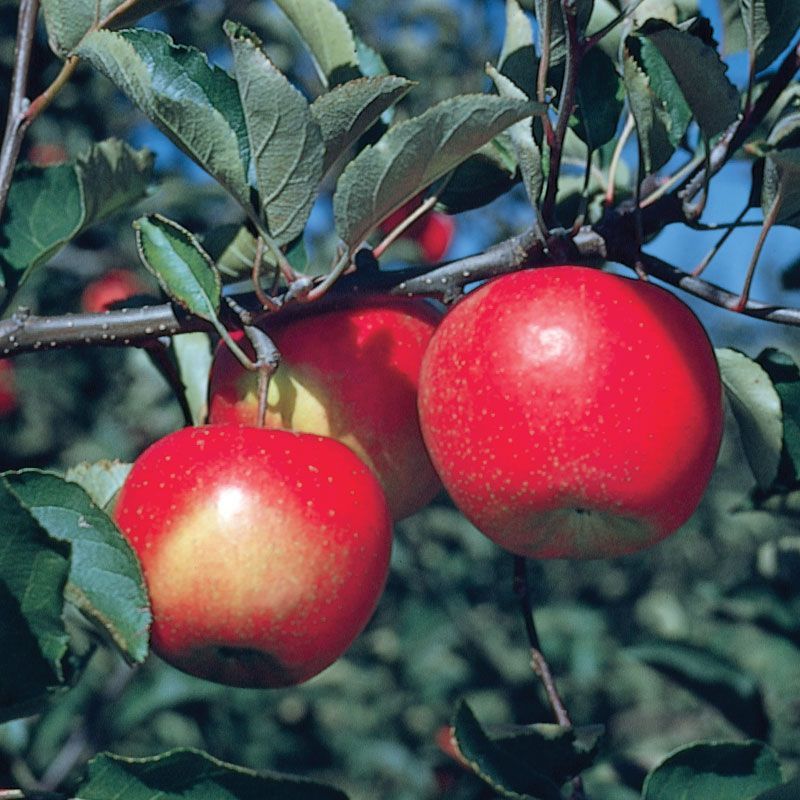
Some apples are like a great duet. Jonagold blends the tangy Jonathan with the honey sweet Golden Delicious into one big, colorful fruit.
Breeders at Geneva, New York, introduced it in 1968. It later became a superstar in Europe, especially in Belgium, where growers planted it in huge numbers.
Jonagold apples are large, with yellow skin and red stripes. They taste balanced, crisp, and juicy, which makes them good for snacking, sauce, and baking.
There is one catch for home growers. Jonagold produces poor pollen, so it cannot help other trees, and it needs two other apple varieties nearby to make sure everyone gets pollinated.
Many people plant it with Gala and Fuji, or with a flowering crabapple. That small group creates a busy buzz of bees each spring.
Prune in late winter while the tree is bare. Remove branches that cross, rub, or grow straight up, since open trees get more sunlight and color up better.
The fruit ripens in early fall and keeps well in cold storage. Pack a few in a cool garage or fridge, and you can enjoy homemade applesauce through the holidays.
5. SnapDragon Apples Give Kids A Loud Crunch
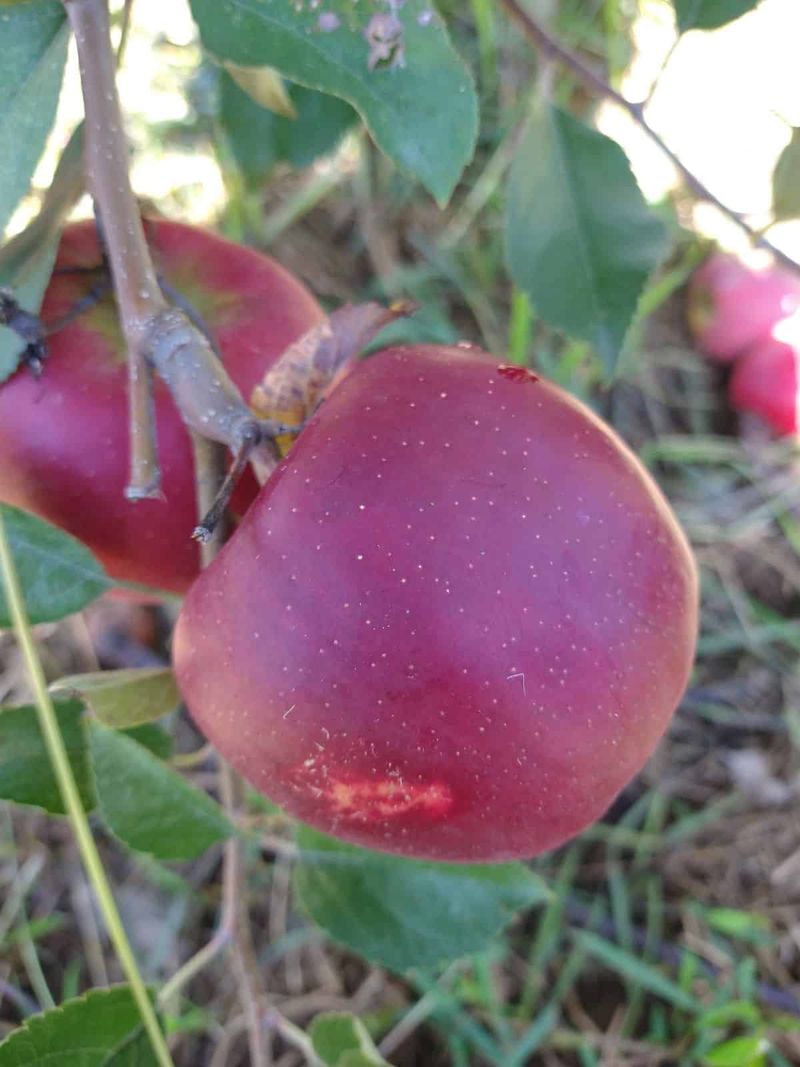
Some apples are quiet. SnapDragon is not one of them, and its crunch is so loud that its marketing calls it a “monster crunch.”
Cornell University scientists bred it, and one of its parents is Honeycrisp, so you can expect a similar juicy snap. The flavor is sweet with a little spice.
The name was created by the New York grower group that markets the apple, then tested with the help of a marketing firm. Kids especially took to it, thanks to the playful dragon logo.
The first trees went into farm orchards in 2011, and the fruit made its debut at select New York farm stands in 2013 before reaching more stores.
Here is the twist for home gardeners. SnapDragon is a managed variety, which means only licensed growers can plant it, and the trees are not sold to home gardeners.
So enjoy this one from the store or a farm stand. Look for it in fall and early winter.
Want a crunchy tree of your own? Its parent, Honeycrisp, is widely sold at nurseries and brings that same famous snap, although it was bred in Minnesota.
Give a Honeycrisp tree plenty of sunshine, steady water, and a pollination partner nearby. A balanced fertilizer in early spring only is plenty, since too much feeding pushes leaves over fruit.
Let the kids in your house help with picking. A gentle twist and lift is the best way, and they will love hearing that crunch on the first bite.
6. RubyFrost Apples Bring Tart Sparkle
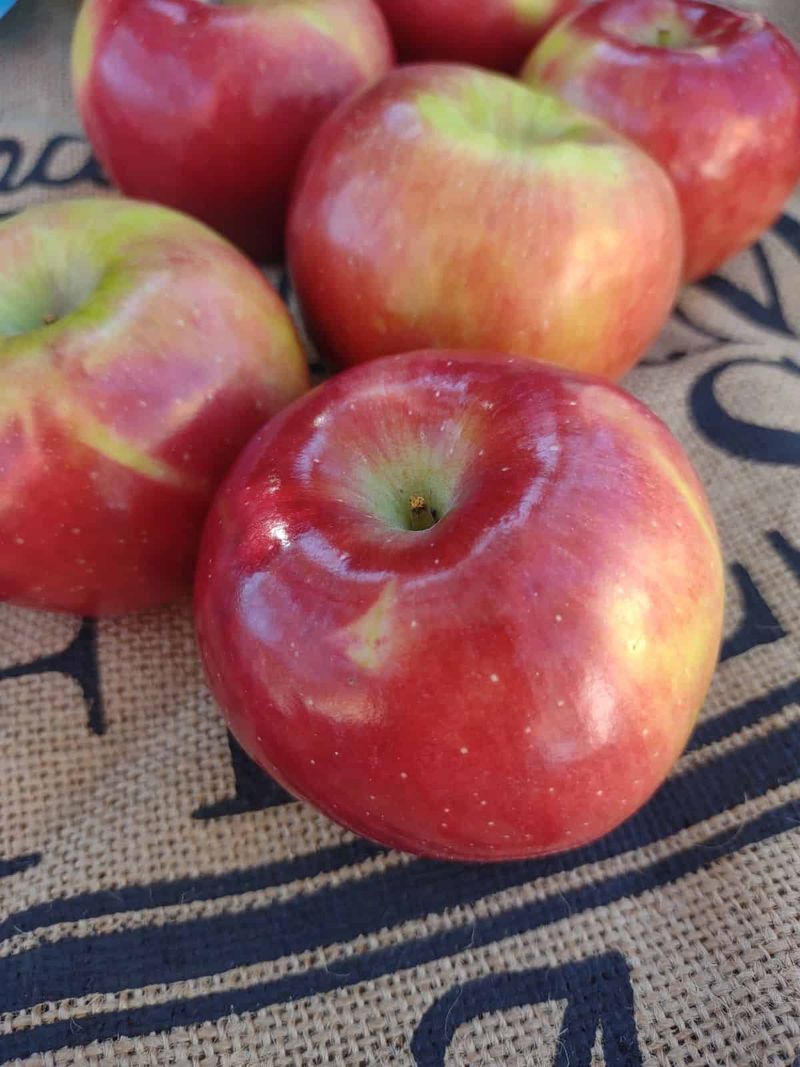
Tart apple fans, this one is for you. RubyFrost has a bright, zippy flavor that wakes up your taste buds in the best way.
Cornell developed it alongside SnapDragon, crossing Braeburn with Autumn Crisp. The deep red skin almost glows when the fruit is ripe.
Here is a bonus that surprises people. RubyFrost was bred for high vitamin C, which also gives the apple its tangy bite.
It ripens late in the fall and stores well, so it can provide a boost of vitamin C well into winter. Growers often hold the fruit before sending it to market.
Like SnapDragon, RubyFrost is a managed variety. Only licensed growers can plant it, so home gardeners cannot buy the trees.
The good news is that the fruit is easy to enjoy. Watch for it at farm stands and grocery stores during the colder months.
In the kitchen, it works well for both fresh eating and baking. The tartness balances sugar nicely in pies and crisps.
If you want a tart, late-season apple you can grow yourself, take a look at Northern Spy, coming up at the end of this lineup. It has deep New York roots and plenty of pie-worthy tang.
7. Jonamac Apples Ripen Early In Backyards
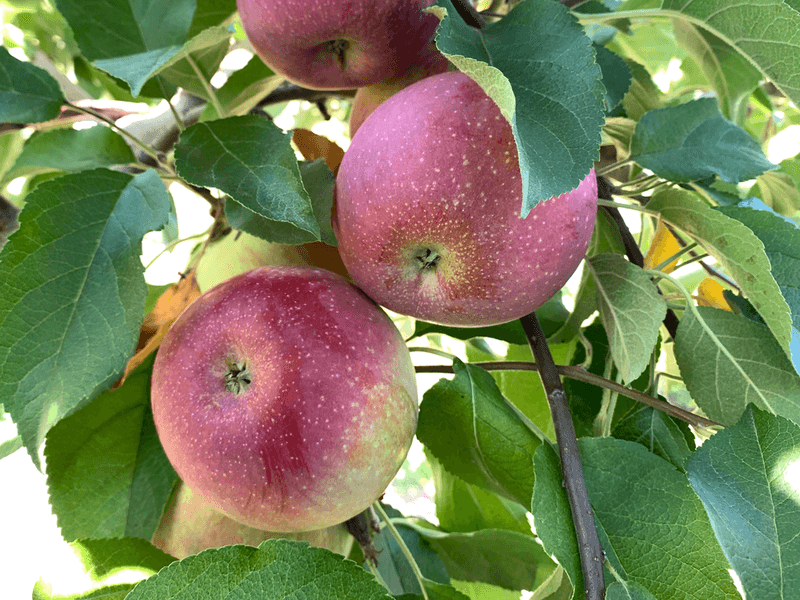
Impatient for apple season? Jonamac shows up early, often in September, giving you a head start on cider and pies.
Developed in Geneva, New York, and released in 1972, it crosses McIntosh with Jonathan. It tastes like a firmer McIntosh, with that familiar sweet and tangy flavor.
Early ripening is handy for families. You can enjoy fresh fruit while the weather is still warm enough for picnics.
Jonamac trees are known for being cold hardy and fairly easy to manage. They fit nicely into backyard orchards in northern states where winters bite.
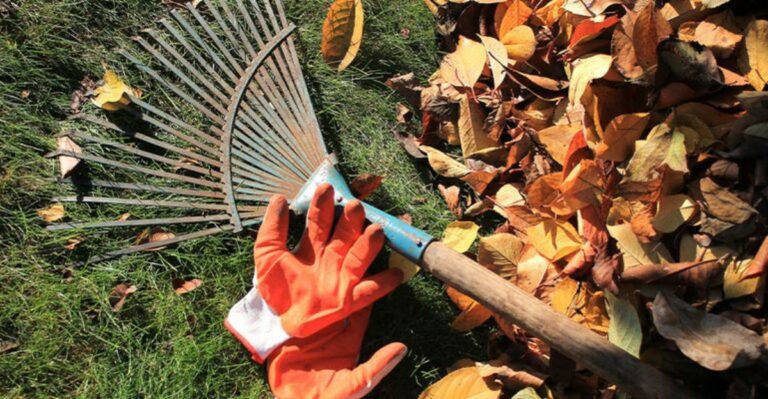
Watch for apple scab, a fungus that leaves dark spots on leaves and fruit. Raking up fallen leaves each autumn removes many of the spores that cause trouble next spring.
Since early apples soften faster than late ones, eat them fresh or turn them into sauce. A big pot of homemade applesauce freezes well in zip bags for winter.
Plant two or three different varieties if you can, choosing ones that ripen at different times. That way, Jonamac kicks off your harvest, and later trees keep fresh fruit coming into November.
8. Liberty Apples Fight Disease Like Champions
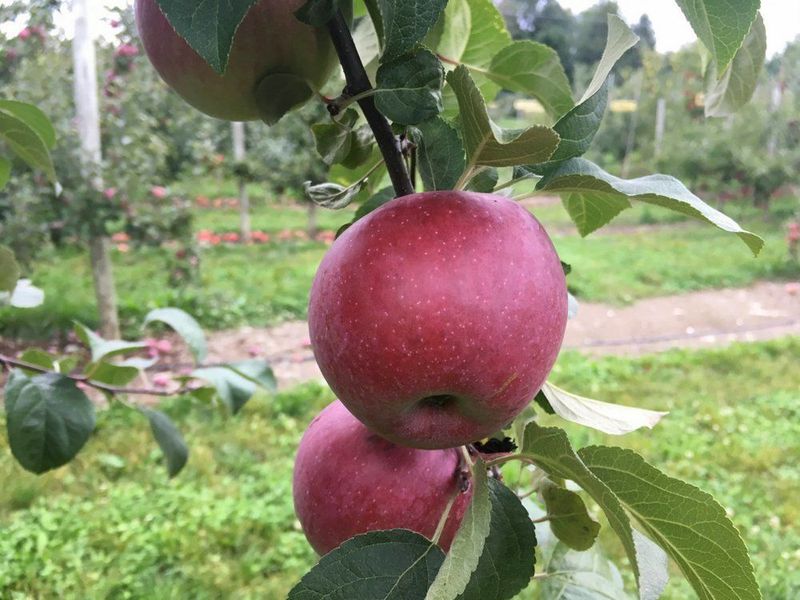
Spraying trees over and over is no fun. Liberty was bred to fix that problem, and it does a great job.
The Geneva station in New York released Liberty in 1978. Its big claim to fame is strong resistance to apple scab, plus good defense against cedar apple rust and fire blight.
For home gardeners, that means fewer chemicals and less worry. It is one of the top picks for anyone wanting an organic or low-spray backyard tree.
The apples have a bright red blush and a crisp, slightly tart flavor similar to McIntosh. They are good fresh, in sauce, and in baked treats.
Liberty can set lots of fruit, so thin it when apples are marble-sized. Leave about six inches between apples for bigger, tastier results.
Plant in full sun and keep grass pulled back from the trunk in a three-foot circle. Grass competes for water, and mowers can scrape the bark.
If you are new to fruit trees, Liberty is a confidence builder. Its sturdy nature forgives a few mistakes while you learn pruning and care.
9. Northern Spy Apples Carry Old New York History
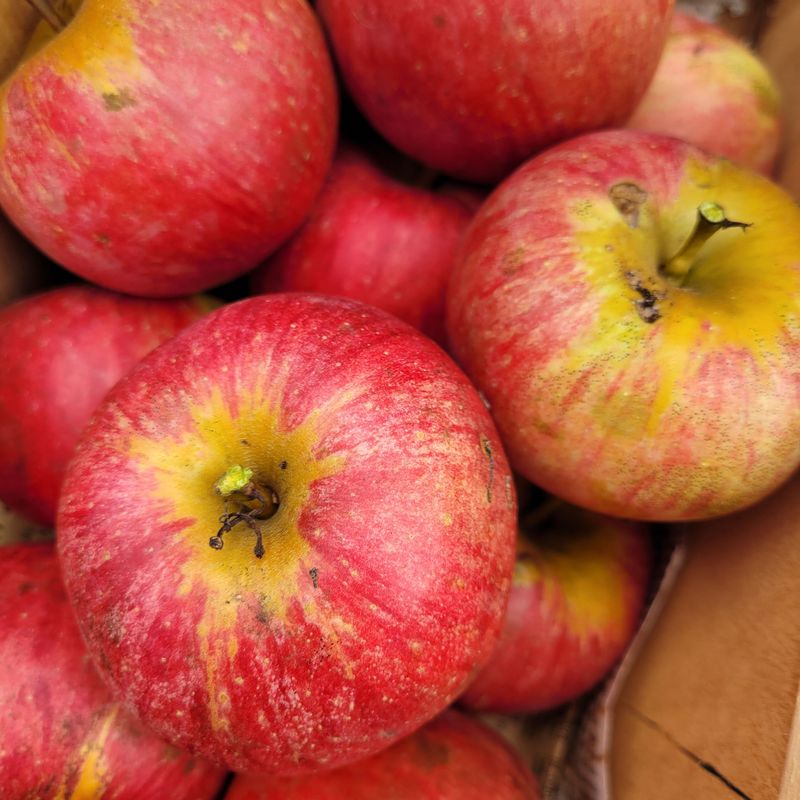
Long before labs and test plots, a lucky seedling popped up near East Bloomfield, New York, around 1800. That tree became the Northern Spy, an heirloom apple still prized today.
Nobody knows for sure where the name came from. Some think it came from a popular spy novel of the time, which gives the apple a bit of mystery.
Bakers adore Northern Spy for pies. The slices stay firm, and the tart, rich flavor stands up to cinnamon and sugar.
Patience is the main lesson with this tree. On full size roots, it can take many years to bear fruit, so choose a dwarf rootstock for apples much sooner.
Northern Spy also blooms late, which helps it dodge spring frosts. Make sure its pollination partner blooms late too, and check a nursery’s pollination chart to find a good match.
The apples store beautifully and even taste better after a few weeks in cold storage. Old farm families kept them in cellars to eat all winter.
Planting one connects you with more than 200 years of history. Every pie you bake carries a little piece of the past from old orchard country.