Apply This To Ohio Lawns Or Dandelions Take Over By Spring
Right now those lawns look perfectly fine. Green, even, not a yellow bloom in sight.
That’s exactly the problem. Dandelions spend the fall doing their real work underground, building root systems strong enough to survive winter and explode the moment spring temperatures climb.
Skip this window and the payoff shows up in April. Scattered patches turn into a lawn dominated by yellow blooms, with taproots digging deeper by the week.
By then, pulling them by hand barely makes a dent. Most quick fixes only knock back the leaves and leave the root fully intact underground.
Timing matters more than most homeowners realize. Ohio’s cooling soil in autumn happens to be the exact window when dandelions are most vulnerable, before they’ve built up the reserves to fight back.
Miss it, and spring becomes a losing battle from the start. There’s one simple move that changes everything.
1. Apply A Fall Broadleaf Weed Treatment
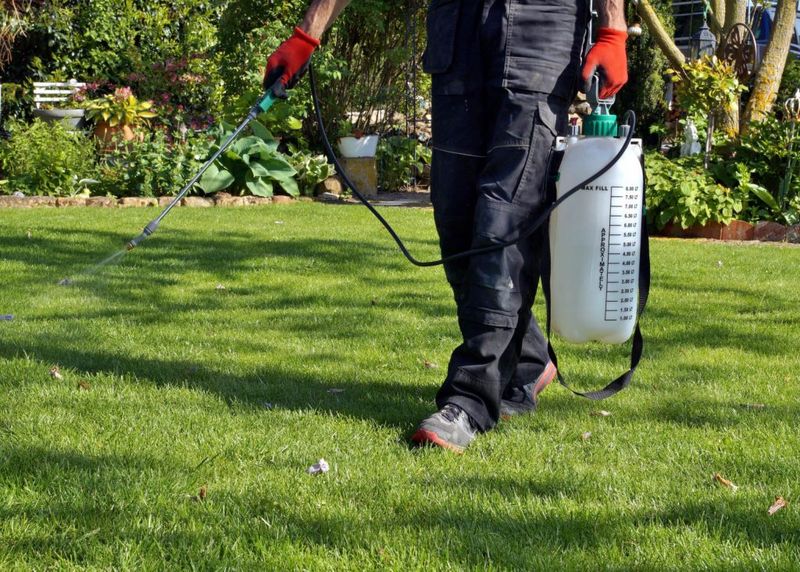
If dandelions are the enemy you want to stop before spring, fall is your best chance to get ahead of them. As temperatures cool, these stubborn weeds begin moving energy from their leaves back down into their roots, preparing to survive the winter ahead.
That natural process is exactly what makes autumn such a powerful time for control.
A selective broadleaf weed treatment can target dandelions without harming most established grass when used correctly.
Instead of only burning back the leaves you see above the soil, the treatment can move through the plant and reach the root system where the problem starts.
Timing matters here. In spring, dandelions are busy producing bright yellow flowers and spreading seeds across your yard.
By then, you are fighting a plant that has already spent months building energy and preparing for another season.
Fall applications work with the plant’s own rhythm. Cooler days, active root growth, and fewer mowing sessions give the treatment more time to do its job before winter arrives.
For Ohio lawns, the best results usually come from applying a broadleaf herbicide during mild fall conditions when dandelions are actively growing and the lawn can still recover.
Always follow the product label carefully, since application rates and temperature requirements vary between treatments.
After applying the treatment, give your lawn time to recover and avoid disturbing the area too much.
A fall weed treatment works even better when paired with the basics: proper mowing height, consistent watering during dry periods, and a thicker stand of healthy grass.
Dandelions may seem like a spring problem, but the smartest time to fight them is often months before those yellow flowers ever appear.
2. Dandelions Steal Water, Food, And Sunlight From Your Grass
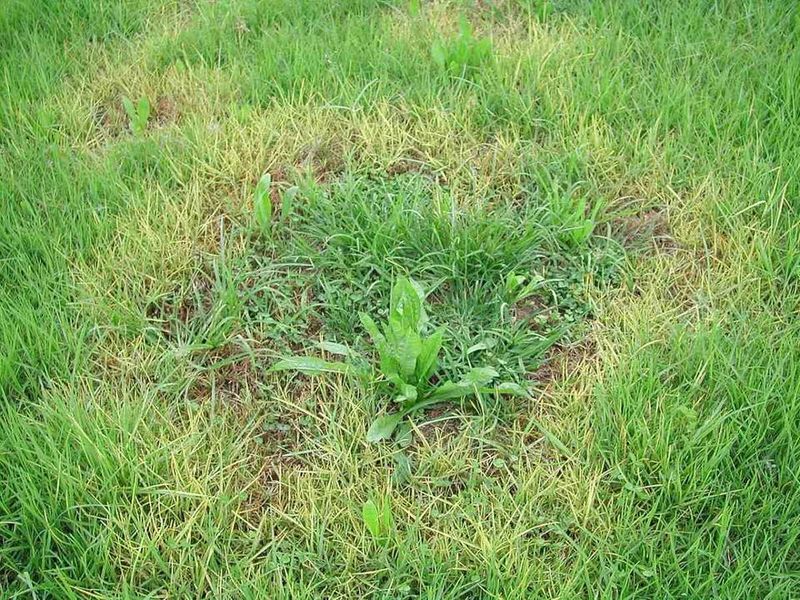
Think of dandelions as the roommates who eat all your snacks and hog the remote. They grab resources your grass desperately wants.
Their wide, flat leaves spread out and shade the soil below. That blocks sunlight your turf needs to make energy through photosynthesis.
Underground, the story gets worse. Long taproots reach deep and sip up water and nutrients before the grass roots can.
Your Ohio Garden Changes Every Week. Your Plan Should Too.
Gardening in Ohio changes quickly throughout the season. Every Friday you’ll receive a simple weekly plan showing exactly what to plant, prune, fertilize, harvest, and protect so you never miss the right timing.
Your lawn ends up hungry and tired.
When grass loses this tug-of-war, it grows slower and thinner. You might see patches where the green just cannot keep up with the yellow invaders.
Applying broadleaf weed treatment helps tip the balance back toward your turf. It reduces the number of resource-hungry plants competing for the same soil.
A treated lawn holds onto more moisture and food for the grass itself. That means stronger blades and a fuller look over time.
The earlier you act, the less these greedy plants can take. Fall and early spring are smart windows to give your grass the upper hand it deserves.
3. Weakened Turf Opens The Door To Disease And Bugs
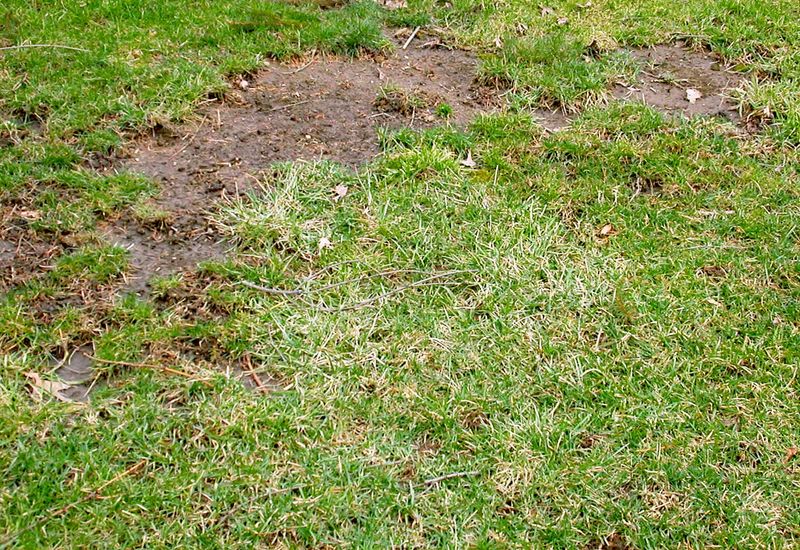
A lawn crowded with dandelions is like a fortress with holes in the wall. Once the turf thins out, trouble finds its way in.
Thin, patchy grass leaves bare spots where soil sits exposed. Those weak areas become easy targets for lawn diseases and hungry insects.
Healthy, dense grass acts as its own protective shield. When dandelions crowd it out, that shield gets full of gaps.
Pests love stressed lawns because the grass cannot bounce back the way it should. A weakened yard simply has fewer defenses to offer.
Treating broadleaf weeds helps your grass regain its thickness and strength. A fuller lawn leaves less room for problems to sneak in.
When you knock back the dandelions, the grass fills in those open spaces. That tighter growth makes it harder for bugs and fungus to settle.
Pairing weed treatment with good watering and feeding builds real resilience. Over time, your lawn becomes tough enough to shrug off many common issues.
Prevention beats scrambling to fix a sickly yard later. A little effort now saves a lot of frustration down the road.
4. One Plant Can Toss Out Thousands Of Seeds

Ever blown on a fluffy white dandelion puff and watched the seeds float away? That fun childhood game is actually the plant’s secret weapon.
A single dandelion can produce thousands of seeds in a season, allowing it to spread quickly. Each seed head alone might carry up to 200 tiny travelers.
Those seeds catch the wind and drift for surprising distances. They can land in your yard, your neighbor’s yard, and blocks away.
This means one overlooked plant today can spark a whole crowd tomorrow. It is a numbers game, and dandelions play it well.
Because they spread so fast, waiting rarely works in your favor. The longer you leave them, the more seeds they scatter.
Broadleaf weed treatment helps stop plants before they mature and go to seed. Fewer seed heads means fewer new sprouts next season.
Timing your treatment matters here more than almost anywhere else. Catching dandelions before they bloom cuts the seed cycle short.
By breaking that chain, you protect not just your lawn but the whole neighborhood. Fewer floating seeds means a calmer spring for everyone.
5. Those Deep Taproots Just Refuse To Quit
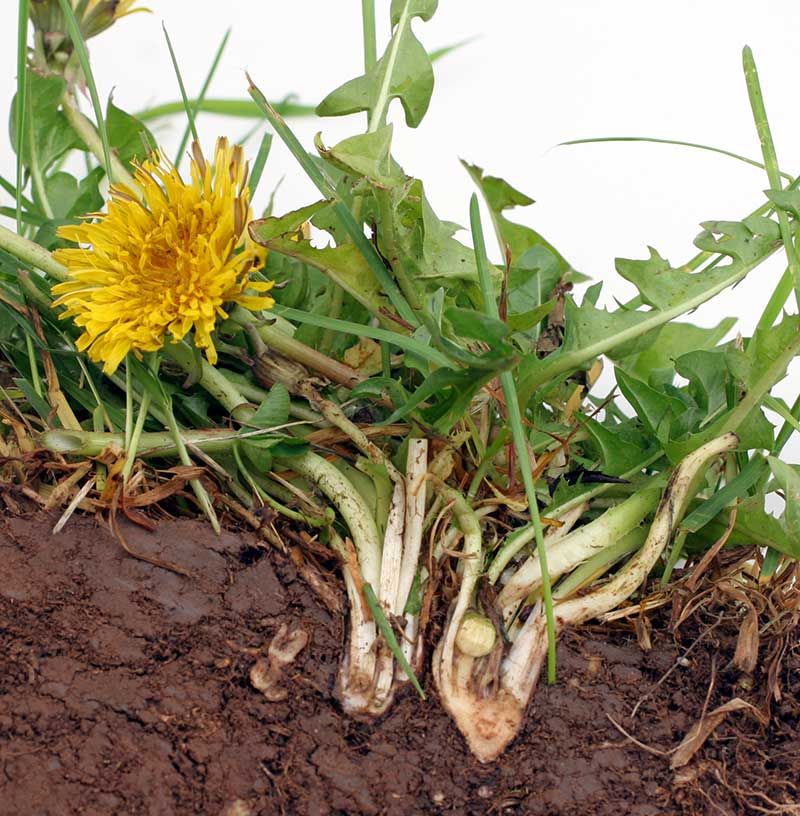
Pulling a dandelion feels satisfying until it snaps and leaves the root behind. That sneaky root is the reason these plants keep coming back.
Dandelions are perennials with thick taproots that dig 6 to 18 inches deep. Some reach even farther into Ohio’s dense soil.
Here is the frustrating part. Leaving a large portion of the taproot behind can allow the dandelion to survive and regrow.
Hand-pulling often removes only the top while the buried root regrows. That is why yanking weeds can feel like a game you cannot win.
A well-timed broadleaf treatment works differently and more thoroughly. It gets absorbed by the plant and travels down toward the root system.
This root-level action gives you a much more lasting result. Instead of a quick fix, you get real, long-term suppression.
Fall applications work especially well because the plant pulls energy down into its roots. The treatment rides along and reaches deep where it counts.
Understanding the root explains why patience and timing beat brute force. Work smarter, and those stubborn taproots lose their comeback power.
6. They Move In Where Your Lawn Is Already Struggling
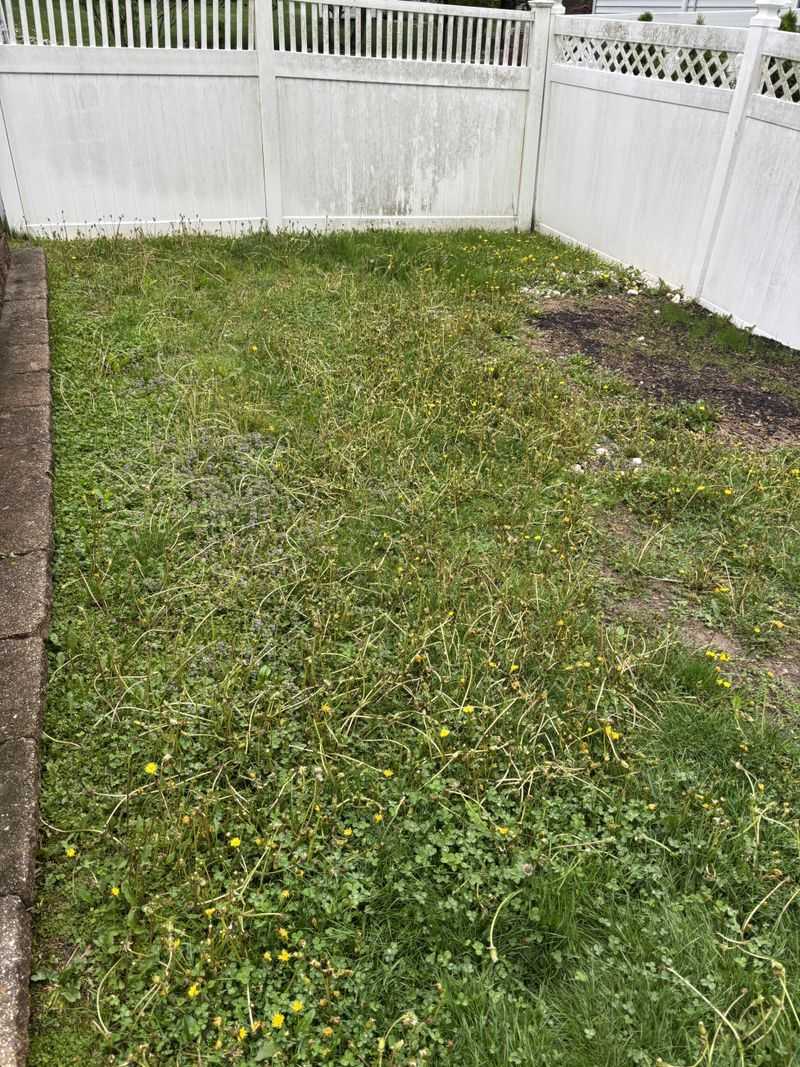
Dandelions have a talent for finding your lawn’s soft spots. They settle exactly where the grass is having a hard time.
Compacted soil, thin patches, and nutrient-poor areas roll out the welcome mat. These opportunists thrive where turf cannot.
Ohio’s heavy clay soil makes this even trickier. Clay packs down tight and holds water oddly, creating perfect dandelion territory.
In a way, a dandelion outbreak is a clue about your lawn’s health. It often points to underlying problems worth checking.
Broadleaf treatment handles the visible weeds, but the message runs deeper. Fixing soil issues helps stop the invasion at its source.
Aerating compacted areas lets air, water, and roots move more freely. That gives your grass a fighting chance to fill in.
Adding nutrients through proper feeding strengthens the turf too. Stronger grass leaves fewer openings for opportunists to grab.
Combining weed treatment with soil care creates a one-two punch. You clear the weeds while improving the conditions they love.
Address both the symptom and the cause, and dandelions lose their favorite hiding spots for good.
7. A Yellow-Dotted Lawn Loses Its Curb Appeal
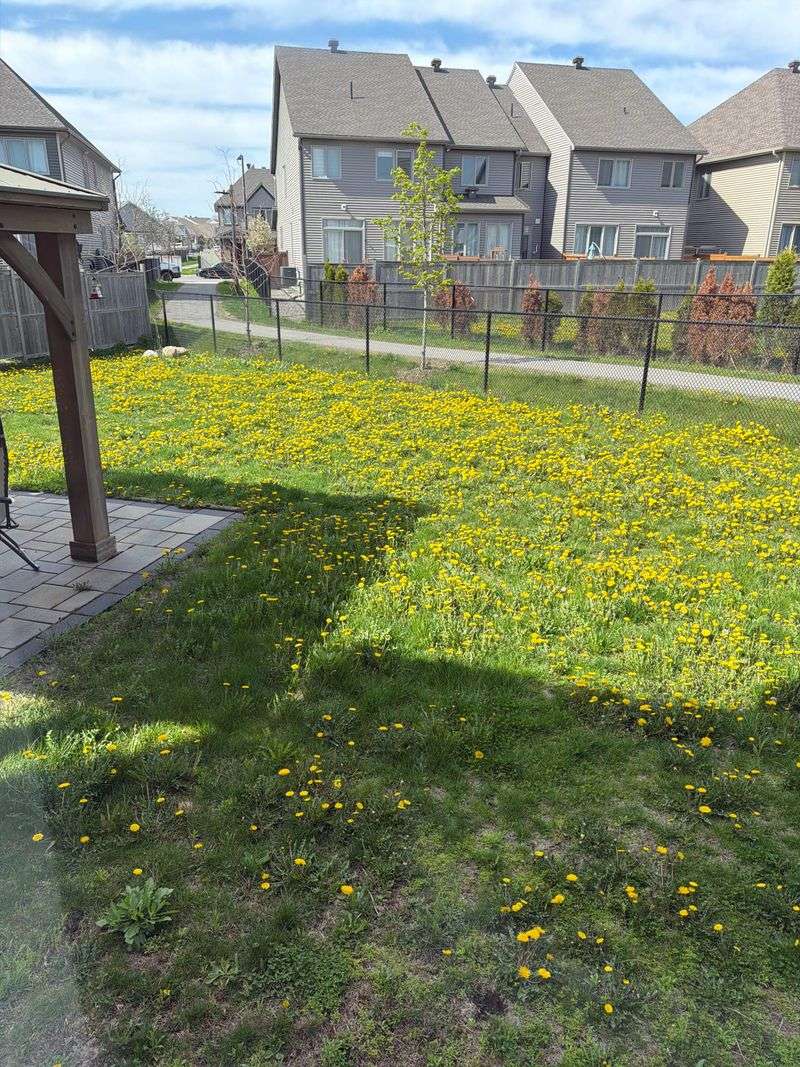
There is a big difference between a smooth green lawn and one splattered with yellow. One looks cared for, the other looks a bit wild.
Dandelions can quickly turn a tidy yard into a polka-dotted mess. What starts as a few blooms spreads into a scattered display.
For many homeowners, that patchy look is a real eyesore. It changes the whole feel of a property from crisp to careless.
Curb appeal matters whether you are hosting friends or thinking about selling. A clean lawn makes a strong first impression.
Broadleaf weed treatment helps restore that uniform, welcoming green. Fewer bright yellow spots means a smoother, more polished view.
A well-kept lawn also reflects the care you put into your home. It quietly signals pride to anyone passing by.
Keeping dandelions in check is not only about looks, though appearance counts. It ties directly into the overall health of the turf.
When the weeds fade and the grass fills in, the transformation is noticeable. Your yard becomes a space you enjoy showing off rather than apologizing for.
8. Ohio’s Weather And Soil Practically Roll Out The Welcome Mat
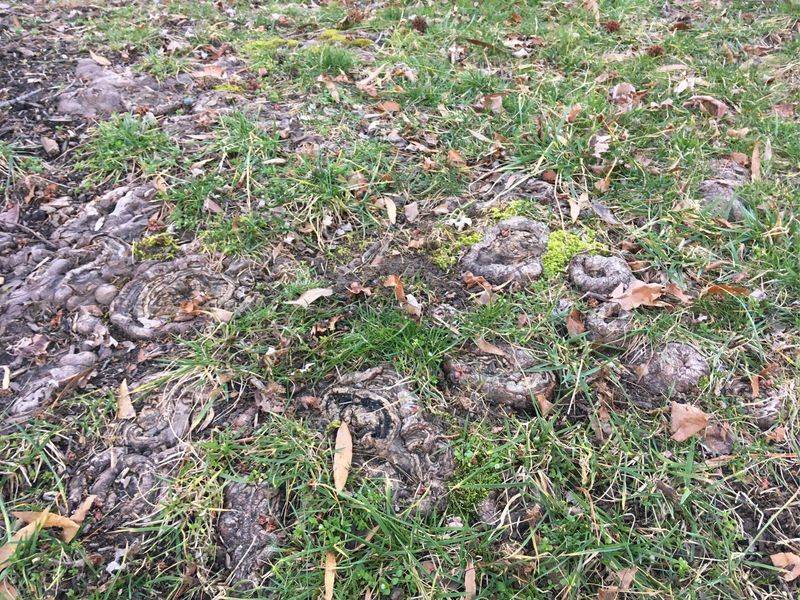
If dandelions had a favorite vacation spot, Ohio might top the list. The state’s climate and soil suit them almost perfectly.
Ohio sits in a transitional climate zone with humid summers and shifting seasons. That mix creates comfy growing conditions for these plants.
The heavy clay soil found across much of the state adds to the appeal. Dandelions handle those tough soils better than many grasses do.
Knowing your region’s tendencies helps you plan ahead. Ohio homeowners face heavier dandelion pressure than folks in drier climates.
Broadleaf weed treatment becomes especially valuable in this setting. It counters the natural advantages the environment hands these weeds.
A regular treatment routine keeps you one step ahead of the local conditions. Instead of reacting each spring, you stay prepared.
Working with your climate rather than against it makes the whole job easier. When you understand why dandelions love Ohio, you can defend your lawn with confidence.
9. They Sprout Early And Grab Control Fast
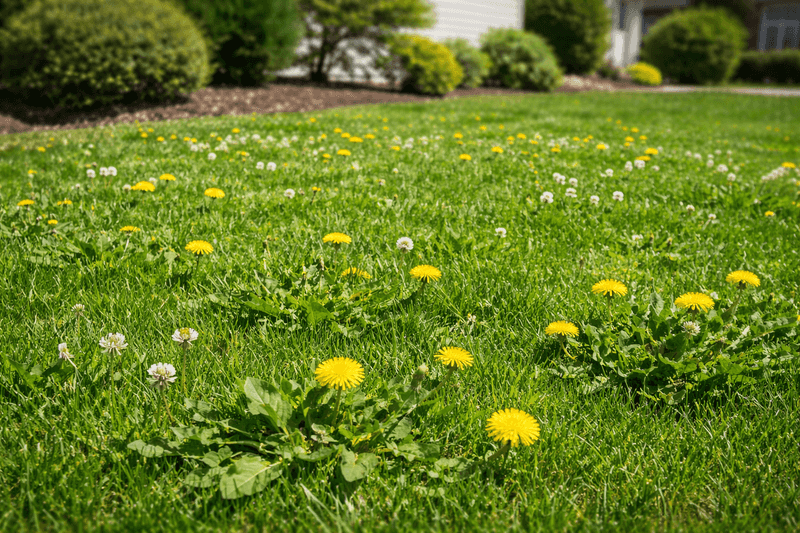
While much of the yard is still waking up from winter, dandelions are already stretching toward the sun. They are eager early risers.
Among the first plants to bloom each spring, dandelions get a head start. That timing lets them claim space before the grass fully recovers.
After a mild winter or a rough previous season, things can escalate fast. Ohio yards sometimes see what folks call dandelion explosions.
By the time you notice them, they may already be taking over. Their quick establishment gives them an early grip on your lawn.
This is exactly why acting proactively pays off so well. Getting ahead of the bloom keeps small problems from becoming big ones.
Broadleaf treatment applied at the right moment slows this early surge. Catching young, actively growing plants makes the job far more effective.
Spring treatments work nicely when dandelions are still tender and small. Fall treatments set you up for a smoother start next year.
Beating them to the punch changes everything. When you plan for their early arrival, you keep the yellow explosion from ever getting started.
10. Well-Timed Treatment Builds A Thicker, Tougher Lawn
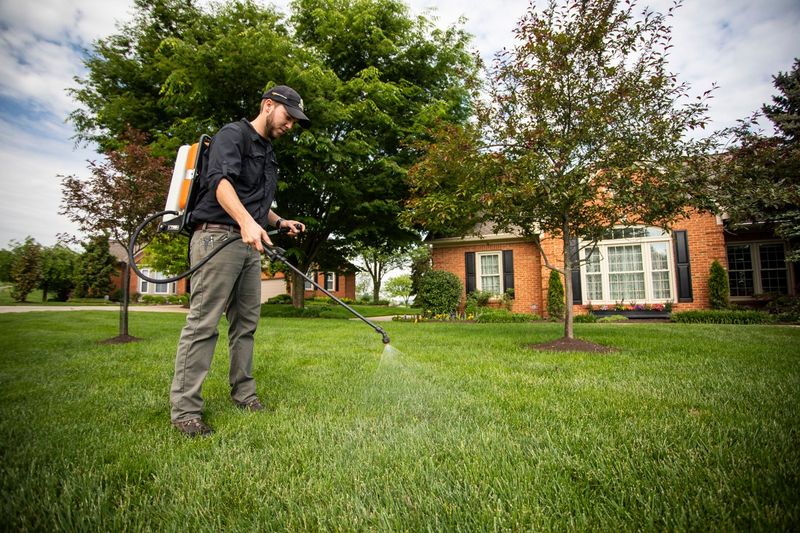
Here is the encouraging news after all the weedy warnings. Smart timing turns weed control into a lawn upgrade.
Post-emergent broadleaf herbicides applied in fall, roughly mid-September through early November, work especially well. Weeds are busy storing energy in their roots then.
Because the plant pulls that energy downward, it also absorbs the treatment deeply. That leads to a more thorough result and lasting suppression.
Early spring applications help too, when dandelions are young and growing fast. Both windows reduce the spring infestations you want to avoid.
The real goal reaches beyond simply removing weeds. A dense, healthy lawn is your strongest long-term defense.
Proper mowing, watering, and fertilizing keep the grass thick and vigorous. Full turf leaves little open ground for dandelions to grab.
Thick grass reduces the open space and resources weed seedlings need to establish.
Combine timely treatment with steady care, and your lawn does much of the work itself. That partnership between you and healthy turf keeps spring green instead of yellow.