Why Ohio Cicadas Are Helping Your Garden More Than You Think This Summer
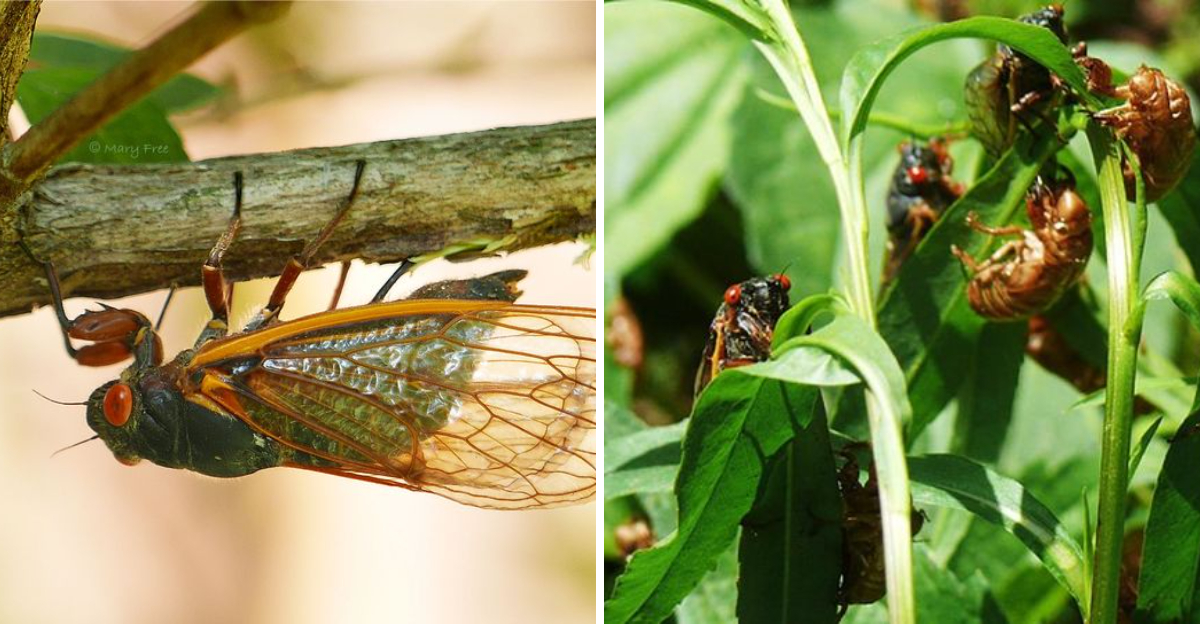
Ohio is buzzing right now, and not in a metaphorical way.
Cicadas are filling the air from sunrise to sunset, leaving behind shells that crunch underfoot and a sound level that makes outdoor conversations feel like a competition.
Many people’s first instinct is to figure out how to make it stop.
Here is the part nobody talks about: those noisy, red-eyed visitors are quietly doing your garden a significant amount of good while everyone is busy complaining about the noise.
They are loosening your soil. They are feeding your birds. They are cycling nutrients back into your garden beds in ways that would cost real money to replicate with products from the garden center.
The emergence that feels like an annual inconvenience is actually one of the more productive ecological events a yard can experience.
Ohio gardeners who understand what is happening underground and overhead during cicada season end up with healthier plants and a more balanced yard than those who reach for the spray bottle.
Here are eight things cicadas are doing for your garden right now, whether you asked them to or not.
1. Tunnels Loosen The Soil Naturally
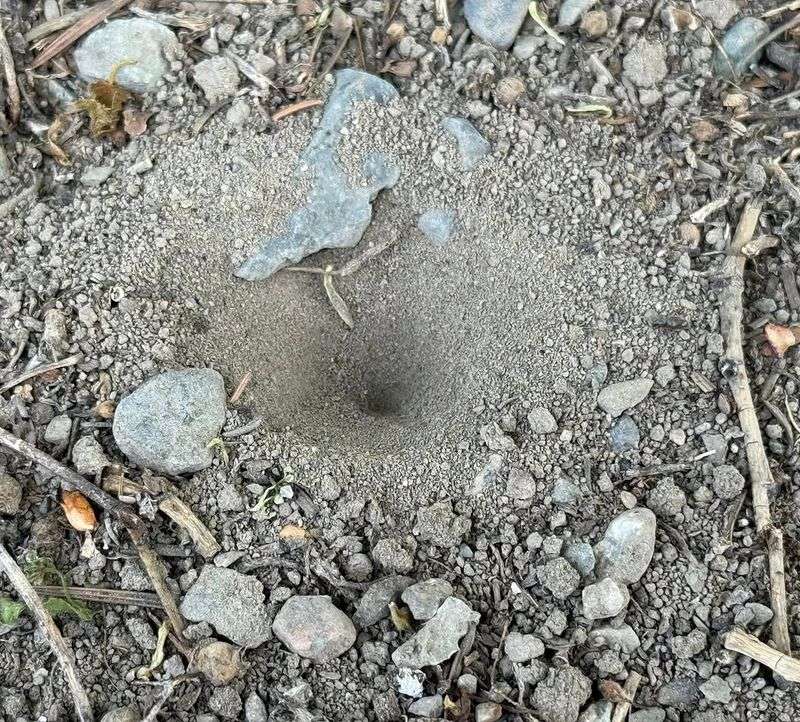
Cicada nymphs spend years underground before emerging, and the journey up through the soil is not a gentle one.
As they push their way toward the surface, they create small tunnels that break up compacted ground and let air circulate near plant roots. It is essentially free aeration happening across your entire yard without any equipment required.
Compacted soil is one of the biggest problems home gardeners face.
When soil gets packed down tight, roots struggle to spread, water pools on the surface, and nutrients have a hard time moving where they need to go.
Cicada tunnels act like natural aerators, doing the same job that a garden fork or aerating machine would do, but without you lifting a finger.
Ohio State University Extension notes that soil aeration improves root development and overall plant health.
The tunnels cicadas leave behind can be as deep as several inches, giving roots new pathways to follow. Over time, this kind of natural loosening helps garden beds stay productive without extra labor.
You do not need to fill in those holes after cicadas emerge.
Leaving them open actually helps the soil continue to breathe and settle naturally. Each small opening is a tiny gift to your garden, and gardeners who work with nature rather than against it often find their plants thrive more with less effort.
2. Exit Holes Help Rain Soak In
Rain is a gift, but only if the water actually reaches plant roots.
When soil is hard and compacted, rainwater runs off the surface instead of soaking in, which can lead to dry roots even after a good storm. Cicada exit holes change that equation in a simple but powerful way.
Each hole left behind by an emerging cicada acts like a tiny funnel.
When rain falls, water flows directly into those openings and travels deeper into the soil than it would on a flat, sealed surface.
Your Ohio Garden Changes Every Week. Your Plan Should Too.
Gardening in Ohio changes quickly throughout the season. Every Friday you’ll receive a simple weekly plan showing exactly what to plant, prune, fertilize, harvest, and protect so you never miss the right timing.
This process, called water infiltration, is something soil scientists and extension experts actively try to encourage in healthy landscapes.
Improving water infiltration reduces runoff, limits erosion, and helps plants access moisture more efficiently.
Cicadas essentially do this work for free during a heavy emergence year, which is the kind of garden service that does not show up on any receipt.
Gardeners in Ohio who notice a lot of cicada activity around trees and garden beds can benefit from holding off on heavy foot traffic in those areas.
Keeping the exit holes intact lets them do their job through summer rain events. Over weeks and months, the improved drainage can make a noticeable difference in how lush and healthy surrounding plants look.
3. Fallen Cicadas Feed The Soil
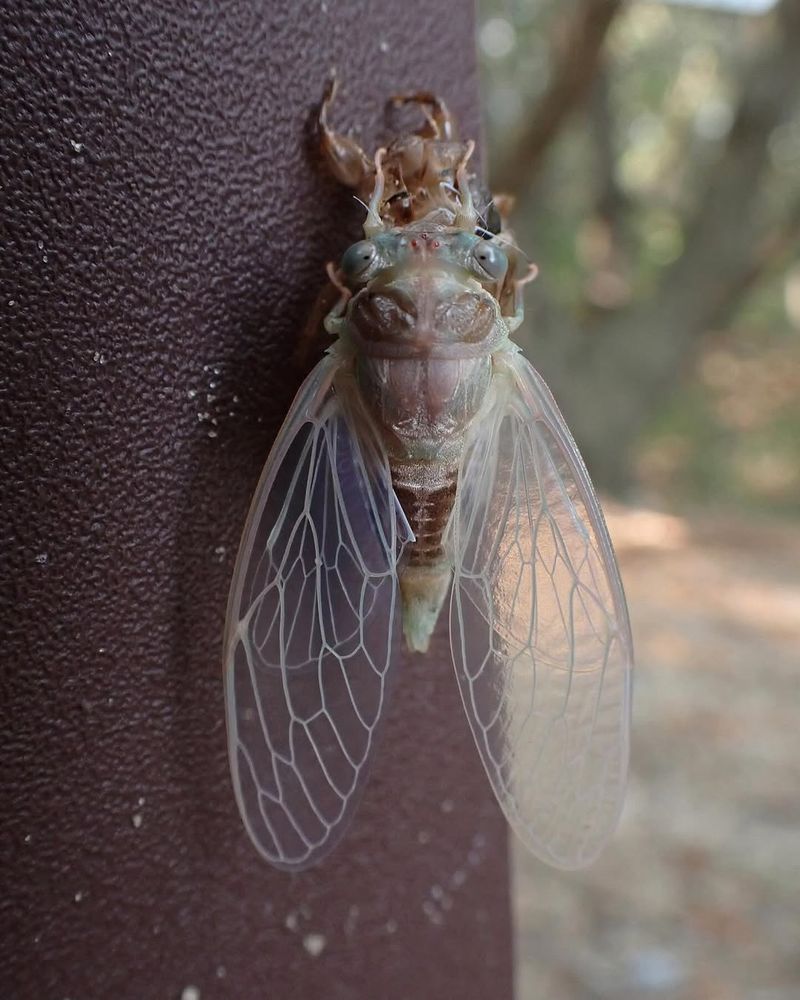
Cicadas do not live long above ground. Most adult cicadas survive only a few weeks after emerging.
When their brief above-ground season ends, their bodies fall to the ground and begin breaking down, returning a surprising amount of nutrients back into the soil.
Cicada bodies are rich in nitrogen, one of the most important nutrients plants need to grow strong leaves and stems.
As the bodies decompose, that nitrogen gets released slowly into the surrounding soil.
Researchers at the University of Connecticut and other institutions have studied this phenomenon and found that cicada emergences can act like a natural fertilizer event for nearby trees and plants.
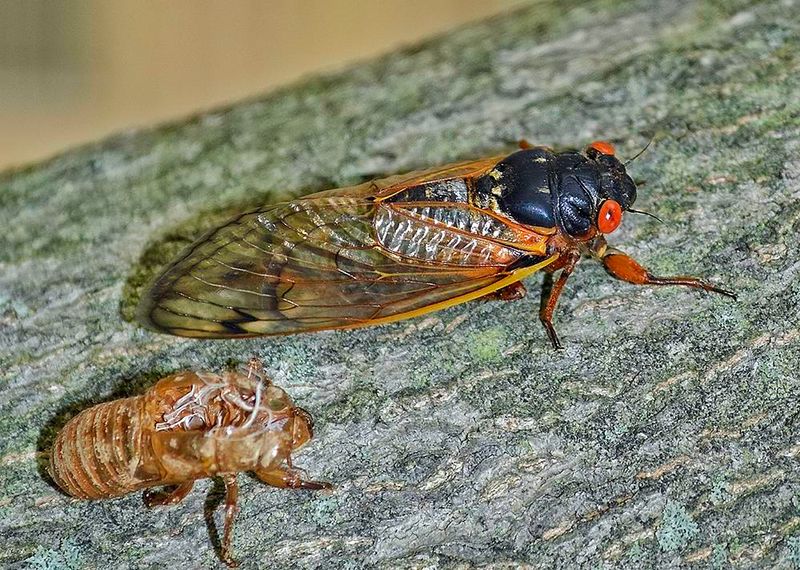
The shells cicadas leave behind, called exuviae, also break down over time and add organic matter to garden beds.
Organic matter improves soil structure, feeds beneficial microbes, and helps retain moisture.
Gardeners who spend money on compost and organic fertilizers are essentially trying to recreate what cicadas do naturally, which puts the whole emergence in an interesting new light.
You can even rake fallen cicada bodies into your garden beds or compost pile to speed up the nutrient cycle.
Just a light layer worked into the soil or mixed with compost can give plants a mid-summer nutrition boost. Some gardeners call this free fertilizer, and honestly, that is a pretty accurate description of what is happening.
4. Birds Get A Summer Food Boost
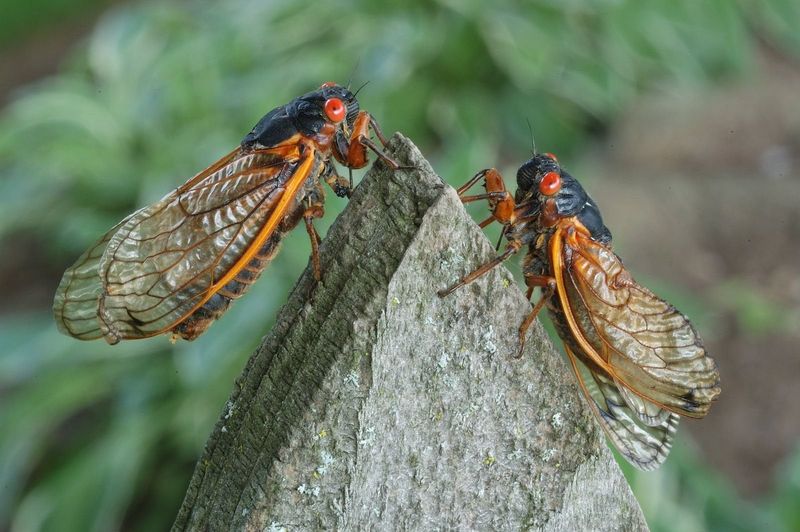
Backyard birders in Ohio, get ready for one of the best wildlife shows of the summer.
When cicadas emerge in large numbers, birds go absolutely wild for them. Robins, blue jays, cardinals, starlings, and even woodpeckers shift their feeding habits to take advantage of this sudden protein-packed buffet appearing across every yard.
Cicadas are incredibly nutritious for birds.
They are high in protein and fat, making them an excellent food source during the summer breeding season when parent birds need to feed growing chicks.
A yard buzzing with cicadas essentially becomes a high-end bird restaurant, drawing in species you might not normally see up close.
This feeding frenzy supports something bigger than just individual birds.
It strengthens the entire backyard food web. When birds are well-fed and thriving, they also eat more pest insects, which means your garden gets extra protection from common nuisances like aphids, caterpillars, and beetles.
It is a ripple effect that starts with cicadas and ends with a healthier, more balanced yard ecosystem.
Keeping a bird feeder stocked and a birdbath filled during cicada season can attract even more feathered visitors to your yard.
Rather than seeing the cicada emergence as a nuisance, bird lovers can treat it as a rare and exciting wildlife event that brings the garden to life in a completely unexpected way.
5. Light Twig Flagging Spurs Branching
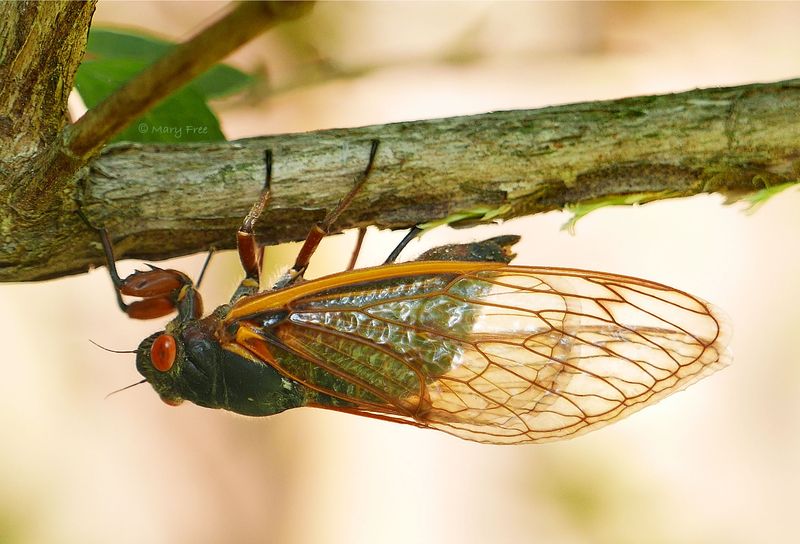
One of the more surprising things cicadas do is lay their eggs inside small tree twigs.
The female uses a sharp organ to slit the wood and deposit her eggs in a row. The affected twig tip often turns brown and droops, a process called flagging. It looks alarming, but for mature trees, it is usually not a serious problem.
Here is the interesting part: twig flagging can actually stimulate new branching in healthy, established trees.
When the damaged tip falls away, the tree responds by pushing out new lateral growth from below the cut point.
This is similar to what happens when a gardener prunes a branch to encourage fuller growth. Nature, in a sense, does a light pruning job all on its own.
Mature trees, those at least a few years old with established root systems, typically tolerate cicada egg-laying without long-term harm.
The tree may look a little ragged for a few weeks, but it bounces back with fresh, vigorous new growth by late summer. University entomologists have consistently made this point, and the evidence in yards across Ohio backs it up.
Young trees and newly planted saplings are a different story.
During heavy emergence years, covering young trees with fine mesh netting prevents significant twig damage.
The netting should have openings no larger than one centimeter to be effective. Check local nurseries or garden centers for tree netting options before cicadas peak in your area.
6. No Sprays Protect Helpful Insects
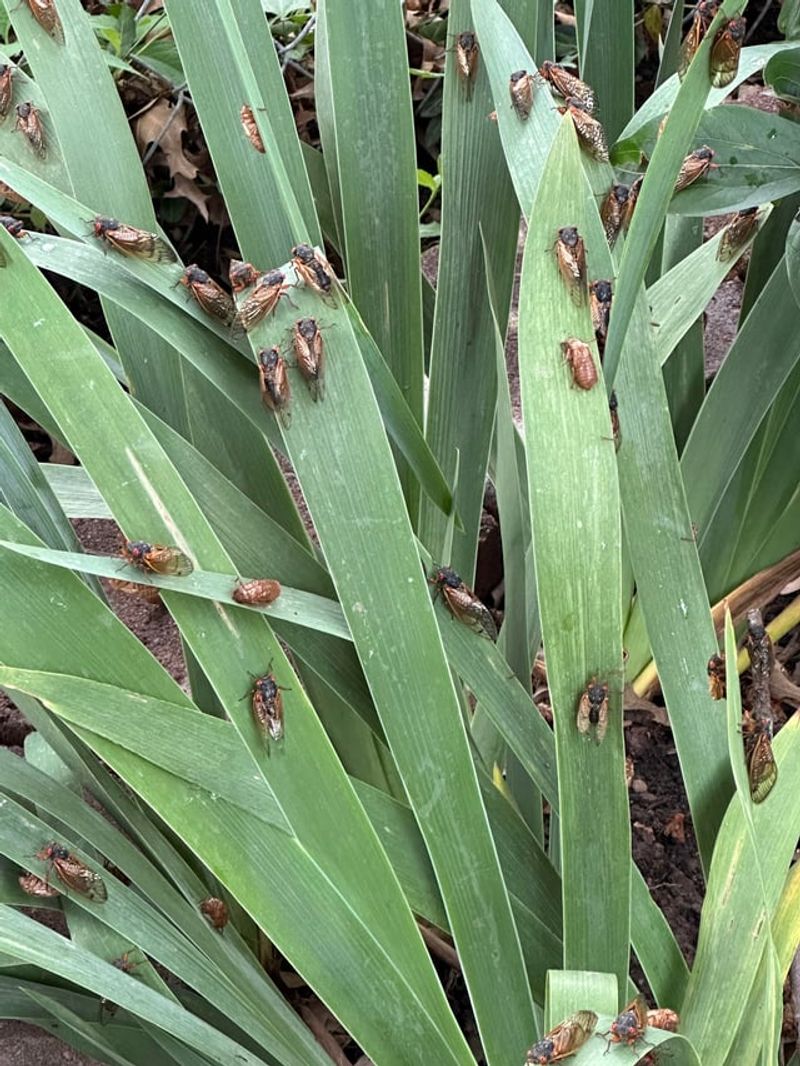
When something is loud and unfamiliar, the instinct for many people is to reach for a spray and make it stop.
With cicadas, that instinct is worth resisting. Spraying insecticides during a cicada emergence does very little to reduce their numbers, since they emerge in such massive quantities that any chemical treatment is quickly overwhelmed.
More importantly, spraying insecticides in your garden during summer puts pollinators and beneficial insects at serious risk.
Bees, butterflies, ground beetles, lacewings, and many other helpful insects share the same spaces where cicadas emerge. Broad-spectrum insecticides cannot tell the difference between a cicada and a honeybee. When one gets sprayed, so does the other.
Summer is exactly when gardens need pollinators most. Fruits, vegetables, and flowering plants depend on bees and butterflies to reproduce.
Reducing cicada noise at the cost of wiping out those helpers is simply not a worthwhile trade, and the EPA and university extension programs both caution against unnecessary pesticide use during periods of high pollinator activity.
Choosing to skip the sprays during cicada season is one of the most garden-friendly decisions you can make.
Let cicadas run their natural course. They will be gone within a few weeks, but the pollinators you protect will continue working in your garden all season long.
Patience during the noisy weeks pays off in healthier plants and a better harvest.
7. Predators Stay Busy Around Trees
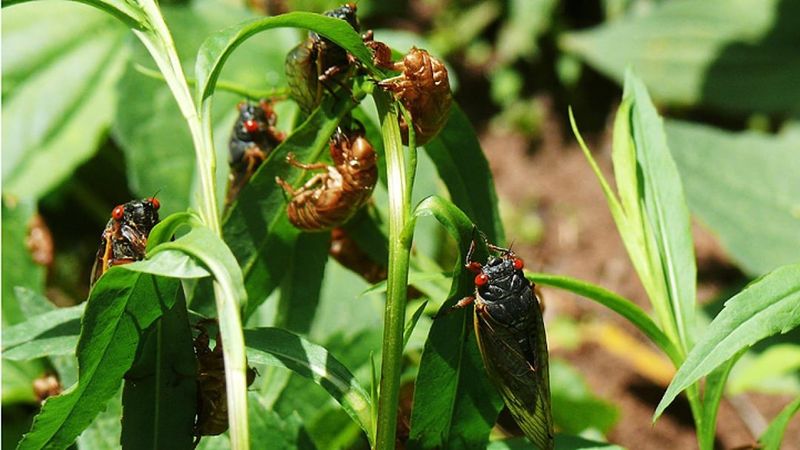
Squirrels, raccoons, opossums, box turtles, and even some snakes in Ohio take full advantage of cicada season.
For many of these animals, a heavy emergence is like a rare and generous feast that arrives only once every several years.
The activity around trees during this period is genuinely fascinating to watch if you slow down long enough to notice it.
This seasonal surge in predator activity creates a ripple effect through the local ecosystem.
Animals that fill up on cicadas may reduce their pressure on other food sources, giving small mammals, ground-nesting birds, and garden-friendly insects a brief reprieve.
It is a natural balancing act that plays out quietly in backyards across Ohio every summer.
Reptiles like fence lizards and garter snakes, both harmless and beneficial to gardens, also feed on cicadas when they are available.
These animals help control other insect populations throughout the season.
A yard that supports a diverse group of predators tends to have fewer pest problems overall, because natural checks and balances are doing the work that expensive products often try to replicate.
Setting up a simple wildlife camera near a large tree can capture incredible footage of animals visiting throughout the day and night.
Rather than chasing wildlife away from the yard during emergence, giving them space to forage turns a noisy inconvenience into one of the more memorable wildlife experiences an Ohio backyard can offer.
8. Mature Trees Usually Bounce Back
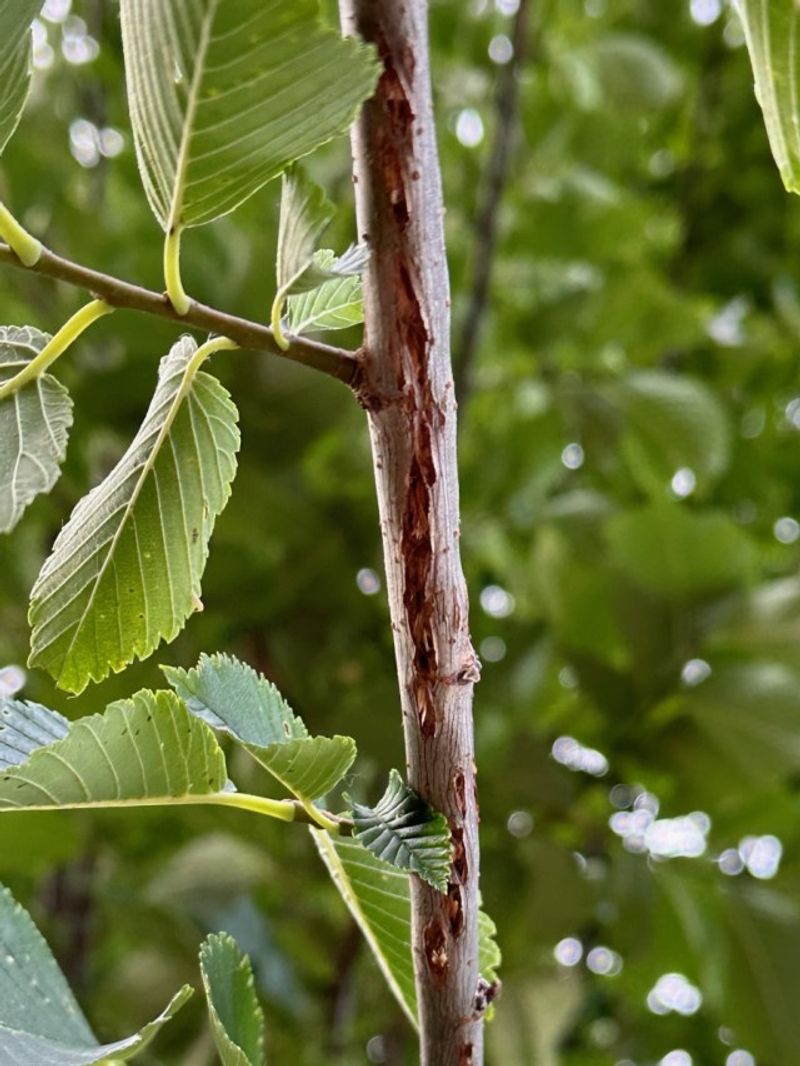
If you have a big, beautiful oak, maple, or cherry tree in your Ohio yard, here is some genuinely reassuring news: mature trees are tough.
They have seen a lot over the years, and a cicada emergence, even a heavy one, is something well-established trees handle with surprising resilience.
A little twig browning and some egg-laying activity does not threaten a tree that has been growing for a decade or more.
University entomologists and arborists consistently point out that the relationship between cicadas and mature trees is not a harmful one in the long run.
The flagging may look dramatic for a few weeks, but by the time late summer rolls around, most trees have pushed out fresh new growth and look full and healthy again. Monitoring your trees is always smart, but panic is rarely necessary.
The situation is genuinely different for young trees, especially those planted within the last year or two.
Saplings have smaller canopies and fewer resources to draw from, so significant twig damage can set them back more noticeably.
Covering young trees with fine mesh netting before peak emergence offers simple, chemical-free protection that works well.
Check on your trees regularly during cicada season, look for signs of stress beyond typical flagging, and reach out to your local Ohio State University Extension office if something looks unusual.
Most of the time, you will find your trees are doing just fine, quietly handling the season with the steady strength that comes from years of healthy growth.