Are Rattlesnakes Still Active In California In November?
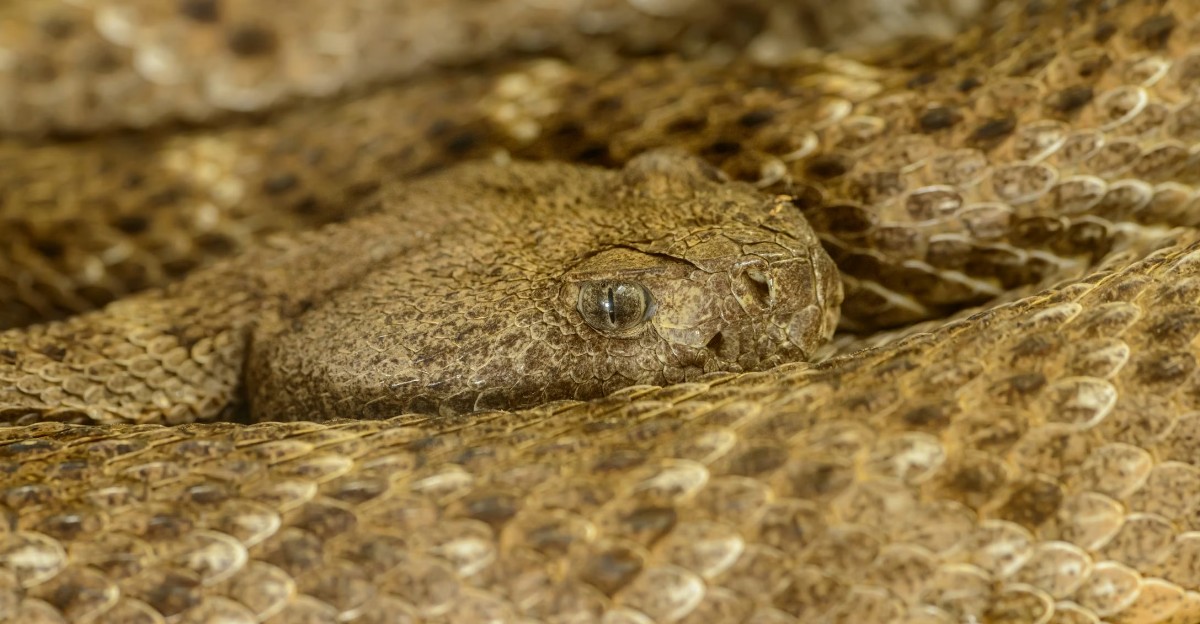
Baby rattlesnakes find their winter dens by following a scent trail their mothers leave behind. Many of those little ones are born in late summer and early fall, so the journey happens right as the weather cools.
I love a crisp autumn afternoon in the garden, and I bet you do too. Those same sunny breaks can also tempt a cold-blooded neighbor out of its rocky hideaway in California.
Personally, I used to think the snake season ended when the pumpkins came out. You’re in for a big surprise if you share that idea. Some areas stay warm well past Halloween, and a quiet woodpile can look like a five-star hotel to a reptile.
So what really happens out there once the calendar flips to the eleventh month? The answer depends more on the thermometer than the date.
Those Coiled Rattlers Haven’t Clocked Out For The Year Yet
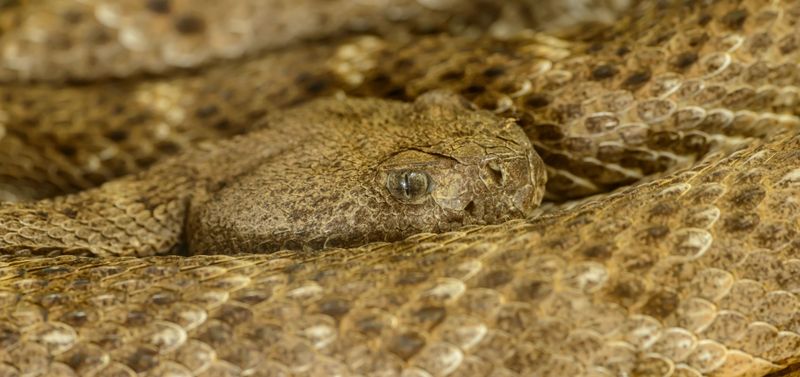
Short answer first, because it matters for your safety. Yes, rattlesnakes can still be active in November across much of California.
UC Agriculture and Natural Resources notes that rattlesnakes are most active from about April through October. That window is a guideline, not a hard stop. Snakes follow temperature, so a warm stretch in November keeps some of them moving.
I find it helps to picture a sliding scale. Early November in a sunny valley can feel like September, while late November in the mountains can feel like winter. Snake sightings follow that same pattern, fading gradually rather than ending on a set date.
Activity also shifts during the day. In summer, rattlers often move at dusk and at night to escape the heat. In fall, they flip toward midday, when the sun warms rocks, paths, and patios.
That means your lunchtime garden chores may overlap with snake time. Raking leaves at noon on a 70-degree day is a different situation than a frosty morning walk.
Keep your eyes open through the whole month. Encounters become less common as the weeks pass, but a few warm afternoons can bring a surprise visitor to your yard.
A Sunny Afternoon Can Lure A Rattlesnake Out To Bask
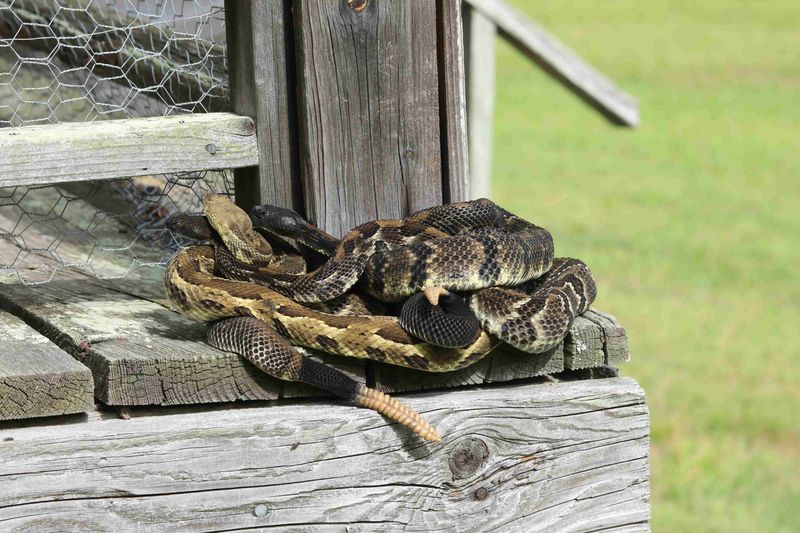
Cold-blooded animals run on borrowed heat. A rattlesnake cannot warm itself from the inside, so it depends on sunshine, warm ground, and heated rocks.
As nights get cooler, many snakes settle into a slow, inactive state called brumation. It is similar to hibernation, but not the same thing. Snakes in brumation can wake up and move around when conditions improve.
Sources often point to temperatures in the 60s as the range where activity slows down a lot. When a sunny day climbs into the upper 60s or 70s, a snake may crawl out to soak up warmth. You might spot one stretched across a path, a driveway, or a flat stone.
I like to check the forecast before a big garden session in late fall. A warm, still afternoon after a chilly week is the kind of day that tempts snakes to bask.
Watch south-facing slopes, stone walls, and concrete edges. Those spots soak up sunshine and release it slowly. Basking snakes can be sluggish, which sometimes makes them harder to notice and less likely to move out of your way quickly.
Hungry Rattlers Are Busy Hunting Rodents Before Winter
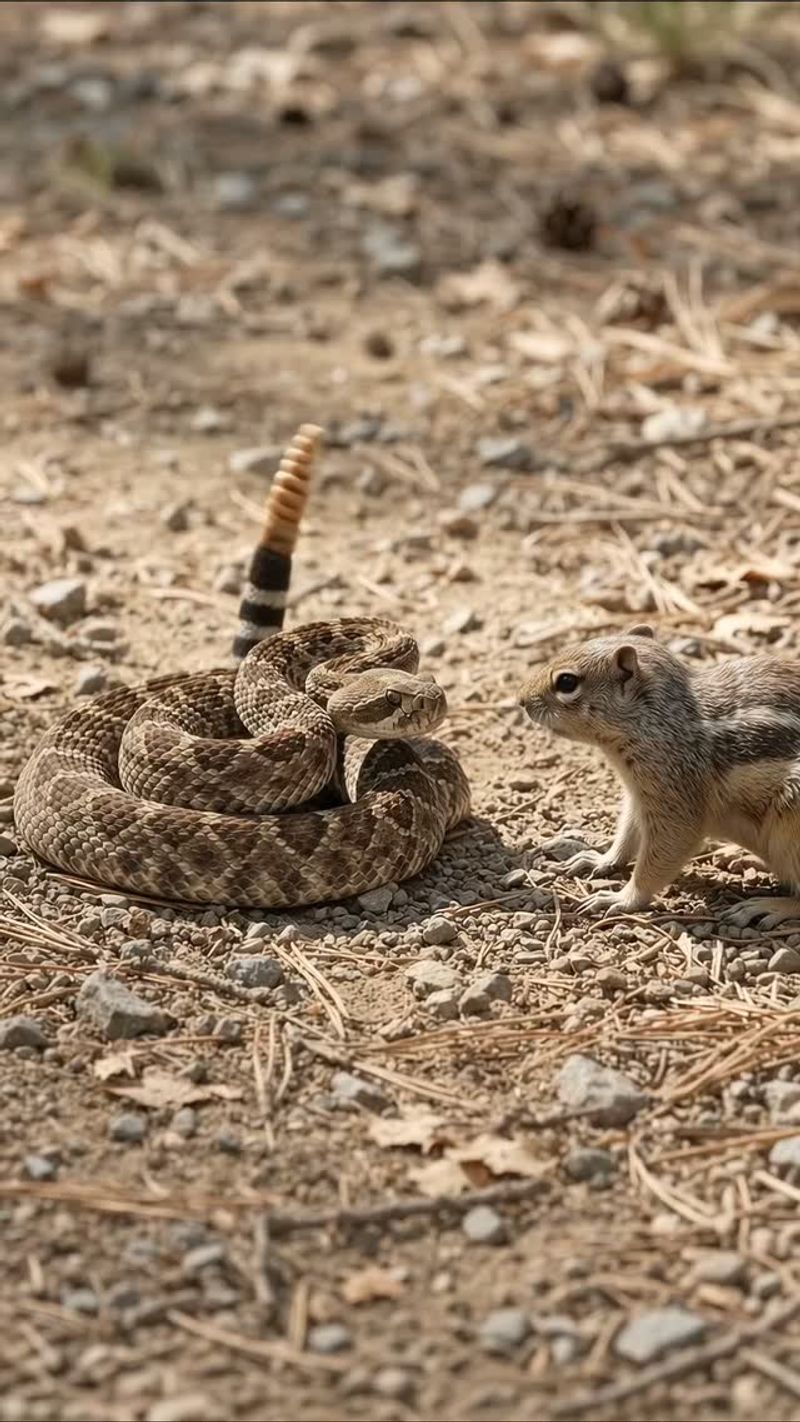
Fall is snack season for snakes. A rattler heading into months of low activity needs to build up reserves while prey is still easy to find.
Ground squirrels, mice, rats, and gophers make up much of their diet. Those same rodents love gardens, compost piles, bird feeders, and spilled seed. So your yard may become a buffet without you meaning it to.
A well-fed snake can go a long time between meals, which helps it survive the cool months. That is why autumn hunting matters so much to them. If rodents are active around your shed, a snake may follow.
Here is a practical step I swear by. Clean up fallen fruit, store birdseed in sealed metal bins, and keep pet food indoors. Fewer rodents usually means fewer reasons for a snake to linger.
Also, rattlesnakes do a real service by controlling rodent numbers. Many gardeners in rural areas appreciate that pest control from a distance.
The goal is not to fear every snake. It is to make your garden less inviting to the animals they chase, especially near doorways, play areas, and places where you work with your hands.
Newborn Baby Rattlesnakes Are On The Move Too
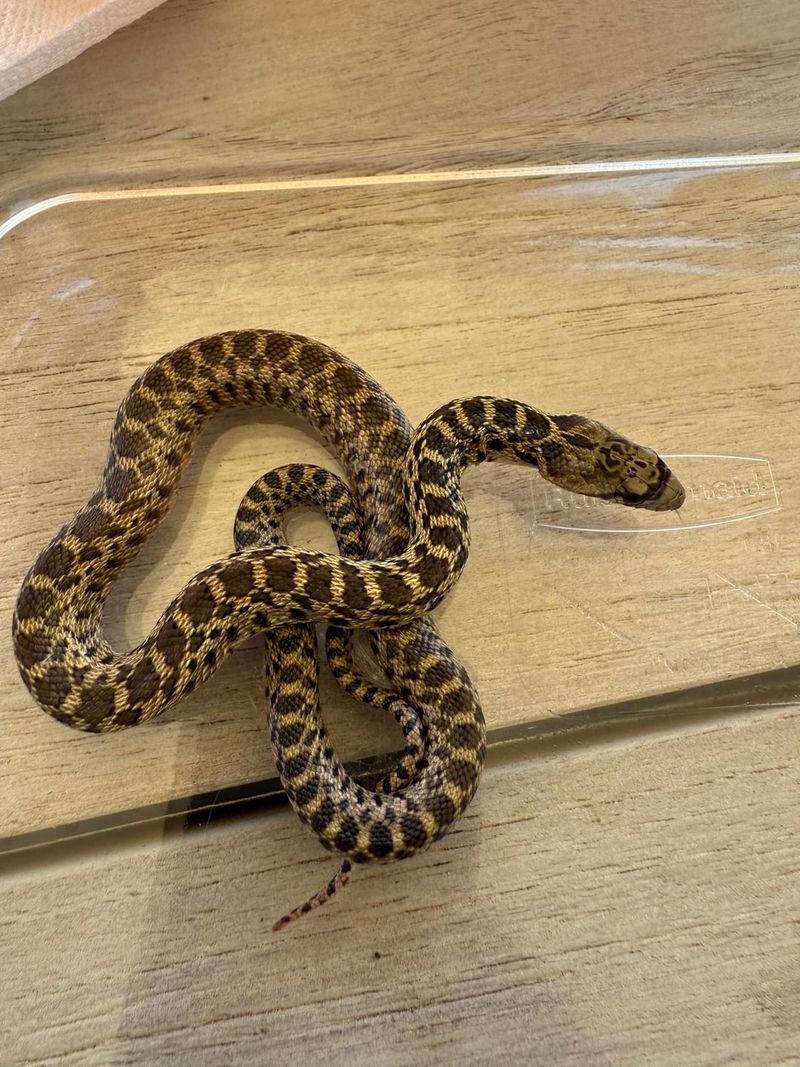
Did you know rattlesnakes give birth to live young instead of laying eggs? Many California species have their babies from late summer into early fall.
Those newborns are only about 8 to 10 inches long. Each one has a single button on its tail, so it often cannot make a real rattling sound yet. That tiny size makes them easy to miss in leaf litter or mulch.
Here comes the wild part. Research on rattlesnakes shows young ones can follow scent trails left by adults to locate overwintering dens. Some of that travel overlaps with fall, so youngsters may still be wandering when November arrives.
Baby rattlesnakes have working venom and fangs from birth. A bite from one deserves the same quick medical care as a bite from an adult.
Personally, I treat every small snake with caution unless I am sure it is harmless. Gopher snakes and garter snakes are common lookalikes, but identification from close range is not worth the risk.
Wear gloves when moving mulch or leaf piles. Use a rake or long tool to shift debris instead of bare hands, and give any small snake plenty of room.
Woodpiles And Rock Walls Make Cozy Rattlesnake Hideouts
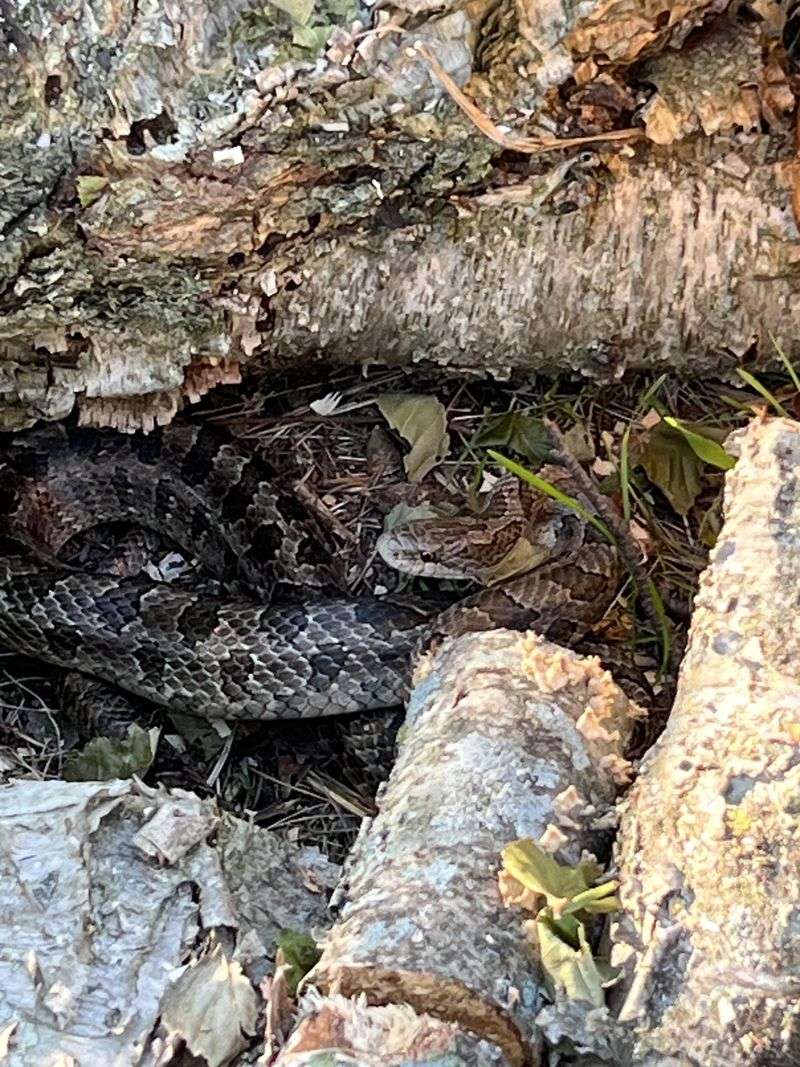
Snakes love a good hiding spot, and fall makes them pickier. They look for places that hold warmth and offer protection.
In the wild, rattlers shelter in rock crevices, rodent burrows, and dense brush. Some species gather in shared dens, sometimes returning to the same site year after year. Around homes, they may use woodpiles, rock walls, crawl spaces, sheds, and gaps under decks.
November is firewood season, which raises the risk a bit. Reaching into a stack without looking is a habit worth breaking. I always grab logs from the top and use gloves, and I check the area with a flashlight first on cloudy days.
A few easy fixes help a lot:
Store firewood off the ground on a rack and away from the house. Seal gaps under doors, sheds, and foundation vents with sturdy screen or hardware cloth. Clear piles of boards, tarps, and old pots that create shady pockets.
Tidy spaces give snakes fewer places to settle. They also help you see what is around before you step or reach. That simple visibility may be the best protection you have during cooler months.
Desert Sidewinders And Mountain Rattlers Keep Different Schedules
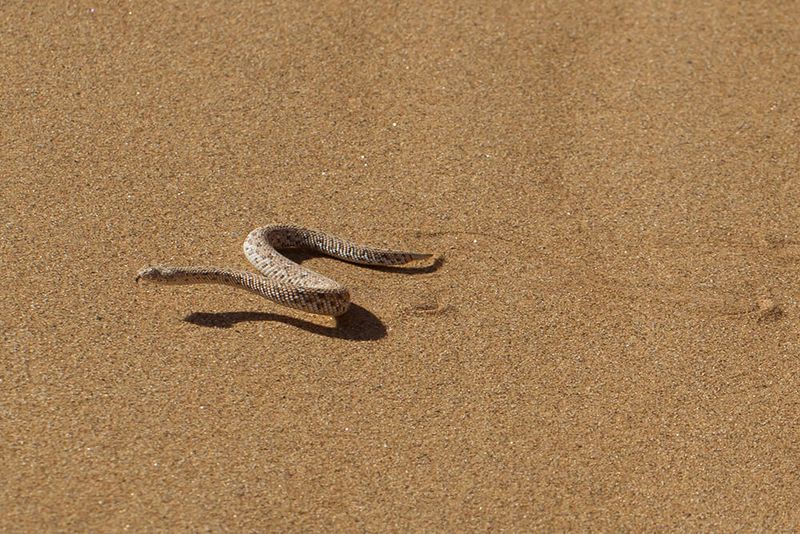
California is huge, and its snake calendar varies from place to place. A gardener in Palm Springs and a gardener near Lake Tahoe live in very different worlds in November.
Desert regions, including the Colorado and Mojave deserts, can stay warm enough for basking well into late fall. Southern coastal areas often enjoy mild afternoons too. Species there include the Southern Pacific rattlesnake, red diamond rattlesnake, and sidewinder in desert zones.
Inland valleys and the Sierra foothills often see a sharp drop in activity as the month goes on. Warm spells can still bring snakes out, especially early in November. The Northern Pacific rattlesnake is the most widespread species across these areas.
Higher mountains usually cool down quickly, and frosty nights push snakes underground sooner. Even there, a sunny south-facing rock may host a brief basker.
My tip is to judge risk by local weather rather than the calendar. If your area has highs in the upper 60s or warmer, stay alert outdoors. Rural yards near open land, creeks, or rocky hills tend to see more visitors than dense city neighborhoods, no matter the region.
Sturdy Boots And Garden Gloves Are Your Best Fall Gear
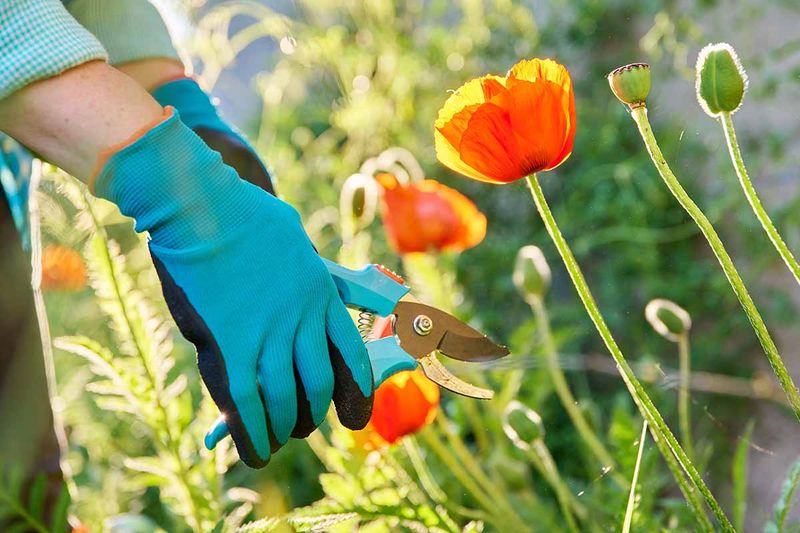
Most rattlesnake bites happen when people step on, grab, or try to handle a snake. Simple habits make a huge difference.
Start with your feet. Wear closed boots and long pants when working in brush, tall grass, or leaf piles. Sandals are lovely on a warm November day, but they offer no protection.
Next, think about your hands. Gloves help, yet looking first matters more. Before you reach under shrubs, into planters, or beneath a tarp, take a quick peek.
I also keep paths clear and grass trimmed short near the house. Snakes have fewer places to hide, and you can spot them sooner.
If you see one, back away slowly and give it several feet of space. The snake usually wants to leave too. Keep kids and pets away, and do not try to capture or move it yourself.
The California Department of Fish and Wildlife suggests calling local animal control or a licensed removal service if a snake must be relocated.
For a bite, call 911 right away. Stay calm, keep the bitten area still, and remove rings or tight items. Skip ice, cutting, and suction.