7 Texas Animals That Eat Acorns And What That Means For Your Yard
Oak trees in Texas act like moody chefs, dropping heaps of acorns one fall and almost none the next. Scientists call the big years mast years, and many believe the boom and bust pattern keeps hungry nibblers guessing.
Believe it or not, one mature oak can produce thousands of acorns during a strong year. That pile of brown nuts is packed with fats and carbohydrates, which makes it a winter pantry for wildlife.
I used to rake every acorn in my yard, until I noticed how many visitors cleaned up first. Some of those guests plant future oaks, while others leave your lawn looking like a plowed field.
Your shady corner of Texas might be hosting a busy dinner party every night without any invitations.
1. Fox Squirrels Are The Backyard Acorn Bosses
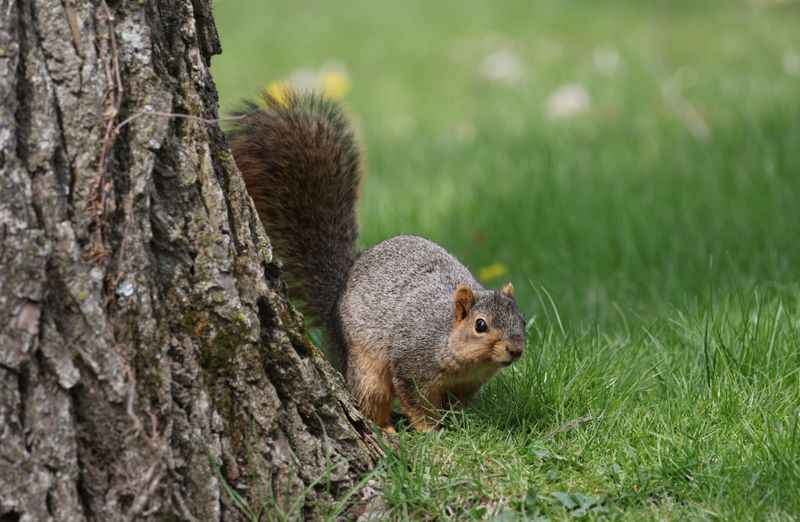
Anyone who has watched a rusty orange squirrel sprint across a fence with an acorn knows real hustle. Eastern fox squirrels are the biggest tree squirrels in the state, and they treat oaks like a personal grocery store.
State wildlife biologists note the fox squirrel is the most widespread squirrel here, from river bottoms to city parks. Their scientific name is Sciurus niger, and their fall menu leans heavily on acorns and pecans.
Personally, I love watching one dig a quick hole and pat the soil down over its prize. They find many of those hidden snacks later by smell, but the forgotten ones can sprout into young oaks.
That free tree planting service comes with a catch, because fox squirrels also love bird feeders and ripe tomatoes.
You might notice small holes in your lawn or flower pots each fall, which usually means fresh acorn caches.
A baffle on your feeder pole helps a lot, and so does placing the pole away from jumping branches. Squirrels can leap surprisingly far, so give the pole about ten feet of clearance from trees and roofs.
For potted plants, a layer of chicken wire under the mulch discourages digging without harming anyone. I leave a few acorns under the oak, since a busy squirrel there is a squirrel not in my garden.
Seedling oaks popping up in odd spots are their calling card, so pull them early while roots stay shallow. Or pot one up and share it, because a native oak is a gift that feeds wildlife for generations.
2. Gray Squirrels Plant More Oaks Than You Think
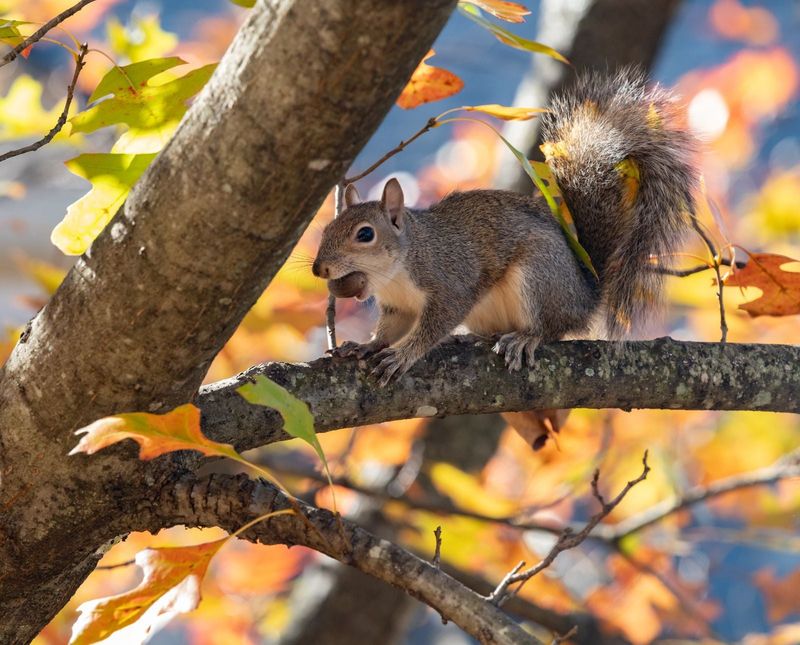
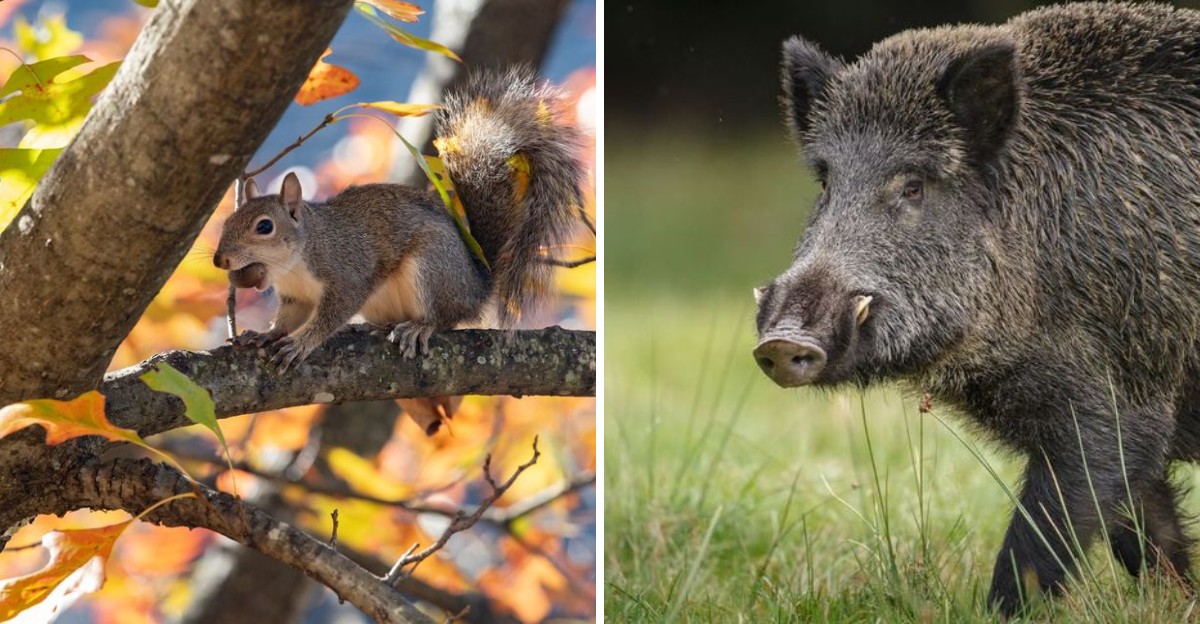
With a silver coat and a twitchy tail, the eastern gray squirrel zips through shady woods like a caffeinated acrobat.
Known to scientists as Sciurus carolinensis, it favors the dense hardwood forests of the eastern part of the state.
What surprises me most is how picky these squirrels are about which acorns they eat right away. White oak acorns sprout quickly in fall, so gray squirrels tend to eat them on the spot.
Red oak acorns hold off sprouting until spring, which makes them better for burying and saving. Researchers have even seen gray squirrels nip out the embryo of some acorns to stop them from sprouting.
That is some serious pantry planning for a creature that weighs only about a pound or so. Plenty of those buried acorns get forgotten, and the leftovers grow into the next generation of oak trees.
In your yard, gray squirrels may nibble pecans before harvest or chew on wooden decks and eaves. They sometimes travel along power lines too, and an occasional chewed wire can cause surprise outages.
You need to check attic vents and soffits each fall, since a small gap can become a cozy nursery. Sturdy hardware cloth over openings works well, but make sure nobody is inside before you seal it.
I have to admit, I forgive them a lot when I spot a baby oak they planted for free. Keeping a mix of red and white oaks gives them food across seasons and keeps your woodland healthy.
3. White-Tailed Deer Wander In When Acorns Drop
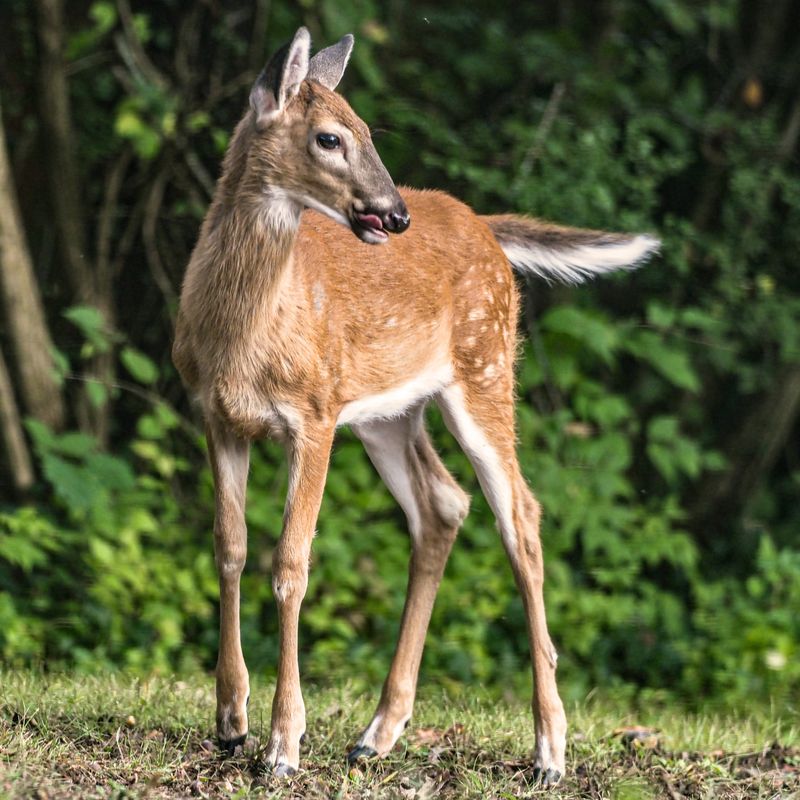
Few things feel more magical than spotting a white-tailed deer under your oak at dusk, ears twitching at every crunch. Biologists consider acorns one of the most valuable fall foods for Odocoileus virginianus across its range.
Those nuts are rich in fats and carbohydrates, which help deer build body reserves before winter arrives. Deer generally prefer white oak acorns, since they carry fewer bitter tannins than red oak acorns.
Here’s a fun twist for gardeners who battle hungry deer nibbling their roses and pansies every season. During a heavy acorn year, deer often spend more time under oaks and less time browsing your flower beds.
In a poor acorn year, the opposite can happen, and your fall vegetable garden may look extra tempting. I believe watching your oaks is a handy way to predict how much deer pressure your garden will face.
Many Texas towns, especially in the Hill Country, have dense deer herds that can strip landscapes bare. Too many deer can overbrowse young oaks too, which makes it harder for new trees to replace old ones.
Protect oak seedlings with wire cages until the trunks grow taller than a deer can comfortably reach. A fence around six to eight feet tall offers the most reliable protection for prized garden beds.
Please skip feeding deer in town, since several Texas cities restrict it and handouts draw crowds into yards. Let the oaks do the feeding instead, and enjoy the quiet show from your cozy kitchen window.
4. Raccoons Hunt Acorns With Clever Little Paws
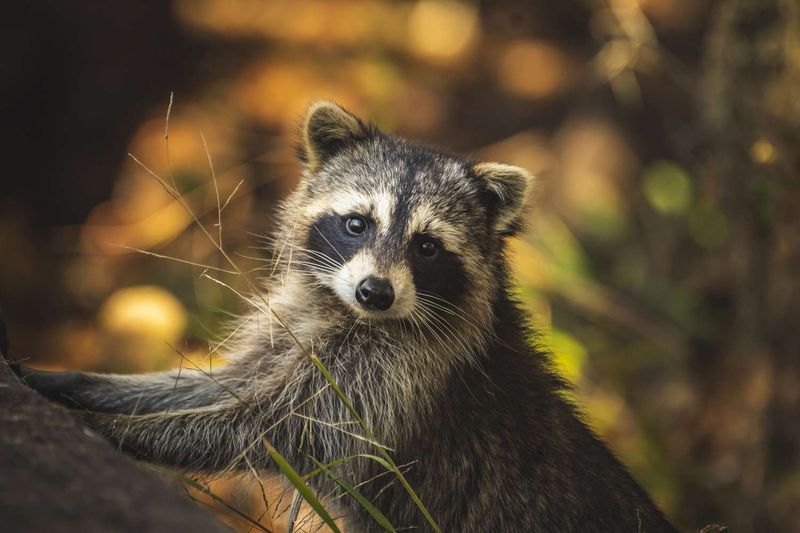
Those tiny handprints on your patio after a rainy night belong to a masked visitor with very busy fingers. Raccoons, or Procyon lotor, have super sensitive front paws that let them feel food before they see it.
In fall, they shuffle through leaf litter under oaks, picking up acorns and cracking them like tiny snacks. Acorns are an important fall food for them, helping them pack on fat before the cooler months.
Raccoons eat almost anything, though, and that flexible appetite is exactly why they thrive in neighborhoods. Sweet corn and pet food left on the porch look like an all-night buffet to a hungry raccoon.
Nobody warned me that a raccoon could pull up freshly laid sod looking for grubs underneath. Rolled back squares of grass in the morning are a classic sign, and so are overturned mulch piles.
You need to bring pet bowls inside at night and secure trash cans with bungee cords or locking lids. Raking up some acorns near the house can also reduce the reason for raccoons to linger close by.
Check your roofline and chimney caps too, since mother raccoons like snug attics for raising their kits. Raccoons can carry rabies and roundworm, so avoid handling them and call a licensed wildlife professional.
Personally, I find them fascinating from a distance, especially when their little paws work an acorn open. A motion camera near your oak can reveal their nightly rounds without inviting them onto the porch.
5. Rio Grande Wild Turkeys Scratch Up Acorns Under Oaks
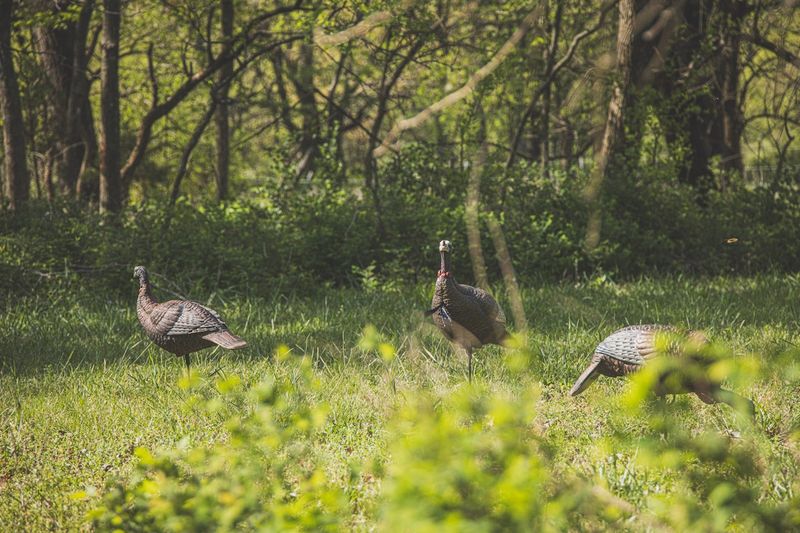
Hearing a gobble echo across a rural backyard in the early morning is a sound that stays with you. The Rio Grande wild turkey, Meleagris gallopavo intermedia, is the most widespread turkey subspecies in Texas.
Flocks walk slowly under oaks, scratching through leaves with strong feet to uncover hidden acorns and seeds. Acorns are a key part of their fall and winter diet, along with grass seeds and green leaves.
Take a closer look at the ground after they pass, and you may see neat cleared patches in the leaves. Those scratch marks are a reliable clue that turkeys have been feeding, even if the birds stay hidden.
I love how turkeys also gobble up grasshoppers and other insects, especially young poults during spring and summer. That bug buffet can give gardeners a small assist with pests, though turkeys may sample berries too.
Rio Grande turkeys roost in tall trees at night, often choosing big oaks or cottonwoods near creeks. Keeping mature trees on larger properties gives them safe places to sleep and plenty of food nearby.
If you live on acreage, planting native oaks like bur oak or Shumard oak helps future flocks. Late fall through winter is the best planting window in much of the state, when roots settle in before heat.
Avoid tossing out corn for them, since feeders can concentrate birds and spread disease among flocks. A healthy oak grove does the job better, and you get front row seats to the strutting.
6. Blue Jays Bury Acorns And Plant New Oaks
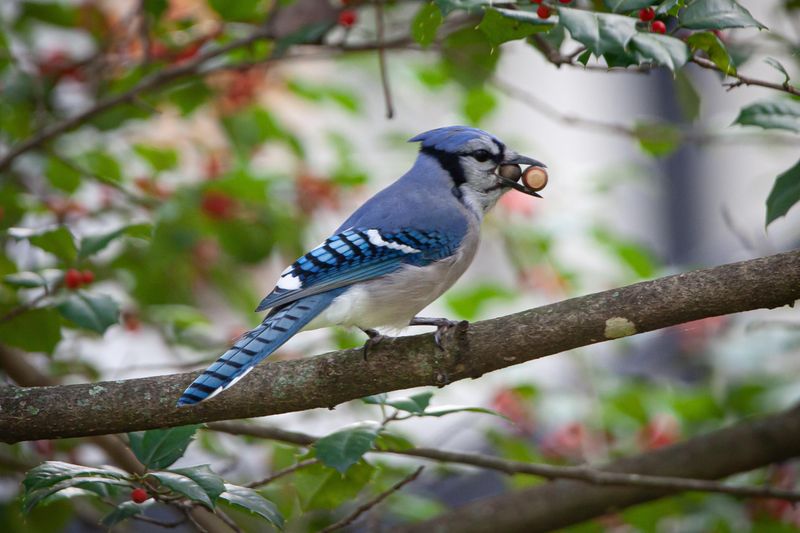
That screeching blue bird at your feeder might be the hardest working tree planter in your whole neighborhood. Blue jays, or Cyanocitta cristata, carry acorns far from parent trees and bury them for later meals.
To my surprise, a jay can carry several acorns at once, using a stretchy throat pouch and its bill. Researchers have recorded jays hauling acorns more than a mile before tucking them into soil or leaf litter.
One classic study found a small group of jays cached thousands of acorns each during a single autumn. Not every acorn gets recovered, and the forgotten ones can sprout into oaks in surprising new places.
Scientists credit jays with helping oaks spread northward after the last ice age, which still amazes me. Smaller acorns, like those from many red oaks, fit their pouch best and tend to be favorites.
Jays do have a darker side, since they occasionally raid other birds’ nests for eggs or chicks. Studies suggest nest robbing makes up a small share of their diet, so they rarely deserve villain status.
You might notice jays in eastern and central Texas year round, with extra activity when acorns ripen. Offering a shallow birdbath near your oaks gives them a reason to stay and do more planting.
Expect a few surprise oak seedlings in flower beds, since jays often bury acorns in loose, mulched soil. Pull the ones you cannot keep while small, and let a lucky one grow where space allows.
7. Feral Hogs Root Up Lawns Hunting For Acorns
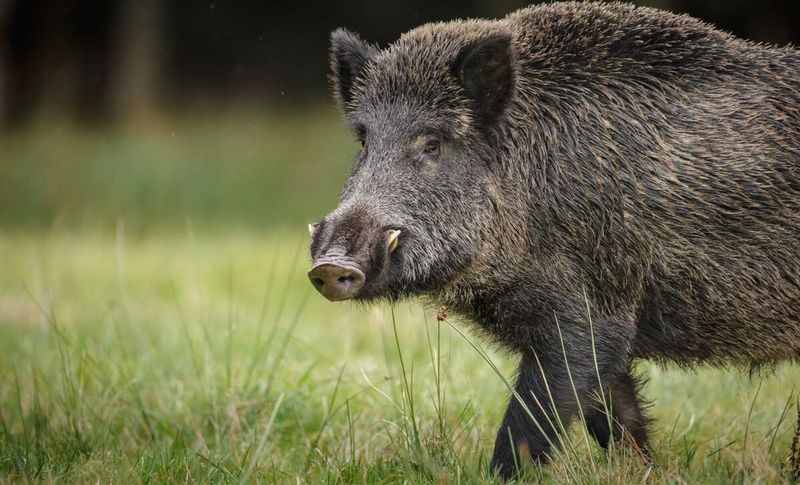
Waking up to a front lawn that looks freshly rototilled is a feeling nobody forgets, trust me on this. Feral hogs, Sus scrofa, are an invasive species, and acorns rank among their favorite fall foods.
Texas A&M AgriLife estimates that the state holds millions of feral hogs, more than any other state. They gobble huge amounts of acorns, which leaves far less for native wildlife like deer and wild turkeys.
Hogs use their tough snouts to plow through soil, flipping turf while searching for grubs and fallen nuts. That rooting can tear up lawns and creek banks overnight, leaving costly repairs for the homeowner.
They also muddy streams and ponds, and their wallows can spread bacteria that affect water quality. Hogs can carry diseases like swine brucellosis, so wear gloves and keep pets well away from them.
Raking up acorns near your house helps a little, but a sturdy fence offers far better protection. Woven wire or hog panels buried slightly into the ground work best, since hogs push under weak spots.
Electric fencing with low strands set near snout height can also discourage them from entering vegetable gardens.
For larger problems, Texas landowners can contact AgriLife Extension or an experienced trapper for removal help.
I truly believe managing hogs is one of the kindest things you can do for your native wildlife. Every acorn they skip is one more meal for the jays and squirrels you actually want around.